2027 Transfer Student Checklist: Everything You Need

Co-Founder and Chief Data Scientist
Transferring colleges is a high-stakes decision because credits, aid, housing, major requirements, and graduation timelines can all change at once. College Board's 2024 pricing data shows average published tuition and fees of $11,610 for in-state public four-year students and $43,350 at private nonprofit four-year colleges, so even one lost semester can be expensive. This guide is for community college students, online learners, returning adults, and four-year students changing schools. You'll learn how to compare transfer-friendly colleges, protect your credits, plan costs, and enroll with fewer surprises.
Key Things You Should Know
- A strong transfer checklist starts before applying: confirm accreditation, major fit, transfer-credit rules, total cost, and support services before you pay an application fee.
- Cost differences are large enough to affect ROI: College Board's 2024 data lists average published tuition and fees at $4,050 for public two-year colleges, $11,610 for in-state public four-year colleges, and $43,350 for private nonprofit four-year colleges.
- Career value depends on completion, not just admission: BLS 2024 data shows workers with a bachelor's degree had median weekly earnings of $1,543, compared with $1,099 for associate degree holders, but outcomes vary by major, location, experience, and employer demand.
What are the essential steps on a transfer student checklist before enrolling at a new college?
A transfer student checklist is a planning tool that helps you move from one college to another without losing unnecessary credits, missing deadlines, or choosing a program that does not match your goals. The most important idea is simple: do not treat admission as the finish line. You also need a credit plan, a financial plan, and a first-semester registration plan.
Use the following sequence to stay organized from early research through enrollment. These steps are ordered because each decision affects the next one, especially transfer credit, financial aid, and course registration.
- Define your target outcome, such as a bachelor's degree, a different major, a lower-cost pathway, an online format, or a faster graduation timeline.
- Request unofficial transcripts from every college you have attended and compare your completed courses against the new school's degree requirements.
- Check institutional and programmatic accreditation before applying, especially for nursing, education, counseling, engineering, accounting, and other regulated fields.
- Review transfer admission requirements, including minimum GPA, prerequisite courses, application deadlines, essays, recommendations, and portfolio or audition rules if applicable.
- Ask for a preliminary transfer-credit evaluation before committing, and confirm whether credits count toward your major, general education, electives, or only total credit hours.
- File the FAFSA and any state aid forms, then compare net price after grants, scholarships, transfer awards, fees, housing, transportation, and technology costs.
- Meet with an academic advisor before registering so you do not repeat completed requirements or take courses that delay major admission.
- Complete enrollment tasks, including deposit, immunization records, placement tests, orientation, student account setup, housing, parking, and health insurance decisions.
The biggest mistake is assuming that "accepted" means "on track to graduate." A school may admit you while still applying only part of your prior coursework to the degree. Always ask how many credits transfer and how many credits remain for the specific program you want.
How do you choose the right transfer-friendly college or university for your goals?
The right transfer-friendly college is not simply the school with the highest ranking or fastest admission decision. It is the school where your credits apply efficiently, your intended major is available, your costs are realistic, and your support needs are met. For many students, the best choice is the institution that gets them to a completed credential with the fewest wasted credits and the strongest career alignment.
Start by comparing schools on factors that directly affect time to degree and total cost. The table below summarizes the decision points that matter most when choosing among public, private nonprofit, online, and campus-based options.
| Decision factor | Why it matters for transfers | Best fit when | Red flag |
| Major availability | Some majors require sequenced prerequisites or separate admission after transfer. | Your completed courses match lower-division requirements. | The school admits you, but not directly into your intended major. |
| Credit acceptance | Accepted credits may not all apply to graduation requirements. | The school provides a degree audit before enrollment. | You receive only a vague estimate of transferable credits. |
| Delivery format | Online, hybrid, and campus programs require different schedules and support systems. | The format matches your work, family, commute, and learning style. | Required labs, fieldwork, or exams are not available near you. |
| Total net price | Tuition alone does not show fees, housing, transportation, or lost income. | Your aid package and budget cover the full academic year. | The school discusses monthly payments but not total remaining cost. |
| Student outcomes | Graduation, retention, and loan repayment data can reveal whether students finish successfully. | Completion metrics are transparent and comparable. | The school avoids discussing outcomes for transfer students. |
Major choice should also drive school choice. If you are still deciding, compare career alignment, course sequencing, and earning potential across the best majors before committing to a transfer destination.
Choose an online transfer program if you need flexibility and can manage independent deadlines. Choose a campus program if your major requires labs, studios, clinical placements, frequent faculty interaction, or local internships. A hybrid option can work well when you need flexibility but still want in-person access to advising, tutoring, or career services.
What transfer admission requirements, GPA, and documentation do most colleges expect?
Transfer admission requirements vary by college, but most schools evaluate whether you have completed enough college-level coursework to be reviewed primarily as a transfer student rather than a first-year applicant. Requirements may differ for general admission and selective majors, so check both the university transfer page and the department page.
Most transfer applications require several documents. Gather them early because transcript processing, financial aid verification, and major review can take longer than expected.
- Official transcripts from every college attended, even if you withdrew, failed courses, or earned only a few credits.
- High school transcript or GED record if you have limited college credits or if the college requires it for all transfers.
- Minimum college GPA, often higher for competitive majors such as nursing, business, computer science, engineering, education, and social work.
- Course prerequisites, including college composition, mathematics, laboratory science, foreign language, or major-specific introductory courses.
- Personal statement or essay explaining your academic goals, reason for transfer, and readiness for the new program.
- Letters of recommendation, resume, portfolio, audition, or interview if required by the program rather than the institution.
- Disciplinary, conduct, or good-standing forms if requested by the receiving college.
GPA cutoffs should be treated as minimum eligibility, not a guarantee of admission. A student with a lower GPA but strong recent coursework and completed prerequisites may be competitive at some institutions, while a student who meets the university minimum may still be denied by a selective major.
A common mistake is leaving out a prior college because the credits seem irrelevant or the grades were poor. Schools usually require all postsecondary transcripts, and missing records can delay admission, aid, or graduation clearance.
How can you evaluate transfer credit policies and maximize the courses that will transfer?
Transfer credit is one of the most important parts of the checklist because it determines how much time and money you still need to finish. A course can be accepted by the college but still fail to satisfy a degree requirement, so the question is not only "Will it transfer?" but "Where will it apply?"
Use this practical process before you enroll. It helps you protect completed coursework and spot policies that could add unnecessary semesters.
- Request a written transfer-credit evaluation that separates general education, major requirements, electives, and non-applicable credits.
- Compare the evaluation with the official degree map for your intended major, not just the university's total credit requirement.
- Ask whether courses with grades of C-, D, pass/fail, repeated attempts, developmental status, or older completion dates will count.
- Check residency requirements, which specify how many credits you must complete at the new institution to graduate there.
- Review articulation agreements, statewide transfer pathways, reverse transfer options, and associate-to-bachelor's completion agreements.
- Keep syllabi, course descriptions, lab hours, and assignments in case you need to appeal a course equivalency decision.
The table below clarifies the difference between common credit outcomes. This distinction matters because a large credit total does not always mean you are close to graduation.
| Credit result | What it usually means | Impact on graduation |
| Major requirement | The course satisfies a required class in your program. | Usually the most valuable transfer outcome. |
| General education | The course meets a university-wide requirement such as writing, math, science, or humanities. | Helpful, but may not shorten major sequencing. |
| Elective credit | The credits count toward total hours but not a specific requirement. | Useful only if you need elective hours. |
| No credit awarded | The receiving school does not accept the course or it is below college level. | May require retaking coursework. |
| Pending review | The department needs more information before deciding. | Can delay advising and registration. |
If your goal is to finish a credential quickly before transferring again, compare flexible 1-year associate degree programs carefully against bachelor's transfer requirements so speed does not cost you usable credits.
What financial aid, scholarships, and budgeting tasks should transfer students complete?
Financial aid planning for transfer students can be more complicated than first-year planning because aid eligibility, scholarship deadlines, satisfactory academic progress, housing status, and dependency information may change. You should compare schools by net price, not sticker price, and by remaining cost to graduation, not just cost for the next term.
College Board's 2024 pricing data provides a useful benchmark: average published tuition and fees were $4,050 at public two-year colleges, $11,610 for in-state students at public four-year colleges, and $43,350 at private nonprofit four-year colleges. For a transfer student, that spread means the number of credits accepted can be just as financially important as the tuition rate.
Complete these financial tasks before you commit to a school. They help you avoid aid gaps that often appear after admission but before the bill is due.
- Submit the FAFSA and list each school you are seriously considering so you can compare official aid offers.
- Ask whether the college has a separate transfer scholarship application, priority deadline, Phi Theta Kappa award, departmental scholarship, or adult learner grant.
- Confirm how your prior credits affect satisfactory academic progress, maximum timeframe rules, and loan eligibility.
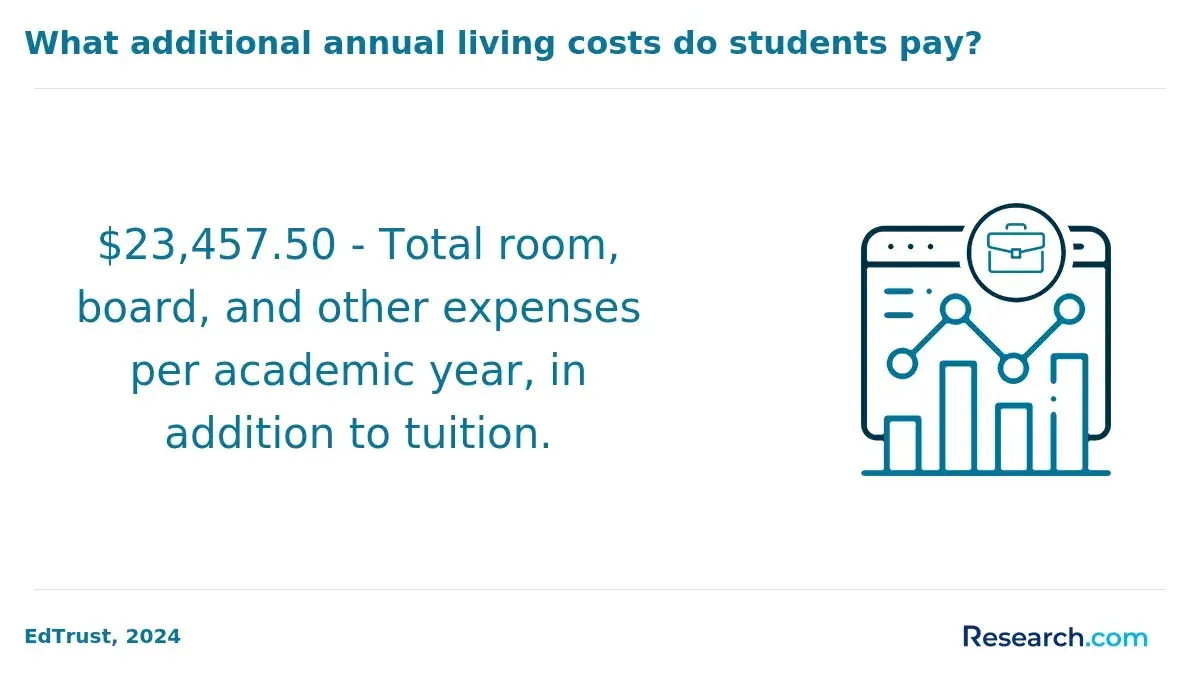
- Compare tuition, mandatory fees, books, technology charges, housing, meal plans, transportation, parking, childcare, and health insurance.
- Calculate cost to completion by multiplying expected remaining credits by per-credit cost and adding non-tuition expenses.
- Ask whether summer courses, online courses, part-time enrollment, or internships are covered by your aid package.
Avoid choosing the lowest tuition without checking credit loss. A school that costs less per credit can still cost more overall if it accepts fewer courses toward your degree. The better comparison is total estimated cost from transfer entry to graduation.
How do program options and majors for transfer students differ at online and campus schools?
Program options for transfer students differ sharply between online and campus schools because some majors are easier to deliver remotely than others. Business, psychology, criminal justice, communication, liberal studies, computer science, and some health administration programs often have online completion pathways. Lab-heavy, studio-based, clinical, licensure, and field-placement programs may require in-person components even when lectures are online.
The table below compares online and campus formats from a transfer student's perspective. Use it to match the program format to your schedule, learning needs, and major requirements.
| Program format | Transfer advantages | Possible limitations | Best for |
| Fully online | Flexible scheduling, no relocation, often better for working adults. | May have limited labs, clinical placements, or campus networking. | Students with strong self-management and compatible majors. |
| Hybrid | Combines online convenience with campus access. | Commute days can conflict with work or family responsibilities. | Students who need labs, advising, or occasional in-person support. |
| Campus-based | More direct access to faculty, facilities, student organizations, and local recruiting. | Higher housing or transportation costs may apply. | Students in hands-on majors or those seeking a traditional campus experience. |
| Degree-completion program | Designed for students with prior credits or an associate degree. | May have narrow major options and strict prerequisite expectations. | Students who know their major and want a focused finish. |
Some online schools offer frequent term starts, which can help if you missed a traditional fall or spring deadline. If timing is your biggest obstacle, compare online colleges that start soon, but still confirm accreditation, credit transfer, and aid eligibility before enrolling.
The main trade-off is flexibility versus structure. Online programs can reduce relocation and commuting barriers, but they require disciplined time management. Campus programs may cost more in living expenses, but they can provide stronger access to labs, internships, faculty mentoring, and peer networks depending on the major.
What orientation, advising, and registration steps help transfers build a first-semester schedule?
Orientation, advising, and registration are where your transfer plan becomes a real first-semester schedule. This stage matters because transfer students often enter with mixed credits, major prerequisites, and degree requirements that do not align neatly with first-year course plans.
Before registering, ask for an advising appointment with someone who understands transfer evaluations for your specific major. Bring your transcript evaluation, unofficial transcripts, degree audit, and a list of courses you believe should apply.
- Complete orientation modules or in-person sessions by the deadline so advising and registration holds are removed.
- Review your degree audit with an advisor and identify which requirements are complete, pending, or missing.
- Prioritize courses that unlock future sequences, such as statistics, anatomy, accounting, programming, lab science, or methods courses.
- Balance your schedule by mixing demanding major courses with manageable electives or general education requirements when possible.
- Confirm whether online, evening, hybrid, or accelerated courses meet the same requirements as campus sections.
- Check registration holds for immunization records, transcripts, advising, placement testing, conduct forms, unpaid balances, or financial aid verification.
- Save written confirmation for any course substitution, waiver, or prerequisite override.
A common transfer mistake is registering only for open classes rather than required classes. Open seats do not always equal progress. If a needed course is full, ask about waitlists, department permission, equivalent sections, summer options, or course substitutions before choosing unrelated electives.
Your first semester should be realistic. If you work full time, care for family, or are returning after a break, part-time enrollment may be smarter than an overloaded schedule that risks low grades or withdrawals.
What housing, health insurance, and student services decisions should transfer students plan for?
Housing, health insurance, and student services can affect your success as much as admission and credit transfer. Transfers who focus only on academic paperwork may discover too late that housing is full, commuter transportation is expensive, or required health documentation blocks registration.
Plan these non-academic decisions as soon as you are seriously considering enrollment. They are especially important if you are relocating, switching from online to campus study, or moving from a community college to a residential university.
- Ask whether transfer students are eligible for on-campus housing and whether housing is guaranteed, limited, or assigned after first-year students.
- Compare on-campus housing, off-campus rent, commuting, parking, meal plans, utilities, and lease length before choosing where to live.
- Submit immunization, health history, and insurance waiver forms by the deadline if the school requires them.
- Confirm whether your current health insurance works in the new location, especially if you are moving across state lines.
- Register with disability services early if you need accommodations, because documentation review can take time.
- Use tutoring, writing centers, transfer student groups, mental health counseling, career services, veterans services, childcare support, or food pantry resources if relevant.
Do not wait until classes begin to look for support. Transfer students often have less time to build networks than first-year students, so joining a transfer orientation group, major club, undergraduate research program, or career community can help you connect quickly.
Red flags include unclear housing policies for transfers, no dedicated transfer advising, limited mental health access, weak career services, or difficulty finding staff who can answer basic enrollment questions. These issues do not automatically make a school a poor choice, but they should affect your planning.
How do transfer pathways affect long-term career outcomes, salaries, and job prospects?
Transfer pathways affect long-term outcomes because they influence whether you finish, how much debt you take on, how closely your major matches the labor market, and whether your courses build toward a clear career path. The best pathway is not always the fastest one; it is the one that leads to a recognized credential with manageable cost and strong alignment to your goals.
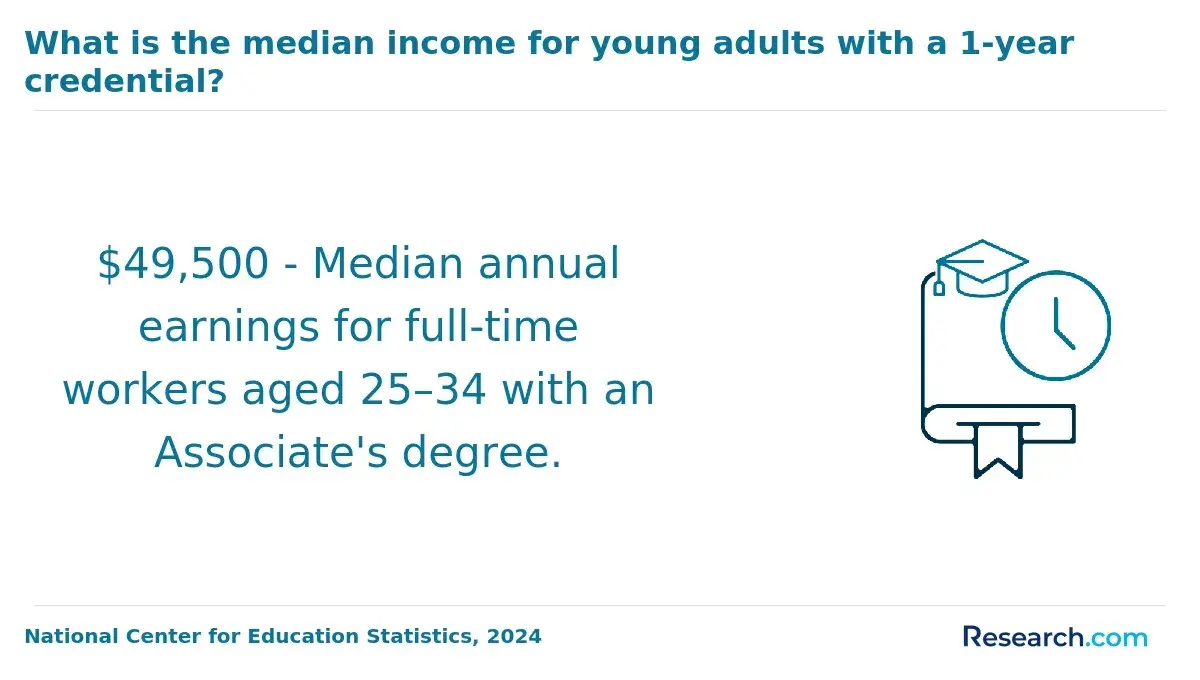
BLS 2024 education data shows the median weekly earnings for workers with a bachelor's degree were $1,543, compared with $1,099 for associate degree holders. This does not mean every bachelor's program has the same payoff, but it shows why completing the right credential can matter for long-term earnings and job options.
Use the following career-focused checks before finalizing your transfer plan. They connect your academic choices to employment realities.
- Identify target job titles and check whether they typically require an associate degree, bachelor's degree, graduate degree, license, certification, portfolio, or experience.
- Review whether your intended major has internship, clinical, practicum, student teaching, research, or capstone requirements that affect graduation timing.
- Ask the department where recent students complete internships and what employers recruit from the program.
- Compare total remaining cost with expected entry-level opportunities in your region rather than relying only on national salary figures.
- Consider whether graduate school is likely for your field, and preserve GPA, prerequisites, and faculty relationships accordingly.
Some transfer students are already thinking beyond the bachelor's degree. If your career path may require graduate study, compare future options such as a low cost masters degree online before taking on extra undergraduate debt that could limit your next step.
AI and automation also make skill selection more important. Majors that include data analysis, communication, ethical reasoning, project management, technical fluency, and hands-on experience may help students adapt as job tasks change. Still, no major guarantees a specific salary, so use labor data as one input alongside fit, cost, location, and completion likelihood.
How can you verify accreditation, quality, and student success metrics at a potential transfer school?
Accreditation and student success metrics help you verify whether a transfer school is legitimate, stable, and likely to support completion. At minimum, confirm that the institution is accredited by an agency recognized by the U.S. Department of Education or the Council for Higher Education Accreditation. For certain fields, also check programmatic accreditation.
Programmatic accreditation matters when employers, graduate schools, or licensing boards expect it. This is especially important in nursing, social work, counseling, psychology, education, engineering, architecture, dietetics, and some business or accounting pathways.
Review the following quality indicators before you enroll. None tells the whole story alone, but together they can reveal whether a school is transparent and transfer-ready.
- Institutional accreditation status and any probation, warning, show-cause, or monitoring actions.
- Programmatic accreditation if your career field requires or strongly values it.
- Graduation and retention rates, especially for students similar to you when available.
- Transfer-out, completion, and credit acceptance information for community college or prior-college students.
- Student loan default, repayment, and median debt information where available.
- Licensure exam pass rates for regulated programs such as nursing, teaching, or counseling.
- Career services access, internship support, employer partnerships, and alumni outcomes.
Institution type alone does not determine quality or ROI. Public, private nonprofit, and other institutions can vary widely in cost, support, and outcomes, so compare specific schools rather than relying on labels. If you prefer mission-driven institutions with recognized accreditation, you can start by reviewing non profit schools and then verify each program's transfer and outcome data directly.
Be cautious if a school pressures you to enroll before giving a written credit evaluation, avoids accreditation questions, promises employment outcomes, or cannot explain how your credits apply to the degree. A reputable institution should be able to answer practical questions clearly.
Other Things You Should Know About
Start at least one full term before you plan to enroll, and earlier if your major is selective or has prerequisites. Competitive programs, housing, scholarships, and financial aid deadlines can close months before classes begin.
It depends on the school. Some colleges review students as transfers after a small number of college credits, while others require a larger completed credit total. Always check the receiving school's transfer admission policy and major-specific rules.
Not always. Credits may transfer as major requirements, general education, electives, or not at all. Ask for a written degree audit showing how each course applies to your intended program before you commit.
It can be better if your associate degree is part of an articulation agreement or satisfies lower-division requirements. It may not be better if extra courses delay your bachelor's pathway or do not apply to your intended major.
References
- How the College Credit Transfer Process Works and How it Can Be Improved | ACE Blog https://ace.edu/blog/how-the-college-credit-transfer-process-works-and-how-it-can-be-improved/
- Navigating Financial Aid as a Transfer Student | Coalition for College https://www.coalitionforcollegeaccess.org/mycoalition-counselor-all/navigating-fa-as-a-transfer-student
- Get the right international student insurance for your study abroad https://www.insuretostudy.com/student-insurance/
- Recent Posts https://www.internationalstudentinsurance.com/blog/
- Evaluating International Credentials: Problems of Transfer Credit https://wenr.wes.org/accreditation-and-quality-assurance/evaluating-international-credentials-problems-of-transfer-credit/
- Transfer Acceptance Rates: What You Need to Know | Edvisorly https://www.edvisorly.com/student-guides/transfer-acceptance-rates
- How to Choose the Right Online College https://www.straighterline.com/blog/goodie-how-to-choose-the-right-online-college
- How to Verify a US Partner School's Accreditation Before Committing https://www.amerigoeducation.com/news/how-to-verify-a-us-partner-schools-accreditation-before-committing
- Choosing an Online School as a Transfer Student | OEDb.org https://www.oedb.org/advice/choosing-an-online-school-for-transfer-students/
- Transfer Success Checklist https://alabamatransfers.com/students/transfer-checklist