2027 Capstone vs Thesis Requirements for Global Security Master's Programs

Co-Founder and Chief Data Scientist
The decision between a capstone and a thesis requirement shapes how graduate students, especially working professionals and career-changers, engage with global security master's programs. Capstones often integrate simulation tools and project-delivery models aligned with industry standards like risk assessment software, demanding cohesive team collaboration within fixed timelines. Conversely, thesis tracks emphasize deep methodological training through empirical research framed by formal committee oversight and advanced data-analysis techniques common in national security studies.
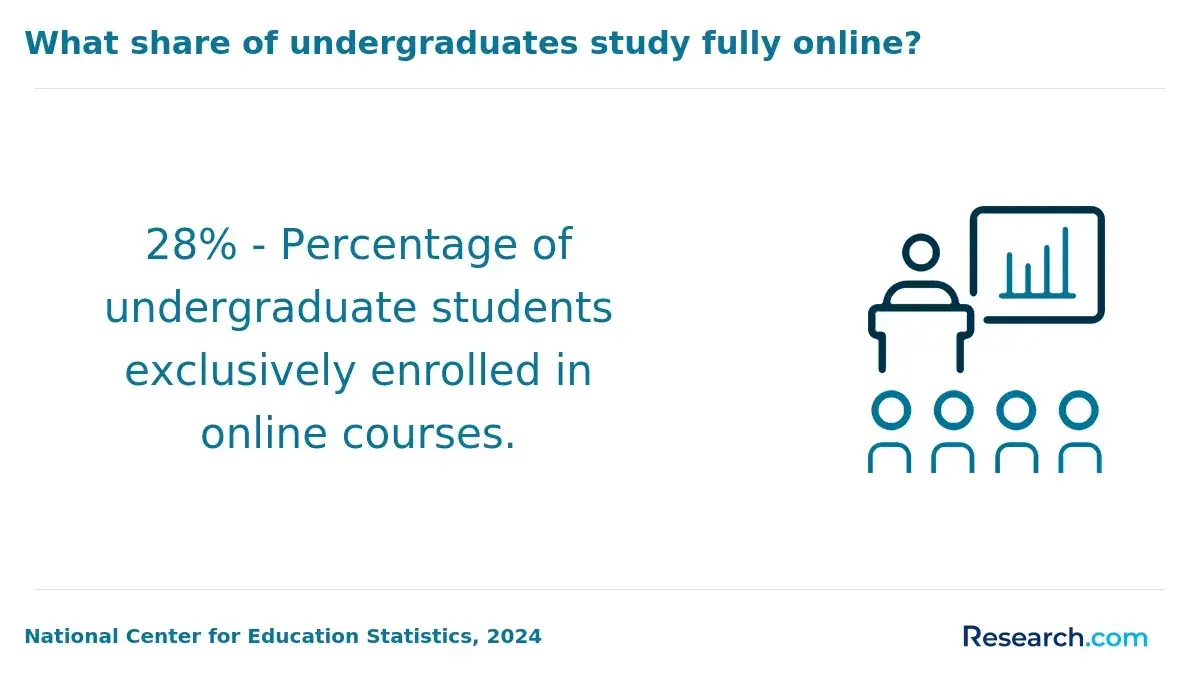
Recent data from the National Center for Education Statistics shows a 12% rise in adult enrollment in online master's programs since 2022, underscoring the need for manageable research formats that accommodate full-time employment. This article unpacks these differences to help readers decide which approach aligns with their professional pace, learning style, and long-term goals.
Key Things to Know About Capstone vs Thesis Requirements for Global Security Master's Programs
- Capstone projects emphasize applied problem-solving and often demand less time than theses, enabling working professionals to balance studies with jobs, but may limit deep theoretical expertise expected by some employers.
- Theses foster research skills prized in analytic roles within global security, signaling to employers a candidate's capacity for independent, evidence-based policy evaluation, which can enhance long-term career mobility in specialized sectors.
- Given the 22% rise in adult learner enrollment in online master's programs reported by the National Center for Education Statistics in 2024, capstones often better accommodate accelerated timelines and flexible pacing, reducing time-to-degree.
What Is a Capstone Project in a Global Security Master's Program?
A capstone project in global security master's programs functions as a practical synthesis of interdisciplinary knowledge tailored to meet employer demands for actionable expertise. Unlike a thesis, which prioritizes original research and theoretical innovation, the capstone centers on real-world problem solving that aligns closely with strategic and operational challenges faced by security professionals. This distinction directly shapes how students engage with their final projects and influences their workflow, time investment, and eventual career positioning.
- Professional Alignment: Capstone projects are designed to produce deliverables such as strategic briefs, risk assessments, or policy frameworks that map directly onto employer needs in government and private sectors. This applied culminating experience ensures graduates can demonstrate immediately relevant skills instead of solely academic knowledge.
- Workflow Implications: Because these projects emphasize synthesis of existing knowledge over prolonged original research, students often experience a more predictable and condensed timeline. This suits working professionals and career-changers whose schedules require pragmatic, time-conscious credential attainment.
- Program-Design Rationale: Global security master's programs adopt capstone projects to foster interdisciplinary integration, blending areas like cybersecurity, international relations, and risk management into a cohesive, executable output. This structure reflects the complex, interconnected nature of contemporary security threats and solutions.
- Contrast With Thesis-Based Learning: Unlike theses, which require deep academic inquiry culminating in extensive scholarly writing, capstones favor clarity, feasibility, and stakeholder communication. This approach tends to limit students' preparation for research-heavy doctoral pathways but enhances readiness for operational roles demanding strategic insight.
For example, a student might develop a comprehensive counterterrorism framework addressing cybersecurity vulnerabilities in multinational corporate environments. This deliverable not only showcases targeted expertise but can be leveraged as a practical portfolio piece with potential employers. Such applied culminating experiences for global security graduate students reflect a broader institutional emphasis on workforce integration rather than purely academic contribution.
Students considering different degree completion formats may also explore accelerated degree programs that incorporate capstone models. These programs often provide a clearer path to credentialing within compressed timelines, complementing the inherently pragmatic design of capstone requirements in global security master's programs.
What Is a Master's Thesis in Global Security Programs?
A master's thesis in global security programs represents more than a formal capstone; it is an extended, original research endeavor designed to demonstrate advanced analytical and methodological expertise. For working professionals or career-changers, committing to this path means prioritizing in-depth investigation over practical skill application, with significant implications for time management and future career trajectories.
- Research Depth: The thesis demands comprehensive engagement with complex security issues using specialized methods such as intelligence analysis or risk management. This level of rigor prepares students for roles emphasizing policy design or strategic assessment rather than immediate operational tasks.
- Faculty Mentorship: Close supervision by advisors skilled in security domains ensures that students address real-world gaps or emerging threats. This mentorship is critical to maintaining academic standards while grounding analysis in practical intelligence or geopolitical data.
- Workload Tradeoff: Compared to capstones, theses require sustained discipline across semesters, making them less suitable for students balancing full-time careers. However, they provide credentials valued by research institutes and doctoral programs that seek demonstrated capacity for independent inquiry.
- Practical Outcomes: The final thesis emphasizes producing policy-relevant insights or recommendations rather than applied solutions. This distinction helps graduates pivot into strategy-heavy positions, while capstone completers may find quicker pathways into hands-on security roles.
- Professional Signaling: Completing a thesis signals advanced critical thinking and methodological precision to employers in government, think tanks, and international organizations. It can therefore expand career options but also delays degree completion compared to more practice-oriented alternatives.
When Should You Choose a Capstone Over a Thesis in a Global Security Master's Program?
Choosing a capstone over a thesis in global security master's programs often makes strategic sense when the priority lies in generating practical skills with direct workforce application rather than conducting extensive original research. For example, a mid-career professional aiming to transition into cybersecurity policy may find a capstone project-with its focus on applied problem-solving and stakeholder-relevant deliverables-better aligned with employer expectations and constrained timelines than a thesis.
- Professional Alignment: Capstones emphasize tangible outcomes like policy briefs or operational frameworks that can be directly showcased to employers, reflecting the sector's preference for actionable insights over academic innovation.
- Time Efficiency: Compared to the length and unpredictability of thesis research, capstones typically have structured, limited scopes, enabling faster degree completion vital for working students balancing multiple responsibilities.
- Supervisory Model: Capstone advisors focus on guiding focused, pragmatic projects rather than sustained scholarly critique, making the process more suitable for professionals who prioritize relevance and practical mentorship over deep theoretical engagement.
- Risk Mitigation: With defined project boundaries, capstones reduce the uncertainty and academic risk inherent to original research, appealing to those who prefer more controlled, foreseeable academic demands.
- Career Focus: Students without doctoral ambitions or academic career plans often benefit from capstone projects, which concentrate on applied expertise and problem-solving capabilities rather than scholarly publications or research contribution.
A graduate recalled deciding on a capstone during the final semester after consulting with their employer, who emphasized immediate applicability of skills over a traditional thesis. Facing limited time and wanting to integrate real organizational challenges, they chose a policy analysis capstone linked to employer priorities. While initially hesitant about foregoing a thesis, they valued the focused mentorship and deliverables that translated quickly into job performance, illustrating how capstones can serve pragmatic goals within global security master's pathways.
When Is a Thesis the Better Option for Global Security Students?
Choosing a thesis over a capstone often reflects a commitment to rigorous academic research and long-term professional positioning in global security fields. Thesis-based tracks demand significant faculty supervision and methodical inquiry, cultivating skills prized in research-heavy roles or doctoral pathways. While capstones emphasize applied solutions and quicker completion, thesis requirements engage students in sustained, original investigation with broad implications for employability in specialized sectors.
- Research Depth: A thesis project requires comprehensive literature review and development of novel arguments, which sharpens expertise essential for complex topics like cybersecurity policy or conflict resolution theory. This depth fosters mastery beyond typical capstone scopes, linking closely to global security master's programs valuing original contributions.
- Doctoral Preparation: Students targeting PhD programs benefit from the thesis experience, as it builds foundational competencies in scholarly writing, advanced methodology, and independent inquiry that doctoral committees expect.
- Faculty Mentorship: Thesis tracks usually involve intensive oversight, enabling iterative feedback and methodological rigor-elements that less structured capstone advisement seldom match.
- Career Differentiation: Employers in government research bodies or global security consultancies often prioritize candidates with demonstrated ability to conduct publishable research, strengthening job prospects in analysis and policy roles.
- Community and Collaboration: Programs maintaining thesis cohorts create sustained peer engagement and intellectual discourse, supporting professional networks critical for long-term global security careers.
Understanding these considerations helps align degree choices with specific career trajectories, balancing immediate goals and enduring professional development within global security contexts. For those weighing technical or policy-focused alternatives, exploring options among engineering degrees may also provide complementary skillsets valuable in cybersecurity sectors.
How Do Time, Workload, and Stress Compare Between Capstone And Thesis in a Global Security Master's Program?
Choosing between a capstone and thesis in global security master's programs often comes down to managing extended research demands versus applied project execution under tight professional schedules. For students balancing full-time jobs or operational responsibilities, the timeline and intensity differences affect not only completion but also real-world applicability and professional momentum.
- Time Commitment: A thesis requires sustained effort across semesters, reflecting the expectation for comprehensive original research and iterative revisions. This longer horizon can conflict with workplace duties, delaying degree completion for practitioners without flexible schedules.
- Workload Distribution: Thesis work is largely solitary and research-intensive, demanding deep analysis, data synthesis, and extensive literature review. Capstones, conversely, focus on collaborative, outcome-driven projects with defined deliverables that integrate existing frameworks, easing the burden through teamwork but introducing coordination challenges.
- Stress Factors: Thesis candidates often face pressure from aligning research scope with limited advisor bandwidth and peer feedback cycles, contributing to elevated stress. Capstone participants encounter more predictable stress tied to project deadlines and collective coordination, which may better support students needing clear, applied outcomes within constrained time.
How Do Capstone and Thesis Choices Affect Career Outcomes in a Global Security Master's Program?
Deciding between a capstone and thesis in global security master's programs directly influences how employers and doctoral programs perceive a candidate's capability, shaping career trajectories based on demonstrated skills and knowledge application. For example, a professional aiming for a strategic intelligence role within government may prioritize a capstone to showcase practical problem-solving and operational relevance, whereas a candidate targeting doctoral study or research-intensive policy development might favor a thesis for its depth of academic inquiry.
- Skill Signaling: A thesis signals rigorous research ability and theoretical mastery, favored by doctoral programs and employers valuing methodological precision. Conversely, a capstone highlights applied expertise and project management skills, appealing to sectors needing immediate operational impact.
- Employer Expectations: Hiring managers in homeland security or corporate risk management often prioritize capstone graduates for their portfolio evidence of real-world solutions, while academic or think-tank roles weigh thesis experience more heavily for its scholarly depth.
- Tradeoffs in Focus: Thesis routes emphasize specialization and original research, sometimes limiting exposure to diverse, practical competencies. Capstones foster multidisciplinary integration, potentially enhancing adaptability but with less academic rigor.
- Career Advancement: For professionals balancing ongoing employment, capstones offer pragmatic, time-efficient project completion suited to shifting job demands. Thesis paths better support those committed to long-term research careers and roles requiring demonstrable independent inquiry.
Integrating these considerations with your career goals is essential, especially if you seek to align academic outcomes with industry or research expectations. For students exploring flexible graduate education options, programs like the masters degree in data science online demonstrate how applying such choices affects employability and skill relevance. Understanding how capstone versus thesis impact on global security careers allows you to tailor your academic investment to meet both immediate and future professional demands.
How Do Research-Based and Applied Learning Differ in a Global Security Master's Program?
Choosing between research-based and applied learning in global security master's programs fundamentally alters the nature of skill development and practical readiness. The decision shapes not only academic engagement but also influences career trajectories and time investment, with notable repercussions depending on professional aspirations and employer expectations.
- Purpose and Output: Thesis tracks prioritize creating original knowledge through extensive inquiry, demanding rigorous methodology and critical analysis. Capstones, conversely, deliver actionable solutions-such as strategic plans or policy recommendations-geared toward immediate problem-solving in operational settings.
- Evaluation Criteria: Faculty assessing theses focus on theoretical depth and the ability to expand scholarly dialogue, while capstone evaluations emphasize the feasibility and direct impact of practical interventions, reflecting what employers require for roles emphasizing implementation and adaptability.
- Time and Resource Allocation: Theses typically require long-term data collection and literature review, often spanning multiple semesters with close faculty mentorship. Capstones favor shorter, project-driven timelines and stakeholder collaboration, allowing for quicker program completion but less academic immersion.
- Career Alignment: Research pathways suit students targeting doctoral programs or policy research, where mastering academic conventions is critical. Applied learning appeals to those entering security agencies or consultancy positions, where strategic execution and real-world problem-solving outweigh theoretical sophistication.
- Evidence and Methodology: Theses lean on quantitative analysis, archival research, or simulation models to support abstract arguments. Capstones utilize case studies, pilot programs, or operational data to demonstrate practical viability and immediate utility.
- Preparatory Depth: Research-based learning builds resilience to academic scrutiny and complex inquiry, crucial for PhD pursuits. Applied projects prioritize professional readiness and employer expectations but generally lack the rigorous training needed for scholarly careers.
A graduate who completed a global security master's program in Fall 2023 recalls wrestling with this choice. Initially attracted to the thesis for its scholarly prestige, they found the extended timeline challenging amid full-time employment. Faculty supervision involved weekly critiques of chapter drafts, encouraging theoretical rigor but limiting flexibility. Pivoting to a capstone project, the student collaborated with a nonprofit focused on cyber threat mitigation, producing a proposal swiftly aligned with real industry needs. This shift enabled faster graduation and a clearer transition to operational roles, though the graduate noted feeling less prepared for academic research. The tradeoff clarified their career direction, underscoring how tangible deliverables versus theoretical exploration influence both workload and professional positioning in global security fields.
How Does Advising and Mentorship Differ in a Global Security Master's Program?
The distinction between thesis advising and capstone mentorship in global security master's programs reflects fundamentally different operational and outcome expectations. Faculty advising for theses is designed to cultivate independent scholarly inquiry and original theoretical contributions, which requires a guidance model focused on research design, rigorous critique, and academic autonomy. This structure inherently demands extended cycles of feedback and multiple revisions, significantly shaping a student's time management and intellectual development.
By contrast, capstone mentorship prioritizes applied problem-solving through collaboration with professional stakeholders. Mentors function more as project facilitators than traditional academic advisors, providing iterative, pragmatic feedback that aligns with organizational goals and actionable outcomes. This relationship often includes strategic advice on stakeholder engagement and communication beyond academic circles, which profoundly influences how students balance workload and interdisciplinary inputs.
- Faculty Guidance Scope: Thesis advising centers on shaping robust methodologies and academic rigor to support theoretical advancements, while capstone mentors emphasize practical relevance and deliverable feasibility within real-world organizational contexts.
- Committee Structure: Thesis projects usually involve formal committees that enforce scholarly standards and ensure comprehensive evaluation, often extending the supervisory process. Capstones generally rely on fewer formal oversight layers, favoring flexible, mentor-student partnerships tailored to evolving project needs.
- Feedback Dynamics: Thesis advising involves detailed analytical feedback across multiple drafts demanding iterative refinement, contrasting with capstone mentorship's direct, action-oriented guidance aimed at refining implementation and responsiveness to stakeholder feedback.
- Workload and Planning: Thesis students must allocate substantial uninterrupted research time, often managing complex data and literature synthesis independently, whereas capstone students juggle project management, collaboration, and adaptive deadlines, mirroring professional workplace dynamics in global security environments.
What Are the Typical Structures and Deliverables in a Global Security Master's Program?
Choosing between a capstone and thesis in global security master's programs hinges on balancing immediate applicability with academic rigor, both of which carry distinct workforce implications. A thesis's extended timeline and scholarly depth train students for research-heavy roles or doctoral study, while a capstone's applied focus suits professionals targeting rapid integration into security operations or policy roles. Understanding these tradeoffs is crucial when planning a degree path, given employers' varying expectations for evidence of analytic versus practical skills.
- Timeline and Scope: The thesis demands a multi-semester commitment, encompassing thorough proposal development, extensive data collection or theoretical analysis, and a final manuscript often exceeding 60 pages. Capstone projects typically unfold within a semester or intensive session, emphasizing practical problem-solving with faster turnaround aligned to workforce tempo.
- Supervision and Defense: Thesis students work under a faculty committee ensuring scholarly standards, culminating in an oral defense that tests originality and methodological rigor. Capstone students receive guidance from a faculty advisor focused on feasibility and relevance, ending with a presentation or policy brief targeting real-world stakeholders.
- Deliverables and Skill Development: Thesis deliverables include research proposals, literature reviews, comprehensive analyses, and a formal defense, sharpening critical thinking and deep research competencies. Capstones produce applied reports, policy analyses, and presentations, privileging actionable insights and strategic planning suited to operational security environments.
- Program Structure Impact: The distinct formats influence student workload and academic progression; thesis tracks require sustained independent research with broad scholarly engagement, while capstones embed structured milestones fitting working professionals' constraints. Awareness of these differences is essential for aligning educational investment with career objectives.
Recognizing these contrasts is vital when evaluating capstone and thesis requirements in global security masters, as the structure chosen profoundly shapes the graduate's preparedness for specific workforce roles. For those exploring advanced applied degrees, it is also useful to consider options like an online masters in finance as complementary or alternative pathways targeting analytical careers in security-related finance or risk management domains.
How Flexible Are Program Policies in a Global Security Master's Program?
Flexibility in capstone versus thesis requirements within global security master's programs significantly influences student decision-making, often depending on program infrastructure and workforce demands. The choice between these culminating projects affects not only academic pathways but also long-term employability and skill development, especially for working professionals balancing time and career shifts.
- Policy Variation: Programs differ widely in how they structure capstone and thesis options. Some maintain rigid tracks due to faculty availability and the necessity of sustained mentorship for thesis candidates, restricting lateral movement between options after initial enrollment.
- Track Switching: Early program stages usually offer the only window to switch between capstone and thesis paths. Departments limit mid-program changes to manage faculty workloads and uphold academic standards, which can constrain a student's ability to pivot based on emerging interests or career needs.
- Defense and Approval: Thesis tracks involve formal defense requirements overseen by faculty committees focusing on research rigor and industry relevance. Capstone projects tend to have more applied scope but must still align with professional competencies critical in global security fields, influencing how much substitution is allowed for thesis components.
- Working Student Implications: Part-time learners and career-changers often prefer capstone projects for their applied nature and typically shorter completion timelines. However, limitations on extensions and project substitution may affect financial aid eligibility and pace of graduation, factors important to professionals managing work and study simultaneously.
Given these dynamics, graduate students evaluating flexible capstone and thesis policies in global security master's programs should weigh institutional tradeoffs carefully, focusing on how program rules impact workload, degree timing, and alignment with employment goals. Further considerations about accelerated advancement for busy students can be found in resources on the fastest MBA online pathways, which share similar tradeoffs in balancing flexibility and rigor.
What Do Global Security Master's Graduates Say About Their Capstone Vs Thesis Experiences?
- Blake: "Balancing a full-time job with my capstone project was tough, especially since I had limited time to devote outside work hours. I chose a thesis topic focused on cybersecurity policy because I wanted something directly applicable to my current role, which helped me leverage my employer's support. Ultimately, while I didn't land a new position immediately, the portfolio and network I built opened doors for remote consulting gigs that fit my schedule."
- Hugh: "With financial constraints in play, I picked a targeted internship over an extensive thesis project to reduce costs and gain hands-on experience. The decision paid off when the internship led to a full-time analyst role; however, I noticed that without pursuing licensure, my salary growth stalled after a couple of years. It showed me that in global security, practical experience gets you in the door, but some certifications are key for long-term advancement."
- Atlas: "I opted for a thesis exploring international threat assessment despite a heavy workload and looming deadlines because I wanted to challenge myself academically. The research was demanding, and during job hunting I realized many employers prioritized measurable skills like network defense certifications or portfolio evidence over academic credentials. Still, the project sharpened my analytical skills, which helped me pivot into a strategic planning role after graduation."
Other Things You Should Know About Global Security Degrees
Choosing a thesis often involves deeper engagement with faculty and academic researchers, which can open doors to specialized networks and potential research collaborations in global security. In contrast, capstone projects typically connect students to practitioners and organizations through applied projects, offering more direct access to operational networks and employers. Candidates seeking academic or policy-focused careers might prioritize the thesis, while those aiming for roles in government agencies or private firms may find the capstone more useful for establishing practical professional contacts.
Theses generally involve original research, which can be tailored toward publication in academic journals or presentation at conferences, enhancing a student's scholarly profile. Capstone projects rarely produce original research designed for publication, focusing instead on applied analysis or problem solving. Students with aspirations toward doctoral programs or research-intensive careers should weigh the thesis more heavily, as it better supports long-term academic contributions and enhances competitiveness for research roles.
Many employers in global security prioritize demonstrated skills, relevant experience, and problem-solving capabilities over the type of culminating project completed. That said, defense contractors, intelligence agencies, and academic employers often view a thesis as evidence of rigorous analytical ability and subject mastery, which can differentiate candidates for research or strategy roles. Conversely, a capstone signals hands-on experience and agility in applying knowledge, appealing to agencies focused on operational readiness. Candidates should align their choice with the expectations of their targeted employers and roles rather than assuming one option is universally preferred.
References
- How College Choices Affect Career Outcomes | Pharmacy Times https://www.pharmacytimes.com/view/how-college-choices-affect-career-outcomes
- What is a project deliverable? Examples + workflows https://monday.com/blog/project-management/project-deliverables/
- Project Deliverables: Your Guide to Successful Project Outcomes - SixSigma.us https://www.6sigma.us/project-management/project-deliverables/
- Advising and Mentoring of Students | EP3 Guide https://ep3guide.org/guide/advising-and-mentoring-of-students/
- Work Breakdown Structure in Project Management: Short Guide https://productive.io/blog/work-breakdown-structure-in-project-management/
- Master’s Thesis or Capstone Project? Which One Is the Right Choice for https://research-rebels.com/blogs/how-to-write-thesis/master-s-thesis-or-capstone-project-which-one-is-the-right-choice-for-you
- MA in Global Security and Strategy https://www.brussels-school.be/education/ma-global-security-and-strategy
- Master of Arts in International Relations and Security Studies | Webster Vienna Private University https://www.webster.ac.at/academics/ma-international-relations-security-studies.php
- Capstone Options in Master's in Communication Programs (Thesis vs Project) https://www.mastersincommunications.com/features/guide-to-graduate-communication-capstone-options
- Capstone Project vs Thesis in University: Key Differences Explained https://www.quetext.com/blog/capstone-project-vs-thesis