2027 How to Choose an Online Major

Co-Founder and Chief Data Scientist
Choosing an online major is a financial, academic, and career decision-not just a list of classes. NCES reported in 2024 that about 54% of U.S. college students took at least one distance education course in fall 2022, showing that online learning is now a mainstream pathway.
This guide is for prospective undergraduates, transfer students, and working adults comparing online degree options. You will learn how to evaluate fit, accreditation, cost, schedule, career outcomes, and risks so you can choose a major that supports your goals instead of just sounding convenient.
Key Things You Should Know
- An online major should be chosen by matching your interests, strengths, required credentials, and target roles-not by convenience alone, about 54% of U.S. college students took at least one distance education course in fall 2022, so quality and fit vary widely.
- Accreditation is non-negotiable, check institutional accreditation first, then programmatic accreditation when the field involves licensure, certification, clinical work, or specialized employer expectations.
- Use total cost, time to completion, transfer credit, salary context, and job outlook together. BLS data show wide differences across fields, so no online major has the same return on investment for every student.
How do I choose an online major that aligns with my interests and long-term career goals?
To choose an online major that fits your interests and long-term career goals, start with the outcome you want and work backward. An online major is the primary subject area of a degree program delivered mostly or fully through distance learning, such as business administration, computer science, nursing, psychology, accounting, or education. The best choice is one that connects what you enjoy studying with a realistic labor market, required credentials, and the way you want to work.
A practical approach is to compare your interests against the daily work of careers tied to each major. For example, liking technology does not automatically mean software development is the right fit; you may prefer cybersecurity, data analytics, IT support, product management, or instructional technology. Likewise, enjoying helping people could point to nursing, social work, human services, education, or health administration, each with different licensing and workplace demands.
Use this sequence to narrow your choices before you request information from schools. It helps you avoid the common mistake of choosing a major based only on a course title or a broad career label.
- Write down 3 to 5 work activities you want in your future job, such as analyzing data, managing teams, designing systems, teaching, counseling, selling, writing, or providing patient care.
- List the work conditions you want to avoid, such as night shifts, heavy math, frequent public speaking, clinical rotations, sales quotas, or jobs that usually require graduate school.
- Identify 5 to 10 job titles connected to each major and read actual job postings to see required degrees, software tools, certifications, and experience expectations.
- Check whether the career path requires licensure, graduate study, supervised hours, a portfolio, or industry certification after the degree.
- Compare the major's courses with your strengths; if several required courses look consistently unappealing, the related career may not be a good match.
- Ask each school for career outcome data, internship options, employer partnerships, and examples of recent graduate pathways.
Some students should choose a broad major, while others need a specialized one. A broad online major such as business administration, liberal studies, psychology, or communication can work well if you are still exploring, already have work experience, or want flexibility across industries. A specialized major such as accounting, cybersecurity, nursing, supply chain management, or teacher education is usually better when your target career has clear technical, certification, or licensure expectations.
Also consider whether you are choosing a major for your first career or for a career change. First-time college students may benefit from programs with strong advising, internships, and structured course sequencing. Working adults often need transfer-friendly programs, asynchronous courses, employer tuition benefits, and majors that convert prior experience into a stronger credential.
What factors should I compare when deciding between online and on-campus majors?
Online and on-campus majors can lead to the same degree title, but the student experience is not identical. The right choice depends on the subject, your schedule, how much structure you need, and whether the major requires labs, studios, clinical placements, fieldwork, or in-person networking.
The table below compares the main factors that usually affect whether an online or on-campus major makes more sense. Use it to identify trade-offs before assuming online is automatically easier or campus-based study is automatically more respected.
| Factor | Online major | On-campus major | Best fit |
| Schedule | Often asynchronous or evening-friendly, with weekly deadlines | Usually fixed class meeting times | Online works well for working adults, caregivers, and students with unpredictable schedules |
| Hands-on learning | May use virtual labs, local placements, simulations, or short residencies | More immediate access to labs, studios, clinics, and campus facilities | Campus may be better for majors requiring extensive physical equipment or supervised practice |
| Peer interaction | Discussion boards, group projects, video meetings, and cohort models | In-person clubs, study groups, events, and informal networking | Campus may suit students who rely on face-to-face motivation and social learning |
| Cost structure | May reduce housing, commuting, and relocation costs, but can include technology or online course fees | May involve housing, transportation, meal plans, parking, and campus fees | Online can be more affordable when tuition and fees are comparable and the student can keep working |
| Program pace | Often includes part-time, accelerated, 7-week, 8-week, or competency-based options | Often follows semester-based sequencing | Online may fit students who need flexibility, while campus may fit students who want a traditional rhythm |
A common mistake is assuming the delivery format matters more than the institution, curriculum, and outcomes. Employers generally care more about whether the school is accredited, whether the degree aligns with the role, and whether you can demonstrate job-ready skills. For students who need speed, fast track degrees can be worth comparing, but only if the accelerated calendar still leaves enough time for learning, projects, and support.
Choose online if you need flexibility, are self-directed, can communicate well in writing, and can manage deadlines without frequent in-person reminders. Choose on-campus if your major depends heavily on physical facilities, you want a residential experience, you learn best through live interaction, or you need immediate access to campus-based support.
How can I tell if an online major and its school are properly accredited and reputable?
Accreditation is the first quality check for any online major. Institutional accreditation means a recognized accrediting agency has reviewed the college or university as a whole. Programmatic accreditation applies to specific fields, such as nursing, business, engineering technology, social work, education, counseling, or public health. For many students, both matter.
Accreditation affects transfer credits, federal financial aid eligibility, graduate school admission, licensure pathways, and employer recognition. If a school is not properly accredited, a lower tuition price can become expensive later because credits may not transfer and the degree may not qualify you for the credential you want.
Use this checklist before applying. It is especially important for majors connected to public safety, healthcare, education, counseling, accounting, engineering, or regulated professions.
- Confirm the institution's accreditor through the U.S. Department of Education or the Council for Higher Education Accreditation databases.
- Check whether your specific major needs programmatic accreditation for licensure, certification, graduate school, or employer preference.
- Ask whether the online version has the same accreditation status as the campus version, especially in fields with clinical or field placement requirements.
- Review state authorization information if you live outside the state where the school is located.
- Request written confirmation that the program meets educational requirements for your state if the career requires a license.
- Look for transparent information on graduation rates, retention, transfer policies, faculty credentials, student support, and complaint processes.
The table below shows examples of program-level accreditation or approval areas that may matter. Requirements vary by state and occupation, so treat this as a starting point rather than a final answer.
| Major or field | Accreditation or approval issue to verify | Why it matters |
| Nursing | Program approval by the state board of nursing and recognized nursing accreditation | Graduates usually need eligibility for licensure exams and state approval |
| Teacher education | State educator preparation approval and any relevant specialized accreditation | Teacher licensure is state-specific and may require student teaching |
| Social work | Programmatic social work accreditation for certain professional pathways | Advanced licensure and graduate pathways may depend on accredited preparation |
| Business | Specialized business accreditation may be preferred but is not always required | It can signal program quality, though employer expectations vary by role |
| Engineering or engineering technology | Field-specific accreditation may affect licensure or technical recognition | Some engineering-related careers have strict credential expectations |
| Counseling or psychology | Graduate-level accreditation and state licensure alignment | Many clinical roles require graduate education, supervised hours, and state approval |
Red flags include pressure to enroll immediately, vague accreditation claims, no clear faculty information, unusually short completion promises, poor credit transfer transparency, and refusal to confirm licensure alignment in writing. If a school cannot clearly explain its accreditation and outcomes, keep looking.
What are the typical admission requirements for online majors at accredited U.S. colleges?
Admission requirements for online majors at accredited U.S. colleges depend on degree level, selectivity, transfer status, and field. Open-access institutions may require only proof of prior education, while selective programs may review GPA, prerequisites, essays, recommendations, test scores, work experience, or professional credentials.
The table below summarizes common admission requirements by program type. It can help you prepare documents early and avoid applying to programs for which you are missing key prerequisites.
| Program type | Typical requirements | What to check before applying |
| Online associate degree | High school diploma, GED, placement information, transcripts | Transfer pathway to a bachelor's program and whether credits apply to your intended major |
| Online bachelor's degree for first-year students | High school transcripts, minimum GPA, application form, sometimes essays or test-optional materials | General education requirements, math placement, major declaration rules, and support for online beginners |
| Online bachelor's completion program | Prior college credits, official transcripts, minimum transferable GPA, sometimes prerequisites | How many credits transfer, whether upper-division major courses are available online, and residency credit rules |
| Online master's degree | Bachelor's degree, transcripts, minimum GPA, statement of purpose, resume, recommendations, sometimes prerequisites or test scores | Whether the program expects professional experience, licensure, undergraduate coursework, or a specific bachelor's major |
| Online certificate | Varies by level; may require high school completion, a bachelor's degree, or professional experience | Whether credits stack into a degree and whether the certificate is recognized by employers or licensing bodies |
Do not assume online admission is always easier. Competitive majors such as nursing, computer science, analytics, counseling, education, or business programs at selective universities may have limited seats, prerequisite sequences, or separate admission after general university acceptance.
Before submitting applications, gather the documents most online programs request. Having these ready can shorten the admissions timeline and reduce errors.
- Official transcripts from every high school, college, or university you attended.
- Documentation for transfer credit, military credit, professional training, or prior learning assessment if available.
- A current resume for adult-completion, graduate, or career-focused programs
- A short goal statement explaining why the major fits your career plan.
- Proof of licensure or certification if the program is designed for already-licensed professionals.
- Prerequisite course records for majors that require math, science, statistics, accounting, programming, or clinical preparation.
The biggest admissions mistake is applying before you understand transfer credit and prerequisite policies. A program that accepts you quickly may still require extra courses that extend your time and cost, so ask for an official or preliminary transfer evaluation before enrolling whenever possible.
How do curriculum, course format, and faculty support differ across online majors?
Online majors differ significantly in curriculum design, course format, assessment style, and faculty support. Two programs with the same major name can feel very different: one may use live evening classes and group projects, while another may rely on self-paced modules, exams, and individual assignments.
Course format affects how you learn week to week. The table below compares common online delivery models and the students they tend to serve best.
| Format | How it works | Who it fits best | Watch out for |
| Asynchronous | Students complete weekly readings, videos, discussions, and assignments by deadlines | Working adults and students who need schedule flexibility | Requires strong self-management and regular logins |
| Synchronous | Students attend live online class meetings at scheduled times | Students who want interaction and structure without commuting | Time zones and work schedules can create conflicts |
| Hybrid or low-residency | Most coursework is online, with some campus visits, labs, intensives, or clinical components | Majors requiring hands-on practice, networking, or supervised skill development | Travel, lodging, and time away from work may add cost |
| Accelerated terms | Courses run in shorter sessions, commonly 5 to 8 weeks | Motivated students who can handle a faster pace | Heavy reading and assignment loads can be difficult with full-time work |
| Competency-based | Students progress by demonstrating mastery of defined skills or outcomes | Experienced learners who can move quickly through familiar material | Not ideal for students who need frequent lectures or traditional pacing |
A competency-based master's degree or bachelor's pathway can be attractive if you already have professional experience, but it is not automatically easier. You still need to produce evidence of learning, pass assessments, and stay motivated without the rhythm of a traditional semester.
When comparing curricula, look beyond course titles. A strong online major should show how courses build toward practical skills, projects, labs, portfolios, clinical competencies, research methods, or professional standards. In technology and business fields, AI tools, automation, analytics platforms, and digital collaboration are increasingly part of coursework, so ask how the program teaches responsible use rather than simply banning or ignoring these tools.
Ask these questions about academic support before you enroll. They reveal whether the online program is designed for real student success or merely placed on a learning platform.
- Are online students taught by the same faculty who teach campus courses, or by a separate instructional team?
- How quickly do faculty respond to questions, and are office hours available outside standard business hours?
- Does the major include tutoring, writing support, library access, technical help, career services, and disability accommodations for online students?
- Are major courses offered every term, or could limited course availability delay graduation?
- Do students complete projects, internships, practicums, simulations, portfolios, or capstones that can be shown to employers?
- How does the program verify student identity, academic integrity, and exam security?
A common red flag is a curriculum that is mostly discussion posts and multiple-choice tests with little applied work. For many careers, employers want evidence that you can solve problems, communicate clearly, use relevant tools, and apply concepts in realistic settings.
How long do common online majors take to complete, and what schedules are available?
Completion time depends on degree level, transfer credits, enrollment intensity, course availability, and whether the program uses semesters, accelerated terms, or competency-based pacing. Online study can be faster for some students, but it can also take longer if you enroll part time or pause for work and family obligations.
The table below shows typical completion ranges for common online degree paths. Use it to compare realistic timelines rather than relying on the shortest advertised option.
| Online pathway | Typical completion time | Schedule options | Best fit |
| Associate degree | About 2 years full time; longer part time | Semester, 8-week, evening, or asynchronous courses | Students seeking lower-cost entry, transfer preparation, or an entry credential |
| Bachelor's degree from start | About 4 years full time; longer part time | Full-time, part-time, summer, accelerated, or cohort-based study | Students beginning college or changing direction without many transfer credits |
| Bachelor's completion program | Often 1 to 3 years depending on transfer credits | Part-time, accelerated, adult-completion, or fully asynchronous formats | Students with prior college credits who want to finish a degree |
| Master's degree | Often 1 to 3 years depending on credit load and field | Part-time, full-time, accelerated, cohort, or self-paced options | Working professionals seeking advancement, specialization, or career change |
| Graduate certificate | Often several months to 1 year | Stackable, part-time, or short-term professional formats | Students testing a field, building a specific skill, or preparing for certification |
If your goal is graduate study with a shorter timeline, compare a 1-year masters degree online with traditional and part-time options. A shorter program can reduce opportunity cost, but it may be intense and may leave less room for internships, networking, or career exploration.
Full-time online study works best when you can dedicate consistent weekday hours to reading, assignments, exams, and projects. Part-time study is usually more sustainable for students working full time, but it can delay career transitions and may affect financial aid eligibility. Accelerated terms are efficient for focused learners, yet they can become overwhelming if you take multiple demanding courses at once.
Before choosing a schedule, estimate your weekly study capacity honestly. Many online courses require several hours of work per credit each week, and technical, quantitative, writing-heavy, or clinical courses may require more. The safest plan is one you can maintain through busy work seasons, family obligations, and unexpected disruptions.
What tuition, fees, and financial aid options should I evaluate for online majors?
When evaluating online majors, compare total cost rather than tuition alone. Total cost can include tuition, required fees, textbooks, software, proctoring, background checks, clinical travel, lab kits, exam fees, graduation fees, and lost work hours. Online programs may reduce housing and commuting costs, but they are not automatically inexpensive.
Use those benchmarks carefully. Many online programs charge separate online rates, flat tuition, per-credit tuition, or the same rate for in-state and out-of-state students. Some public universities offer online students lower nonresident rates, while others do not. The only reliable comparison is the estimated total program cost after transfer credits, scholarships, employer assistance, and required fees.
The table below summarizes cost factors that can change the real price of an online major. Reviewing each item helps prevent the common mistake of choosing the lowest posted tuition but paying more overall.
| Cost factor | Why it matters | Question to ask |
| Per-credit tuition | Most online degrees are priced by credit, so extra credits raise total cost | How many credits will I personally need after transfer evaluation? |
| Online and technology fees | These can add to each course or term | Are fees included in the advertised tuition estimate? |
| Transfer credit policy | Accepted credits can reduce time and cost | Which credits apply to the major, not just general electives? |
| Books, software, and equipment | Some majors require subscriptions, lab kits, hardware, or specialized software | What are the typical required materials for upper-division courses? |
| Clinical, fieldwork, or travel costs | Licensure-oriented programs may require local placements or campus visits | Who arranges placements, and what expenses should I expect? |
| Opportunity cost | Heavy course loads may reduce work hours | Can I keep my income while completing the program? |
Students comparing graduate options should include public universities, regional institutions, employer-supported programs, and affordable master's degrees online in the same spreadsheet. The least expensive option is not always the best value, but a high-cost program should be able to explain its career support, faculty access, placement network, accreditation, or specialized outcomes.
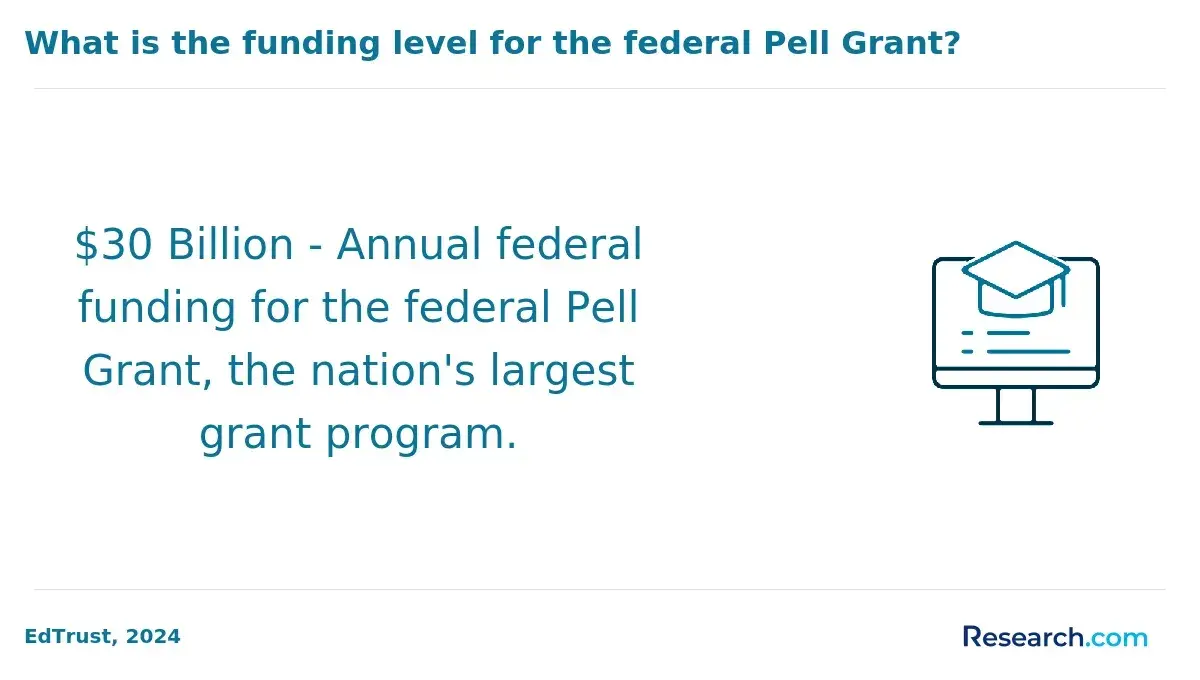
Financial aid options may include federal grants, federal student loans, state aid, institutional scholarships, military education benefits, employer tuition assistance, payment plans, and tax benefits. Submit the FAFSA if you are eligible, but also ask the school whether your enrollment status, certificate level, transfer credits, or prior degree affects aid eligibility.
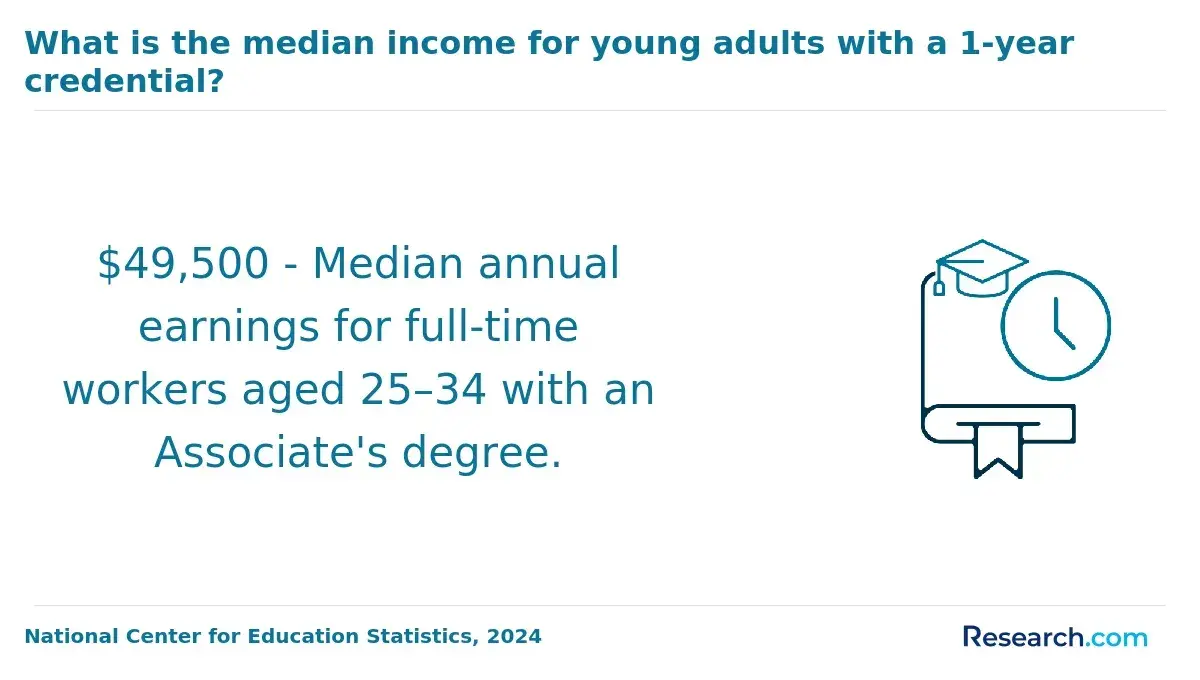
A sound affordability test is simple: compare the total remaining cost with the entry-level roles you realistically qualify for after graduation, not only the highest salaries in the field. If the program requires borrowing heavily for a career with modest starting pay, ask whether a lower-cost school, certificate-first pathway, employer-funded route, or community college transfer plan would reduce risk.
What entry-level jobs and career pathways does my chosen online major prepare me for?
An online major prepares you for careers through a combination of subject knowledge, transferable skills, projects, internships, credentials, and experience. The degree title matters, but employers also evaluate whether you can use relevant tools, communicate clearly, solve problems, and adapt to workplace expectations.
The table below connects common online majors with entry-level roles and longer-term pathways. It is meant to help you test whether a major's likely outcomes match the kind of work you actually want.
| Online major | Possible entry-level roles | Common responsibilities | Potential next steps |
| Business administration | Operations coordinator, management trainee, business analyst assistant, sales operations associate | Coordinate processes, analyze basic reports, support teams, improve workflows | Operations manager, project manager, product manager, MBA or specialized master's |
| Accounting | Staff accountant, accounts payable specialist, audit associate, tax assistant | Prepare financial records, reconcile accounts, support audits, assist with tax documents | CPA pathway, senior accountant, controller, forensic accounting, finance roles |
| Computer science or software development | Junior developer, QA tester, web developer, software support analyst | Write code, test applications, debug systems, collaborate with technical teams | Software engineer, cloud developer, cybersecurity specialist, technical lead |
| Cybersecurity or information technology | IT support specialist, security analyst trainee, network technician, systems support associate | Monitor systems, troubleshoot issues, document incidents, support security controls | Security analyst, network administrator, cloud security specialist, certifications |
| Healthcare administration | Medical office coordinator, patient services supervisor, health information associate | Manage scheduling, support compliance, coordinate services, analyze administrative data | Practice manager, healthcare operations manager, health services administrator |
| Nursing | Registered nurse roles if the program leads to licensure eligibility | Assess patients, deliver care, document treatment, coordinate with clinical teams | Specialty nursing, nurse leadership, advanced practice nursing with graduate study |
| Psychology | Behavioral health technician, case management assistant, research assistant, human services coordinator | Support clients, collect data, coordinate services, assist with programs | Counseling, social work, human resources, research, or graduate clinical training |
| Education | Teacher candidate roles, instructional aide, training assistant, curriculum support specialist | Plan lessons, support learners, assess progress, design instructional materials | Licensed teacher, instructional designer, education specialist, school leadership |
| Data analytics | Data analyst assistant, reporting analyst, business intelligence associate | Clean data, build dashboards, interpret trends, communicate insights | Data analyst, analytics manager, data scientist with further preparation |
For career planning, separate "degree-required" roles from "degree-helpful" roles. Nursing, teaching, accounting licensure, and some counseling pathways have formal credential rules. Business, analytics, communication, and technology roles may be more skills- and portfolio-driven, so internships, projects, certifications, and work samples can be just as important as the major name.
To improve job readiness while enrolled, build evidence of your skills before the final semester. This is especially important for online students who may not have as many informal campus networking opportunities.
- Complete projects that resemble workplace tasks, such as dashboards, case studies, lesson plans, care plans, audit samples, websites, or policy briefs.
- Use career services early to revise your resume, practice interviews, and identify internships or remote-friendly opportunities.
- Join professional associations, online student groups, or local employer events tied to your major.
- Ask faculty which certifications, software tools, or portfolios are valued in your target field.
- Track job postings each term to see whether employer requirements are changing before you graduate.
A common mistake is waiting until graduation to think about employment. The best online major for career mobility is one that lets you build experience, references, and work samples while you study.
What salary ranges and job outlook can I expect from careers tied to specific online majors?
Salary and job outlook depend on occupation, location, experience, industry, licensure, and economic conditions. A major can open doors to certain fields, but it does not guarantee a specific salary. Use labor market data to compare risk and opportunity, then combine it with your cost, interests, and willingness to meet credential requirements.
The table below uses recent U.S. Bureau of Labor Statistics occupational data to show salary and outlook examples tied to common online majors. These are occupation-level figures, not promises for graduates of any specific program.
| Major commonly associated with the role | Example occupation | Median annual pay, 2024 | Projected employment growth, 2024-2034 | How to interpret it |
| Computer science or software development | Software developers | $133,080 | 15% | Strong demand can make this field attractive, but portfolios, coding tests, internships, and technical interviews matter |
| Nursing | Registered nurses | $93,600 | 5% | Licensure eligibility and clinical preparation are critical, and schedules vary by healthcare setting |
| Accounting | Accountants and auditors | $81,680 | 5% | CPA eligibility, accounting credits, and audit or tax experience can influence advancement |
| Data analytics, marketing, or business | Market research analysts | $76,950 | 8% | Employers often value statistics, visualization tools, writing, and business judgment |
| Human resources or business | Human resources specialists | $72,910 | 6% | Communication, compliance knowledge, HR software, and internship experience can help entry-level candidates |
| Education | High school teachers | $65,220 | 0% | Licensure and local district demand matter more than national averages alone |
| Social work or human services | Social workers | $61,330 | 6% | Advanced roles may require a master's degree, supervised hours, and state licensure |
If compensation is one of your top criteria, review most lucrative degrees alongside job postings, licensing rules, and your own tolerance for technical, quantitative, clinical, or management work. A high median salary is useful context, but it should not override fit or the cost of reaching the role.
AI and automation are also changing how majors translate into work. In fields such as business, marketing, accounting, software development, and analytics, employers increasingly expect graduates to use digital tools responsibly, verify outputs, protect data, and apply human judgment. Majors that include applied projects, ethics, data literacy, and current software exposure may offer better preparation than programs that teach only theory.
For ROI, compare three numbers: your total expected program cost, the salary range for realistic entry-level roles in your region, and the time it may take to qualify for advancement. If your target career requires graduate school or licensure after the bachelor's degree, include that additional time and cost before deciding whether the online major is worth it.
Which online majors have licensing or certification requirements, and how do programs meet them?
Some online majors are directly tied to licensing or certification, while others are not. This distinction is crucial because a degree can be academically valid but still fail to meet the educational requirements for a license in your state. Licensure rules are set by state boards or professional bodies, not by the college alone.
The table below highlights common fields where licensing or certification questions often affect program choice. Requirements vary, so always verify with the state board or credentialing organization that governs your intended role.
| Major or pathway | Possible license or certification issue | What the program should provide |
| Nursing | Eligibility for the NCLEX and state nursing licensure | State board approval, clinical placements, exam preparation, and clear state authorization disclosures |
| Teacher education | Initial teacher certification or licensure | Approved educator preparation, student teaching, background check guidance, and state-specific requirements |
| Accounting | CPA eligibility requirements vary by state | Accounting credit mapping, business credit information, and guidance on additional credits if needed |
| Social work | Licensed social work pathways often require accredited degrees and supervised experience | Programmatic accreditation information, field education support, and licensure disclosures |
| Counseling | Licensed counselor roles usually require graduate-level education and supervised hours | Curriculum alignment, practicum and internship structure, and state licensure guidance |
| Public health | Some roles value certifications such as CHES or CPH, depending on position | Relevant coursework, practicum opportunities, and preparation for optional credentials |
| Project management or IT | Industry certifications may strengthen employability but are not always licenses | Coursework aligned with tools, frameworks, exam topics, or portfolio development |
Before enrolling in a licensure-related online major, take these steps. They can prevent the costly mistake of completing a degree that does not qualify you for your intended credential.
- Identify the exact job title and state where you plan to work.
- Find the licensing board or credentialing body that governs that role.
- Compare the board's education requirements with the program's curriculum, clinical hours, fieldwork, and accreditation status.
- Ask the school for written licensure disclosures for your state of residence and intended employment state.
- Confirm who arranges clinicals, practicums, internships, student teaching, or supervised placements for online students.
- Ask what happens if you move to another state before graduation or after earning the degree.
Certification is different from licensure. A license is usually a legal requirement to practice in a regulated occupation, while certification may be optional, employer-preferred, or used to demonstrate specialized skills. Online majors in IT, project management, HR, analytics, and business often pair well with certifications, but the degree should still provide strong fundamentals rather than only test preparation.
Other Things You Should Know About
The best online major is the one that fits your target career, learning style, budget, and credential requirements. Strong options often include business, computer science, accounting, nursing, education, healthcare administration, cybersecurity, and data analytics, but the right choice depends on your goals.
Online majors from properly accredited colleges are generally accepted by employers, especially when the degree aligns with the role and the student can show relevant skills. Accreditation, program reputation, internships, projects, and work experience usually matter more than whether courses were online.
Salary should be part of the decision, but not the only factor. Compare pay with program cost, job outlook, required credentials, your strengths, and the daily work involved. A high-paying field may not be worth it if you dislike the work or cannot complete the required preparation.
Usually, yes, but changing majors can add time and cost if completed credits do not apply to the new program. Before switching, ask an advisor for a degree audit showing which credits will count, which requirements remain, and how the change affects financial aid and graduation timing.
References
- How to Choose the Right Degree for Your Career Goals https://www.odljain.com/blog/how-to-choose-the-right-degree-program-for-your-career-goals.html
- Online vs. On-Campus: Which Mode of Learning Is Best for You? https://www.onlinemastersdegrees.org/student-resources/which-mode-of-learning-is-best/
- Online Degree vs. Traditional: Choosing the Right Path https://beal.edu/online-degree-vs-traditional/
- How to Choose the Right Program for Your Career Goals | Brighton https://brightoncollege.com/blog/how-to-choose-the-right-program-for-your-career-goals/
- How Credible Are Online Degrees? And are they worth it? https://potomac.edu/are-online-degrees-taken-seriously-by-employers/
- Best Online Degrees for Working Adults in 2026 https://www.straighterline.com/blog/degreecompletion-best-online-degrees-for-working-adults-in-2026
- How Long Is an Online Bachelor’s Degree https://online.maryville.edu/blog/how-long-is-online-bachelors-degree/
- How to Choose the Right Career Path After High School https://www.sjvc.edu/blog/how-to-choose-the-right-career-path-after-high-school/
- Guide to Financial Aid for Online Students https://www.onlineu.com/resources/financial-planning/financial-aid
- Top 10 Accredited Online Colleges And Universities 2025 https://www.accreditedschoolsonline.org/online-colleges/