2027 What Is Online Learning?

Co-Founder and Chief Data Scientist
Choosing an online program now means sorting through flexible degrees, certificates, tuition claims, accreditation, transfer credits, and career outcomes. NCES reported in 2024 that 54% of undergraduates took at least one distance education course in fall 2022, showing that online learning is no longer a niche option. This guide is for students, working adults, parents, and career changers who want to understand how online learning works, what it costs, which programs are credible, and how to choose a path that fits their goals, schedule, and budget.
Key Things You Should Know
- Online learning can lead to the same types of credentials as campus study, including certificates, associate degrees, bachelor's degrees, master's degrees, and doctoral programs, but students must verify institutional and programmatic accreditation before enrolling.
- Cost varies widely. College Board's 2024 pricing data lists average published tuition and fees at $11,610 for in-state public four-year institutions and $43,350 for private nonprofit four-year institutions, so total cost matters more than "online" status alone.
- Career value depends on field, credential level, employer expectations, licensure rules, and work experience; BLS data shows stronger projected demand in areas such as healthcare, technology, business analytics, and education than in many low-growth occupations.
What is online learning and how does it work for college and career education?
Online learning is education delivered primarily through the internet. Instead of attending every class in a physical classroom, students use a learning management system to watch lectures, read materials, join discussions, submit assignments, take quizzes, meet instructors, and collaborate with classmates.
For college and career education, online learning usually falls into three broad formats: fully online, hybrid, and low-residency. Fully online programs can often be completed from home, while hybrid programs require some in-person meetings, labs, clinical experiences, or exams. Low-residency programs combine online coursework with short campus visits, intensives, or fieldwork.
The main appeal is flexibility, not ease. Online courses typically require the same academic work as campus courses: reading, writing, exams, projects, presentations, and deadlines. The difference is that students manage more of their own time. This can be especially valuable for adult learners, military students, caregivers, and working parents comparing options such as the best degrees for stay-at-home moms.
Online learning works best when the course design is intentional. Strong programs provide instructor interaction, tutoring, advising, library access, career services, accessibility support, and clear technical help. Weak programs may rely too heavily on recorded lectures, automated quizzes, or vague discussion-board participation without enough feedback.
The most important decision is not whether online learning is "better" or "worse" than campus learning. It is whether the format, school, credential, cost, and support services match the student's learning style and career goal.
How does online learning compare to traditional on-campus programs for students?
Online and on-campus programs can both be rigorous, accredited, and career-relevant. The practical differences usually involve schedule control, commuting, in-person networking, learning environment, and access to hands-on facilities.
The table below compares the major trade-offs students should consider before choosing a format. Use it to identify which learning environment fits your responsibilities, academic habits, and career requirements.
| Factor | Online learning | Traditional on-campus learning | Best fit |
| Schedule | Often asynchronous or evening-friendly | Usually tied to set class meeting times | Online fits working adults and students with caregiving duties |
| Location | Can reduce commuting and relocation needs | Requires regular campus access | Online fits students who cannot move or commute often |
| Interaction | Uses video meetings, forums, email, chats, and group tools | Offers face-to-face classes, campus events, and informal networking | Campus may fit students who learn best through in-person discussion |
| Hands-on training | May require local placements, simulations, labs, or short residencies | Often easier to access labs, studios, clinics, or equipment | Campus or hybrid formats may fit lab-heavy fields |
| Self-management | Requires strong time management and independent study habits | Provides more built-in routine through scheduled attendance | Online fits disciplined students who can plan weekly work |
| Career services | May include virtual coaching, job boards, webinars, and remote advising | May include campus recruiting, fairs, and local employer events | Either can work if services are active and accessible |
Online learning may be the stronger choice when a student needs flexibility, already has work experience, wants to avoid relocation, or is returning to school while employed. On-campus learning may be stronger when the student needs daily structure, expects heavy use of labs or studios, wants a residential experience, or is entering a field where local networking is central.
A common mistake is assuming online programs are automatically cheaper. Some are, especially public universities and community colleges, but fees, textbooks, proctoring costs, technology requirements, and limited transfer-credit acceptance can change the total price. Compare the full cost of attendance, not only tuition per credit.
What types of online programs and degrees are available from accredited schools?
Accredited schools offer online credentials at nearly every academic level. The right choice depends on whether the student needs quick job skills, a first college credential, a bachelor's degree for broader career mobility, or graduate education for advancement or licensure.
The table below summarizes common online credential types and how students typically use them. It is designed to help readers match credential level to timeline, cost, and career intent.
| Credential type | Typical purpose | Common timeline | Best for |
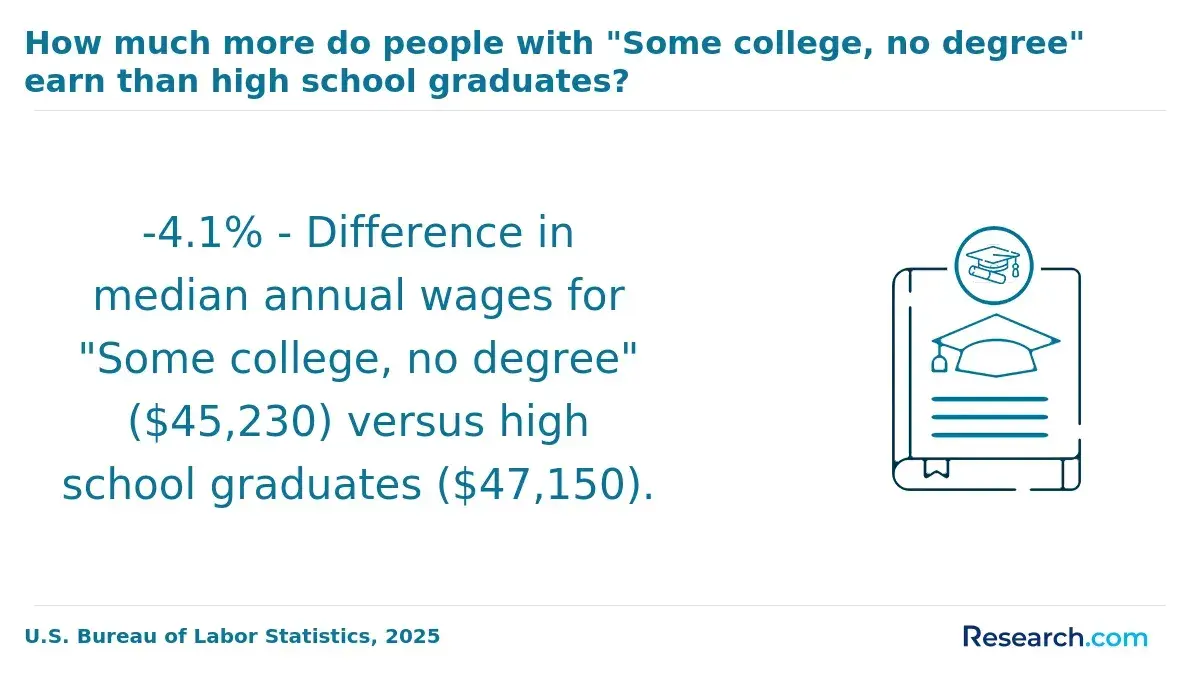
| Certificate | Builds focused skills in areas such as IT, bookkeeping, project management, medical coding, or digital marketing | A few months to about one year | Students who want a faster, lower-cost credential or a career pivot |
| Associate degree | Provides foundational college education and may transfer into a bachelor's program | About two years full time | Students seeking an affordable first degree or transfer pathway |
| Bachelor's degree | Prepares for entry-level professional roles or graduate study | About four years full time, shorter with transfer credits | Students targeting careers that commonly require a bachelor's degree |
| Master's degree | Supports advancement, specialization, leadership, or licensure in some fields | About one to three years | Professionals seeking higher-level roles or specialized expertise |
| Doctoral degree | Supports advanced practice, research, leadership, or academic careers | Often three or more years | Students whose goals require terminal-level training |
Certificates can make sense when the goal is specific and skill-based, especially in fields where employers value demonstrable technical ability. Students exploring shorter credentials can compare certificates online before committing to a longer degree.
Degree programs are often better when the target occupation commonly requires a college credential, when the student wants transferability, or when graduate school may be part of the long-term plan. However, students should be cautious about enrolling in a full degree when a certificate, apprenticeship, employer training program, or licensure course would meet the same career requirement at a lower cost.
Some online fields are more common than others. Business, psychology, education, criminal justice, computer science, nursing, healthcare administration, social work, accounting, cybersecurity, data analytics, and communication are widely available. Lab-intensive fields such as engineering, laboratory science, and some healthcare programs may include hybrid requirements.
How can students verify that an online college or program is properly accredited?
Accreditation is one of the most important quality checks in online learning. It affects credit transfer, eligibility for federal financial aid, graduate school admission, employer recognition, and licensure pathways in regulated fields.
Institutional accreditation evaluates the school as a whole. Programmatic accreditation evaluates a specific program, school, or department, such as nursing, counseling, social work, business, education, law, or allied health. Some careers require graduation from a program with specific programmatic accreditation, so students should not stop at checking the institution.
Students can use the following process to verify accreditation before applying. These steps help reduce the risk of choosing a school that looks legitimate but may not meet employer, licensure, or financial aid standards.
- Search the school in the U.S. Department of Education's Database of Accredited Postsecondary Institutions and Programs.
- Confirm that the accreditor is recognized by the U.S. Department of Education or the Council for Higher Education Accreditation.
- Check whether the exact program has programmatic accreditation if the career field commonly requires it.
- Ask the school whether the online version has the same accreditation status as the campus version.
- For licensed careers, contact the relevant state licensing board before enrolling.
- Review transfer-credit policies at any future schools you may want to attend.
Red flags include vague claims such as "internationally approved," pressure to enroll immediately, unusually short degree timelines with little coursework, no clear accreditor, no faculty information, and promises of guaranteed jobs or salaries. Legitimate schools can explain their accreditation plainly and provide verifiable documentation.
Accreditation does not guarantee that a program is affordable, high quality, or the right fit. It is a baseline requirement. Students should still compare curriculum, faculty experience, student support, graduation outcomes, licensure alignment, and total cost.
What admission requirements and technology skills do online learners need to succeed?
Admission requirements for online programs are usually similar to campus programs at the same degree level. A certificate or associate program may have open or less selective admission, while bachelor's completion programs, graduate degrees, nursing programs, and teacher preparation programs may require prerequisites, minimum GPAs, test scores, interviews, or work experience.
The table below shows common requirements by credential level. Requirements vary by school and major, but this overview can help students prepare the right documents before they apply.
| Program level | Common admission requirements | What students should check |
| Certificate | Application, proof of high school completion, placement assessment, or field prerequisites | Whether credits can apply to a future degree |
| Associate degree | High school diploma or GED, transcripts, placement testing, and identity verification | Transfer agreements with four-year colleges |
| Bachelor's degree | High school or college transcripts, GPA review, essays, prerequisites, or transfer-credit evaluation | How many prior credits will count toward graduation |
| Master's degree | Bachelor's degree, transcripts, resume, recommendation letters, statement of purpose, prerequisites, or professional experience | Whether the program supports licensure or advancement goals |
| Doctoral degree | Graduate transcripts, professional experience, writing sample, interview, research interests, or licensure documentation | Residency, dissertation, practicum, or capstone expectations |
Technology readiness matters because online students interact with coursework through digital systems every week. Students do not need to be programmers, but they should be comfortable managing files, using video meetings, submitting assignments, navigating online portals, and troubleshooting basic device or internet issues.
Before enrolling, students should confirm that they can meet these practical requirements. The following checklist is useful because technology gaps often become academic problems once deadlines begin.
- Reliable computer that meets the program's hardware and software requirements.
- Stable internet connection suitable for video meetings, exams, and large file uploads.
- Basic skills in email, word processing, spreadsheets, presentations, file storage, and learning platforms.
- Quiet study space for exams, lectures, reading, and writing assignments.
- Access to required tools such as webcam, microphone, scanner app, calculator, specialized software, or proctoring platform.
- Weekly schedule that reserves consistent time for classwork, not just occasional study sessions.
The biggest nonacademic success factor is time management. Online learners who work full time should be realistic about course load. Taking fewer courses may extend the timeline, but it can prevent withdrawal, failed classes, and wasted tuition.
How are online courses structured, delivered, and assessed across different formats?
Online courses are structured in several formats. The format affects when students attend, how quickly they complete assignments, how much interaction they get, and how much flexibility they have.
Understanding delivery format helps students avoid a common mismatch: enrolling in a program advertised as "flexible" without realizing that it still requires live evening sessions, local fieldwork, or frequent group projects.
| Format | How it works | Strengths | Potential drawbacks |
| Asynchronous | Students complete weekly work on their own schedule within deadlines | Most flexible for work and caregiving | Requires strong self-discipline and planning |
| Synchronous | Students attend live online classes at set times | More real-time interaction and structure | Less flexible for rotating work schedules |
| Hybrid | Combines online coursework with campus meetings, labs, or exams | Useful for hands-on fields | May require commuting or local availability |
| Self-paced | Students move through course material at an individualized pace | Can be efficient for experienced learners | May offer less instructor interaction if poorly designed |
| Competency-based | Students progress by demonstrating mastery of skills or outcomes | Can reward prior knowledge and work experience | Not ideal for students who need frequent live instruction |
Assessment methods also vary. Online students may complete quizzes, exams, essays, discussion posts, case studies, labs, presentations, portfolios, simulations, capstone projects, or supervised field experiences. Some exams use online proctoring, while others rely on open-book assessments, timed projects, or applied demonstrations.
Students should ask how interaction works before they enroll. A strong online course usually includes instructor feedback, clear grading rubrics, discussion expectations, office hours, timely announcements, and accessible technical support. A weak course may leave students to watch videos and complete quizzes with little human guidance.
Artificial intelligence is also changing online course design. Some programs now teach students how to use AI tools responsibly for research support, drafting assistance, coding, data analysis, or workplace productivity. At the same time, schools are updating academic integrity policies, so students should understand what AI use is allowed before submitting work.
What does the typical online learning curriculum include for major fields of study?
Online curriculum depends heavily on the field of study, but most programs combine general education, major courses, electives, applied projects, and career preparation. Degree programs often emphasize critical thinking, communication, quantitative reasoning, ethical decision-making, and discipline-specific knowledge.
The table below shows examples of what students may study in popular online fields. It is not a universal curriculum, but it helps readers compare how different majors translate into skills and career preparation.
| Field of study | Common online coursework | Applied learning components | Typical career direction |
| Business | Accounting, management, marketing, finance, operations, business law, analytics | Case studies, business plans, simulations, capstones | Management, sales, operations, finance, entrepreneurship |
| Computer science and IT | Programming, databases, cybersecurity, networking, cloud systems, data structures | Coding projects, labs, portfolios, certifications, capstones | Software, systems, cybersecurity, data, technical support |
| Healthcare administration | Healthcare systems, policy, finance, quality improvement, compliance, informatics | Projects, case analysis, practicum in some programs | Healthcare operations, administration, compliance, patient services |
| Education | Learning theory, curriculum design, assessment, classroom management, special education | Field observations, student teaching, licensure placements | Teaching, training, instructional design, school support roles |
| Psychology and social sciences | Human development, research methods, statistics, counseling foundations, social behavior | Research projects, service learning, internships in some programs | Human services, case support, research assistance, graduate study |
| Criminal justice | Courts, corrections, policing, criminology, ethics, juvenile justice, investigation | Scenario analysis, policy projects, internships in some programs | Public safety, corrections, investigations, legal support |
Students should look beyond course titles. Two programs with the same major may differ in employer relevance if one includes current tools, applied projects, internship options, licensure preparation, or industry-recognized software while the other focuses mostly on theory.
A common mistake is choosing a major only because it sounds flexible. Flexibility matters, but curriculum should connect to a realistic next step: entry-level employment, promotion, licensure, certification, graduate school, or a portfolio of work. Ask admissions advisors for sample syllabi, recent capstone examples, field placement rules, and information about how often the curriculum is updated.
How much do online degree programs cost, and what financial aid is available?
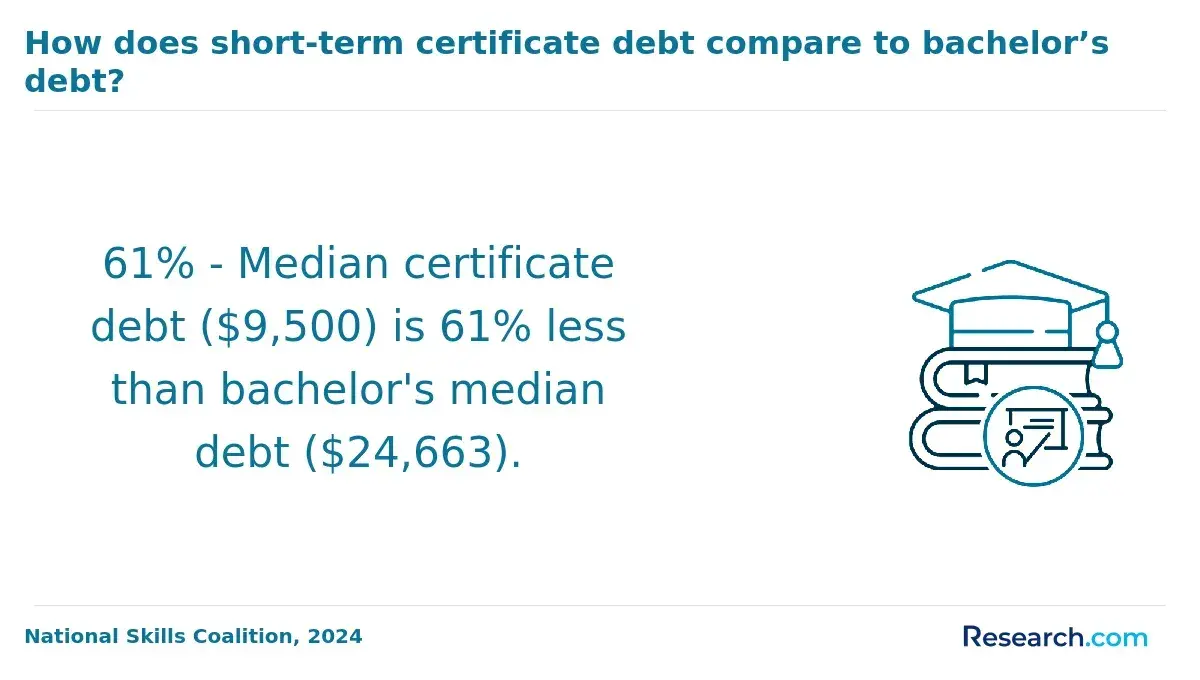
Online degree costs vary by school, residency status, program level, transfer credits, fees, and time to completion. College Board's 2024 data shows that published tuition and fees remain much lower at public institutions than at private nonprofit four-year institutions on average, which means school type and residency can matter as much as delivery format.
- Average published tuition and fees at public two-year in-district institutions for 2024-25: $4,050.
- Average published tuition and fees at public four-year in-state institutions for 2024-25: $11,610.
- Average published tuition and fees at private nonprofit four-year institutions for 2024-25: $43,350.
These figures are not online-program prices, but they provide useful context. Online students may save on housing, commuting, and relocation, yet they may still pay technology fees, distance learning fees, textbooks, exam proctoring fees, software subscriptions, clinical placement costs, or graduation fees.
The table below explains cost factors that can change the final price. Students should request a full cost estimate instead of comparing only tuition per credit.
| Cost factor | Why it matters | What to ask |
| Tuition per credit | Forms the largest direct academic cost | Is the online rate different for in-state and out-of-state students? |
| Transfer credits | Accepted credits can shorten the program and reduce tuition | How many prior credits will apply to my exact degree plan? |
| Program fees | Some online courses add technology, proctoring, lab, or clinical fees | Which fees are mandatory each term? |
| Course load | Full-time and part-time pacing affect aid, work balance, and completion time | What course load is realistic for working students? |
| Books and software | Digital platforms and access codes can add recurring costs | Are open educational resources or textbook-free courses available? |
| Residency or fieldwork | Travel, background checks, uniforms, and site requirements can increase costs | Are any in-person requirements mandatory? |
Federal financial aid may be available when the student attends an eligible accredited institution and completes the FAFSA. For 2024-25, the maximum Federal Pell Grant is $7,395, but actual eligibility depends on financial need, enrollment intensity, cost of attendance, and federal rules. Students comparing low-cost options can start with cheapest online colleges that accept FAFSA.
Students should also consider employer tuition assistance, military education benefits, state grants, institutional scholarships, payment plans, and credit for prior learning. The best affordability strategy is usually a combination: choose an accredited low-cost school, maximize transfer credits, avoid unnecessary course repeats, and borrow only what is needed.
What careers can online learners pursue, and how do salaries and job outlook compare?
Online learners can pursue many of the same careers as campus students when the program is accredited, the curriculum matches the occupation, and any licensure requirements are met. Employers generally care about the credential, skills, experience, portfolio, certifications, and school reputation more than whether every course was completed online.
Career outcomes vary widely by field. BLS employment projections released in 2024 show that computer and information technology occupations are projected to grow much faster than the average for all occupations from 2023 to 2033, which helps explain why online programs in cybersecurity, software development, data analytics, and IT support remain popular.
The table below connects common online study areas to career directions. Salary and outlook depend on occupation, location, experience, industry, and credential level, so students should use this as a planning tool rather than a promise.
| Online study area | Possible roles | Skills employers may evaluate | Important caution |
| Business administration | Operations coordinator, account manager, project assistant, business analyst, supervisor | Communication, spreadsheets, budgeting, leadership, process improvement | Experience and internships often matter for advancement |
| Accounting | Bookkeeper, staff accountant, payroll specialist, tax associate, audit assistant | Financial reporting, tax software, accuracy, ethics, Excel | CPA eligibility depends on state-specific education rules |
| Computer science or IT | Software developer, systems analyst, cybersecurity analyst, network support specialist | Coding, troubleshooting, security, cloud tools, documentation | Portfolios, projects, and certifications can strengthen entry-level applications |
| Healthcare administration | Medical office manager, patient services coordinator, compliance analyst, operations specialist | Healthcare systems, compliance, data, communication, workflow management | Clinical roles usually require separate licensure or clinical training |
| Education | Teacher, instructional designer, training specialist, curriculum coordinator | Instruction, assessment, learning technology, classroom management | Teacher licensure requirements vary by state |
| Human services or psychology | Case manager assistant, behavioral health technician, community services coordinator, research assistant | Communication, ethics, documentation, cultural competence, research basics | Counseling and clinical roles usually require graduate education and licensure |
Online learning can also fit personality and work-style preferences. Students who prefer independent, focused work may want to compare programs with career paths related to jobs for introverts, such as data, writing, accounting, research, IT, or records-focused roles.
Students should not assume that an online degree alone will create a career change. Strong outcomes usually require a targeted plan: choose a relevant major, build projects or internships, use career services, earn appropriate certifications, network with employers, and tailor applications to specific roles.
How can students choose a reputable online learning program aligned with their goals?
Choosing a reputable online learning program starts with the career goal. A student who wants a licensed profession, such as teaching, nursing, counseling, or social work, needs a program aligned with state requirements. A student who wants promotion may need a degree recognized by their employer. A student making a career pivot may need a shorter, skills-focused credential before committing to a full degree.
Use the following steps to compare programs in a practical order. This sequence helps students avoid being distracted by advertising, rankings, or tuition discounts before verifying the essentials.
- Define the target outcome, such as a specific job title, promotion requirement, licensure path, graduate school plan, or skill set.
- Verify institutional accreditation and any required programmatic accreditation.
- Confirm whether the online format includes live sessions, campus visits, labs, fieldwork, practicums, or proctored exams.
- Request a transfer-credit evaluation before enrolling, especially if you have prior college credit.
- Compare total cost, including tuition, fees, books, software, travel, and time away from work.
- Review student support services such as advising, tutoring, library access, disability services, tech help, and career coaching.
- Ask about completion timelines for part-time and full-time students, not only the fastest advertised timeline.
- Check whether graduates are eligible for licensure, certifications, or employer requirements relevant to your state and field.
Speed can be valuable, but it should not come at the expense of accreditation, learning quality, or manageable workload. Graduate students who need a faster path can compare options such as the quickest cheapest masters degree, while still checking program fit and academic expectations.
Common mistakes include choosing the cheapest option without checking transfer rules, enrolling in a program that does not meet licensure requirements, assuming all credits will transfer, ignoring student support quality, taking too many courses while working full time, and relying only on school marketing claims.
The best online program is not simply the most famous, fastest, or cheapest. It is the accredited program that helps the student reach a defined goal at a sustainable cost, with a realistic schedule and enough support to finish.
Other Things You Should Know About
It can be, especially when the school is properly accredited and the program meets the same academic standards as the campus version. Employers usually focus on the credential, skills, experience, and school reputation rather than the course delivery format alone.
Yes, students may qualify for federal financial aid if they enroll in an eligible program at an accredited institution and complete the FAFSA. Eligibility depends on factors such as financial need, enrollment status, cost of attendance, and federal aid rules.
Not necessarily. Online courses can be just as demanding as campus courses and often require stronger time management. Students must keep up with readings, assignments, discussions, exams, and projects without the routine of attending a physical classroom.
Online learning may fit if you need schedule flexibility, can study independently, have reliable technology, and know your career or education goal. It may be less suitable if you need frequent in-person structure, extensive hands-on facilities, or a residential campus experience.
References
- Types of online education. Guide to modern learning formats https://seturon.io/blog/types-of-online-education
- 5 Critical Skills Students Need in the Digital Classroom https://i3-connect.com/blog/news/5-critical-skills-students-need-in-the-digital-classroom
- 5 Important Skills For Online Students To Master - Excel High School https://www.excelhighschool.com/blog/5-important-skills-for-online-students-to-master/
- Choosing An Online Learning Platform: Which Makes Sense? https://elearningindustry.com/choosing-online-learning-platform-makes-sense
- Best Online Degrees for Working Adults in 2026 https://www.straighterline.com/blog/degreecompletion-best-online-degrees-for-working-adults-in-2026
- Financial Aid Guide for Students at Online Colleges - OnlineColleges.net https://www.onlinecolleges.net/for-students/financial-aid-online-students/
- Contact Details https://www.hutchcc.edu/online-vs-trad
- How Online Learning Helps Prepare Students For A Career - Northgate Academy https://www.northgateacademy.com/blog/how-online-learning-helps-prepare-students-for-a-career/
- 10 Must-Have Tech Skills For Online Classes | Veroniiiica https://veroniiiica.com/tech-skills-for-online-classes/
- 5 Steps to Choose the Right Online Course for Your Goals https://www.upskillist.com/blog/5-steps-to-choose-the-right-online-course-for-your-goals/