2027 Most In-Demand Global Security Master's Specializations

Co-Founder and Chief Data Scientist
Shifts in regulatory frameworks, rapid technology integration, and evolving threat landscapes are reshaping how graduate students assess master's specializations in global security. Rather than relying on popularity or salary figures alone, evaluating these concentrations requires examining factors like curriculum rigor, experiential learning opportunities, faculty expertise, and alignment with certifications. Demand fluctuates by region, sector, and employer expectations, distinguishing transient hiring spikes from sustained career resilience.
Specializations influence access to roles requiring applied technical skills or strategic management, industry mobility, and long-term earning potential. This analysis offers a grounded perspective on in-demand global security master's specializations, key career pathways, and essential decision-making criteria for prospective students.
Key Things to Know About the Most In-Demand Global Security Master's Specializations
- Cybersecurity specialization's rapid demand growth-projected 15% job increase by 2028-reflects shifting employer needs for technical defense skills, but requires ongoing costly credential updates to remain relevant.
- Risk management expertise aligns with organizational focus on resilience, yet employers prioritize candidates with hybrid analytical and operational experience, narrowing opportunities for purely theoretical graduates.
- Intelligence analysis fields emphasize geopolitical awareness, but students face longer entry timelines due to security clearance processes, impacting short-term career acceleration compared to other specializations.
What makes a global security master's specialization "in demand"?
An in-demand specialization within global security master's programs is best understood through a multifaceted lens that includes labor-market need, focused skill development, and relevance to enduring or emerging professional functions. Demand fluctuates by geography, industry sector, employer type, technology adoption rates, and evolving regulatory frameworks, meaning specializations tied to compliance, cybersecurity, or strategic governance often show more consistent hiring patterns.
For example, cybersecurity-related roles projected to grow significantly faster than average reflect sustained employer demand for technical expertise. Prospective students should therefore prioritize specializations that prepare them for roles with demonstrable, ongoing need rather than those benefiting from short-term hiring spikes, reflecting the most in-demand global security master's specializations in North America.
Relying solely on demand metrics like job-posting volume, enrollment numbers, or headline salary data can be misleading, as these figures might reflect transient trends or broad, nonspecific program appeal rather than genuine career fit. Demand should be assessed alongside curriculum rigor, hands-on learning opportunities, alignment with industry-recognized certifications, faculty expertise, and measurable alumni outcomes to ensure long-term value.
Specializations that align with credential requirements, such as risk management or incident response skills, often translate into clearer pathways for career progression. This approach helps avoid programs that leverage buzzwords without providing the depth or transferability of skills essential for sustained employability.
Working professionals, career changers, and advancement-focused learners benefit most from choosing specializations where demand equates to alignment with evolving employer expectations and sector-specific shortages. These students are advised to critically assess how well a program's content, experiential components, and certification preparation reflect workforce requirements rather than marketing claims.
Those seeking the cheapest doctorate degree option or other cost considerations must weigh affordability against these demand-aligned factors for a meaningful return on investment. Ultimately, informed decision-making grounded in labor-market analytics and credential relevance offers the best strategy for navigating the complex terrain of global security master's specializations.
The 10 Most In-Demand Global Security Master's Specializations
The modern security landscape demands highly specialized skills to address an array of shifting threats and operational challenges. Selecting a master's specialization in global security requires weighing both near-term hiring trends and the durability of expertise amid evolving technologies and political dynamics.
By examining workforce drivers, regulatory expectations, and sector-specific nuances, prospective students can better align their focus with practical career trajectories rather than transient popularity.
- Cybersecurity and Information Assurance: Escalating cyber threats have entrenched cybersecurity experts as indispensable. Beyond job growth projections, employers prioritize candidates versed in protecting critical infrastructure and navigating complex compliance mandates, such as federal cybersecurity frameworks. Adaptability to emerging attack vectors remains crucial for sustained relevancy.
- Counterterrorism and Intelligence Analysis: Rising asymmetric threats have amplified the need for professionals skilled in data synthesis, pattern recognition, and geopolitical risk assessment. The interdisciplinary nature of this specialization requires familiarity with both national security protocols and private sector intelligence demands.
- International Conflict Resolution: As diplomatic friction intensifies worldwide, experts trained in negotiation and cross-cultural mediation find roles within global institutions and NGOs. Success depends on understanding shifting power dynamics and legal frameworks that influence peacebuilding efforts.
- Homeland Security and Emergency Management: Coordination across agencies to mitigate natural disasters and terror incidents underpins this specialization. It offers practical engagement with policy implementation and crisis response planning, areas where workforce shortages persist especially in federal and state roles.
- Security Policy and Risk Management: Graduates in this field are expected to interpret complex regulatory landscapes and devise comprehensive risk mitigation strategies. Organizations increasingly demand skill sets blending policy analysis with operational oversight, especially amid expanding compliance burdens worldwide.
- Intelligence, Surveillance, and Reconnaissance (ISR): Growing reliance on advanced sensor data and real-time analytics elevates expertise in ISR technologies. Candidates who merge technical proficiency with strategic interpretation capabilities are favored in defense and intelligence agencies adapting to digital transformation.
- Critical Infrastructure Protection: Protecting indispensable assets like energy and transportation systems requires knowledge of both physical and cyber threats. Increasing digitization intensifies the complexity of vulnerabilities, prompting demand for specialists adept in integrated security measures.
- Cybercrime and Digital Forensics: The sophistication of cybercriminal methodologies heightens the need for forensic experts capable of extracting and analyzing digital evidence under legal scrutiny. Numerous law enforcement agencies and private firms emphasize certifications aligned with this specialization.
- Weapons of Mass Destruction (WMD) Counterproliferation: Technical and policy expertise in controlling nuclear, biological, and chemical threats remains vital. The niche nature of this specialization demands continuous engagement with international treaties and advanced detection technologies.
- Maritime and Border Security: The rise in illicit trafficking and geopolitical tensions drives demand for experts managing complex surveillance and interception technologies. This specialization balances operational readiness with an understanding of international legal jurisdictions.
A prospective student shared their hesitation when choosing between cybersecurity and ISR specializations. They initially leaned toward cybersecurity due to its broad appeal and strong labor market data. However, after analyzing course details and consulting job postings, they noted ISR's increasing focus on emerging analytics tools and closer alignment with defense agencies they aspired to work for.
This process highlighted the importance of not just overall demand but the specific operational skill sets and sector hiring patterns tied to each path, ultimately guiding a more informed specialization choice.
Which global security master's specializations lead to the highest-paying careers?
The Master of Arts or Master of Science in Global Security specializations that lead to the highest-paying careers are Cybersecurity Strategy & Information Assurance, Corporate Risk Intelligence & Geopolitical Strategy, and Strategic Defense Policy & Counter-Threat Operations.
While traditional geopolitical analysis paths often tie graduates to restricted government GS-pay scales, specializing in digital threat infrastructure, multinational compliance, or enterprise asset protection allows professionals to cross over into the highly lucrative private sector, technology firms, and elite global consulting networks.
1. Cybersecurity Strategy & Information Assurance
This specialization focuses on the intersection of global politics, state-sponsored cyber warfare, and corporate digital defense. Graduate coursework centers on threat intelligence, international data privacy compliance, risk mitigation frameworks, and response management. Because cyberattacks pose existential financial and reputational liabilities to large companies, tech-fluent security strategists outpace traditional policy tracks. Graduates move into high-demand paths—such as Corporate Cybersecurity Director, Chief Information Security Officer (CISO), or Senior Information Security Consultant—where total executive packages scale significantly based on enterprise infrastructure size.
2. Corporate Risk Intelligence & Geopolitical Strategy
Focusing on how international conflicts, regulatory shifts, and global instability impact multinational businesses, this track trains analysts to safeguard overseas investments and supply chains. Students master advanced predictive threat modeling, intelligence gathering, and transnational asset protection. Major consulting firms, banks, and global brands pay a premium for this forward-looking expertise to prevent multi-million dollar operational disruptions. This opens high-paying trajectories like Global Security Director, Business Intelligence Director, or Managing Director of Geopolitical Risk Consulting.
3. Strategic Defense Policy & Counter-Threat Operations
This macro-level specialization addresses asymmetric warfare, counter-terrorism, weapons nonproliferation, and large-scale emergency management. While many practitioners operate within high-level government intelligence communities (such as the CIA, NSA, or Department of Defense), the highest financial rewards are found with major federal defense contractors and aerospace conglomerates. Senior specialists are heavily compensated to architect defense systems and navigate public-private defense compliance, taking on lucrative corporate roles like Federal Program Manager, Senior Defense Strategist, or Government Affairs Director.
Which global security master's specializations offer the best job growth?
Evaluating which global security master's specializations offer the best job growth requires attention beyond popularity, focusing on employment projections, industry transformation, and employer demand for specialized skills. Roles tied to cybersecurity and intelligence analysis reflect high growth due to evolving threat landscapes and regulatory changes, with the U.S. Bureau of Labor Statistics projecting a 36% increase in information security analyst positions through 2032.
The relevance of skills is also shaped by how well they transfer across related fields, especially in government and private sectors facing expanding risks. Prospective students should consider whether programs equip them with both technical proficiencies and strategic insights necessary for adapting to these shifts, recognizing that talent shortages intensify demand in specific specializations.
However, basing decisions solely on job growth data overlooks important practical constraints. Regional variations in hiring, cyclical market demands, and credential requirements-such as certifications or relevant portfolios-can limit immediate access, while some fields face role saturation despite projected demand.
Additionally, an effective specialization must support both initial employment and ongoing career progression, not just entry-level opportunities. For those balancing commitments, it's critical to assess how well a specialization prepares graduates for hybrid roles that remain viable amid changing global risks. When evaluating programs, also consider streamlined pathways found in recognized resources such as top online accounting programs that emphasize practical alignment with employer expectations.
Which global security master's specializations are best for career changers?
The most accessible master's specializations in global security for career changers typically offer structured pathways that leverage transferable skills while accommodating gaps in prior knowledge. Programs emphasizing foundational cybersecurity, intelligence analysis, or risk management often provide bridge coursework or prerequisite waivers that facilitate entry from unrelated fields.
Applied learning components such as simulations, labs, or capstone projects enhance practical skill acquisition, making candidates more marketable despite limited direct experience. According to the U.S. Bureau of Labor Statistics, roles for information security analysts are projected to grow by 35% through 2031, reflecting strong demand where technical competence can outweigh traditional career trajectories.
Choosing a specialization solely based on market demand can introduce significant challenges for professionals pivoting into global security. Steep technical learning curves, certification requirements like CISSP or Security+, and a lack of domain-specific experience may hinder timely job entry and employer confidence.
Networking deficits and absence of industry context make competing against seasoned candidates difficult, especially in areas like counterterrorism or geopolitical risk that assume prior clearance or intelligence background. Careful evaluation of each program's practical supports and alignment with realistic entry roles is critical to mitigate these risks and ensure lasting career relevance.
A graduate who transitioned into global security from a background in business found the cybersecurity specialization attractive but was initially uncertain about meeting technical prerequisites. She weighed her analytical skills against programming gaps and chose a program that integrated foundational courses and offered a security lab alongside certification exam prep.
Through networking with faculty and selecting a capstone focused on incident response, she bridged her skill gaps reasonably well but still recognized the need for ongoing self-study post-graduation. Her experience highlighted how deliberate specialization choice and practical opportunities within a program can make a decisive difference in overcoming early career uncertainty.
Which global security master's specializations are best for working professionals?
Working professionals evaluating master's specializations in global security must consider employer relevance, schedule compatibility, and the direct applicability of skills to their current roles. Specializations in cybersecurity, intelligence analysis, and risk management consistently align with high-demand positions and provide immediate value in the workplace.
Advancement potential is maximized when learners choose programs integrating case studies and simulations that facilitate real-world application and measurable impact. Importantly, selecting a specialization that matches realistic job roles available during or after study ensures the time and financial investment supports long-term career goals. Integrating insights from the best global security master's specializations for career advancement requires balancing these criteria with the need to maintain steady employment and address personal commitments.
Some specializations better suit working professionals due to flexible delivery formats and alignment with professional certifications or licensure requirements. Online or hybrid courses with asynchronous options, project-based assignments connected to existing job responsibilities, and practicums offering scheduling flexibility help accommodate busy schedules and minimize career disruption.
Programs emphasizing skills transferability across sectors, such as cyber defense and emergency management, enhance marketable expertise without requiring a full career break. For practitioners also exploring fields like finance, comparing options such as a finance degree online can provide strategic breadth to their security expertise.
However, highly technical or research-intensive specializations-often involving extensive field placements or clinical components-pose significant scheduling challenges for employed students. Though these areas may yield strong labor-market value, the additional workload and experiential learning commitments risk overextension, especially without employer support.
Notably, a 2024 report from the International Security Workforce Institute found that 67% of employers prefer candidates with specialized credentials in cybersecurity or intelligence, highlighting a practical expectation for targeted credentials but also underscoring the need to balance rigor with feasibility in graduate study choices.
How do online and flexible global security master's specializations compare?
Online and flexible global security master's programs vary significantly in structure, influencing academic experiences and career alignment. Fully online formats frequently rely on asynchronous coursework, which can limit real-time interaction with peers and faculty and reduce access to cohort-based learning or in-person practicums critical for applied skill development.
Hybrid formats combine remote study with periodic on-site sessions, enhancing opportunities for networking, immersive simulations, and hands-on exercises aligned with cybersecurity or intelligence analysis roles. Program sequencing also differs, with accelerated tracks condensing material for faster completion but often requiring full-time focus, while part-time options spread coursework over longer periods to accommodate working professionals and allow deeper subject mastery.
Flexibility alone does not equate to program quality or employer recognition in global security fields. Key distinguishing factors include the depth and rigor of the curriculum, presence of experiential learning components such as internships or government collaborations, and the institution's accreditation status.
Employer preference often favors candidates from programs that demonstrate practical competencies through applied projects or on-site training, which purely online models may struggle to provide. Additionally, support infrastructure-academic advising, technology access, and career services-plays a critical role in student outcomes, especially when navigating complex topics that integrate policy, cyber operations, and intelligence. Without these elements, flexible formats risk producing graduates less prepared for the dynamic demands of security roles.
For working professionals and career changers, flexible global security master's pathways can enable continued employment while pursuing advanced credentials, but this requires careful balance. Part-time and asynchronous models support managing workload yet may limit networking and mentorship critical for career transitions or advancement.
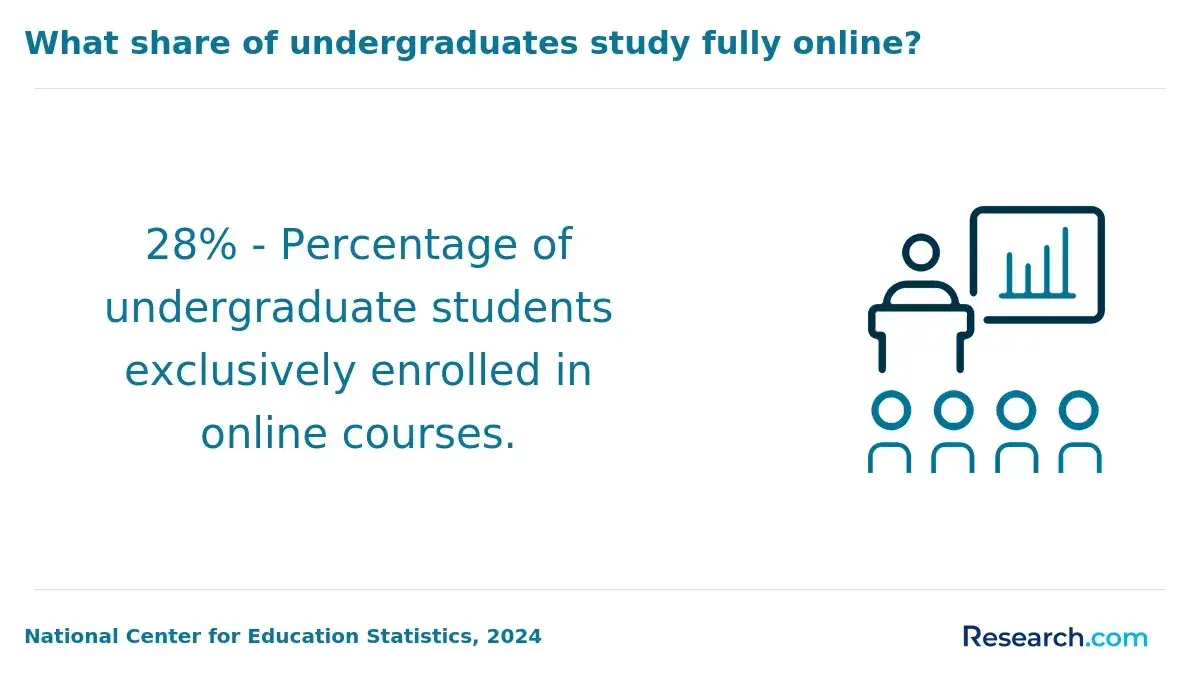
Accelerated programs can fast-track learning but may curtail opportunities to fully engage with experiential components essential for employer credibility. Workforce data from the National Center for Education Statistics in 2024 highlight a surge in online enrollments but also note that roughly 40% of employers prioritize candidates with hybrid or on-site practicum experiences, underscoring that program format choices materially impact both learning depth and employability.
What skills do students learn in in-demand global security master's specializations?
In-demand global security master's specializations are structured to develop competencies that align tightly with labor-market demands and evolving employer expectations. These programs move beyond theoretical concentrations by immersing students in applied scenarios, technical exercises, and interdisciplinary collaboration reflective of real-world security challenges.
Understanding these skill outcomes is critical for prospective students weighing program fit and long-term career adaptability.
- Technical Expertise in Cybersecurity and Information Systems: Students gain hands-on experience with advanced cybersecurity tools, protocols, and digital infrastructure protection techniques critical to mitigating modern threats. This skillset directly responds to projected industry growth, with cybersecurity jobs expected to expand by 35% by 2029 according to the U.S. Bureau of Labor Statistics, highlighting workforce demand for technically proficient professionals.
- Analytical and Intelligence Assessment Abilities: Training emphasizes interpreting complex geopolitical and threat intelligence data through simulations and scenario-based projects. This cultivates nuanced critical thinking needed to produce actionable intelligence and inform strategic decisions under uncertainty.
- Leadership and Organizational Coordination: Programs incorporate team-based exercises and leadership development to prepare graduates for managing cross-sector, multidisciplinary teams. This reflects employer priorities for security professionals who can navigate diverse stakeholder environments including government, private sector, and international agencies.
- Strategic Communication Skills: Effective, audience-tailored communication-both written and oral-is developed through practical assignments like policy briefs and operational reports. This enables graduates to bridge technical and policy domains, addressing distinct stakeholder needs.
- Research Competencies in Emerging Security Technologies and Policy: Emphasis on research methods and adaptive learning ensures graduates remain responsive to evolving threats and innovations, fostering resilience over a career marked by rapid change.
What are the admissions requirements for popular global security master's specializations?
Admissions requirements for popular global security master's specializations function as both gatekeepers and indicators of how tightly programs align with distinct career paths and skill demands. These stipulations reflect the need to balance academic readiness with professional experience, technical competence, and sector-specific expectations, distinguishing candidates best suited for specialized roles in a rapidly evolving security landscape.
- Prerequisite Academic Background: Many programs necessitate an undergraduate degree in political science, international relations, cybersecurity, or criminal justice to ensure foundational knowledge. However, select programs accommodate applicants from varied disciplines if they have completed relevant coursework-like data analysis or risk management-highlighting the differential valuation of technical and policy-oriented preparation across specializations.
- Professional Experience and GPA Thresholds: Admission committees increasingly weigh practical experience alongside GPA, which typically ranges from 3.0 to 3.5, acknowledging that two to five years in security, intelligence, or law enforcement can compensate for marginally lower academic scores. This integration recognizes the importance of applied skills and situational awareness in global security roles, particularly for mid-career entrants.
- Supporting Materials and Technical Credentials: Up to three recommendation letters, ideally from supervisors or experts in related fields, are critical for validating applicant potential and sector fit. Statements of purpose serve as platforms to demonstrate analytical ability and strategic thinking, while cybersecurity tracks may require certifications such as CISSP or CompTIA Security+ to verify technical competence.
- Standardized Tests and Additional Screening: A growing number of programs have reduced reliance on GRE scores since the pandemic, reflecting shifts in enrollment strategies and candidate evaluation. Select specializations may also mandate interviews, background checks, or physical fitness standards, especially for leadership roles or field-related tracks, underscoring varied risk and security clearance considerations.
Prospective students researching graduate program entry requirements for global security specializations should recognize how these layers of admission criteria intersect with career aspirations. Aligning one's academic and professional profile accordingly is crucial, whether transitioning from a bachelor in human services or a technical background. This strategic alignment directly informs both admission success and long-term employability in high-demand security sectors.
How should students compare cost, financial aid, and roi by global security specialization?
When comparing online global security master's curricula, students must assess how well the program aligns with their chosen specialization and career objectives. The curriculum should balance foundational theories with hands-on, current skills that respond to employer demands. Labor market data reveal a 22% growth in need for cybersecurity and intelligence analysis competencies within global security roles through 2026, signaling that programs emphasizing these areas can bolster employability.
Course sequencing is another critical factor; programs with logically progressive modules enable students to build expertise efficiently, progressing from broad principles to targeted applied practices. Practical learning components-like simulations, case studies, and real-world projects-are essential for translating theory into practice and often differentiate top-tier programs from purely academic ones.
Faculty expertise, especially instructors with recent or ongoing professional experience in global security, adds significant value through insights and networking opportunities. Accreditation or adherence to recognized professional standards further ensures curricula meet quality and relevance benchmarks.
Prospective students should also examine whether a program supports certification or licensure preparation, increasingly required by employers. Given the pace of evolving threats and technologies, curricula fostering critical thinking and adaptability offer enhanced career resilience. For detailed outlooks on specialized roles and earnings, such as the FBI profiler salary trajectory provides a practical benchmark.
- Alignment with specialization tracks and employer expectations
- Structured course progression and applied learning
- Faculty professional expertise and mentorship
- Accreditation and certification preparation
- Focus on emerging skills and adaptability
Cost and financial aid considerations tied to global security master's programs vary substantially by specialization, making straightforward comparisons inadequate. Students should approach return on investment (ROI) from a specialization-specific lens, factoring in program design, labor market fit, and their career stage rather than focusing only on tuition versus future earnings.
- Tuition Structures and Fee Variability: Different specializations often entail distinct tuition models and extra fees, particularly when fieldwork, labs, or technology access is required. These additional costs influence overall affordability and debt burden, affecting a student's real investment.
- Internship and Practicum Requirements: Programs emphasizing hands-on experience may require unpaid or low-paid fieldwork; associated living and travel expenses can extend time-to-degree and increase opportunity costs, impacting the total financial outlay.
- Certification Preparation and Credentialing Costs: Certain specializations integrate preparation for expensive or time-sensitive certifications, which adds to direct expenses. Students must budget for exam fees and consider how credentialing impacts employability and salary growth.
- Employer Tuition Assistance Limits: Working professionals leveraging employer support must verify whether their specialization aligns with reimbursement policies, as some employers restrict funding to specific focus areas or credential pathways, influencing net program cost.
- Variable Completion Timelines and Opportunity Costs: Specializations requiring additional coursework or extended practicum periods can delay workforce reentry or advancement, altering the ROI calculus beyond initial tuition considerations.
What Do Graduates Say About Their Global Security Master's Specializations?
- Yeshua: "Understanding the practical hiring landscape was eye-opening after my Global Security specialization. I realized that employers heavily favor portfolios and hands-on internships over just academic credentials, which pushed me to seek out contract roles early on. While licensure adds value, I found that certifications combined with real-world experience opened more doors and accelerated my entry into the workforce."
- Hugh: "Before starting my master's in Global Security, I was concerned about career flexibility and growth potential. Post-graduation, I've seen that remote opportunities have increased significantly in this field, which suits my lifestyle. However, salary growth can plateau quickly without additional certifications or licensure, so ongoing professional development became essential to remain competitive and move up."
- Atlas: "My experience navigating post-graduate hiring was more cautious than optimistic. Although I completed a specialized track in Global Security, competing for niche roles was tougher than expected, especially against candidates with government clearance or military background. This led me to pivot slightly by leveraging transferable skills and aiming for more general security analyst roles where I could grow without the immediate pressure of licensure."
Other Things You Should Know About Global Security Degrees
Students must weigh if a specialization leans heavily toward technical skills, such as cybersecurity or intelligence analytics, versus broader policy, strategy, or diplomatic frameworks. A technical focus often demands ongoing skills updates and can lead to more specialized roles, whereas policy-driven programs offer greater cross-sector flexibility but may require additional domain knowledge later to qualify for niche technical jobs. Prioritizing based on your long-term career goals is crucial, as employers expect mastery aligned with the role's demands rather than generic global security knowledge.
Some global security master's tracks feature intensive, project-based learning or simulations with strict deadlines, which can strain students managing full-time jobs. Specializations emphasizing hands-on labs or fieldwork can further reduce flexibility. Those balancing employment should prioritize programs with flexible scheduling and clear expectations, as underestimating workload may lead to prolonged study time or compromised learning outcomes.
While focusing on emergent threats like AI-enabled cyber attacks may offer cutting-edge appeal, programs centered around current, documented challenges tend to provide stronger foundational knowledge and established employer demand. Students should balance innovation with market readiness; selecting a specialization with clear, near-term applicability often translates to better job security, whereas chasing future trends can involve higher risk without guaranteed return on investment.
References
- Master's Degree in Security and Defense | ILERI https://www.ileri.fr/en/program/master-in-international-security-cybersecurity-and-defense
- M.Sc. on Cyber Security: Highest Salary Countries Guide https://edglobalacademy.com/which-country-offers-the-highest-salary-after-m-sc-for-cyber-security/
- Impact of Education on Economic Growth | ROI Study | Colorado State University Global https://csuglobal.edu/about/why-csu-global/numbers/economic-impact
- International Security Studies (MISS) | Study at FSV UK https://study.fsv.cuni.cz/study-programs/master-programs/miss
- Build a Financial Aid Technology Strategy for Maximum ROI | FAS https://www.financialaidservices.org/news/insights/financial-aid-technology-strategy/
- Master in Global Business & Negotiation | JoJohn Kiriakou & Experts https://globalandinternationalstudies.com/global-security-and-intelligence-track
- Master's in International Security Studies https://parisgraduateschool.org/security-studies/masters-in-international-security-studies/
- Best Masters Courses With Guaranteed Career Scope https://www.galaxyeduworld.com/blogs/best-masters-courses-career-scope-2026
- Top 10 Masters in International Security Studies - Global Peace Careers https://globalpeacecareers.com/masters-in-international-security-studies/
- What can I do with a masters in international security? | UFV https://www.ufv.es/what-can-i-do-with-a-masters-in-international-security-preguntas-masters/