2027 Best Value Online Global Security Master's Degrees: Affordable Accredited Programs with the Highest ROI

Co-Founder and Chief Data Scientist
Choosing an online master's degree in global security presents a complex challenge: balancing cost, credibility, and career impact under tight time and financial constraints. Recent data from the National Center for Education Statistics shows that enrollment in online graduate programs surged by over 15% in 2023, reflecting growing demand for flexible, accessible education.
This trend highlights a shift toward programs that accommodate working adults and career changers without sacrificing academic rigor or post-graduate value. Understanding which accredited programs deliver strong returns on investment can decisively affect career mobility and long-term outcomes amid evolving workforce expectations.
Key Things to Know About the Best Value Online Global Security Master's Degrees
- Programs balancing low tuition with regional or national accreditation provide measurable credibility, but less recognized accreditations may reduce employer acceptance, affecting post-graduation mobility and long-term career trajectory.
- Employers increasingly demand applied skills verified by rigorous curriculum; programs emphasizing experiential learning offer clearer ROI, yet require more time and effort, challenging working professionals balancing responsibilities.
- With 2024 data from the National Center for Education Statistics showing adult online enrollment growth slowing, timely application to flexible programs remains crucial as shifting workforce demands heighten competition for security roles.
What Are the Best Value Online Global Security Master's Programs in the U.S.?
Best value in an online global security master's program means balancing tuition cost, accreditation rigor, graduation outcomes, and measurable salary growth after graduation. This balance matters because a lower sticker price alone can mask programs that do not adequately prepare students for security roles that demand a nuanced understanding of intelligence analysis, cyber policies, and risk management.
A working professional choosing between programs at $15,000 versus $37,500 tuition must consider not just affordability but also how each curriculum's alignment with employer needs impacts job prospects and earnings. High graduation rates often indicate programs that accommodate working schedules without sacrificing support or quality, while documented salary lifts demonstrate an actual return on investment rather than speculative value.
- University of Texas at San Antonio: This program has an estimated total tuition of $15,000, is delivered fully asynchronously, and is distinguished by its strong focus on homeland security policy with flexible pacing designed for full-time working professionals.
- Arkansas State University: With an estimated total tuition of $19,200, this program uses a primarily asynchronous format with some live sessions and emphasizes cybercrime and intelligence fusion through practical technology integration.
- American Public University System: This program costs approximately $24,600 in total tuition, is fully asynchronous, and is tailored for veterans and working adults with a wide range of security management electives.
- University of Maryland Global Campus: Estimated at around $28,000 in total tuition, this program combines synchronous and asynchronous learning and focuses on national security specialization closely aligned with federal agency competencies.
- George Washington University: With an estimated total tuition of $37,500, this program is delivered mostly asynchronously with occasional synchronous seminars and stands out for its strong Washington, D.C. professional network and emphasis on policy and intelligence analysis.
This overview summarizes the core metrics used to assess program quality and effectiveness, including accreditation, graduation rates, tuition costs, salary impact, and learning delivery formats.
- Accreditation: All programs hold regional accreditation and specialized recognition in security and criminal justice fields.
- Graduation Rates: Range from 60% to 85%, correlating with student support services and program flexibility.
- Salary Lift: Graduates report a 15% to 40% increase in median salaries within three years of completing their degree.
- Data Sources: Figures are drawn from IPEDS and institution-reported data for the current academic year, ensuring recent and verifiable information.
- Program Structure: Most programs offer asynchronous learning to accommodate working professionals, with some incorporating synchronous elements for cohort interaction or seminars.
Choosing among affordable accredited online global security master's degrees with highest ROI requires careful attention to how each program integrates practical content and flexible delivery modes to fit diverse student circumstances. For many working adults and career-changers, asynchronous formats provide necessary schedule adaptability, but programs that augment this with limited synchronous events can enhance networking and real-time policy discussions.
Prospective students should also consider how specializations, such as cybercrime or homeland security policy, align with labor market demands to maximize employment outcomes. Access to professional networks, particularly in hubs like Washington D.C., can significantly influence career trajectories in intelligence and policy arenas.
Financial investment in a master's degree in global security can yield substantial salary increases post-graduation, but this return hinges on program quality and relevance rather than cost alone. Those weighing options may find additional context by exploring related domains, such as the cheapest online MBA offerings, for a comparative understanding of how different graduate paths structure affordability and ROI. Ultimately, transparent data from IPEDS and institutional reports provide the backbone for these assessments, making transparent, data-driven decisions central to first-generation graduate students, underrepresented groups, and busy professionals alike.
What Accreditations Should an Online Global Security Master's Program Have?
Choosing a program without solid accreditation can limit your future career flexibility and financial options. Employers and graduate programs often scrutinize accreditation as a proxy for quality; lacking recognized accreditation can restrict credit transfer and federal aid access, which directly impacts affordability and time to degree completion.
Online global security master's programs typically fall under a two-tier accreditation framework. The first tier is regional institutional accreditation, granted by one of seven regional accreditors such as the Higher Learning Commission (HLC), Southern Association of Colleges and Schools Commission on Colleges (SACSCOC), or Middle States Commission on Higher Education (MSCHE). This accreditation is essential because it ensures adherence to rigorous academic and administrative standards, qualifies students for federal financial aid, and facilitates credit transfer between institutions-critical factors for working professionals who may need program flexibility or plan further education.
The second tier involves programmatic or field-specific accreditation relevant to global security's interdisciplinary nature. While no universal accreditor exists exclusively for global security, related bodies like ABET for engineering and computing components or security-focused professional endorsements elevate a program's credibility and alignment with workforce expectations. Programs accredited only nationally or by unrecognized agencies often signal diploma mills or compromised educational value, which can hinder employability.
Checklist for Prospective Students:
- Regional Accreditation: Is the institution accredited by a recognized regional agency such as HLC, SACSCOC, or MSCHE?
- Programmatic Accreditation: Does the program have endorsements relevant to your specialization or discipline within global security?
- Financial Aid Clarity: Can the school clearly explain how its accreditation status affects your eligibility for loans or grants?
- Red Flags: Are there concerns about the legitimacy or recognition of the school's accreditation bodies?
How Much Does an Online Global Security Master's Degree Cost on Average?
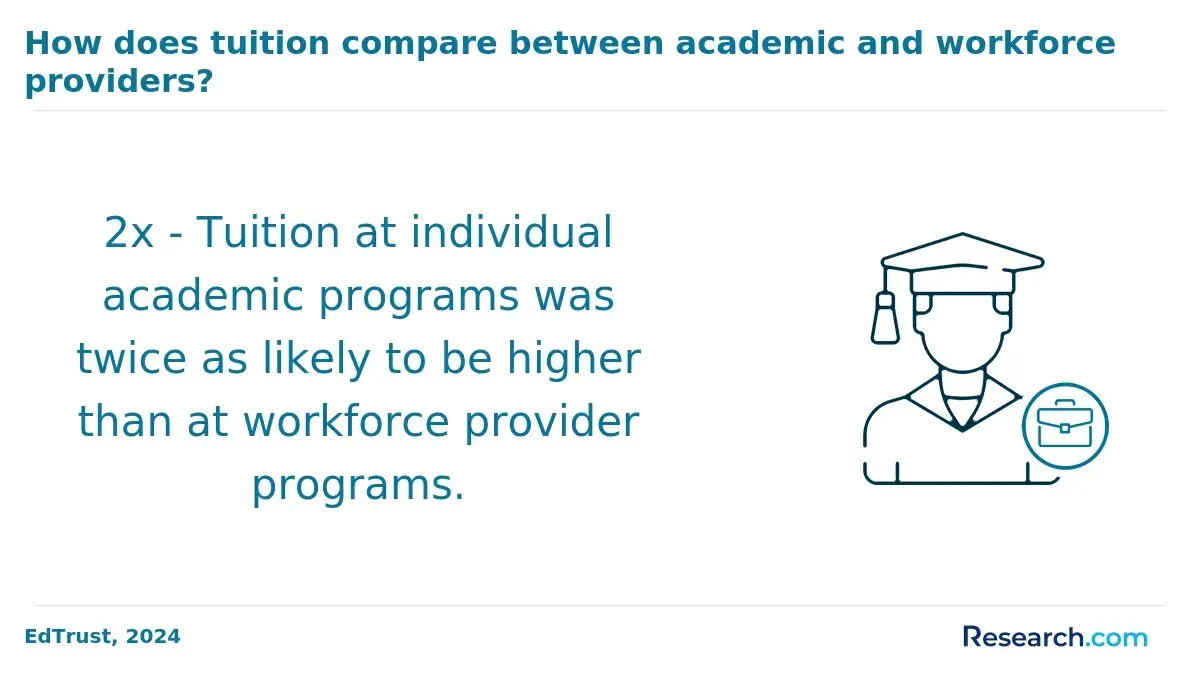
Total costs for an online global security master's degree typically fall within a broad range, with per-credit tuition varying significantly between public and private nonprofit institutions. While publicly available data from IPEDS and institutional disclosures reveal tuition costs fluctuate based on residency status and institutional type, many online programs streamline pricing through flat tuition rates that apply equally to in-state and out-of-state students. This pricing uniformity benefits working professionals balancing cost against convenience.
The average overall investment depends heavily on factors that often escape initial budgeting, with added fees potentially inflating total expenses by 10-20% beyond advertised tuition rates. Such overlooked costs frequently affect first-generation graduate students and career changers eager to manage both time and financial commitments efficiently.
- Tuition Range: Public universities often charge lower rates per credit hour, with some maintaining distinct in-state and out-of-state charges, whereas private nonprofit programs tend to have higher tuition but may offer fixed rates and more extensive financial aid opportunities.
- Mandatory Fees: Registration, student activity, and library fees assessed each semester can significantly impact the final program cost.
- Technology Fees: Extra charges ensure access to digital platforms and software essential for online learning environments.
- Thesis or Capstone Fees: Projects requiring final submissions may bring additional supervisory or proctoring costs that students must anticipate.
- Residency Requirements: Certain programs mandate short on-campus sessions or workshops, introducing potential travel and lodging expenses often underestimated when planning budgets.
Comparing averages, public universities usually present lower tuition per credit with possible residency distinctions, while private institutions often incorporate more inclusive fees and financial aid provisions, impacting the net cost for eligible students. Evaluating the average tuition fees for accredited online global security master's programs in the United States demands attention to these layered expenses, not merely sticker price.
Practical financial decisions benefit from nuanced understanding of these tradeoffs alongside career outcomes. Prospective students can also explore related fields, evaluating how an investment in security studies compares to alternatives like a criminal justice online degree, particularly in terms of affordability and labor market relevance.
What Is the Return on Investment (ROI) of an Online Global Security Master's Degree?
Calculating the financial return on investment (ROI) for an online global security master's degree requires weighing the program's total cost against the salary gains that graduates typically realize. ROI here is defined as the increase in median salary after earning the degree minus the program cost, divided by that cost, and can be expressed as a percentage or the number of years it takes to recoup tuition.
Median salaries for roles in global security, such as security analysts or intelligence officers, range from about $60,000 pre-degree to roughly $85,000 to $110,000 post-degree, depending on location and specialization. With many online programs costing between $15,000 and $40,000, students often face a payback horizon of two to five years.
- Salary Benchmarks: Pay varies significantly by job function; those with roles in cyber security or intelligence generally see higher post-degree compensation.
- Work Experience: Candidates with existing experience in related fields tend to leverage the degree for faster salary improvements compared to newcomers.
- Institutional Prestige: Degrees from well-known universities can positively influence job prospects and salary growth through better recognition and networks.
- Regional Demand: Employment markets centered on government agencies or urban hubs usually provide stronger ROI due to elevated demand.
- Specialization: Concentrations in niche areas like counterterrorism can boost earnings but may restrict job opportunities, affecting overall ROI tradeoffs.
- Non-Monetary Benefits: Factors such as eligibility for promotions, greater job stability, and capacity for career transition add value beyond direct salary increases.
What Are the Admission Requirements for an Online Global Security Master's Program?
Admissions decisions for online global security master's programs hinge on a balance of academic metrics and evidence of professional readiness. While a minimum undergraduate GPA near 3.0 on a 4.0 scale is a widespread baseline, applicants with lower GPAs can offset this by demonstrating relevant work experience or completing additional coursework. This tradeoff often reflects employers' focus on practical skills alongside academic achievement.
Letters of recommendation provide critical context beyond grades, typically requiring two or three endorsements from instructors or supervisors familiar with the applicant's capabilities in security-related environments. These references help admissions panels gauge potential for graduate-level analysis and problem-solving. A carefully articulated statement of purpose or personal essay carries significant weight in conveying specific career objectives and motivation. This narrative helps differentiate candidates who can integrate advanced study with their professional trajectory.
Including an up-to-date resume or CV that highlights experience, certifications, and quantifiable accomplishments is standard, showing a readiness to engage with complex, specialized coursework. Some programs also mandate foundational classes in areas like international relations, cybersecurity, or political science, underscoring the importance of prerequisite knowledge for success.
While GRE or GMAT scores were formerly common, many global security master's programs now adopt test-optional policies to broaden access. However, STEM-oriented programs may still demand demonstrated quantitative proficiency through prior coursework or standardized tests. Given the wide variance in admissions standards, strategically applying to a mix of reach, match, and safety programs can help candidates navigate the competitive landscape and align offers with their academic background and career aims.
What Is the Minimum GPA Requirement for a Global Security Master's Program?
Minimum GPA requirements for online global security master's programs in the United States vary but commonly fall within these ranges, underscoring the importance of aligning one's academic record with program expectations. Typical GPA cutoffs for admission to accredited global security master's degrees are designed to protect rigor while allowing some latitude for holistic, experience-based evaluation.
- Minimum Eligibility: This GPA floor, usually around 2.75 to 3.0, represents the baseline for applying but does not assure admission given competitive applicant pools.
- GPA Waivers: Certain programs allow waivers for students below minimum standards by valuing relevant professional experience, portfolio strength, or scores on standardized exams, helping nontraditional applicants remain competitive.
- Conditional Admission: Students falling short academically may be offered provisional acceptance contingent upon completing foundational coursework or maintaining satisfactory academic progress during their studies.
- Holistic Review: GPA is a crucial metric but weighed alongside work history, letters of recommendation, personal statements, and other attributes employers and programs consider valuable.
- Competitive GPA: Many programs publish a higher benchmark, commonly 3.2 or above, reflecting the average GPA of admitted students and signaling stronger academic preparation.
Understanding these distinctions is critical given data showing employer hiring preferences often favor candidates whose graduate credentials reflect both academic proficiency and relevant applied skills. Applicants from underrepresented groups or those changing careers should evaluate global security master's programs that balance affordability, accreditation, and realistic admission chances. For those balancing entrance requirements with practical demands, exploring related options like an MBA without GMAT can provide a strategic alternative with different admissions flexibilities.
What Financial Aid Options Are Available for Online Global Security Master's Students?
Financing an online global security master's program requires careful evaluation of aid options that often involve tradeoffs impacting debt levels and career timelines. Unlike undergraduate studies, graduate students rarely qualify for federal grants such as Pell Grants, which can surprise first-generation applicants managing tight budgets. Instead, funding typically hinges on loans, scholarships, employer support, and selective assistantships, each with distinct eligibility criteria and implications for employability and post-graduation commitments.
- Federal Loans: Direct Unsubsidized Loans offer fixed borrowing limits but accumulate interest during enrollment, while Graduate PLUS Loans provide higher amounts subject to credit approval. Both require FAFSA completion and assessment via the Student Aid Index, which substitutes the older Expected Family Contribution metric.
- Institutional Scholarships and Fellowships: Programs occasionally offer merit- or need-based awards targeting global security fields. These can meaningfully reduce costs but often demand early applications and clear documentation, underscoring the importance of proactive planning.
- Employer Tuition Reimbursement: For working professionals, tuition support programs can offset expenses significantly but generally entail commitments to remain with the employer after graduation, adding a layer of career decision-making tied closely to funding.
- Graduate Assistantships: Though infrequent in online settings, some programs provide teaching or research roles that include tuition waivers and stipends. These positions require balancing work responsibilities alongside coursework, affecting time available for employment.
- External Scholarships: Associations linked to global security occasionally offer competitive scholarships. These are valuable but limited, requiring targeted effort and discipline-specific research to pursue.
Maximizing aid involves submitting FAFSA and institutional applications well before deadlines, investigating scholarships tied specifically to global security disciplines, negotiating aid packages if multiple offers arise, and exploring any applicable state grant or loan forgiveness programs to supplement federal and institutional aid.
How Long Does It Take to Complete an Online Global Security Master's Degree?
Completing an online global security master's degree typically requires balancing program demands with personal and professional obligations, affecting the overall timeframe. Full-time students generally finish in 18 months to two years, while part-time learners-who form the majority of online graduate enrollees-take between two and a half to four years.
This extended timeline often reflects working professionals managing their studies alongside employment, where pacing directly impacts workforce readiness and access to roles requiring timely credentials.
- Credit Hour Requirements: Most programs require 30 to 45 credit hours, with intensity and course frequency directly influencing completion time.
- Course Load Per Semester: Heavier loads can shorten the duration but may overwhelm students juggling full-time jobs or family responsibilities.
- Transfer Credits: Accepted prior graduate coursework can reduce required credits, expediting graduation if institution policies align.
- Scheduling Format: Cohort-based models enforce a fixed timeline progressing with peers, while self-paced options offer flexibility but may extend overall duration.
- Accelerated Programs: Some individuals opt for 12-month tracks; however, a compressed timeline does not always correspond to employer recognition or academic rigor.
- Thesis or Capstone Requirements: These often add one to two semesters depending on individual progression and faculty availability.
The duration variation and program structure are critical considerations for prospective students aiming to optimize affordability, accreditation, and career ROI. Choosing the fastest path compromises less on quality than failing to assess how a program fits one's broader career plan-especially for career changers who weigh benefits similar to those navigating a transition from teacher to SLP.
Notably, rising enrollment data underscore that part-time students dominate online global security master's degree completion time in the United States, emphasizing the need for flexible, supportive program designs.
What Specializations or Concentrations Are Available in Online Global Security Master's Programs?
Specializations within online global security master's programs shape practical career trajectories and influence labor market outcomes in significant ways. For instance, a professional seeking employment in cybersecurity-focused roles must weigh the benefits of obtaining a concentrated expertise versus a broader, generalist degree, as employers in technology sectors increasingly prioritize candidates with targeted skills. These career-focused concentrations in US online global security degrees are not merely academic distinctions; they often correlate with differing salary potential and sector-specific demand, making early alignment with professional goals a strategic necessity.
Most accredited programs offer several commonly available concentrations, ranging from Crisis Management, which equips students to manage emergencies and operational disruptions internationally, to Cybersecurity, focusing on defense against evolving digital threats. Other concentrations include :
- Counterterrorism, emphasizing preventative policies;
- Intelligence Analysis, centered on information gathering for decision-making;
- Homeland Security, which looks at protecting national assets from diverse threats;
- Risk Assessment and Management, dealing with threat evaluation and mitigation;
- International Relations and Diplomacy, addressing geopolitical conflict resolution; and
- Cybercrime and Digital Forensics, which supports investigations and legal compliance in cyber offenses.
Some programs allow students to follow a flexible elective track without declaring a specialization upfront, while others require a declaration early in the admission process. Prospective students should carefully review job listings relevant to their targeted roles to identify which concentrations dominate employer requirements and compensation levels.
Not all concentrations carry equal weight in hiring practices; engaging with program alumni or academic advisors can provide clarity on realistic employment outcomes aligned with each focus area. Selecting a specialization is an investment decision that extends beyond coursework to encompass practical employability in highly competitive fields.
In the context of accreditation, most credible online global security master's degrees hold recognition from regional agencies approved by the U.S. Department of Education or specialized bodies such as the Accreditation Board for Engineering and Technology (ABET) when relevant. Program formats vary widely, from fully asynchronous schedules that accommodate working professionals' needs to hybrid models blending synchronous and asynchronous learning.
Admission requirements typically include a bachelor's degree, with some programs expecting professional experience or relevant prerequisite coursework. For those weighing advanced interdisciplinary options, exploring an online doctorate data science pathway can complement global security expertise in analytic roles.
How Do Online Global Security Master's Programs Compare to On-Campus Programs in Quality and Recognition?
Employer perceptions of online versus on-campus global security master's programs largely pivot on accreditation and the diploma's presentation rather than delivery format. According to SHRM and other recent employer surveys, the majority of hiring managers treat degrees from the same regionally accredited institution as functionally equivalent, provided the diploma does not explicitly flag the program as online.
This means accreditation acts as a critical equalizer, ensuring that credential value remains consistent across modalities. However, choosing between online and on-campus learning involves nuanced tradeoffs beyond mere recognition. For instance, on-campus students frequently benefit from face-to-face networking, which fosters deeper professional connections and mentorship opportunities that can influence job placement.
Similarly, campus recruiting events provide direct access to employers often absent in virtual formats. Access to physical labs, simulations, or practicum components also tends to be more straightforward on site, which may impact practical skills development for certain students.
- Networking: In-person interactions encourage more organic relationship-building, while online programs increasingly leverage virtual platforms and professional groups to mimic these connections.
- Recruiting Pipelines: Employers visiting campus through job fairs and info sessions provide direct pipelines unavailable to many online learners, though virtual job fairs and strategic partnerships are growing
- Applied Learning: Hands-on training through labs and practicums is more accessible on campus; some hybrid online programs now offer residencies or local internships to bridge this gap.
- Institutional Focus: The reputation and graduate outcomes of a specific institution matter more than program delivery, making alumni employment patterns (e.g., LinkedIn data) a key research tool.
Prospective students must weigh these factors alongside affordability and personal circumstances, prioritizing accredited programs that align with career objectives rather than assuming on-campus formats automatically deliver superior long-term value.
What Graduates Say About the Best Value Online Global Security Master's Degrees
- Yeshua: "Balancing a full-time job and family commitments made me hesitant about pursuing a master's, but I chose this program for its affordable tuition and flexible online format. While I initially hoped the degree alone would open doors, I quickly realized employers in global security heavily favored candidates with strong portfolios and recognized certifications, so I focused on building those alongside. Ultimately, I secured a role with a government contractor that values my practical experience and degree combined, though I'm aware salary growth may plateau without further licensure."
- Hugh: "After a career pivot from IT to security, I was looking for a cost-effective program that could provide relevant skills without a massive debt load. The decision point was the blend of applied coursework and internship opportunities, which helped me transition smoothly. Post-graduation, I landed an internship that turned into a full-time analyst role; however, I noticed many higher-level positions still prioritize candidates with hands-on field experience or certifications, so I'm planning to pursue those next to enhance my career trajectory."
- Atlas: "Time constraints and the need to enter the workforce quickly guided me to a master's program with a strong ROI and no on-campus residency. The program's remote nature allowed me to maintain my job while studying, but I found that many employers prioritized practical internships and professional networks over degrees alone. Though I didn't get my dream role immediately, the skills and internship I completed helped me switch to a security consultancy job that offers remote work and steady advancement opportunities in a competitive job market."
Other Things You Should Know About Global Security Degrees
Graduates typically enter roles in cybersecurity analysis, intelligence, risk assessment, or policy advising for government agencies, private firms, or nonprofit organizations. However, the job market is highly competitive, and employers often prefer candidates with practical experience or security clearances in addition to academic credentials. Programs that integrate internships, real-world simulations, or partnerships with industry tend to produce graduates with better placement rates. Prospective students should prioritize programs that clearly articulate employer engagement and post-graduation support to enhance their job prospects.
Beyond tuition, students should anticipate expenses such as technology fees, course materials, software licenses, and potential background check costs required for security-related coursework. Some programs may demand proctored exams or residency components that require travel, adding to the overall cost. These ancillary charges can significantly increase the total investment, so students must examine program fee disclosures carefully and budget accordingly to avoid unexpected financial burdens.
Employer tuition reimbursement often covers course costs but rarely extends to additional fees or materials, so students should verify total eligible expenses. Reimbursement approval typically requires preauthorization and demonstrated relevance of the degree to job duties, which can limit accessibility for some candidates. Understanding your employer's policies upfront and selecting accredited programs recognized by your HR is crucial to maximize financial benefits. Failing to navigate reimbursement processes properly may result in significant out-of-pocket expenses despite employer promises.
References
- Global Security Studies M.S. https://www.angelo.edu/academics/programs/global-security-studies-ms/
- Master of Arts in International Security Studies (MISS) https://www.marshallcenter.org/en/academics/master-arts-international-security-studies-miss
- Is Grad School Worth It? A Comprehensive Return on Investment Analysis - FREOPP https://freopp.org/whitepapers/is-grad-school-worth-it-a-comprehensive-return-on-investment-analysis/
- Master in International Security https://www.sciencespo.fr/psia/academics/masters/master-international-security/
- Top 10 Best Online Master's Cybersecurity Programs (2025) - Programs.com https://programs.com/programs/online-masters-programs/
- International Student Scholarship Search & International Financial Aid https://www.iefa.org/
- Top 10 Masters in International Security Studies - Global Peace Careers https://globalpeacecareers.com/masters-in-international-security-studies/
- Intelligence and Security Studies, M.A. https://www.citadel.edu/intelligence-and-security-studies/graduate-programs/master-of-arts-in-intelligence-and-security-studies/
- Top Online Master’s Degree Programs in Homeland Security for 2025 https://www.onlinemastersdegrees.org/best-programs/homeland-security/
- INTERNATIONAL SECURITY - Sciences Po - Zuzana TOMÁNKOVÁ https://www.cvtrust.com/SmartCertificate/