2026 Best Value Online Gifted Education Degree Programs: Affordable Accredited Options with the Strongest ROI

Co-Founder and Chief Data Scientist
Rising tuition costs and evolving employer demands create significant challenges for budget-conscious students and working professionals seeking online gifted education degrees. Many face scheduling conflicts, transfer credit complexities, and hidden fees that inflate total program costs-factors often overlooked in the early decision phase. Accredited credentials remain essential as employers increasingly expect verifiable qualifications, heightening the importance of program quality and graduation timelines. Notably, research shows that gifted education specialists in the U. S. earn a median salary of $64,000 annually, underscoring ROI considerations tied to geographic and industry variables. This article examines affordable, accredited online gifted education programs-highlighting factors affecting cost, flexibility, and career outcomes-to guide strategic program selection and long-term financial and professional growth.
Key Things to Know About the Best Value Online Gifted Education Degree Programs
- Best-value online gifted education programs combine competitive tuition, financial aid, transfer credits, and flexible formats to minimize total education costs for working adults and nontraditional students.
- Comparing accreditation, graduation rates, student support, pacing, and career outcomes reveals programs with the strongest long-term educational value and professional readiness.
- Review hidden fees, residency rules, credit transfers, salary potential, and employer recognition carefully to ensure a gifted education degree supports career advancement and financial stability.
What Are the Best Value Online Gifted Education Degree Programs?
Students increasingly seek best value online gifted education degree programs that combine affordability, reputable accreditation, flexible learning formats, and strong career outcomes. With average student debt reaching over $30,000 and employer demand growing for specialized educators, choosing programs with high return on investment (ROI) has become critical. This overview highlights key categories delivering strong value in affordable accredited gifted education degrees with highest ROI.
- Public Regional Universities: These institutions offer low in-state tuition for online students while maintaining rigorous, regionally accredited gifted education curricula. Transfer-friendly policies reduce time and cost to degree completion-ideal for career-focused adult learners balancing work and study.
- Flexible Competency-Based Programs: By allowing students to progress by demonstrating mastery rather than adhering to fixed schedules, these programs offer accelerated and cost-effective pathways. This model particularly benefits professionals seeking to reskill quickly without incurring excessive tuition expenses.
- Transfer-Oriented Institutions: Emphasizing acceptance of prior college credits, these schools enable students returning mid-career to capitalize on previous coursework. This approach lowers overall tuition costs and shortens time to graduation without compromising accreditation quality.
- Universities with Strong Career Outcomes: Programs focusing on employment rates and salary growth post-graduation highlight valuable tuition-to-earnings ratios. These schools often maintain close partnerships with education employers, enhancing job placement prospects for gifted education graduates.
These institutional strategies illustrate where budget-conscious students can find online gifted education degrees that balance cost, quality, and ROI. For those interested in other similar affordable and well-regarded options, consider exploring the online SLP program as another example of value-driven education.
How Do You Choose an Affordable Accredited Online Gifted Education Degree?
Selecting an affordable accredited online gifted education degree requires balancing cost, accreditation quality, flexibility, and long-term return on investment-especially since student debt averages nearly $30,000 nationally. Accreditation signals employer recognition and credit transferability, critical for students comparing programs. The following key factors guide budget-conscious students, working professionals, and career-focused adult learners toward high-value online gifted education degrees in the US.
- Regional Accreditation: Regional accreditation-recognized by the U.S. Department of Education-ensures academic legitimacy and stronger employer acceptance. Programs with this accreditation typically offer better credit transferability than nationally accredited ones, enhancing both academic and professional prospects.
- Tuition Transparency: Clear tuition details-including per-credit costs and additional fees-help avoid unexpected expenses. Understanding total program costs upfront enables learners to evaluate affordability accurately and plan finances accordingly.
- Transfer-Credit Policies: Institutions with lenient transfer-credit policies reduce time and cost by accepting prior coursework from accredited programs. Competency-based models also allow experienced students to demonstrate skills for accelerated progress, benefiting adult learners balancing work and study.
- Online Learning Support: Robust online infrastructures with accessible faculty, interactive tools, and technical assistance improve student engagement and completion rates. Quality support services tailored to remote learners-such as advising and tutoring-boost academic success and career readiness.
- Graduation Outcomes: Retention and graduation rates provided by colleges and national databases reflect program effectiveness. Higher completion rates often correlate with well-designed curricula and support, maximizing degree value and return on investment.
Students seeking affordable accredited online gifted education degree programs should also explore options from reputable schools with transparent pricing and flexible pacing. Additionally, adult-focused online institutions often provide accelerated pathways and cost-effective models. More information on affordable options can be found by exploring accredited counseling programs that provide strong value for adult learners.
Which Online Gifted Education Degree Programs Offer the Highest ROI?
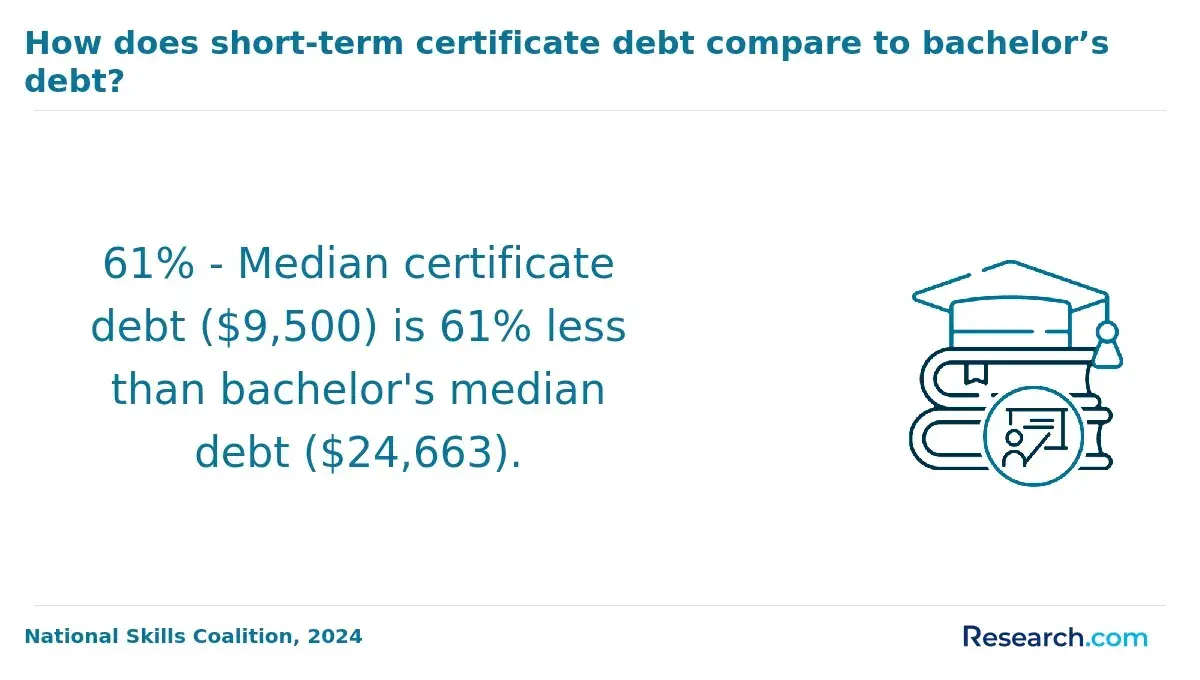
Return on investment (ROI) is increasingly vital for students weighing online gifted education degree options-especially as average student loan debt in the U.S. exceeds $30,000 and employer demand for specialized educators grows steadily. Selecting a program that balances cost with quality can significantly impact both career opportunities and financial stability. Key factors influencing ROI include the following:
- Affordable Tuition: Programs offering transparent, low tuition-often below $10,000 annually-help students minimize debt while accessing accredited degrees from reputable public or private institutions. Clarity in fees ensures budgets are managed effectively without surprises.
- High Completion Rates: Degrees boasting graduation rates above 70% typically provide strong academic support, flexible scheduling, and resources that keep students on track and reduce time to finish-maximizing savings and accelerating career entry.
- Workforce-Relevant Curriculum: Aligning coursework with current K-12 standards and gifted student services increases employability, while employer recognition and licensure success bolster long-term earnings. Transferable credits and stackable credentials offer added flexibility for career advancement.
- Accreditation and Institutional Quality: Regional accreditation and transparent program evaluations ensure educational value, signaling to employers a rigorous and trustworthy academic background.
One professional who completed an online gifted education program shared that the biggest challenge was balancing coursework with a full-time job and family responsibilities. He noted, "Finding a program that offered flexible deadlines and clear tuition helped me stay committed without financial stress." He emphasized how supportive faculty and accessible resources made the difference, ultimately allowing him to finish efficiently and gain credentials respected by employers. "This degree was a smart investment that opened doors I didn't expect so quickly," he reflected.
What Is the Average Cost of an Online Gifted Education Degree Program?
Evaluating the true cost of an online gifted education degree is crucial as tuition rates and student debt continue to rise-especially for those pursuing affordable accredited gifted education degrees online. Data indicates public universities generally offer lower tuition compared to private institutions, significantly impacting budget-conscious learners. Below are key factors influencing total expenses and affordability.
- Residency Discounts: Public universities often offer reduced tuition for in-state students, making residency status a major determinant of overall program cost. Out-of-state and private school fees can raise total expenses considerably.
- Tuition Models: Flat-rate tuition programs allow unlimited course enrollment for a fixed price per term, benefiting students who accelerate their studies and limit their time-to-degree-thus lowering total tuition.
- Transfer Credits: Institutions that accept transfer credits and recognize prior learning help working professionals avoid repeating coursework, cutting both time and tuition costs.
- Technology Fees: Many online programs add fees for access to digital platforms, tech support, or course materials-these can steadily increase total costs if not accounted for upfront.
- Accelerated Pathways: Competency-based or accelerated degree formats enable faster completion, reducing semesters enrolled and overall tuition obligations. These paths often align with flexible schedules ideal for adult learners.
For those weighing options, programs combining low tuition rates with strong transfer policies and flexible scheduling offer the best return on investment. Prospective students may also explore related fields such as a fast track construction management degree for additional career flexibility and affordability strategies.
Are Affordable Online Gifted Education Degrees Respected by Employers?
Employer perception and institutional credibility play essential roles when evaluating affordable online gifted education degree programs. According to recent data, nearly 70% of employers regard regional accreditation as a primary marker of program quality in online education. Understanding these factors can guide budget-conscious students and working professionals toward respected and legitimate online options.
- Regional Accreditation: Accreditation from recognized regional bodies ensures a program meets rigorous academic standards, which employers widely acknowledge as a key indicator of quality and eligibility for federal aid.
- Institutional Reputation: Established public universities with transparent graduation and employment data typically carry more weight with hiring managers than lesser-known or for-profit providers, reassuring employers about graduate readiness.
- Workforce Alignment: Programs that clearly demonstrate how their curriculum prepares students for current educational demands-through published outcomes or partnerships with school districts-enhance employer confidence in graduates' job readiness.
- Transfer Credit Policies: Colleges that accept and apply transfer credits efficiently benefit students by reducing time and cost to degree completion, a practical consideration that resonates positively with employers.
One professional who built her career after earning an affordable online gifted education degree shared that initial skepticism from some employers gave way after she demonstrated her skills and knowledge in practice. She recalled, "It was challenging explaining the value of an online degree at first-especially from a lesser-known program-but once I showcased the practical experience and the program's strong academic focus, employers acknowledged the legitimacy." Her experience underlines that while degree affordability may raise questions, employment outcomes and proven competence ultimately shape employer respect.
What Accreditation Should You Look for in an Online Gifted Education Program?
Accreditation is a crucial factor when selecting an online gifted education degree, with studies showing that over 85% of employers prioritize candidates from accredited programs. Proper accreditation not only confirms academic rigor but also enhances credit transfer and professional recognition. Below are key accreditation aspects to consider for budget-conscious and career-driven students seeking quality and value.
- Regional Accreditation: This remains the gold standard for U.S. institutions, granted by agencies like the Middle States Commission or Southern Association of Colleges and Schools. Regional accreditation ensures institutional credibility, improves credit acceptance, and allows access to federal aid.
- Programmatic Accreditation: Some gifted education degrees carry specialized accreditation-such as from the Council for the Accreditation of Educator Preparation (CAEP)-which affirms curriculum quality and faculty expertise relevant to the field.
- Nonprofit Status: Accredited nonprofit universities typically provide greater transparency regarding graduation rates and employment outcomes. This status also reflects compliance with federal regulations, offering stronger student protections compared to for-profit alternatives.
- Transfer and Recognition Policies: Accredited programs follow strict protocols for transferring credits between schools and are widely acknowledged by graduate programs and employers, which safeguards your educational investment and future flexibility.
- Faculty Credentials and Student Support: Accreditation standards require qualified instructors and comprehensive student services-vital for online learners balancing jobs and studies-ensuring access to advising and technical assistance throughout the program.
Which Online Gifted Education Programs Are Best for Working Adults?
Working adults increasingly seek online gifted education degree programs that balance scheduling flexibility, accelerated completion options, and lasting educational value-driven by a 40% growth in adult enrollment in online learning over recent years. These factors are critical for busy professionals aiming to upskill efficiently without compromising work or family commitments. The following features highlight programs best designed to meet these needs.
- Asynchronous Learning: This model lets students access coursework anytime, ideal for those juggling employment and personal responsibilities. It maintains high-quality instruction through discussion forums and digital resources without strict attendance requirements.
- Competency-Based Pathways: Learners advance by proving mastery of skills rather than spending fixed hours in class. This approach often reduces time-to-degree and tuition expenses, supporting adults eager to move quickly through familiar material.
- Transfer-Friendly Institutions: Many accredited schools accept extensive transfer credits, allowing students to capitalize on previous coursework and avoid redundant classes, saving both time and cost.
- Employer-Aligned Programs: Partnerships between universities and employers create curricula tailored to workplace demands, often including benefits like tuition reimbursement and practical skill development geared toward career progression.
- Flexible Scheduling and Part-Time Options: Evening, weekend, and self-paced courses enable students to customize their study pace alongside other commitments, enhancing retention and degree completion rates among adult learners.
Programs with strong institutional support-such as dedicated advising, workload management tools, and reliable online platforms-are essential for facilitating adult learners' success. By emphasizing accessibility and affordability without sacrificing academic rigor, these pathways provide working professionals with a sustainable return on investment.
What Financial Aid Options Are Available for Online Gifted Education Students?
Rising tuition costs and increasing student debt have made financial aid and tuition-reduction strategies critical for those exploring value-focused online gifted education degree programs. Approximately 58% of undergraduates complete the FAFSA annually to access federal aid, underscoring the importance of these resources in managing education expenses. Below are key financial aid options that can help students minimize out-of-pocket costs while maximizing long-term return on investment.
- Federal Grants and Loans: Accredited online gifted education programs participating in Title IV allow students to apply for Pell Grants and Direct Loans. Pell Grants offer need-based, non-repayable aid, while Direct Loans provide manageable repayment plans, typically available for students enrolled at least half-time and maintaining satisfactory academic progress.
- Employer Tuition Assistance: Many working professionals leverage employer tuition reimbursement programs that cover part or all of their degree expenses when the coursework enhances job-related skills. This benefit directly reduces education costs without adding debt, making it a valuable option for career-focused adult learners.
- Institutional Scholarships: Universities often award scholarships targeted to online learners or education majors, significantly lowering tuition burden. Prospective students should research and apply early, as award amounts and eligibility criteria such as GPA requirements vary widely across institutions.
- Transfer-Credit Savings: Applying previously earned college credits or professional certifications toward degree requirements can shorten study time and reduce tuition expenses. Efficient transfer-credit policies serve budget-conscious students aiming to complete their gifted education degrees faster and more affordably.
Choosing affordable tuition assistance for online gifted education degrees requires careful evaluation of programs offering transparent financial aid packages and flexible learning structures. Career-focused learners may also explore options for the cheapest online master's in project management as a complementary pathway to diversify skills and boost earning potential.
What Careers Can You Pursue With an Online Gifted Education Degree?
Students increasingly pursue online gifted education degrees to access flexible career pathways, competitive salaries, and long-term advancement opportunities in education settings that value specialized skills. According to recent labor reports, employment for educational specialists focused on advanced learners is projected to grow by over 8% through 2030-reflecting steady demand. Below are key career options for graduates seeking accessible and sustainable roles with strong long-term ROI.
- Instructional Specialists: Graduates often begin as gifted education resource teachers or specialists who support differentiated learning in K-12 schools. These roles combine direct student engagement with curriculum adaptation to meet advanced learners' unique needs.
- Curriculum Developers: Professionals design and implement advanced educational materials and programs-often collaborating with districts to meet evolving standards. This path appeals to those interested in educational design and innovation for gifted populations.
- Program Administration: Leadership roles include managing gifted education initiatives and training educators on best practices. These positions emphasize advocacy and program oversight to elevate services for gifted students across schools or districts.
- Remote Education Roles: The growth of virtual learning has expanded opportunities in online tutoring, consulting, and curriculum development. These flexible positions are particularly suitable for working professionals balancing multiple commitments.
For budget-conscious students and career-focused adult learners aiming to maximize earning potential without sacrificing flexibility, pursuing accredited online gifted education programs is crucial. Institutional factors like accreditation, workforce alignment, and integrated certification support enhance employability and career advancement. To explore affordable pathways that balance cost and outcomes-including options identified among the cheapest online LPC programs-candidates should investigate programs providing transparent graduate data and strong career resources.
What Is the Salary Potential for Graduates of Online Gifted Education Programs?
Graduates of online gifted education degree programs can expect median salaries starting around $50,000, with a strong employment outlook driven by rising demand for specialized educational services. Salary growth often aligns with additional credentials and years of experience, making earnings potential a critical factor for career-focused learners seeking a solid return on investment. Below are key influences on earning prospects in this field.
- Experience Level: Early-career educators typically earn between $45,000 and $60,000, while seasoned professionals with advanced degrees or certifications may command salaries approaching $90,000 due to expanded roles in administration or curriculum development.
- Geographic Influence: Compensation varies widely depending on state education budgets and cost of living-urban areas and well-funded districts generally offer higher pay compared to rural regions.
- Institutional Setting: Public school systems often provide consistent salary scales and benefits, whereas private or charter schools might offer higher salaries that come with less stability and predictable raises.
- Accreditation and Graduate Outcomes: Degrees from regionally accredited programs with strong employment placement records enhance graduates' marketability and often correlate with better salary offers.
- Work Flexibility: Remote and hybrid positions offer convenient options for nontraditional learners but may influence pay levels based on employer policies and geographic compensation standards.
What Graduates Say About Best Value Online Gifted Education Degree Programs
- Jaime: "As a student managing tight finances, finding an affordable accredited online gifted education degree program was crucial for me. I was impressed by how some programs offer not only reasonable tuition but also scholarships that make the overall investment worth it. The strong ROI meant I could graduate confident that my degree would open doors to roles like curriculum specialist and educational consultant without burdening me with unmanageable debt."
- Enzo: "Balancing a full-time job while pursuing an online gifted education degree required programs that valued flexibility and delivered measurable career benefits. I found that the programs with the highest returns on investment combined rigorous coursework with personalized support, which helped me land better positions in educational leadership. Reflecting on my experience, choosing programs recognized for accredited status ensured my credentials were respected institutionally and among employers."
- Rowan: "As a career-focused adult learner, I aimed for an online gifted education degree that would maximize my earning potential and professional growth. Prioritizing accredited schools known for their career services was key, as they provided clear pathways into specialized roles such as gifted program coordinator or education policy advisor. This strategic approach helped me feel confident that my investment in education would translate into long-term job security and satisfaction."
Other Things You Should Know About Gifted Education Degrees
Yes, many online gifted education degree programs accept prior teaching experience as part of their admissions criteria or offer credit for relevant professional experience. This recognition can sometimes shorten program timelines or fulfill certain practicum requirements. However, policies vary by institution, so it is important to verify with the specific program you choose.
State licensure requirements are crucial if you plan to work in public school systems as a gifted education teacher. Accredited programs typically ensure their curriculum meets or exceeds state certification standards. To avoid delays or additional coursework, check that the program aligns with your state's licensure regulations before enrolling.
Online gifted education programs often offer flexible pacing, but students should be prepared for a rigorous workload involving specialized curriculum design and assessment training. Balancing asynchronous lectures with synchronous sessions may require strong time management skills. Program structures can vary, so prospective students should assess their capacity for self-directed learning.
Online gifted education degree programs can present pacing or workload challenges, such as balancing synchronous and asynchronous classes, managing self-paced study requirements, and meeting deadlines without regular in-person reminders. Students must develop strong time management skills and self-discipline to succeed in these flexible learning environments.
References
- Types of Financial Aid for Online Colleges https://www.umassglobal.edu/blog-news/types-financial-aid-online-colleges
- Education Programs | ACE https://ace.edu/degree-programs/education-degrees/
- National Association for Gifted Children (NAGC), NAGC Career Center|Find Your Career Here https://careers.nagc.org/
- Gifted Online Education That Moves at Your Child's Pace https://ignitelearningacademy.com/gifted-online-education-that-moves-at-your-child-s-pace
- Gifted Education Online Certificate | Shenandoah University https://online.su.edu/degrees/teaching-education/gifted-education-certificate/
- Private School Financial Aid - Pearson Online Academy Financial Assistance https://www.pearsononlineacademy.com/enroll/financial-aid/
- Grants for Gifted Students | Davidson Institute https://www.davidsongifted.org/gifted-blog/grants-for-gifted-students/
- Top 6 Online Programs for Gifted Students https://futuramo.com/blog/the-6-best-online-education-programs-for-gifted-students/
- Why Are Gifted Programs Needed? https://www.nagc.org/why-are-gifted-programs-needed
- Gifted Degree Programs - WCGTC https://world-gifted.org/wcgtc-resources/gifted-degree-programs/