2027 Online Behavioral Health Management Degrees for Students Who Want Clinic Director Careers

Co-Founder and Chief Data Scientist
Choosing an online behavioral health management degree is really a decision about whether you want to lead care, not just provide it. Recent SAMHSA survey findings show that 59.2 million U.S. adults had any mental illness, which helps explain why clinics need managers who can handle staffing, compliance, quality, budgets, and patient access.
This guide is for students and working professionals considering clinic director careers. You will learn which degrees fit, what accreditation matters, how online study compares, and how to evaluate cost, time, and career return before enrolling.
Key Things You Should Know
- Behavioral health clinic director roles usually require a bachelor's degree plus several years of healthcare or behavioral health experience; larger providers often prefer a master's in healthcare administration, public health, counseling administration, social work administration, or business.
- The closest federal salary benchmark is medical and health services managers: BLS reported a May 2024 median annual wage of $117,960, but behavioral health pay varies by setting, state, employer size, licensure, and budget responsibility.
- Before enrolling, verify institutional accreditation, state authorization, licensure disclosures if the program includes clinical training, and whether the curriculum covers compliance, revenue cycle, quality improvement, supervision, crisis operations, and behavioral health regulations.
What is an online behavioral health management degree and how does it prepare clinic directors?
An online behavioral health management degree is an administrative or leadership-focused program that prepares students to manage mental health, substance use treatment, integrated care, community health, or outpatient counseling organizations. It is different from a clinical counseling degree because its main focus is operations: leading teams, improving access, meeting regulations, managing budgets, using health data, and supporting quality care.
These programs may appear under different names, including healthcare management, behavioral health administration, health services administration, human services leadership, public health administration, nonprofit management, or MBA programs with healthcare concentrations.
Students comparing broader options may also look at an online masters healthcare management pathway if they want leadership training that applies across hospitals, clinics, insurers, and community health agencies.
The table below explains the most common degree formats and how each one fits a future clinic director's career stage:
| Program type | Best fit | How it supports clinic director preparation |
| Bachelor's in healthcare administration, psychology, human services, or behavioral health management | Students entering the field or moving from frontline support roles | Builds foundational knowledge in health systems, ethics, case management, community services, and basic supervision |
| Master's in healthcare administration, health services administration, public health, or behavioral health leadership | Working professionals seeking director, administrator, or senior manager roles | Develops advanced skills in finance, policy, quality improvement, compliance, strategic planning, and organizational leadership |
| MBA with healthcare or operations focus | Students who want strong business training for multi-site operations or executive leadership | Emphasizes budgets, analytics, process improvement, staffing models, and strategic growth |
| Graduate certificate in behavioral health administration or healthcare leadership | Professionals who already hold a degree and need targeted management skills | Adds focused training without the time commitment of a full degree, though it may not carry the same weight for senior roles |
A strong program should help students translate behavioral health mission work into sustainable operations. That means learning how to balance patient safety, provider workload, payer rules, documentation standards, outcome measurement, and community partnerships.
What education and experience do you need to become a behavioral health clinic director?
Most behavioral health clinic director jobs combine education, management experience, and sector knowledge. A bachelor's degree may be enough for smaller administrative roles, but employers that run licensed clinics, crisis programs, opioid treatment programs, federally funded services, or multi-site organizations often prefer graduate education and prior supervisory experience.
A master of healthcare administration can be especially relevant for students who want a leadership degree centered on health systems, compliance, finance, population health, and service delivery rather than direct therapy practice.
The requirements below vary by employer and state, but they show how education and experience typically align with clinic leadership roles:
| Role target | Common education path | Experience employers often look for | Licensure considerations |
| Program coordinator or team lead | Bachelor's in psychology, human services, social work, healthcare administration, or related field | Frontline behavioral health, case management, intake, scheduling, or program support | Usually not required for administrative-only roles |
| Clinic operations manager | Bachelor's required; master's preferred in many organizations | Supervision, workflow management, payer documentation, EHR use, and quality reporting | May not require clinical licensure unless the role includes clinical supervision |
| Behavioral health clinic director | Master's often preferred, especially for larger or regulated clinics | Several years of management experience, budget oversight, compliance work, hiring, and performance management | Some employers require an LCSW, LPC, LMFT, psychologist license, or similar credential if the director supervises clinical care |
| Executive director or regional director | Graduate degree commonly preferred | Multi-site leadership, strategic planning, contracts, grants, accreditation surveys, and board reporting | Depends on organizational structure and state rules |
Students should be careful not to assume that a management degree replaces a clinical license. If your goal is to supervise therapy, diagnose clients, sign treatment plans, or meet state-designated clinical director requirements, you may need a licensure-eligible counseling, social work, marriage and family therapy, psychology, or psychiatric nursing pathway in addition to management training.
A practical career sequence often looks like this:
- Earn a relevant bachelor's degree and build experience in behavioral health, social services, healthcare operations, or nonprofit programs.
- Move into a coordinator, lead specialist, utilization review, intake supervisor, or operations manager role to gain staff and workflow responsibility.
- Complete a graduate degree or certificate focused on healthcare leadership, behavioral health administration, public health, finance, compliance, or quality improvement.
- Document measurable leadership results, such as reduced wait times, improved documentation audits, better staff retention, stronger payer compliance, or expanded community partnerships.
- Apply for clinic director roles that match your licensure status, management background, and preferred patient population.
How do online behavioral health management programs compare to campus-based options?
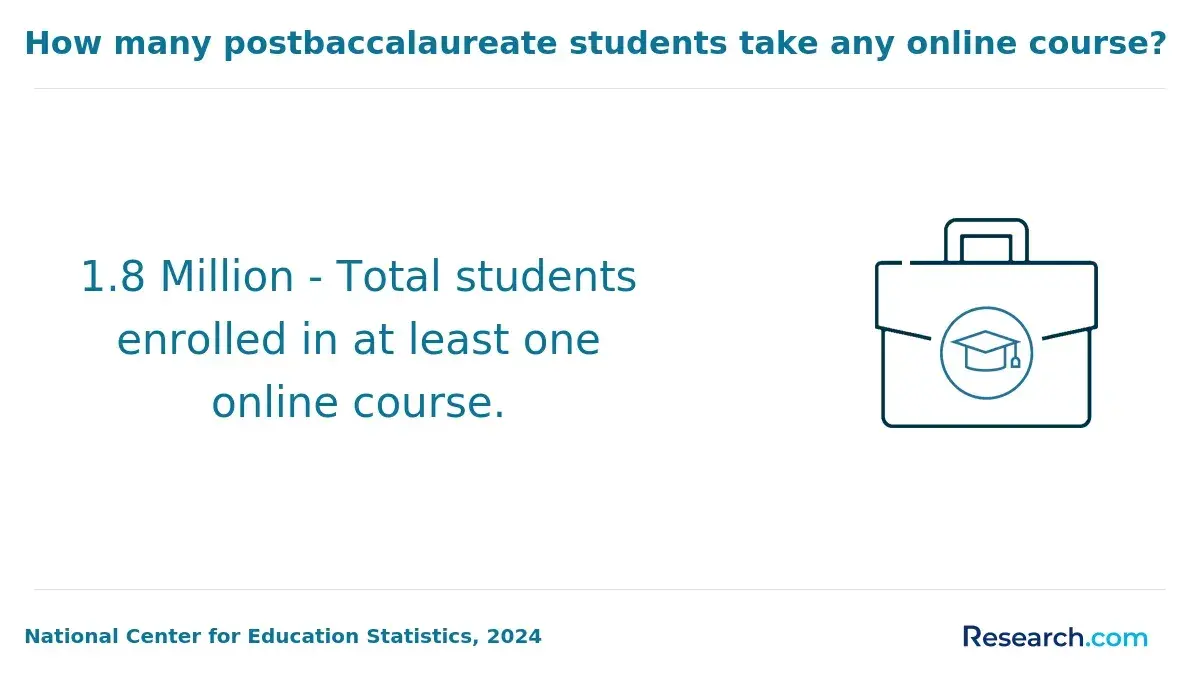
Online programs can be a strong fit for working behavioral health professionals because they reduce relocation and commuting barriers. Campus-based programs may offer more face-to-face networking, local internships, and structured schedules. The better choice depends on your work schedule, preferred learning style, state requirements, and need for local clinical or administrative placements.
Students comparing business-oriented leadership degrees may also review an online MBA programs comparison if they are deciding between healthcare administration, operations management, and broader business training.
The table below summarizes the main trade-offs that matter when your goal is clinic leadership rather than only earning a credential:
| Decision factor | Online behavioral health management degree | Campus-based option |
| Schedule flexibility | Often better for full-time workers, parents, and students with rotating clinic schedules | More fixed class times, which can help students who need external structure |
| Networking | Can be strong if the program offers live sessions, cohort projects, alumni events, and local fieldwork | Often easier for in-person relationship-building with faculty, classmates, and nearby employers |
| Practical training | May use local internships, virtual simulations, capstones, or employer-based projects | May have established placement relationships near campus |
| Technology exposure | Often builds comfort with telehealth workflows, analytics dashboards, virtual collaboration, and online documentation tools | May include the same tools, but the learning experience is less dependent on remote collaboration |
| Best fit | Experienced professionals who need flexibility and can self-manage deadlines | Students who want in-person support, local networking, or a traditional campus experience |
A current trend affecting both formats is the growth of telebehavioral health and data-driven care management. Future clinic directors are increasingly expected to understand remote service delivery, privacy rules, EHR reporting, access dashboards, and how AI-enabled tools may support scheduling, documentation review, and quality monitoring. A good online program should not just deliver lectures through a screen; it should help you practice the digital leadership skills clinics now use.
Which accreditation and institutional approvals should online behavioral health management programs have?
Accreditation is one of the most important checks because it affects financial aid access, credit transfer, employer confidence, and graduate school eligibility. At minimum, the college or university should hold institutional accreditation from an accreditor recognized by the U.S. Department of Education or the Council for Higher Education Accreditation.
Programmatic accreditation depends on the degree type. A healthcare administration program may seek accreditation from CAHME at the graduate level. A counseling, social work, psychology, or marriage and family therapy program may involve different accreditors and licensure rules.
Management programs that are not designed for licensure may not have specialized behavioral health accreditation, so students should evaluate curriculum quality, employer alignment, faculty expertise, and placement support.
Use the following checks before submitting an application because they can prevent costly enrollment mistakes:
- Confirm institutional accreditation directly through the accreditor or federal accreditation database, not only through marketing language on the school website.
- Ask whether the online program is authorized to enroll students in your state, especially if the school participates in state authorization reciprocity agreements.
- Request written licensure disclosures if the program includes clinical counseling, social work, addiction counseling, or therapy preparation.
- Check whether fieldwork, practicum, internship, or capstone requirements can be completed where you live.
- Ask employers in your target area whether they recognize the degree title for clinic director, program director, or operations manager roles.
The biggest red flag is a program that implies it will qualify you for clinical leadership without explaining state licensure requirements. Another warning sign is vague accreditation language, such as "nationally approved" without naming the accrediting body and scope of recognition.
What courses and practical training are included in behavioral health management curricula?
Behavioral health management curricula blend healthcare administration with behavioral health context. The strongest programs do more than teach management theory; they require students to solve operational problems that clinics actually face, such as reducing no-shows, improving documentation compliance, planning crisis coverage, or using outcomes data to support funding.
Because clinic directors often manage timelines, teams, grants, facilities projects, and service expansions, some students also compare healthcare leadership degrees with the best accelerated project management degree programs online when they want a faster route into operations-heavy leadership work.
The table below shows common courses and why each area matters for future clinic directors:
| Curriculum area | What students study | Why it matters in clinic leadership |
| Behavioral health systems | Mental health services, substance use treatment, community care models, integrated care, and social determinants of health | Helps directors understand how clinics fit into broader care networks and referral systems |
| Healthcare finance | Budgeting, reimbursement, grants, payer contracts, revenue cycle, and cost control | Supports staffing decisions, sustainability, billing oversight, and program expansion |
| Compliance and ethics | HIPAA, informed consent, documentation standards, risk management, mandatory reporting, and privacy | Reduces legal, accreditation, and patient safety risks |
| Quality improvement | Performance metrics, outcomes measurement, process improvement, patient satisfaction, and audit readiness | Helps clinics improve access, safety, documentation, and funder reporting |
| Human resources and supervision | Hiring, retention, performance reviews, interdisciplinary teams, conflict resolution, and workforce well-being | Prepares directors to manage burnout, coverage gaps, and team accountability |
| Health informatics | EHR systems, dashboards, telehealth workflows, data governance, and reporting | Supports data-based decisions and compliance with payer and regulatory expectations |
Practical training may include a capstone, applied consulting project, internship, administrative practicum, case analysis, simulation, or employer-based project. If you already work in behavioral health, ask whether your current workplace can serve as a project site. That can make the degree more relevant and reduce scheduling friction.
When comparing curricula, look for applied assignments that let you build a leadership portfolio. Useful examples include:
- A staffing model for a clinic with evening hours, telehealth demand, and crisis coverage needs.
- A quality improvement plan focused on missed appointments, documentation timeliness, or referral follow-up.
- A budget proposal for adding a new counselor, peer support specialist, care coordinator, or group therapy service.
- A compliance audit summary that explains risks, corrective actions, and staff training steps.
- A community partnership plan involving hospitals, schools, courts, primary care practices, or nonprofit agencies.
What are typical admission requirements for online behavioral health management degrees?
Admission requirements depend on degree level. Bachelor's programs focus on high school completion, transfer credits, and readiness for college-level work. Master's programs usually evaluate prior degree performance, professional experience, goals, and leadership potential.
Applicants should prepare these materials early because missing documents can delay admission and financial aid review:
- Official transcripts from high school, prior colleges, or the bachelor's degree-granting institution.
- A minimum GPA set by the school, with possible conditional admission for applicants below the standard.
- Resume or CV showing healthcare, behavioral health, social services, nonprofit, military, administrative, or supervisory experience.
- Statement of purpose explaining why behavioral health leadership fits your career goals.
- Letters of recommendation, often from supervisors, faculty, or professional mentors.
- Proof of English proficiency for applicants whose prior education requires it under school policy.
- Background check, immunization records, drug screening, or site-specific documentation if fieldwork is required.
Some master's programs waive standardized tests or do not require them at all, especially for experienced professionals. More important than test policy is whether the program expects applicants to have clinical experience. If you are coming from business, public administration, or another industry, look for bridge coursework in behavioral health systems, ethics, and healthcare terminology.
Transfer credit can also change the decision. Bachelor's students should ask how many credits can transfer from community college, military training, certificates, or prior healthcare coursework. Graduate students should ask whether previous master's credits or certificates can reduce the required course load.
How long do online behavioral health management programs take, and what do they cost?
Program length depends on level, transfer credits, enrollment intensity, and whether the degree includes fieldwork. A full bachelor's degree is commonly built around 120 credits, while master's programs in healthcare or behavioral health administration often require a smaller graduate credit load and can be completed faster by students who enroll year-round.
The table below gives a practical timeline comparison. Use it to decide whether you need a full degree, a graduate credential, or a shorter add-on to your current qualifications:
| Pathway | Typical completion pattern | Best for | Important trade-off |
| Bachelor's degree | About four years for first-time full-time students; shorter with transfer credit | Students entering healthcare, human services, or behavioral health administration | Builds broad foundations but may not be enough for senior director roles in larger organizations |
| Master's degree | Often one to three years depending on credit load and part-time status | Working professionals aiming for director, administrator, or executive roles | Higher commitment, but stronger alignment with leadership hiring expectations |
| Graduate certificate | Often less than a full master's degree because it uses fewer courses | Professionals who already have a relevant degree and need targeted management training | May improve skills but may not satisfy employers that specifically require a master's degree |
| Accelerated online option | Uses shorter terms, year-round enrollment, or heavier course loads | Students who can handle intensive pacing | Can reduce time, but may be difficult while working in high-stress clinical environments |
Cost is more than tuition. Students should compare the total cost of attendance, including fees, books, technology, travel for residencies, background checks, internship expenses, and lost work hours.
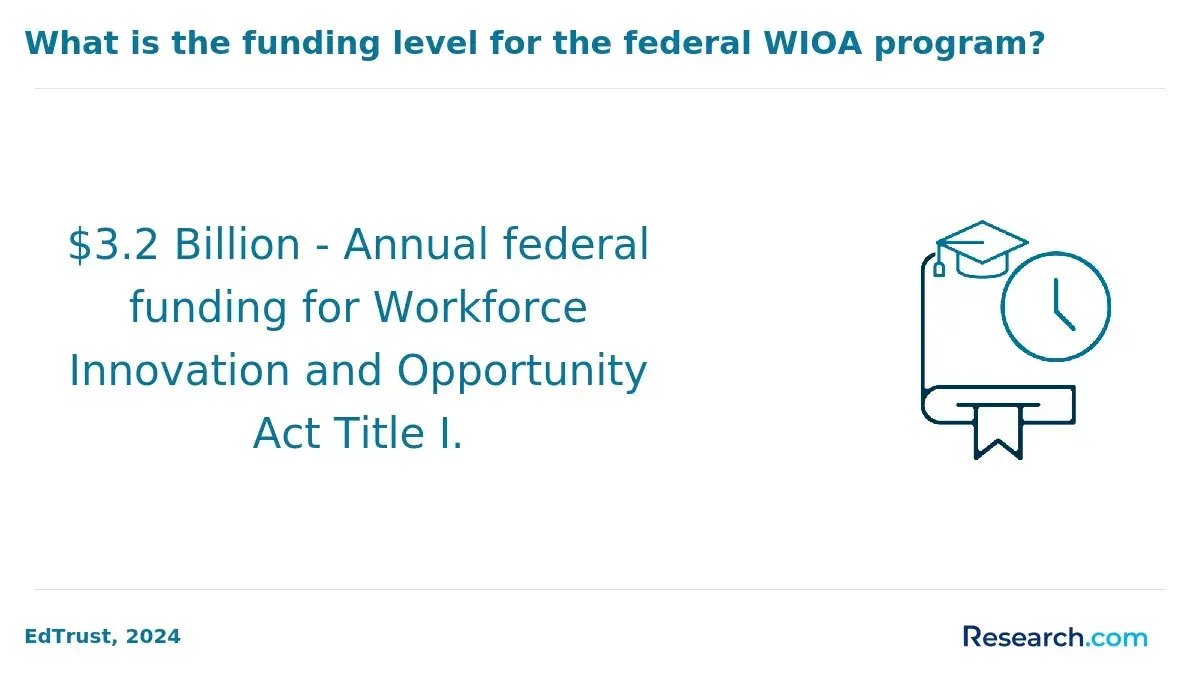
For graduate students using federal loans, the Federal Student Aid annual Direct Unsubsidized Loan limit is $20,500, so programs that cost more than available aid may require savings, employer tuition support, payment plans, Graduate PLUS loans, or private financing.
To estimate affordability, use this sequence before you enroll:
- Calculate total program tuition using the number of required credits and the school's current per-credit rate.
- Add mandatory fees, technology costs, books, residency travel, and fieldwork-related expenses.
- Subtract grants, scholarships, employer tuition assistance, military benefits, and transfer-credit savings.
- Compare the remaining balance with federal loan limits and your realistic monthly repayment comfort.
- Evaluate whether the credential aligns with roles that actually require or prefer the degree.
A lower-priced program is not automatically the best value if it lacks relevant coursework, student support, or employer recognition. Likewise, a higher-priced program needs a clear reason to justify the cost, such as strong accreditation, local placement connections, leadership coaching, specialized behavioral health content, or measurable alumni outcomes.
What clinic leadership careers can you pursue with a behavioral health management degree?
A behavioral health management degree can support several leadership pathways, but job titles vary widely. Some organizations use "clinic director" for an operations leader, while others reserve it for a licensed clinician who supervises treatment. Read job descriptions carefully to see whether the role is administrative, clinical, or both.
The table below summarizes common career targets and the responsibilities that usually come with them:
| Career path | Typical responsibilities | Good fit for |
| Behavioral health clinic director | Oversees daily operations, staffing, budgets, quality metrics, compliance, patient access, and service coordination | Professionals with management experience and strong knowledge of behavioral health operations |
| Program director | Manages a specific service line such as substance use treatment, crisis response, outpatient therapy, youth services, or integrated care | Leaders who want focused responsibility for one population or program model |
| Clinical operations manager | Improves workflows, scheduling, documentation, intake, referral processes, and productivity tracking | Detail-oriented professionals who like process improvement and staff coordination |
| Quality improvement manager | Tracks outcomes, audits records, prepares reports, supports accreditation, and leads corrective action plans | Students who enjoy data, compliance, and measurable service improvement |
| Compliance manager | Monitors regulatory requirements, privacy practices, policies, staff training, and incident reporting | Professionals with strong ethics, documentation, and risk management skills |
| Director of community behavioral health services | Coordinates partnerships with hospitals, schools, courts, housing providers, social services, and public agencies | Leaders who want systems-level impact and community-facing work |
Employers may include community mental health centers, nonprofit behavioral health agencies, hospitals, substance use treatment providers, federally qualified health centers, residential programs, crisis centers, telehealth companies, correctional health contractors, and county or state behavioral health agencies.
This path is a strong fit if you enjoy building systems that help clinicians and clients succeed. It may be a poor fit if you mainly want one-on-one therapy work, dislike policy and documentation, or are uncomfortable making budget, staffing, and performance decisions.
What is the salary outlook and job demand for behavioral health clinic directors?
The best national benchmark for behavioral health clinic directors is the BLS category for medical and health services managers. BLS reported a May 2024 median annual wage of $117,960 for this occupation.
That figure includes managers across hospitals, physician practices, nursing facilities, government agencies, and other healthcare settings, so it should be used as a reference point rather than a guaranteed behavioral health clinic director salary.
BLS also projects employment for medical and health services managers to grow 23% from 2024 to 2034, much faster than the average for all occupations.
For prospective students, this suggests that healthcare organizations are expected to need more people who can manage care delivery, compliance, staffing, technology, and patient access. Behavioral health demand may be especially influenced by mental health access needs, substance use treatment capacity, telehealth models, and integration with primary care.
Salary can vary because behavioral health organizations operate under different funding models. A director at a small nonprofit counseling center may manage tight grant-funded budgets, while a director at a hospital outpatient behavioral health service, multi-site treatment provider, or integrated health system may oversee larger teams and more complex revenue streams.
Factors that can influence earning potential include:
- Whether the role requires clinical licensure in addition to management education.
- Size of the clinic, number of sites, and number of employees supervised.
- Responsibility for budgets, payer contracts, grants, compliance, or accreditation.
- Local labor market conditions and state behavioral health funding structures.
- Experience with crisis services, substance use treatment, integrated care, telehealth, or value-based care reporting.
Students should evaluate return on investment by comparing total program cost with realistic local job postings, not only national salary data. Look for director and operations manager postings in your state and note required education, required licensure, years of experience, salary ranges, and whether remote or hybrid work is available.
How can prospective students evaluate and choose a reputable online behavioral health management program?
The best program is the one that matches your target role, state requirements, budget, schedule, and experience level. A highly ranked program that does not fit your career path can be a poor investment, while a less flashy program with strong accreditation, relevant courses, and employer alignment may be the smarter choice.
Use this checklist to compare programs in a structured way:
- Define your target job title before choosing a degree, such as clinic director, operations manager, program director, compliance manager, or executive director.
- Review at least 10 job postings in your target state and identify the most common education, licensure, and experience requirements.
- Verify institutional accreditation and any relevant programmatic accreditation or licensure disclosures.
- Compare curricula for behavioral health regulations, finance, quality improvement, HR, EHR systems, telehealth, compliance, and leadership coursework.
- Ask how capstones, internships, practicums, or applied projects work for online students in your location.
- Calculate total cost, not just tuition, and ask about scholarships, employer reimbursement, transfer credit, and payment plans.
- Request student support details, including advising, career services, writing support, technology help, and faculty availability.
- Ask for outcomes information that is specific and verifiable, such as completion rates, alumni roles, employer partnerships, or career services data.
The table below highlights common mistakes and better ways to make the same decision:
| Common mistake | Why it can hurt your decision | Better approach |
| Choosing the cheapest program without checking fit | Low tuition may not help if the degree lacks relevant behavioral health leadership coursework | Compare total cost against curriculum, accreditation, support, and employer requirements |
| Assuming online means easier | Accelerated or asynchronous courses can require strong time management | Ask about weekly workload, live sessions, group projects, and course pacing |
| Ignoring licensure rules | A management degree may not qualify you for clinical supervision or therapy practice | Check state licensing board rules and written school disclosures |
| Relying only on rankings | Rankings may not reflect your state, career goal, transfer credits, or employer preferences | Use rankings as one signal, then verify job alignment and outcomes |
| Not asking about fieldwork logistics | Placement requirements can create delays if the school cannot support your location | Confirm site approval steps, supervision requirements, and student responsibilities before enrolling |
Before committing, speak with an admissions advisor, a faculty member, and someone working in a clinic leadership role. Ask each person what graduates actually do after the program. If their answers are vague, inconsistent, or focused only on enrollment, keep comparing options.
Other Things You Should Know About Behavioral Health Management
Most 2027 online behavioral health management programs offer flexible schedules that may include both live and recorded classes. While some programs might require live attendance for discussions or presentations, many allow students to access content at their convenience, accommodating those with busy schedules.
It is primarily administrative. The work focuses on staffing, budgets, quality, compliance, access, and operations, although understanding clinical workflows is essential for making sound leadership decisions.
A certificate can be useful if you already have a relevant master's degree or clinical license and only need targeted leadership training. For senior director roles, however, employers may still prefer a full graduate degree plus management experience.
References
- Non-degree Admissions - Cummings Graduate Institute for Behavioral Health Studies https://cgi.edu/admissions/non-degree/
- Online DBH Programs – Online Doctor of Behavioral Health https://www.onlineeducation.com/healthcare/doctor-of-behavioral-health-programs
- Online vs On-Campus HIM Programs: How to Choose | Health Information Management Programs https://healthinformationmanagementprograms.com/guides/online-vs-campus-him-programs/
- 9 Mental Health Careers You Can Pursue with a BA https://www.nec.edu/news/9-mental-health-careers-you-can-pursue-with-a-ba
- Behavioral Health Trainings https://www.silversummithealthplan.com/providers/provider-education-and-training/clinical-training/behavioral-health-trainings.html
- A Complete Guide to Careers in Behavioral Health Fields https://behavioralhealth.careers/blog/careers-in-behavioral-health-guide/
- Mental Health Counselor Job Outlook and Salary | Bradley University Online https://onlinedegrees.bradley.edu/blog/mental-health-counselor-job-outlook
- What's Behavioral Health Management? | Horizon Health https://horizonhealth.com/blog/behavioral-health-management/
- Behavioral Health Director Job Description (Updated 2023 With Examples) | APOS https://careers.apos-society.org/career/behavioral-health-director/job-descriptions