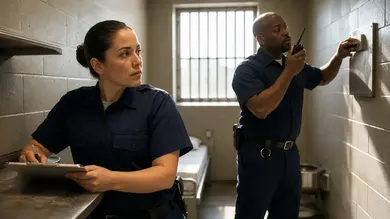
2027 Fastest Accredited Online Corrections Programs: Accelerated Degrees and Completion Times

Co-Founder and Chief Data Scientist
The fastest online corrections degree is not always the one with the shortest advertised timeline. For working adults, transfer students, correctional officers, military learners, and career changers, the real question is how quickly an accredited program can be completed without losing transfer credits, financial aid eligibility, or employer recognition. The Bureau of Labor Statistics reports a May 2024 median wage of $55,100 for correctional officers and bailiffs, making speed and cost important ROI questions.
This guide explains accelerated formats, realistic completion times, accreditation, transfer policies, workload, and delays such as prerequisites, residency credits, and field requirements.
Key Things You Should Know
- The shortest realistic accredited online corrections bachelor's pathway is usually a degree-completion program finished in 12 to 24 months by students who transfer about 60 to 90 credits; starting from zero credits commonly takes about 3 to 4 years even in accelerated 5-week, 6-week, or 8-week terms.
- The fastest formats are 8-week asynchronous courses, year-round enrollment, generous transfer policies, and competency-based options; shorter terms compress the same credit hours into less time, so they are faster but not lighter.
- Many online criminal justice or corrections-related bachelor's programs accept up to 75% of degree credits in transfer, often about 90 semester credits toward a 120-credit bachelor's, but residency requirements and major-course minimums can limit how much time you actually save.
Which Colleges Offer the Fastest Accredited Online Corrections Programs?
The fastest accredited online corrections programs are usually not standalone "corrections" degrees. More often, they are online criminal justice bachelor's programs with a corrections concentration, correctional services track, or correctional administration electives.
The table below compares regionally accredited options that are commonly attractive to students seeking a faster corrections-focused pathway; always confirm the current catalog, transfer evaluation, and concentration availability before enrolling:
| College | Accreditation | Relevant online program | Accelerated features | Fastest realistic fit |
| Southern New Hampshire University | NECHE | Online BS in Criminal Justice with corrections-focused coursework options | 8-week terms, multiple starts, up to 90 transfer credits toward a 120-credit bachelor's | Transfer students with an associate degree or substantial prior college credit |
| Liberty University | SACSCOC | Online BS in Criminal Justice: Corrections and Human Services | 8-week courses, year-round online scheduling, transfer credit policies that may allow up to 75% of the degree | Students seeking a corrections-specific concentration and flexible religiously affiliated institution |
| Purdue Global | HLC | Online BS in Criminal Justice with corrections-related specialization options | 10-week terms, credit for prior learning opportunities, quarter-credit structure, and strong adult-learner focus | Adults with professional, military, or prior academic experience that may be evaluated for credit |
| Columbia Southern University | SACSCOC | Online BS in Criminal Justice Administration with corrections-related study options | Online terms, flexible pacing, transfer-credit pathways, and tuition structure designed for working adults | Public safety and corrections employees needing schedule flexibility |
| Upper Iowa University | HLC | Online criminal justice degree with corrections-related coursework | Accelerated 8-week sessions and multiple yearly starts | Students who want shorter terms but still prefer a structured calendar |
These schools should be compared by completion mechanics, not just name recognition. A program with 8-week courses may be slower than a 10-week program if it accepts fewer transfer credits, requires more upper-division residency credits, or limits how many courses you can take per term.
When evaluating "fastest" claims, use the advertised timeline as a starting point rather than a promise. Ask each school for a written degree plan that shows accepted credits, remaining major requirements, course rotation, and the earliest possible graduation date.
How Long Does It Take to Complete an Accredited Online Corrections Degree?
Completion time depends mainly on how many credits you bring in, how many courses you take at once, and whether the school offers year-round accelerated terms. A bachelor's degree in corrections or criminal justice generally requires about 120 semester credits, while associate degrees usually require about 60 credits.
The table below summarizes realistic timelines for common starting points. It is useful because many schools advertise the fastest possible route, while most students need a timeline based on transfer status and weekly availability.
| Starting point | Typical remaining credits | Common online format | Realistic accelerated completion time | Best fit |
| No prior college credit | About 120 credits | 8-week or 16-week terms, year-round enrollment | About 3 to 4 years | New college students who can study full-time |
| Some college credit | About 45 to 90 credits | 8-week terms with transfer evaluation | About 18 months to 3 years | Students returning after stopping out |
| Associate degree completed | About 30 to 60 credits | Bachelor's completion format | About 12 to 24 months | Community college graduates and working officers |
| High-transfer adult learner | About 30 credits or fewer | Accelerated or competency-based format | About 9 to 18 months, depending on residency rules | Students with maximum transfer credit, military credit, or evaluated prior learning |
| Part-time working student | Varies | One course per 8-week term | Often 3 to 6 years for a bachelor's | Students balancing shift work, family care, or overtime |
"Fastest" means the shortest credible time to complete all required credits at an accredited institution. "Accelerated" means the academic calendar, transfer policy, or competency model allows students to finish faster than a traditional semester-based schedule. "Completion time" means the period from enrollment to degree conferral after accepted transfer credits are applied.
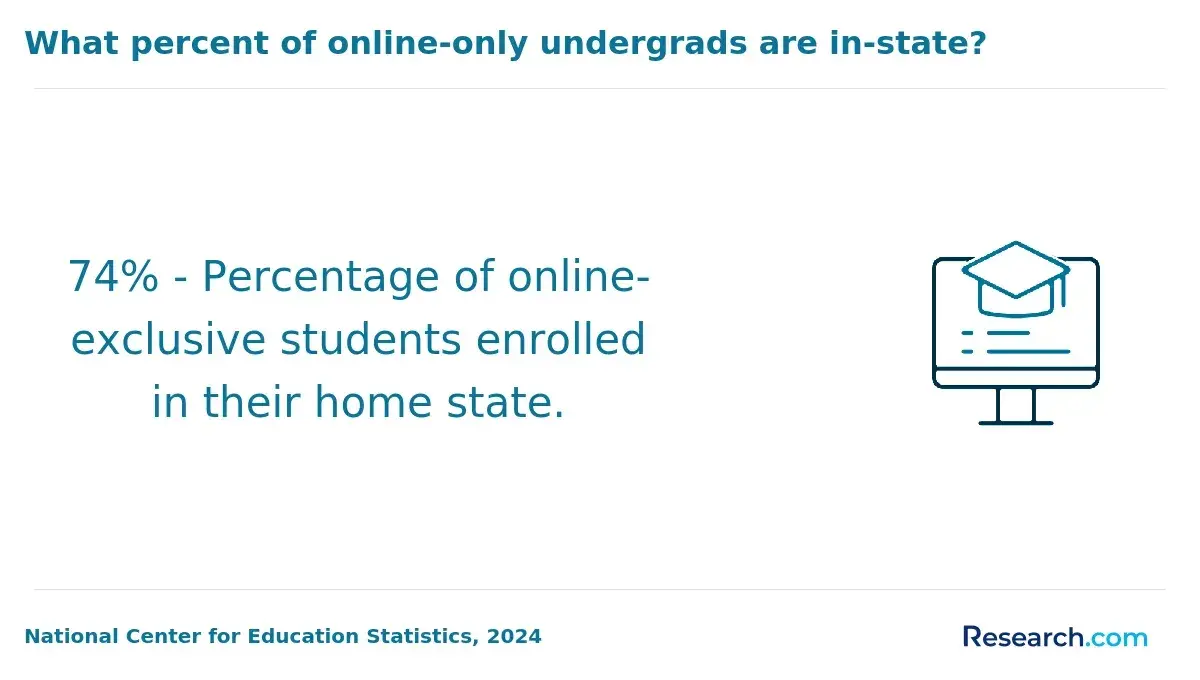
A shorter term does not reduce the number of credit hours. For example, an 8-week course often covers the same outcomes as a 16-week course in half the time, which can double the weekly reading, writing, discussion, and exam pace.
How Do Accelerated and Competency-Based Online Corrections Programs Work?
Accelerated online corrections programs usually speed up the calendar, not the academic expectations. They may use shorter terms, continuous enrollment, stacked sessions, or competency-based assessment so students can move through requirements more efficiently.
The most common acceleration models work in different ways, and the best choice depends on your self-discipline, transfer credits, and work schedule. Review the formats below before assuming that the fastest calendar is the best fit.
- 8-week courses: These are common in online criminal justice programs and can allow two course starts within a traditional semester window, but the workload is compressed.
- 5-week or 6-week courses: These can be faster for one-course-at-a-time learners, yet missing a week can be difficult because assignments move quickly.
- Year-round enrollment: Summer and multiple start dates can reduce waiting time between courses, especially when major courses are offered frequently.
- Competency-based education: Students progress by demonstrating mastery, which may help experienced law enforcement, corrections, military, or public safety professionals move faster in familiar subjects.
- Bachelor's completion programs: These are often the fastest for corrections students because they assume the learner has already completed general education and lower-division credits.
Competency-based programs can be powerful, but they are not automatically easier. They typically require strong writing skills, independent study habits, and the ability to complete assessments without the steady weekly structure of a traditional course.
Students comparing public service careers sometimes discover that corrections overlaps with social services, reentry support, addiction counseling, and case management. If that is your long-term direction, compare corrections programs with pathways such as an MSW degree, because the graduate credential may matter more for clinical or licensed social work roles.
What Accreditation Should an Online Corrections Program Have?
The most important accreditation for an online corrections degree is institutional accreditation from an agency recognized by the U.S. Department of Education or the Council for Higher Education Accreditation. Institutional accreditation affects transferability, federal financial aid eligibility, graduate school recognition, and employer confidence.
Programmatic accreditation is less standardized in corrections than in fields such as nursing, education, business, or social work. Some criminal justice programs may have specialized recognition or be housed in accredited public administration or professional studies units, but most students should prioritize institutional accreditation first.
Use this accreditation checklist before applying. It helps you avoid programs that look fast online but may create problems when you seek financial aid, transfer credits, promotion, or graduate admission.
- Verify the institution in the U.S. Department of Education's accreditation database or directly through the accreditor's website.
- Confirm that the online program is included under the institution's accredited offerings and not treated as a separate unapproved entity.
- Ask whether credits from the program have historically transferred to public universities or graduate schools you may consider later.
- Check whether your state corrections agency, sheriff's office, probation department, or employer has preferred education standards for promotion.
- Be cautious with schools that advertise extremely fast degrees without explaining credit requirements, assessment standards, or accreditation status.
Accreditation does not guarantee that every employer will reward the degree in the same way. Corrections agencies may also consider academy training, civil service exams, years of service, background checks, and supervisory experience.
How Can Transfer Credits and Prior Learning Shorten an Online Corrections Degree?
Transfer credit is usually the biggest factor separating a 12-month completion plan from a 4-year plan. Many online bachelor's programs accept up to about 90 semester credits toward a 120-credit degree, but the actual number depends on course equivalency, grades, accreditation of the prior school, age of credits, and major requirements.
The table below shows how different credit sources can affect time to degree. It is especially important for corrections officers, veterans, and adult learners who may have training that could be evaluated for academic credit.
| Credit source | How it may help | Common limitation | Time-saving potential |
| Community college associate degree | May satisfy many general education and lower-division requirements | Major prerequisites or upper-division credits may still be required | Often reduces a bachelor's to about 12 to 24 months |
| Prior university credits | Can apply to electives, general education, or major courses | Low grades, non-equivalent courses, or outdated credits may be rejected | Varies widely based on evaluation |
| Military training | May be evaluated through ACE recommendations or school policy | May apply mostly to electives rather than major courses | Can reduce elective requirements |
| Corrections academy or law enforcement training | May qualify for prior learning assessment at some schools | Requires documentation, portfolios, exams, or faculty review | Useful but not guaranteed |
| CLEP, DSST, or challenge exams | Can satisfy selected general education or elective credits | Schools set exam limits and minimum scores | Can shorten early degree requirements |
Before enrolling, ask for an official transfer evaluation rather than a verbal estimate. A school may advertise generous transfer limits but still require a minimum number of credits to be completed in residence, including upper-division criminal justice or corrections courses.
Students who expect to pursue counseling, reentry, or social service leadership should also check how undergraduate credits align with graduate prerequisites. For example, a future applicant to masters in social work online programs may need human behavior, statistics, research, or social science coursework that a corrections-focused plan may or may not include.
What Are the Admission Requirements and Start Dates for Accelerated Online Corrections Programs?
Admission requirements for online corrections programs are usually straightforward at the undergraduate level, but accelerated programs can still have documentation deadlines that affect your start date. Missing a transcript deadline can delay enrollment by a term even if the school has monthly or frequent starts.
Most applicants should prepare the following items early because they directly affect transfer evaluation and financial aid timing. The faster the program calendar, the more important it is to avoid administrative delays.
- Completed online application and identity verification documents
- Official high school transcript, GED documentation, or prior college transcripts
- Transfer-credit evaluation request for every college previously attended
- Military transcript, academy training records, or professional training documentation if seeking prior learning credit
- FAFSA submission if using federal financial aid
- Technology access that supports the learning platform, video, proctored exams, and document uploads
- Possible background disclosure if the program includes fieldwork, internship placement, or agency partnership activities
Many online corrections and criminal justice programs offer multiple start dates per year, often aligned with 8-week terms. That flexibility can shorten time to enrollment, but it does not always mean every course is available every term.
Ask whether required corrections courses rotate every term or only once or twice per year. A single missed prerequisite can delay graduation if it blocks a capstone, internship, or upper-division sequence.
How Much Does a Fast Online Corrections Degree Cost, and Is Financial Aid Available?
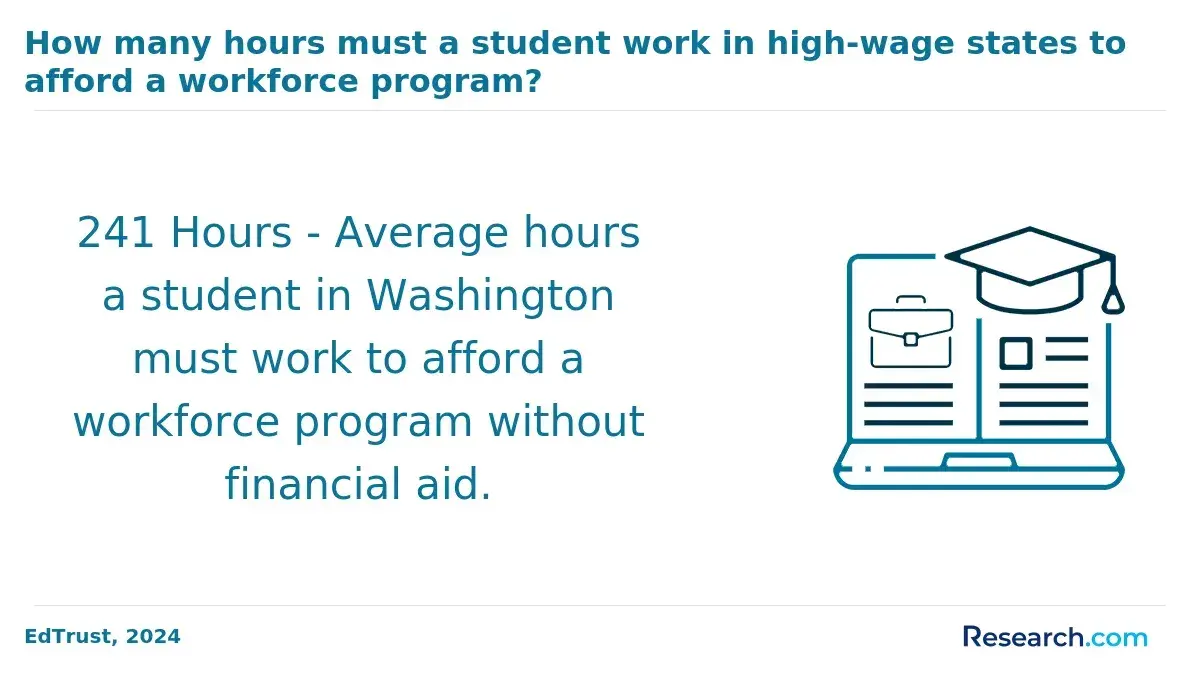
Cost depends on tuition per credit, accepted transfer credits, fees, books, technology costs, and how long you remain enrolled. Faster completion can reduce opportunity costs and some term-based fees, but it does not automatically make a degree cheaper if the per-credit price is high or if prior credits do not transfer.
College Board's 2024 Trends in College Pricing and Student Aid report lists average published tuition and fees for public four-year in-state students at $11,610 for the 2024-25 academic year. Online corrections programs can fall above or below that benchmark, so compare total remaining cost after transfer credits rather than only annual tuition.
Common cost items include the following. Request a full program-cost estimate from each school based on your actual transfer evaluation before making a decision.
- Tuition per credit for remaining general education, elective, and major courses
- Online learning, technology, graduation, transcript, proctoring, or course-material fees
- Books, digital access codes, and criminal justice database subscriptions
- Prior learning assessment, portfolio review, or exam fees if seeking nontraditional credit
- Travel or scheduling costs if the program includes optional internship, fieldwork, or agency-based learning
- Lost overtime or reduced work hours if the accelerated course load becomes difficult to manage
Students at institutionally accredited schools may be eligible for federal financial aid if they meet general aid requirements and the program participates in Title IV aid. Grants, federal loans, employer tuition reimbursement, military education benefits, scholarships, and payment plans may all affect affordability.
If cost is your main concern, compare corrections programs with broader online options and degree-completion routes. Researching an affordable master degree can also help bachelor's students understand how today's undergraduate costs may affect later graduate-school plans.
Can You Work Full Time While Completing an Accelerated Online Corrections Degree?
Yes, many students work full time while completing online corrections degrees, but the right pace depends on shift schedules, overtime, family obligations, and academic confidence. Corrections work can involve nights, rotating shifts, mandatory overtime, and high stress, which can make accelerated courses harder than they appear on paper.
The table below compares common enrollment loads. It helps working students estimate whether a fast pathway is realistic before committing to a course schedule that may be difficult to sustain.
| Enrollment pace | Typical course load | Speed advantage | Main risk | Who it fits |
| Full-time accelerated | Two or more courses in an 8-week term, depending on school policy | Fastest route for students with strong time availability | Heavy weekly workload and less recovery time | Students with stable schedules and strong academic skills |
| Moderate pace | One course per 8-week term year-round | Still faster than stopping between semesters | Longer total timeline | Full-time employees and parents |
| Part-time traditional | One or two courses per 16-week semester | Most manageable | Slowest completion | Students with unpredictable shifts or major life obligations |
| Competency-based pace | Self-paced assessments within subscription or term rules | Can be very fast for experienced learners | Requires high independence and consistent progress | Experienced corrections, military, or public safety professionals |
A useful rule is to protect study time before increasing course load. If you are working mandatory overtime or rotating shifts, a one-course accelerated term may be more realistic than two courses at once.
Some students compare corrections leadership with other flexible online degrees before choosing a major. If your long-term goal includes administration outside public safety, programs such as the best AACSB online MBA programs may be relevant later, but a corrections-focused bachelor's can be the more direct undergraduate pathway for agency advancement.
Are Accelerated Online Corrections Degrees Respected by Employers and Graduate Schools?
Accelerated online corrections degrees can be respected when they come from institutionally accredited colleges and require the same learning outcomes as comparable campus programs. Employers generally care more about accreditation, degree level, relevant coursework, writing and communication skills, leadership readiness, and professional conduct than whether courses were delivered online.
The Bureau of Labor Statistics reports that probation officers and correctional treatment specialists typically need a bachelor's degree, and the May 2024 median annual wage for that occupational group was higher than the median for correctional officers. This does not mean an accelerated degree guarantees a promotion, but it shows why a bachelor's can matter for roles involving casework, supervision, rehabilitation planning, and community corrections.
Accelerated degrees may raise questions if the school is unaccredited, the program lacks academic rigor, or the transcript shows unusually large blocks of unexplained credit. A clear transcript from an accredited institution, combined with relevant field experience, is usually easier to explain than a degree from a school with weak accreditation or vague requirements.
For graduate school, check admissions requirements early. Some programs require minimum GPAs, statistics, research methods, social science prerequisites, recommendations, or supervised experience; finishing fast is less helpful if the degree plan skips courses needed for your next credential.
Students with creative or communications interests sometimes pair justice-related careers with public information, training, or advocacy work. In that case, comparing a corrections pathway with a graphic design bachelor degree can clarify whether your goal is agency operations, public communication, or nonprofit outreach.
How Should You Compare the Fastest Accredited Online Corrections Programs?
The best fast online corrections program is the one that gives you the shortest realistic path to an accredited credential that fits your career goal, schedule, and budget. Do not choose based only on the phrase "accelerated," because two programs with the same term length can produce very different graduation dates.
Use the following steps to compare programs in a practical order. This sequence helps you move from broad marketing claims to a verified graduation plan:
- Verify institutional accreditation before reviewing speed, cost, or admissions claims.
- Request an official or preliminary transfer evaluation from each school using all prior transcripts and training records.
- Ask for a remaining-course map that identifies general education, major, concentration, elective, capstone, and residency requirements.
- Confirm how often required corrections courses are offered and whether any are prerequisites for later courses.
- Compare total remaining tuition and fees, not just tuition per credit or annual cost.
- Ask about maximum course loads, academic approval requirements, and whether full-time enrollment is realistic in 8-week terms.
- Check whether internships, field experiences, proctored exams, or capstone projects could delay completion.
- Match the curriculum to your goal, such as correctional officer promotion, probation, reentry services, juvenile justice, facility administration, or graduate school.
Common mistakes include assuming all prior credits will transfer, confusing shorter terms with easier coursework, ignoring residency requirements, and choosing a program before confirming whether the concentration is available fully online. Another red flag is a school that promises an unusually fast bachelor's degree without first reviewing your transcripts.
A strong final comparison should leave you with a written answer to one question: "If I enroll on this start date with these accepted credits and this course load, what is my earliest realistic graduation date?" If a school cannot answer that clearly, keep asking before committing.
Other Things You Should Know About Corrections
Not exactly. Corrections is usually a specialization within criminal justice that focuses on jails, prisons, probation, parole, rehabilitation, reentry, institutional security, and offender management. A broader criminal justice degree may also cover policing, courts, criminology, law, and public policy.
Some do, but many adult-focused online programs use capstones, projects, or electives instead. If an internship is required, it can affect your timeline because placement approval, background checks, agency availability, and work schedules may add time.
It may help if your employer values bachelor's-level education for supervisory, probation, treatment, administrative, or specialized roles. Promotion rules vary by agency, civil service system, union contract, and state policy, so confirm how your employer evaluates online and accelerated degrees.
Start with accredited schools, then compare transfer-credit acceptance, term length, course availability, total remaining credits, and written graduation plans. The fastest legitimate option is usually the accredited program that accepts the most applicable credits while still meeting your career and graduate-school goals.
References
- 15 Best Online Bachelor's In Criminal Justice https://www.criminaljusticedegreeschools.com/rankings/best-online-bachelors/
- Online Criminal Justice Degrees (Types, Benefits & FAQ) https://www.allcriminaljusticeschools.com/criminal-justice/criminal-justice-online-degree/
- Myth-Busting: Degree in Three and Other Accelerated Credentials - Middle States Commission on Higher Education https://www.msche.org/2024/10/23/myth-busting-degree-in-three-and-other-accelerated-credentials/
- Bridging the Gap Between Correctional Education and Careers https://www.wested.org/blog/insights-impact/bridging-the-gap-between-correctional-education-and-careers/
- How to Accelerate a Degree in Criminal Justice: Flexible Pathways and Planning Strategies https://www.aiuniv.edu/degrees/criminal-justice/articles/accelerate-online-criminal-justice-degree
- Criminal Justice Sciences Online Programs https://www.sinclair.edu/academics/divisions/bps/cjs/cjs-onlineprograms/
- Program: Corrections (FASTRACK ONLINE) - North Central State College https://catalog.ncstatecollege.edu/preview_program.php
- Career Progression Program | NC DAC https://www.dac.nc.gov/careers/career-progression
- Criminal Justice, B.A. Online https://www.pointloma.edu/adult-degree-completion/programs/criminal-justice-ba-online
- Navigating Accelerated Online Graduate Programs While Working Full-Time - Oklahoma's Nursing Times https://oknursingtimes.com/07-13-26/navigating-accelerated-online-graduate-programs-while-working-full-time/