2027 Fastest Accredited Online Nursing Education Programs: Accelerated Degrees and Completion Times

Co-Founder and Chief Data Scientist
Choosing the fastest online nursing education program is really a timing, accreditation, and workload decision. Federal labor data published in 2024 shows postsecondary teaching roles growing faster than average, while nursing-instructor median pay remains above $80,000, making educator preparation timely for experienced nurses.
This guide is for RNs comparing accredited online MSN, certificate, and educator-track options. You'll learn what "accelerated" actually means, which schools advertise shorter timelines, and how transfer credits, prerequisites, course load, start dates, practicum requirements, and competency-based pacing can change your real graduation date.
Key Things You Should Know
- The fastest accredited online nursing education options are usually MSN nurse educator or nursing education concentrations advertised at about 12 to 18 months, most often for licensed RNs who already hold a BSN and can study full time.
- Accelerated formats commonly use 5-, 6-, 7-, or 8-week courses, year-round enrollment, or competency-based pacing; shorter terms compress the same graduate workload rather than making the degree easier.
- Transfer and prior graduate credits can shorten some programs, but many nursing education MSN programs still require about 30 to 40 graduate credits, and schools often cap transferred credits at roughly 6 to 12 credits.
Which Colleges Offer the Fastest Accredited Online Nursing Education Programs?
The fastest accredited online nursing education programs are typically graduate programs designed for licensed nurses who already have a BSN. "Fastest" usually means the shortest advertised completion window from enrollment to graduation, but your actual timeline can differ if you need prerequisite work, cannot take multiple courses per term, or must wait for a practicum placement.
The table below compares examples of accredited U.S. colleges that publish accelerated or relatively short online nursing education pathways. Use it as a starting point, not as a final ranking, because program length, tuition, transfer rules, and practicum policies can change by catalog year:
| College | Online nursing education option | Common fast-path format | Advertised or typical completion window | Best fit |
| Capella University | MSN, Nursing Education | Competency-based FlexPath or guided online coursework | As little as about 12 months in the fastest self-paced route | Self-directed BSN-prepared RNs who can move quickly through assessments |
| Franklin University | MSN, Nurse Educator track | Online accelerated graduate terms | About 16 months for qualified students following the accelerated plan | Working nurses who want a structured but faster MSN plan |
| Herzing University | MSN, Nursing Education concentration | Online graduate coursework with multiple starts | Often advertised around 16 months for eligible full-time students | RNs seeking frequent starts and a career-focused educator concentration |
| Liberty University | MSN, Nurse Educator | 8-week online courses | Often advertised around 1.5 years | Students comfortable with compressed 8-week coursework |
| Western Governors University | MSN, Nursing Education | Competency-based online terms | Often completed in about 18 to 24 months, depending on pace | Independent learners who want to accelerate by demonstrating mastery |
| The University of Texas at Arlington | MSN, Nursing Education | Online courses with accelerated starts | Often advertised around 22 to 24 months | Students who want a public-university option with an established online nursing school |
| Lamar University | MSN, Nursing Education | Online graduate nursing sequence | Often advertised around 24 months | RNs who prefer a predictable two-year online sequence |
Programs near the top of a "fastest" list usually share three features: they admit BSN-prepared RNs, offer short academic terms or self-paced assessments, and do not require students to wait for a traditional fall or spring cohort.
If your long-term goal is advanced practice, leadership, or doctoral study rather than teaching, compare nurse educator tracks with related pathways such as the shortest MSN to DNP program before committing.
Be careful with advertised timelines. A 12-month MSN may be realistic for a highly organized nurse with few outside obligations and no missing requirements, while the same program may take 18 to 30 months for someone working rotating shifts or arranging a local education practicum.
How Long Does It Take to Complete an Accredited Online Nursing Education Degree?
An accredited online nursing education degree can take anywhere from under one year to several years, depending on the credential. A post-master's nurse educator certificate is usually the shortest academic route, while an RN-to-MSN or BSN-to-MSN pathway takes longer because it includes broader graduate nursing core requirements.
The table below summarizes realistic timeline ranges by program type. These are planning ranges, so you should confirm each school's required credits, practicum hours, and course rotation before assuming you can finish at the shortest end:
| Program type | Who it is usually for | Typical credit range | Fast realistic completion time | Common reason it takes longer |
| Post-master's nurse educator certificate | MSN-prepared nurses adding an educator credential | About 9 to 18 credits | 6 to 12 months | Course rotation, practicum scheduling, or part-time enrollment |
| MSN in Nursing Education or Nurse Educator | BSN-prepared RNs seeking graduate educator preparation | About 30 to 40 credits | 12 to 18 months in accelerated formats | Full-time workload, practicum placement, or limited transfer credits |
| RN-to-MSN with nursing education focus | Licensed RNs without a BSN who want a graduate degree | Varies widely because bridge coursework is added | 24 to 36 months | Upper-division BSN bridge courses and general education gaps |
| Doctoral education-focused nursing pathway | MSN-prepared nurses pursuing academic, leadership, or practice scholarship roles | Varies by DNP or PhD structure | 2 to 4 years | Project, dissertation, residency, or scholarly practice requirements |
"Completion time" should mean the full time from your first enrolled course to graduation, not just the number of months of nursing education specialty classes. Ask whether the published timeline includes orientation, prerequisite clearance, practicum approval, capstone review, and graduation processing.
A strong shortcut is choosing the credential that matches your next goal. If you already have an MSN and only need educator preparation, a certificate may be faster and less expensive than a second master's. If you eventually want a doctorate, compare whether credits from an MSN educator track can support later admission into a doctor of nursing practice online or another doctoral pathway.
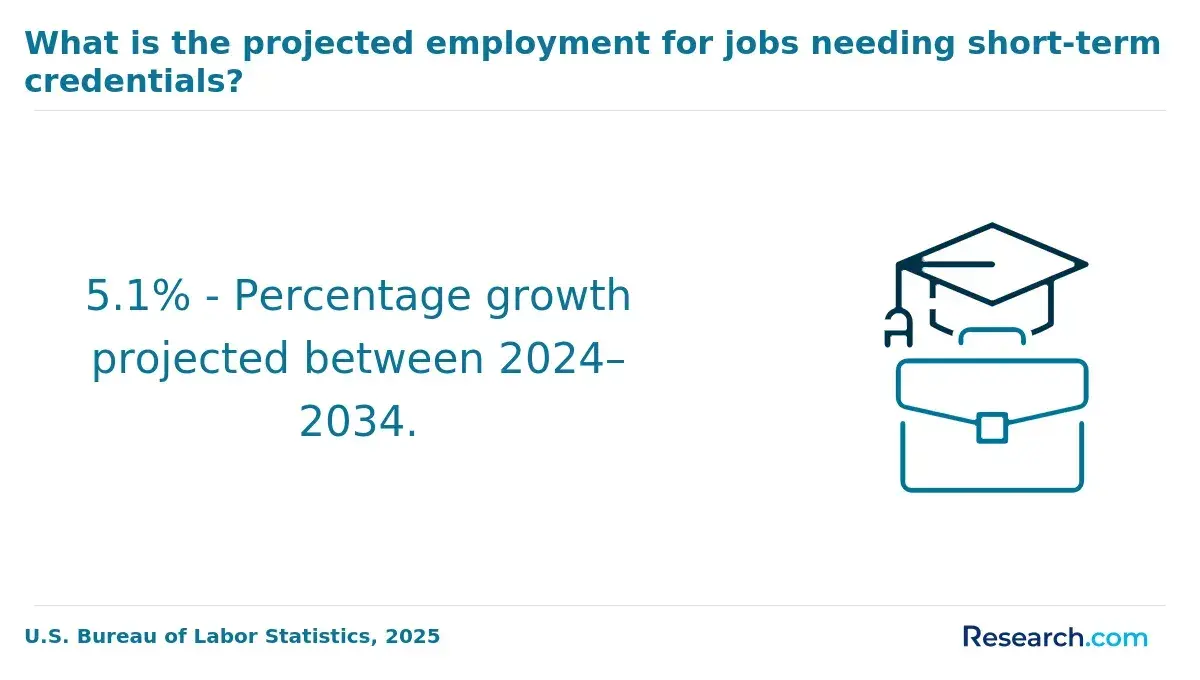
How Do Accelerated and Competency-Based Online Nursing Education Programs Work?
Accelerated online nursing education programs shorten the calendar by changing the academic structure, not by removing essential learning outcomes. They may use compressed courses, overlapping terms, year-round enrollment, or competency-based assessments that let students advance after demonstrating mastery.
These formats affect speed in different ways, so it helps to understand the trade-off before enrolling. The fastest format on paper is not always the fastest format for a nurse with unpredictable work hours:
| Format | How it can speed completion | Main trade-off | Who may benefit most |
| 8-week courses | Students complete more terms per year than in a 16-week semester | Weekly reading, writing, and discussion deadlines arrive quickly | Students who like structure and can protect study time weekly |
| 5- to 7-week courses | Specialty courses move quickly through the calendar | Less recovery time between major assignments | Experienced graduate students with strong writing skills |
| Year-round enrollment | Summer and multiple start dates reduce waiting time | Fewer long breaks | Students focused on the shortest calendar path |
| Competency-based education | Students may move faster through material they already know | Requires self-management and comfort with independent learning | Experienced nurses with strong clinical and academic foundations |
| Lockstep cohort | Clear course sequence prevents scheduling confusion | Usually less flexible if you need to pause | Students who want predictable pacing and peer support |
Before choosing an accelerated route, look at the weekly workload rather than only the graduation date. A two-credit education practicum, curriculum design course, or assessment course can involve extensive reading, lesson planning, evaluation design, and reflective writing.
Use the following checklist to decide whether a fast format is realistic for your schedule and learning style:
- Confirm how many courses you must take at the same time to meet the advertised timeline.
- Ask whether the school allows continuous enrollment through summer and whether every required course is offered every term.
- Clarify whether competency-based pacing has minimum term rules, required faculty evaluations, or limits on how quickly assessments can be submitted.
- Find out when education practicum approval begins, because site paperwork can delay an otherwise fast academic plan.
- Compare the school's fastest plan with a slower backup plan in case work, family, or health needs change.
Students comparing educator, leadership, and advanced-practice routes should also think about how each credential fits their long-term path. A fast MSN nurse educator degree may be ideal for teaching-focused roles, while an advanced clinical or practice doctorate may require a different timeline and admissions profile.
Accreditation is the safeguard that helps you avoid a fast but weak credential. For online nursing education programs, you should check both institutional accreditation and nursing programmatic accreditation before you compare speed, tuition, or transfer policy.
Institutional accreditation means the college or university is recognized by an approved accrediting agency. Programmatic nursing accreditation usually comes from the Commission on Collegiate Nursing Education or the Accreditation Commission for Education in Nursing. Some employer, graduate-school, and certification pathways may expect or prefer a degree from a program with recognized nursing accreditation.
Here is the practical accreditation sequence to follow before applying:
- Verify the college's institutional accreditation through the school's accreditation page and official accreditor listings.
- Confirm that the specific nursing program, not just the university, has current nursing programmatic accreditation when that matters for your goal.
- Check whether the accreditation applies to the online version of the program and the exact degree level you plan to complete.
- Ask admissions or the nursing department whether any teach-out, probation, or accreditation review status could affect current students.
- Confirm state authorization if you will complete online coursework or fieldwork from a state outside the school's home state.
Do not assume that "nationally recognized," "approved," or "career-focused" means the same thing as accreditation. Also remember that accreditation does not guarantee employment, admission to doctoral study, faculty promotion, or certification eligibility; it simply helps ensure that the program meets recognized quality standards.
Accreditation is especially important if you may later pivot into adjacent healthcare graduate study, administration, or advanced clinical work. A fast degree is only useful if the credential remains portable.
Transfer credit can shorten an online nursing education degree, but it is usually more limited at the graduate level than at the undergraduate level. Many MSN programs require a minimum number of credits to be completed in residence, and nursing education specialty courses may not transfer unless they closely match the school's curriculum.
The table below shows common credit-shortening mechanisms and what they usually affect. Use it to ask more precise questions instead of assuming all previous graduate coursework will count:
| Credit-shortening option | What it may apply to | Likely effect on timeline | Common limitation |
| Graduate transfer credits | Prior MSN-level nursing core or education courses | May remove one or more required courses | Often capped and subject to recency rules |
| Prior MSN degree | Post-master's certificate requirements | Can make a certificate much faster than a second MSN | Specialty educator courses may still be required |
| RN-to-MSN bridge credit | BSN-level bridge requirements for experienced RNs | May reduce duplicated undergraduate work | General education or statistics gaps can remain |
| Portfolio or prior learning assessment | More common in undergraduate or competency-based models | May reduce non-specialty requirements | Less common for graduate nursing education courses |
| Employer training or certification review | Limited electives or professional development requirements | Usually modest, if accepted at all | Must match academic outcomes and documentation standards |
To move faster, request a formal transfer evaluation before you enroll, not after your first term. A verbal estimate from admissions is useful, but a written degree plan is what tells you how many credits remain and when required courses are offered.
Use this sequence to protect your timeline:
- Collect official transcripts from every college and graduate program you attended.
- Gather syllabi for nursing theory, research, health assessment, education, curriculum, and evaluation courses.
- Ask whether transfer credits must be completed within a specific recency window.
- Request a written plan showing remaining credits, course order, practicum timing, and expected graduation term.
- Ask what happens if a transfer course is denied and whether an appeal is available.
Transfer credit is helpful, but it can also create false confidence. If the program only allows six graduate transfer credits, the maximum calendar savings may be one term, not a full year.
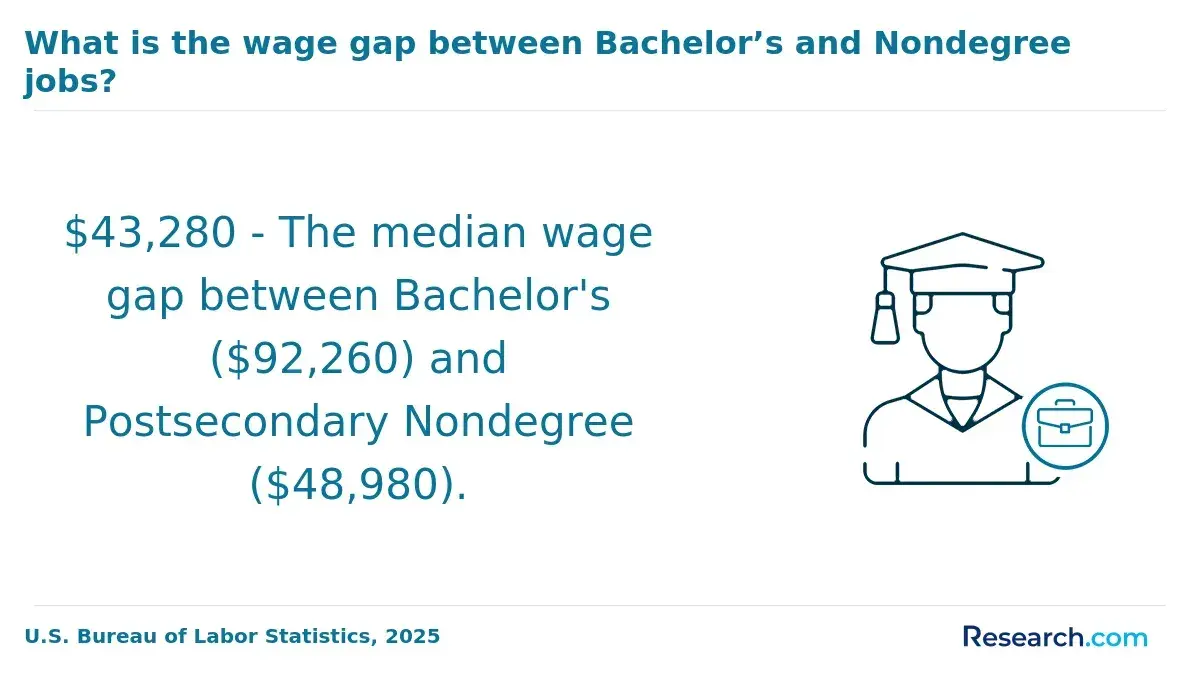
Most accelerated online nursing education programs are built for licensed RNs who already have a BSN from an accredited nursing program. Some schools also offer RN-to-MSN bridge options, but those routes usually take longer because they include bachelor's-level transition coursework before the MSN sequence.
Admissions requirements affect speed because missing documents, expired prerequisites, or delayed licensure verification can push your start date to the next term. Frequent start dates are helpful only if your application file is complete before the deadline.
Common requirements include the following:
- Active, unencumbered RN license in the state where you practice or complete fieldwork.
- BSN from an accredited institution for standard MSN nurse educator admission.
- Minimum undergraduate GPA, often with conditional admission options at some schools.
- Official transcripts from all prior colleges.
- Resume or curriculum vitae showing nursing experience.
- Goal statement, references, or interview, depending on the school.
- Background check, immunization documentation, and professional liability coverage if fieldwork is required.
- Statistics, health assessment, or research prerequisites when required by the curriculum.
Start-date structure can matter as much as admissions selectivity. A program with six starts per year may be faster than a slightly shorter program that only starts once annually, especially if you miss a deadline.
Students who are still deciding among health-education pathways should compare prerequisites carefully. For example, an online nutrition degree may have different science, practicum, or professional credential requirements than a nursing education MSN, even when both are offered online.
A fast online nursing education degree can reduce opportunity cost if it helps you finish sooner, but it does not automatically reduce tuition. Some accelerated programs charge by credit, while competency-based programs may charge by term, which means the total cost depends heavily on how quickly you complete courses.
When comparing programs, calculate the full price of the remaining degree rather than the advertised per-credit amount. The most useful cost comparison includes tuition, fees, transfer credits, books, technology, background checks, practicum expenses, and the number of terms you expect to enroll:
- Example credit-priced estimate: 36 credits at $600 per credit equals $21,600 before fees.
- Example higher tuition estimate: 36 credits at $900 per credit equals $32,400 before fees.
- Example term-priced model: a flat 6-month tuition model may be less expensive for a student who completes many courses per term, but more expensive for a student who progresses slowly.
Federal Direct Unsubsidized Loans for eligible graduate students are commonly capped at $20,500 per academic year, so a one-year accelerated plan may require careful cash-flow planning.
Financial aid may be available if the institution is eligible for federal student aid and you meet enrollment requirements. Graduate students should also ask about employer tuition assistance, hospital education benefits, nurse faculty loan programs, scholarships, payment plans, and whether certificate students are aid-eligible.
Cost comparisons should also reflect career direction. If you are deciding between nursing education and management, a healthcare administration degree online may lead to a different return-on-investment calculation because the roles, advancement criteria, and required experience differ.
The biggest cost mistake is assuming the shortest program is the cheapest. A faster program with high per-credit tuition, few transfer credits, or repeated courses can cost more than a slightly longer public or employer-supported option.
Yes, many students work full time while completing an online nursing education degree, but the fastest timelines are hardest to combine with full-time nursing schedules. Accelerated graduate nursing courses often require regular discussion posts, academic writing, group projects, lesson design, evidence-based research, and practicum coordination.
The table below shows how workload and completion speed usually interact. It can help you choose a plan that is fast enough without putting your license, job performance, or health at risk:
| Enrollment pace | Typical course load | Likely timeline for an MSN educator program | Best for |
| Aggressive full time | Multiple courses per short term or rapid competency completion | About 12 to 18 months | Students with predictable schedules and strong academic preparation |
| Moderate full time | One to two courses per term year-round | About 18 to 24 months | Working nurses who can study consistently each week |
| Part time | One course most terms | About 24 to 36 months | Students with rotating shifts, caregiving duties, or limited study blocks |
| Stop-and-start | Occasional pauses or reduced terms | Often longer than 36 months | Students managing major life or work disruptions |
If you plan to work full time, build a weekly schedule before you enroll. A realistic plan should reserve time for reading, writing, video lectures, faculty meetings, group work, and practicum-related communication.
These strategies can help you finish quickly without overloading yourself:
- Choose a start date after major work, family, or certification deadlines, not during them.
- Ask your manager whether you can avoid extra shifts during practicum or capstone terms.
- Use employer tuition assistance early, because reimbursement paperwork can delay course registration.
- Take the heaviest research or curriculum courses during terms when your work schedule is most stable.
- Keep a slower plan available in case an accelerated pace becomes unsafe or unsustainable.
Nurses interested in teaching movement science, wellness, rehabilitation, or community health may also compare educator preparation with online kinesiology programs, especially if their career goals extend beyond nursing school faculty roles.
Accelerated online nursing education degrees can be respected when they come from accredited institutions, include rigorous graduate nursing coursework, and align with the employer's expectations.
Employers usually care more about accreditation, RN experience, teaching ability, graduate-level preparation, and evidence of curriculum or clinical education skills than whether the courses were completed online.
A nursing education degree may support roles such as clinical nurse educator, staff development specialist, simulation educator, academic nursing instructor, patient education coordinator, or professional development nurse.
Federal wage data published in 2024 places postsecondary nursing instructor median pay above $80,000, but salary varies by employer type, region, academic rank, union status, and whether the role is full time, adjunct, or hospital-based.
Respect also depends on whether the program includes the competencies employers expect. Look for coursework in curriculum development, instructional design, assessment and evaluation, teaching strategies, evidence-based practice, nursing research, and education technology.
Graduate schools may accept accelerated online degrees, but they review the full academic record. If you may later pursue doctoral study, ask whether the program includes a graduate statistics or research course, whether credits are transcripted clearly, and whether faculty can provide academic recommendations.
Red flags include unclear accreditation, unusually low credit requirements for a full MSN, no faculty access, vague practicum expectations, high-pressure enrollment tactics, and refusal to provide a written degree plan. A fast degree should still look academically complete to future employers and schools.
How Should You Compare the Fastest Accredited Online Nursing Education Programs?
The best fast program is the one you can complete quickly and confidently use for your next career step. Instead of ranking schools only by shortest advertised timeline, compare accreditation, remaining credits, practicum structure, total cost, learning format, faculty support, and how well the curriculum matches nurse educator roles.
The table below summarizes the most important comparison criteria. Use it to narrow your list before speaking with admissions advisors:
| Comparison factor | Why it matters | What to verify |
| Accreditation | Protects credential portability and employer recognition | Institutional and nursing programmatic accreditation status |
| Actual remaining credits | Determines your true timeline and cost | Written transfer evaluation and degree plan |
| Term length | Controls how quickly courses cycle | 5-, 6-, 7-, 8-, or 16-week format and course availability |
| Practicum or fieldwork | Can delay graduation if approval takes time | Hours required, site rules, preceptor expectations, and deadlines |
| Course load expectations | Shows whether the advertised timeline fits your schedule | Number of courses per term in the fastest plan |
| Student support | Accelerated learners need fast answers | Faculty access, advising, writing support, library services, and tech help |
| Total cost | Fast does not always mean inexpensive | Tuition, fees, books, transfer credits, employer aid, and loan eligibility |
Before enrolling, ask direct questions that force the school to explain the difference between marketing language and your personal timeline:
- What is the fastest possible graduation date for a student with my transcripts and license status?
- How many credits will I have left after a formal transfer evaluation?
- How many courses must I take each term to finish in the advertised timeframe?
- Are all required courses offered every term, including summer?
- Does the program require a practicum, field experience, capstone, or teaching project?
- Who finds the practicum site, the student or the school?
- What happens if I need to drop from full time to part time?
- Is the online program covered by the same nursing accreditation as the campus program?
- What is the total estimated cost through graduation after transfer credits?
- Will this credential meet expectations for the roles or doctoral programs I am considering?
Other Things You Should Know About Nursing Education
No. A nursing education degree prepares nurses to teach patients, staff, students, or clinical teams, but it is not the same as a K-12 teacher license. Academic nursing faculty requirements vary by employer, state, degree level, and whether the role is clinical, adjunct, full time, or tenure track.
Many require a practicum, field experience, teaching project, or education-focused capstone rather than traditional bedside clinical hours. Requirements vary, so ask how many hours are required, where they can be completed, and whether the school helps approve sites.
Sometimes, but the route is usually an RN-to-MSN bridge rather than a standard accelerated MSN. Because bridge programs add BSN-level coursework, they generally take longer than programs designed for nurses who already have a BSN.
The biggest risk is choosing speed over fit. A program may be accredited and fast, but still be a poor choice if the workload is unrealistic, transfer credits are limited, practicum placement is difficult, or the curriculum does not match your career goal.
- What’s the Deal with Accreditation? https://nursingcas.org/resources-for-current-schools/whats-the-deal-with-accreditation
- Financial Aid for Nursing Students https://www.coloradotech.edu/degrees/studies/nursing/articles/nursing-financial-aid
- CCNE Accreditation https://www.aacnnursing.org/ccne-accreditation
- What is the Fastest Online Nursing Degree? | University of Bridgeport https://www.bridgeport.edu/news/fastest-online-nursing-degree/
- How to Afford & Pay for Nursing School | Ascent Funding https://www.ascentfunding.com/blog/how-to-pay-for-nursing-school/
- Nursing Board Approved Online Prerequisites: State-by-State Guide https://nursingprerequisitesguide.com/guides/state-approved-online-nursing-prerequisites/
- Nursing School Accreditation https://nursinglicensemap.com/nursing-degrees/nursing-accreditation/
- Accelerated Nursing Program vs. Traditional: Key Differences https://beal.edu/accelerated-nursing-program-vs-traditional/
- Nursing Student Loan Options: How to Pay for Nursing School | SoFi https://www.sofi.com/learn/content/paying-for-nursing-school/
- 4 Things to Know About Accreditation in Online Nursing Programs https://blog.diversitynursing.com/blog/4-things-to-know-about-accreditation-in-online-nursing-programs