2027 How Much Does a Medical Assisting Degree Program Cost? Tuition, Fees & Total Expense Breakdown

Co-Founder and Chief Data Scientist
Estimating the true cost of a medical assisting degree program can be challenging due to fluctuating tuition rates and hidden fees. Recent data show that average tuition for medical assisting programs has increased by nearly 8% over the past five years, complicating budgeting efforts for many students. Without clear cost breakdowns, prospective students often face unexpected expenses.
This article breaks down tuition, mandatory fees, and additional costs students should anticipate. Understanding these figures will help individuals compare school programs effectively and prepare financially, avoiding surprises that disrupt their education plans and career progression in the medical assisting field.
Key Benefits of Knowing the Medical Assisting Degree Program Cost in 2026
- Knowing the total cost aids in effective financial planning, helping students secure appropriate funding and avoid unexpected debt in their medical assisting education.
- Detailed expense breakdowns clarify tuition versus fees, enabling students to prioritize essential costs like textbooks and certification fees for better budgeting.
- Understanding specific costs supports informed comparisons of programs, ensuring candidates choose high-value options aligned with their career goals in medical assisting.
What Expenses Are Included in the Full Cost of a Medical Assisting Degree?
Accurately estimating the full cost of a medical assisting degree program requires considering all expense components beyond tuition. This comprehensive approach helps prospective students plan their finances effectively and compare programs with clarity.
- Tuition: This is the largest expense and varies widely by institution type and location. Tuition for a two-year medical assisting program ranges from around $4,500 at community colleges to over $20,000 at private technical schools, according to the National Center for Education Statistics.
- Mandatory fees: These often include registration, lab usage, and student activity fees. Such fees usually add several hundred to more than a thousand dollars annually to the program's cost.
- Books and supplies: Students typically spend between $800 and $1,500 on textbooks, medical instruments, uniforms, and other required materials. Specific equipment like stethoscopes or CPR mannequins may also be necessary depending on the curriculum.
- Technology requirements: Many programs require devices like laptops or tablets capable of running educational software and accessing online resources. If students lack these, costs can range from $500 to $1,000.
- Clinical or lab fees: Essential for hands-on training, these fees can range from $200 to $1,000 and may cover externships, background checks, drug testing, or immunizations.
- Living expenses: For full-time students attending away from home, housing, meals, transportation, and personal costs can significantly increase the total financial commitment. These expenses vary greatly by region.
Those seeking accelerated options might explore associates degree online fast programs that could help reduce some costs and duration. Understanding all elements of Medical Assisting degree program expenses 2026 and the full cost breakdown of Medical Assisting tuition and fees will support more informed decision-making.
What Is the Average Total Cost of a Medical Assisting Degree Program in 2026?
The average total cost of a medical assisting degree program in 2026 ranges between $8,000 and $20,000, depending on factors such as program format, institution type, and location. This total cost includes tuition and fees, as well as additional expenses like supplies, textbooks, and certification exam fees.
These components collectively represent the financial commitment prospective students should anticipate when planning their academic and financial future. Understanding the average total cost of the Medical Assisting degree program 2026 helps individuals evaluate affordability and funding options.
Key influences on the medical assisting degree tuition and fees breakdown 2026 include program format, where online options may offer cost savings compared to in-person training that incurs higher facility and equipment fees. Public community colleges typically charge less than private vocational schools, while urban areas often have higher tuition than rural regions.
Additional expenses such as materials and exam fees can add $1,000 to $2,000 more to the overall cost. Students exploring healthcare education might also consider other pathways like the easiest online bachelor's degree programs online to match their career goals and budget.
What Mandatory Fees Do Schools Charge for a Medical Assisting Program in 2026?
Mandatory fees in medical assisting programs are additional charges separate from base tuition, designed to cover essential services and resources that support student learning and campus operations. These fees vary by institution but are crucial for ensuring access to necessary educational tools and facilities. The following list outlines the typical mandatory fees that students should anticipate in 2026 when budgeting for their medical assisting degree.
Common fees include:
- Technology fees: These fees support online learning platforms, software licenses, and maintain campus internet infrastructure. They generally range from $100 to $300 per semester.
- Lab or clinical fees: Charged to cover the use and maintenance of specialized medical equipment and supplies used during hands-on training, usually costing between $200 and $600 per semester.
- Student services fees: Cover resources such as career counseling, tutoring, and health services, commonly priced around $150 to $300 per term.
- Assessment or testing fees: Fees for standardized exams or certification tests required for medical assisting credentials, which can vary from $100 to $400 per assessment.
- Campus facilities fees: Support upkeep and use of campus amenities including libraries and recreational areas, generally $50 to $200 per semester.
These mandatory fees for medical assisting programs 2026 contribute significantly to the overall cost of attendance and can amount to thousands of dollars over the course of the program. Students should carefully review typical school charges in medical assisting degree 2026 disclosures and explore financial aid options. For those considering advanced study paths, exploring an affordable PhD can also be part of a long-term educational investment strategy.
Students pursuing a medical assisting degree in 2026 should expect additional program-specific fees beyond regular tuition and general university charges. These extra costs help cover specialized resources and requirements unique to this field. Below is a summary of typical additional fees:
- Specialized Lab Fees: Cover the use and maintenance of medical equipment and supplies necessary for practical, hands-on training.
- Program-Specific Software Costs: Include access to electronic health record (EHR) systems and other digital tools utilized in coursework.
- Licensing and Certification Preparation Fees: Fund study materials and exam fees for certifications such as the Certified Medical Assistant (CMA).
- Required Equipment and Supplies: Encompass necessary items like uniforms, stethoscopes, and medical kits needed for clinical experiences.
- Fieldwork or Practicum Expenses: May cover background checks, drug testing, and transportation for off-campus clinical placements.
These fees typically range from $500 to over $1,200 throughout the duration of the program, according to data from the American Association of Medical Assistants and the Education Insights Institute. Being aware of these costs in advance enables students to better plan their financial commitment when enrolling in medical assisting programs.
Accurately estimating the cost of supplies and equipment is essential for budgeting the full expense of a medical assisting program. These items support hands-on training and clinical experience throughout the course of study.
The following list outlines typical materials required, including their function and expected price ranges:
- Uniforms and scrubs: Required for clinical rotations, these generally cost between $50 and $150.
- Basic medical instruments: Tools such as stethoscopes and blood pressure cuffs, necessary for patient assessment, usually range from $50 to $200.
- Lab kits: Including gloves, syringes, and specimen containers, these kits facilitate practical lab work and often cost $100 to $300.
- Protective gear: Items like masks and goggles protect students during clinical duties; costs may vary from $50 to $100 if not included in program fees.
- Specialized software: Access to electronic health records and administrative platforms can incur fees generally between $50 and $300.
Program fees sometimes encompass these expenses, but prospective students should verify details in their specific course materials to plan finances appropriately.
Living, food, and travel costs are key components of a medical assisting student's overall expenses and can fluctuate widely based on where one lives and individual habits. These costs can sometimes equal or surpass tuition, making accurate budgeting essential. Below is an outline of typical expense categories students should consider.
- Housing: Monthly rent or dorm fees usually range from $800 to $1,200, influenced by city, campus location, and whether housing is shared or private.
- Utilities: Expenses for electricity, water, internet, and other services vary but generally add a moderate monthly charge to housing costs.
- Groceries: Preparing meals at home might cost $250 to $400 per month; careful meal planning helps manage food spending.
- Dining out: Eating in campus cafeterias or restaurants tends to increase food expenditures considerably, depending on frequency.
- Local transportation: Commuting expenses, whether public transit fares or fuel and parking fees, typically range from $50 to $150 monthly.
- Travel for clinical placements: Off-site internships often require additional travel budgets, potentially raising overall transportation costs.
When asked about her perspective on these expenses, a medical assisting student shared that juggling costs was a constant challenge. She described carefully balancing rent and utilities while opting to cook most of her meals to reduce food bills. Public transportation was vital for her, especially when clinical rotations meant traveling outside the main campus area. "Sometimes I felt stretched thin, but planning ahead and sticking to a budget made a big difference," she explained, noting how these practical approaches minimized financial stress throughout her program.
Medical assisting programs commonly require internships or externships as an essential part of their curriculum. These hands-on placements, typically conducted in healthcare environments, allow students to translate classroom theory into practical experience.
Such experiential training is usually mandatory for program completion, although the specific requirements can vary by institution. While these internships or residencies are generally unpaid, they contribute to the overall cost of education due to associated expenses beyond tuition fees.
Additional costs linked to these practical components often include travel expenses to clinical sites, housing if the placement is distant from the student's home, and the purchase of uniforms or specialized medical supplies. Programs may also mandate professional liability insurance and fees related to background checks or placement coordination.
The cumulative cost of these elements can range significantly, sometimes reaching over a thousand dollars. To manage these expenses effectively, students should engage with program coordinators early and incorporate these potential fees into their financial planning.
Most institutions permit students to switch between part-time and full-time enrollment in medical assisting programs, though this is governed by specific policies. Typically, students need to notify the registrar or admissions office and obtain approval from an academic advisor.
The decision to switch depends on factors such as current academic standing, the impact on financial aid, and course availability. Students should carefully consider how a change may affect their educational progress and costs. Approval processes often involve reviewing these considerations before any enrollment status changes are finalized.
Common requirements include maintaining good academic standing to be eligible for enrollment changes. Financial aid can be affected, as moving from full-time to part-time might reduce grant or loan eligibility. Some essential courses, especially clinical practicums, may only be offered on a full-time basis, limiting scheduling flexibility.
Academic advisors generally assess how adjustments impact graduation timelines and program completion. These evaluations help ensure students remain on track toward their career goals.
A graduate I spoke with reflected on his experience switching from part-time to full-time enrollment during his medical assisting program. He described the process as both challenging and rewarding, explaining that balancing work and studies at first made part-time the only viable option. However, when he shifted to full-time, he appreciated the accelerated pace, although it required significant time management and commitment. "The switch demanded extra effort but ultimately helped me finish sooner and better prepare for my certification," he shared, emphasizing the importance of seeking advisor guidance and setting realistic expectations throughout the transition.
Full-time medical assisting programs
- Tuition per credit: Generally ranges from $150 to $350 per credit hour, similar to part-time, but full-time students take 12 to 18 credits per semester, leading to higher immediate costs.
- Total program cost: Full-time programs typically last about one year, allowing faster degree completion which can lower overall expenses related to living and fees.
- Mandatory fees: Fees like lab and technology charges apply each semester; compressed scheduling means fewer semesters and potentially fewer cumulative fees.
- Supply and equipment costs: Often required early in the program; some schools charge these as a lump sum or divide across semesters, impacting initial expenses.
- Living and travel expenses: Shorter program duration may lead to higher short-term housing or transportation costs, but total costs might be lower due to the shorter timeframe out of the workforce.
Part-time medical assisting programs
- Tuition per credit: Per-credit cost remains in the $150 to $350 range, but fewer credits per semester spread expenses over a longer period.
- Total program cost: Extending over two or more years increases cumulative tuition and fees, making overall costs potentially higher despite lower semester bills, reflecting medical assisting degree tuition differences by study pace 2026.
- Mandatory fees: Recurring fees accumulate across more semesters, increasing total expenses over time compared to full-time enrollment.
- Supply and equipment costs: Charges may be divided throughout the extended timeline or imposed upfront, affecting budgeting flexibility.
- Living and travel expenses: Balancing work and study may reduce some immediate costs, but longer program length means prolonged indirect expenses such as transportation or housing.
Careful financial planning between full-time and part-time formats can shape a student's pathway in balancing costs and time. These cost differences highlight significant factors for those comparing full-time vs part-time medical assisting program cost 2026.
For those exploring accelerated paths in education, it is helpful to consider options like 2 year PhD programs, which similarly balance duration and expense in their own degree structures.
What Graduates Say About the Cost of Their Medical Assisting Degree
- Himmie: "Choosing to pursue a medical assisting degree was a smart investment for me. The cost was manageable compared to other healthcare programs, and I found ways to balance living expenses through part-time work. The skills I gained have already paid off as I secured a well-paying job shortly after graduation."
- Fanna: "Reflecting on my time in the medical assisting program, I realize the financial commitment was challenging but worth it. Managing rent and groceries alongside tuition taught me discipline and budgeting skills. Ultimately, the return on investment was clear when I began earning a stable income in a field I'm passionate about."
- Colton: "From a professional standpoint, the affordability of the medical assisting degree stood out to me. I was able to finance my studies without accruing excessive debt, allowing me to focus on learning rather than financial stress. The degree's ROI became evident as I quickly advanced in my career, confirming my decision was well-placed."
Other Things You Should Know About Medical Assisting Degrees
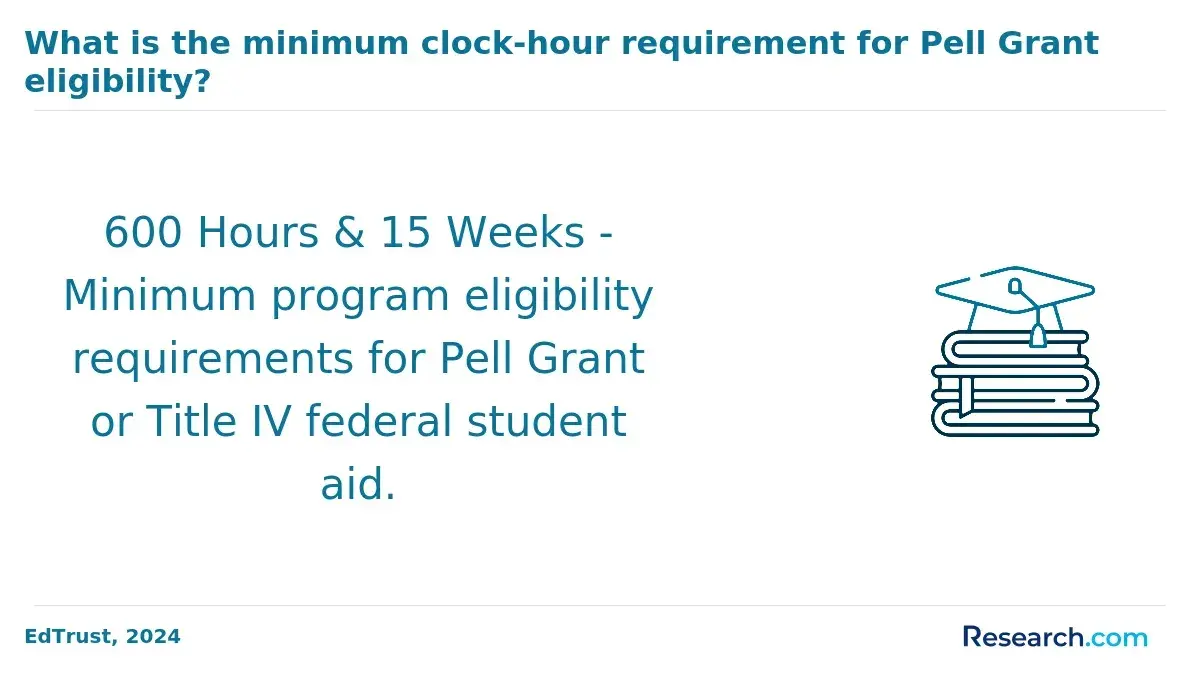
Yes. Students in accredited medical assisting programs can usually apply for FAFSA-based aid, including Pell Grants, Direct Subsidized Loans, and work-study. To qualify, the school must participate in Title IV federal aid, and the student must meet Satisfactory Academic Progress standards.
Certification exam fees are generally not included in the tuition or mandatory fees of medical assisting programs. After completing the program, students typically pay separately to take exams such as the Certified Medical Assistant (CMA) test. These fees can range from $100 to $200 depending on the certifying organization.
Yes, costs vary widely based on whether the program is offered at a community college, technical school, or private institution. Community colleges tend to have lower tuition rates compared to private schools, which often charge premium fees but may provide additional resources or smaller class sizes.
- Medical Assistant | SLCC https://www.slcc.edu/sltech/areas/health_care/clinical-medical-assisting.aspx
- Medical Assistant - Associate of Applied Science Degree https://southcentral.edu/award/aas3364.html
- Online Medical Assistant Certificate Program | Self-Paced Course https://www.uscareerinstitute.edu/online-medical-assistant-school
- Program Fees | Northeast Texas Community College https://www.ntcc.edu/academics/programs-study/health-sciences/medical-assistant/program-fees
- Approximate Costs | Shasta College https://www.shastacollege.edu/academics/divisions-departments/health-sciences-hsup/health-sciences-programs/medical-assisting-ma-program/approximate-costs/
- Costs and Aid - Health Sciences - Pasadena City College https://pasadena.edu/academics/divisions/health-sciences/medical-assisting/costs-and-aid.php
- Understanding the Cost of a Medical Assistant Program https://www.centuracollege.edu/blogs/student-development/cost-of-medical-assistant-program/
- Affordable Online Medical Assistant Programs Under 1000 - 2026 Ranking https://www.clinicalskillsinstitute.com/post/affordable-online-medical-assistant-programs-under-1000-2026-ranking
- Costs https://www.pima.edu/academics-programs/degrees-certificates/health-sciences/medical-assistant/medical-assistant-cert/cost.html
- Medical Assisting Estimated Costs https://www.cuesta.edu/academics/divisions/nah/alliedhealthdept/mast-info/mast-est-costs.html