2027 How Employers Are Changing Hiring Criteria for Emergency Management Graduates in the AI Era

Co-Founder and Chief Data Scientist
A recent graduate with a degree in emergency management faces an increasingly complex job market shaped by rapid advances in artificial intelligence. Despite earning solid academic credentials, they quickly realize that many employers now expect candidates to demonstrate more than just disciplinary knowledge. According to the U. S. Bureau of Labor Statistics, nearly 40% of employers reported increasing their use of AI tools in hiring processes by early 2024, signaling a shift toward valuing technical fluency and adaptive skills alongside traditional qualifications.
This shift entails new expectations that combine AI literacy with strong analytical and interpersonal competencies. Employers seek graduates who can collaborate with AI technologies to interpret data, anticipate crises, and communicate effectively under pressure. This article examines how hiring criteria for emergency management graduates are evolving, highlights the growing importance of AI literacy and transferable skills, and explores strategies students can use to remain competitive in the AI era.
Key Things to Know About the Changing Hiring Criteria for Emergency Management Graduates in the AI Era
- Employers now prioritize candidates who combine strong emergency management expertise with AI fluency, as 67% of agencies in 2024 report AI-driven data analytics as central to decision-making, raising expectations for technical adaptability.
- AI literacy is increasingly critical; graduates lacking skills in AI tools risk obsolescence, pushing students to integrate programming and machine learning fundamentals alongside traditional emergency management knowledge.
- Soft skills like critical thinking and cross-disciplinary collaboration remain vital, with effective human-AI interaction proficiency distinguishing candidates in a market shifting toward hybrid analytic-response roles.
- Key Things to Know About the Changing Hiring Criteria for Emergency Management Graduates in the AI Era Key Things to Know About the Changing Hiring Criteria for Emergency Management Graduates in the AI Era
- How Is AI Changing What Employers Look for in Emergency Management Graduates? How Is AI Changing What Employers Look for in Emergency Management Graduates?
- Which AI Skills Are Employers Expecting Emergency Management Graduates to Have? AI Skills
- Which Human Skills Are Employers Looking for in Emergency Management Graduates? Human Skills
- How Are AI Tools Changing Daily Work in Emergency Management Careers? AI Workplace Tools
- How Are Employers Evaluating Emergency Management Candidates Beyond Academic Credentials? Hiring Criteria
- How Are Emergency Management Degree Programs Adapting to AI? AI Curriculum
- Which Industries Are Changing Hiring Expectations Most for Emergency Management Graduates? AI and Industry Expectations
- How Is AI Changing Career Growth for Emergency Management Professionals? AI and Career Growth
- How Should Emergency Management Students Prepare for AI-Driven Hiring? Career Preparation
- How Should Students Choose a Emergency Management Program for the AI Era? How Should Students Choose a Emergency Management Program for the AI Era?
How Is AI Changing What Employers Look for in Emergency Management Graduates?
AI adoption is rapidly transforming what employers seek in emergency management graduates, shifting emphasis from routine technical proficiency to the ability to collaborate effectively with AI-driven systems. A 2024 U.S. Bureau of Labor Statistics report indicates that over 60% of emergency response organizations now integrate AI for disaster prediction and data analytics, demanding candidates who can interpret AI-generated insights and make informed decisions in complex scenarios. This reflects a broader trend where employers value graduates who blend traditional emergency management knowledge with fluency in AI-enabled tools, rather than those who simply perform manual data tasks.
Current employer expectations also highlight the importance of adaptability and interdisciplinary skills, particularly in areas such as AI ethics, bias mitigation, and cybersecurity. The International Association of Emergency Managers 2024 Workforce Survey found that 72% of employers prefer candidates skilled in AI-driven geospatial analysis and automated decision-making systems, underscoring a shift toward analytical competence and digital fluency.
However, human judgment remains essential, especially when managing hybrid human-AI teams in crisis situations where nuanced ethical and strategic choices cannot be fully automated. Prospective students would benefit from expanding beyond core emergency management courses to include programming basics and foundational data science, aligning their capabilities with these evolving priorities while maintaining a critical awareness of AI's limitations.
For those navigating educational expenses linked to such expanded skill sets, understanding the medical billing certification cost can offer insight into how targeted certifications may complement an emergency management degree without excessive financial burden. Ultimately, succeeding in this transformed job market requires an ongoing learning mindset, where graduates continuously update their competencies to keep pace with emerging technologies while retaining essential human-centered decision-making skills.
Which AI Skills Are Employers Expecting Emergency Management Graduates to Have?
Artificial intelligence is reshaping workplace expectations in emergency management by demanding that graduates demonstrate practical AI competencies alongside their core discipline knowledge. Employers no longer prioritize traditional emergency management skills alone; they look for candidates able to harness AI tools that enhance decision-making, predict incidents, and optimize resource use during crises.
This reflects a broader industry trend, where recent workforce data from the U.S. Bureau of Labor Statistics shows increased wage premiums for roles requiring AI fluency, signaling higher demand. Graduates who can integrate AI-driven insights with emergency protocols will meet the evolving expectations that emphasize both technical and operational adaptability.
Below are the most critical AI skills employers expect emergency management graduates to have:
- Data Analytics Proficiency: Employers expect graduates to analyze large, complex datasets using AI-powered platforms that go beyond basic reporting. This skill enables faster identification of emerging threats and trends in real time. Developing proficiency in tools like Python libraries or specialized analytics software through coursework or internships enhances a candidate's value.
- Machine Learning Forecasting: Understanding how machine learning algorithms can predict event outcomes is crucial for proactive emergency response. Graduates who can build or interpret predictive models help agencies allocate resources more effectively. Hands-on experience with machine learning projects or simulations strengthens this competency.
- Automation and Workflow Integration: AI-driven automation of communication flows and resource management reduces human error and streamlines operations during high-pressure situations. Being able to configure and monitor these systems is a distinct advantage. Students should seek opportunities to work with automation platforms and understand their practical deployment.
- Natural Language Processing (NLP): This skill supports improved communication via AI-assisted systems that analyze public sentiment, disseminate alerts, and support collaboration among response teams. Familiarity with NLP tools prepares graduates to manage communication channels and enhance public engagement effectively.
- Ethical AI Implementation: Handling sensitive emergency data responsibly requires awareness of ethical AI use and data privacy regulations. Employers look for graduates who can apply these principles to maintain public trust and legal compliance. Education emphasizing ethics in technology and data governance is essential.
Balancing these essential artificial intelligence competencies in emergency management with foundational discipline skills creates a competitive profile. For students aiming to build these capabilities, pursuing interdisciplinary coursework that incorporates AI-driven technologies and data science methodologies is advisable. For example, integrating a nutrition masters degree with advanced data analytics workshops could uniquely position a graduate for roles requiring cross-sector expertise. This strategic approach aligns with employer expectations highlighted in recent labor market analyses and fosters resilience in a rapidly transforming field.
Which Human Skills Are Employers Looking for in Emergency Management Graduates?
As artificial intelligence automates routine emergency management tasks—such as data analysis and basic reporting—the value of distinctly human skills is increasing. These capabilities involve judgment, empathy, and adaptability that AI cannot replicate, especially when responding to unpredictable or sensitive crisis situations. Employers now seek graduates who can navigate complex, dynamic environments while integrating AI insights without losing sight of ethical and contextual factors.
The following five human skills capture the evolving expectations for emergency management professionals in the AI era:
- Critical Thinking and Ethical Judgment: AI can crunch data but cannot weigh ethical implications or interpret ambiguity under pressure. Graduates must develop the ability to evaluate incomplete information and make decisions that balance technical solutions with human impact, a skill highlighted in the FEMA Skills Gap Analysis 2024.
- Advanced Communication: Conveying complex information to diverse stakeholders remains essential, but graduates now also need to translate AI-generated data into clear, actionable language for non-technical audiences. Cultivating emotional intelligence helps build trust during crises, as emphasized by the 2024 National Emergency Response Workforce Survey.
- Adaptive Leadership and Collaboration: Managing mixed teams of humans and AI tools requires flexibility and a collaborative mindset. Students should gain experience leading cross-sector groups and fostering ethical AI use, preparing them to coordinate agile responses to emerging threats.
- Cultural Competence and Emotional Resilience: Successfully engaging communities affected by emergencies demands sensitivity to cultural differences and the patience to address fears fueled by misinformation. Emotional resilience allows managers to remain composed and empathetic amid high stress.
- Growth Mindset and Digital Literacy: Understanding AI's strengths and weaknesses enables graduates to critically assess automated recommendations rather than rely on them blindly. Staying curious and continuously updating digital skills ensures effective strategic foresight and innovation.
One recent graduate recounted a flooding crisis where AI tools provided rapid predictions, but conflicting social media reports caused widespread confusion. She hesitated initially but chose to organize community listening sessions to gather frontline insights and address misinformation directly. The experience taught her that no algorithm replaces the human capacity to interpret context, build trust, and guide effective response under uncertain conditions—skills she continues to prioritize alongside technical proficiency.
How Are AI Tools Changing Daily Work in Emergency Management Careers?
The widespread adoption of AI tools in emergency management workflows is reshaping how professionals process information and make decisions during crises. According to recent findings from the National Institute of Standards and Technology, over 60% of emergency management agencies now use AI-driven platforms to analyze diverse datasets—ranging from weather models to social media trends—significantly accelerating insights that previously required hours or days.
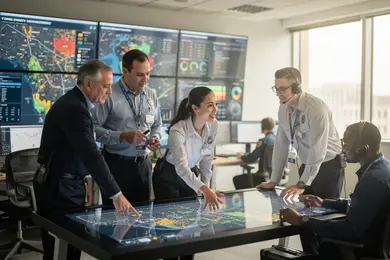
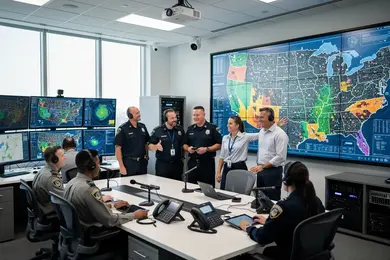
This enables personnel to allocate resources more efficiently and prioritize interventions faster than traditional methods allowed. For example, an emergency operations center using AI can rapidly detect emerging flood risks by integrating sensor data with historical patterns, enabling quicker evacuation orders and reducing response times.
While AI reduces time spent on routine tasks such as report drafting and data compilation through automation, it simultaneously elevates the role of emergency management professionals to focus on interpretation and strategic oversight. The Federal Emergency Management Agency reports a notable 45% rise in job postings emphasizing skills like AI literacy, data analytics, and ethical use of technology since 2023, reflecting this transition.
Human expertise remains critical, particularly in validating AI outputs, applying contextual judgment, and fostering collaboration among stakeholders during complex emergencies. This evolution calls for developing both technical proficiency and soft skills that encompass critical thinking, communication, and ethical considerations tied to AI applications.
For early-career emergency management practitioners, mastering AI tools is becoming essential not only as a productivity enhancer but also as a means to improve operational communication and resilience planning. Data from the Emergency Management Accreditation Program reveal that 78% of hiring managers now prioritize candidates who can skillfully leverage AI capabilities to enhance crisis response and interagency coordination.
Professionals who combine technological aptitude with nuanced understanding of community vulnerabilities and ethical implications will be better prepared to lead in an environment where human judgment and AI-driven insights must be balanced thoughtfully.
How Are Employers Evaluating Emergency Management Candidates Beyond Academic Credentials?
Employers assessing emergency management candidates with AI skills have shifted their focus well beyond traditional academic achievements. Practical experience, demonstrated through internships, portfolios, and hands-on projects involving AI-driven tools, now plays a pivotal role in hiring decisions. For instance, a candidate who has contributed to an AI-based resource allocation simulation or has certifications in emerging technologies effectively signals readiness for the complex, tech-integrated realities of modern emergency response. This multidimensional evaluation allows employers to gauge candidates' ability to adapt and apply their knowledge in real-world scenarios, which is crucial as artificial intelligence reshapes risk assessment and decision-making processes.
Recent data from the Federal Emergency Management Agency (FEMA) emphasizes how hiring managers prioritize communication, problem-solving, teamwork, and a continuous learning mindset alongside technical competencies. These key competencies employers seek in emergency management graduates reflect a broader trend toward holistic candidate profiles that blend soft skills with AI literacy. For example, professionals must not only interpret AI-generated data but also articulate findings clearly to multidisciplinary teams under stress, highlighting the interplay between technology and human insight. This shift encourages a more resilient and collaborative workforce that can meet diverse challenges effectively.
As the job market integrates advanced technologies, candidates who demonstrate practical AI experience and strong interpersonal abilities stand out. Emergency management students can enhance their profiles by engaging with AI-focused trainings and certifications, like those highlighted in online radiology tech programs that prioritize applicable tech skills within healthcare contexts. Such cross-disciplinary exposure supports adaptability and cultural competency, which employers increasingly value given the social complexities of emergency situations. Ultimately, a candidate's real-world capabilities, backed by continuous skill development, shape their competitiveness in a rapidly evolving field.
How Are Emergency Management Degree Programs Adapting to AI?
Emergency management degree programs are increasingly integrating AI literacy to meet evolving workforce demands, with over 60% incorporating such elements in recent years, according to a 2024 National Center for Education Statistics report. These programs now blend traditional emergency response training with competencies in data analytics and AI-driven decision tools, reflecting employers' expectations for graduates who can apply predictive modeling to anticipate crises. For example, students might use real-time AI-enabled crisis mapping to allocate resources autonomously during disaster drills, balancing AI proficiency with vital knowledge of logistics and human coordination.
To address the challenge of fitting comprehensive AI content alongside classical training, many institutions emphasize interdisciplinary approaches, pairing emergency management students with peers in data science or computer science to foster collaboration. This strategy supports the development of hybrid team skills increasingly demanded in emergency scenarios. Curricular updates often include AI-assisted simulations and internships that cultivate both technical and ethical understanding, underscoring the importance of continuous learning to adapt to rapid technological advancements throughout a professional's career.
The evolving curriculum also reflects a growing focus on the ethical application of AI in emergency contexts, ensuring graduates can exercise sound judgment when integrating automated systems into decision-making. Partnerships with industry and ongoing scenario-based learning help ensure that students gain practical experience with emerging AI tools, preparing them to contribute thoughtfully and effectively to disaster resilience efforts. Ultimately, successful programs balance technological proficiency with human-centered skills, positioning graduates to navigate a workforce that values both innovative AI capabilities and foundational emergency management expertise.
Which Industries Are Changing Hiring Expectations Most for Emergency Management Graduates?
The rate at which industries adopt artificial intelligence (AI) drastically shapes their expectations for emergency management graduates. While some sectors rapidly integrate AI tools to optimize response and planning, others proceed cautiously due to regulatory, operational, or ethical challenges. This uneven pace means graduates face a complex landscape where relevant skills vary significantly by sector. For example, a recent graduate comparing opportunities in healthcare versus energy may find that advanced data analytics proficiency matters more in one, while automated communication technologies are prioritized in the other.
Below are five industries where AI-driven shifts in hiring criteria are particularly pronounced:
- Healthcare: The sector increasingly leverages AI-powered predictive analytics to handle emergencies like pandemics and mass casualty events. Employers now seek graduates adept at interpreting complex health data, working alongside AI systems, and managing scarce medical resources efficiently during crises.
- Government: Agencies responsible for disaster preparedness and national security emphasize familiarity with AI-enhanced early-warning systems and risk assessment models. Emergency management professionals must navigate automated communication platforms that improve response times and public safety outcomes.
- Energy: Utilities and renewables use AI to anticipate infrastructure vulnerabilities caused by weather and other threats. Graduates who can analyze AI-generated risk reports and coordinate automated response actions are becoming essential hires in this sector.
- Logistics: Supply chain firms deploy AI for dynamic routing and disruption prediction, requiring emergency managers to integrate human judgment with machine intelligence. This hybrid skillset ensures critical supply continuity amid crises and complex operational challenges.
- Financial Services: Emerging use of AI to assess systemic risks and automate crisis resilience protocols demands graduates familiar with quantitative risk modeling and adaptive decision frameworks tailored to volatile economic environments.
One emergency management graduate recalled hesitating between a government role and a healthcare position after noticing the stark difference in AI expectations. The government job demanded fluency in AI-driven surveillance data integration, a skillset that initially felt abstract. Meanwhile, the healthcare offer emphasized hands-on analytics with predictive software managing real-time hospital capacities during outbreaks. After weighing the urgency of practical application against technical complexity, the graduate chose healthcare, appreciating how the sector's AI use translated directly into life-saving decisions. This experience highlighted the importance of understanding each industry's unique AI demands before career commitments.
How Is AI Changing Career Growth for Emergency Management Professionals?
The pace of AI adoption varies significantly across industries, influencing how employers reshape their hiring expectations for emergency management graduates. Sectors facing rapid technological disruption often prioritize candidates with advanced technical skills, while others adopt a more gradual integration, focusing on foundational AI literacy. This uneven evolution means emergency management professionals must tailor their skill development based on the industries they target.
Understanding these nuanced, sector-specific demands is critical for navigating the shifting hiring landscape effectively. Below are five key industries leading these changes:
- Healthcare Emergency Response: AI-driven analytics in healthcare emergency response accelerate decision-making around pandemics and disaster triage. Employers increasingly seek emergency management graduates skilled in AI applications that support real-time data analysis and predictive modeling, reflecting the sector's urgency to improve public health outcomes through technology.
- Energy and Utilities: Smart grid systems and AI-powered risk assessments transform this industry's crisis management. Familiarity with geospatial intelligence and automated communication systems is essential for managing outages and infrastructure threats, making technical competency a hiring priority for emergency management roles here.
- Federal and Government Agencies: Agencies like FEMA emphasize continuous learning and AI literacy to integrate machine learning tools into disaster response strategies. A 2024 survey by the National Emergency Management Association indicates a steep rise in expectations for AI fluency among new hires, highlighting the sector's demand for versatile candidates.
- Transportation and Logistics: The adoption of AI for supply chain optimization and emergency rerouting requires emergency management professionals to understand complex modeling systems. Competency in AI tools enhances workforce agility, helping meet industry demands for efficient, tech-enabled crisis solutions.
- Environmental and Climate Risk: AI helps predict natural disasters with greater accuracy, pushing this sector to prioritize graduates familiar with data science and environmental modeling. These skills provide a competitive advantage in roles centered on preemptive risk assessment and resource allocation.
For those seeking to align their academic and professional pursuits with these evolving industry standards, pursuing interdisciplinary education that merges emergency management with data science, programming, and AI ethics is increasingly valuable. Building experience in AI applications not only improves job prospects but also empowers emergency management professionals to deliver more effective, timely responses in crisis situations. Additionally, students interested in career flexibility should explore resources like Capella university nursing accreditation for insights on rigorous program standards across disciplines.
How Should Emergency Management Students Prepare for AI-Driven Hiring?
Preparing for AI-driven hiring demands more than earning a degree in emergency management; it requires a strategic blend of technical, AI-related, and human-centered skills. Employers now prioritize candidates who can integrate AI tools with domain expertise, reflecting a shift in emergency management skills for AI-era hiring. According to recent data from the U.S. Bureau of Labor Statistics and the World Economic Forum, more than 60% of employers in public safety and disaster response seek proficiency in data analytics, AI-assisted decision-making, and geospatial intelligence. This evolving landscape challenges students to cultivate versatile capabilities that go beyond traditional emergency management knowledge.
Effective preparation entails targeted skill development and practical experience. Here are five actionable strategies to enhance employability for an AI-shaped job market:
- Develop Technical Literacy: Acquire foundational knowledge in machine learning, geographic information systems (GIS), and data visualization. These skills directly address the demand for AI competency in disaster risk assessment and automated resource allocation, offering a practical edge when applying for roles.
- Engage in Interdisciplinary Projects: Participate in cross-functional internships or campus projects that incorporate AI technologies. Hands-on exposure helps bridge theory and real-world application, demonstrating readiness for employers adapting to AI-enhanced workflows.
- Enhance Critical Thinking and Ethics: Build strong soft skills that focus on ethical reasoning and human judgment. Since AI recommendations require oversight, these competencies are vital for responsible decision-making in dynamic emergency contexts.
- Stay Informed on Regulations: Follow evolving AI policies and standards relevant to emergency management. Awareness of legal and ethical frameworks reinforces professional credibility and prepares graduates to navigate complex operational environments.
- Leverage Specialized Certifications: Seek certifications in AI-related tools and data analytics to validate expertise. Additionally, exploring options like online PMHNP programs with clinical placement can illustrate a broader commitment to integrating technology with emergency health services.
By adopting these strategies, students align their credentials and experiences with employer expectations, successfully preparing for the unique challenges of the AI-driven hiring market in emergency management.
How Should Students Choose a Emergency Management Program for the AI Era?
Choosing an emergency management program today demands more than evaluating reputation or cost; it requires assessing how well a curriculum prepares students for an AI-driven workforce. As the landscape evolves, programs that integrate artificial intelligence and data analytics with core disaster response skills position graduates favorably with employers. For instance, a student trained in AI-powered crisis modeling who interns with a government agency can significantly enhance real-time decision-making capabilities during emergencies.
The 2024 National Center for Education Statistics report underscores this shift, showing only 35% of programs currently incorporate AI modules, highlighting a critical gap for forward-looking students to consider.
Key factors to evaluate include:
- AI Integration: Curricula embedding AI tools like predictive modeling and GIS prepare students to meet rising employer demand for tech-savvy responders.
- Interdisciplinary Learning: Combining emergency management with computer science or cybersecurity strengthens analytical skills and broadens career options.
- Practical Experience: Programs offering internships or government/private sector partnerships enable hands-on application of AI in disaster scenarios.
- Soft Skills Development: Critical thinking and ethical training ensure graduates can manage AI technologies responsibly alongside human factors.
- Faculty Expertise: Instructors experienced in AI and emergency management can provide up-to-date knowledge and mentorship within a rapidly evolving field.
References
- Artificial Intelligence & The Future Of Emergency Management https://www.aptim.com/media/artificial-intelligence-and-the-future-of-emergency-management/
- Call for Papers - AI in Emergency Management https://wmpllc.org/ojs/index.php/jem/announcement/view/49
- Essential Courses and Books for AI, Disaster Management, and Emergency Management | NaturalDisasters.ai https://naturaldisasters.ai/posts/essential-courses-books-ai-disaster-emergency-management/
- Will Emergency Management Directors be replaced by AI & Robots? https://willrobotstakemyjob.com/emergency-management-directors
- The AI Skills Employers Are Looking for in 2026 https://www.calmu.edu/the-ai-skills-employers-are-looking-for-in-2026
- AI in Emergency Management: Uses & Challenges | SafetyCulture https://safetyculture.com/topics/emergency-management/ai-in-emergency-management
- Leveraging AI for effective emergency management and crisis response https://www.deloitte.com/us/en/insights/industry/government-public-sector-services/automation-and-generative-ai-in-government/leveraging-ai-in-emergency-management-and-crisis-response.html
- Kick Start Your Career As an Emergency Management Specialist | tulane https://sopa.tulane.edu/blog/kick-start-your-career-emergency-management-specialist
- AI in Emergency Management: Decision Support for Preparedness, Response & Recovery https://publicsectornetwork.com/training/ai-in-emergency-management-decision-support-for-preparedness-response-recovery/
- How to Become an Emergency Management Specialist https://www.publichealthdegrees.org/careers/emergency-management-specialist/
Other Things You Should Know About Emergency Management
Employers increasingly expect emergency management graduates to have a foundational grasp of AI concepts without requiring deep technical expertise. Overemphasizing AI technicalities at the expense of core emergency management principles may limit a graduate's effectiveness in real-world scenarios where context and decision-making remain paramount. Graduates should prioritize learning how AI tools inform and support operational decisions rather than becoming specialists in AI development, ensuring their skills remain relevant across diverse emergency contexts.
Automation can shift workload dynamics, potentially reducing routine tasks but increasing demands for analytical oversight and rapid problem-solving. Entry-level emergency management professionals may face higher expectations to interpret AI-generated data and make judgment calls quickly. Candidates should prepare for roles requiring adaptability and critical thinking rather than expecting a decrease in overall responsibility due to AI automation.
While familiarity with AI tools is valued, many employers prioritize proven decision-making under pressure as a critical hiring criterion. This reflects the reality that AI outputs often require human validation and context-sensitive interpretation in emergency scenarios. Graduates should aim to showcase situations where they have effectively managed complex, high-stakes conditions, using AI insights as one component rather than the centerpiece of their competency.
Employers generally favor graduates who combine applied AI integration skills with strong multidisciplinary foundations, including policy, communication, and stakeholder coordination. Programs exclusively emphasizing AI risk producing graduates with narrower skill sets less able to navigate complex, socio-political emergency environments. It is advisable for educational programs to maintain a balanced curriculum that incorporates AI fluency as a tool within a broader emergency management framework to better meet employer expectations.