2027 Emergency Management Transfer Credit Trends: How Schools Are Adapting for Adult Learners

Co-Founder and Chief Data Scientist
Maria, a military veteran transitioning to civilian life, recently discovered that most of her previously earned credits would not transfer toward her emergency management degree, adding an unexpected year and $15,000 in tuition to her graduation timeline. This is a growing challenge as a 2024 National Student Clearinghouse report shows just 62% of transfer credits are accepted nationwide, highlighting persistent gaps in credit mobility despite growing adult learner enrollments. Such policy variability forces working professionals and military-affiliated students to reassess program choices based on strict credit evaluation, impacting affordability and career progression.
This article examines emerging trends in emergency management transfer credit policies, helping readers navigate acceptance practices and optimize degree completion timelines.
Key Things to Know About Emergency Management Transfer Credit Trends for Adult Learners
- Expanded transfer credit acceptance increasingly includes military and workforce learning, reflecting employer emphasis on applied skills but risking gaps in academic rigor that may affect credential completeness.
- Technology-enabled transcript reviews expedite credit evaluations, reducing administrative delays but placing responsibility on students to verify articulation accuracy to avoid unrecognized credits in degree completion.
- Community college partnerships widen accessible pathways, cutting costs and time for adult learners, yet reliance on alternative credit sources can limit advanced specialization needed for senior emergency management roles.
- Key Things to Know About Emergency Management Transfer Credit Trends for Adult Learners Key Things to Know About Emergency Management Transfer Credit Trends for Adult Learners
- How Are Emergency Management Programs Changing Transfer Credit Policies for Adult Learners? Evolving Adult Transfer Policies
- Why Are More Emergency Management Schools Accepting Credit for Prior Learning and Work Experience? Prior Learning Credit Benefits
- How Do Emergency Management Colleges Evaluate and Award Transfer Credits Today? Transfer Credit Evaluation Process
- Which Alternative Credits Are Most Commonly Accepted by Emergency Management Programs? Accepted Alternative Credits
- How Are Emergency Management Schools Improving Transfer Pathways for Community College Students? Improved Community College Pathways
- How Can Transfer Credits Help Emergency Management Students Graduate Faster? Accelerating Degree Completion
- How Much Money Can Students Save Through Emergency Management Transfer Credit Opportunities? Cost Saving Through Transfers
- How Are Emergency Management Programs Supporting Military Students and Workforce Learners Through Transfer Credits? How Are Emergency Management Programs Supporting Military Students and Workforce Learners Through Transfer Credits?
- What Transfer Credit Innovations Are Shaping the Future of Emergency Management Education? What Transfer Credit Innovations Are Shaping the Future of Emergency Management Education?
- How Can Adult Learners Maximize Transfer Credits in a Emergency Management Program? Maximizing Your Transfer Credits
How Are Emergency Management Programs Changing Transfer Credit Policies for Adult Learners?
Emergency Management programs are increasingly revising transfer credit policies to better accommodate adult learners, working professionals, and military-affiliated students by expanding recognition of prior learning and military training. This shift reflects a pragmatic response to the complexity of balancing education with ongoing careers or service obligations, with many institutions adopting flexible transfer credit options for working professionals in emergency management that include prior learning assessments and military transcripts. For example, a service member transitioning from active duty who brings Joint Services Transcript credits into a program can reduce redundant coursework and accelerate degree progress, though they must still navigate institutional caps on transferable credits and in-residence requirements that vary significantly between schools.
Such adaptations not only reduce time to degree-evidenced by studies showing prior learning credit cuts up to a year-but also influence affordability and course sequencing decisions, enabling students to prioritize advanced or elective emergency management topics earlier in their academic plan. Many programs now formalize articulation agreements with community colleges and credential providers, smoothing credit mobility but requiring students to compare policies closely to avoid unexpected credit loss. These policy dynamics underscore the importance of strategic academic advising for transfer students and degree completers aiming to maximize previously earned credits, while also acknowledging that variability in curriculum standards continues to complicate credit equivalency and employer expectations of graduates' preparedness.
Students exploring options might also consider how broader institutional trends intersect with individual educational goals, particularly when evaluating accelerated pathways such as an accelerated healthcare administration degree online that emphasize flexibility alongside credential rigor. While the evolving policies enhance access and reduce repetitive coursework, adult learners must weigh transfer policies against program quality and completion requirements, making deliberate choices fundamental to maintaining progress without compromising academic or professional outcomes.
Why Are More Emergency Management Schools Accepting Credit for Prior Learning and Work Experience?
The increasing acceptance of credit for prior learning (CPL) and professional experience in emergency management programs represents a strategic adjustment to meet the distinct needs of working adults and military-affiliated students rather than a simple loosening of transfer standards. Institutions aim to balance accelerated degree pathways with maintaining sufficient academic rigor, often evaluating military training, industry credentials, and employer-verified skills through competency-based assessments or portfolio reviews. This approach recognizes that practical, on-the-job learning sometimes aligns more closely with workforce demands than traditional coursework, enabling students to shorten time to degree completion while navigating the complexities of institutional consistency and quality assurance.
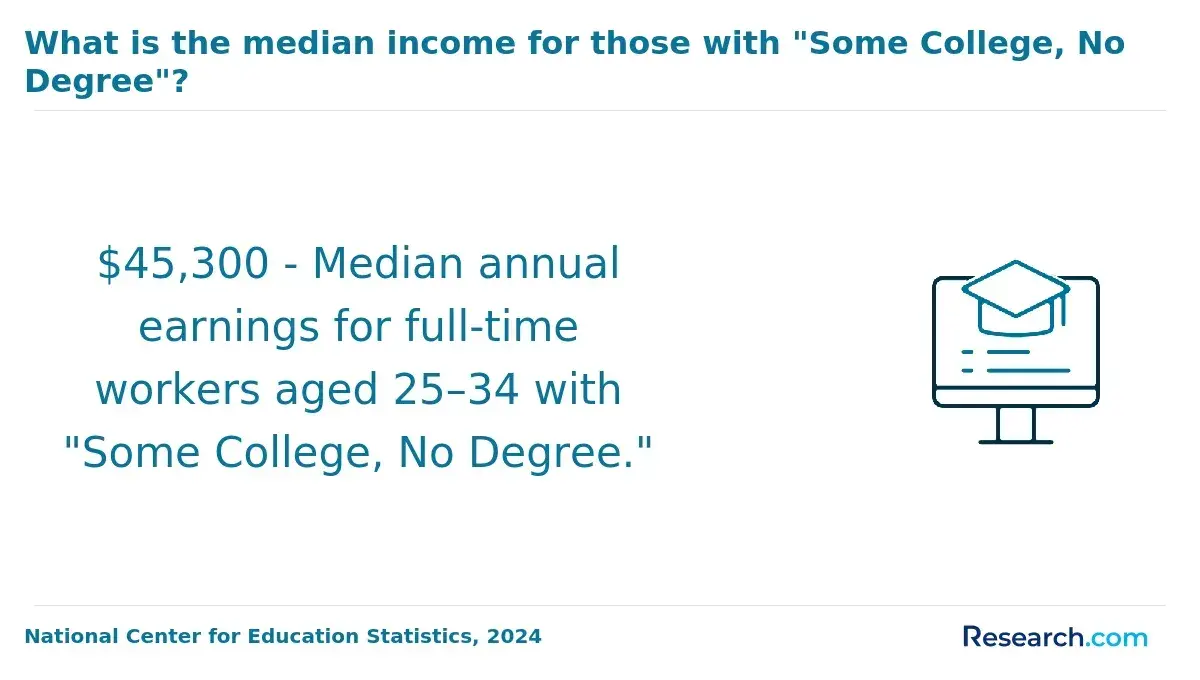
Such policies directly influence student retention and accessibility by reducing redundancy and mitigating costs associated with retaking skills or knowledge already acquired outside the classroom. However, the variability in policy application creates challenges, as not all prior learning is equally transferable or recognized, and some employers remain cautious about degree credentials earned through extensive CPL. Data from the National Center for Education Statistics in 2024 shows that emergency management students using CPL have a 20% higher graduation rate, illustrating how these pathways can improve completion metrics but also underscoring the critical need for robust evaluation frameworks that ensure educational outcomes align effectively with professional expectations.
One adult learner who transitioned from a military logistics role to an emergency management bachelor's program shared how she navigated the CPL process with mixed feelings. While she appreciated that her military courses and certifications were considered, the requirement to submit detailed documentation and complete additional competency exams extended her enrollment timeline unexpectedly. She found institutional policies inconsistent across different programs and worried whether all her real-world experience would be fully validated. Despite this uncertainty, she acknowledged that credit recognition significantly reduced repetitive coursework, improving her confidence in managing work, study, and family obligations concurrently.
How Do Emergency Management Colleges Evaluate and Award Transfer Credits Today?
Transfer credit evaluation in emergency management programs has evolved from a routine administrative task into a deliberate strategy aimed at balancing enrollment objectives with student success metrics. Institutions now apply stringent criteria that extend beyond mere transcript review, emphasizing accreditation status, course equivalency, and learning outcomes alignment. For example, a student transferring military emergency response training must navigate diverse institutional policies that weigh professional experience against academic rigor, often capped by residency and upper-division credit requirements. Such policies can significantly affect how many credits contribute directly to degree progress, influencing the total time and financial investment needed for completion.
Colleges increasingly rely on articulation agreements and detailed course mappings to streamline transfer decisions, but these frameworks may disadvantage students with interdisciplinary or non-traditional backgrounds, including those with alternative credits from MOOCs or competency-based assessments. According to the National Student Clearinghouse in 2024, only about 45% of transferred credits for adult learners directly fulfill degree requirements, underscoring persistent challenges in credit applicability. This gap compels many transferring adults to recalibrate academic plans, often extending their timeline despite partial credit acceptance, particularly when credits originate from community colleges, workforce training, or nationally accredited institutions with limited recognition.
Technology-assisted reviews incorporating AI-driven data analytics have improved processing speeds but have yet to replace the nuanced judgment necessary to evaluate complex prior learning records. For military-affiliated students and working professionals, policies around credit for prior learning remain varied and often restrictive to maintain academic standards, meaning learners must strategically assess how credit acceptance will influence mobility and employability within emergency management fields. Consequently, understanding specific program requirements and transfer credit limitations becomes essential for realistic academic planning and cost management amid growing demand for flexible degree pathways.
Which Alternative Credits Are Most Commonly Accepted by Emergency Management Programs?
Alternative credit acceptance is increasingly a strategic approach within emergency management programs to improve degree accessibility and reduce time to completion among adult learners. Programs commonly evaluate credit for prior learning (CPL) assessments to translate experiential knowledge into academic credit, a practice now formally embraced by roughly 75% of institutions offering emergency management degrees, according to the Council for Adult and Experiential Learning.
Military training credits also play a critical role, with many schools relying on American Council on Education recommendations to convert service members' experience into transferable credits that help accelerate degree progress. However, students must navigate institutional policies regarding upper-division credit caps and residency requirements, which can limit the overall impact of these alternative pathways.
Standardized exams such as CLEP and DSST are frequently accepted, though transfer limits vary widely and may influence the financial and time-saving benefits these options provide. Workforce certifications related to public safety and healthcare are gaining traction but often require formal agreements between certifying bodies and educational institutions, making acceptance less uniform. Emerging sources like competency-based assessments and employer-sponsored learning offer additional flexibility, although their recognition depends heavily on alignment with program learning outcomes and regional accreditation standards.
A 2024 National Student Clearinghouse report found nearly 60% of emergency management programs accept CLEP and DSST credits, reflecting growing but uneven transfer credit recognition for adult learners in emergency management. Careful transfer planning is essential to maximize credit applicability and avoid delays, particularly for working professionals managing competing demands on time and resources.
Adult learners seeking to optimize previously earned credits should consider these factors alongside options such as community college coursework or online competency-based platforms while assessing how these pathways intersect with affordability and degree completion goals. Programs balancing these considerations offer greater flexibility, as seen in some online nursing PhD online formats that integrate transfer credits strategically to enhance academic and career outcomes.
How Are Emergency Management Schools Improving Transfer Pathways for Community College Students?
Emergency management programs have increasingly prioritized streamlining transfer pathways to address the significant challenges community college students face in maximizing previously earned credits. This strategic focus arises from the need to reduce time-to-degree and maintain academic momentum for a population that often juggles work, family, and military obligations.
Expanding formal articulation agreements that clarify which associate credits apply directly to bachelor's degrees has proven essential in minimizing credit loss, with data from the National Center for Education Statistics in 2024 showing institutions with robust agreements improving credit transfer rates by up to 15%. However, these agreements vary widely in scope and specificity, requiring students to navigate institution-specific policies deliberately and plan course selections carefully to avoid redundant classes or unexpected credit rejections.
Beyond articulation agreements, many emergency management schools are adapting transfer evaluations by incorporating prior learning assessments and relevant professional certifications, which can shorten completion timelines for adult learners and veterans. Despite these accommodations, acceptance thresholds and credit caps differ significantly across institutions, introducing complexity into credit applicability and degree mapping. Transfer advising tailored to emergency management curricula increasingly supports students through personalized consultations, helping them reconcile specialized course equivalencies and general education demands. Such advising is critical for maintaining enrollment continuity and improving graduation outcomes within this field's distinct disciplinary requirements and credentialing expectations.
A community college student transferring into an emergency management bachelor's program recounted uncertainty about whether key courses in risk analysis and disaster response would be accepted due to inconsistent information from different advisors. After an exhaustive transcript evaluation process, the student found the program's clear articulation agreement valuable for understanding which credits transferred but still experienced some loss on specialized course credits that did not align with the bachelor's curriculum. The student emphasized the relief of having a defined credit pathway but noted the need to remain proactive in communicating with transfer advisors and planning semesters strategically to avoid delayed graduation.
How Can Transfer Credits Help Emergency Management Students Graduate Faster?
Transfer credits have the potential to reduce time-to-degree for emergency management students, but realizing these benefits requires strategic academic planning. Institutions vary widely in their acceptance of transfer coursework, with differences in curriculum alignment, accreditation standards, and course rigor often affecting whether credits count toward core or elective requirements. Adult learners and military-affiliated students must navigate restrictions such as residency rules and program-specific upper-division or capstone mandates that can limit the applicability of transferred credits, meaning that not all credits earned elsewhere expedite graduation.
Many emergency management programs now expand articulation agreements with community colleges, military training, and workforce development organizations to address these challenges, reflecting a growing recognition of prior learning credits and certifications. This evolution supports accelerated degree completion in emergency management programs by offering clearer pathways for credit recognition, including formal prior learning assessments that evaluate military and professional experience. However, the variability in transfer-friendly policies means students must carefully assess how their existing credits apply to specific degree requirements to avoid unexpected delays or extra coursework.
Consequently, enrollment strategies for working professionals and transfer students increasingly factor in credit acceptance flexibility, which also impacts affordability and time savings. Adult learners balancing multiple responsibilities benefit from institutions that accommodate credit mobility but must weigh these options alongside degree integrity and employer expectations. For those comparing educational pathways, resources like the medical assistant to LPN programs illustrate how prior credentials influence progression, highlighting the importance of proactive credit evaluation in managing transfer credit benefits for emergency management students effectively.
How Much Money Can Students Save Through Emergency Management Transfer Credit Opportunities?
Transfer credit acceptance in emergency management programs can substantially alter the financial and time investment required to earn a degree, but realizing these savings depends heavily on institutional policies and credit evaluation practices. For example, military-affiliated students who utilize updated Joint Services Transcripts often bypass duplicative coursework, saving tuition and reducing completion time by up to 25%, as noted by the National Student Clearinghouse Research Center. However, programs with strict residency requirements or rigid course equivalency standards may limit transferable credits to 50-75% of total credits, compelling students to repeat material and incur additional costs despite prior learning.
Adult learners and working professionals face another layer of complexity, as not all workplace or prior training aligns consistently with academic credit frameworks, affecting potential savings. While some community colleges offer lower per-credit tuition that enhances the financial benefits of transfer credits, the uneven acceptance of credits across institutions can disrupt degree plans and extend enrollment.
Statewide transfer systems are improving credit articulation in emergency management fields, but persistent disparities mean students must engage proactively with advisors and carefully assess how previously earned credits will fit the target program's structure to maximize cost reductions and avoid unexpected expenses.
Emergency management students looking to further streamline their path to graduation may also want to consider accredited self-paced online courses, which can let them apply existing knowledge and prior training toward coursework completion without being tied to a fixed semester schedule.
How Are Emergency Management Programs Supporting Military Students and Workforce Learners Through Transfer Credits?
Emergency management programs increasingly rely on detailed evaluations of military training, workforce credentials, and professional certifications to shape transfer credit policies that impact degree pathways. Despite nearly 75% of institutions accepting military and occupational training for credit, a significant portion of learners—about 30%—still encounter credit denials or "credit loss" when transferring between schools, extending their time to graduation. This inconsistency notably affects military-affiliated students who depend on articulation agreements to preserve credit mobility, highlighting a persistent tradeoff between institutional credit policies and practical educational progression.
Many programs deploy Prior Learning Assessments (PLAs) to convert nontraditional learning, such as apprenticeships and on-the-job training, into academic credit, reducing redundant coursework for working adults balancing education and employment. However, limitations on how much credit can be applied from these sources remain a barrier, forcing students to complete additional courses beyond prior experience. These policies directly influence academic planning and accessibility by determining how much previously earned credit meaningfully shortens program timelines and whether degree completion can be accelerated without compromising required competencies.
Employers in emergency management value graduates whose credentials reflect applied skills validated through accepted credits, reinforcing the importance of transparent and effective credit transfer policies. Programs that integrate military and workforce learning into clear pathways contribute not only to adult learner retention but also to workforce readiness. Nevertheless, uneven recognition of emergency management-specific certifications and the variable credit acceptance landscape require students to carefully assess institutional policies to optimize their educational investments and career mobility.
What Transfer Credit Innovations Are Shaping the Future of Emergency Management Education?
Emerging transfer credit innovations are notably reshaping access and degree mobility for adult learners and military-affiliated students in emergency management education by streamlining credit acceptance and reducing course repetition. AI-assisted transcript evaluation, for example, helps institutions deliver faster, more consistent decisions on previously earned credits, though integration with legacy systems remains a challenge that can create uneven experiences among students. This technology-driven transfer credit assessment method for adult learners often intersects with expanded credit for prior learning (CPL) policies that recognize military training and workforce experience; however, the variability in institutional adoption means that transfer students must navigate inconsistent credit articulation outcomes, which can affect long-term academic planning and affordability.
Competency-based education models complement these innovations by allowing professionals to convert verifiable skills into academic credit, emphasizing demonstrated ability over accrued classroom hours. Transfer pathway agreements between colleges and universities further enhance credit portability by standardizing curricula, reducing credit loss, and potentially shortening time to degree completion. Yet, despite these improvements, some students encounter obstacles in aligning non-traditional credentials with program requirements, and digital credentialing systems—though promising for secure verification—remain nascent in widespread adoption. According to a 2024 report from CAEL, over half of emergency management programs have adopted enhanced CPL policies, reflecting a broader institutional trend toward recognizing diverse learning experiences as part of degree progression.
Adult learners considering these pathways should weigh how transfer policies and credit acceptance influence not only degree timelines but also employability and academic rigor in emergency management. For those seeking integration of prior experience and flexible learning models, evaluating programs with transparent transfer agreements and established digital credentialing initiatives is crucial. Prospective students may also benefit from exploring related fields with affordable options, as seen in programs like the cheapest psych NP programs online, to diversify credentials and workforce adaptability.
How Can Adult Learners Maximize Transfer Credits in a Emergency Management Program?
Maximizing transfer credits in an emergency management program requires adult learners to strategically navigate institutional policies that often impose limits on transferable credits, especially for upper-level or specialized courses. For example, a student transferring from a community college with general emergency preparedness courses might find that only 50-75% of credits apply toward degree requirements, forcing a careful balance between accepting transfer credits and completing program-specific competencies.
Such restrictions, combined with varying articulation agreements, underscore the importance of proactive transcript evaluation and degree mapping to identify which prior credits align with core emergency management outcomes and reduce time-to-degree without incurring excess costs.
Recognition of prior learning—including professional certifications, military training, and workforce experience—is critical but highly variable among programs. According to the 2024 CAEL report, institutions with thorough credit assessment processes increase acceptance rates by up to 30%. However, adult learners must work closely with academic advisors to assess how these alternative credits integrate with program standards, as misalignment can delay graduation or limit credential applicability.
Considering transfer credit policies for emergency management programs, planning these decisions affects not only academic sequencing but also future employability in a field where practical expertise is highly valued. For those exploring related fields or careers with questions like how much do athletic directors make, understanding transfer credit strategies can illuminate broader workforce credentialing pathways.
References
- Emergency Planning and Management, B.S. - Immaculata University https://www.immaculata.edu/academics/degrees-programs/emergency-planning-and-management-b-s-adult-professional-studies/
- Adult Learner Enrollment to Completion via Cross-Sector Partnerships https://changinghighered.com/adult-learner-enrollment-completion-partnerships/
- The Missing Link: Adult Learners and the Transfer Process https://www.cael.org/resouces/pathways-blog/the-missing-link-adult-learners-and-the-transfer-process
- College Credit for Military Training & Experiences https://www.dantes.mil/credit4training/
- Pikes Peak State College, PPSC https://www.pikespeak.edu/admissions/records/transcripts/cpl.php
- Emergency Management https://www.maritime.edu/undergraduate-programs/emergency-management
- Prior Learning/Work Experience/Portfolio Assessment – Credit for Prior Learning – Virginia Western Community College https://www.virginiawestern.edu/get-started/cpl/work-experience/
- 5 Emerging Trends in Adult Education https://www.myoneflow.com/blog/5-emerging-trends-in-adult-education
- Components of Adult Education: How to Support Adult Learners? https://moderncampus.com/blog/components-of-adult-education.html
Other Things You Should Know About Emergency Management
Transfer credit policies vary widely among emergency management programs, which can affect both the pace and the content of degree completion. Students who transfer a large portion of credits may find gaps in specialized coursework, leading to a less cohesive learning experience if foundational or advanced courses are missed. It is crucial to prioritize programs that ensure transferred credits align tightly with core emergency management competencies to avoid compromising the depth and applicability of your education to real-world situations.
While flexible transfer credit policies can shorten time to degree completion, they may also result in a varied curriculum that lacks consistent rigor or foundational depth. Adult learners should weigh the benefits of accelerated pathways against potential tradeoffs in comprehensive skill-building, particularly in areas like risk assessment and disaster response. When possible, prioritize programs that balance flexibility with well-defined core requirements, supporting both efficiency and substantive mastery.
Employers often look for candidates with proven competency in specific emergency management skills rather than just credit accumulation. Accepting transfer credits that do not include practical or applied components may limit job-readiness despite faster graduation times. Candidates should consider how their transfer credits translate into demonstrable skills and certifications valued by employers, ensuring their education pathway supports clear, marketable competencies.
Maximizing transfer credits can reduce course load but may also mean fewer structured learning opportunities and faculty interactions, which are important for mastering complex emergency management topics. This can affect understanding of practical scenarios critical to the field. Adult learners should evaluate whether reducing on-campus or synchronous course time might hinder their learning retention and skill application, and strategize accordingly to maintain academic quality while managing workload.