2027 Emergency Management ROI by Institution Type: Public vs Private vs Nonprofit Online Programs

Co-Founder and Chief Data Scientist
Consider a prospective student weighing three online programs in emergency management, each presenting similar curricula but diverging sharply in tuition costs, graduation rates, and post-degree debt. A 2024 study from the National Center for Education Statistics reveals public institutions have a 20% higher graduation rate than private for-profit schools, yet private nonprofits often offer stronger career services that impact employment outcomes.
Such disparities shape the true return on investment, influencing financial stability and career progression years after graduation. Choosing the wrong program type risks disproportionate debt without commensurate career gains. This article analyzes ROI differences among public, private, and nonprofit emergency management programs, enabling smarter, data-driven decisions.
Key Things to Know About Emergency Management ROI by Institution Type
- Public institutions typically offer lower tuition and robust financial aid, reducing debt exposure but often require longer times to graduation, which can delay workforce reentry and dampen short-term ROI.
- Private programs usually have stronger employer connections and brand recognition, enhancing career advancement prospects; however, higher tuition may increase overall borrowing, complicating long-term repayment decisions.
- Nonprofit online programs often provide flexible pacing and targeted learner support, benefiting working adults balancing jobs, though varied accreditation status can affect employer acceptance and credential value.
- Key Things to Know About Emergency Management ROI by Institution Type Key Things to Know About Emergency Management ROI by Institution Type
- What Does ROI Mean for an Emergency Management Program and How Is It Measured? Understanding Emergency Management Program ROI
- How Do Public, Private, and Nonprofit Online Emergency Management Programs Differ in Overall Value? Value by Institution Type
- How Do Tuition Costs Affect the ROI of an Emergency Management Program Across Institution Types? Tuition Costs and ROI
- How Do Graduation Rates Influence Emergency Management Program ROI? Graduation Rates Impact ROI
- What Role Do Career Outcomes Play in the ROI of an Emergency Management Degree? Career Outcomes and ROI
- How Does Student Debt Impact the Long-Term ROI of an Emergency Management Program? Debt vs. Long-Term ROI
- How Do Flexibility and Adult Learner Support Affect Emergency Management Program Value? Flexibility and Program Value
- How Do Accreditation and Institutional Reputation Influence Emergency Management ROI? How Do Accreditation and Institutional Reputation Influence Emergency Management ROI?
- How Does Time-to-Degree Affect the ROI of Public, Private, and Nonprofit Emergency Management Programs? How Does Time-to-Degree Affect the ROI of Public, Private, and Nonprofit Emergency Management Programs?
- How Can You Choose the Best Emergency Management Program Based on Your ROI Goals? Choosing Programs by ROI
What Does ROI Mean for an Emergency Management Program and How Is It Measured?
Return on investment for an emergency management program involves weighing not only the direct financial costs but also how those costs translate into practical career benefits over time. For example, a public online program may offer significantly lower tuition and reduce student debt by 20-30%, according to recent data from the National Center for Education Statistics, making it an attractive choice for cost-sensitive learners. However, graduates from nonprofit programs, which often feature higher completion rates and enhanced learner support, might experience quicker time-to-degree and stronger job placement outcomes. These factors mitigate opportunity costs and can justify higher upfront expenses by improving long-term employability and professional stability.
Measuring ROI in emergency management education requires considering how different student goals and personal circumstances shape the value derived from a program. Those seeking rapid workforce entry might prioritize faster graduation and low debt, while career changers or working professionals could benefit from flexible scheduling and robust career services, even if it means higher tuition.
Institutional reputation and industry partnerships also influence hiring prospects beyond median salaries or job placement rates, which can vary due to differing employer networks across public, private, and nonprofit sectors. This complexity means that the lowest sticker price does not always equate to the best return, especially when weighed against completion likelihood, program quality, and long-term career adaptability.
Prospective students should also factor in opportunity costs linked to time-to-completion and educational intensity, as prolonged programs may delay workforce re-entry or advancement. To align their investment with realistic career pathways, they may find resources like the fastest DNP program online useful in understanding tradeoffs between program length and career timing in related healthcare fields. Ultimately, a nuanced assessment of emergency management program return on investment metrics calls for integrating cost, debt levels, completion data, and individualized career priorities to make enrollment decisions that support sustained professional and financial resilience.
How Do Public, Private, and Nonprofit Online Emergency Management Programs Differ in Overall Value?
Cost and educational outcomes in online emergency management programs vary markedly between public, private, and nonprofit institutions, shaping the practical value of each option. Public institutions typically offer the most affordable tuition, resulting in around 25% less median graduate debt compared to private counterparts, according to a 2024 NCES report. Yet, this affordability often accompanies larger class sizes and less individualized support, which can affect degree completion speed and depth of engagement. Conversely, private nonprofit programs generally have smaller cohorts and enhanced career services, leading to graduation rates up to 10 percentage points higher, but these benefits come with significantly higher tuition that can increase long-term debt unless offset by scholarships or employer aid.
Accreditation impacts transferability and employer recognition, with public schools usually providing broader credit flexibility through regional accreditation, beneficial for students planning further education or transferring credits. Private nonprofits often carry specialized accreditations in emergency management, valued by some employers for signaling practical skills alignment.
Working professionals weighing flexibility will find public programs typically more cost-effective with asynchronous schedules but comparatively limited in career support, whereas nonprofit programs may offer targeted internships and networking opportunities that enhance job prospects at a premium cost. Decisions thus hinge on students' financial tolerance for debt, desired intensity of academic support, and employment goals within emergency management fields.
One student considering these options described feeling uncertain about whether the prestige and support of a private nonprofit would justify the extra expense versus a public program's affordability and credit transfer benefits. They ultimately chose a public institution that balanced manageable tuition with regional accreditation, valuing lower debt risk and flexible pacing as critical given their full-time job and long-term goal of pursuing specialized certification afterward. While intrigued by enhanced services at nonprofits, the student found the higher cost and potential debt burden outweighed immediate advantages, highlighting the importance of aligning program choice with individual financial and career circumstances rather than institutional type alone.
How Do Tuition Costs Affect the ROI of an Emergency Management Program Across Institution Types?
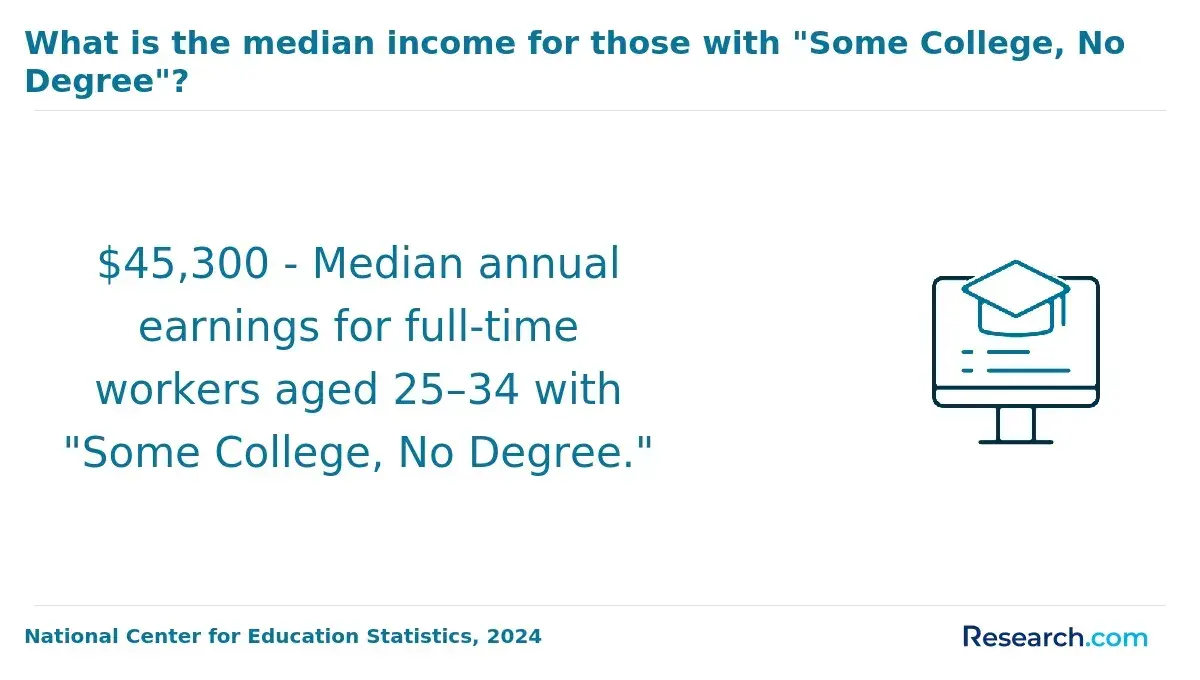
Tuition costs alone do not determine the return on investment for online emergency management programs; rather, their impact depends on how costs intersect with factors like student debt, graduation rates, and career support. Public institutions typically offer tuition ranging from $8,000 to $15,000 annually, which helps limit debt burdens and, by extension, monthly repayments after graduation. However, this lower sticker price can sometimes coincide with longer times to completion-often due to adult learners balancing work and family-potentially delaying workforce re-entry and dampening short-term ROI.
Conversely, private nonprofit programs, with tuition often between $20,000 and $35,000, may carry heavier loan burdens but frequently provide smaller classes, tailored mentorship, and stronger employer networks in emergency management sectors. Data from the National Center for Education Statistics (2024) suggests these factors can lead to higher graduation rates and faster job placement, partially offsetting upfront costs through earlier salary gains. For instance, a working professional seeking rapid advancement might justify the extra expense for enhanced career services, while another prioritizing affordability and schedule flexibility might favor public options despite slower progression.
Ultimately, the financial and practical value of an emergency management program depends on individual circumstances, goals, and risk tolerance. Some students benefit from private nonprofit programs' enriched resources that can compress time to degree and improve market readiness, while others achieve better overall ROI through public institutions' more accessible tuition and manageable debt. A careful evaluation of institutional quality, support services, and expected debt repayment-not just tuition-is essential to making a financially sound decision that aligns with one's long-term career trajectory.
How Do Graduation Rates Influence Emergency Management Program ROI?
Graduation rates provide a critical lens for assessing the return on investment in online emergency management programs, but they are not definitive on their own. Public institutions often report moderate completion rates influenced by higher enrollment of lower-income and non-traditional students who face greater persistence challenges balancing work and family.
While their graduation rates might lag behind private nonprofit programs, more affordable tuition at public schools can mitigate debt burdens, sometimes leading to a more favorable net ROI despite longer time-to-degree. Conversely, private and nonprofit schools frequently achieve higher graduation rates through intensive academic support, yet the higher price tag and resulting student debt can limit financial returns unless graduates secure substantially better employment outcomes.
Interpreting emergency management online program student graduation outcomes requires considering how persistence, institutional services, and program flexibility affect timely degree completion. For example, adult learners juggling multiple commitments may experience attrition despite high institutional support, influencing the overall cost-effectiveness of the credential. According to the 2024 National Student Clearinghouse Research Center, programs with faster completion improve labor market positioning and reduce cumulative educational expenses, both vital for ROI.
Prospective students should also evaluate whether graduation rates reflect career placement success and wage gains beyond just degree attainment, as these elements ultimately determine long-term value. Those exploring advanced degrees might also compare options alongside relevant credentials, such as an online PhD in nursing, where similar cost and completion dynamics are evident.
What Role Do Career Outcomes Play in the ROI of an Emergency Management Degree?
Career outcomes function as a pivotal determinant of the true return on investment for emergency management degrees, particularly when comparing public, private, and nonprofit online programs. Graduates from public institutions often benefit from stronger job placements within government agencies due to established regional partnerships, which can translate to an employment rate approaching 85% within six months.
In contrast, private programs may appeal to those seeking niche industry connections in private consulting or preparedness firms but typically report slightly lower early employment rates near 78%. Nonprofit schools tend to prepare students for roles emphasizing community resilience and collaboration, with mid-range employment outcomes around 80%, revealing tradeoffs between specialized skill alignment and immediate job market traction.
Given the consistent 7% projected growth in emergency management roles nationwide, the alignment of program curricula with recognized industry certifications substantially affects long-term career mobility and job retention. These outcomes must be weighed against tuition costs and debt, as programs that expedite employment can shield students from prolonged financial strain. For working professionals or career changers, program flexibility and regional labor market conditions impact how quickly a degree's benefits translate into measurable economic value, making the selection of institution type a strategic decision rather than a purely academic one.
A graduate of a nonprofit online emergency management program described initially grappling with uncertainty about whether the degree's cost justified the expected career benefits. Although the job search extended longer than anticipated, network connections fostered during the program eventually opened doors to a multidisciplinary role within a public health NGO. Over time, employer recognition of the credential led to incremental responsibilities and internal advancement, validating the degree's ROI beyond simple salary increases and reminding her that career trajectory and skill relevance often outweigh immediate financial returns.
How Does Student Debt Impact the Long-Term ROI of an Emergency Management Program?
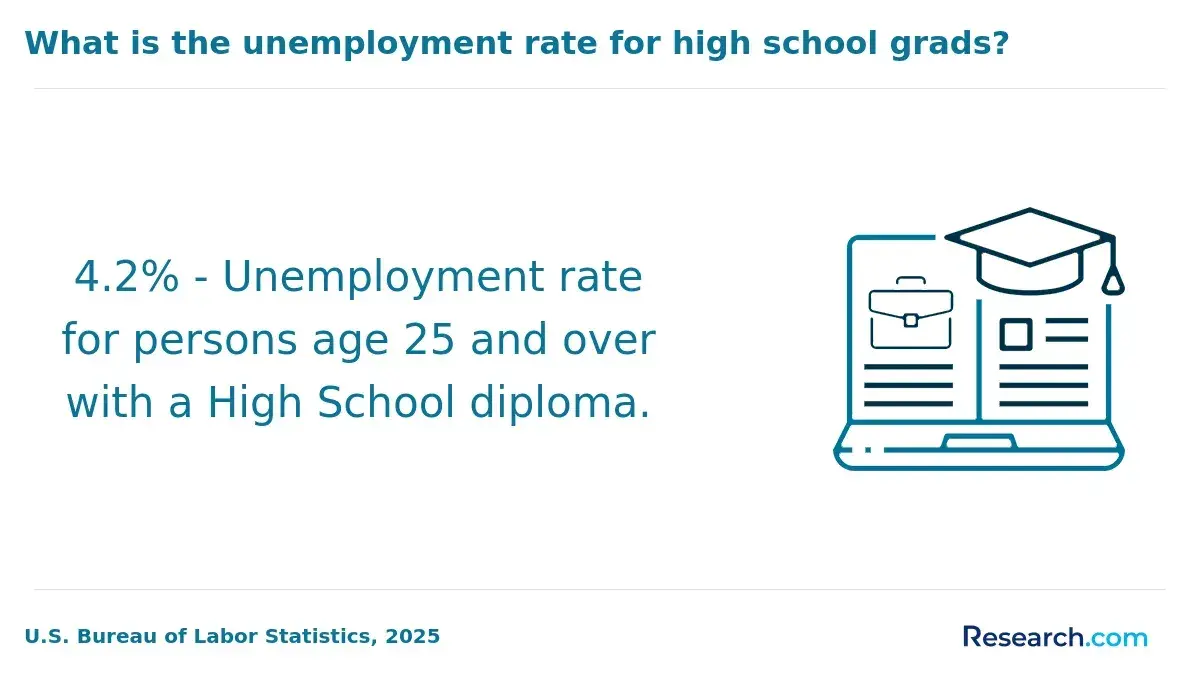
Student debt profoundly alters the long-term return on investment in emergency management programs by shifting financial pressure well beyond graduation. For example, graduates from private institutions often carry nearly 30% more debt compared to public school counterparts, a difference that heightens monthly loan repayments and can delay milestones like homeownership or retirement savings. This impact is especially relevant when considering how student debt affects the long-term return on investment in emergency management programs, as higher borrowing loads strain financial flexibility for working professionals balancing education and career demands.
Debt-to-completion ratios and repayment obligations should influence program decisions as much as tuition costs or graduation rates. Public online programs offer lower tuition and wider state-based aid, potentially reducing reliance on loans but may have varied completion outcomes, which can increase the relative debt burden. Nonprofit programs often provide institutional aid and support services that improve financial counseling and repayment performance.
Evaluating the impact of educational loans on emergency management career financial outcomes means weighing debt in combination with employment prospects and repayment stress rather than in isolation. Prospective students must also consider program quality and flexibility to ensure their borrowing aligns with realistic career advancement and lifetime ROI. Those interested in similar rigorous pathways might also explore PharmD online programs for comparative insights on managing debt across professional fields.
How Do Flexibility and Adult Learner Support Affect Emergency Management Program Value?
Programs offering flexible scheduling, particularly asynchronous courses, significantly enhance persistence and reduce total time-to-degree for working adults balancing multiple responsibilities. For instance, a 2024 National Center for Education Statistics report found that asynchronous formats boost retention rates by 15% compared to synchronous-only models, directly lowering opportunity costs and increasing overall ROI.
Yet, this flexibility often intersects with the quality and availability of adult learner support services, which can make or break outcomes for career changers and military-affiliated students who rely on targeted academic advising, career counseling, and accommodations tailored to their circumstances.
Private and nonprofit institutions frequently provide more comprehensive support services, correlating with stronger graduation rates and improved skill acquisition, as noted in a recent Council for Adult and Experiential Learning survey showing a 25% higher completion rate among supported students. However, these benefits usually come at the expense of higher tuition, raising questions about long-term affordability and debt burden.
Conversely, public programs tend to emphasize credit transferability and lower costs but may offer less personalized guidance and limited faculty engagement, which can hinder student satisfaction and career readiness. Adult learners must weigh whether the tradeoff between enhanced support and increased expenses aligns with their professional goals and financial constraints, recognizing that the distribution of resources impacts both experiential quality and measurable outcomes.
How Do Accreditation and Institutional Reputation Influence Emergency Management ROI?
Accreditation status directly influences the return on investment (ROI) of an Emergency Management program by affecting employer recognition, credit transferability, and eligibility for federal licensure or graduate education. For example, graduates from regionally accredited public institutions often see better job prospects due to stronger institutional ties and recognized standards, which can lead to higher placement rates and smoother career progression. However, some private and nonprofit online programs compensate with programmatic accreditation from specialized bodies, signaling depth of expertise valued in specific emergency management roles, albeit sometimes with less broad academic transferability.
Institutional reputation may offer networking advantages and a salary premium-data from the National Center for Education Statistics shows graduates from well-connected schools can earn up to 15% more within five years-but this is balanced by typically higher tuition and resulting debt burdens. Adult learners and career changers must weigh whether these potential income gains justify the added financial strain, especially given that strong support services and flexible pathways can have a greater impact on timely degree completion and ROI than reputation alone. Many employers prioritize that candidates hold degrees from accredited institutions, underscoring the importance of academic quality over name recognition.
Ultimately, accreditation and reputation interact with costs, debt, and student support infrastructure to shape long-term career outcomes in Emergency Management. Decision-making should focus on concrete factors like graduation rates, advising, and credit policies-areas where public institutions often have an advantage-rather than assuming that branding alone secures ROI. The 2024 study by the Council for Higher Education Accreditation highlights employer preferences, reinforcing that measurable educational quality and institutional credibility remain critical for maximizing ROI across public, private, and nonprofit online programs.
How Does Time-to-Degree Affect the ROI of Public, Private, and Nonprofit Emergency Management Programs?
Time-to-degree plays a pivotal role in shaping the return on investment for public, private, and nonprofit online emergency management programs, especially when considering tuition costs, lost earnings, and career timelines. For instance, public institutions often cater to part-time students by accepting transfer credits and offering flexible pacing, which can extend degree completion but usually results in moderate tuition and a steadier trajectory toward graduation. This approach translates to a lower risk of debt accumulation and a roughly 60% completion rate within six years, making it a viable option for students balancing work, family, and education. However, prolonged timelines may delay full workforce reentry or advancement, impacting immediate earning potential.
Private programs frequently target full-time learners through accelerated or cohort models, shortening time-to-degree to three or four years, thereby reducing opportunity costs. Yet these gains can be offset by higher tuition and increased academic intensity, which may elevate dropout rates to near 50%, per Education Data Initiative (2024).
Nonprofit options often blend flexibility with extended completion periods, leveraging recognition of prior learning to support persistence among working adults. Graduates from these programs may benefit from improved long-term employability despite a slower time-to-degree, highlighting a practical tradeoff between speed and educational retention that influences the comparative ROI of public private nonprofit emergency management programs.
Students assessing these variables should weigh affordability, completion likelihood, and scheduling demands in light of their personal constraints and career goals. Transfer credit policies and the availability of accelerated options critically affect how quickly students can finish their studies and realize value. For those interested in parallel healthcare degree pathways, exploring the RN to NP route exemplifies another strategic consideration in workforce planning and educational investment.
How Can You Choose the Best Emergency Management Program Based on Your ROI Goals?
The highest return on investment in emergency management programs hinges less on whether an institution is public, private, or nonprofit and more on aligning program features with individual priorities. Public online options frequently offer lower overall costs and stronger state-based financial aid for in-state students, which reduces upfront expenses and student debt.
However, private programs often compensate for higher tuition through employer partnerships and accelerated schedules, benefiting working adults who need flexibility and quicker time-to-degree completion. According to a 2024 National Center for Education Statistics study, private nonprofit online graduates carry about 20% more student debt but enjoy a 10% higher employment rate within six months, underscoring a tradeoff between debt levels and early career outcomes in emergency management ROI by institution type.
Graduation rates and institutional reputation also shape ROI distinctly across sectors, as many employers prioritize candidates from accredited programs with strong learner support and practical experience. Prospective students must weigh how program flexibility, asynchronous learning, and career counseling factor into their unique situations-especially working professionals or career changers balancing family and job demands. Evaluating the total cost of attendance alongside graduation timelines and expected salary gains often yields a clearer picture of true value. Those exploring DSW programs or online emergency management programs for return on investment should consider these nuanced factors to make an informed decision.
References
- View of The future of emergency management higher education https://wmpllc.org/ojs/index.php/jem/article/view/4021/4304
- AJEM October 2024 - Training to improve emergency management decision-making: what the research literature tells us | Australian Disaster Resilience Knowledge Hub https://knowledge.aidr.org.au/resources/ajem-october-2024-training-to-improve-emergency-management-decision-making-what-the-research-literature-tells-us/
- The Economics of Accreditation: Costs, Benefits, ROI - Course Accreditation https://course-accreditation.com/blog/the-economics-of-accreditation-costs-benefits-roi/
- Guidance for Developing a Higher Education Institution Emergency Operations Plan https://stratasite.io/article/higher-education-emergency-operations-plan
- Using scenario-based planning to redefine readiness in emergency response https://www.eaglehillconsulting.com/case-study/federal-emergency-readiness-scenario-based-planning/
- Flexible Programs Assist Adult Learners to Thrive - The EvoLLLution https://evolllution.com/opinions/flexible-programs-assist-adult-learners-to-thrive
- Return on Investment in Emergency Preparedness - Phase 2 of a United Nations inter-agency project to develop a toolkit for the humanitarian community - Nov 2017’ | World Food Programme https://www.wfp.org/publications/return-investment-emergency-preparedness-phase-2-united-nations-inter-agency-project
- Emergency Preparedness and Response | GFDRR | GFDRR https://www.gfdrr.org/en/epr
- Unpacking the ROI of Disaster Preparedness https://www.uschamberfoundation.org/disasters/unpacking-the-roi-of-disaster-preparedness
- 10 Best Emergency Management Fields https://www.drury.edu/business/management-major/10-best-emergency-management-fields/
Other Things You Should Know About Emergency Management
Private institutions often have more resources to integrate simulation labs, case studies, and scenario-based projects into their emergency management curricula, which can enhance practical skills development. In contrast, public and nonprofit programs may rely more heavily on theoretical approaches due to budget constraints, potentially limiting real-world practice. For students prioritizing applied experience to meet employer expectations in emergency response roles, programs with a stronger emphasis on hands-on training-often found in select private institutions-may offer better ROI despite higher tuition.
Employer recognition of program quality in emergency management tends to favor public universities with well-established programs due to their verified track records and affiliations with government agencies. Nonprofit programs frequently occupy a middle ground, their reputation often rooted in specialized community or policy work rather than broad prestige. Private online degrees vary widely; those from highly ranked or specialized schools might command respect, but lesser-known private programs face skepticism. For career advancement in government or public safety sectors, prioritizing reputable public institutions can yield clearer ROI.
Private emergency management online programs frequently expect faster pacing and heavier workloads to justify higher tuition, which can challenge working professionals balancing multiple responsibilities. Public institution programs often offer more flexible pacing but at the cost of less direct faculty engagement, affecting learning depth. Nonprofit programs occasionally provide hybrid pacing with moderate workload but may have fewer support resources. Selecting a program whose workload aligns with your current professional and personal commitments is critical to completing efficiently and maximizing ROI.
Nonprofit online emergency management programs often emphasize interdisciplinary approaches by integrating public health, social justice, and policy, which can smooth transitions for career changers from related fields. Public programs may offer broader foundational training but less targeted support for those pivoting careers. Private programs vary widely in adaptability but can provide specialized certificates that supplement prior experience. Career changers should prioritize nonprofit offerings if their goal is to leverage diverse backgrounds for practical entry into emergency management roles.