2027 Biomimicry Degree Completion Rates by Format: Online, Hybrid, and Campus Programs Compared

Co-Founder and Chief Data Scientist
Considering whether to pursue a biomimicry degree online, through a hybrid model, or on a traditional campus often presents a significant dilemma for prospective students. Each format offers distinct demands on time, access to resources, and interaction with faculty and peers. Balancing work, family, and study commitments can complicate choices, especially when the ultimate goal is degree completion and career advancement.
Completion rates vary notably across these formats, influenced by factors such as student engagement, learning environment, and institutional support. Understanding how these elements interact with delivery mode is essential to making an informed decision. This article compares online, hybrid, and campus biomimicry degree completion rates, examines key success factors, and offers insights to help students select the format best aligned with their educational objectives.
Key Things to Know About Biomimicry Degree Completion Rates by Format
- Completion rates for biomimicry degrees are typically higher in campus programs due to structured environments enhancing accountability, which supports sustained engagement and reduces dropout risks.
- Hybrid formats show variable outcomes, balancing flexibility with periodic in-person sessions that can mitigate isolation, but inconsistent scheduling often challenges student persistence.
- A 2024 study found online biomimicry programs average 12% lower completion rates, reflecting challenges in self-regulation and networking crucial to field-specific project success and career integration.
- Key Things to Know About Biomimicry Degree Completion Rates by Format Key Things to Know About Biomimicry Degree Completion Rates by Format
- How Do Completion Rates Compare Across Online, Hybrid, and Campus Biomimicry Programs? Completion Rate Comparison
- What Factors Have the Greatest Impact on Biomimicry Degree Completion? Degree Completion Factors
- Which Biomimicry Degree Format Is Hardest to Complete? Completion Difficulty
- How Does Each Biomimicry Learning Format Affect Student Success? How Does Each Biomimicry Learning Format Affect Student Success?
- How Does Enrollment Status Affect Biomimicry Completion Rates? How Does Enrollment Status Affect Biomimicry Completion Rates?
- Can Transfer Credits Improve Biomimicry Degree Completion? Transfer Credits
- What Student Support Services Improve Biomimicry Completion Rates? Student Support Services
- How Do Biomimicry Completion Rates Affect Career Outcomes? Impact on Career Outcomes
- How Should Students Choose the Best Biomimicry Learning Format? Choosing the Best Format
- What Are the Long-Term Pros and Cons of Each Biomimicry Learning Format? Learning Format Pros & Cons
How Do Completion Rates Compare Across Online, Hybrid, and Campus Biomimicry Programs?
Completion rates in biomimicry degree programs offer useful insights into student outcomes but should not be viewed as strict measures of program quality. Variations in these rates frequently mirror the diverse profiles and external circumstances of students enrolled in online, hybrid, and campus formats rather than differences in instructional effectiveness. For instance, students attending campus-based programs often benefit from structured environments and direct access to resources that support persistence, which can inflate completion statistics compared to other formats. Understanding this nuance is critical when interpreting biomimicry degree completion rates by program format.
The divergence in completion rates between online, hybrid, and campus biomimicry programs often stems from practical factors shaping students' experiences. Online learners face challenges such as juggling work and family obligations alongside coursework, which can reduce full-time enrollment and extend time to graduation. Hybrid formats offer a middle ground, combining flexible schedules with periodic face-to-face engagement that sustains motivation and academic support. Campus programs, while generally showing higher completion percentages, usually attract students who can commit to more rigid schedules and immersive study, underscoring how personal responsibilities and enrollment intensity heavily influence outcomes.
Prospective biomimicry students should weigh completion rate comparisons against their own learning preferences, time availability, and career aspirations to select the most viable program format. For example, a working professional balancing family might thrive in a well-supported online program designed to accommodate asynchronous learning and steady pacing. Exploring details such as support services and course structure is advisable, alongside referencing resources like the easiest master degree listings to identify programs known for accommodating diverse student needs. This evidence-informed approach, combined with personal realities, helps maximize the likelihood of degree completion across different biomimicry education pathways.
What Factors Have the Greatest Impact on Biomimicry Degree Completion?
Completion rates for biomimicry degrees hinge on a complex interplay of personal resilience, academic environment, and program design, rather than on student motivation alone. Students often face challenges that span time management, access to resources, and social engagement, all of which distinctly influence persistence in the program. Recognizing these multifaceted influences allows prospective students to better prepare and navigate their educational paths. Below are the primary factors that most strongly impact biomimicry degree completion success.
- Student Engagement and Interaction: Active involvement in coursework, peer discussions, and faculty interactions directly correlates with higher completion rates. Students immersed in dynamic learning communities-whether campus-based or online-typically exhibit stronger commitment and lower dropout tendencies. Developing regular habitual participation and leveraging academic advising can help boost engagement, especially in formats prone to isolation.
- Access to Support Services: Availability of tailored academic support, such as tutoring, counseling, and mentorship, plays a pivotal role in sustaining student progress. This is particularly essential for those in online or hybrid programs where resource accessibility may vary. Seeking out institutional support proactively is vital for students who balance study with external responsibilities.
- Time Management and Self-Discipline: The ability to organize study schedules and meet deadlines significantly impacts persistence, especially within self-directed learning environments like online programs. Students adept at prioritizing tasks and setting realistic goals often maintain steady momentum. Building these skills early through workshops or coaching can improve outcomes.
- Socioeconomic Factors and External Responsibilities: Financial constraints, technology access, and familial or work-related duties often limit students' ability to fully engage with their program. These pressures disproportionately affect non-traditional students and those in less flexible formats. Understanding personal circumstances and seeking financial aid or flexible scheduling options can mitigate these barriers.
- Program Format and Learning Environment: Campus-based programs tend to offer immersive experiences through hands-on labs and real-time collaboration, which foster higher on-time completion rates. Conversely, hybrid formats balance flexibility and direct support, demonstrating roughly 20% improved completion over fully online cohorts when support services are well integrated. Selecting a format aligned with one's learning style and life demands influences persistence.
- Career Alignment and Employability Focus: Students motivated by clear connections between their biomimicry degree and career goals often exhibit stronger persistence. Programs that emphasize real-world applications and provide networking opportunities tend to enhance completion by reinforcing the practical value of the degree. Articulating and revisiting career objectives helps maintain focus through challenges.
This nuanced perspective underscores that degree completion in biomimicry is less about isolated factors and more about how personal attributes intersect with academic environments and programmatic support. Prospective students should assess these elements critically when choosing and progressing through their chosen biomimicry degree pathways to optimize success.
For those weighing their options, research consistently recommends institutions known as nationally accredited online colleges that demonstrate robust integration of these success factors across modalities.
Which Biomimicry Degree Format Is Hardest to Complete?
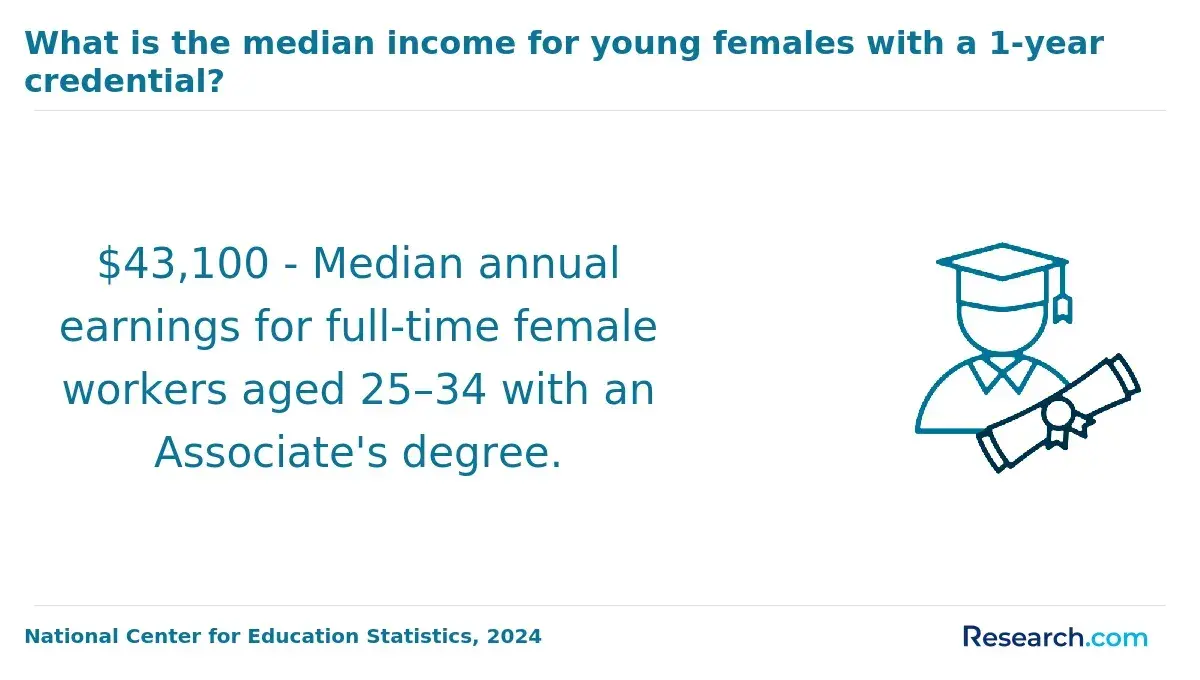
Recent 2024 findings from the National Center for Education Statistics reveal that fully online biomimicry degree programs face the steepest hurdles in student retention and completion, with rates significantly lower than both campus-based and hybrid formats. Campus programs benefit from immersive, face-to-face experiences and structured environments that support ongoing motivation and skill development, often pushing completion rates higher. Hybrid formats provide a compromise, blending online flexibility with in-person interaction, and tend to yield persistence figures closer to traditional campus programs, which is critical for students balancing work or family obligations.
The difference in completion across these formats is less about inherent difficulty and more about how each approach aligns with individual needs and external demands. For example, a working professional might struggle to stay engaged in a fully online program without in-person accountability or peer support, yet find a hybrid model manageable. This nuance underscores that program design elements-such as access to mentorship, cohort cohesion, and experiential learning opportunities-play pivotal roles in sustaining student commitment beyond the mode of delivery alone.
One biomimicry graduate recalls initially selecting an online program due to work constraints but quickly confronting challenges in maintaining consistent study routines amid distractions. They described feeling isolated and doubting their persistence until switching to a hybrid format that mandated biweekly campus visits. The blend of remote study and face-to-face sessions provided a rhythm and community that restored their motivation, illustrating how format choice must consider more than convenience, factoring in personal discipline and support preferences.
How Does Each Biomimicry Learning Format Affect Student Success?
Student success in a biomimicry degree heavily depends on how well the chosen learning format suits an individual's study habits, time availability, and life demands rather than the format by itself. For instance, a full-time worker with family commitments may find hybrid or online models more manageable, whereas someone seeking immersive peer engagement might excel on campus. Recent data from the National Center for Education Statistics in 2024 illustrates notable differences in completion rates tied to learning modes. Below are key considerations that elucidate how each format can shape academic outcomes.
- Engagement and Interaction Opportunities: Campus learning naturally cultivates direct, face-to-face interaction with instructors and classmates, which enhances motivation and accountability for many. Students who thrive on real-time feedback and social learning often complete biomimicry degrees more successfully on campus.
- Flexibility Versus Structure Balance: Hybrid programs offer a middle ground, blending remote study with in-person sessions. This flexibility helps students who juggle work or family responsibilities maintain progress without sacrificing all the benefits of on-campus resources.
- Isolation Risk and Support Access: Fully online learners face higher dropout rates due to potential feelings of isolation and limited spontaneous academic support. However, programs leveraging strong virtual advising and community efforts can mitigate these challenges and improve completion prospects.
- Time Management Demands: Online formats require disciplined self-regulation and effective time management. Students lacking these skills may struggle to keep pace, while those confident in autonomous study environments can use this format to accelerate degree completion.
- Resource Availability and Usage: On-campus students typically access library, lab, and counseling services more readily, reinforcing learning and retention. Hybrid students benefit to a lesser extent, while online learners depend heavily on digital resources and the institution's capacity to provide comprehensive virtual support.
- Commitment and Accountability Mechanisms: Structured schedules in campus and some hybrid programs foster consistent engagement. Online formats demand increased self-motivation, making peer and advisor connections critical to maintaining momentum in complex interdisciplinary fields like biomimicry.
- Demographic Suitability and Life Circumstances: NCES data shows campus completion rates outperform online by roughly 15 percentage points in 2024, reflecting differing suitability for diverse student populations. Those with stable schedules or local access excel on campus, while students balancing external obligations often achieve better persistence in flexible formats.
How Does Enrollment Status Affect Biomimicry Completion Rates?
Enrollment status is a pivotal factor influencing completion rates in biomimicry degree programs, yet its impact extends beyond merely the number of courses taken each term. Whether students choose full-time or part-time enrollment reflects their broader life responsibilities, support systems, and learning preferences. This means the best enrollment pace varies by individual circumstance rather than a one-size-fits-all approach. The following points clarify how this choice affects degree completion outcomes.
- Access to institutional resources: Full-time students generally gain more consistent access to academic advising, campus facilities, and faculty interactions. This direct engagement helps clarify program requirements and keeps momentum, benefiting those without extensive outside commitments. Part-time students may miss out on these benefits due to limited scheduling and campus presence.
- Time management and persistence: Full-time enrollment fosters a structured schedule conducive to steady progress. Students engaged full-time maintain focus and minimize distractions, which contributes to a 25% higher completion rate compared to part-time peers, according to recent national research. Part-time students must balance coursework with work, family, or other obligations, testing their ability to sustain motivation over longer periods.
- Online versus campus flexibility: Online biomimicry programs can slightly narrow the completion gap between full-time and part-time status by offering scheduling flexibility. Part-time online learners often manage responsibilities better but face challenges in maintaining consistent engagement without the campus structure that supports full-time students. Hybrid programs blend these effects, offering support plus convenience.
- Impact of external responsibilities: Part-time enrollment often accommodates work or family roles but also prolongs the pathway to degree. Students with heavy external demands need to weigh the risk of attrition due to schedule conflicts and reduced peer interaction against the feasibility of full-time study.
- Support mechanisms for part-time students: Institutions offering cohort-based learning communities and strong advising can improve persistence among part-time biomimicry students. Intentional academic support helps offset the risk factors associated with prolonged enrollment and isolation.
- Financial and career implications: Full-time enrollment may incur higher immediate costs but typically leads to quicker entry into the workforce or advanced roles, while part-time paths stretch expenses and delay earning potential. Students should consider long-term outcomes when setting their pace.
- Program completion rates by enrollment type: Data from reputable national education research underscores consistent trends in biomimicry program completion rates by enrollment type. Full-time students complete degrees at significantly higher rates across online, hybrid, and campus formats, a factor prospective students should weigh alongside personal circumstances when planning their studies.
For those balancing life commitments but aiming to expedite credentialing, exploring accelerated online MFT programs may provide insight into how structured pacing and flexibility combine to support completion without sacrificing quality or career readiness.
Can Transfer Credits Improve Biomimicry Degree Completion?
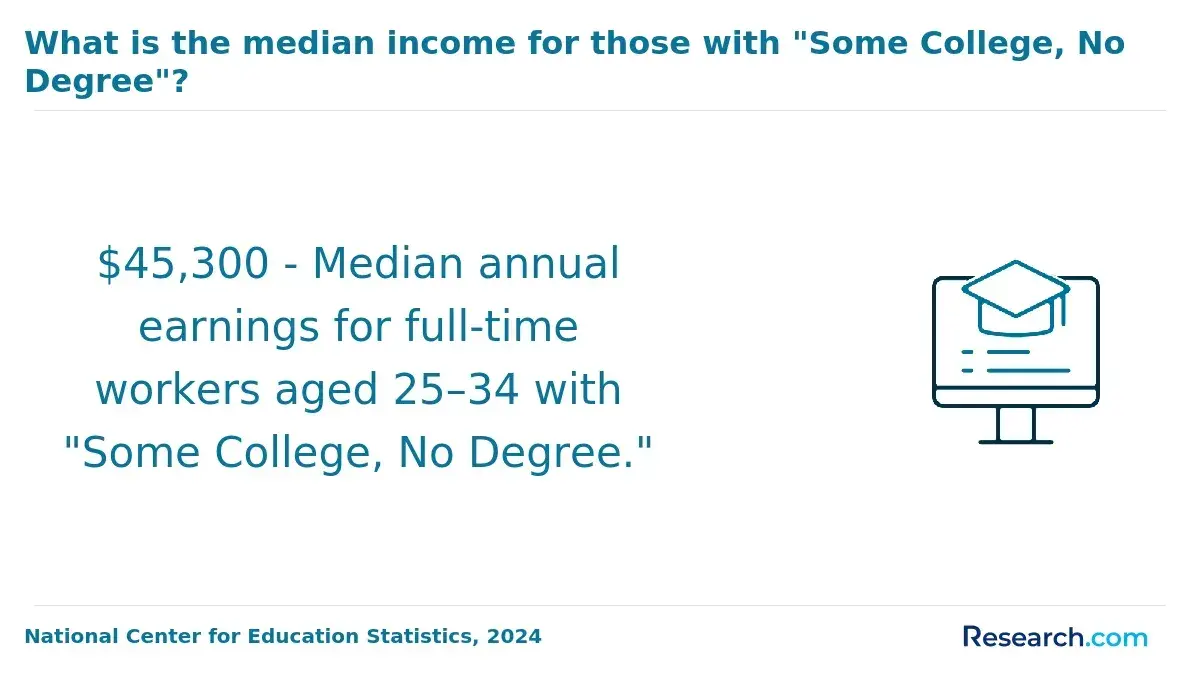
Transfer credits can significantly impact the time it takes to complete a Biomimicry degree, but the extent of this advantage varies depending on multiple factors. According to recent data from the National Student Clearinghouse Research Center (2024), students who apply transfer credits graduate at rates about 15% higher than those without any transferred credits. This improvement is largely due to reducing redundant coursework, allowing students to focus on more advanced, discipline-specific classes.
For learners entering a Biomimicry program with prior college credits, military education, or professional training, these transfer credits can shorten the journey to graduation by fulfilling general education or foundational science requirements. This is especially beneficial for online students balancing jobs or family responsibilities, as it reduces both the financial burden and the risk of falling behind due to time constraints.
Hybrid students may see moderate benefits, leveraging transfer credits while still accessing face-to-face support that enhances retention. Campus-based programs usually have stricter degree structures, making it harder for some transferred credits to fit exactly, which limits the acceleration benefit for those students. Therefore, transfer credits do not guarantee faster completion for everyone; how much time a student saves depends largely on credit relevance, program flexibility, and institutional policies.
Prospective students should carefully review how their previously earned credits align with the specific requirements of the Biomimicry program they wish to enter. Obtaining an official credit evaluation before enrollment is critical, as this clarifies which credits will be accepted and how many remain to graduate. Comparing remaining credit requirements against the intended course load and schedule will provide a realistic view of potential time savings.
Ultimately, while transfer credits are a valuable asset for many students to accelerate degree completion, they represent just one element within a broader set of academic and personal factors influencing success. Thoughtful planning and thorough evaluation of transfer policies are essential to leverage this advantage effectively in Biomimicry program completion.
What Student Support Services Improve Biomimicry Completion Rates?
Student support services are pivotal in bridging the gap between enrollment and graduation for biomimicry degree seekers, with notable distinctions by program format. Evidence from the 2024 National Center for Education Statistics demonstrates that targeted advising and early interventions can enhance STEM retention rates by up to 15%, underscoring the importance of tailoring support to student circumstances. Below are key services that materially affect completion outcomes across online, hybrid, and campus biomimicry programs.
- Personalized Academic Advising: Consistent, one-on-one academic guidance helps students navigate complex curricula and make informed course choices, which is especially critical in a specialized field like biomimicry.
- Proactive Outreach and Early Alerts: Systems that identify struggling students and trigger timely outreach have been shown to maintain motivation and prevent dropout, with hybrid programs benefiting from a mix of automated and human checks.
- Accessible Tutoring Services: Whether online or in-person, subject-specific tutoring reinforces challenging concepts while building confidence, which is crucial for technical STEM disciplines.
- Peer Study Groups and Workshops: Collaborative learning environments foster accountability and deepen understanding. Campus students tend to gain more from real-time group interactions, while online students rely on virtual communities to fill this gap.
- Robust Technological Support: For online learners, seamless access to platforms and resources reduces cognitive load tied to technology navigation, allowing focus to remain on mastering biomimicry content.
- Career Services Integration: Tailored career planning and employer engagement prepare students for post-graduate opportunities and help maintain educational relevance through practical alignment.
One online biomimicry graduate recalled initially struggling with self-discipline and feeling isolated despite the convenience of remote study. The turning point came through weekly video chats with an academic advisor who provided both tactical study plans and emotional encouragement. This connection made the difference between nearly quitting and completing the program. Access to a virtual peer forum also helped recreate a sense of community, which she described as "vital to staying engaged when the campus was just pixels on a screen." This experience highlights how multidimensional support, beyond basic content delivery, directly influences persistence and ultimately degree completion.
How Do Biomimicry Completion Rates Affect Career Outcomes?
Completion of a biomimicry degree significantly shapes career prospects by serving as a strong indicator of persistence and mastery of relevant skills. Data from 2024 confirms that bachelor's degree completion is linked to improved employment stability and wage growth in STEM fields, a category that includes biomimicry. This connection underscores the importance of navigating the distinct challenges of each program format, as these can influence the likelihood of finishing the degree and, ultimately, the long-term career trajectory. Below are key ways degree completion impacts career outcomes in biomimicry.
- Higher Employment Security and Earnings Over Time: Completing a bachelor's degree in biomimicry correlates with better job stability and salary increases compared to partial study. Persistence through graduation signals to employers a candidate's knowledge depth and reliability. Students committing to finishing the program, regardless of format, tend to be better positioned to negotiate roles with higher compensation and benefits: Employers value degree completion as proof of skill mastery and dedication, which translates into greater job security and earning power. This advantage is especially important in competitive STEM sectors where foundational expertise cannot be assumed from incomplete credentials.
- Access to Specialized Roles and Graduate Study Opportunities: Graduates who finish biomimicry degrees gain eligibility for niche positions requiring advanced understanding and sometimes for graduate programs that demand full undergraduate completion. The ability to progress into specialized functions within sustainable design or bio-inspired innovation hinges on holding a completed credential recognized by industry and academia. Completion enables access beyond entry-level jobs into roles with complex responsibilities and research opportunities. Students aiming for further academic credentials or R&D jobs benefit most from this pathway.
- Impact of Program Format on Completion Likelihood and Early Career Outcomes: Campus-based biomimicry programs generally report higher completion rates due to immersive learning environments and direct faculty support, enhancing early employability. Hybrid programs strike a balance by offering flexibility with some in-person engagement, while online degrees increase accessibility but often see lower completion tied to reduced real-time interaction. This dynamic means students must weigh format-related risks carefully. For example, a working professional might prefer hybrid learning to maintain employment while pursuing advancement without interrupting income, even if this entails moderate challenges to completion.
- Demonstrated Perseverance and Professional Readiness in Employer Evaluations: Employers frequently consider the mode and completion of education when assessing a candidate's readiness. Completing more rigorous or traditional formats often signals resilience and adaptability-traits prized in collaborative and applied biomimicry work environments. Students overcoming the demands of campus or hybrid settings can gain an edge in sectors valuing teamwork and hands-on skills, while online completers must proactively build networks to offset engagement gaps.
Addressing the risks associated with each format, especially regarding completion rates, is crucial as students evaluate programs. For those interested in hybrid options with a balance of flexibility and support, researching available degrees-such as certain biomimicry and related science programs-can be aided by resources like the photography degree online listings, which provide comparative insights into online learning structures.
- Biomimicry degree completion rates and career success
- impact of biomimicry program format on job prospects
How Should Students Choose the Best Biomimicry Learning Format?
Choosing the best biomimicry degree format for student success requires aligning personal circumstances with the unique demands and benefits of online, hybrid, or campus programs. Recent 2024 data from the National Center for Education Statistics reveal that student characteristics such as work commitments and learning preferences significantly affect degree completion rates across these formats. Selecting the right mode is crucial to maintaining motivation and managing external pressures over the course of the program. Consider these key factors when choosing your format:
- Flexibility Versus Structure: Online programs offer unmatched scheduling flexibility, ideal for students juggling work or family, but they require strong self-discipline to avoid lower completion rates. Campus programs provide structured environments with set schedules, which help maintain consistent progress but demand more onsite time commitment.
- Access to Hands-On Learning: Biomimicry often involves applied research and lab work; campus settings provide immediate access to these resources, critical for mastery. Hybrid programs can blend remote theoretical learning with periodic lab visits, balancing convenience and practical experience.
- Peer Interaction and Support: Face-to-face engagement on campus fosters collaboration and immediate feedback, improving retention. Online students might face isolation; hybrid formats can mitigate this by incorporating both virtual and in-person networking opportunities.
- Technology and Resource Availability: Reliable internet and access to specialized software or databases are essential for successful online or hybrid study. Students lacking these may find campus programs more conducive to uninterrupted learning.
- Long-Term Career Goals: Some employers prioritize candidates with hands-on experience, more readily gained through campus or hybrid programs. Those aiming for flexible career paths or advanced remote roles might benefit more from online learning.
- Personal Motivation and Time Management: Students with high self-motivation tend to excel in online formats, while those needing external accountability might prefer campus or hybrid structures.
- Financial and Logistical Considerations: Cost differences and commuting constraints often influence format choice. Veterans seeking adaptable pathways might explore a veteran friendly online cybersecurity degree as an example of how targeted online programs can support diverse learners.
Ultimately, prospective students evaluating biomimicry programs should reflect on these factors in light of their individual situations to enhance completion likelihood and ensure their chosen format supports both education and career trajectories.
What Are the Long-Term Pros and Cons of Each Biomimicry Learning Format?
Choosing between online, hybrid, and campus formats for completing a biomimicry degree involves weighing distinct long-term impacts on completion rates and career outcomes. Recent 2024 data from government and educational research highlight that each path carries unique advantages and challenges, influencing student success differently. Consider these key factors when deciding which format aligns with your personal and professional priorities.
- Completion Rates and Accountability: Campus programs boast the highest completion rates due to structured schedules and immediate faculty interaction. Hybrid formats follow, leveraging periodic in-person sessions to boost retention, while online learners often face higher attrition related to motivation and engagement challenges.
- Flexibility and Life Balance: Online formats offer unmatched scheduling flexibility ideal for working professionals or caregivers. Hybrid programs provide a balance of flexibility with some on-campus immersion, whereas campus formats require fixed time commitments that may constrain nontraditional students.
- Networking and Career Support: Campus students benefit from richer networking opportunities and direct access to career services, accelerating job placement. Hybrid students gain moderate networking advantages, while fully online learners typically encounter more limited peer and faculty connections.
- Learning Style Compatibility: Hands-on learners often prefer campus labs and face-to-face collaboration. Hybrid formats support diverse learning preferences by combining online material with in-person activities. Self-motivated learners comfortable with independent study may thrive online but should prepare for less immediate feedback.
- Long-Term Employability Outcomes: Studies from recognized accredited institutions show campus and hybrid graduates generally secure biomimicry roles faster than online-only graduates, partly due to better access to internships and mentorships embedded in these formats.
- Accessibility Considerations: Online programs expand access to students in remote or underserved areas, overcoming geographical barriers. Campus options might limit access for those with relocation constraints, while hybrid programs can offer regional flexibility if structured well.
- Practical Skill Acquisition: In-person interactions facilitate hands-on experience crucial for biomimicry's applied science aspects. Hybrid approaches integrate these experiences with digital resources effectively, whereas online-only students might need supplementary efforts to gain similar practical skills.
References:
- The Top 50 Biomimicry Examples and Inventions of All Time https://www.learnbiomimicry.com/blog/best-biomimicry-examples
- Biomimicry Professional Program - Biomimicry 3.8 https://www.biomimicry.net/what-we-do/professional-training/b-professional-certification/
- [PDF] Integrating Biomimicry in STEM Lessons: - UTUPub https://www.utupub.fi/bitstreams/709f8974-c172-4e9c-b13e-d3c3d5dfc8bf/download
- Innovation Fact 13 – Learn from the best: biomimicry | Creax https://creax.com/innovation-fact/innovation-fact-13-learn-from-the-best-biomimicry/
- Education, Biomimicry and becoming better beings https://emergentthinkers.com/2019/05/01/education-biomimicry-and-becoming-better-beings/
- Professional Training: Become a Biomimicry Specialist https://biomimicry.net/what-we-do/professional-training/b-specialist-certification/
- accredited programs — Biomimicry New England https://www.biomimicryne.org/accredited
- Learn Biomimicry, the global education platform for nature-inspired innovation https://asteria.life/post/learn-biomimicry-the-global-education-platform-transforming-innovation-through-nature-inspired-strategies
- Graduate Certificate in Biomimicry - Online Programs Availabe https://www.graduatecertificate.org/programs/biomimicry/
- BioLearn https://biolearn.eu/en/future/teacher-support/why-teach-biomimicry
Other Things You Should Know About Biomimicry
Campus-based biomimicry programs tend to have more immersive and time-intensive schedules, including lab work, field studies, and face-to-face collaboration. This structure can increase completion rates for students who thrive under consistent deadlines and direct access to faculty but may overwhelm those balancing work or family commitments. For students prioritizing steady progress in a controlled environment, campus formats may encourage higher completion, whereas those needing flexible pacing might find campus demands challenging, risking lower completion rates.
Hybrid biomimicry programs offer a balance of online coursework with periodic in-person sessions, facilitating relationship-building with peers and mentors that purely online formats often lack. This intermittent face-to-face interaction can improve accountability and motivation, positively impacting completion rates. However, the limited frequency of direct engagement may still fall short for students who benefit from daily campus immersion, making hybrids ideal for self-directed learners comfortable managing intermittent support.
Online biomimicry programs provide unmatched scheduling flexibility, which can improve persistence for students balancing external responsibilities. Still, a lack of hands-on experiences typical in biomimicry research can diminish practical skills and engagement, factors linked to dropout and delayed completion. Students prioritizing timely degree completion and strong experiential learning should carefully assess whether online programs sufficiently incorporate labs, simulations, or partnerships that replicate campus-based practical components.
Completion rates in online biomimicry programs tend to improve when curricula integrate synchronous sessions, active project work, and industry-relevant applications. Programs emphasizing regular instructor interaction and cohort-based progress foster accountability critical for completion. Students should prioritize online degrees that combine flexibility with structured milestones and real-world assignments, balancing independence with engagement to navigate common online attrition risks effectively.