2027 Biomimicry Degree Growth by State: Where Interest Is Rising the Fastest

Co-Founder and Chief Data Scientist
States with rapid biomimicry degree enrollment growth reveal complex intersections of economic opportunity, regulatory support, and educational access that shape this emerging field's regional appeal. For example, increased online program availability responds to adult learners balancing work and study, a shift underscored by the Department of Education's 2024 report highlighting a 20% rise in flexible graduate program enrollments nationwide.
This trend enables prospective students in fast-growing states to pursue biomimicry without geographic constraints, aligning with labor markets valuing interdisciplinary innovation. Understanding these dynamics helps clarify where rising interest signals robust career pathways versus areas where growth faces systemic limits.
Key Things to Know About the State Where Biomimicry Degree Interest Is Rising the Fastest
- Rapid enrollment growth in California aligns with its robust clean tech economy, signaling strong employer demand but also heightened competition for jobs due to market saturation.
- Texas shows increased adult learner participation driven by expanded online biomimicry programs, offering timing flexibility but often requiring greater self-direction and tech proficiency.
- Florida's regulatory emphasis on sustainable development incentivizes institutional expansion, yet variable state funding creates unequal access, affecting local candidate pipeline consistency.
- Which States Are Seeing the Fastest Growth in Biomimicry Degree Enrollment? States Seeing the Fastest Growth in Enrollment
- What Does Enrollment Growth in Biomimicry Programs Actually Tell Prospective Students? Interpreting Enrollment Growth
- How Do Regional Job Market Conditions Drive Biomimicry Degree Demand by State? Role of Regional Job Market Conditions
- Which States Have Added the Most New Biomimicry Degree Programs in the Last Five Years? States That Have Added the Most Programs
- How Has the Rise of Online Education Changed Which States Lead in Biomimicry Program Interest? Role of Online Education in Increased Program Interest
- What Demographic Trends Are Fueling Biomimicry Degree Growth in Specific States? Demographic Trends Fueling Growth
- How Do State Funding Levels for Biomimicry Services Influence Degree Program Growth? Role of State Funding Levels
- Which States Are Emerging as Unexpected Leaders in Biomimicry Degree Interest? States Emerging as Unexpected Leaders in Growth
- How Does State Population Size Affect the Interpretation of Biomimicry Degree Growth Data? Role of State Population Size
- What Role Do State Licensing Requirements Play in Driving or Suppressing Biomimicry Enrollment? Role of State Licensing Requirements
Which States Are Seeing the Fastest Growth in Biomimicry Degree Enrollment?
Growth in biomimicry degree enrollment is not simply a reflection of rising interest in sustainability; it maps closely to economic sectors and regional priorities that influence workforce demand. Across the United States, enrollment increases concentrate in states where institutional offerings align with local industry needs and policy frameworks support innovation in sustainable design.
Prospective students should weigh how these geographic enrollment patterns correspond to real-world employment prospects and the practical challenges of program access, especially when considering graduate-level credentials or flexible formats like accelerated bachelor's degrees.
- California: California leads in enrollment growth driven by its expansive green technology sectors and competitive university programs combining biomimicry with engineering and design. This creates a dynamic job market for graduates but also intensifies competition and cost-of-living tradeoffs for students in these hubs.
- Massachusetts: The concentration of research universities and biotech industries in Massachusetts makes it a hotspot for biomimicry interest linked to R&D rather than only design applications. This environment fosters close ties between academia and industry, offering graduates direct pathways into innovation-driven roles but often demanding rigorous research skills.
- Michigan: Michigan's growth highlights how traditional manufacturing and automotive sectors are integrating biomimetic principles to gain sustainability and efficiency advantages. For students, this suggests opportunities in applied industrial roles, but also necessitates navigating evolving certification and credentialing requirements within manufacturing settings.
- Oregon: Oregon's increase stems from progressive environmental policies promoting biomimicry in forestry management and urban planning. Those focusing on policy-driven sustainability fields may find targeted educational programs here, with a strong emphasis on practical application in public and private sector projects.
- Texas: Texas reflects a balance between its expanding clean energy initiatives and more conservative regulatory contexts, producing moderate biomimicry enrollment growth. Students and career changers should consider how regional policy variability might affect employer expectations and the adoption of biomimetic innovations post-graduation.
While these states show the fastest biomimicry degree enrollment growth by state, this momentum underscores regional disparities in economic and institutional support systems. Subsequent sections will evaluate the economic drivers and institutional program differences shaping these trends.
This insight is critical for students flexible in their location, helping them prioritize programs that not only reflect rising enrollment but also align with long-term workforce demands and licensing realities across diverse geographies. For those aiming to accelerate credential completion, it is advisable to compare how regions accommodate varied pathways such as accelerated bachelor's degrees within biomimicry education.
What Does Enrollment Growth in Biomimicry Programs Actually Tell Prospective Students?
Rising enrollment in biomimicry degree programs often creates an impression of growing opportunity, but this metric alone does not guarantee program quality or positive career outcomes. Students must critically assess how this growth relates to actual educational value and alignment with labor market demands before committing time and resources.
Raw enrollment figures provide a starting point but omit crucial factors that shape student success and employability. Enrollment gains driven purely by aggressive recruitment or lowered admissions can mask underlying issues, whereas growth tied to selective admissions and workforce relevance often signals stronger programs.
- Retention: Sustained student engagement reflects curriculum strength and effective academic support, distinguishing programs that nurture rather than merely attract students.
- Graduation Rates: High completion rates within expected timeframes indicate that programs realistically prepare students, whereas low rates signal potential misalignment between program demands and student readiness.
- Job Placement Outcomes: Placement data links academic growth with actual demand; graduates securing relevant roles demonstrate that enrollment expansion corresponds to real-world employer needs.
- Admissions Standards: Lowered thresholds to boost numbers risk diluting academic rigor and credential value, while selective admission aligns better with workforce skill requirements.
- Employment Market Fit: Regional job market analysis reveals whether enrollment growth matches employment opportunities, a critical consideration for those willing to relocate.
- Direct Feedback: Connecting with current students and alumni uncovers qualitative insights into program strengths and weaknesses that raw numbers cannot convey.
How Do Regional Job Market Conditions Drive Biomimicry Degree Demand by State?
Variations in regional job market conditions substantially shape enrollment trends in biomimicry degree programs, as prospective students closely evaluate state-specific employment prospects before committing to graduate study. States with expanding healthcare systems, growing public sectors, and increased school district hiring frequently indicate higher demand for biomimicry expertise, which often aligns with environmental innovation and sustainable infrastructure roles.
Additionally, employer incentive initiatives and workforce development programs at the state level can amplify interest by underscoring viable career pathways and strengthening economic support ecosystems. These workforce dynamics influence not only graduate enrollment but also affect practicum placement availability and graduate salary potential, making geographic considerations critical for candidates balancing educational investments against labor market returns.
- California: The state's flourishing healthcare industry, alongside vigorous green technology growth, fosters demand for biomimicry-trained professionals, with public and private sectors benefitting from incentives targeting sustainability and renewable industries.
- Texas: Expansion in public sector projects and school district recruitment drives labor market growth for biomimicry-related roles focused on environmental engineering and sustainable development, backed by state-backed employer programs.
- Washington: Strong environmental policies coupled with technology and public health growth create opportunities for biomimicry practitioners, supported by incentives designed to attract careers in green innovation fields.
- Massachusetts: A concentration of healthcare and research institutions generates stable demand for biomimicry professionals, particularly in medical design and urban sustainability, influencing professional credentialing and enrollment trends.
- Colorado: Commitment to public sector sustainability and renewable energy translates to expected growth in biomimicry occupations, encouraging alignment of education with these emerging workforce priorities.
Prospective biomimicry degree seekers must examine labor market projections and local workforce development incentives in target states. Such analysis is crucial, as regional demand heavily impacts practicum availability and post-graduation salary negotiations, often making a notable difference in career trajectories.
An abundant job market typically offers richer internship opportunities and enhanced employer engagement, whereas limited growth regions may restrict outcomes despite strong programs. Balancing educational quality with labor market realities ensures that pursuing a degree-notably options like an EdD program-delivers tangible professional value within biomimicry and related fields.
Which States Have Added the Most New Biomimicry Degree Programs in the Last Five Years?
Growth in accredited biomimicry degree programs has concentrated in a handful of states where institutional responses align with local economic demands, regulatory environments, and funding landscapes. This uneven geographic expansion reflects how educational providers navigate workforce shortages, state incentives, and peer competition to shape program availability and specialization.
Students evaluating these options face tradeoffs between broader program choice, potentially higher financial aid rivalry, and differing curricular emphases on sustainability and innovation.
- California: The state evidences robust growth from both entirely new biomimicry programs and established universities augmenting online offerings. This expansion leverages state grants focused on sustainability education, making California a competitive arena but also a hotspot for prospective students targeting environmental sectors with significant employer demand.
- Massachusetts: Known for dense research ecosystems, Massachusetts sees growth predominantly through enrollment increases and new specialization tracks within existing programs. Competitive pressure among high-caliber institutions drives broader access and scholarship generosity here, yet places emphasis on innovation-driven credentials aligned with regional industry needs.
- Michigan: Workforce shortage designations in sustainable design and engineering have catalyzed fresh program launches and expansions backed by STEM funding. Michigan's initiatives respond directly to employer demand for professionals with biomimicry expertise, positioning its programs as pragmatic options where labor market alignment is explicit.
- Oregon: The state's environmental ethos underpins new biomimicry offerings and increased student intake, supported by sustainability grants and moderate tuition levels. Scholarship availability and favorable cost structures attract both local and nonresident students, balancing access with environmental mission-consistent education.
- Texas: Expansion focuses largely on hybrid and online biomimicry tracks within established institutions catering to an industrial need for sustainable design skills. The scale and diversity of Texas's student population prompt accelerated program scaling, though regional accreditation processes add operational complexity.
- Accreditation Incentives: Streamlined or supportive accreditation frameworks correlate with faster program growth by easing institutional barriers and spurring curricular investment.
- State Grant Funding: Targeted financial support linked to workforce development catalyzes program innovation and expansion, enhancing educational infrastructure that attracts talent.
- Workforce Shortage Designations: Recognized gaps in sustainability-related occupations motivate focused program development, improving graduates' employability in critical sectors.
- Competitive Pressure: Rival institutions provoke continual program adaptation-through new specializations or delivery modes-to capture emerging student segments and elevate institutional profiles.
- Student Impact: Increased program availability improves choice and niche specialization but intensifies competition for scholarships and affordable tuition. Prospective learners should carefully benchmark program curricula, costs, and financial aid across state offerings before final selection.
A recent graduate who navigated this evolving landscape recalls the challenges tied to timing and program availability during their application cycle. With rolling admissions and staggered announcements for new online biomimicry tracks primarily in California and Texas, they experienced hesitation about whether to commit early or wait to compare late-emerging options.
The lack of transparent timelines meant juggling course prerequisites and preparing application materials without full clarity on acceptance probabilities. This uncertainty underscored the importance of proactive communication with admissions offices and flexibility in geographic preferences. Ultimately, choosing the best online degree that balances early admission certainty with relevant specialization tracks proved decisive in shaping their practical readiness for local employer demands.
How Has the Rise of Online Education Changed Which States Lead in Biomimicry Program Interest?
The emergence of fully online biomimicry graduate programs has fundamentally shifted the traditional geography-based enrollment patterns, moving beyond the constraints of proximity and relocation. States with well-established, accredited online offerings like Oregon, Massachusetts, and California have become national hubs, attracting substantial out-of-state interest due to program prestige and favorable tuition models.
This geographic decoupling allows students from multiple regions-especially working professionals and career changers unable to relocate-to access programs previously out of reach, broadening their educational and professional options. However, this expansion introduces complexities, as state-specific licensure and credential recognition remain critical factors that students must evaluate carefully before enrolling in distant programs to ensure practical career applicability.
- Geographic Decoupling: Online program availability dissolves traditional local enrollment limits, enabling states hosting high-quality programs to serve a nationwide student base rather than just in-state applicants.
- State Leadership Shifts: Oregon, Massachusetts, and California stand out as leaders, leveraging their reputations and accreditation to attract disproportionate volumes of out-of-state learners.
- Tuition and Accessibility: Competitive tuition rates, particularly those offering in-state pricing to remote students, enhance marketability and spur interest beyond original state borders.
- Implications for Students: Expanded access benefits students unable to relocate, but careful verification of licensure restrictions is essential to avoid post-graduation credential obstacles.
- Program and Workforce Impact: States with strong online biomimicry education platforms gain greater influence in shaping regional labor markets and employer expectations within this evolving sector.
What Demographic Trends Are Fueling Biomimicry Degree Growth in Specific States?
Interest in biomimicry-related degree pathways tends to grow in states with strong STEM education systems, expanding clean technology industries, and access to biodiversity-rich environments that support research. Demographic trends such as higher concentrations of STEM students, research universities, and innovation-driven employers are creating favorable conditions for programs that combine biology, engineering, sustainability, and design.
Some of the states showing the strongest underlying demographic and workforce trends include:
- California: California continues to lead in STEM talent, research activity, and clean technology industries. Its large concentration of research universities, biotechnology firms, and sustainability initiatives creates strong demand for interdisciplinary fields such as biomimicry that connect biological sciences with engineering and product design.
- Massachusetts: Home to numerous research-intensive universities and innovation hubs, Massachusetts benefits from one of the nation's highest concentrations of STEM professionals. The state's strong life sciences and advanced manufacturing sectors support growing interest in nature-inspired engineering and materials research.
- Colorado: Colorado's growing aerospace, environmental science, and outdoor technology industries make it an attractive location for biomimicry-related education. The state's emphasis on sustainability and environmental innovation aligns closely with biomimicry's application in architecture, product development, and ecological design.
- North Carolina: North Carolina continues to expand its research ecosystem through biotechnology, engineering, and advanced manufacturing. Growth in research universities and innovation districts has increased demand for graduates with interdisciplinary STEM skills that integrate biology with technological problem-solving.
- Arizona: Arizona's investments in sustainability research, desert ecology, and advanced manufacturing have increased opportunities for biomimicry-inspired innovation. The state's unique ecosystems also provide valuable natural laboratories for studying biological adaptations that influence engineering and design.
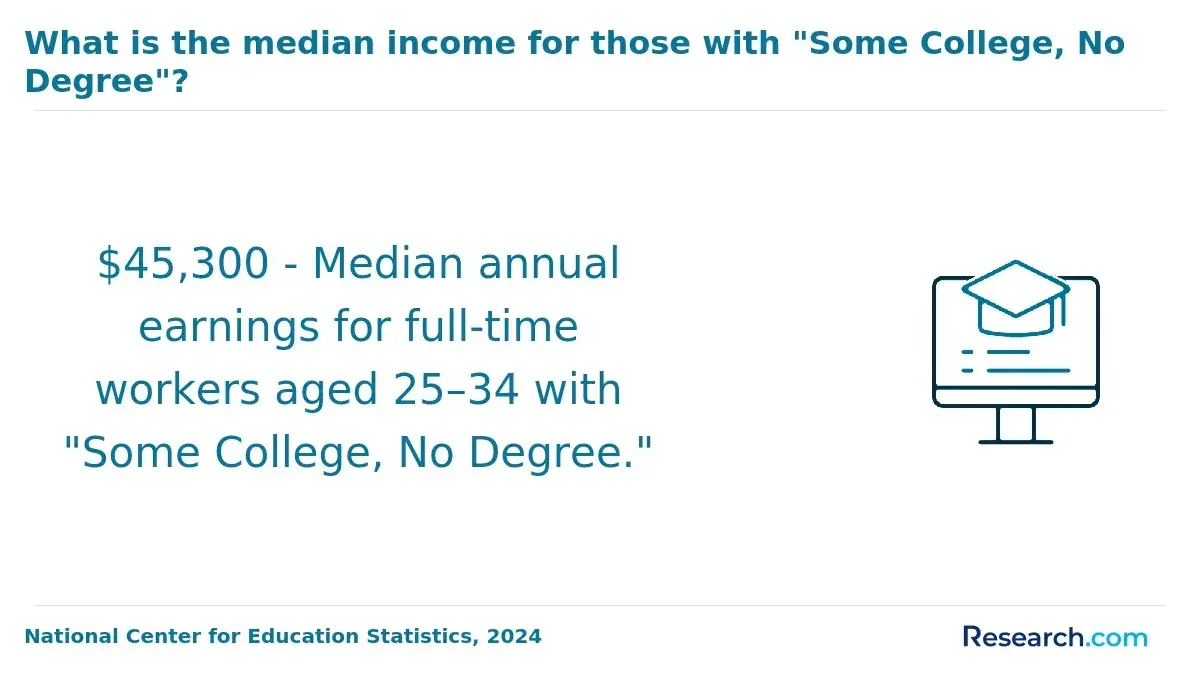
National demographic data also support the expansion of interdisciplinary STEM programs. According to the National Center for Science and Engineering Statistics (NCSES), White students accounted for 40% of science and engineering associate's degrees awarded in 2024, reflecting the continuing diversification of the STEM student population. A broader and more diverse pipeline of STEM students increases interest in emerging interdisciplinary fields that combine environmental science, engineering, architecture, and sustainable innovation.
How Do State Funding Levels for Biomimicry Services Influence Degree Program Growth?
States that allocate substantial public funding to biomimicry-related services directly shape the expansion and vitality of biomimicry degree programs within their borders. Robust Medicaid reimbursements, targeted block grants, and support for school-based mental health and community health centers establish a dependable employment foundation that attracts both students and academic institutions. This stable pipeline encourages program innovation and growth.
In contrast, states with chronic underinvestment often see stagnated program development and a steady outflow of graduates seeking stronger job markets elsewhere, creating a cycle that hinders local program viability and workforce retention. Prospective students should closely examine recent legislative actions affecting biomimicry funding in their target states, as these reflect long-term career support and resource access. Additionally, asking programs about graduate retention rates in-state after five years can provide insight into the durability of local employment connections.
- Investment: Significant state funding fosters a consistent demand for biomimicry professionals, motivating institutions to expand offerings and update curricula aligned with employer needs.
- Employment Retention: Well-funded states tend to retain more graduates, reducing talent loss and strengthening regional workforce depth.
- Program Development: Predictable public support signals to educational providers a sustainable market, encouraging new program launches and enhancements.
- Legislative Impact: Current state policy choices indicate how aggressively biomimicry careers will be supported, shaping the availability of jobs post-graduation.
- Graduate Outcomes: The proportion of alumni employed locally after several years is a critical metric reflecting program relevance and funding effectiveness.
A graduate recounted waiting anxiously during a phased admissions cycle when the program's funding uncertainties delayed official enrollment offers. Wanting to secure a spot yet needing to weigh geographic and financial implications tied to state funding prospects, they reached out multiple times for clarity on how fiscal policies might influence program expansion and job placement.
The intermittent updates heightened their urgency to commit but also underscored the importance of timing and informed decision-making amid varying funding landscapes. Their experience highlights the real-world tension many face when program growth and public investment interact unpredictably, affecting both admissions strategy and career planning.
Which States Are Emerging as Unexpected Leaders in Biomimicry Degree Interest?
Emerging interest in biomimicry degrees is reshaping traditional expectations about where these programs thrive, with several states showing unexpected enrollment growth that reflects diverse economic and policy dynamics rather than historical academic strength. For students targeting long-term career prospects in this niche field, understanding the sustainable factors versus transient spikes in demand is critical. Unlike established hubs, some states present tradeoffs involving program stability, labor market absorption, and funding continuity.
- North Carolina: North Carolina's rise on the list of fastest growing biomimicry degree states stems from strategic investments in green technologies and workforce initiatives within the Research Triangle. The interdisciplinary modules offered here integrate engineering and environmental science in ways aligned with regional industry needs, making this growth less dependent on short-term grants and more indicative of lasting employer demand.
- Oregon: Oregon's engagement growth is underpinned by a statewide commitment to environmental innovation and a flexible, project-based learning structure that appeals to working professionals. Pandemic-related funding accelerated initial enrollment, but ongoing integration with eco-industries suggests a durable expansion; students gain skills closely tailored to employer expectations, improving post-graduation outcomes.
- Kentucky: Kentucky's biomimicry interest appears more volatile. The sudden increase aligns with recent renewable resource policies and targeted incentives for clean tech companies, yet much growth traces to one-time legislative funding. Prospective students should weigh whether local policy will sustain program expansion and job openings beyond immediate grant cycles.
- New Mexico: New Mexico's new accredited biomimicry program complements workforce development efforts in ecological engineering and offers affordability and lighter admissions competition. However, local job market scale remains a question, as graduates may face limited employment unless regional industries expand accordingly.
Such emerging states often present less competitive admissions and cost-effective tuition, but these advantages come with risks if growth is tied to temporary legislative support. The timing of labor market absorption is crucial, as several programs report enrollment surges preceding clear employer demand, underscoring the importance of evaluating both program stability and local industry trends.
Prospective students who are geographically mobile might also explore how credential value compares across regions, balancing flexibility with market realities. For those considering related fields, pursuing a computer science degree online might present alternative pathways with broader established employer networks.
How Does State Population Size Affect the Interpretation of Biomimicry Degree Growth Data?
Interpreting biomimicry degree enrollment growth by state population size reveals critical distinctions that raw data alone obscure. A state adding 2,000 new biomimicry graduates annually may seem to dominate growth, but if that state has a massive population and a well-established professional base, the labor market may be saturated, limiting early-career opportunities.
Conversely, a smaller state adding 300 graduates could reflect a steep per-capita increase and significant unmet demand if its existing workforce is minimal. This per-capita perspective more accurately signals where genuine market expansion is occurring, helping prospective students and career changers assess where entry-level hiring prospects are strongest.
Evaluating market dynamics requires comparing the ratio of licensed biomimicry professionals to total residents. States below the national average ratio typically have undersupplied labor pools, thus offering stronger signals for workforce absorption. This approach accounts not only for growth but also for current saturation levels, which heavily influence employer hiring behavior and program interest. The impact of state population on biomimicry program interest is therefore a vital checkpoint for realistic career planning.
- Regulatory Complexity: Some states enforce stringent licensure or credentialing rules that constrain workforce growth despite rising enrollment.
- Institutional Presence: Regions with fewer established biomimicry programs may exhibit sharp relative growth yet lack the infrastructure to sustain long-term market development.
- Economic Drivers: Local industry demands and environmental policy priorities also shape the need for biomimicry expertise independently of population metrics.
What Role Do State Licensing Requirements Play in Driving or Suppressing Biomimicry Enrollment?
State licensing requirements decisively shape biomimicry enrollment by influencing how candidates weigh the effort and reward of entering this specialized field. When licensure pathways are transparent and streamlined, they not only reduce uncertainty but also align closely with employer expectations, making programs in those states more attractive to prospective students.
For example, a student comparing a state with a clear, well-documented biomimicry licensing process against another with shifting or ambiguous requirements is likely to choose the former, anticipating smoother post-graduation transitions and stronger hiring potential. Employers in states with robust licensure frameworks often factor licensing status heavily into hiring decisions, sometimes mandating it outright, which raises the market value of licensed biomimicry graduates.
Data from 2024 workforce surveys indicate that licensed professionals in biomimicry fields generally command salaries 10-15% higher than their non-licensed peers, reflecting employer preferences and regulatory market dynamics. This relationship creates a reinforcing cycle: well-established licensure fosters program expansion, which amplifies advocacy for clearer regulations and enhances institutional stability-further encouraging enrollment growth.
Conversely, excessive stringency or inaccessible licensing can deter applicants who see the hurdles outweigh career benefits, especially when alternative states offer easier reciprocity or less demanding requirements. Students, particularly those considering geographic mobility, should rigorously assess the entire post-degree licensing pathway before committing, including exam difficulty, experiential mandates, and licensure maintenance. Understanding these practical realities beyond degree prestige can reveal tradeoffs affecting employability and long-term career viability across regions.
- Licensure Clarity: Transparent licensing steps reduce candidate anxiety and promote informed decision-making when choosing graduate programs.
- Employer Expectations: Clear state licensure often translates into employer preference or requirement for licensed biomimicry professionals, increasing graduate marketability.
- Feedback Loop: Strong licensure frameworks stimulate program growth, which in turn supports policy advocacy and regulatory consistency.
- Stringency and Accessibility: Overly rigorous or opaque licensing discourages potential students, especially compared with states offering more navigable paths.
- Geographic Flexibility: Graduates intending to work across states must prioritize understanding varied licensing requirements to avoid future obstacles.
- Practical Considerations: Assessing exams, required experience, and license upgrading is crucial to fully gauge a program's value beyond academic reputation.
References
- accredited programs — Biomimicry New England https://www.biomimicryne.org/accredited
- Biomimicry: Learning from Nature's Genius https://www.graydi.us/blog/gray-insights/biomimicry-learning-from-natures-genius
- The Impact of State Actions https://www.opportunityatwork.org/topics/reports/the-impact-of-state-actions
- Top Biomimicry Master Programmes for 2025/2026 https://www.learnbiomimicry.com/blog/biomimicry-master-programmes
- Where Do College Degrees Still Matter in a “Skills-First” Job Market? - Indeed Hiring Lab https://www.hiringlab.org/2026/01/28/where-do-college-degrees-still-matter-in-a-skills-first-job-market/
- How Online Learning Has Changed Education | ACE Blog https://ace.edu/blog/how-online-learning-has-changed-education/
- Who actually benefits from an AI licensing regime?: Not the creators nor the UK https://britishprogress.org/reports/who-actually-benefits-from-an-ai-licensing-regime
- Professional Training FAQ - Biomimicry 3.8 https://biomimicry.net/professional_training_faq/
- The Level of Financing the Higher Education and Science Sector from Public Funds in Poland https://www.publicgovernance.pl/zpub/article/view/654
- What is a Biomimicry Degree & Where Can You Get One? - NatuR&D https://naturnd.com/updates/what-is-a-biomimicry-degree-where-can-you-get-one/
Other Things You Should Know About Biomimicry
In states where interest in biomimicry degrees is rising rapidly, employers often prioritize candidates with practical interdisciplinary skills that bridge biology, design, and sustainability sciences. These states typically have emerging industries focused on green technology, sustainable construction, and product design, creating a demand for graduates who can apply biomimicry principles to real-world challenges. Graduates should anticipate a competitive environment where internships and project-based experience weigh heavily, making program choice critical to ensure alignment with employer expectations.
The affordability of graduate education combined with living expenses significantly influences enrollment in biomimicry programs. In high-growth states, rising tuition often coincides with higher living costs, which can deter talent, especially mid-career professionals without employer sponsorship. Prospective students must weigh financial investment against local job market potential; attending a program in a lower-cost state might reduce debt but could limit immediate regional networking and job opportunities if the local industry is less developed.
Rising enrollment in a state signals developing academic infrastructure and employer interest but does not guarantee smooth job placement post-graduation. Students should prioritize programs with established industry connections and curricula tailored to current market needs over purely following enrollment trends. High-growth states may offer innovative opportunities, but program maturity and actual employer engagement often vary widely, impacting the value of the degree in practical terms.
Rural and underserved states experiencing workforce shortages often expand biomimicry programs through partnerships with local industries focused on agriculture, natural resource management, or ecological restoration. These programs usually emphasize applied research and community-based projects, which can offer meaningful hands-on experience but may have limited national recognition. Students should consider how a program's geographic and industrial context aligns with their career goals and whether they are prepared for potentially narrower initial job markets compared to graduates from urban-centric programs.