2027 Biomimicry Degree Outlook Through 2030: Enrollment, Salary, and Hiring Projections

Co-Founder and Chief Data Scientist
Prospective students evaluating biomimicry degrees must weigh enrollment growth against limited employer demand, as a 12% increase in program enrollment since 2023 has intensified graduate competition in a job market growing at roughly 5% annually. Current degree holders face a different challenge: stagnant salary movement within leading industries and shifting credential expectations may reduce the value of additional qualifications.
Educators encounter uneven geographic interest, with clusters concentrated in a few innovation hubs, risking regional oversupply. Hiring projections alone mask these nuances, while salary trends fail to reflect evolving interdisciplinary roles. This article examines biomimicry enrollment, salary patterns, hiring projections, industry demand, geographic opportunity, and emerging workforce changes through 2030 to support informed decisions.
Key Things to Know About the Biomimicry Degree Outlook Through 2030
- Increased enrollment rates in biomimicry programs reflect niche industry growth but also create a supply surge that may outpace specialized job openings, potentially driving more graduates toward interdisciplinary roles.
- Employer surveys in 2024 highlight a growing preference for biomimicry graduates with integrated data science skills, emphasizing a workforce shift favoring hybrid expertise over pure design backgrounds.
- Rising education costs combined with limited geographic program availability cause delayed entry into biomimicry careers, impacting career timelines and necessitating strategic planning by prospective students.
- Key Things to Know About the Biomimicry Degree Outlook Through 2030 Key Things to Know
- How is Biomimicry Degree Enrollment Expected to Change Through 2030? Enrollment Trends Through 2030
- How Many Biomimicry Graduates Will Enter the Workforce by 2030? Graduate Workforce Entry Projections
- What Are the Hiring Projections for Biomimicry Graduates Through 2030? Hiring Projections Through 2030
- Which Biomimicry Careers Will Experience the Most Job Growth? Fastest-Growing Career Paths
- What Is the Salary Outlook for Biomimicry Graduates Through 2030? Salary Outlook Through 2030
- Which Industries Will Hire the Most Biomimicry Graduates by 2030? Top Hiring Industries
- Where Will Demand for Biomimicry Graduates Be Strongest? Strongest Geographic Demand
- Which Biomimicry Specializations Will Be Most in Demand by 2030? Specializations
- How Will AI and Technology Affect Biomimicry Careers Through 2030? AI and Technology Impact
- Is a Biomimicry Degree Worth Pursuing Based on 2030 Projections? Degree Value Through 2030
How is Biomimicry Degree Enrollment Expected to Change Through 2030?
Projected growth of biomimicry program enrollment nationwide by 2030 is influenced heavily by the evolving labor market demand for interdisciplinary skills that bridge biology, engineering, and sustainable design. As employers increasingly prioritize applied problem-solving and systems thinking, programs that adapt to these workforce needs tend to exhibit stronger enrollment momentum.
However, prospective students should consider that this demand varies by institution type; well-established STEM programs with integrated biomimicry tracks are more likely to draw higher applicant volumes compared to emerging standalone biomimicry degrees, which face challenges in faculty capacity and program recognition. This dynamic creates a practical tradeoff where enrollment growth may boost specialization options and graduate supply in some regions but could limit program availability and increase admission competition in others.
The biomimicry degree enrollment trends in the United States through 2030 also reflect demographic shifts favoring environmentally conscious students seeking cross-disciplinary expertise. Online program expansions and specialized certificates contribute to attracting diverse learner populations, including working professionals looking for targeted upskilling. Yet, tuition pressures and funding constraints may temper growth, especially in programs competing with broader environmental science and bioengineering fields.
For students balancing affordability and career outcomes, exploring related areas such as medical billing and coding courses may offer alternative pathways aligned with increasing demand across healthcare systems while biomimicry programs continue to mature and align more closely with industry expectations. Enrollment changes carry implications for workforce supply, as too rapid an expansion risks graduate oversaturation in niche roles, whereas constrained growth might exacerbate workforce shortages in emerging sustainability sectors.
Educators and program planners should carefully calibrate class sizes and curriculum focus to maintain graduate quality and relevance. Stakeholders must interpret biomimicry degree enrollment projections cautiously, recognizing that these figures interact with broader STEM and sustainability education trends rather than existing in isolation, thereby shaping long-term career prospects and the sector's capacity to innovate sustainably.
How Many Biomimicry Graduates Will Enter the Workforce by 2030?
Assessing how many biomimicry graduates will enter the workforce by 2030 requires moving beyond graduation counts toward understanding market integration and role adaptability. Although enrollment in biomimicry programs is projected to grow annually by around 5-7%, this increase translates to only a few hundred graduates nationwide each year due to the field's niche status.
Many of these individuals pursue interdisciplinary careers in sustainability consulting, design innovation, or environmental engineering rather than pure biomimicry roles, which limits direct workforce absorption in biomimicry-specific positions. Furthermore, some graduates opt for advanced degrees or transition into adjacent sectors, making actual workforce entry more selective than degree completion numbers might suggest.
Current labor market data points to moderate job growth of 6-8% in relevant fields connected to biomimicry skills but does not guarantee parallel demand for specialists strictly trained in biomimicry. This dynamic creates a nuanced tradeoff for students: specializing narrowly may result in fewer direct job opportunities, while complementing biomimicry expertise with broader academic or practical skills can enhance employability across various sustainability-driven industries.
Estimates based on education and labor statistics anticipate that roughly 2,000 to 3,000 new biomimicry-trained professionals could enter the U.S. workforce over the next decade, reflecting a small but steady niche pipeline conditioned by market demand fluctuations and the graduates' adaptability to interdisciplinary roles.
What Are the Hiring Projections for Biomimicry Graduates Through 2030?
Hiring demand for biomimicry graduates through 2030 is moderate and subject to sector-specific fluctuations rather than robust or uniform growth. While employment in related fields such as environmental science and sustainable engineering is projected to rise-an 8% increase in environmental specialist roles per recent U.S. Bureau of Labor Statistics forecasts-this does not directly translate into abundant openings for biomimicry specialists.
Many positions emphasize interdisciplinary expertise combining biology, materials science, and design, often favoring candidates with broader sustainability or industrial design credentials. For instance, a graduate in a region with limited green technology firms may face tougher competition than peers in metropolitan areas investing in ecological innovation and corporate sustainability programs.
Prospective students should recognize that growth rates, such as the 5%-7% increase expected in materials engineering roles, reflect industry-wide trends rather than guaranteed access to biomimicry-specific roles. Job seekers relying solely on biomimicry credentials might encounter challenges due to the field's niche status and limited standalone hiring data. Employers increasingly value practical experience with sustainable materials and prototyping, alongside collaborative problem-solving skills.
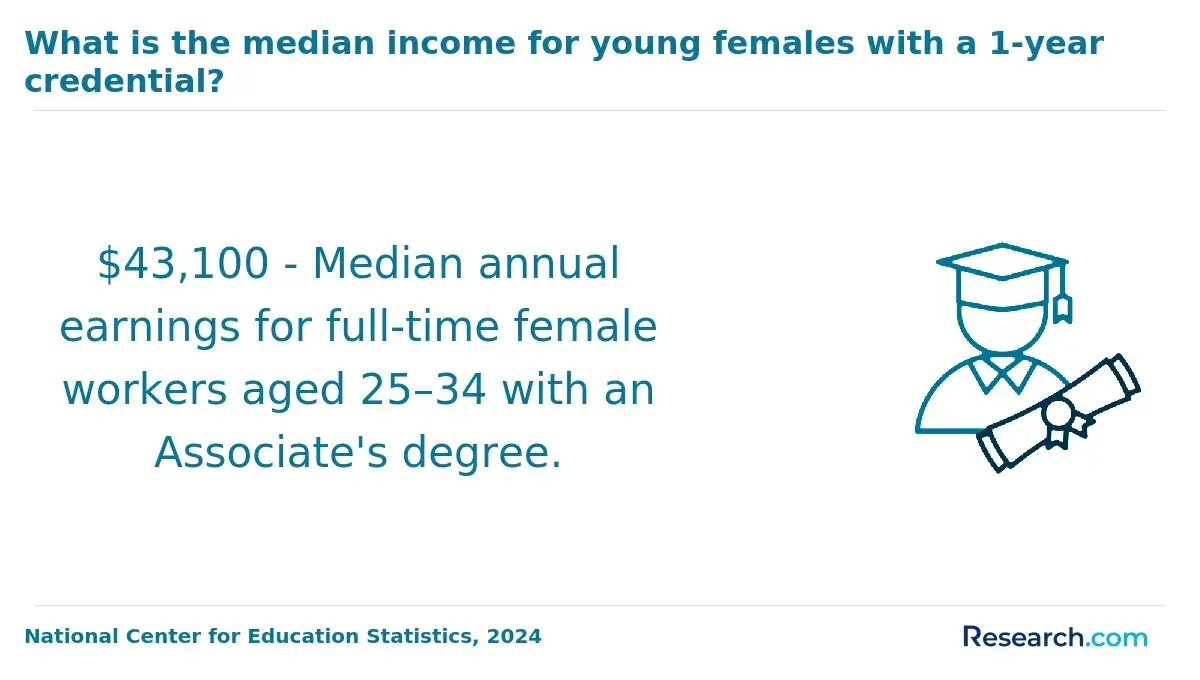
This means that supplementing biomimicry knowledge with capabilities in research methods, project management, or software tools relevant to environmental design can improve employability and help navigate a labor market where entry-level opportunities may remain constrained despite positive growth in allied sectors. Salary benchmarks for comparable environmental and design occupations range broadly from $60,000 to above $100,000 for senior professionals, underscoring variability depending on specialization and geographic location.
Although biomimicry graduates occupy a promising intersection of sustainability and innovation, their career stability hinges on adapting to evolving employer expectations and regional economic factors. Long-term viability will likely depend on blending biomimicry expertise with complementary skills that enhance versatility, enabling graduates to respond to shifting market demands and diversify their professional pathways beyond narrowly defined roles.
Which Biomimicry Careers Will Experience the Most Job Growth?
The biomimicry careers with highest job growth in the US through 2030 primarily concentrate in sectors where sustainability and innovation intersect with engineering and environmental design. Environmental engineers, projected by the U.S. Bureau of Labor Statistics to grow at a rate of 7%, exemplify roles benefiting from increasing regulatory demands and corporate pushes toward sustainable solutions. However, this percentage growth, while faster than average, translates into moderate absolute job openings compared to larger occupational groups, making geographic and industry-specific factors critical for candidates focusing on biomimicry-related employment.
Job seekers skilled in integrating biomimicry principles with product design and material science may find solid opportunities driven by a shift toward nature-inspired materials that enhance efficiency and reduce waste. Careers in biomaterials research, urban planning with ecological design elements, and renewable energy engineering offer niche but growing markets, each requiring a blend of technical proficiency and creative application of biological models.
For students evaluating educational paths, balancing these emerging roles against traditional sustainability fields-and considering the adaptability demanded by employers-will be essential. Prospective learners might assess programs known for strong interdisciplinary training, such as those offering sustainability combined with engineering or data skills. Some may explore options highlighted for transferable technical competencies through health information management programs online, which underscore the value of flexible skill sets in evolving job markets.
What Is the Salary Outlook for Biomimicry Graduates Through 2030?
Salary projections for biomimicry graduates through 2030 must be assessed alongside inflation trends, shifting labor demand, evolving credential requirements, and the dynamic nature of related occupations. The specialized nature of biomimicry means growth in compensation is closely tied to sectors adopting sustainable and innovative design practices.
Geographic variation and experience greatly influence earning trajectories, with mid-career professionals poised for significant gains if they align skills with emerging industry needs. Below are key factors shaping salary potential in this field.
- Sector Specialization: Salaries vary widely depending on whether graduates work in sustainable architecture, environmental consulting, or engineering. Roles in companies prioritizing circular economy models tend to offer higher premiums, especially when combined with technical expertise.
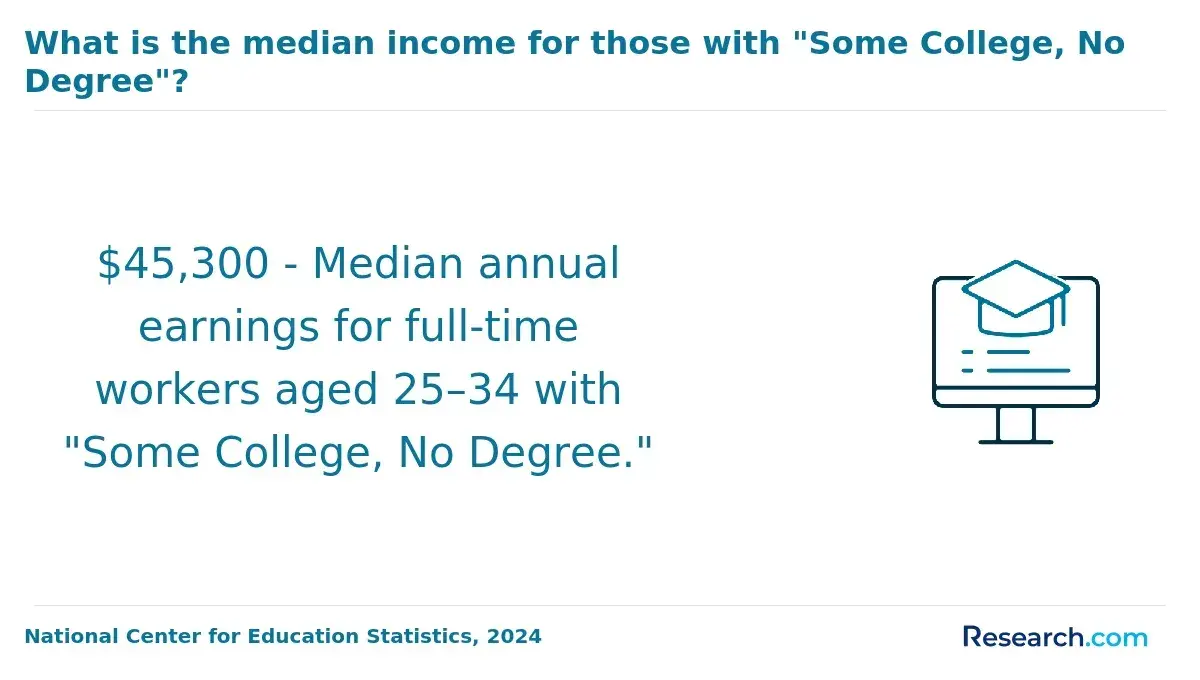
- Experience Growth Curve: Entry-level salaries typically start between $50,000 and $65,000, but those with five to ten years can expect median wages approaching $90,000, reflecting the value of applied interdisciplinary skills over time.
- Geographic Location: Compensation is heavily influenced by regional demand and cost of living, with urban centers and innovation hubs providing better pay but also higher competition for limited positions.
- Skill Integration: Graduates who augment biomimicry knowledge with data analytics, materials science, or engineering competencies often access broader opportunities and achieving salary advantages.
- Employer Expectations: Practical experience obtained through internships or project portfolios is a strong determinant of initial salary offers, highlighting the importance of demonstrated application over theoretical knowledge alone.
- Industry Demand Fluctuations: While growth is positive, hiring remains more constrained than in broader STEM fields, resulting in a competitive job market that tempers wage inflation, particularly for recent graduates.
- Regulatory and Innovation Drivers: Emerging policies promoting sustainability and increased corporate interest in bio-inspired solutions contribute to gradual upward salary pressure, though effects vary by sector and firm size.
Which Industries Will Hire the Most Biomimicry Graduates by 2030?
Projected demand for biomimicry professionals in key industrial sectors is shaped by the interplay of technological change, regulatory pressures, workforce replacement needs, and evolving sustainability imperatives. The industries poised to hire the most biomimicry graduates in the United States by 2030 reflect where these dynamics converge.
Employers increasingly seek graduates who combine biomimicry principles with technical skills, systems thinking, and practical expertise in sustainable innovation. Below are the key sectors expected to generate the strongest hiring demand through 2030.
- Renewable Energy: Firms specializing in wind, solar, and bioenergy require graduates who can design efficient, bio-inspired energy systems. Entry-level roles often emphasize systems integration and environmental impact mitigation. Skills in lifecycle analysis and energy storage technology improve employability in this competitive but growing sector.
- Sustainable Manufacturing: Companies adopting circular economy models value biomimicry graduates for product lifecycle innovation and waste reduction. Positions typically focus on material development, especially biodegradable alternatives. Expertise in material science combined with project management can enhance access to these expanding roles.
- Architecture and Built Environment: Biomimicry supports design of energy-efficient, climate-responsive structures. Job growth is driven by green building regulations and client demand. Graduates with knowledge of sustainable design certifications and performance simulation software are better positioned to secure opportunities.
- Biotechnology and Environmental Consultancy: These sectors recruit biomimicry graduates to assist in ecosystem restoration and bio-inspired product research. Roles demand cross-disciplinary understanding and strong analytical skills. Familiarity with environmental regulations and data analysis tools is advantageous.
- Advanced Materials Development: Increasing investment in bio-inspired materials and composites creates demand for specialized researchers and developers. Hands-on laboratory experience and collaboration with industrial partners strengthen career prospects in this niche but critical field.
While job growth in these areas is significant, hiring competition and specialization vary widely. Graduates should consider supplementing their biomimicry foundation with skills such as data analysis or regulatory knowledge to navigate this evolving landscape effectively. For those also interested in healthcare management, a complementary option includes pursuing an affordable online MBA healthcare management, which can further diversify career pathways.
Where Will Demand for Biomimicry Graduates Be Strongest?
Demand for biomimicry graduates will largely cluster in industries and regions where sustainable innovation intersects with established investment in green technologies. Coastal metropolitan areas like California and the Northeast benefit from mature sustainability ecosystems, yet their higher costs of living and competitive applicant pools may temper access for early-career professionals.
Conversely, emerging hubs such as Texas and Colorado present expanding opportunities tied to significant clean energy infrastructure projects, though these markets often require graduates to balance interdisciplinary skills with local credential expectations to stand out amid growing workforce supply. Industries poised to absorb biomimicry-trained talent extend beyond traditional environmental consulting to include biotech firms developing synthetic biology products and startups innovating in bio-inspired energy solutions.
However, roles in these sectors typically demand expertise beyond core biomimicry knowledge, encompassing data analytics, modeling, and project management. Median salaries in these fields tend to range from $60,000 to $95,000 for entry to mid-level roles, with premium compensation frequently concentrated in sectors where market-ready sustainable technologies are commercialized. Prospective students and degree holders should weigh the tradeoffs between localized job volume and broader industry specialization, especially since national averages mask considerable variation by sector and region.
The strongest opportunities often require navigating interdisciplinary demands and aligning skills with specific employer needs in competitive metropolitan labor markets or emerging regional clusters. Realistic career planning in biomimicry thus depends on targeted geographic and sectoral analysis rather than reliance on generalized growth trends or salary figures alone.
Which Biomimicry Specializations Will Be Most in Demand by 2030?
Employment projections through 2030 reveal that biomimicry specializations aligned with applied, sustainability-driven roles will face stronger employer demand than those focused primarily on theoretical or narrowly biological studies. Hiring managers emphasize candidates with practical skills such as computational modeling, cross-disciplinary collaboration, and product development experience.
For example, a prospective student evaluating specializations must weigh higher growth potential and salary premiums in biomimetic materials science against broader systems biomimicry roles focused on urban resource management, which may offer greater long-term career flexibility across sectors. Considering wage data and skill requirements from the U.S. Bureau of Labor Statistics and Lightcast underscores the importance of targeting interdisciplinary expertise and market-relevant competencies over purely academic credentials.
Core areas expected to lead demand include:
- Eco-Design and Sustainable Product Development: Growing emphasis on environmental impact reduction drives demand in manufacturing and architecture, requiring knowledge of sustainable materials and lifecycle analysis.
- Biomimetic Materials Science and Engineering: Roles developing self-healing polymers and bio-inspired composites benefit from cross-training in chemistry, mechanical engineering, and data analysis, supported by increasing industrial investment.
- Systems Biomimicry for Urban and Resource Management: Practical application of ecosystem-level design in climate resilience and circular economy initiatives, requiring systems modeling and adaptive planning skills.
- Computational Modeling and Prototyping: High employer value placed on translating biological principles into scalable solutions, demanding programming and CAD proficiency.
- Cross-Sector Collaboration and Innovation Management: Professionals adept at navigating multidisciplinary teams and innovation pipelines are increasingly sought after for complex problem-solving projects.
How Will AI and Technology Affect Biomimicry Careers Through 2030?
Artificial intelligence and automation are poised to augment rather than fully automate biomimicry roles by 2030, shifting routine and repetitive tasks toward machine-driven processes while elevating the value of interdisciplinary expertise. For example, while AI-driven simulation software accelerates material testing and environmental impact assessments, professionals with strong skills in interpreting AI outputs combined with biological knowledge will remain essential for developing innovative, sustainable solutions.
This implies that entry-level biomimicry roles focused solely on manual testing may contract, but demand will rise for those adept in hybrid competencies, including data analytics, design thinking, and domain-specific ecological insights, reflecting a technology-driven job growth in biomimicry fields through 2030. Hiring projections indicate employers increasingly prioritize candidates fluent in AI-assisted platforms alongside traditional biomimicry competencies, underlining the necessity for education and training programs to integrate computational biology and machine learning modules meaningfully.
Students and current professionals need to critically evaluate curriculum relevance, balancing advanced technical certifications with a solid foundation in natural sciences to avoid skill gaps that reduce employability. The evolving landscape also suggests a widening wage premium for AI-literate biomimicry experts due to scarcity and complexity, reinforcing that purely biology-focused credentials may limit career trajectories. Those navigating these transitions would benefit from applied projects and ongoing education targeting AI integration rather than purely automating technical skills.
Prospective students should consider interdisciplinary programs that reflect both traditional biomimicry and emerging technology fluencies to remain competitive in this dynamic market. This calculus parallels decisions in other fields where technology reshapes roles but does not eliminate the need for deep subject matter expertise. For related education pathways that balance cost and competencies, exploring the cheapest PMHNP programs online can offer insight into cost-effective, tech-enhanced program models adaptable to biomimicry career planning.
Is a Biomimicry Degree Worth Pursuing Based on 2030 Projections?
Choosing to pursue a biomimicry degree through 2030 involves weighing a relatively specialized yet slowly expanding job market against the costs and time required for completion. Enrollment trends indicate modest interest growth, but the field remains narrowly focused within environmental design and sustainable engineering sectors. Salary projections range from $60,000 to $80,000 annually, often linked to interdisciplinary roles that combine biology, design, and engineering, but this pay scale generally trails broader STEM opportunities.
Prospective students should consider how supplemental skills-such as data analytics or sustainability policy-can significantly enhance employability in this niche but competitive landscape. Hiring forecasts predict steady, moderate growth at about 3-5% annually, suggesting a cautiously optimistic outlook for biomimicry degree holders, though job availability is concentrated and often competitive. Graduates who lack cross-disciplinary proficiencies may face underemployment or slower salary progression, especially compared to other environmental or engineering degrees.
Students with limited career flexibility or fewer technical skills could find the tradeoff less favorable, especially given the risk of oversupply in some regions or sectors. This is a critical contrast to related fields like environmental science or engineering where broader market demand exists. Ultimately, students should align their goals with realistic expectations of this degree's scope and network effectively within sustainability communities to improve outcomes.
Those weighing biomimicry alongside other options might also explore fields like counseling through specialized programs, as outlined in resources such as the counselling degree analysis, to benchmark opportunities. Evaluating biomimicry degree career prospects in the US through 2030 requires thorough consideration of salary trends, hiring conditions, and graduate supply trends to inform a prudent, long-term educational investment.
References:
- Biomimicry Jobs and Careers, Explained https://www.learnbiomimicry.com/blog/biomimicry-careers
- Is AI Replacing You? Jobs at Risk of Disappearing by 2030! https://sbsedu.vn/blog/is-ai-replacing-you-jobs-at-risk-of-disappearing-by-2030/
- Biomimicry Professional Program - Biomimicry 3.8 https://www.biomimicry.net/what-we-do/professional-training/b-professional-certification/
- The power of Biomimicry in design https://www.louie.pro/post/the-power-of-biomimicry-in-design
- AI will perform most work tasks by 2030 - Amsterdam Centre for Business Innovation https://acbi.uva.nl/content/news/2025/01/ai-will-perform-most-work-tasks-by-2030.html
- Green jobs for MENA in the age of AI: crafting a sustainable labour market - Economic Research Forum (ERF) https://theforum.erf.org.eg/2025/09/15/green-jobs-for-mena-in-the-age-of-ai-crafting-a-sustainable-labour-market/
- SPECIALIZATION IN SOCIAL BIOMIMICRY https://balkar.earth/en/formacio/specialization-in-social-biomimicry/
- Nature-based solutions jobs could reach 32 million by 2030 https://instituteofsustainabilitystudies.com/insights/news-analysis/nature-based-solutions-jobs-could-reach-32-million-by-2030/
- Learning to lead: Graduates reflect on career benefits of biomimicry - Biomimicry 3.8 https://biomimicry.net/2016/01/06/learning-to-lead-graduates-reflect-on-career-benefits-of-biomimicry/
- Biomimicry 3.8's Path to Regeneration and Ecological Harmony | Tocco.Earth https://tocco.earth/article/biomimicry-3.8-path-to-regeneration-and-ecological-harmony
Other Things You Should Know About Biomimicry
Biomimicry programs vary widely in curriculum intensity, interdisciplinary integration, and practical project work, which significantly impacts graduate preparedness. Programs emphasizing hands-on design challenges and cross-disciplinary collaboration tend to produce candidates who meet employer expectations more effectively. Students should prioritize programs offering strong real-world application components over those primarily theoretical, as employers value demonstrated problem-solving skills and tangible project experience in this field.
Choosing biomimicry as a specialization in environmental science, engineering, or design programs often provides broader job market flexibility, while a standalone degree focuses deeply on biomimetic principles but may limit options outside niche roles. Prospective students must weigh the tighter focus and potential depth of a dedicated biomimicry degree against the wider career adaptability a related major provides, especially given the still-emerging status of biomimicry industries and variability in employer recognition.
Salary data for biomimicry graduates shows significant variation depending on region and industry sector, with higher earnings often clustered in areas with robust sustainability initiatives or green technology hubs. Prospective students should interpret salary projections cautiously, recognizing that starting pay may be modest in traditional industries or locations without established biomimicry roles. Prioritizing employment in innovation-driven industries or metropolitan areas may improve financial outcomes but often comes with higher cost-of-living tradeoffs.
Despite growing interest, biomimicry hiring remains concentrated in specialized sectors like sustainable design, product innovation, and environmental consulting, which can be subject to economic fluctuations and funding variability. Graduates should consider building complementary skills such as data analysis, materials science, or business acumen to enhance employability and career resilience. In this evolving field, adaptability and continuous learning are critical to maintaining competitive advantage and securing steady career progression.