2027 Remote Work Report for Biomimicry Graduates: Flexible Roles, Pay, and Hiring Trends

Co-Founder and Chief Data Scientist
Biomimicry graduates stepping into the remote job market often face uncertainty about which roles align with their specialized skills. Remote positions that leverage natural design principles remain limited compared to broader environmental or sustainability fields. Despite this, 42% of U. S. employers now prioritize flexible work arrangements, increasing opportunities for adaptable collaboration in niche areas.
However, navigating pay scales is complex, as remote Biomimicry roles vary widely in compensation and demand. This article offers a focused analysis of flexible job types, realistic salary expectations, and evolving hiring trends to help graduates make informed decisions about pursuing a remote career within the Biomimicry sector.
Key Points About Working Remotely for Biomimicry Graduates
- Remote biomimicry roles focus on research analysis, sustainable design consulting, and environmental data modeling, requiring mastery of digital collaboration tools to integrate cross-disciplinary knowledge effectively.
- The average salary for remote biomimicry positions is around $65,000 annually, varying based on project complexity, individual expertise, and employer size, influencing candidates' negotiation and career planning strategies.
- New graduates must develop interdisciplinary skills and compile tangible project portfolios, since employers prioritize proven remote adaptability and problem-solving abilities during typically extended hiring timelines.
- Key Points About Working Remotely for Biomimicry Graduates Key Points About Working Remotely for Biomimicry Graduates
- Are there remote work opportunities in the Biomimicry industry? Remote Opportunities
- Which Biomimicry niches offer remote roles? Which Biomimicry niches offer remote roles?
- What entry-level Biomimicry roles allow remote work? Entry-Level Roles
- What is the average salary of Biomimicry graduates who are working remotely? Average Salary
- Do remote Biomimicry jobs pay the same as on-site roles? Pay Comparison
- What benefits do remote Biomimicry employees receive? What benefits do remote Biomimicry employees receive?
- Where can Biomimicry graduates look for remote jobs? Where to Find Jobs
- What do Biomimicry employers look for in candidates? What do Biomimicry employers look for in candidates?
- How can Biomimicry graduates prepare for remote roles? Preparing for Remote Roles
- How can Biomimicry graduates if remote roles are a good fit for them? How can Biomimicry graduates if remote roles are a good fit for them?
Are there remote work opportunities in the Biomimicry industry?
Remote and hybrid roles have become a cautious norm within the Biomimicry sector, with approximately 20% of entry-level positions fully remote and 50% hybrid, according to recent job market analyses. This mix reflects employer efforts to leverage off-site talent while accommodating the necessity for hands-on experimentation and in-person collaboration.
Flexible workplace models vary significantly based on regional labor regulations and internal workflows. For example, companies in states with strict remote work mandates may offer greater remote flexibility, while others require physical presence to ensure access to specialized equipment crucial for prototyping.
Technological tools such as cloud-based platforms and virtual reality enhance asynchronous collaboration, supporting remote contributions. Still, 62% of companies in sustainable innovation sectors emphasize hybrid work, demonstrating a balanced approach aligned with operational demands and environmental values.
Graduates entering Biomimicry should weigh the trade-offs, as remote roles may limit direct mentorship and hands-on skill acquisition early in their careers. Evaluating these factors is essential for long-term employability in this specialized field.
Which Biomimicry niches offer remote roles?
Several Biomimicry niches clearly support remote roles due to their emphasis on digital and intellectual tasks over physical presence. For example, biomaterial research focuses on computational modeling and data analysis of sustainable materials, enabling remote or hybrid work. However, roles that require hands-on experiments or fieldwork typically restrict remote flexibility. Awareness of how these differences affect job functions and expectations is essential for graduates assessing remote Biomimicry career opportunities in flexible roles.
Below are key Biomimicry niches offering remote work potential, each suited to asynchronous or off-site workflows for specific reasons:
- Biomaterial Research: Involves simulation and data analysis of materials inspired by nature. The computational nature allows researchers to conduct extensive virtual experiments, making this niche highly adaptable to remote environments.
- Eco-Design Consultancy: Focuses on advising clients on sustainable product development. Although client interaction may require occasional meetings, much design work and strategic planning can be completed remotely.
- Environmental Impact Assessment: Specialists utilize remote sensing and virtual collaboration tools to evaluate project effects on ecosystems. This reduces dependence on physical site visits and enables flexibility.
- Software Development for Biomimicry Applications: Centers on creating algorithms and tools that mimic natural patterns. Software coding and development are inherently digital tasks, supporting full remote work arrangements.
- Educational Content Development: Entails producing training modules and learning resources about Biomimicry. The rise of online education makes this field fully suitable for remote work.
- Policy Analysis Focused on Sustainability Frameworks: Involves literature reviews and drafting policy documents. These research-heavy tasks align well with remote work, requiring minimal onsite presence.
Recent labor market data show that positions in biomaterial research and eco-design consultancy have expanded remote hiring demand by 17.6%. This growth highlights these niches as especially promising for graduates seeking flexibility without sacrificing career relevance. Interested individuals should weigh these remote-friendly options against the limitations of more hands-on roles within Biomimicry. For insights on the highest paying remote Biomimicry niches for graduates, consulting sources on the highest paid degrees can provide further guidance.
What entry-level Biomimicry roles allow remote work?
Entry-level roles in Biomimicry that permit fully remote work concentrate on digital research, data interpretation, and design coordination. These positions require extensive use of specialized software and virtual collaboration tools, enabling flexible remote engagement. Below are examples of typical entry-level remote roles in sustainable product design and environmental consulting within Biomimicry.
- Biomimicry Research Assistant: This role demands a foundation in biological sciences and data analysis. Responsibilities include compiling and evaluating biological models to inform design strategies. Remote work is feasible due to reliance on online databases and collaborative platforms.
- Sustainability Analyst: Entry candidates support sustainability reporting and assess environmental impacts using digital tools. The job involves analyzing data trends and preparing actionable reports, tasks well-suited for remote completion via software like ArcGIS and MATLAB.
- Eco-Design Coordinator: Candidates assist design teams by integrating sustainable practices into product concepts. Coordination of virtual meetings and document management enables effective remote contribution.
- Environmental Data Specialist: This role requires proficiency with Geographic Information Systems (GIS) and ecological data software to manage and interpret datasets. The position supports product development and policy planning from any location.
- Remote Project Facilitator: Often serving as the communication hub, this position involves managing virtual collaboration systems such as Microsoft Teams and Slack. Strong organizational skills and tech fluency make remote operation seamless.
Entry-level Biomimicry remote jobs in sustainable product design increased by 27.8% on major environmental science job boards, signaling growing employer acceptance of flexibility. However, placement success remains concentrated in analytical and reporting roles rather than fieldwork, which requires onsite presence. This shift highlights the tradeoff between geographic freedom and limited hands-on experiential learning remote roles offer.
Graduates considering flexible remote positions for Biomimicry graduates in environmental consulting should weigh the need for digital tool expertise and self-directed management against the potential impact on their practical skill development. For those exploring remote pathways in related fields, pursuing specialized credentials can help; for example, an lMFT school online provides a model of how remote learning and certification facilitate career entry in specialized disciplines.
What is the average salary of Biomimicry graduates who are working remotely?
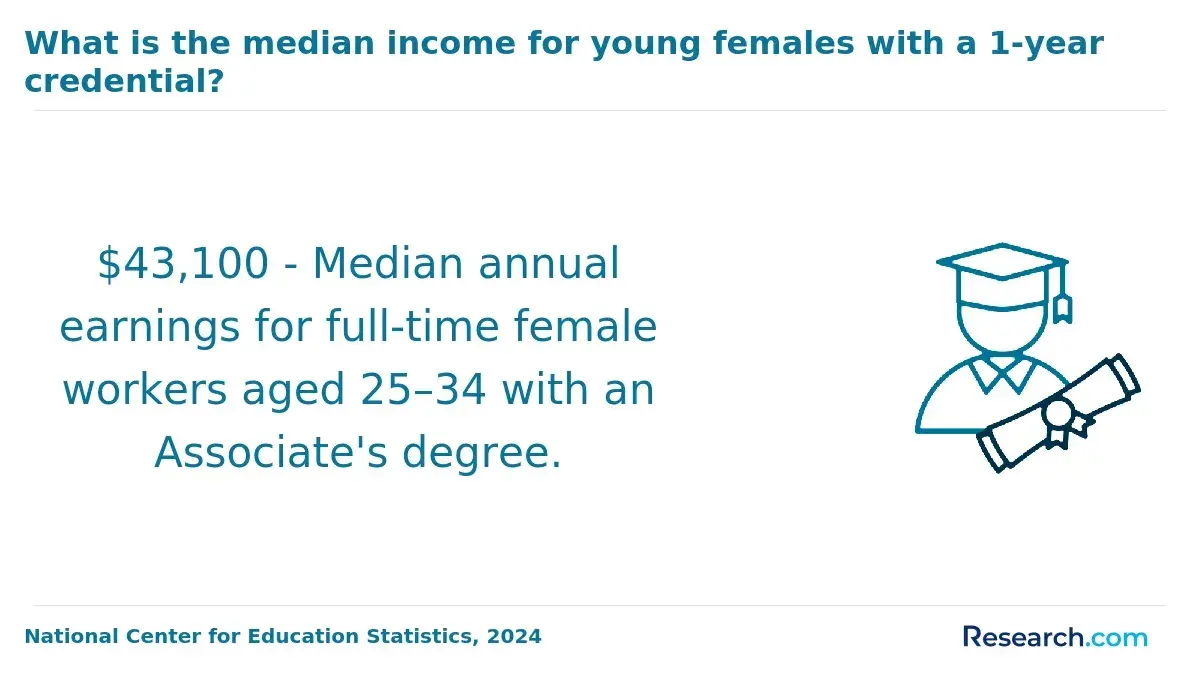
Biomimicry graduates working remotely can expect an average starting salary ranging from $52,000 to $68,000. Entry-level remote positions typically offer median pay near $57,500, reflecting a specialized market with strong demand for flexible, location-independent talent. These figures highlight the competitive but niche nature of remote Biomimicry roles.
Salary variation depends heavily on technical skills and certifications beyond basic biological knowledge. Candidates with expertise in corporate innovation or additional design tools often command higher pay. This differentiation underscores the need for remote workers to build a diverse skill set aligned with cross-industry demands and emerging remote work models.
Compared with related fields like environmental engineering or sustainability consulting, Biomimicry remote jobs usually start slightly lower in pay. Limited job market size and interdisciplinary requirements contribute to this gap. Notably, recent data reveals remote Biomimicry roles tend to offer about a 7% premium over onsite positions, emphasizing employer preference for experienced remote hires.
Those exploring remote careers after graduation should weigh these trends alongside long-term skill growth rather than immediate salary alone. For practical guidance on cost-effective educational paths supporting data-driven decision-making, prospective professionals may consult the best data science masters options that complement Biomimicry expertise.
Do remote Biomimicry jobs pay the same as on-site roles?
Remote Biomimicry jobs pay about 8% less on average than on-site roles, reflecting employer adjustments based on geographic location rather than skill or experience alone. This pay gap influences salary negotiations and raises questions about financial equity for remote workers versus their in-office peers.
Compensation structures vary widely because companies use localized pay bands tied to cost of living. For example, a Biomimicry graduate living in a lower-cost region can expect a salary notably below someone in a major metropolitan area, even if performing identical work. This approach prioritizes regional market rates over uniform national pay.
Some firms offset lower base salaries with home-office stipends or reduced travel expenses. Industry data reveals 35% of environmental and design companies with Biomimicry teams provide such hybrid benefits, highlighting a strategic balance between salary and remote work costs.
Understanding these trends is crucial for graduates evaluating offers. A remote position may offer lifestyle flexibility but requires weighing lower nominal pay against benefits and potential career growth associated with location-based hiring practices.
What benefits do remote Biomimicry employees receive?
Remote Biomimicry roles provide benefits designed to meet the distinct demands of off-site scientific and technical work, balancing flexibility with targeted support. For example, a remote biomimicry specialist managing field data analysis from home requires ergonomic work environments and mental health resources to sustain long hours. Research shows companies allocating $100 to $300 monthly stipends for remote work report a 15% higher employee satisfaction rate, demonstrating how such tangible support translates into engagement and productivity.
Below are key benefits typically offered to remote Biomimicry employees and why they matter.
- Healthcare Coverage Including Mental Health: Comprehensive medical plans often extend mental health services, recognizing the unique psychological challenges remote work presents in isolated scientific roles. This helps maintain overall wellbeing and resilience.
- Home Office Stipends: Monthly allowances cover ergonomic furniture, advanced connectivity, and tech essentials, which are critical for efficiency and comfort in specialized biomimicry tasks conducted outside traditional labs.
- Continuing Education Reimbursements: Support for certifications and courses related to Biomimicry ensures skill advancement, keeping remote professionals competitive and aligned with evolving industry standards.
- Flexible Time-Off Policies: Enhanced personal days and mental health breaks accommodate fluctuating workloads and reduce burnout risk common in remote science fields.
- Retirement Contribution Matching: While varying by employer size, this remains an important financial benefit that supports long-term security despite decentralized work arrangements.
One remote biomimicry analyst shared that receiving a dedicated home office stipend made selecting an ergonomic chair feasible, significantly reducing back pain during data modeling sessions. They recalled initially feeling hesitant to request accommodations, fearing budget constraints. However, the company's formal stipend policy removed uncertainty and demonstrated a commitment to employee health, which improved their focus and job satisfaction over several months.
Where can Biomimicry graduates look for remote jobs?
Remote job opportunities for Biomimicry graduates remain specialized and often hidden behind broader environmental or sustainability roles. Success in locating legitimate and relevant positions depends on strategically combining general and niche job platforms with active networking. For example, a recent graduate applying exclusively through popular job boards may encounter few focused openings for Biomimicry specifically, but supplementing this approach with memberships in targeted associations or online communities increases access to freelance projects or internships not publicly advertised. According to recent research, 38% of recruiters rely solely on remote job boards to source early-career candidates, underscoring the need to engage these platforms while seeking additional, less visible channels.
Below are key online resources valuable to Biomimicry job seekers.
- LinkedIn: As a broad professional network, LinkedIn offers a wide range of remote environmental science roles where Biomimicry can intersect with sustainability and innovation fields. Its core matching system leverages skills, endorsements, and connections, making it effective for discovering hybrid roles that blend biomimetic expertise with data analysis or policy. Regular active engagement enhances visibility to hiring managers.
- EnvironmentalCareer.com: This niche platform specializes in environmental and sustainability job postings, targeting entry-level remote internships and contract roles. Its focused search filters and sector-specific listings streamline finding credible Biomimicry-related opportunities, filling gaps left by generalist boards.
- EcoEmploy: Another sector-focused site that emphasizes green and sustainable positions, EcoEmploy provides curated listings often featuring project-based or part-time remote jobs. Its community-driven approach helps verify legitimate postings and connect candidates with companies embracing flexible Biomimicry roles.
- Biomimicry Institute's Online Community: Networks like this circulate informal freelance and project opportunities not indexed by traditional job boards. Membership offers direct peer and mentor access, enhancing early-career hiring chances through recommendations and insider knowledge.
What do Biomimicry employers look for in candidates?
Employers hiring remote Biomimicry candidates emphasize a combination of specialized technical expertise and flexibility in problem-solving. For example, a company designing sustainable building materials might require a candidate who can use computational tools to iterate bio-inspired structures quickly while adapting to shifting project demands in a virtual environment. Understanding these practical needs clarifies why recruiters value a diverse skill set.
Below are core qualifications that Biomimicry remote job roles consistently demand.
- Technical Software Proficiency: Candidates must demonstrate fluency in digital modeling tools like Rhino and Grasshopper, essential for creating complex bio-inspired systems. Assessment focuses on real-world application ability rather than theoretical knowledge, enabling remote teams to collaboratively refine design iterations efficiently.
- Sustainability Competency: Expertise in frameworks such as Life Cycle Analysis (LCA) serves as a key validation of environmental impact understanding. Employers look for certifications or proven experience to ensure candidates can evaluate and improve ecological performance consistently from a distance.
- Portfolio of Iterative Design Work: Recruiters prioritize a tangible portfolio that showcases the developmental process and problem-solving approaches over polished final products. This emphasis reflects the field's complexity and the iterative nature of solutions essential for remote collaborative workflows.
- Adaptability to Remote Collaboration: With 67% of hiring managers rating virtual team adaptability as a decisive factor, screening involves scenario-based problem-solving and communication exercises. Candidates must prove they thrive in digitally mediated environments and can navigate project management platforms effectively.
- Communication and Translation Skills: The ability to convert complex biological insights into actionable designs distinguishes sought-after applicants. Strong documentation and consistent digital collaboration skills are indispensable to support distributed teams working on interdisciplinary projects.
These qualifications align with the evolving expectations for Biomimicry remote job qualifications, demonstrating how specific digital and analytical skills combine with adaptability to define candidate fit. For graduates exploring flexible career paths, comparing these traits to personal strengths is critical before pursuing remote roles.
For those considering further specialization or alternative credentials, evaluating how different educational pathways stack up against these criteria helps clarify the practical value of programs, including how accelerated degree options might support quicker entry into remote Biomimicry careers. This practical approach to candidate preparation contrasts with the more generic advice offered outside targeted analyses.
Exploring intersections with related fields also matters. For instance, remote roles often favor those with cross-domain fluency, such as proficiency gained through an artificial intelligence degree, which can complement Biomimicry expertise by enhancing data pattern analysis capabilities or automation of design iterations.
How can Biomimicry graduates prepare for remote roles?
Biomimicry graduates aiming for remote roles must combine domain expertise with flexible digital skills to meet evolving employer expectations. Successfully integrating into virtual teams rests not only on technical proficiency but also on a portfolio of demonstrable work and mastery of remote collaboration tools. Consider a graduate applying for a remote sustainability design position who must independently manage project data, communicate asynchronously with multidisciplinary teams, and consistently present tangible results to multiple stakeholders. Preparing effectively for such roles involves a strategic focus on several skill areas.
The following points outline clear steps Biomimicry graduates should take to enhance their remote job readiness.
- Data Analysis Proficiency: Learning programming languages such as Python or R allows graduates to convert natural patterns into actionable digital models. Completing specialized bootcamps or certifications in environmental data science equips individuals with practical competencies that outrank traditional coursework in employer evaluations.
- Mastering Remote Collaboration Tools: Familiarity with platforms like Slack, Asana, or cloud services enables smooth virtual teamwork and project management. Developing fluency in these tools demonstrates adaptability to distributed workflows common in flexible roles.
- Building a Digital Portfolio: Showcasing independent ecosystem modeling or simulation projects provides concrete evidence of skills. A study found graduates with comprehensive portfolios increased hireability by 26.4%, highlighting the critical importance of visible, relevant accomplishments beyond academic transcripts.
- Optimizing Home-Office Technology: Investing in reliable high-speed internet, ergonomic setups, and industry-specific software ensures consistent productivity. This infrastructure readiness mitigates common remote work disruptions and signals professionalism to employers.
- Continuous Upskilling: Engaging in ongoing online courses covering emerging fields such as AI applications in biology maintains competitive advantage. Staying current with technological trends allows early adaptation and sustained relevance in remote job markets.
Prepare for remote roles with flexible Biomimicry remote job skills development by following strategies that bridge specialized knowledge and digital fluency. For graduates exploring role versatility, exploring electrical engineering degree online for veterans programs may also offer transferable digital skills and certifications relevant to evolving remote work demands.
How can Biomimicry graduates if remote roles are a good fit for them?
Remote roles in Biomimicry require more than technical knowledge; they demand a nuanced alignment of personal work preferences and practical constraints. Graduates must rigorously assess if their skills and work habits suit the unique demands of virtual collaboration in this specialized field. Consider the case of a recent graduate who excels in digital simulation but struggles with sporadic access to lab tools: their success hinges on balancing technical adaptability with realistic expectations of hands-on limitations.
The following criteria outline essential considerations Biomimicry graduates should use to determine if remote roles fit their professional and lifestyle needs.
- Self-discipline and proactive communication: Remote Biomimicry professionals must initiate clear, consistent interactions to maintain alignment with interdisciplinary teams. Graduates should evaluate their capacity to manage tasks independently while keeping collaborators informed without in-person cues.
- Access to physical resources: Hands-on experimentation often drives innovation in Biomimicry. Assess whether remote work constraints on lab and field site availability will hinder your project goals or if you can compensate with virtual tools.
- Digital proficiency in design and data: Success in remote roles correlates with strength in digital platforms and analytical software. Candidates must honestly appraise their comfort with these technologies to remain effective without direct supervision.
- Work-life boundary management: With remote practitioners facing a 15% higher burnout risk according to studies on distributed environmental science teams, evaluate your ability to maintain separation between home and work to sustain long-term productivity.
- Flexibility versus stability in workflows: Remote Biomimicry projects vary widely in timeline and client contact. Identify your tolerance for shifting schedules and intermittent feedback to avoid stress and disorientation.
- Preference for autonomy or mentorship: Determine if you thrive when independently managing projects or require frequent hands-on guidance, as remote settings typically limit direct supervision and real-time mentorship.
- Market demand and competitive positioning: Remote Biomimicry roles remain niche with only modest growth in job availability. Prepare to continuously upskill and differentiate yourself to navigate a competitive employment landscape.
One graduate shared that initially, the uncertainty of remote access to lab spaces gave her pause. However, after reflecting on her strong digital design skills and comfort with managing her own schedule, she decided to pursue remote roles. She noted, "I was hesitant about missing hands-on lab time, but I realized that my strengths lay in modeling and data analysis, which are perfectly suited to remote work. Having a quiet home office helped me keep work boundaries clear, and regular video check-ins replaced the informal mentorship I missed. It wasn't an easy choice, but focusing on what I could control made me confident that remote work was viable for me."
References
- Biomimicry Short Courses https://www.learnbiomimicry.com/short-courses
- Biomimicry – What It Is and How It Inspires Science, Technology, and Education | Naturally Balanced https://naturallybalanced.org/en/biomimicry-what-it-is-and-how-it-inspires-science-technology-and-education/
- Biomimicry Online School - Learn Biomimicry Online » Biomime https://biomime.co.uk/online-school/
- Introduction to Biomimicry Online Course — Biomimicry New England https://www.biomimicryne.org/introduction-to-biomimicry-online-course
- Biomimicry Professional Program - Biomimicry 3.8 https://www.biomimicry.net/what-we-do/professional-training/b-professional-certification/
- Professional Training FAQ - Biomimicry 3.8 https://biomimicry.net/professional_training_faq/
- What is a Biomimicry Degree & Where Can You Get One? - NatuR&D https://naturnd.com/updates/what-is-a-biomimicry-degree-where-can-you-get-one/
- Home - The Biomimicry Institute https://biomimicry.org/
- Evaluate Fit & Function - Biomimicry Toolbox https://toolbox.biomimicry.org/methods/evaluate/
- AI x BIOMIMICRY: Competition + Course https://www.archdaily.com/1005695/ai-x-biomimicry-competition-plus-course
Other Things You Should Know About Biomimicry
Many remote Biomimicry roles provide limited detail on workload, project scope, or collaboration methods, which makes vetting critical. Graduates should prioritize postings that explicitly outline deliverables, communication tools, and team structures. Ambiguity about daily tasks or performance metrics often signals a lack of established remote workflow, which can lead to misaligned expectations and frustrated professionals. Investigating company reviews and seeking clarity during interviews helps ensure the role matches both the graduate's skills and their preferred work style.
Remote jobs in Biomimicry often limit spontaneous brainstorming and mentorship opportunities, which can slow skill growth compared to on-site roles. Graduates should therefore proactively seek structured learning opportunities like virtual workshops or cross-team projects. Choosing employers who invest in remote training programs and foster regular knowledge-sharing meetings is essential for staying competitive. Without deliberate efforts to bridge these gaps, remote professionals risk stagnation in a field that relies on innovation and continuous learning.
Remote Biomimicry roles frequently rely on contract or project-based employment, which can affect income stability and benefits. Graduates need to weigh the tradeoff between flexibility and security, especially early in their careers. Prioritizing positions with clear timelines, potential for renewal, or pathways to full-time employment can mitigate risks. Understanding that some remote work is inherently less predictable helps graduates plan financially and evaluate opportunities against their personal risk tolerance and career goals.
Remote Biomimicry roles can blur the line between professional and personal time, especially where asynchronous communication dominates. Graduates should target employers with defined work hours, regular check-ins, and clear expectations to prevent overwork. Assessing team culture during recruitment calls provides clues about how leaders manage workload and respect boundaries. Prioritizing roles with transparent policies supporting mental health and time management enhances sustainable performance and reduces burnout risk.