2027 Biomimicry ROI by Institution Type: Public vs Private vs Nonprofit Online Programs

Co-Founder and Chief Data Scientist
Choosing an online biomimicry program often feels like weighing options that look identical until tuition triples between institutions. A recent 2024 study by the National Student Clearinghouse revealed public online programs graduate 25% more students within six years than private counterparts, highlighting stark differences in completion rates influencing career trajectories.
Meanwhile, student debt accumulation varies drastically, with nonprofit programs generally producing lower median debt but not always higher employability. These nuances significantly impact long-term return on investment, especially for working adults balancing financial and professional commitments. This article examines how public, private, and nonprofit online biomimicry programs compare in ROI, guiding smarter, outcome-oriented decisions.
Key Things to Know About Biomimicry ROI by Institution Type
- Private online biomimicry programs often carry higher tuition but boast stronger employer recognition, increasing career advancement potential despite a tradeoff in student debt exposure.
- Public institutions typically offer lower costs and more flexible pacing, suiting working adults but sometimes yield lower completion rates, affecting timely ROI realization.
- Nonprofit online biomimicry programs balance moderate costs with robust learner support, aligning with a 2024 study showing 15% higher graduation rates, which enhances long-term value for career changers.
- What Does ROI Mean for a Biomimicry Program and How Is It Measured? Understanding Biomimicry Program ROI
- How Do Public, Private, and Nonprofit Online Biomimicry Programs Differ in Overall Value? Value by Institution Type
- How Do Tuition Costs Affect the ROI of a Biomimicry Program Across Institution Types? Tuition Costs and ROI
- How Do Graduation Rates Influence Biomimicry Program ROI? Graduation Rates Impact ROI
- What Role Do Career Outcomes Play in the ROI of a Biomimicry Degree? Career Outcomes and ROI
- How Does Student Debt Impact the Long-Term ROI of a Biomimicry Program? Debt vs. Long-Term ROI
- How Do Flexibility and Adult Learner Support Affect Biomimicry Program Value? Flexibility and Program Value
- How Do Accreditation and Institutional Reputation Influence Biomimicry ROI? How Do Accreditation and Institutional Reputation Influence Biomimicry ROI?
- How Does Time-to-Degree Affect the ROI of Public, Private, and Nonprofit Biomimicry Programs? How Does Time-to-Degree Affect the ROI of Public, Private, and Nonprofit Biomimicry Programs?
- How Can You Choose the Best Biomimicry Program Based on Your ROI Goals? Choosing Programs by ROI
What Does ROI Mean for a Biomimicry Program and How Is It Measured?
Measuring return on investment in biomimicry online programs requires balancing upfront and hidden costs against graduation likelihood and career value rather than focusing narrowly on tuition price alone. For example, a public institution may offer lower in-state tuition but have longer average times to degree completion, increasing opportunity costs for employed learners who must reduce hours or pause income.
Conversely, private or nonprofit biomimicry programs often charge more but support higher completion rates-nearly 15% higher on average according to the National Center for Education Statistics in 2024-potentially shortening time-to-degree and reducing debt accumulation. These tradeoffs illustrate why student debt and time-to-completion are crucial metrics when evaluating program ROI across institution types.
Students weighing biomimicry program ROI evaluation factors should also consider how career outcomes align with their specific goals, such as entering a niche field or advancing within an existing profession. Programs that maintain strong industry partnerships to tailor curricula heighten employability but often come with higher tuition or fees, which demand a longer-term perspective on ROI.
Opportunity costs, including lost wages during study, can dwarf direct educational expenses for working professionals, emphasizing the value of asynchronous learning options or credit for prior experience. For prospective students examining the full financial and career implications, resources like the cheapest online MBA programs listings provide actionable context for benchmarking price against institutional quality and learner outcomes.
How Do Public, Private, and Nonprofit Online Biomimicry Programs Differ in Overall Value?
Choosing between public, private, and nonprofit online biomimicry programs involves weighing distinct tradeoffs in affordability, completion rates, and career prospects that directly shape long-term value. Public institutions tend to offer the lowest tuition, making them appealing for budget-conscious students, yet their larger class sizes and limited personalized support can reduce graduation likelihood and post-degree success.
Private nonprofit programs often provide stronger advising, networking, and specialized accreditation benefits, which employers in STEM fields may prioritize, but these advantages frequently come with higher tuition and a noticeable increase in student debt-data from the National Student Clearinghouse Research Center in 2024 shows private nonprofit institutions average a 62% graduation rate, compared to 45% at public universities.
Nonprofit schools can sometimes offer an effective balance, delivering moderate costs with better career services, although variability in resources means the ROI depends heavily on individual circumstances and program quality rather than institutional type alone.
Flexibility and transfer policies also play crucial roles, especially for working professionals or those seeking career changes, with public and nonprofit programs generally providing more asynchronous options and credit acceptance, thus reducing time and cost to degree.
Employer perceptions add another practical layer; while private nonprofit credentials often carry a slight edge due to rigorous standards, public programs connected to research universities may offer superior access to innovation networks and internships, essential for practical experience in biomimicry.
However, the increased debt burden associated with private programs demands cautious financial planning, as graduates may face greater long-term repayment pressures despite potential salary advantages. Ultimately, students must consider how tuition, completion rates, support services, and employer recognition align with their financial constraints and career goals to make an informed decision that optimizes return on investment.
One prospective graduate deliberated extensively between three online biomimicry options: a low-cost public university, a private nonprofit with strong industry ties, and a moderate-cost nonprofit institution with solid career advising. Concerned about accumulating excessive debt, the student initially leaned toward the public program but worried about the impact of less personalized support on graduation odds.
The private nonprofit was attractive due to its reputation but felt financially risky given the higher tuition. After thorough research and conversations with alumni, the student chose the nonprofit option, valuing its blend of manageable costs, flexible scheduling, and decent graduation outcomes.
This decision reflected a nuanced assessment of both immediate affordability and longer-term professional value, underscoring that no single institutional type guarantees the best return without considering personal circumstances and priorities.
How Do Tuition Costs Affect the ROI of a Biomimicry Program Across Institution Types?
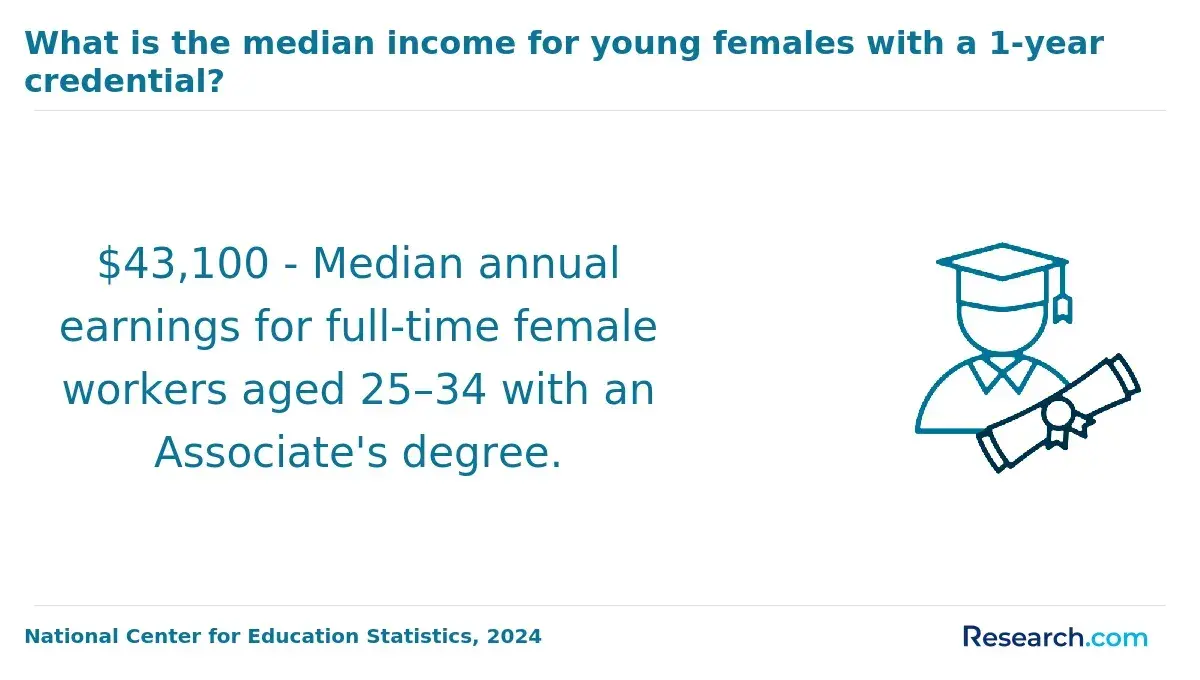
Tuition differences between public, private, and nonprofit online biomimicry programs significantly influence return on investment, but cost alone is a misleading metric. Public institutions often offer lower sticker prices-averaging about $7,500 annually for in-state online students in 2024 according to the National Center for Education Statistics-yet this does not always guarantee better net outcomes.
Private and nonprofit programs, while frequently charging two to three times more, may provide financial aid packages that reduce net costs, alongside enhanced student support and higher graduation rates, factors shown by the Education Data Initiative to improve completion times and potentially shorten time-to-degree.
However, the financial impact extends beyond tuition. Students at public universities tend to graduate with substantially less debt-approximately $7,000 less on average than private peers according to the Institute for College Access and Success-which can affect long-term financial stability given the moderate salary growth typical of biomimicry careers.
Conversely, higher-cost programs may justify their expense if flexibility, specialized curriculum, or networking opportunities accelerate employment readiness, although employer preference generally favors demonstrable skills over institutional prestige, as noted in a 2023 Society for Industrial and Organizational Psychology survey.
Adult learners need to weigh whether additional tuition translates into tangible career benefits or simply greater debt, considering that lower tuition does not automatically equate to stronger ROI.
How Do Graduation Rates Influence Biomimicry Program ROI?
Graduation rates provide insight into the return on investment for biomimicry programs but must be weighed alongside factors like academic support and student demographics. According to a 2024 National Student Clearinghouse Research Center report, six-year graduation rates for online bachelor's offerings range widely, from approximately 30% at some public institutions to over 50% at certain private nonprofits.
Public programs often enroll diverse, nontraditional learners who may take longer to complete degrees, which skews graduation metrics and complicates straightforward ROI comparisons. Meanwhile, private nonprofit programs tend to have higher completion rates but also higher tuition, creating a financial tradeoff that affects net benefit depending on a student's capacity to manage debt and career outcomes.
The average graduation rates for online biomimicry programs can act as a proxy for institutional quality and student support but shouldn't be the sole ROI measure. Factors such as enrollment intensity, flexibility, and persistence challenges significantly influence whether students finish on time without excessive costs.
For adult learners and career changers, assessing these rates alongside affordability and program credentials is critical. Those exploring online pathways may also consider program recognition by employers and career services, which often align with programs exhibiting superior completion outcomes.
Prospective students might examine comparative data before committing, including options like an online master's in counseling, which illustrate broader trends in balancing cost, completion, and career prospects.
What Role Do Career Outcomes Play in the ROI of a Biomimicry Degree?
Career outcomes fundamentally shape the return on investment (ROI) of biomimicry degrees, especially when comparing public, private, and nonprofit online programs. Public institutions often provide affordable tuition and broad industry connections but may lack personalized career services, which can slow job placement or limit roles closely tied to biomimicry.
In contrast, private programs, although costlier, typically offer stronger employer networks and targeted recruitment, leading to a reported 12% higher mid-career salary growth and faster entry into specialized positions. Nonprofit programs frequently align with ethical and sustainability-driven employers, but variability in recruitment reach and geographic limitations can result in less predictable career trajectories, impacting long-term financial and professional returns.
These differences intersect with tuition costs and student debt to influence a program's overall value. Graduates from public online programs might face longer times to secure relevant employment, diluting upfront savings, while private program alumni may incur higher debt but gain quicker access to niche biomimicry roles with potential for greater salary mobility.
The National Center for Education Statistics noted up to a 15% advantage in job placement rates for programs aligned with industry demands, underscoring how curriculum relevance and employer partnerships can materially affect earnings and adaptability in an evolving sustainability sector. Adult learners should consider not only immediate affordability but also how career support and market alignment drive meaningful ROI over time.
One graduate from a nonprofit online biomimicry program shared that before enrolling, she weighed the degree's cost against limited direct job placement data and was uncertain if it would yield tangible career benefits. After completing the program, she found her employer increasingly valuing her interdisciplinary skills in biology and design, which led to expanded roles beyond her initial job description.
While the salary bump was modest, the internal promotions and new responsibilities made her reassess the degree's ROI as a long-term investment rather than a quick financial return. Her experience highlights how nuanced career outcomes, including employer recognition and skill application, often prove as critical to ROI as immediate earnings or placement statistics.
How Does Student Debt Impact the Long-Term ROI of a Biomimicry Program?
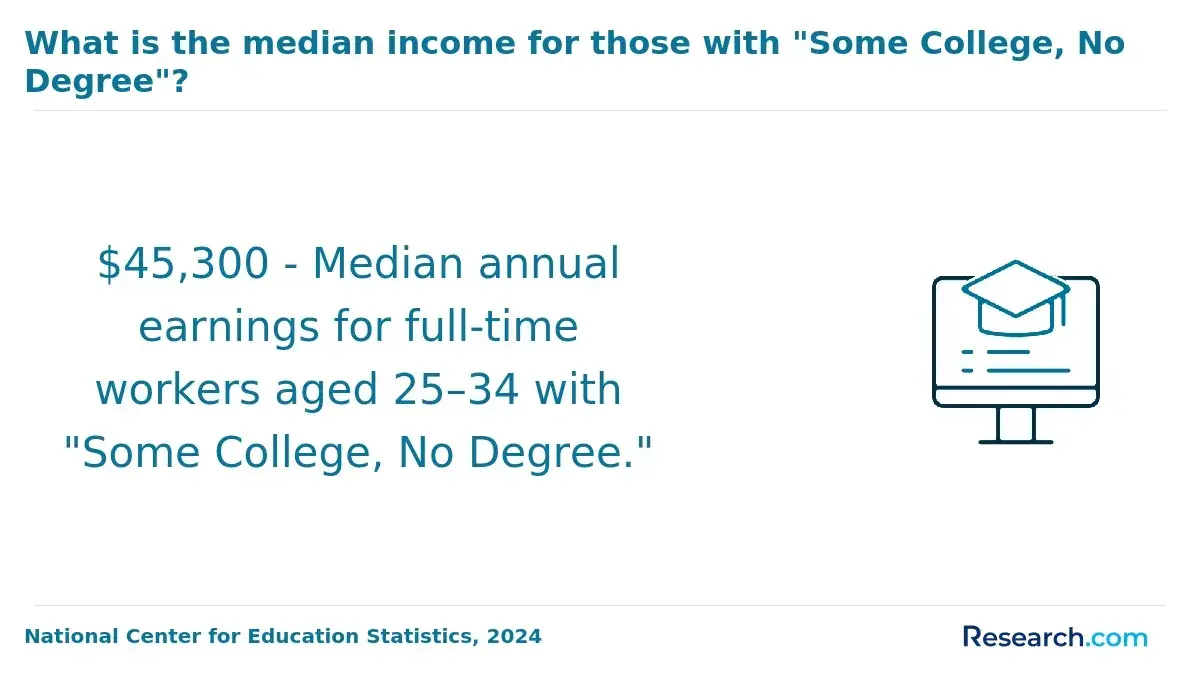
Student debt effects on biomimicry program ROI become clear when considering how borrowing levels intertwine with institutional types and post-graduation earnings. Public online programs generally require less borrowing, enabling graduates to manage repayments more easily and preserve financial flexibility, which enhances their long-term ROI.
In contrast, private nonprofit programs often come with tuition fees that are double or more compared to public alternatives, leading to higher debt loads. While these institutions may offer better graduation rates and career support, students whose debt surpasses 1.5 times their starting salary face stiffer constraints in wealth building and economic mobility, which can diminish the practical value of their biomimicry education.
The long-term financial impact of biomimicry student loans also depends on repayment pressures that influence career decisions. Borrowers across all online program types may prioritize higher-paying roles over job fit due to the need to meet loan obligations, potentially undermining the intended educational and professional fulfillment.
Moreover, default rates-around 10% for private nonprofit graduates versus roughly 7% for public counterparts-reflect the increased financial stress caused by heavier debt burdens. Students weighing their options should also factor in program quality and employer recognition, as these variables affect income prospects and ROI beyond mere cost metrics.
For those assessing affordability and career alignment in biomimicry fields, examining options such as a communication master degree program might provide useful financial context and comparative insights.
How Do Flexibility and Adult Learner Support Affect Biomimicry Program Value?
Program flexibility and comprehensive adult learner support are decisive factors shaping the return on investment for biomimicry programs across public, private, and nonprofit online institutions. For adults balancing jobs, families, or military commitments, asynchronous course availability and part-time options facilitate sustained engagement, which directly correlates with higher retention and completion rates.
A 2024 report from the National Center for Education Statistics found that adult learners in flexible programs retained at a rate 22% above those restricted to rigid schedules, highlighting how institutional design impacts timely degree attainment and accumulated opportunity costs.
Public institutions typically offer more affordable biomimicry programs featuring broad access to asynchronous courses but often face constraints in providing personalized academic advising and career counseling, which can affect student success and eventual employability.
Private schools tend to dedicate significant resources toward tailored student support services and increased faculty interaction, though this advantage comes at a noticeably higher tuition cost, potentially increasing long-term debt burdens without guaranteed payoff.
Nonprofit programs frequently occupy a middle ground, balancing mission-driven support and flexibility, but their variability in resources and graduate outcomes requires careful scrutiny by prospective students weighing the tradeoffs between cost, service quality, and post-graduate opportunities.
Targeted support such as credit transfer assistance, technology access, and career services can improve persistence, especially for military-affiliated or transfer students navigating nontraditional pathways. The Council for Adult and Experiential Learning's 2024 data emphasize that adult learners utilizing comprehensive services are 30% more likely to finish within six years, a key metric when costs and lost income time frames are central to ROI considerations.
Ultimately, adult learners must assess how institutional flexibility and support structures align with their unique constraints and career goals, since these elements substantially impact program value beyond sticker price and course content.
How Do Accreditation and Institutional Reputation Influence Biomimicry ROI?
The return on investment (ROI) of biomimicry programs heavily depends on the type of accreditation and the institutional reputation behind the credential. Graduates from regionally accredited institutions, especially public universities, enjoy greater employer recognition, smoother credit transfers, and more straightforward pathways to graduate study or licensure-factors that often translate into tangible career benefits.
For example, a professional switching careers and seeking a biomimicry credential would typically have an easier time leveraging credits or gaining access to industry-recognized programs if their institution has regional accreditation, which a 2024 report by the Council for Higher Education Accreditation (CHEA) associates with a 40% higher employment success rate within two years of graduation.
In contrast, credits from nationally accredited or non-accredited providers may limit these options, potentially increasing debt without producing proportional financial returns.
Private nonprofit institutions may brand their biomimicry programs as innovative or industry-connected, but institutional prestige varies widely, affecting alumni earnings and network access. Insight from the 2024 National Center for Education Statistics (NCES) shows earnings differences up to 30% based on the university's rank, underscoring how prestige moderates ROI alongside accreditation.
Public institutions typically have lower tuition, but their larger scale can mean less personalized student support, which is a crucial consideration for working adults balancing education with professional and family commitments.
Ultimately, cost-conscious learners should weigh institutional reputation and accreditation alongside support structures and programmatic STEM or environmental science accreditation to ensure their educational investment aligns with realistic career advancement and minimizes debt burden.
How Does Time-to-Degree Affect the ROI of Public, Private, and Nonprofit Biomimicry Programs?
Time-to-degree significantly shapes the real cost and benefits of biomimicry programs, especially when comparing public, private, and nonprofit online options. Public institutions typically offer more flexible pacing, which suits part-time students managing work and family obligations but often leads to median completion times exceeding five years, increasing opportunity costs such as lost income and prolonged debt.
Conversely, private nonprofit programs may enable accelerated completion, sometimes under four years, but this often requires full-time study and higher tuition, limiting accessibility for many. For example, a working adult might choose a public program's longer timeline with manageable tuition per term over a private accelerated route that demands sacrificing earnings during intense study periods.
Graduation rates and credit transfer policies also influence time-to-degree and subsequent return on investment in online biomimicry degrees. Private nonprofits, averaging around 65% graduation rates, frequently provide stronger advising and credit acceptance, shortening time-to-degree and reducing total cost despite higher upfront prices.
Public programs maintain about a 50% completion rate, reflecting challenges in persistence often tied to part-time enrollment and lesser institutional supports. Students balancing financial constraints should weigh options not only on speed but also on completion likelihood and program flexibility.
Utilizing transfer credits can shorten duration notably, improving ROI if accepted, while part-time enrollment extends study but helps sustain income and reduces loan dependency, a vital factor for many prospective learners pursuing a online mathematics degree.
Ultimately, the interplay of average completion time and ROI in online biomimicry degrees demands personalized analysis beyond tuition sticker prices. Students must consider how program structure, pacing, institutional support, and graduation likelihood collectively affect both immediate affordability and long-term career opportunities.
This nuanced view clarifies why shorter completion is not inherently superior and highlights the importance of aligning program choices with individual employment status, financial capacity, and academic commitment to maximize educational and economic outcomes.
How Can You Choose the Best Biomimicry Program Based on Your ROI Goals?
The best ROI from a biomimicry program hinges less on whether the institution is public, private, or nonprofit and more on how well its structure aligns with a student's financial constraints, career goals, and time availability. Public programs often offer lower tuition and state financial aid that can significantly reduce upfront costs but may demand longer time-to-degree commitments due to sequential course designs.
In contrast, private institutions, despite higher tuition, frequently provide robust learner support and stronger employer networks that can elevate graduation rates and improve job placement, though often at the expense of increased debt burdens that require careful debt-to-income scrutiny.
Nonprofit online programs frequently strike a middle ground by offering flexible pacing suited to working adults and competency-based credits, which can enhance retention and accommodate personal schedules. However, institutional reputations vary widely among these programs, impacting employer recognition and credential value, an important factor in any biomimicry program return on investment comparison.
Prospective students must analytically weigh tradeoffs such as financial aid availability, program flexibility, and the effectiveness of career services against their individual career timelines and obligations.
Ultimately, choosing the best biomimicry online program for career goals should incorporate these nuanced factors rather than default assumptions about institution type. Incorporating well-researched alternatives like an EdD without dissertation can also impact ROI by reducing time and cost investments. Decision-makers are best served by reviewing recent graduation and placement data to ensure alignment with realistic workforce expectations.
References
- What is a Biomimicry Degree & Where Can You Get One? - NatuR&D https://naturnd.com/updates/what-is-a-biomimicry-degree-where-can-you-get-one/
- Understanding the ROI of sustainability https://plana.earth/academy/roi-sustainability
- Innovation Inspired by Nature — AskNature https://asknature.org/
- Biomimicry 3.8 - Innovation Inspired by Nature https://biomimicry.net/
- The Long-Term Effects of Student Loans | ACE Blog https://ace.edu/blog/the-long-term-effects-of-student-loans/
- The Top Biomimicry Courses and Certificates of 2026 https://www.learnbiomimicry.com/blog/top-biomimicry-courses
- How Student Loan Debt Impacts Your College ROI https://www.lendkey.com/blog/student-loans/how-student-loan-debt-impacts-your-college-roi/
- Biomimicry as second nature: Research centers and degree programs encourage eco-friendly design https://bulletin.ceramics.org/article/biomimicry-as-second-nature-research-centers-and-degree-programs-encourage-eco-friendly-design/
- Biomimicry: Learning from Nature's Genius https://www.graydi.us/blog/gray-insights/biomimicry-learning-from-natures-genius
Other Things You Should Know About Biomimicry
Public programs often emphasize standardized curricula geared toward broad accessibility, which may limit personalized mentorship or specialized project opportunities. Private institutions may invest more in smaller cohort sizes and experiential learning components, enhancing hands-on engagement but at a higher cost.
Nonprofits frequently balance affordability with mission-driven content that can connect students to community-focused projects, though resources can be more limited. Prospective students should weigh whether more personalized, applied experiences justify potentially higher costs or if broader, cost-effective access aligns better with their learning preferences.
Employers in the biomimicry field often prioritize practical skills and project portfolios over institution type, but private programs may offer stronger industry networking and brand recognition, positively influencing early career opportunities.
Public institutions might produce graduates with solid foundational knowledge and more diverse skill sets due to larger class sizes and broader course offerings. Nonprofit programs tend to attract mission-aligned employers interested in sustainability and social impact, which can translate into niche job prospects. When possible, focus on programs with clear connections to the sectors or companies of interest rather than solely institution type.
Private online biomimicry programs often demand higher weekly time commitments due to accelerated or immersive formats, which can conflict with full-time employment.
Public programs may offer more flexible pacing options but potentially extend overall time-to-completion, affecting cost and career timing. Nonprofit programs vary widely, so assessing specific course designs and support services is critical. For working adults, prioritizing programs with asynchronous learning and proven support mechanisms reduces the risk of burnout and optimizes ROI by enabling steady progress without overwhelming professional obligations.
Nonprofit programs often strike a middle ground by offering more mission-driven, affordable education compared to pricier private schools while sometimes providing more specialized content than large public institutions. However, cost savings should be weighed against program quality and career support, as some public schools deliver comparable or superior ROI through established employer relationships and resources.
If minimizing debt is essential, nonprofit options are recommended-but only after confirming that their graduates achieve competitive employment outcomes, making careful due diligence on outcomes and support critical before committing.