2027 Biomimicry Student Debt Report: Borrowing, Monthly Payments, and Repayment Risk

Co-Founder and Chief Data Scientist
The field of biomimicry presents unique factors influencing student borrowing behavior. Program lengths often extend beyond traditional undergraduate timelines due to integrative curricula combining biology, design, and engineering. Specialized equipment and fieldwork obligations increase educational costs, shaping debt levels differently than many disciplines. Licensing and accreditation standards remain evolving, creating uncertainty around time-to-employment for graduates.
Workforce demand in biomimicry remains niche but growing, with salary variability linked to diverse career paths in academia, consulting, and product development. The age distribution of biomimicry students, frequently including mid-career changers, suggests expanding educational accessibility and signals shifting professional dynamics within the field.
Key Things to Know About Biomimicry Student Debt
- Because biomimicry is primarily offered as a graduate degree or professional certificate (such as specialized Master of Science or certificate programs), overall debt varies widely—ranging from $15,000 to $35,000 for flexible online programs up to $70,000+ for full-time out-of-state or private university study.
- Biomimicry graduates work across architecture, bio-inspired engineering, product design, and corporate sustainability consulting; entry-level salaries typically range from $50,000 to $75,000, offering a manageable loan-to-earnings balance particularly when paired with higher-paying engineering or technical design roles.
- Many students reduce borrowing by enrolling in online or part-time programs while staying employed, and practitioners often leverage corporate tuition assistance from engineering, design, or green tech firms to offset advanced coursework expenses.
- Key Things to Know About Biomimicry Student Debt Key Things to Know About Biomimicry Student Debt
- How Much Student Loan Debt Do Biomimicry Graduates Typically Have at Graduation? Average Studen Loan Debt
- What Factors Have the Biggest Impact on Biomimicry Student Loan Debt? Student Debt Key Factors
- What Is the Average Monthly Student Loan Payment for Biomimicry Graduates? Average Monthly Payment
- How Do Repayment Rates Compare Between Public and Private Institutions? Public vs. Private Institution Repayment Rates
- Do Online Biomimicry Graduates Have Different Repayment Outcomes Than Campus-Based Students? Online vs. On-Campus Student Loan Repayment
- Which Industries Provide the Best Financial Return Relative to Borrowing Costs? Which Industries Provide the Best Financial Return Relative to Borrowing Costs?
- Does Student Debt Affect Which Jobs Biomimicry Graduates Accept? Does Student Debt Affect Which Jobs Biomimicry Graduates Accept?
- What Factors Increase Student Loan Repayment Risk for Biomimicry Graduates? Loan Repayment Risk Factors
- How Can Biomimicry Students Reduce Student Loan Debt While Earning Their Degree? Tips to Reduce Student Debt
- How Should Prospective Students Evaluate Borrowing Risk Before Enrolling? Evaluating Student Debt Risk
How Much Student Loan Debt Do Biomimicry Graduates Typically Have at Graduation?
Students graduating from biomimicry degree programs generally accumulate student loan debt ranging between $20,000 and $40,000, according to recent analyses from the National Center for Education Statistics and updated 2024 College Scorecard data. This borrowing estimate aligns with trends observed in related interdisciplinary environmental design fields, where debt levels reflect the specialized nature and emerging status of biomimicry education.
The variation in these averages stems from multiple factors, particularly how students finance their education and the length of their programs. Understanding typical student loan debt for biomimicry graduates requires considering these nuances rather than relying on a single national figure.
Key factors influencing average borrowing amounts in biomimicry programs include whether the institution attended is public or private, with private colleges generally charging higher tuition and thus often resulting in greater debt. Students who enroll part-time or extend their studies to acquire additional certifications or integrate internships may also see increases in total borrowing.
Geographic location affects costs as well, through differences in living expenses and in-state versus out-of-state tuition fees. The availability of scholarships, grants, and institutional financial aid further modulates debt levels, making borrowing profiles diverse even among students pursuing the same degree path.
Debt size has practical implications for post-graduation financial stability and career decisions in biomimicry-related sectors, where median salaries typically fall between $50,000 and $70,000. Graduates with moderate debt are often positioned to manage monthly repayments sustainably, especially when utilizing income-based repayment options.
However, those with loan balances approaching or surpassing $40,000 face increased repayment stress and must carefully evaluate the balance between educational investment and expected earnings. Prospective students might also consider the benefits of advanced credentials like a masters in social work online for additional career flexibility and income potential when planning their education financing strategies.
What Factors Have the Biggest Impact on Biomimicry Student Loan Debt?
Student loan debt levels for biomimicry students arise from a complex interplay between institutional pricing structures and individual financial profiles. This variation is not solely attributable to tuition costs but reflects broader financing dynamics, enrollment decisions, and support opportunities that influence borrowing behavior. Understanding these interconnected factors offers clearer insight into why some biomimicry students accumulate substantially more debt than others.
- Program Length and Structure: Biomimicry degrees frequently involve extended study periods due to interdisciplinary requirements, research components, or internships. Longer enrollment increases cumulative tuition and living expenses, directly amplifying borrowing needs. This element interacts strongly with financial aid availability, as prolonged programs may exhaust some forms of grant eligibility, pushing students toward additional loans.
- Institution Type and Tuition Pricing: Private universities and specialized research institutions offering biomimicry programs typically charge higher tuition than public colleges, leading to larger debt loads. The National Center for Education Statistics reports that students at private institutions borrow roughly 35% more than peers at public ones within STEM-related fields, underscoring how institutional cost structures significantly elevate debt levels.
- Financial Aid Access and Student Demographics: Limited availability of scholarships and grants combined with economic background influences loan dependence. First-generation college students, for example, borrow nearly 20% more compared to those whose parents have degrees, revealing how individual circumstances compound institutional cost factors. This discrepancy also reflects the relatively nascent funding landscape for biomimicry compared to established programs.
- Borrowing Choices and Loan Terms: Decisions between federal and private loans, interest rates, and repayment conditions shape total debt and monthly payment burdens. Students opting for higher-interest or shorter repayment terms may face heavier financial pressure, affecting long-term affordability and risk of default. These choices often hinge on prior financial literacy and guidance, emphasizing behavioral components in debt outcomes.
- Career Earnings and Repayment Capacity: Although biomimicry is a specialized field with growing demand, median salaries for related positions like biological and environmental science technicians range between $45,000 and $60,000 annually, according to the Bureau of Labor Statistics. Such income levels necessitate careful borrowing aligned with realistic repayment ability, or students risk accruing unsustainable debt relative to their future earnings.
For students weighing their educational investments in biomimicry, examining these factors together enables more informed decisions about borrowing limits and financing strategies. Prospective enrollees should assess how program format and demographics affect borrowing and consider exploring options across institutions, including more affordable pathways such as those highlighted in fields like cybersecurity masters, where tuition and aid patterns may differ substantially.
What Is the Average Monthly Student Loan Payment for Biomimicry Graduates?
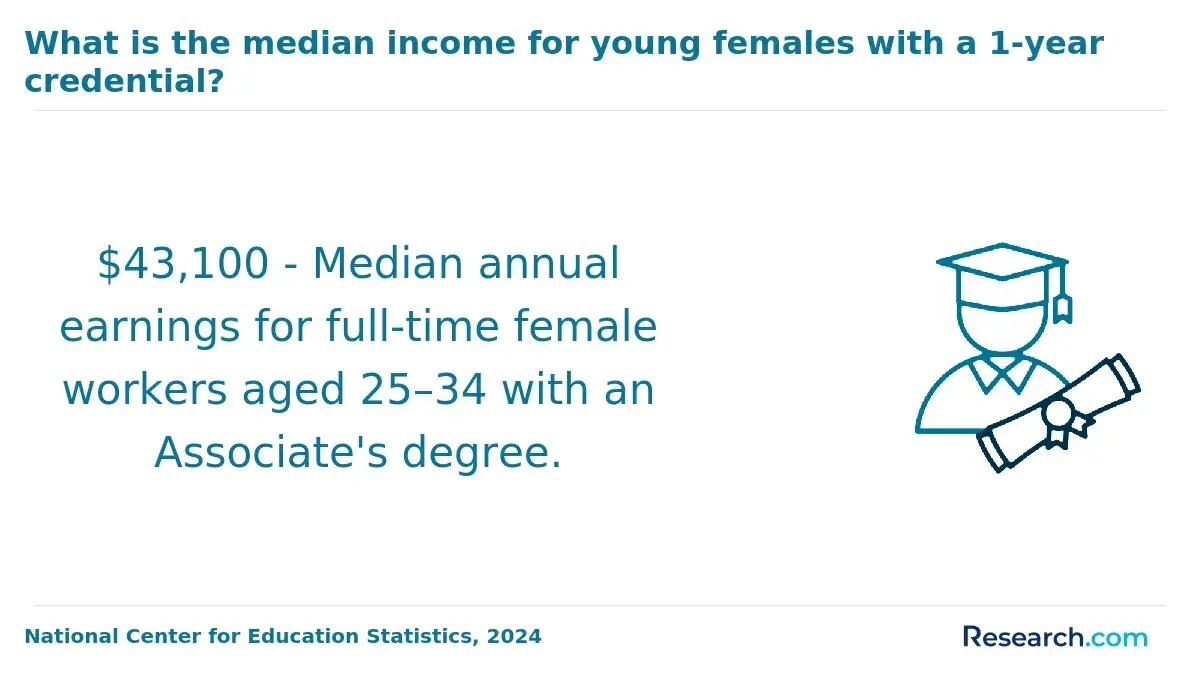
Recent analysis from federal student loan reports and credit bureau data indicates that biomimicry graduates typically encounter monthly student loan payments ranging between $250 and $450. This reflects a relatively moderate borrowing level compared to other graduate fields, where average payments often exceed $550. The variation largely stems from the niche focus of biomimicry programs, which tend to have more accessible tuition rates, especially at public universities or smaller institutions. These averages also incorporate differences in program length, with bachelor's degree holders generally facing lower monthly obligations than individuals holding master's degrees, due to smaller debt principal and repayment structures.
Several financial factors influence the monthly payment ranges biomimicry graduates experience. Key among these is total borrowing amount, where larger loan balances naturally raise monthly dues. The choice between standard repayment plans and income-driven options plays a significant role; those in government, nonprofit, or academic careers with lower salaries often qualify for adjusted payments that reduce monthly burdens.
Additionally, interest rate variability based on loan type and geographic cost of living impacts final balances, while the evolving salary spectrum across biomimicry-related roles creates disparities in how affordable payments feel relative to income. These dynamics combine to produce markedly different financial outcomes for graduates, emphasizing the importance of evaluating debt-to-income ratios and repayment flexibility early in career decision-making.
A graduate recalled the uncertainty during their application to biomimicry programs, where the rolling admissions process made timing critical. "I hesitated to submit late because I wasn't sure how it would affect my chances or financial aid eligibility," they explained. The delay meant weighing the risk of missing early funding opportunities against the need for more preparation time. Ultimately, navigating this uncertainty shaped not just their enrollment timeline but also how they approached financial planning, recognizing the real-world impact of admissions timing on loan commitments and repayment capacity down the road.
How Do Repayment Rates Compare Between Public and Private Institutions?
Recent data from the U.S. Department of Education indicates that graduates with biomimicry degrees from public universities demonstrate higher student loan repayment rates, averaging approximately 45% within three years of entering repayment. In comparison, private institution graduates hover near a 40% repayment rate over the same timeframe. These figures reflect substantive differences in borrower behavior and financial outcomes linked to institutional type, shaped by varying tuition costs, borrowing patterns, and employment conditions rather than simplistic public-versus-private categorizations.
Several underlying factors explain these repayment disparities. Public institutions typically offer lower tuition, resulting in reduced average debt loads that alleviate repayment strain, whereas the higher cost structures of private universities increase borrowing amounts and monthly payment obligations. Post-graduation income trends further influence these dynamics; public university alumni in biomimicry fields often secure more stable employment with steady salary growth, enhancing their capacity to manage debt repayment. Conversely, private college graduates may encounter greater variability in job placement and earnings, which can delay or complicate their repayment progress. This intersection of cost, debt burden, and labor market outcomes critically shapes repayment trajectories beyond institutional prestige or nominal program reputation.
These repayment performance distinctions carry long-term implications for borrower financial health and perceptions of program value. Graduates facing higher debt relative to income risk prolonged repayment stress, which can constrain financial mobility and affect creditworthiness. Understanding these nuanced repayment patterns encourages prospective biomimicry students to weigh debt-to-income potential carefully and underscores the need for transparent institutional accountability regarding education finance outcomes. Repayment behavior thus serves as a practical metric reflecting both the economic viability of biomimicry degrees and the structural challenges embedded in higher education financing models.
Do Online Biomimicry Graduates Have Different Repayment Outcomes Than Campus-Based Students?
Repayment outcomes for graduates of biomimicry programs reveal significant distinctions between online and campus-based education delivery. Data from the National Postsecondary Student Aid Study and the U.S. Department of Education shows while borrowing levels may be similar, repayment rates diverge notably, with campus graduates typically exhibiting higher three-year repayment rates than their online peers. Institutional factors like stronger support networks, enhanced career services, and direct access to internships contribute to smoother employment transitions and steadier income streams for on-campus students. For instance, public institution campus biomimicry graduates show about a 66% repayment rate at three years, compared to roughly 58% for graduates of online programs in this field.
Students enrolled in public biomimicry programs generally face less borrowing pressure due to lower tuition costs, correlating with improved monthly loan payment management post-graduation. Private online programs often result in higher debt levels, which can increase repayment risk if wages do not keep pace. The practical realities of employer preferences also play a role: on-campus biomimicry learners benefit from hands-on research projects and industry connections that enhance employability, while online cohorts may experience challenges securing comparable experiential opportunities, potentially extending repayment timelines or elevating default risk.
These distinctions emphasize the importance of weighing not only tuition and borrowing amounts but also the probable career readiness and employment pathways when evaluating online versus campus options and their respective student loan repayment outcomes, especially in fields tied to environmental and STEM disciplines. Prospective students should also consider related options such as certificate jobs that pay well as potential alternatives or supplements to formal degree programs in biomimicry.
Repayment rates between graduates of public and private institutions offering biomimicry degrees tend to differ due to complex financial and demographic variables, rather than institutional type alone. Recent analyses from government and educational research bodies indicate public institution graduates typically demonstrate stronger repayment performance, with rates frequently surpassing private counterparts by a measurable margin.
These differences reflect broader systemic factors including institutional tuition pricing, average debt burden, postgraduation income, and financial aid distribution patterns. Public universities' lower tuition translates to more manageable borrowing levels, directly affecting monthly loan payments and reducing repayment stress for graduates. Moreover, public institutions serving diverse student populations often provide targeted financial aid packages that help contain cumulative debt levels, influencing overall repayment behavior.
Following institutional cost structures, private biomimicry programs generally lead to higher average debts among graduates, which can compromise repayment rates if salary growth or job placement outcomes lag. Institutional prestige and employer perception also influence employment prospects, which in turn affect borrowers' capacity to maintain consistent loan payments. Additionally, the demographic makeup of students-such as socioeconomic background and prior work experience-can amplify repayment challenges in private settings. These dynamics elucidate how debt-to-income ratios play a pivotal role in shaping repayment trajectories, underscoring that repayment rates are a product of both economic and structural factors beyond mere public-versus-private distinctions.
Which Industries Provide the Best Financial Return Relative to Borrowing Costs?
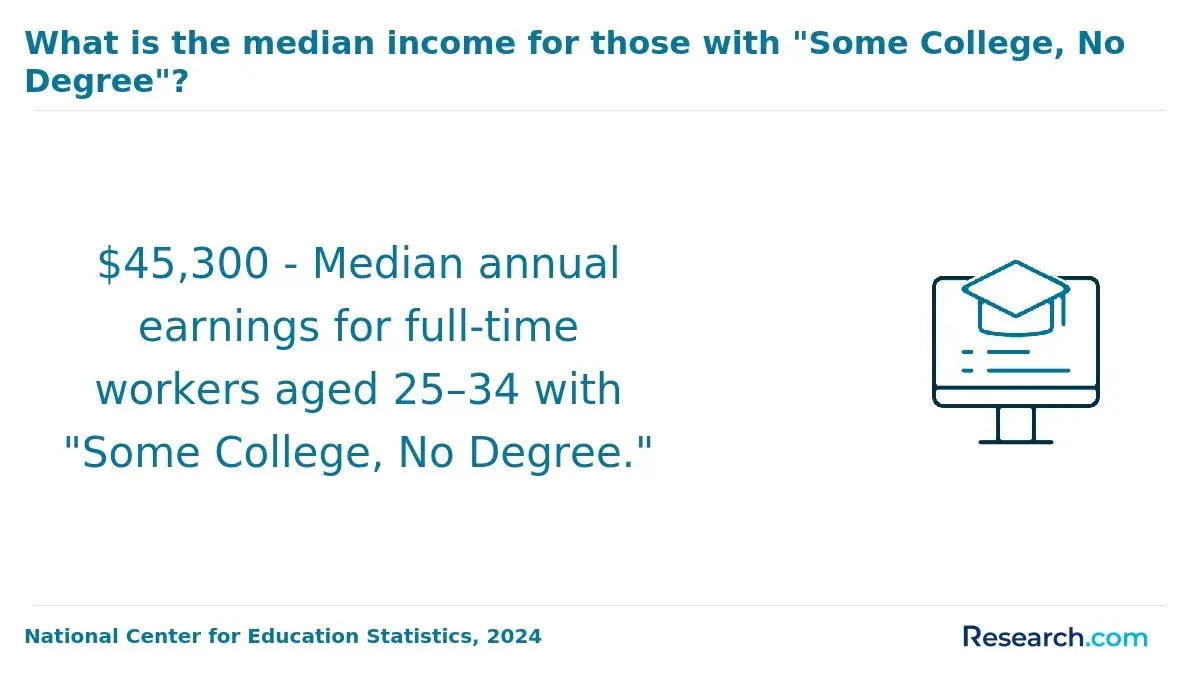
Financial return on biomimicry degrees varies notably across industries, reflecting differences in salary growth potential, hiring demand, and typical debt levels incurred during study. Rather than focusing on entry salaries alone, a realistic assessment of return on investment (ROI) requires evaluating how earnings trajectories align with student loan repayment capacity. Industries that combine steady or accelerating income with manageable borrowing burdens present stronger opportunities for balancing educational costs and long-term financial stability.
- Environmental Consulting: This sector often offers median starting salaries near $55,000, with demand for specialized environmental expertise driving consistent hiring. Typical loan repayment periods of three to five years align well with income levels, enabling graduates to manage debt without prolonged financial strain. The blend of market-driven project work and consulting services supports steady early-career compensation growth, improving overall ROI.
- Sustainable Product Design and Development: Graduates entering this field benefit from salary ranges generally between $50,000 and $65,000, reflecting industry valuation of biomimicry skills for innovative green technologies. Rapid advances in sustainability priorities and private sector investment create upward pressure on earnings, facilitating quicker loan payoff. However, initial hiring may fluctuate based on firm size and funding cycles, so ROI is tied to both demand stability and technical competence.
- Green Technology Innovation: This emerging area prioritizes applied biomimicry knowledge for product enhancements, often pairing competitive entry-level salaries with growth-driven roles. Employers increasingly seek candidates who combine theoretical foundations with hands-on experience, which can accelerate career progression and improve debt servicing ability. The sector's expanding market share helps cushion repayment risks compared to less commercially focused roles.
- Academic Research and Nonprofit Sustainability: These pathways frequently offer starting salaries below $40,000, creating a higher relative debt burden and extended repayment timelines for many graduates. Although these roles provide valuable expertise development and mission-driven work, financial returns often lag, making debt management more challenging. Graduates should anticipate slower income growth and plan accordingly if choosing these sectors.
The 2024 National Center for Education Statistics report indicates that typical borrowing for biomimicry students averages around $30,000, making the interplay between earning trajectories and debt repayment timelines critical. Students and graduates benefit from targeting industries where biomimicry competencies are directly linked to market demand and swift income appreciation, thereby maximizing the financial feasibility of their educational investment.
Does Student Debt Affect Which Jobs Biomimicry Graduates Accept?
Student debt levels heavily influence which jobs biomimicry graduates accept, as repayment demands shape salary expectations and job priorities from the outset. Graduates carrying monthly loan payments around $350 to $450 often prioritize positions offering immediate financial stability over roles more closely aligned with biomimicry's innovative or sustainability-driven focus.
According to a 2024 report from the National Center for Education Statistics, about 62% of biomimicry graduates with outstanding loans choose higher-paying jobs that may not reflect their long-term career ambitions, opting for commercial or conventional environmental consulting over niche biomimicry roles. This pattern reflects the need to balance debt-to-income ratios early in their careers, frequently resulting in trade-offs between passion projects and financial obligations.
Behavioral and structural dynamics further complicate employment decisions among biomimicry graduates. Those with larger debt burdens are less likely to accept unpaid internships or low-paying entry-level positions that are vital for building specialized expertise, limiting their industry selection and professional mobility. Geographic cost-of-living variations intensify these constraints, particularly in urban centers where living expenses compound repayment stress.
Consequently, many high-debt graduates lean toward sectors with perceived stability and consistent income, such as engineering firms or environmental consultancies, often delaying or foregoing advanced training or roles in startups and nonprofits that reflect biomimicry's interdisciplinary potential. These career decisions indicate a pragmatic response to financial pressures rather than a lack of commitment to the field's mission.
One biomimicry graduate recalled that during the rolling admissions process, uncertainty over loan approval delayed submitting key application materials, causing anxiety about meeting deadlines. Weighing whether to proceed with lower-fee programs closer to home or wait for full funding to support a more specialized biomimicry curriculum proved complicated.
Ultimately, the graduate accepted a position at a regional environmental consulting firm offering loan repayment assistance, describing the choice as "a necessary compromise to manage debt while keeping the door open for more aligned opportunities post-repayment." This experience underscores how financial constraints influence both educational and employment timelines for biomimicry graduates navigating debt and career goals simultaneously.
What Factors Increase Student Loan Repayment Risk for Biomimicry Graduates?
Student loan repayment risk for biomimicry graduates stems from a complex interplay of financial, academic, and labor market factors rather than a single cause. This risk increases as borrowing levels grow and is compounded by the variability in post-graduation income stability. Understanding how these elements intersect can clarify why some graduates struggle to meet their repayment obligations and face extended financial strain.
- High Debt Relative to Starting Salaries: Biomimicry programs often involve borrowing amounts that surpass $30,000 on average, while median entry-level salaries remain near $45,000 according to the 2024 National Postsecondary Student Aid Study. This substantial debt-to-income ratio limits monthly repayment capacity and prolongs the time required to clear loans without incurring financial hardship.
- Specialized and Constrained Job Market: The niche nature of biomimicry means employment opportunities are limited and highly specialized. Graduates frequently encounter underemployment or must accept roles that do not fully utilize their skills, reducing earning potential and delaying stable income streams necessary for reliable loan repayment.
- Income Instability from Contract or Project-Based Work: Many biomimicry careers are structured around contract work or short-term projects, leading to inconsistent cash flow. This income volatility increases repayment risk as graduates face difficulty maintaining regular monthly payments, especially when combined with high fixed debt obligations.
- Geographic Concentration of Opportunities: Relevant biomimicry positions are often clustered in urban innovation hubs where living costs are elevated. Graduates relocating to these areas may experience additional financial pressure, limiting disposable income available for debt repayment, especially when paired with already constrained salary levels.
These factors contribute to the broader context of factors increasing student loan repayment risk for Biomimicry graduates. Borrowers who do not adequately anticipate employment realities or consider program format and demographic differences on biomimicry loan repayment may face prolonged financial vulnerability. For readers considering educational pathways or loan commitments, comparing program outcomes with other specialized fields-such as those outlined in the best library science programs-may offer valuable perspective on balancing debt with realistic employment prospects.
How Can Biomimicry Students Reduce Student Loan Debt While Earning Their Degree?
Reducing student loan debt while earning a biomimicry degree requires deliberate academic planning, financial aid optimization, and practical enrollment strategies. Managing borrowing effectively combines financial awareness with measured use of institutional resources and work opportunities. Students who engage early with these tactics can significantly lower total debt and improve their repayment outlook.
- Part-Time or Flexible Enrollment Options: Enrolling part-time or through online and hybrid courses allows students to spread tuition costs over a longer period while maintaining income from employment. The 2024 National Center for Education Statistics highlights that students using part-time enrollment alongside work-study opportunities can reduce borrowing by up to 25%, which lessens reliance on loans during the program.
- Securing Paid Internships and Co-Op Positions: Gaining paid work experience directly related to biomimicry provides essential income to offset expenses, reducing loan needs. Additionally, such relevant employment lowers loan default risks by improving job placement and salary expectations post-graduation, as noted by the Bureau of Labor Statistics.
- Targeted Grants and Scholarships: Prioritizing early applications for institutional and federal grants aimed at STEM and environmental design fields can cut loan dependency substantially. Combining grants with scholarships maximizes financial aid sources specifically suited to biomimicry students, easing overall borrowing.
- Leveraging Work-Study Programs: Actively pursuing federally funded work-study options helps students fund day-to-day costs through on-campus or approved off-campus jobs, decreasing the need for loans. These programs also offer practical experience aligned to academic focus, strengthening employability.
- Cost-Efficient Living Arrangements: Minimizing living expenses by sharing housing or residing with family can reduce borrowing requirements significantly. This strategy lowers non-tuition costs, enhancing the payoff from financial aid and work earnings during academic terms.
- Efficient Course and Degree Planning: When choosing the easiest degree to get, students can map out required courses to avoid excess semesters curtails tuition accumulation and related expenses. Students prioritizing academic efficiency are less likely to overborrow, which is critical in fields like biomimicry where program availability may be limited and specialized.
- Understanding Field-Specific Borrowing and Repayment: Biomimicry degree borrowing and repayment tips emphasize the importance of aligning debt decisions with realistic career outcomes. Graduates entering niche environmental design roles should tailor borrowing levels to anticipated salary trajectories, reducing long-term repayment burdens.
How Should Prospective Students Evaluate Borrowing Risk Before Enrolling?
Assessing borrowing risk before enrolling in a Biomimicry degree program is critical to understanding the long-term financial impact of student loans. Prospective students must weigh the total expected debt against realistic post-graduation earnings to avoid unsustainable financial burdens. This involves a careful analysis of cost structures, repayment obligations, and career income potential within the niche sustainability and design sectors that biomimicry serves.
Key factors for evaluating borrowing risk include:
- Estimated Total Borrowing Amount: Calculate tuition, fees, and living costs comprehensively to project the full debt load. Understanding the total obligation sets the baseline for assessing repayment challenges.
- Projected Income: Analyze median starting salaries and employer demand for biomimicry-related roles, as salary levels directly influence the ability to meet loan payments without hardship.
- Employment Rates: Review recent graduate employment statistics to gauge job market absorption; low placement rates heighten default risk post-graduation.
- Monthly Payment Obligations: Use current interest rates and repayment terms to estimate monthly loan payments, ensuring they align with expected disposable income.
- Long-Term Career Prospects: Consider industry growth trends and skill transferability to evaluate whether the degree supports sustained income evolution over time.
According to a 2024 report from the National Center for Education Statistics, borrowers in specialized environmental fields typically incur over $30,000 in debt while earning median starting salaries near $50,000, highlighting the importance of thorough borrowing risk assessment prior to enrollment.
References
- Client Challenge https://www.ifo.de/en/cesifo/publications/2025/working-paper/risky-college-enrollment-dropout-and-student-debt-forgiveness
- 5 genius ways colleges are tackling the student debt crisis https://finance.yahoo.com/news/5-genius-ways-colleges-are-tackling-the-student-debt-crisis-194429389.html
- Private Financing Increases Funding Stake - European Students' Union https://esu-online.org/private-financing-increases-funding-stake/
- Student loans https://www.sggw.edu.pl/en/studies/student-loans/
- Major decisions: Graduates' earnings growth and debt repayment - The Hamilton Project https://www.hamiltonproject.org/publication/paper/major-decisions-graduates-earnings-growth-and-debt-repayment/
- Private Student Loans — Project on Predatory Student Lending https://www.ppsl.org/privateloans-issue
- 70% of college seniors with student debt say looming repayments will impact their career plans https://www.cnbc.com/2023/08/29/70percent-of-college-seniors-with-loans-say-debt-will-influence-their-career.html
- Effects of Student Loan Debt on Economy [2026]: Data Analysis https://educationdata.org/student-loan-debt-economic-impact
- Student Loan Calculator: Estimate Your Payments https://www.salliemae.com/college-planning/tools/student-loan-repayment-calculator/
Other Things You Should Know About Biomimicry
Because biomimicry programs are niche and highly specialized, graduates often face a narrower job market, which can lead to income volatility early in their careers. This limited job flexibility means that aggressive repayment plans may create financial strain, making income-driven repayment options more practical. Prioritizing repayment plans that adjust with actual earnings can better align with the unpredictable career trajectories common in biomimicry fields.
Extended study periods in biomimicry, common in combined or interdisciplinary programs, usually increase total borrowing and delay entry into the workforce. While acquiring additional expertise might seem beneficial, the longer repayment term elevates both interest accumulation and overall repayment risk. Students should weigh if incremental knowledge justifies the higher debt burden versus entering the job market earlier to stabilize finances sooner.
Graduates often face a tradeoff between accepting immediate higher-paying roles and lower-paying ones with better long-term growth aligned with biomimicry expertise. Choosing a lower salary position focused on sustainability innovation may delay aggressive debt repayment but improves career trajectory and job satisfaction. Prioritizing roles that support skill development and network growth can ultimately enhance income potential, better positioning graduates to handle debt over time.
Deferring payments may seem like a short-term relief during job changes or intermittent employment, but it can significantly increase long-term repayment amounts due to accumulating interest. Moreover, missed payments risk damaging credit, limiting access to professional opportunities requiring background checks or financing for further education. Graduates should proactively communicate with lenders to explore flexible repayment options rather than defaulting, as early engagement helps manage risk without compromising financial reputation.