2027 Biomimicry Degree Enrollment Trends by Age Group: Traditional Students vs Adult Learners

Co-Founder and Chief Data Scientist
Age-related enrollment patterns in biomimicry degree programs reflect the field's specialized credentialing and workforce dynamics. While 78% of program enrollees are traditional students aged 18-24, adult learners often face additional hurdles such as portfolio requirements and practicum commitments tied to employer expectations. These barriers correspond to the field's emphasis on technical skill mastery and applied innovation, which favor early career entry yet also constrain mid-career transitions.
Industry growth projections of 9% through 2030 place pressure on programs to balance foundational training with advanced professional development, revealing a bifurcated pipeline that signals distinct future demands for skilled practitioners and educators alike.
Key Things to Know About Biomimicry Degree Enrollment Trends by Age Group
- Enrollment skews younger due to limited part-time options, creating a timing tradeoff for adult learners balancing careers, which may delay degree completion and affect re-skilling speed.
- Employers in sustainable design often prefer candidates with continuous educational paths, disadvantaging older students who interrupt careers, signaling a workforce bias toward uninterrupted credentials.
- Rising tuition costs disproportionately impact older enrollees reliant on out-of-pocket funding, influencing access and prompting shifts toward alternative credentials beyond traditional biomimicry degrees.
- Key Things to Know About Biomimicry Degree Enrollment Trends by Age Group Key Things to Know About Biomimicry Degree Enrollment Trends by Age Group
- Which Age Groups Represent the Largest Share of Biomimicry Students? Students by Age Group
- Why Do Traditional Students Choose Biomimicry Degree Programs? Traditional Students
- Why Do Adult Learners Return to School for a Biomimicry Degree? Adult Learners
- How Do Academic Goals Vary Between Younger and Older Biomimicry Students? Academic Goals by Age Group
- How Do Financial Concerns Differ Between Traditional Students and Adult Learners? Financial Concerns by Age Group
- What Challenges Do Adult Learners and Traditional Students Face While Earning a Biomimicry Degree? Student Challenges by Age Group
- How Does Age Affect Biomimicry Degree Student Retention? Age and Student Retention
- Which Biomimicry Specializations Are Most Popular Among Adult Learners? Top Specializations for Adult Learners
- How Does Age Affect Job Opportunities for Biomimicry Graduates? Impact of Age in Job Opportunities
- What Do Current Biomimicry Enrollment Trends Reveal About Future Demand? What Do Current Biomimicry Enrollment Trends Reveal About Future Demand?
Which Age Groups Represent the Largest Share of Biomimicry Students?
Biomimicry programs draw learners from a wide range of ages, yet enrollment typically clusters within particular age brackets influenced by career timing, financial capacity, and educational access. This age distribution mirrors broader trends in workforce entry and continuing education rather than mere academic interest.
Differences in when individuals pursue degrees reflect varied motivations-ranging from initial career preparation to mid-career reskilling-and program structures that shape accessibility for these distinct groups.
- Ages 30-44: Representing the largest share of biomimicry degree enrollment, this group consists primarily of mid-career professionals seeking to update skills or pivot into sustainability-driven fields where biomimicry's interdisciplinary focus is valued. Their need to balance work and life commitments often leads them to prefer flexible program formats like part-time, hybrid, or online study, accommodating ongoing employment while enhancing employability.
- Ages 18-24: Traditional students within this typical college-age bracket form a substantial segment due to direct progression from high school into higher education. This group tends to engage in full-time, campus-based study aimed at foundational learning and building long-term career pathways aligned with innovation and design in biomimicry fields.
- Ages 25-29: Early-career adults often appear in biomimicry programs as career changers or professionals acquiring new competencies. Their enrollment reflects a transition phase balancing advancing employment opportunities with educational upskilling, frequently supported by employer incentives or personal investment in sustainability-focused roles.
- Ages 45 and above: Although smaller in proportion, this demographic includes experienced practitioners prioritizing continuing education to maintain relevance amid evolving environmental and technological demands. Financial and time constraints may limit participation here, but growing interest in lifelong learning sustains steady, if limited, engagement.
These enrollment dynamics reveal how biomimicry degree enrollment by age group is shaped by workforce realities and educational pathways rather than solely by academic preference. Institutional offerings targeting adult learners' demand for flexible scheduling respond to labor market shifts emphasizing applied interdisciplinary skills in sustainability. Meanwhile, younger students align with comprehensive academic programs essential for early career development.
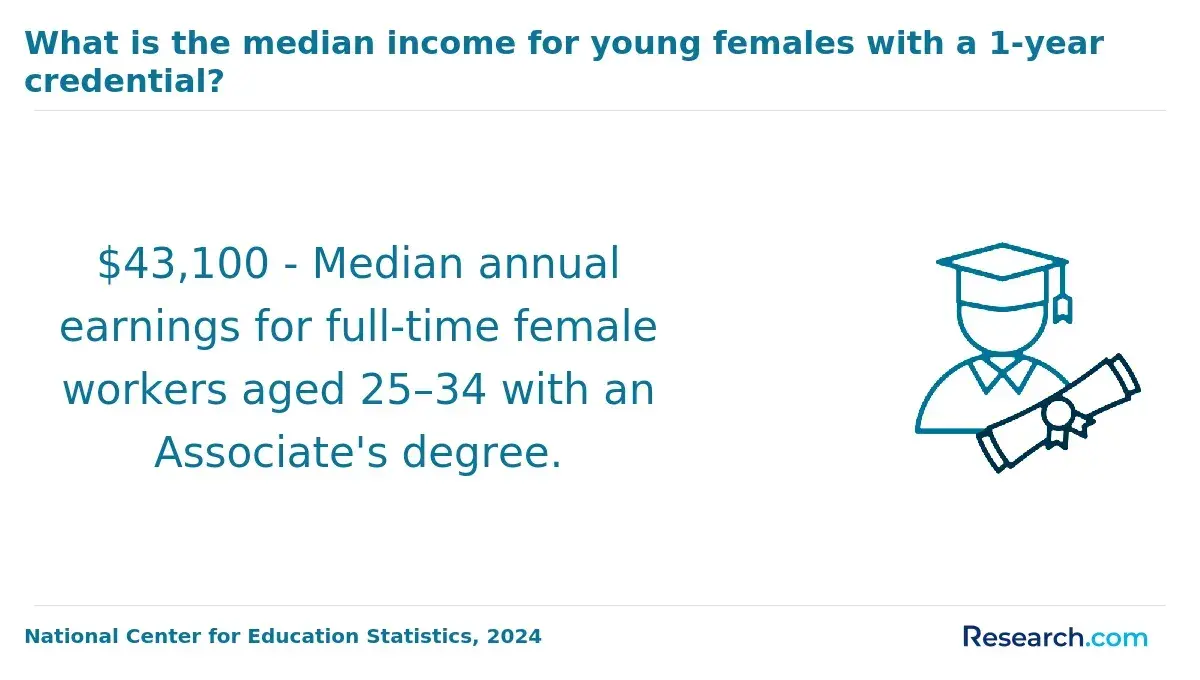
Those weighing their options might consider duration and format; for example, some seek 1 year associate degree programs as a faster route tailored to immediate employability, reflecting the pressing needs of adult learners balancing time and career progression.
Why Do Traditional Students Choose Biomimicry Degree Programs?
Traditional students often choose biomimicry degree programs driven by early academic interests that intersect biology, design, and engineering in sustainable contexts. These programs provide signaling value for newcomers aligning their studies with emerging environmental industries, offering a practical framework for early career exploration.
For many, the interdisciplinary nature of biomimicry supports hands-on learning experiences that resonate with ambitions for green technology innovation and sustainable problem-solving. According to a 2024 report from the National Center for Education Statistics, 52% of traditional-age students enrolling in biomimicry programs cite career alignment with these growing sectors as a primary motivator, underscoring the strong connection between academic pathway and employability expectations.
The motivations for traditional students pursuing biomimicry degrees are also shaped by well-established university recruitment pathways and the influence of academic advisors who highlight the field's potential stability and relevance in the labor market. Exposure to biomimicry concepts through secondary education or introductory college courses often acts as a pivotal factor, guiding students toward these specialized programs earlier than adult learners might.
Peer networks and institutional support further reinforce enrollment decisions, as students perceive biomimicry programs as strategically aligned with environmental innovation careers. This early exposure and institutional structuring help traditional students navigate program availability challenges and secure meaningful internships, which are critical for bridging education-to-career transitions.
Students considering alternative pathways may also explore flexible options such as those seen in affordable online masters in psychology, but traditional career goals in biomimicry often prioritize integrated, campus-based engagement with science and design disciplines.
Why Do Adult Learners Return to School for a Biomimicry Degree?
Adult learners choosing to pursue a biomimicry degree often do so to maneuver within shifting labor markets where sustainability expertise is increasingly tied to career mobility and wage progression. Many return to formal education seeking to transition from adjacent fields like environmental consulting, engineering, or design into roles that explicitly leverage biomimicry principles, which are gaining traction in industries aiming for innovation aligned with ecological considerations.
This strategic re-skilling reflects a broader trend where credentials in niche interdisciplinary domains provide a tangible advantage in competitive job markets. Data from the National Center for Education Statistics in 2024 highlights that nearly 38% of biomimicry enrollees over 25 prioritize enhanced employability and alignment with emerging green sectors, underscoring the direct link between degree pursuit and measurable career outcomes.
Beyond career shifts, adult enrollment in biomimicry programs is shaped by evolving employer practices and educational accessibility. Many companies now offer tuition assistance, incentivizing workers to update technical competencies relevant to sustainability and design innovation.
Concurrently, the proliferation of online and hybrid program formats addresses the practical challenges adult learners face, such as balancing work and family commitments, enabling continued professional development without sacrificing income or stability.
These factors, combined with industry requirements for specialized credentials in emerging environmental technologies, drive adult learners to seek education that integrates practical applications and project-based learning tailored to current workforce standards.
The increasing presence of adult learners also influences program structures, contributing to a rise in flexible, competency-based education models that emphasize real-world impact over purely theoretical knowledge. This demographic shift diversifies classroom experiences and peer interactions, fostering collaboration between students with varied professional backgrounds and life experiences.
As a result, biomimicry education adapts not only to meet the needs of mature students but also to sustain relevance amid rapid ecological and technological change affecting multiple sectors.
How Do Academic Goals Vary Between Younger and Older Biomimicry Students?
Younger biomimicry students often engage with their studies as an exploratory phase, prioritizing broad foundational knowledge that supports a range of interdisciplinary STEM opportunities. Their academic intent typically revolves around building versatile skills applicable to entry-level positions or laying groundwork for advanced graduate education.
This group tends to embrace networking opportunities and research experiences that enhance their adaptability in shifting job markets. According to a 2024 National Center for Education Statistics report, such students focus on curriculum breadth and exposure as key enablers for future career flexibility rather than immediate specialization.
In contrast, older biomimicry students usually approach their education with sharply defined career goals shaped by prior workforce experience and ongoing professional responsibilities. About 67% of adult learners, as reported by the Association for Biomimicry Education Research in 2024, enroll with the intention of either progressing within their current field or pivoting to niche roles that demand targeted expertise.
Their academic priorities include practical applications, flexible scheduling, and accelerated formats that accommodate work and family commitments while enabling timely credential attainment. This goal-directed learning strategy reflects a need to balance immediate employability with long-term advancement rather than academic exploration.
One adult learner described enrolling in a biomimicry program amidst considerable uncertainty, having delayed application submissions until closer to deadlines due to fluctuating work projects and family obligations. She recounted hesitating initially because the rolling admissions process made timing unpredictable, yet found relief in a program that offered online courses and admitted students multiple times a year.
Her experience underscored the importance of flexibility and realistic planning for those returning to education later in life, especially when balancing professional advancement goals with logistical constraints of everyday life.
How Do Financial Concerns Differ Between Traditional Students and Adult Learners?
Traditional students pursuing biomimicry degree programs often depend heavily on family support, scholarships, or federal student loans to cover tuition and living expenses. According to the National Center for Education Statistics (NCES) 2024 data, about 70% of these students rely on federal loans, with average borrowing exceeding $30,000, which shapes their financial decision-making around long-term debt tolerance and future earning potential.
Their evaluations frequently consider tuition costs alongside anticipated career entry points, weighing immediate educational expenses against potential income stability over time. This dynamic is a critical factor for many when deciding among program types and financial aid options during enrollment, especially as they navigate the pressures associated with early-career workforce entry.
In contrast, adult learners face more complex financial pressures that include balancing ongoing household costs, dependents, and sometimes existing debts, creating distinct opportunity costs such as lost wages if studying requires reduced work hours. Unlike traditional students, many adult learners benefit from steady income or savings, and a significant portion-nearly 60%, as reported by the 2024 Strada Education Network-utilize employer tuition assistance programs, which can alleviate upfront costs and reduce reliance on loans.
These financial realities influence their program selection, often prioritizing flexible, cost-effective options that accommodate continued employment and family responsibilities rather than the full campus experience of younger cohorts. This strategic approach aligns with their focus on tangible return on investment, aiming to enhance job stability and salary rather than merely securing an initial entry-level position.
The differing financial contexts also shape enrollment patterns, program modalities, and long-term outcomes for biomimicry students. Traditional students might pursue broader campus experiences with higher immediate costs justified by expected long career revenue, while adult learners often select online or hybrid programs to balance work and study.
Understanding these nuanced tradeoffs is vital for prospective students evaluating cost considerations for adult learners pursuing biomimicry degrees, as it influences realistic career planning and financing strategies.
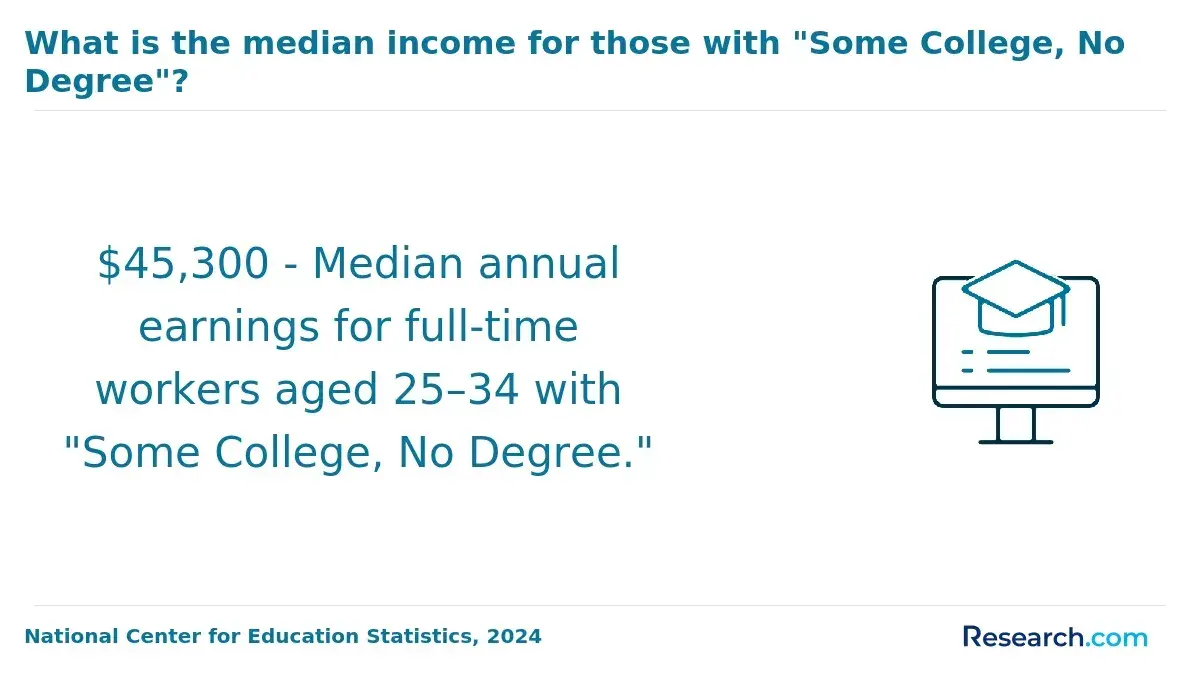
For those comparing educational pathways, exploring certificate jobs that pay well may further inform decision-making about practical skill acquisition alongside degree programs.
What Challenges Do Adult Learners and Traditional Students Face While Earning a Biomimicry Degree?
Traditional students pursuing a biomimicry degree frequently grapple with adapting to the academic rigor and structured demands typical of higher education environments. Most are between 18 and 24 years old, often balancing course loads with part-time jobs, which complicates time management and prioritization.
Foundational competencies in STEM subjects are critical for tracking the evolving interdisciplinary content in biomimicry, yet many students face pressure to rapidly develop these skills while maintaining academic performance. According to the National Center for Education Statistics' 2024 report, nearly 62% of this age group cite academic workload and balancing employment as primary stress factors, highlighting the intersection of educational intensity and financial dependence at this life stage.
In contrast, adult learners enrolling in biomimicry programs confront a distinct set of challenges primarily linked to external obligations such as full-time employment and family care. Often aged 25 and older, they must integrate coursework into already demanding schedules, which limits dedicated study time and slows progression.
Many adult students also return to academia after a gap, necessitating adjustment to learning technologies and study routines that may differ significantly from their previous experience. The same 2024 dataset reveals that 74% of adult learners struggle with allocating consistent time to studies due to competing responsibilities, and these individuals frequently finance their education independently, further amplifying financial strain without the benefit of typical aid available to younger peers.
These demographic-specific pressures compel institutions to adapt support mechanisms to enhance retention and completion in biomimicry programs. Flexible course delivery, such as asynchronous formats, and targeted advising that acknowledges both lifecycle constraints and skill gaps are increasingly important.
Recognizing how academic preparation, life stage, and outside commitments shape learners' experiences is essential for developing practical support systems that align with workforce readiness demands. Employer expectations for applied skills and real-world problem-solving further underscore the necessity of tailored educational pathways that accommodate divergent student needs while maintaining program rigor.
How Does Age Affect Biomimicry Degree Student Retention?
Traditional college-age students pursuing biomimicry degrees often face retention difficulties tied to their adjustment to academic rigor and evolving interests. This demographic frequently navigates shifting identities and uncertain career direction while acclimating to the interdisciplinary demands of biomimicry, which integrates science, design, and sustainability.
Early stages of study may reveal gaps in motivation when the practical application of coursework is less immediately clear, contributing to a retention rate near 65% as identified in a 2024 national STEM education study. These challenges are compounded by the need to develop effective time-management skills and to sustain engagement across diverse subject areas during a formative educational phase.
In contrast, older students generally demonstrate higher persistence, with retention around 78%, reflecting more concrete purpose and experience-based relevance in biomimicry programs. Their retention is often linked to clear occupational goals, leveraging prior professional backgrounds to apply knowledge directly toward career shifts or entrepreneurial initiatives.
However, competing obligations such as employment, family care, and financial responsibilities impose logistical strains that can offset these advantages. Institutions that implement flexible scheduling, mentorship models, and science refresher courses tend to see improved outcomes for this cohort by addressing both academic preparedness and life complexity.
One biomimicry graduate recalled hesitation during the rolling admissions cycle, juggling uncertainty about readiness and timing. Having delayed application submission to complete prerequisite courses, they felt caught between advancing their skills and risking available seats filling up.
This tension prompted discussions with admissions advisors who emphasized personalized pathways and flexible enrollment windows. The eventual decision to proceed, influenced by those tailored options, underscored how timing and institutional responsiveness critically shape persistence for nontraditional applicants navigating complex life stages before fully committing to the program.
Which Biomimicry Specializations Are Most Popular Among Adult Learners?
Adult learners pursuing biomimicry degrees typically select specializations that offer clear pathways for career mobility, skill updating, or industry transition. Their choices reflect practical considerations such as current work experience, salary advancement potential, and alignment with sectors experiencing growth.
These learners prioritize disciplines that can be applied immediately in professional settings, enhancing marketability while balancing education with existing responsibilities. The trend contrasts with younger cohorts who might focus more on theoretical depth or exploratory interests rather than direct employability outcomes.
- Sustainable Design and Innovation: This specialization attracts adults because it directly ties to green engineering and eco-efficient product development, areas with growing demand among employers focused on corporate sustainability. Practical skills gained here support salary growth in industries aiming to reduce environmental footprints.
- Systems Thinking within Biomimicry: Known for fostering holistic problem-solving, this area appeals to professionals in leadership or project management, enhancing strategic thinking crucial for navigating complex organizational challenges and broad sector shifts.
- Environmental Restoration through Biomimetic Methods: Adult learners with backgrounds in environmental science often gravitate toward this specialization to leverage skills for careers in habitat restoration and natural resource management, fields expanding due to increased environmental regulation and urban planning needs.
- Applied Biomimetic Engineering: This focus draws those aiming to transition into technical roles in product design or manufacturing, emphasizing hands-on application over theory and aligning well with workforce reskilling initiatives.
- Biomimicry in Corporate Sustainability Strategy: Professionals aiming to influence sustainability policies within large organizations select this specialization to integrate environmental principles into corporate governance and compliance efforts.
A 2024 survey by the Environmental Workforce Alliance found that 62% of adult biomimicry students selected sustainable design or systems thinking as their primary focus, underscoring a strong adult learner preference for applied, versatile disciplines. For those exploring further advancement options, programs offering a PhD without dissertation present alternatives that balance rigorous study with flexibility.
The specialization choice among adult learners reflects a strategic approach to workforce relevance, with many weighing the tradeoff between immediate applicability and theoretical scope. These patterns highlight how biomimicry specialization trends for adult learners are distinctly shaped by mature students' complex career demands and reskilling needs within evolving industries.
How Does Age Affect Job Opportunities for Biomimicry Graduates?
Younger biomimicry graduates, typically aged 18-24, often benefit from clearer pathways into entry-level roles due to employer assumptions about their technological agility, recent academic exposure, and longer potential career spans. These graduates frequently access structured internship pipelines and junior positions within sustainable design and research sectors, facilitating faster initial placement.
Labor market data from 2024 highlights that while many employers prize prior domain expertise, they also tend to favor younger applicants for technical innovation roles, which can expedite early employment but may limit opportunities for those outside this age bracket. This dynamic shapes traditional enrollment patterns and influences biomimicry graduate job prospects by age group, especially as competition intensifies for affordable entry points in this emergent field.
Conversely, adult biomimicry learners, usually over 30, often leverage transferable skills and extensive professional networks to pursue higher-level or consulting roles early in their postdegree careers. However, these advantages are counterbalanced by potential employer concerns regarding retraining costs and cultural fit, which can restrict access to junior roles that emphasize recent academic credentials.
According to a 2024 National Career Development Association report, 62% of employers value previous domain experience, yet 47% demonstrate bias favoring younger candidates in technical hiring decisions. Prospective adult learners weighing career advancement opportunities for adult biomimicry learners should also consider specialized pathways and strategic networking to overcome such barriers.
For a broader perspective on related professions, exploring high paying jobs with animals may provide insight into parallel labor market trends and transferable skills.
What Do Current Biomimicry Enrollment Trends Reveal About Future Demand?
Rising enrollment trends in biomimicry degree programs reflect a nuanced shift in how prospective students perceive the field's career value and relevance. While traditional students aged 18 to 24 continue to constitute the largest demographic, the faster growth among adult learners signals expanding appeal beyond entry-level clean tech roles toward mid-career pivots and specialized innovation pathways.
This demographic shift underscores increasing recognition of biomimicry's practical applications in sustainability and ecological design, strengthening its position as a viable option for professionals seeking applied skills aligned with emerging market needs, as documented by the 2024 National Center for Education Statistics.
These enrollment patterns are closely intertwined with broader labor market dynamics, including the rising demand for interdisciplinary expertise in green technology and environmental consulting.
Employers increasingly prioritize candidates who can integrate hands-on project experience with cross-sector collaboration, a trend that aligns with the growing interest in flexible, applied learning options favored by adult learners.
Anticipated workforce shortages and technological advancements in sustainability sectors suggest steady expansion of biomimicry programs, with future specialization areas likely evolving in response to real-time industry challenges and innovation demands.
References
- Biomimicry Jobs and Careers, Explained https://www.learnbiomimicry.com/blog/biomimicry-careers
- Learning to lead: Graduates reflect on career benefits of biomimicry - Biomimicry 3.8 https://biomimicry.net/2016/01/06/learning-to-lead-graduates-reflect-on-career-benefits-of-biomimicry/
- The Benefits of College for Adult Learners - ReUp Education https://reupeducation.com/blog/the-benefits-of-college-for-adult-learners/
- 5 Reasons to Return to Education as an Adult https://ucr.rotherham.ac.uk/blog/5-reasons-to-return-to-education-as-an-adult/
- Does Higher Ed’s Value Proposition Resonate with Adult Learners? - UPCEA https://upcea.edu/does-higher-eds-value-proposition-resonate-with-adult-learners/
- Research & Resources - The Biomimicry Institute https://biomimicry.org/research-resources/
- ImAGEin Career Prospects - Life https://life.univ-cotedazur.eu/international/imagein/career-prospects
- Biomimicry: Learning from Nature's Genius https://www.graydi.us/blog/gray-insights/biomimicry-learning-from-natures-genius
- For Adult Learners, College Means More Than Just Jobs and Wages https://www.higheredtoday.org/2024/11/22/college-means-more-adult-learners/
- BioLearn https://biolearn.eu/en/future/teacher-support/why-teach-biomimicry
Other Things You Should Know About Biomimicry
Yes, adult learners often seek a direct return on investment and accelerated pathways to practical application, making programs with strong industry ties more valuable for immediate employability. Traditional students can afford to focus more broadly on foundational theories and diverse electives, while adult learners benefit from programs that explicitly connect coursework to current employer needs and offer internships or project-based collaborations. Prioritizing industry integration can reduce the time to career impact for adult learners.
Traditional students often manage the intensity of faster-paced programs with heavier credit loads per semester but have fewer external responsibilities, making high workload sustainable. Adult learners usually require longer program durations with reduced course loads to fit alongside work and personal demands but risk prolonged financial and time commitments. Choosing the right balance depends on individual capacity for sustained effort versus total time to completion, with adult learners often benefiting from clearly structured part-time options.
Employers generally expect traditional students to demonstrate mastery of up-to-date theoretical frameworks and technical competencies, assuming limited professional experience. For adult learners, employers often prioritize demonstrated practical skills and relevant work experience alongside academic credentials. Students should therefore tailor their learning focus accordingly: traditional students should seek programs with comprehensive theory and research exposure, while adult learners should emphasize applied projects and certifications that highlight workplace readiness.