2027 Biomimicry Career Outcomes by Degree Level Report: Pay, Employment, and Advancement Patterns

Co-Founder and Chief Data Scientist
An adult learner considering a biomimicry degree often faces uncertainty about whether to pursue an associate's, bachelor's, or graduate program, given the fragmented data on pay and job prospects. Recent 2024 research highlights that candidates with graduate credentials in biomimicry experience a 25% higher rate of advancement into leadership roles than those with only undergraduate qualifications.
This gap reflects not just salary potential but also access to strategic positions shaping sustainable innovation. For working professionals balancing investment and career outcomes, understanding these degree-level differences is critical. This article examines pay scales, employment rates, and advancement patterns to guide clear, informed decisions about biomimicry education pathways.
Key Things to Know About Biomimicry Career Outcomes by Degree Level
- Associate degrees in biomimicry typically enable faster workforce entry but limit advancement to technical roles, reflecting employers' preference for bachelor's credentials in strategic or leadership positions.
- Bachelor's and master's degree holders dominate hiring in mid-level jobs, with 2024 data showing 62% of openings require at least a bachelor's, emphasizing credential tiers as gatekeepers of opportunity.
- Doctoral education offers research and high-level consultancy access yet incurs longer time and financial investment, often delaying practical returns, which influences candidate decisions amid evolving industry demand.
- Key Things to Know About Biomimicry Career Outcomes by Degree Level Key Things to Know About Biomimicry Career Outcomes by Degree Level
- What Career Outcomes Can Students Expect From Each Biomimicry Degree Level? Career Outcomes by Degree
- How Much Do Biomimicry Graduates Earn by Degree Level? Salary by Degree Level
- Which Biomimicry Degree Level Offers the Strongest Employment Prospects? Best Degrees for Employment
- What Entry-Level Jobs Can You Get With a Biomimicry Degree? Entry-Level Career Opportunities
- How Do Biomimicry Degree Levels Affect Career Advancement and Promotion Opportunities? Career Growth by Degree
- Is a Biomimicry Degree Worth It Based on Salary, Employment, and ROI? Salary, ROI, and Value
- How Do Associate, Bachelor's, Master's, and Doctoral Biomimicry Degrees Compare? Comparing Degree Levels
- Which Industries and Employers Hire Biomimicry Graduates by Degree Level? Which Industries and Employers Hire Biomimicry Graduates by Degree Level?
- What Skills, Credentials, and Experience Improve Biomimicry Career Outcomes? What Skills, Credentials, and Experience Improve Biomimicry Career Outcomes?
- Which Biomimicry Degree Level Is Best for Your Career Goals? Choosing the Right Degree
What Career Outcomes Can Students Expect From Each Biomimicry Degree Level?
Access to meaningful employment in biomimicry hinges heavily on credential level, with associate and certificate holders typically entering support roles that demand practical skills but offer limited leadership. For adult learners or transfer students prioritizing workforce entry speed, these credentials provide a lower-cost, shorter time investment but come with narrower job security and slower advancement.
Employers often favor bachelor's degree candidates for roles requiring broader analytical competencies and project coordination, reflecting stable employment trends reported by the U.S. Bureau of Labor Statistics for environmental science fields in 2024. This degree level frequently serves as a gateway to specialized certification, allowing working professionals to leverage prior credits and experience toward greater career mobility and specialization in biomimicry degree level employment outcomes by credential type.
Master's degree holders typically secure positions demanding advanced interdisciplinary expertise and leadership, such as senior sustainability consultancies or innovation management, underscoring the degree's role in bridging technical mastery with strategic influence. The additional time and financial investment required must be weighed against higher promotion rates and enhanced professional network access documented by the National Center for Education Statistics.
Doctoral candidates face a narrower but more prestigious labor market focused on research and policy development, with success predicated on robust publication records and niche specialization. Adult learners pursuing doctoral credentials should consider these tradeoffs carefully, as the length and cost of study contrast with the potential for senior-level roles, tying into long-term opportunities outlined for career advancement opportunities for biomimicry graduates by education level.
Those exploring online MSW programs affordable often find similar deliberations around credential value and market fit apply, reinforcing cross-disciplinary lessons on strategic degree planning.
How Much Do Biomimicry Graduates Earn by Degree Level?
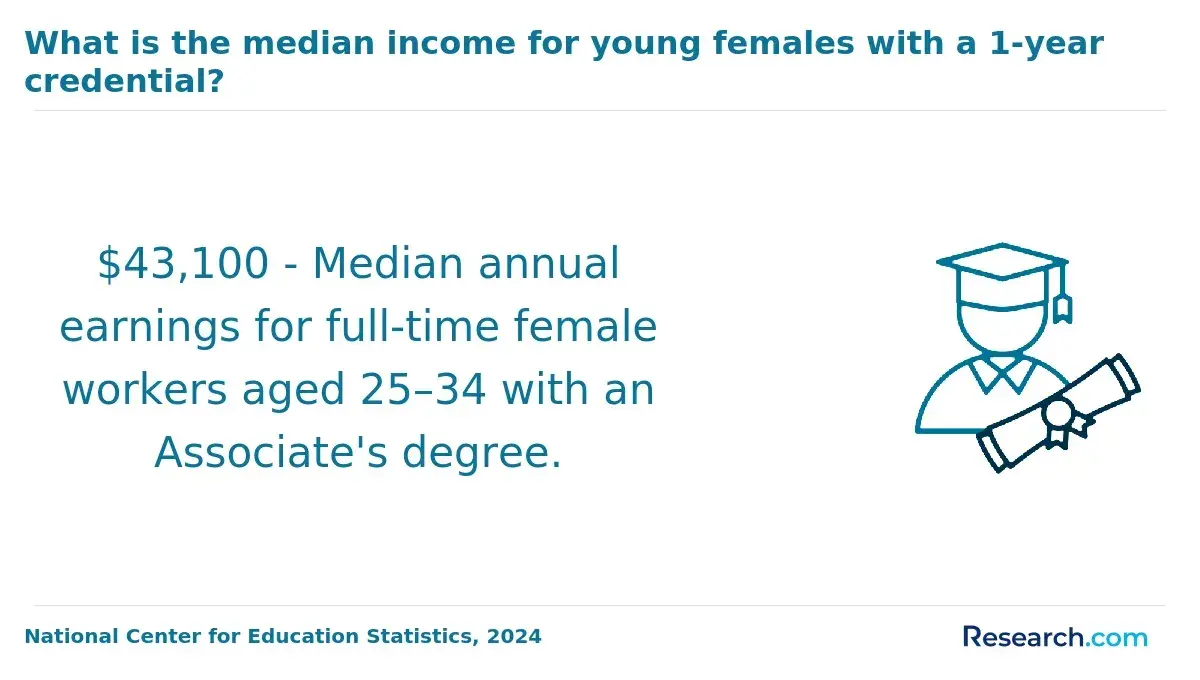
Earnings for biomimicry graduates demonstrate clear differentiation linked to credential level, but these figures must be viewed alongside employment stability and progression factors. Entry-level credentials like certificates or associate degrees often lead to median incomes between $40,000 and $55,000, aligning with roles that emphasize technical support or sustainability coordination and tend to offer slower advancement and variable job security.
Bachelor's degrees typically elevate median salaries to the $65,000-$75,000 range and open doors to roles requiring project management or complex design skills, often yielding more consistent employment yet demanding a blend of biological understanding and applied engineering. The choice to pursue a master's degree can raise median earnings to about $80,000-$95,000, reflecting eligibility for senior technical positions and leadership in innovation-focused projects, but entails longer study periods and greater investment.
The doctoral level presents a more nuanced proposition; median earnings surpass $100,000 primarily in academic, R&D, or consulting niches, with markedly higher influence in technological direction and strategic initiatives. However, PhD pursuits require a significant time commitment, including producing scholarly work and navigating varied institutional environments, which can delay practical workforce re-entry.
For adult students and those transferring credits, the incremental salary gains from higher degrees must be weighed against the costs and timelines of completion, alongside local labor market demand and employer preferences. For example, a working professional considering a master's to become eligible for leadership roles in environmental consultancy should assess how regional employers value advanced degrees versus substantial field experience.
A graduate initially considered stopping after earning an associate credential but hesitated after reviewing job listings for sustainability roles in their city, which frequently required bachelor's qualifications and offered noticeably higher pay. Balancing the financial pressure of returning to school with potential long-term earnings, they ultimately enrolled in a bachelor's program that accepted many transfer credits.
This decision was informed by conversations with employers who emphasized practical project management skills over advanced theory, highlighting that while a master's could offer further salary increases, the bachelor's degree struck the right balance between cost, duration, and employability in their local market.
Which Biomimicry Degree Level Offers the Strongest Employment Prospects?
The strongest employment prospects in biomimicry generally align with bachelor's and master's degree holders, reflecting employer preferences for candidates with robust scientific and design competencies. While certificate and associate credentials often facilitate faster entry into roles such as environmental consulting or research support, these positions usually offer limited upward mobility and lower wages, with only around 65% of certificate holders securing relevant employment within a year according to a 2024 labor market study.
Employers increasingly insist on bachelor's degrees as a baseline for positions involving project leadership, innovation, or sustainable technology adoption, making this credential critical for accessing a broader range of job opportunities and longer-term career growth. Master's degrees enhance specialization and research skills, opening doors to higher-paying, stable roles in advanced materials development, ecosystem design consulting, and policy advising, with over 85% of graduates employed in biomimicry-focused jobs per a 2024 graduate outcomes survey.
However, investing additional time for graduate study demands weighing the benefits of deeper expertise against delayed workforce entry. Those pursuing doctoral or professional degrees face narrower markets concentrated on academia and high-level consultancy, where demonstrated research impact and credentials are essential but competition is fierce. These distinctions mean students must carefully consider whether accelerating into the workforce with an associate or bachelor's.
What Entry-Level Jobs Can You Get With a Biomimicry Degree?
Entry-level environmental jobs for graduates with a biomimicry degree often hinge on the level of education attained and the practical experience demonstrated during study. Bachelor's degree holders typically qualify for positions that emphasize foundational analytical skills and interdisciplinary collaboration, such as sustainability analyst or design assistant roles, which serve as critical stepping stones but may offer limited immediate leadership or specialized research opportunities.
In contrast, those with master's degrees frequently access roles with greater technical demands, including project coordination and applied research, positioning them more directly for early responsibility and advancement within sectors like architecture, engineering, and environmental consulting. The workforce increasingly values internships and portfolio work showcasing applied biomimetic design, underlining important real-world tradeoffs: theoretical knowledge alone seldom suffices to meet employer expectations in biomimicry entry-level environmental jobs.
According to the U.S. Bureau of Labor Statistics (2024), about 35% of related entry-level roles mandate at least a bachelor's degree, reflecting competitive demand and the need for job-ready skills. Certifications can complement formal education but do not substitute for hands-on experience or project involvement, especially in urban centers where green innovation clusters concentrate opportunities. Aspiring professionals should consider these dynamics carefully when evaluating if initial roles serve as viable launchpads or require further graduate study to sustain upward mobility.
Job seekers exploring careers for recent graduates with a biomimicry degree should also be mindful of the geographic variability in labor market demand and limited remote work options in technical positions. Employer-led training programs often facilitate progression from technical entry points to managerial functions over several years, reinforcing the importance of continuous skill development and networking. For those evaluating educational pathways, including CACREP-accredited schools or other relevant credentials.
How Do Biomimicry Degree Levels Affect Career Advancement and Promotion Opportunities?
Advanced degrees in biomimicry, such as master's and doctoral credentials, substantially increase eligibility for supervisory and leadership roles, particularly in sectors emphasizing sustainability and innovation. Employers often use graduate-level qualifications as a screening tool for mid-career promotions, associating them with enhanced problem-solving skills and strategic management experience.
While associate and bachelor's degree holders typically gain entry through technical or project-focused roles, their advancement frequently hinges on accumulating extensive relevant experience or pursuing additional certifications, which can delay progression. A 2024 report from the U.S. Department of Education's IPEDS highlights that nearly 60% of job postings requiring biomimicry expertise also demand a master's degree for supervisory responsibilities, underscoring how degree level can act as a gatekeeper rather than a simple credential.
For working adults or transfer students balancing employment with education, graduate programs that integrate management training and interdisciplinary collaboration can accelerate readiness for leadership positions, mitigating slower promotion trajectories often experienced by bachelor's degree holders without advanced qualifications. However, those with substantial industry experience sometimes manage to offset formal degree requirements, though this approach carries the risk of limited access to higher-tier roles and longer timelines for advancement.
Practical considerations include evaluating whether the time and financial investment in graduate-level study will translate into measurable career mobility or if targeted certifications might better align with individual goals and employer expectations. One biomimicry graduate, initially uncertain whether to pursue a master's degree after working several years with a bachelor's, recalled hesitating because the technical skills alone had opened multiple roles but noted the clear requirement of a graduate credential for internal promotion to team lead.
After discussing with supervisors, they chose a part-time master's program focused on sustainability leadership, which provided strategic tools and greater confidence. The decision, though challenging alongside full-time work, ultimately proved critical for gaining the formal qualifications employers emphasized and navigating promotion pathways more smoothly.
Is a Biomimicry Degree Worth It Based on Salary, Employment, and ROI?
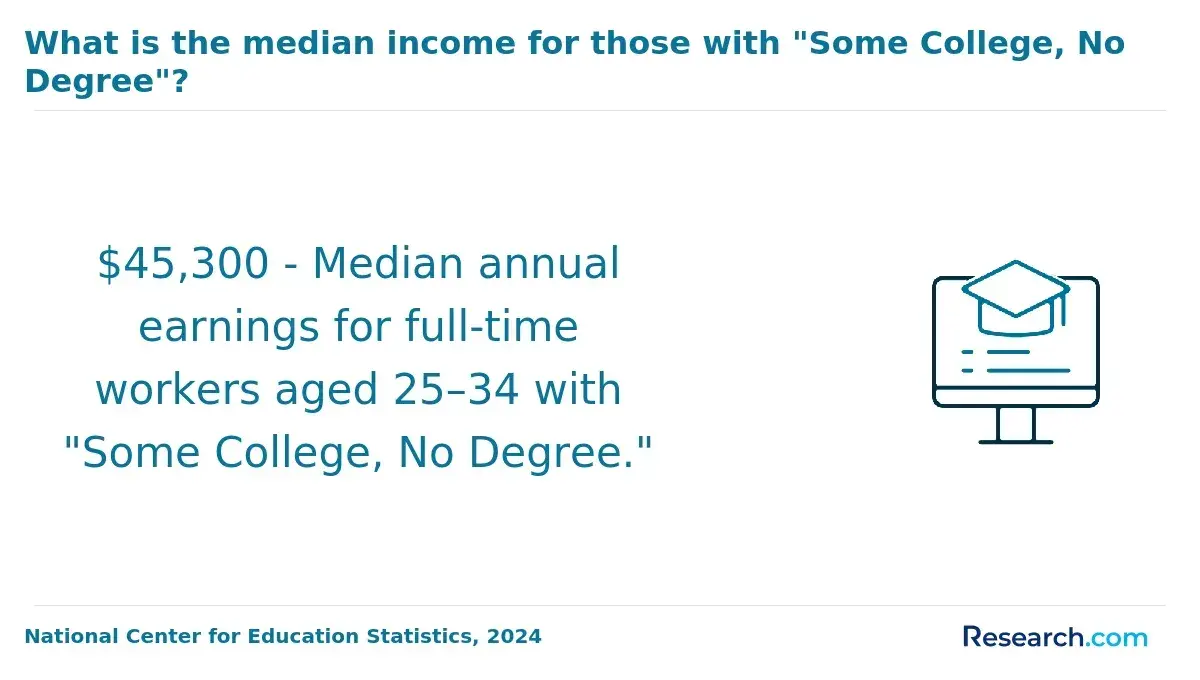
Salary outcomes and employment stability for biomimicry graduates vary significantly by degree level, affecting the practical return on investment. Professionals with master's degrees in related sustainability and environmental design fields typically command higher median wages compared to bachelor's holders, reflecting the market's preference for advanced credentials in specialized eco-industries. However, geographic clustering of demand and regional labor market saturation can limit opportunities for those unwilling or unable to relocate.
For working adults and transfer students balancing employment, the extended time and additional debt associated with graduate education may offset some wage gains, especially if employer tuition support is limited or loan repayment pressures build in the early career phase. Employment growth in green design aligns roughly with average national rates, underscoring the importance of evaluating local market dynamics when assessing the degree's value.
Master's graduates often experience higher employment retention and faster promotion, improving long-term career mobility but requiring an upfront investment that may not suit all prospective students. Those pursuing part-time enrollment to accommodate work schedules face longer completion times and opportunity costs, complicating the straightforward calculation of ROI. Prospective students should weigh these considerations alongside individual career goals, including the potential impact of credentials on consultancy and leadership roles within niche biomimicry disciplines.
For learners navigating choices among sustainable design-related paths, considering programs like a UI/UX designer degree may offer comparative insights into cost and employment tradeoffs within innovation-focused sectors. Ultimately, biomimicry degree salary and employment outcomes are contingent on a combination of credential level, work experience, program structure, and local industry demand. Careful analysis of these factors will guide informed decisions regarding the return on investment for biomimicry degree holders.
How Do Associate, Bachelor's, Master's, and Doctoral Biomimicry Degrees Compare?
Choosing to stop at an associate degree in biomimicry typically limits professionals to entry-level technical or support roles within sustainability sectors, often necessitating further education for meaningful advancement. Bachelor's degrees commonly open doors to specialized positions in design, research, and innovation teams, with data from the National Center for Education Statistics showing a 91% employment rate for graduates within six months.
However, this broad foundation may reach a ceiling for leadership or niche expertise, pressing many to consider graduate education for greater upward mobility. Master's programs provide a clearer path to management and strategic roles, especially when paired with specialization areas such as sustainable materials or ecosystem design, aligning with projected growth in advanced sustainability jobs.
Yet, the longer duration and increased cost require weighing whether the potential leadership and salary gains justify the investment. Doctoral studies primarily serve those aiming for research-intensive careers, policy influence, or academic leadership, but they often involve extended timelines and delayed financial returns, making them less practical for individuals prioritizing immediate labor-market benefits.
Credit transferability and prior experience significantly impact progression decisions; stackable credentials can reduce barriers to higher degrees and mitigate costs, but employers frequently value demonstrable outcomes over credentials alone. Prospective students must evaluate whether stopping at an associate or bachelor's degree meets their career goals, or if returning for a master's provides essential specialization and authority. Doctoral pathways, while prestigious, suit a narrow subset targeting elite research and advisory roles.
Which Industries and Employers Hire Biomimicry Graduates by Degree Level?
Employment outcomes for biomimicry graduates vary sharply by degree level, reflecting how industry requirements and employer expectations shape hiring and advancement. Associate degree holders primarily fill technical support roles in manufacturing, environmental services, or sustainability-focused nonprofits where practical skills like data collection and field assistance are valued. Approximately 60% of such graduates secure jobs as technicians or assistants in private sector settings, according to the National Center for Education Statistics.
Employers in these sectors often prioritize demonstrated hands-on experience over advanced credentials, which can limit upward mobility without further education. Bachelor's degree recipients enjoy access to professional roles in design firms, clean technology startups, and environmental engineering companies. These employers seek candidates who combine scientific understanding with biomimetic design software proficiency and project coordination capabilities.
The Bureau of Labor Statistics notes that managerial and analyst positions generally require at least a bachelor's degree, reflecting a higher bar for technical aptitude and leadership potential. Meanwhile, master's and doctoral graduates often move into research institutions, public agencies, or corporate R&D, where published work or patents can be decisive. Advanced degrees unlock roles involving policy advisory or innovation leadership, particularly in regions with substantial green tech investment, but they also demand a longer educational commitment.
Certificate programs typically supplement existing professional expertise rather than serve as standalone qualifications and find niche use in consulting, education, or advocacy. Prospective biomimicry students should weigh immediate employability at lower credential levels against the greater specialization and leadership opportunities afforded by advanced degrees, recognizing how sector-specific demands-such as public sector licensure or research funding-dictate different pathways.
Strategic decisions about credential levels must consider not only baseline job entry but also long-term alignment with the complexity and management responsibilities sought by employers in this evolving field.
What Skills, Credentials, and Experience Improve Biomimicry Career Outcomes?
Career outcomes in biomimicry hinge on integrating technical acumen with tangible applied experience, as employers explicitly seek candidates who demonstrate both. At the bachelor's level, foundational knowledge in biology, engineering, and design thinking must be paired with internships or apprenticeships to materially boost early employment prospects.
The National Center for Education Statistics reports a roughly 15% employment increase for graduates who engage in such hands-on learning, illustrating the premium placed on real-world problem-solving in biomimicry professional skills and certification requirements. For working professionals or military-affiliated students, leveraging prior experience while acquiring these credentials can smooth entry into the field but requires balancing time and cost constraints.
Advancing through master's degrees, specialization and credential stacking become critical to accessing leadership roles and accelerated promotion paths. Certifications in sustainability, materials science, or project management-especially in environmental design and systems thinking-are valued by 62% of employers surveyed in 2024, underscoring the importance of targeted credentials for biomimicry career advancement.
Candidates who build robust portfolios highlighting interdisciplinary collaboration and leadership capacity markedly improve their competitiveness. Nonetheless, adult learners and transfer students must weigh advancing degrees against opportunity costs, considering whether enhanced credentials justify delayed workforce re-entry or financial debt. Practical pathways also exist for those seeking growth outside traditional academia, such as exploring ASHA-accredited online SLP master's programs for cross-disciplinary skill expansion.
Which Biomimicry Degree Level Is Best for Your Career Goals?
Choosing the best biomimicry degree for career advancement depends on balancing time to workforce entry against long-term growth potential. Associate degrees enable quicker access to technician roles with lower debt burdens and often facilitate credit transfers, making them practical for adult learners or individuals pivoting from unrelated fields. Yet, their narrower scope and employer expectations mean many graduates may need further study to achieve leadership or specialized positions.
Bachelor's degrees typically yield stronger employment prospects and access to specialized roles requiring applied knowledge and coordination skills. Data from the U.S. Department of Education's College Scorecard suggests bachelor-level graduates experience about 12% higher employment rates than associate holders, offering tangible gains for those who can commit to longer programs or flexible formats like part-time study.
Incorporating internships or field experience at this level boosts job readiness, a factor important for working professionals balancing study and career. Graduate degrees target research, innovation, and leadership positions but incur higher costs and lower completion rates, although the resulting credentials often align with licensure requirements and specialized industry certifications fundamental in advanced biomimicry disciplines.
Prospective students should assess how employer credential expectations, program length, and affordability interface with their career plans and personal circumstances. For instance, someone investigating good jobs for introverts in biomimicry may find associate programs an efficient entry point, while pursuing advanced degrees can unlock academic and R&D roles with greater salary growth over time. Clarifying these practical implications can guide decisions about whether to enter the workforce quickly or invest more for expanded roles and long-term advancement within this evolving field.
References
- Is College Worth it? | Return on Investment Analysis of College Degree https://educationdata.org/college-degree-roi
- Biomimicry as second nature: Research centers and degree programs encourage eco-friendly design https://bulletin.ceramics.org/article/biomimicry-as-second-nature-research-centers-and-degree-programs-encourage-eco-friendly-design/
- Professional Training: Become a Biomimicry Specialist https://biomimicry.net/what-we-do/professional-training/b-specialist-certification/
- Top Biomimicry Master Programmes for 2025/2026 https://www.learnbiomimicry.com/blog/biomimicry-master-programmes
- Biomimicry Designer | Beyond10th https://beyond10th.com/professions/biomimicry-designer
- Biology Degree Careers and Salary in Europe - StudyinEurope.eu https://www.studyineurope.eu/biology/biology-degree-careers-salary-europe/
- 12 Exciting Career Paths in Biomimetics 84 Groundbreaking Everyday Used Biomimicry Inventions https://successunlimited-mantra.com/index.php/blog/12-exciting-career-paths-in-biomimetics-84-groundbreaking-everyday-used-biomimicry-inventions
- How much do bioinformaticians earn? https://www.academics.com/guide/bioinformatician-salary
- Bachelor’s, master’s, doctorate: Your guide to university degrees – Study Work Grow https://studyworkgrow.com/bachelor-masters-doctorate-your-guide-to-university-degrees/
- What is a Biomimicry Degree & Where Can You Get One? - NatuR&D https://naturnd.com/updates/what-is-a-biomimicry-degree-where-can-you-get-one/
Other Things You Should Know About Biomimicry
Employers in biomimicry heavily value practical, project-based experience, often more than the degree level itself. Many job roles prioritize demonstrated ability to apply biomimicry principles in real-world design or sustainability challenges over theoretical credentials.
This means that candidates who can showcase meaningful internships, collaborative projects, or consultancy experience typically have a competitive edge regardless of whether they hold a bachelor's, master's, or doctoral degree. Prospective students should prioritize programs that integrate extensive experiential learning rather than focusing solely on credentials.
Advanced degrees in biomimicry, such as a master's or PhD, often come with significantly higher workloads and research demands, which may extend the time and financial investment required. However, the career benefits beyond the bachelor's level are frequently sector-dependent and may be limited outside specialized research or academic positions.
Students aiming for roles in industry or design innovation might achieve similar career outcomes through targeted certificates or professional experience. Therefore, carefully assessing whether the advanced degree aligns with specific career goals and market demand is crucial before committing.
Employers often expect bachelor's degree holders to have foundational skills and the capacity for interdisciplinary collaboration, while master's and doctoral candidates are typically expected to lead complex projects, conduct independent research, and contribute to innovation strategies.
For those targeting leadership or research-focused roles in biomimicry, advanced degrees signal preparedness for greater responsibility. Conversely, for design, consulting, or sustainability implementation roles, practical expertise paired with a bachelor's degree may suffice. Aligning degree choice with specific employer expectations can prevent overqualification or skill gaps in job attainment.
Program reputation can influence initial job opportunities, but curriculum relevance-especially the inclusion of cutting-edge biomimicry methodologies and interdisciplinary skills-impacts long-term career adaptability. Some highly ranked programs may lag in updating content to reflect emerging industry applications, while lesser-known programs might offer more practical, employer-valued learning experiences. Prospective students should evaluate how well a program's curriculum matches current industry demands and whether it offers networking or placement support rather than relying solely on name recognition.