2027 Online vs Campus Biomimicry Outcomes Report: Graduation Rates, Cost, and Career Trade-Offs

Co-Founder and Chief Data Scientist
Adult learners and transfer students often face opaque credit transfer policies that delay graduation and inflate costs when choosing between online and campus biomimicry programs. A 2024 report found that only 58% of previously earned credits are accepted on average across institutions offering biomimicry degrees, reflecting persistent barriers to degree completion efficiency for non-traditional students. This bottleneck disproportionately extends time-to-degree and amplifies financial strain, especially when programs differ in how they integrate prior learning and experiential credits.
This article examines graduation rates, total costs, and career trade-offs across delivery methods to help learners navigate these critical differences in biomimicry education pathways.
Key Things to Know About Online vs Campus Biomimicry Outcomes
- Graduation rates for campus biomimicry programs average 15% higher than online counterparts, reflecting better structured support; this impacts timely workforce entry and completion confidence for students balancing external commitments.
- Online biomimicry offerings generally reduce direct costs by 20-30% but may impose hidden expenses like slower credential recognition, influencing long-term affordability and employer valuation in competitive environmental sectors.
- Employers increasingly recognize campus biomimicry graduates for hands-on collaboration skills, whereas online graduates often face additional scrutiny on practical experience, affecting initial job placement dynamics in sustainability fields.
- Key Things to Know About Online vs Campus Biomimicry Outcomes Key Things to Know About Online vs Campus Biomimicry Outcomes
- What Are the Biggest Differences Between Online and Campus Biomimicry Program Outcomes? Online vs Campus Outcomes
- How Do Graduation Rates Compare Between Online and Campus Biomimicry Programs? Comparing Graduation Rates
- Why Do Online and Campus Biomimicry Students Have Different Completion Rates? Why Completion Rates Differ
- How Do Online and Campus Biomimicry Programs Compare on Total Cost? Total Cost Comparison
- What Hidden Costs Should Students Expect in Online vs Campus Biomimicry Programs? Hidden Program Costs
- How Does Financial Aid Affect the Cost of Online and Campus Biomimicry Programs? Financial Aid Impact
- Do Online and Campus Biomimicry Graduates Have Different Career Outcomes? Comparing Career Outcomes
- How Do Employers View Online vs Campus Biomimicry Degrees? How Do Employers View Online vs Campus Biomimicry Degrees?
- Which Biomimicry Degree Format Offers Better Flexibility for Working Adults? Which Biomimicry Degree Format Offers Better Flexibility for Working Adults?
- How Should Students Choose Between an Online and Campus Biomimicry Program? Choosing Your Program Format
What Are the Biggest Differences Between Online and Campus Biomimicry Program Outcomes?
Completion success for campus-based biomimicry students notably exceeds that of fully online learners, with graduation rates around 65% compared to roughly 50% according to 2024 National Center for Education Statistics data. This discrepancy reflects the structural supports of in-person programs, including immersive faculty interactions, cohort networks, and hands-on internship placements that are often essential in biomimicry career preparation.
For example, a student attending campus can leverage established local industry connections to secure practicums, promoting practical skill development, whereas online students must navigate virtual advising and broader geographic networks, which may extend time to degree and increase exposure to persistent debt, as shown by College Scorecard debt averages. These patterns emphasize durable trade-offs between the structured environment and resource access of campus programs versus the scheduling flexibility online biomimicry program graduation rate comparisons make possible but with less direct professional integration.
Cost considerations align closely with these differing student experiences, as campus programs tend to carry higher tuition, reflecting facility and service expenses, but are often offset by clearer institutional aid avenues and defined fieldwork paths. Conversely, online biomimicry programs usually offer lower nominal tuition but introduce hidden costs such as technology fees and longer enrollment periods tied to part-time attendance, resulting in inflated overall financial burdens.
How Do Graduation Rates Compare Between Online and Campus Biomimicry Programs?
Conversely, online learners frequently manage competing demands such as employment and caregiving, leading many to enroll part-time or take breaks, which dampens aggregated graduation statistics but demonstrates the model's flexibility to fit complex schedules.
One prospective biomimicry student recalled researching both options extensively before deciding. They hesitated over an online program's lack of a structured cohort, concerned that juggling a full-time job and family might lead to procrastination without regular peer interaction. Meanwhile, the campus option offered intensive advising and built-in peer networks but required a daily commute and fixed class times that conflicted with work shifts.
After talking to current students and advisors, the individual chose part-time enrollment online with a plan for regular check-ins to mitigate stop-out risk, viewing the flexible pacing as essential despite lower overall program completion rates. This careful weighing of trade-offs helped frame their expectations and strategy for staying on track.
Why Do Online and Campus Biomimicry Students Have Different Completion Rates?
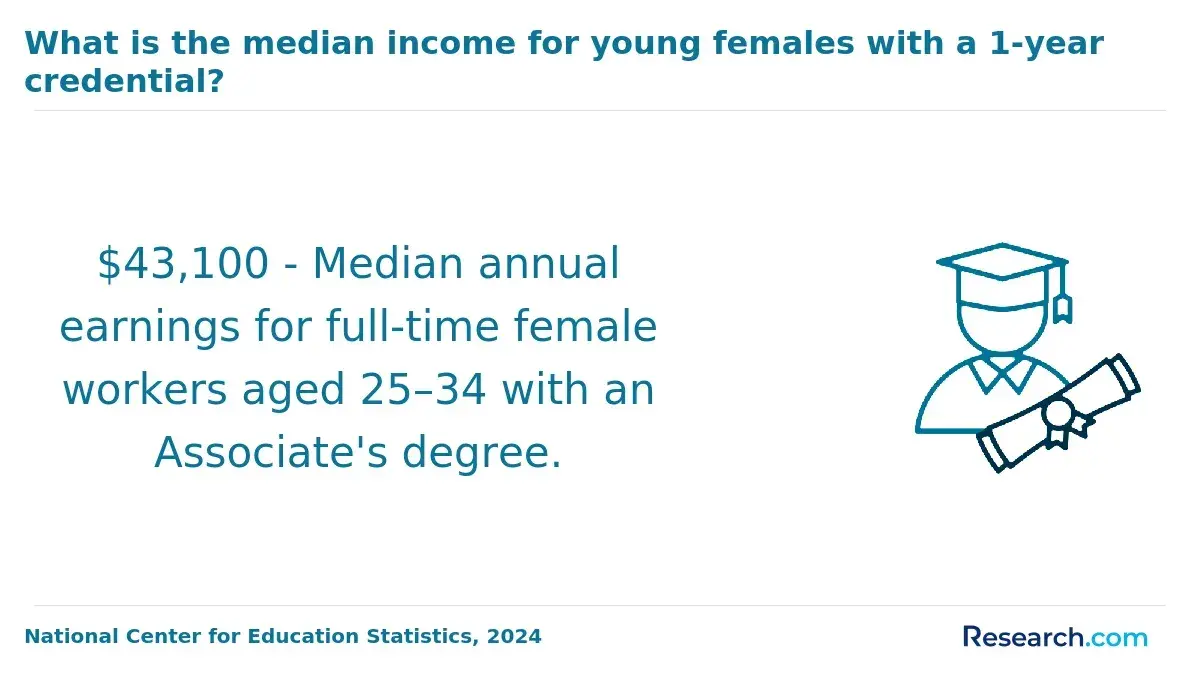
Graduation rates between online and campus biomimicry students diverge largely because of differences in enrollment patterns and institutional support rather than academic rigor alone. Online learners often balance part-time study with work and caregiving duties, increasing the likelihood of extended program timelines or temporary stop-outs.
For instance, a working adult managing asynchronous coursework without cohort-based engagement or consistent advising faces higher risks of delay compared to campus students who follow structured calendars with direct access to faculty and peer groups. Data from the National Center for Education Statistics indicate campus programs typically graduate students at rates 15-20 percentage points higher than fully online offerings, reflecting these contextual realities.
Financially, campus biomimicry students tend to benefit from on-site aid services and clearer credit transfer policies, which help mitigate costs and reduce interruption risks. In contrast, online learners may pay less upfront tuition but incur additional technology expenses and encounter more complex funding navigation remotely. Demographically, online enrollee profiles skew older, often involving working adults with significant outside responsibilities, which further complicates continuous enrollment.
Program design differences—such as fixed semester pacing and proactive advising on campus versus variable online schedules requiring self-directed discipline—also strongly influence persistence and completion, highlighting that the mode of delivery intersects with student circumstances and institutional frameworks in shaping outcomes.
How Do Online and Campus Biomimicry Programs Compare on Total Cost?
Assessing the online versus campus biomimicry program total cost requires attention to more than tuition rates alone, as living expenses and institutional fees significantly impact overall affordability. While public, on-campus programs generally charge around $10,000 annually in in-state tuition, these costs are compounded by housing, transportation, and meal expenses estimated at $12,000 to $15,000, burdens largely avoided by online students.
However, online learners face technology and distance-education fees ranging between $500 and $1,500 per year, which partially offset potential savings. A working professional balancing employment and study may find that maintaining income through an online program's flexible schedule reduces debt accumulation and accelerates degree completion compared to campus-bound peers who might need to reduce work hours or relocate.
Eligibility for scholarships and financial aid introduces further complexity in comparing campus versus online biomimicry education expenses. Some campus-only institutional aid and assistantships might be inaccessible to online students, altering net costs despite lower living expenses. Employer tuition assistance programs frequently favor online formats due to their adaptability, enhancing affordability for those who qualify.
Those weighing these factors should also consider differences in program length and course load, as extended timelines may increase cumulative fees, influencing total debt and time-to-degree. For students exploring options, reviewing available aid alongside lifestyle implications is essential, supported by research comparable to guidance from studies on affordable online MFT programs to navigate nuanced decisions embedded in cost and career trade-offs.
What Hidden Costs Should Students Expect in Online vs Campus Biomimicry Programs?
Hidden costs in online versus campus biomimicry programs significantly affect the true cost and time investment required for completion, making affordability a complex calculation beyond tuition. Campus students contend with mandatory fees that frequently exceed $1,000 annually for facilities and labs, combined with commuting or housing expenses that can reach $1,200 or more per academic year, while online learners face technology fees between $150 and $400 per semester alongside required specialized software expenses and proctoring fees.
These additional burdens not only influence immediate out-of-pocket costs but also shape students' ability to maintain part-time employment schedules; campus programs typically demand fixed class times, reducing flexibility and potentially extending opportunity costs through lost wages. For example, College Scorecard data from 2024 indicates campus students graduate in an average of 4.5 years compared to 5.5 years for online students, a factor that can amplify living expenses and increase cumulative debt.
Fieldwork requirements introduce further nuances, as campus programs often include locally integrated labs or site visits, while online learners must independently finance off-campus experiences, potentially necessitating costly travel or equipment purchases. This distinction can alter both the logistical planning and total financial burden, particularly for those balancing family or professional obligations.
Such hidden expenses demand clear upfront budget considerations aligned with students' priorities, since an online program's advertised lower tuition might be offset by extended enrollment duration and less predictable indirect costs. Choosing between formats thus entails evaluating trade-offs in scheduling, total cost of attendance, and time-to-degree implications rather than defaulting to perceived convenience or sticker price alone.
One biomimicry student recalled initially favoring a lower-cost online program but hesitating after uncovering recurring proctoring fees and the costs of specialized design software required annually, which were not clearly itemized during enrollment. Weighing these alongside travel expenses for mandatory fieldwork helped the student reconsider campus options despite higher upfront fees.
The student noted, "It wasn't until I created a detailed budget including software licenses and testing fees that I realized the 'affordable' online route might end up costing more or prolonging my studies. That made me pause and assess how well I could juggle work hours with campus class schedules before committing." This experience highlights the essential importance of transparent cost breakdowns and realistic financial planning in biomimicry program selection.
How Does Financial Aid Affect the Cost of Online and Campus Biomimicry Programs?
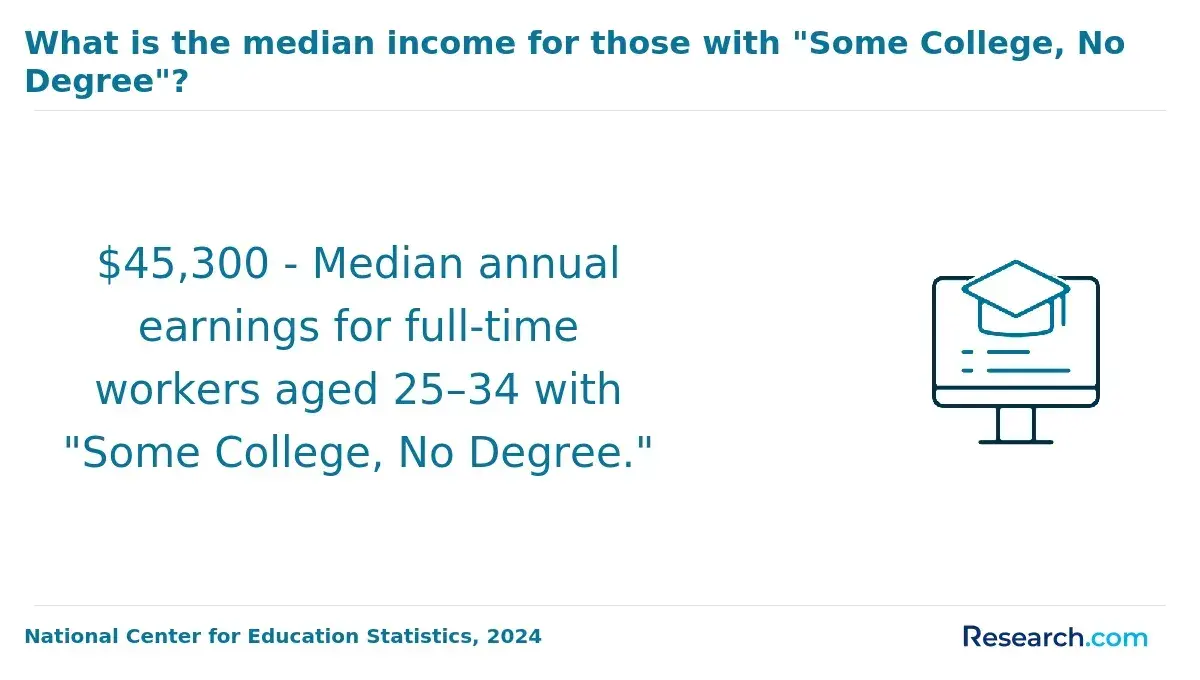
Financial aid availability significantly shapes the comparative cost landscape between online and campus biomimicry programs, often in ways that directly affect enrollment decisions and debt management. For campus biomimicry students, institutional scholarships and assistantships tend to be more accessible, making these programs financially attractive despite higher living expenses; however, residency and full-time enrollment requirements can limit flexibility.
In contrast, those exploring financial aid impact on online biomimicry program costs must account for the frequent exclusion from certain campus-specific grants, along with technology fees unique to digital learning environments. Employer tuition benefits, which many online learners leverage while studying part-time, can offset some tuition costs and reduce reliance on loans, illustrating a distinct aid-utilization pattern that affects program pacing and long-term financial outcomes.
Loans remain a critical factor influencing total cost, where campus students face added pressure from higher living and ancillary fees often not fully offset by aid, potentially increasing debt burden at graduation. Online learners, by maintaining employment, may limit borrowing but must navigate more restrictive scholarship opportunities and variable federal aid eligibility tied to enrollment intensity. Military and veterans' education benefits further complicate these dynamics, typically favoring campus biomimicry program financial aid benefits through assistantships but increasingly supporting online modalities with targeted subsidies.
Students weighing these trade-offs should carefully compare aid packages alongside tuition structures and enrollment requirements, recognizing that net cost differences depend heavily on personal circumstances, eligibility nuances, and potential employer support.
For those balancing workforce demands with study, exploring programs akin to an accelerated paralegal program online might offer insights into effective employer benefit utilization, reflecting practical cost-management strategies applicable within online biomimicry education paths.
Do Online and Campus Biomimicry Graduates Have Different Career Outcomes?
Employment outcomes for biomimicry graduates vary more by institutional accreditation and program quality than by delivery mode. Data from the U.S. Department of Education's College Scorecard indicates roughly comparable employment rates within six months of graduation—about 82% for campus and 78% for online graduates in similar regions—suggesting employers prioritize recognized accreditation over whether a degree was earned online or on campus. However, career progression often hinges on access to internships and networking opportunities, typically more available in campus settings, which play a critical role in establishing early professional connections essential in this specialized field.
Choosing an online program may offer financial advantages, with total costs often 15-25% lower, easing immediate post-graduation financial burdens and allowing broader geographic flexibility. Still, online learners might face challenges in securing hands-on experiential learning and direct advising for licensure pathways, potentially limiting initial career mobility and industry recognition in some contexts. Campus graduates, while potentially bearing higher debt, generally benefit from structured access to fieldwork, stronger alumni networks, and clearer pathways toward certifications that can influence longer-term advancement within biomimicry and environmental design domains.
How Do Employers View Online vs Campus Biomimicry Degrees?
Employer evaluation of biomimicry degrees increasingly centers on program credibility factors such as accreditation, curriculum rigor, and practical skill demonstration rather than on whether the degree was earned online or on campus. For example, a graduate from a regionally accredited online biomimicry program with a robust internship portfolio may fare as well in hiring as a campus graduate, provided the employer recognizes the applied competencies and institutional reputation. Data from the National Association of Colleges and Employers shows over 70% of employers are open to online credentials, but they emphasize the quality and relevance of training over the mode of delivery.
This distinction matters because biomimicry is a specialized, interdisciplinary field where employers expect candidates to integrate academic knowledge with hands-on, project-based experience. While campus programs often boast stronger professional networking and face-to-face mentorship opportunities, leading online programs increasingly incorporate cooperative education and practical components that narrow this gap. Work history and demonstrable portfolios frequently tip hiring decisions more than transcript format, especially as workforce reports from the Society for Human Resource Management highlight comparable promotion rates between online and campus graduates who prove competency and adaptability.
Prospective biomimicry students must weigh these nuances against their personal circumstances—such as prior experience, regional industry expectations, and time constraints—when selecting a program format. The visibility of collaborative projects or internships in the credential and alignment with industry standards often influences long-term career trajectory more deeply than delivery mode alone, underscoring the importance of thorough program evaluation beyond simple online-versus-campus comparisons.
Students weighing their next step after a biomimicry degree may find that some online master's programs offer a similarly flexible way to deepen specialized expertise, allowing working professionals to build on applied project experience while advancing toward more senior roles in interdisciplinary design or sustainability fields.
Which Biomimicry Degree Format Offers Better Flexibility for Working Adults?
Flexibility in biomimicry degree programs for working professionals hinges on how scheduling, synchronous requirements, and practical components intersect with adult learners' complex time demands. While online formats are often preferred for asynchronous coursework, allowing students to manage time around full-time jobs and caregiving, this flexibility is limited when essential labs, fieldwork, or internships require on-campus participation. For example, about 40% of online biomimicry students must complete synchronous practicums or intensive residencies, which can disrupt work schedules and diminish the remote learning advantage.
Campus-based programs, despite their immersive experiences, typically impose rigid daytime attendance and commuting needs that conflict with typical working hours. Although some offer evening or weekend courses, these are less common in STEM and biomimicry disciplines due to fieldwork timing. This structure often restricts part-time enrollment options and can extend total time to degree completion, increasing cost exposure and risking interruptions in career continuity for those balancing shift work or caregiving responsibilities. These real-world trade-offs illustrate why decision-making must consider both program design and personal circumstances.
Programs with online delivery frequently include stop-out policies and transfer-friendly arrangements, which support adult learners managing unpredictable life events and can improve persistence in demanding fields. Employer support often aligns more readily with remote formats that minimize time away from work. For those evaluating online versus campus biomimicry flexibility for adult learners, understanding these nuances is critical to align educational investments with career and life demands, avoiding costly delays or dropouts in pursuit of specialized STEM credentials.
Prospective students seeking a practical overview might also compare these insights alongside related fields such as the easiest MBA online options, which share similar flexibility considerations.
How Should Students Choose Between an Online and Campus Biomimicry Program?
Graduation rates and total costs substantially influence the decision between online and campus biomimicry programs, with campus formats typically showing around a 65% graduation rate versus about 50% for fully online programs, according to the National Center for Education Statistics 2024. This gap reflects retention challenges and the value of in-person engagement, particularly critical in biomimicry, where hands-on labs and faculty interaction enhance applied learning outcomes.
However, campus attendance often requires $20,000 to $35,000 annually, including tuition, fees, and living expenses, while online options may cost $10,000 to $25,000 but sometimes include additional technology fees and may lack direct access to fieldwork or mentorship that many employers prioritize.
Prospective students must weigh schedule flexibility against network and experiential trade-offs. Online biomimicry learners benefit from accommodating work and family demands but may face reduced opportunities to form professional connections crucial for design and environmental roles. An employer perception study from 2024 highlights hands-on experience and mentorship as key differentiators for biomimicry candidates. Recognition of accreditation nuances and potential licensure requirements also factors into format fit, especially where site-based components are mandated.
For those exploring related fields or needing flexible paths, resources detailing a geology degree online can offer complementary insights into online science program structures.
Ultimately, students balancing personal circumstances and career aspirations must consider how program delivery impacts persistence, sequencing, and opportunity costs. Carefully understanding these dynamics—rather than assuming online formats are cheaper or campus programs inherently superior—ensures choices align with long-term professional goals in biomimicry's specialized labor market.
References
- The Top Biomimicry Courses and Certificates of 2026 https://www.learnbiomimicry.com/blog/top-biomimicry-courses
- Biomimicry Professional Program - Biomimicry 3.8 https://www.biomimicry.net/what-we-do/professional-training/b-professional-certification/
- Professional Training FAQ - Biomimicry 3.8 https://biomimicry.net/professional_training_faq/
- Online Biomimicry Course | EcoTraining https://www.ecotraining.co.za/courses-experiences/online-biomimicry-course/
- Biomimicry: Learning from Nature's Genius https://www.graydi.us/blog/gray-insights/biomimicry-learning-from-natures-genius
- What is a Biomimicry Degree & Where Can You Get One? - NatuR&D https://naturnd.com/updates/what-is-a-biomimicry-degree-where-can-you-get-one/
- Online vs in-person study: which one is right for you? https://www.ube.ac.uk/whats-happening/articles/online-vs-in-person-learning/
- How Employers View Online Degrees: Interviews with Nine Hiring Executives https://www.onlineeducation.com/features/how-employers-view-online-degrees
- Biomimicry as second nature: Research centers and degree programs encourage eco-friendly design https://bulletin.ceramics.org/article/biomimicry-as-second-nature-research-centers-and-degree-programs-encourage-eco-friendly-design/
- How does virtual learning impact students in higher education? | Brookings https://www.brookings.edu/articles/how-does-virtual-learning-impact-students-in-higher-education/
Other Things You Should Know About Biomimicry
Online biomimicry programs often struggle to replicate the tactile, lab-based, and fieldwork components vital for mastering biomimetic design and observation. This limitation can delay or reduce opportunities for experiential learning critical to understanding natural systems in real contexts, which campus programs typically integrate more seamlessly. For students prioritizing applied skills that employers value for research or product development roles, a campus program may better align with their career goals.
Networking in biomimicry relies heavily on personal interactions through labs, workshops, and interdisciplinary collaborations, which are more readily available to campus students. Online students may encounter fewer spontaneous encounters with peers and faculty, making it harder to build relationships that lead to projects, internships, or job leads. Prospective students should weigh how crucial in-person connections are for their career trajectory and consider supplementing online study with local events or professional meetups.
Online biomimicry courses generally offer greater scheduling flexibility but require stronger self-discipline due to asynchronous learning and fewer structured class times. Campus students face more fixed timetables and in-person commitments, which can aid in pacing but reduce flexibility. For those balancing work or family obligations, online formats can be prioritized if they have good time-management skills, while campus formats may benefit students who prefer regimented schedules and direct faculty access.
Although employer acceptance of online biomimicry degrees has grown, some sectors still prefer candidates with on-campus training due to perceived rigor and hands-on experience advantages. Employers seeking candidates for roles demanding intensive lab or field proficiency may view campus credentials more favorably. Students targeting cutting-edge research or design innovation careers should prioritize campus programs, while those focused on consultancy or remote analysis roles might find online credentials increasingly acceptable.