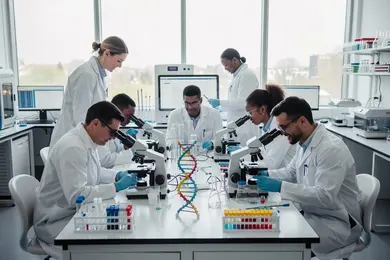
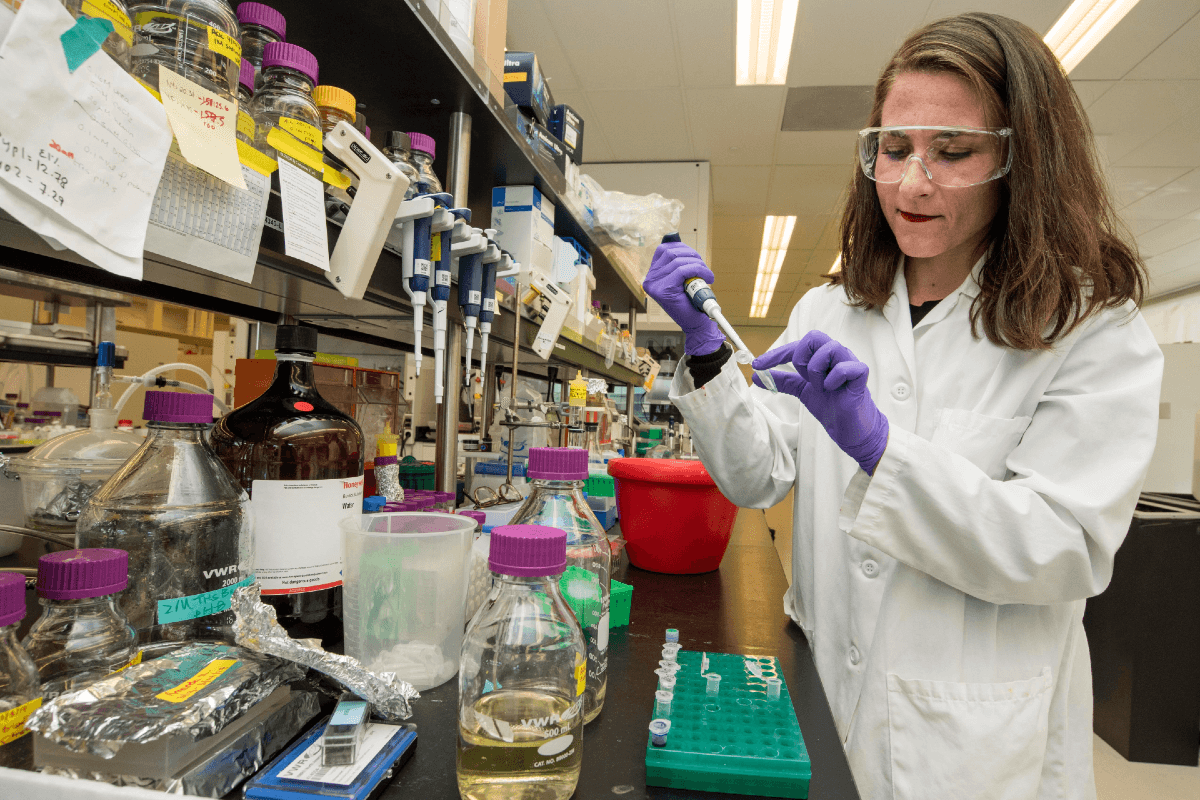
2027 Best Online Bachelor's in Biology With Strong Student Support

Co-Founder and Chief Data Scientist
Mid-career professionals aiming to enter or advance in biology face a critical hurdle: securing a rigorous bachelor's degree while managing work and family commitments. Traditional programs often demand rigid schedules, limiting eligibility for those needing flexibility. In the past decade, online education expanded dramatically, with the National Center for Education Statistics reporting a 40% growth in fully online bachelor's enrollment since 2019.
This shift indicates rising acceptance yet reveals wide variation in program support quality-a factor strongly linked to student retention and job readiness. This analysis identifies top online biology degrees that combine strong academic rigor with robust student support, helping candidates navigate this complex balancing act efficiently.
Key Things You Should Know
- Online bachelor's in biology programs yielding high student support report a 15% longer average completion time, per National Center for Education Statistics, challenging those prioritizing swift workforce entry.
- Employers in biotech increasingly favor graduates demonstrating hands-on lab competencies, with 62% indicating online-only degrees still require supplemented practical experience, highlighting hybrid approaches' growing strategic value.
- Average net price for online biology degrees remains 12% lower than in-person alternatives according to the College Board, but hidden costs like specialized software and course materials shift total expenses upward, impacting financial planning.
What makes the best online bachelor's in biology programs stand out for student support?
Programs recognized as the best online bachelor's in biology programs with comprehensive student support strategically integrate academic advising that anticipates labor market demands. With a 31% employment growth rate in 2024 in biological sciences, advisors help students select courses that develop skills in high-demand areas like bioinformatics and environmental biology, aligning education with median early-career pay near $52,700 and mid-career around $99,800.
Top online biology degrees offering exceptional academic advising also provide accessible faculty mentorship and virtual lab experiences, addressing the challenge of remote hands-on learning essential in STEM. Career services focused on practical outcomes prepare students for competitive internships and certification exams, often including resume workshops targeting biotech and healthcare sectors to improve employability.
Students balancing various commitments benefit from platforms centralizing key resources such as tutoring and technology support, which help reduce attrition risks caused by isolation or scheduling conflicts. Emphasizing data literacy and laboratory competency prepares graduates for roles in research institutions or environmental agencies, where demand reflects the noted employment surge.
For additional context on related fields, review online animal science programs, which share similar operational challenges and workforce considerations.
How do online biology bachelor's degrees compare to campus programs in quality and outcomes?
Online biology bachelor's degree quality compared to campus programs notably diverges where tactile laboratory experience and direct professional networking occur, critical for research-centric and clinical career paths. While online curricula can parallel academic rigor, the absence of immersive lab practicums often shapes employer preference in these sectors.
Candidates with campus-based lab exposure typically possess stronger positioning for roles requiring hands-on expertise, impacting graduate school selections and hiring in specialized research environments. Student outcomes of online versus traditional biology bachelor's degrees demonstrate that accredited online programs with synchronous elements yield comparable graduation and certification exam pass rates. Employment trajectories depend heavily on the industry sector:
- Industry roles in biotechnology or environmental consulting see near-equal hiring success between online and campus graduates from reputable programs.
- Academic or laboratory research positions remain more competitive, emphasizing extensive physical lab hours and interpersonal collaborations often less accessible online.
Annual tuition for top online biology programs ranges from $4,477 in-state to over $25,000 out-of-state, frequently undercutting traditional campus costs, a major consideration for working adults seeking flexibility. Despite cost benefits, students should weigh mentoring quality, internship placement, and institutional reputation.
Strategic career pivots often combine online coursework with local lab internships to offset practical skill gaps. Employers assess demonstrable proficiency regardless of delivery mode but remain cautious without solid hands-on credentials. For those contemplating advanced specialization, the evolving landscape includes options such as an online data science PhD, linking biological data analysis with research in computational fields.
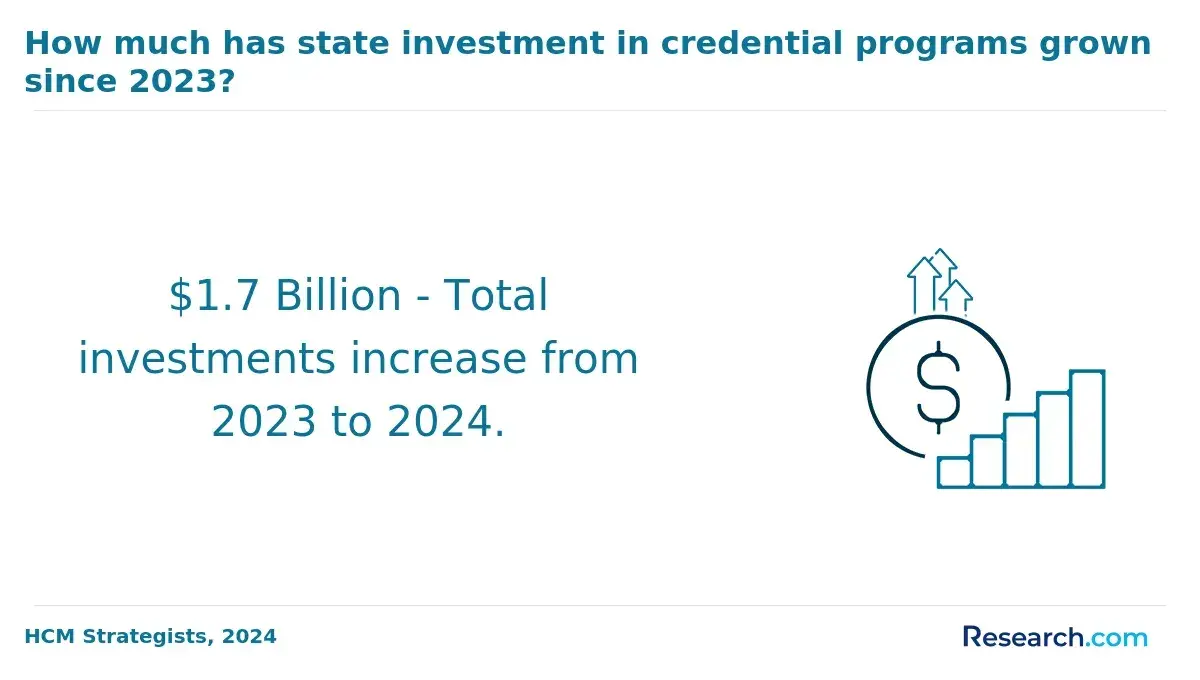
What accreditation should an online biology bachelor's program have to be respected and credible?
Regional accreditation from agencies recognized by the U.S. Department of Education or the Council for Higher Education Accreditation (CHEA) is fundamental for ensuring an online biology bachelor's program holds employer credibility and access to federal financial aid. Without this, degrees risk dismissal by employers and hinder students from obtaining lender-backed loans or grants, directly impacting affordability and completion rates.
For example, students who attend accredited online biology bachelor's programs in the US often qualify for institutional aid unavailable to peers at non-accredited schools. Specialized accreditations from scientific organizations, while less common, can boost employability in research-intensive sectors or education. However, regional accreditation remains the baseline credential for employers in biotechnology, environmental science, and healthcare fields.
Tuition pricing in these programs often shifts based on academic merit or financial need. A model that sets $150 per credit hour for students with a 3.5 GPA compared to $275 standard fees reduces debt burdens and improves retention rates. This alignment between cost and performance illustrates practical tradeoffs prospective students must consider when evaluating long-term investment in their education.
Employers typically reject credentials from nonaccredited schools, and transferring credits usually requires regional accreditation, which influences timely progression. Students weighing program options should also explore related fields, including exercise science; useful comparative information can be found through resources like online exercise science degree rankings.
What types of student support services do strong online biology programs typically provide?
The practical success of online biology degree programs hinges on their student support systems, which must go beyond standard academic advising and tutoring options for online biology students. Working professionals engaged in these studies face unique scheduling conflicts involving lab work, internships, and research practicums that require proactive, personalized academic planning. Without this, timely graduation and skill integration become difficult.
Career services aligned specifically with biology employment sectors improve job placement outcomes by offering tailored resume workshops, interview preparation, and access to employer networks. For example, biotechnology candidates benefit markedly from interview coaching that mirrors current industry expectations, enhancing competitiveness within STEM job markets that prioritize applied competence alongside academic credentials.
Technical support is another operational necessity, particularly when students encounter complex lab simulations or specialized data analysis software. On-demand IT assistance and flexible tutorials minimize study disruptions and facilitate mastery of tools essential in fields like molecular ecology or genetics.
Equally important, peer and mentor networks combat the isolation often experienced in online education by fostering collaboration on research and professional networking crucial for career transitions within biology.
Graduates from higher-earning programs achieve median alumni earnings near $131,426, reflecting effective integration of academic and workforce resources. For prospective students exploring this pathway pragmatically, comparing these programs with other options such as an MLIS degree can highlight tradeoffs between salary potential, program flexibility, and career focus.
What courses and concentrations are usually offered in an online bachelor's in biology?
Online bachelor's programs in biology demand careful evaluation of concentration relevance to job market requirements. Practical skill sets, especially in biotechnology or environmental biology, often determine employability more than general coursework. For instance, a candidate targeting biotech research roles must seek programs emphasizing genetic engineering and bioinformatics, as labs prioritize hands-on technical competence.
Conversely, those pursuing environmental agencies should focus on ecological data analysis and conservation techniques to meet operational needs. Laboratory experience remains a distinctive challenge for online biology degrees. Although simulations and regional partnerships help, many clinical and research paths require in-person labs or internships, adding time and logistical complexity. This factor often influences program completion timelines and post-graduation licensure eligibility.
Outcomes data support programs with clear, structured tracks; an 81% graduation rate paired with an average net price around $4,815 reflects balanced affordability and retention-key metrics indicating programs that manage student progress efficiently while maintaining access. This is critical as student attrition often correlates with poorly aligned concentrations and lack of practical relevance.
Key considerations include:
- Alignment between concentration curriculum and targeted employer expectations
- Availability and modality of laboratory or fieldwork components
- Tradeoffs between online flexibility and necessary in-person training to meet licensing or job requirements
- Cost versus demonstrated graduation success rates
Prospective students should approach enrollment decisions by rigorously mapping program content against career sector demands to avoid costly extensions or underemployment. These strategic choices influence long-term return on investment more than institutional branding or surface program features.
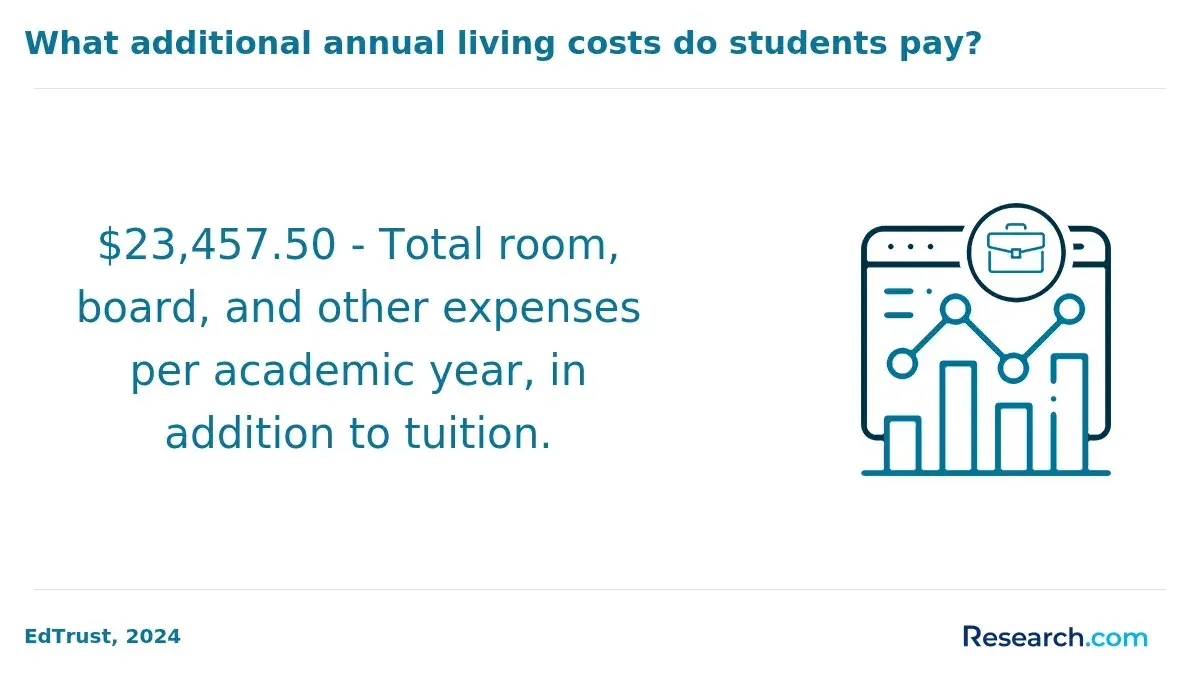
What are typical admission requirements for online bachelor's in biology programs?
Admission to online bachelor's in Biology programs requires more than just academic benchmarks-it demands a strategic alignment with practical readiness for science-intensive study delivered virtually. Beyond a high school diploma or GED, most schools expect solid foundational coursework in biology, chemistry, and math, typically reflected by a minimum GPA of 2.5 to 3.0.
While standardized tests like the SAT or ACT remain a consideration, an increasing number of programs waive these to broaden accessibility. This shift affects applicant evaluation and may alter the competitive landscape for admissions. Letters of recommendation are standard, serving as proxies for evaluating self-motivation and capacity for independent learning, traits vital for succeeding in online environments.
Given the lab-centric nature of biology, programs often require orientation sessions or local in-person labs, imposing logistical challenges especially for remote students without convenient access to qualified facilities. For career changers, substituting prerequisite college-level science courses can substitute for high school requirements but potentially extends time to degree completion.
This tradeoff requires weighing immediate workload against long-term gains. Additionally, online learners must demonstrate effective technology skills and discipline, as limited digital readiness correlates with slower progress or dropout risk. Institutions provide support, but students unable to self-regulate can face delayed completion.
Demographically, online biology cohorts skew heavily female-approximately 67% enrollment and 74% graduation rates-indicating flexible formats can reduce barriers for women in STEM. This dynamic may influence program community culture and networking opportunities, which in turn affect employability and career advancement post-graduation.
How long does it take to earn an online biology bachelor's, and what does it cost?
Completing an online bachelor's degree in biology within four years remains the standard, equating to 120-130 semester credit hours, but variations in program pacing materially affect costs and job market readiness. For individuals transferring credits or utilizing summer terms, finishing in three years or less is possible, accelerating entry into biology-related professions like healthcare, environmental science, or research.
Conversely, part-time students or those balancing employment often extend beyond four years, not only increasing tuition but potentially delaying access to roles requiring the credential. Tuition costs diverge substantially between public and private institutions, with in-state public rates averaging $9,000 to $15,000 annually, and private programs exceeding $25,000 per year. Over four years, these differences translate into a range from approximately $36,000 to over $100,000, excluding fees and materials.
Student engagement and support services weigh heavily in program effectiveness, especially for working adults juggling professional duties. According to U.S. News 2024-2025 Best Online Bachelor's Programs methodology, 55% of program evaluation emphasizes such infrastructure. This support can be decisive for degree completion within expected timelines and avoiding extended financial strain.
Prospective students should prioritize programs with clear credit transfer policies, flexible scheduling, and robust mentorship, as these factors materially influence time-to-degree and cost-efficiency. For example, an environmental technician advancing their career benefits from programs that accommodate ongoing work commitments while maintaining academic progression.
What biology-related careers can you pursue with an online bachelor's degree?
An online bachelor's degree in biology serves as a practical entry point into specialized roles but often requires careful navigation of workforce expectations and credential limitations. Graduates can secure positions such as laboratory technicians, research assistants, or environmental consultants by demonstrating applied skills in data analysis, fieldwork, and regulatory interpretation.
For instance, environmental consulting firms favor candidates able to conduct species assessments and communicate complex biological data to stakeholders effectively. Advancement into higher responsibility roles like clinical laboratory scientists or genetic counselors typically mandates graduate-level education or certifications beyond the bachelor's degree. Therefore, students must consider how well a program integrates prerequisites and facilitates internships or research opportunities essential for these next steps.
Cost advantages of online biology programs-about 40% less expensive than on-campus options, according to Forbes 2024 rankings, make remote study attractive to working professionals and career changers aiming to limit debt. However, online learners bear the onus of securing local hands-on experience, an aspect that can influence employability as employers weigh practical exposure equally with academic credentials.
- Roles accessible directly after graduation include laboratory technician, environmental consultant, and biotechnology sales.
- Advancement to specialized careers often requires additional certifications or a master's degree.
- Internships and field experience are critical but usually self-arranged in online settings.
What salary ranges and job outlook can biology graduates expect in the U.S.?
Biology graduates face a considerable salary range influenced by sector choice and location, with entry-level roles starting from about $45,000 to $65,000 annually and median wages near $66,000 for general biological scientists as reported by the U.S. Bureau of Labor Statistics in 2024. Specialized fields like healthcare or environmental science increasingly reward technical expertise and certification, often pushing salaries above $80,000 for advanced roles.
Those entering environmental consulting may begin near $50,000 but must invest in additional qualifications to advance, while healthcare-oriented positions, such as clinical research coordinators, offer higher starting pay with potential for expedited growth if complemented by licenses or further training. This makes the decision to pursue graduate education versus immediate employment a critical tradeoff dependent on career goals and financial needs.
Employers expect biology graduates to possess competencies in data analysis, laboratory technology, and interdisciplinary integration. Without these skills, salary stagnation and limited promotional prospects are common. Graduates targeting data-focused or applied science roles tend to find more stable employment and higher pay compared to traditional research tracks.
Key factors for sustained career progression include continuous skill development in areas like bioinformatics and environmental regulations, reflecting labor market trends emphasizing innovation and regulation over purely academic credentials. Projected job growth between 6% and 10% through 2032 in healthcare, pharmaceuticals, and biotechnology demands careful navigation of education and practical experience to maximize long-term employability and earnings potential.
How can prospective students evaluate and choose a high-quality online biology program?
Low student-to-faculty ratios-around 18:1-directly impact the quality of online biology programs by enabling personalized academic support critical for mastering complex subjects like molecular biology research or environmental biology consulting. Without this ratio, students often struggle to receive timely feedback or mentorship crucial for developing practical skills.
Faculty engagement is more than credentials; programs led by instructors actively involved in current biology research or industry yield instruction grounded in real-world application. Offering synchronous sessions or virtual office hours reduces isolation and fosters problem-solving skills essential for technical labs and bioinformatics.
Accreditation from recognized bodies ensures academic standards necessary for credit transfer and employer recognition. Curricula must align with career requirements-inclusive of internships for clinical biology or quality assurance training for biotech-to avoid gaps between education and workforce demands.
Student services beyond advising-specialized career counseling in biology sectors and tech support for lab simulations-significantly influence retention rates, which above 70% often indicate effective support frameworks. Balancing flexible scheduling with manageable coursework intensity addresses the realities faced by working professionals in healthcare or environmental roles.
- Verify research access or partnerships for remote laboratory experience, vital for experiential learning.
- Consider how program support structures integrate with your specific biology career path and daily professional constraints.
Choosing an online biology degree involves weighing personalized mentorship, faculty relevance, and pragmatic student services against personal and workforce demands rather than generic program features.
Other Things You Should Know About Biology
Online biology degrees typically involve intensive coursework, including extensive lab assignments, data analysis, and memorization of complex concepts. The need to master both theoretical content and practical skills makes the workload heavier than many humanities or social science majors. Students should expect to dedicate significant weekly hours and prioritize strong time management to succeed without on-campus structure.
Choosing between a specialized concentration and a general biology degree depends on career goals. Specialized tracks (like molecular biology or ecology) better prepare students for targeted roles or graduate studies but limit flexibility if interests change. A broader curriculum suits those seeking foundational biology knowledge with broader job market access but may require further training for specialized careers.
Online biology graduates often face fewer direct networking chances than on-campus students due to limited face-to-face interactions with peers and faculty. However, programs with strong virtual communities, career services, and industry partnerships can mitigate this gap. Students should actively engage in professional organizations and seek internships to build connections critical for biology-related job placement.
References
- Biologist Salary - How Much Can You Really Earn? https://www.superprof.ca/blog/salary-for-biology-jobs/
- Online Bachelor's Degrees in Biology: Top Schools & Programs https://www.edumed.org/online-schools/biology-degrees/
- Fast Way to Get an Online Biology Degree | Straighterline https://www.straighterline.com/blog/how-to-earn-an-online-biology-degree
- Top 15 Highest‑Paying Pharmacy Jobs in the UK 2025 (Including Salaries) https://apexlearning.org.uk/highest-paying-biology-degree-jobs-2025-2026/
- Biology Courses Online for Credit: 4 Great Benefits and More - Prereqcourses https://www.prereqcourses.com/biology-courses-online-for-credit/
- Student Support Services for Online Learning Re-Imagined and Re-Invigorated: Then, Now and What’s to Come | TeachOnline https://teachonline.ca/tools-trends/articles/student-support-services-online-learning-re-imagined-and-re-invigorated-then-now-and-whats-come/
- Best Accredited Online Universities in 2025 https://www.study.eu/article/best-accredited-online-universities
- Online Degree vs. Traditional: Choosing the Right Path https://beal.edu/online-degree-vs-traditional/
- How Online College Degree Programs Can Transform Your Life https://www.tuw.edu/school-news/online-degree-programs-transform-your-life/
- How Can Institutions Best Support Their Online Learners? https://www.higheredtoday.org/2025/04/21/how-can-institutions-best-support-their-online-learners/