2027 Best Online Bachelor's in Biology With Prior Learning Credit

Co-Founder and Chief Data Scientist
Working professionals aiming to pivot into biology often face the challenge of translating prior academic or work experience into academic credit while balancing ongoing career demands. The National Student Clearinghouse Research Center reported a 14% increase in adult learners enrolling in online degree programs since 2023, signaling a shift towards flexible education tailored for nontraditional students. This growth highlights the rising necessity for programs that accommodate previous learning and accelerate degree completion without sacrificing rigor. Understanding how online bachelor's degrees in biology integrate prior learning credit can optimize time and cost efficiency, enabling informed decisions that align education with career advancement.
This article examines the best online biology bachelor's programs that recognize prior learning credits, providing clear guidance on navigating options to maximize academic credit and expedite degree attainment.
Key Things You Should Know
- Prior learning credits reduce degree time by 25%-40% but often limit access to advanced lab courses, creating tradeoffs in experiential skill development critical for research roles, per National Center for Education Statistics 2024.
- Employers in biotech sectors increasingly demand evidence of hands-on competencies over credits alone; graduates leveraging prior learning must supplement with internships to match peer employability benchmarks from BLS.
- Online bachelor's with prior credit cuts costs by up to $15,000 and accelerates workforce entry yet challenges students to navigate uneven state licensing and transfer policies, affecting licensure timelines and job eligibility.
What is an online bachelor's in biology with prior learning credit and how does it work?
An online bachelor's degree in biology with prior learning credit offers a strategic advantage for students who have accumulated relevant expertise outside traditional classrooms, such as military service, certifications, or professional lab experience. This pathway can reduce total coursework by 30 to 60 credit hours depending on each institution's assessment rigor, accelerating time to degree completion while maintaining academic standards through portfolio reviews, DSST or CLEP exams, and direct knowledge evaluations.
For working adults aiming to pivot or enhance their biology careers, understanding how prior learning credit works for online biology programs is essential due to varying university policies and acceptance rates. Crucially, while this approach saves time and tuition, students must still fulfill hands-on lab requirements and capstone projects, which typically require synchronous or in-person participation.
Practical considerations include:Reduced opportunity costs and faster workforce entry for those balancing employment and studies.The necessity of specialized advising to maximize credit transfer and prevent unexpected course repetitions that delay graduation.The system's emphasis on verified competencies aligns well with employer expectations in biotech, environmental science, and public health sectors.
Projected job openings in biological sciences exceed 136,800 over the next decade, illustrating strong demand for candidates whose credentials reflect actual skills. For those evaluating their options, comparing accelerated online tracks with highest paying jobs with a biology degree can provide insight into career viability and salary outcomes.
How does prior learning assessment let you earn biology credits for work or military experience?
Prior learning assessment for biology degree credits transforms documented military or work experience into measurable academic progress, enabling candidates to bypass entry-level courses when their competencies meet defined academic standards. For instance, a military medic moving into biology can submit verified training and evaluations to earn credits in anatomy and physiology, a clear example of earning biology credits through military and work experience that reduces redundant study without compromising curriculum integrity.
Successful PLA requires comprehensive evidence gathering - official military transcripts, employer letters, and detailed resumes - followed by rigorous institutional assessments through exams or portfolio reviews. This process is far from automatic; applicants often face challenges if their experience lacks formal documentation, affecting credit eligibility and timeline acceleration.
Employers increasingly value degrees recognizing PLA because they demonstrate validated practical skills while shortening time-to-degree. Accelerated biology programs that integrate PLA and transfer credits can reduce a traditional four-year degree by up to half, but students must critically analyze how many PLA credits apply toward core biology requirements versus electives to avoid unexpected delays.
Using PLA effectively demands careful balance: it accelerates degree completion but can limit exposure to advanced theoretical courses essential for graduate study or research roles. Prospective students should weigh these tradeoffs against workforce goals. Those exploring adjacent STEM pathways may also consider options like an online CS degree for complementary skill sets relevant to biology research or biotechnology industries.
How do online biology bachelor's programs compare to campus programs in quality and outcomes?
Employer acceptance of online biology degrees depends largely on program design, particularly the integration of verifiable lab components. Graduates targeting laboratory-intensive or research roles often encounter limitations if hands-on training is insufficient, while those pursuing applied fields like clinical research or pharmaceutical sales generally find comparable outcomes between online and campus pathways. This nuance is crucial when weighing an online biology bachelor's degree quality comparison, as practical experience remains a decisive factor for many employers.
Financially, online biology programs can reduce barriers significantly. For instance, the University of Florida charges $15,504 in-state for online biology tuition versus $25,520 on campus, representing nearly $10,000 in savings. This range can vary widely across U.S. institutions-from approximately $16,000 to upward of $70,000-impacting accessibility for working professionals balancing cost, geography, and time. However, this affordability comes with tradeoffs, including potentially fewer networking opportunities and less immersive experiential learning, which are valuable in sectors requiring extensive lab work or field experience.
Students should carefully scrutinize program curricula to ensure alignment with their intended career outcomes. Hybrid formats or local internships that add practical training can mitigate employability risks in demanding biology fields. Those exploring different academic routes may also consider questions like is library science a good degree as part of broader career planning.
What accreditation should an online biology degree program have to be recognized and respected?
Regional accreditation from U.S. Department of Education-recognized agencies remains the decisive factor in vetting online biology degree accreditation standards in the United States. This level of accreditation validates that programs meet rigorous academic and administrative criteria, critical for acceptance by employers, licensing boards, and graduate programs. Without it, graduates frequently encounter barriers to professional roles in research, clinical laboratories, or environmental agencies, where credentials are scrutinized and prior credits may not transfer.
For students leveraging prior learning assessments, attending a regionally accredited online biology bachelor's program avoids common pitfalls of credit denial, enabling smoother and shorter degree paths. Consider a biotechnology professional aiming for lab technician certification: credentials from unaccredited or nationally accredited institutions often hinder certification and employment opportunities.
Tuition costs for these programs vary widely, influenced by accreditation and institutional funding models. For instance, Western Governors University charges around $6,380 per term and is regionally accredited with a focus on accessibility, while the University of Alaska Fairbanks charges about $29,182 per term despite similar accreditation. Cost alone doesn't determine quality, but accreditation confirms that curriculum and institutional practices align with industry and educational standards.
Program legitimacy also impacts eligibility for financial aid and transfer prospects. Online biology students should confirm whether their program's assessment policies and accreditation status support long-term career trajectories. When exploring environmental-focused pathways, resources like environmental engineering schools online offer comparative insights.
What courses, labs, and specializations are typically included in an online biology curriculum?
Online biology bachelor's programs must deliver more than theory-practical lab experience is critical for employability in technical roles. Virtual or local partnerships offering hands-on experiments in microscopy, molecular assays, and ecological fieldwork are essential to meet employer expectations. Without mastering these competencies, graduates may find their job prospects limited, especially in laboratory or research settings.
Specializations like biotechnology, environmental biology, microbiology, and evolutionary biology allow students to focus their studies based on industry demands. For instance, microbiology tracks often include microbial genetics and immunology, directly preparing students for roles in clinical laboratories or pharmaceutical companies. This specialization-oriented approach addresses distinct sector needs and can impact salary outcomes.
Programs integrating data analysis and bioinformatics are particularly relevant given labor market trends emphasizing biological data interpretation skills. According to Career & Salary Outcomes for Biology Graduates Intelligent reports, zoologists and wildlife biologists earn a median salary of $70,600, while microbiologists command around $85,470. These figures reflect the differing technical demands and responsibilities across subfields.
Prospective students with prior coursework or certifications should verify credit acceptance policies to avoid redundant classes, but not at the expense of eliminating necessary lab training. Striking a balance between prior learning and rigorous technical preparation determines the practical value of the degree in real-world employment contexts.
What are common admission requirements for online biology bachelor's programs that award prior credit?
Prior learning credit in online biology bachelor's programs offers a strategic pathway for professionals with relevant experience to shorten time to degree but requires rigorous validation to satisfy employer expectations and academic standards. Strict admission criteria typically include official transcripts with 15 to 30 transferable college credits, standardized test scores (though often waived for adult learners), and comprehensive prior learning assessments (PLAs) such as CLEP, DSST, or portfolio reviews. These ensure foundational competencies in biology and related STEM areas like chemistry, physics, and calculus before advancing to upper-level coursework.
A common scenario involves laboratory professionals or biotechnologists converting documented work experience and certifications into credits, enabling accelerated completion without redundancy. However, this demands careful portfolio documentation and alignment with institutional thresholds, including GPA minimums often between 2.5 and 3.0, to maintain academic rigor. The short duration (2-3 years) and average cost around $26,903 for such programs mirror traditional timelines and tuition but offer flexibility.
Realistically, students must balance the appeal of expedited degrees against potential skepticism from employers wary of inconsistent credentialing. Thorough prior learning evaluation remains key to ensuring these degrees support authentic competency and professional mobility into clinical, research, or environmental biology roles.
How long does it take to finish an online biology degree when you apply prior learning credits?
Accelerating an online biology degree through prior learning credits can reduce time to completion to under two years, notably when as much as 75% of required credits transfer. This approach lowers the typical 120-credit hour requirement to around 30 credit hours, expediting degree acquisition for full-time students who have accumulated substantial foundational knowledge elsewhere.
Working professionals benefit most, potentially finishing within 18 to 24 months when balancing course loads and employment demands. Employers in research, healthcare, and biotech fields recognize this abbreviated timeline favorably, particularly when applicants demonstrate demonstrated mastery of foundational concepts alongside completing advanced online coursework. Still, students face intensified academic rigor, demanding disciplined time management to juggle professional obligations or family.
Financially, leveraging maximum credit transfer can cut program costs from roughly $42,000 to near $10,500, reducing debt barriers that often impede mid-career pivots or advancement. However, credit transfer policies vary by institution and state, affecting both timeline and the quality of hands-on laboratory exposure-an essential competency in biology careers.
For roles requiring direct lab experience, online programs granting extensive prior credit may not fully satisfy practical requirements, possibly extending time to degree beyond the initial estimate. Those targeting clinical or research positions must weigh potential tradeoffs between accelerated completion and sufficient experiential training to meet employer expectations.
How much does an online bachelor's in biology cost and how can prior credits reduce tuition?
The tuition cost for an online bachelor's in biology ranges widely-from about $16,000 to $70,000-primarily because of in-state versus out-of-state fees and institutional prestige rather than curricular differences. For working professionals balancing budgets, programs near the lower end reduce financial strain but require careful vetting for accreditation to ensure employer recognition.
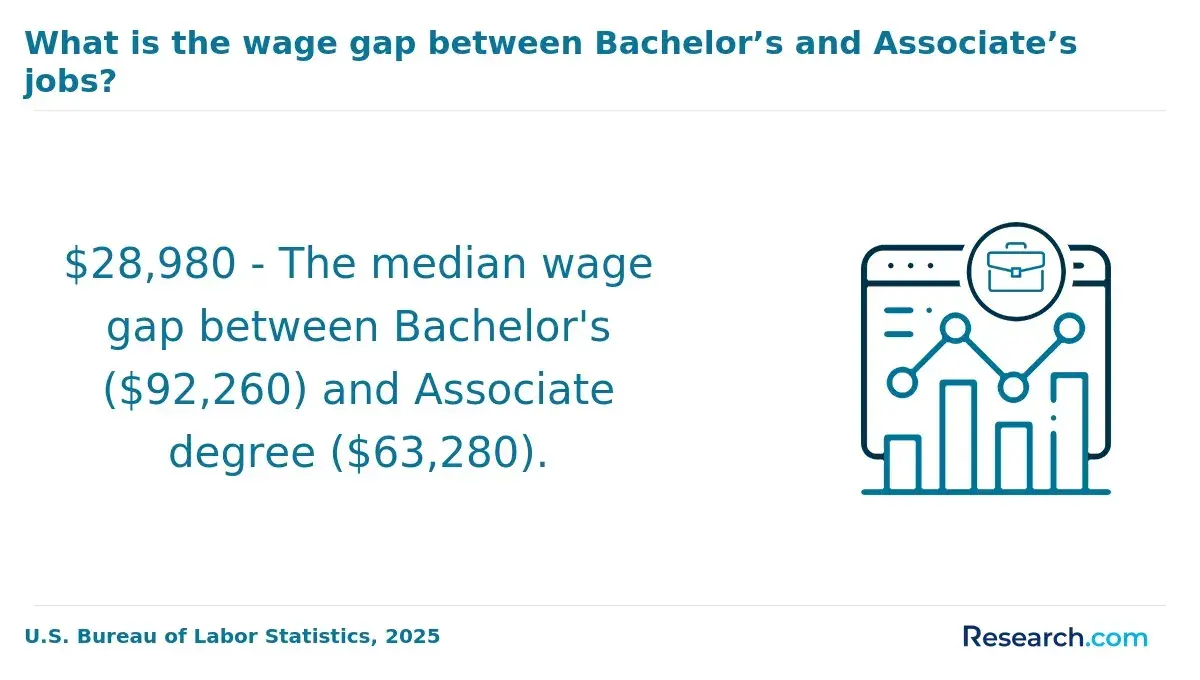
Students who have earned prior credits through associate degrees, AP exams, military training, or certifications can cut their tuition by up to 50% or more. For instance, a biology technician with an existing associate degree might transfer 60 credits, decreasing both expenses and time to degree completion by avoiding unnecessary duplication.
Requesting a detailed credit transfer evaluation before enrollment is critical to align transferred credits with biology's core, lab, and elective requirements. Credits from regionally accredited institutions or recognized certifications generate the best cost savings, although some hands-on labs and research may still require in-person attendance.
From an employer perspective, reducing tuition and time-to-degree optimizes return on investment without compromising demonstrated biology competencies. Fields like biotechnology, healthcare, and environmental science increasingly prioritize credentials completed efficiently. Prior learning credits present a tangible strategy to balance educational costs and workforce readiness in biology-related careers.
What careers, salaries, and job outlook can graduates with an online biology degree expect?
Graduates holding an online biology degree face a nuanced labor market where median salaries vary considerably by role and region-from approximately $50,000 for entry-level positions to over $80,000 for specialized fields such as epidemiology and biochemistry, per U.S. Bureau of Labor Statistics 2024 data. For example, biological technicians earn around $48,000 on average, but increased credentials or certifications can significantly raise earning potential. This wage range reflects practical tradeoffs between foundational biological knowledge and applied expertise demanded by employers.
Working adults accelerating degree completion through transfer credits and prior learning assessments can reduce time in school, enabling faster reentry into evolving biotech or healthcare roles without a four-year delay. However, pure biology degrees often lack direct licensure pathways, which constrains clinical or regulatory job access without supplementary training or certifications. In practice, this limits immediate job flexibility for many graduates.
Professionals pivoting to biology-related fields should strategically combine their degree with analytical skills or industry-specific regulatory knowledge to meet employer expectations in medical device development or environmental analysis. Securing internships or certifications is increasingly necessary to remain competitive, especially as the job outlook projects an 8% increase through 2034 primarily driven by biotech and healthcare sectors.
Effectively leveraging prior experience alongside academic credentials can enhance both employability and salary outcomes in a field where clear career advancement depends on bridging biology fundamentals with applied industry demands.
How can students choose a reputable online biology program that maximizes transfer and prior credits?
Maximizing prior learning credit in an online biology program depends heavily on accreditation and transfer policies, which directly shape both the speed and cost efficiency of degree completion. Regional accreditation remains essential for ensuring credits hold value with employers and graduate programs. Students should confirm that their chosen institution participates in NC-SARA, easing cross-state credit transfer. Key to practical credit application are clear agreements with CLEP, DSST, and ACE credit evaluations-particularly relevant for those with military or technical experience.
For example, a working professional with military science credits and lab experience can significantly reduce the typical 120-credit requirement if the program actively accepts occupational credit assessments. This approach minimizes redundant coursework and expedites entry into the labor market, where biology-related positions have a strong outlook with an estimated 136,800 openings over the next decade according to Intelligent's 2024 data.
However, tradeoffs apply: lower credit acceptance caps (commonly 30-60 credits) limit acceleration potential, and less rigorous faculty oversight in credit evaluation risks diluting academic quality. Students must seek programs offering transparent syllabi and direct advising focused on prior learning credits to avoid administrative delays and ensure alignment with profession-specific competencies in biotech or ecological research.
Ultimately, balancing institutional reputation, verified credit transfer success, and employer recognition defines those programs that offer both practical acceleration and long-term professional relevance.
Other Things You Should Know About Biology
While prior learning credits can reduce time and cost, excessive reliance on them might raise concerns for some employers or graduate programs about the depth of your recent academic exposure. A balanced approach is recommended: prioritize programs that require completion of core biology courses on campus or online to maintain academic rigor. This ensures your transcript reflects current, relevant expertise alongside credit for prior experience.
Students must juggle self-paced online learning with the demands of demonstrating mastery for prior learning credit, often through extensive portfolios or exams. This dual burden can extend total study time if the program's assessment process is complex. Prospective students should evaluate how prior credits are awarded and whether the program supports flexible pacing to avoid burnout and ensure steady progress to degree completion.
Employers focused on biology roles prioritize demonstrated skills and recent coursework over the delivery mode or credit source. However, degrees with transparent prior learning credit policies and accreditation from recognized bodies are viewed more favorably. Candidates should be prepared to explain their prior learning process clearly and highlight relevant competencies to mitigate skepticism about online and credit-for-experience formats.
References
- How to Choose the Right Online College https://www.straighterline.com/blog/goodie-how-to-choose-the-right-online-college
- Turn Your Experience Into a Degree | Woolf RPL Credit Exemption https://landing.woolf.university/recognition-of-prior-learning
- Biological Sciences/BIO - IAI Major Course Recommendations https://itransfer.org/courses/majors/bio.php
- 5 High-Paying Jobs with a Biology BS | University of Bridgeport https://www.bridgeport.edu/news/high-paying-jobs-with-a-bachelors-in-biology/
- Online Degree vs. Traditional: Choosing the Right Path https://beal.edu/online-degree-vs-traditional/
- Prior Learning Assessment - Utah System of Higher Education https://ushe.edu/initiatives/prior-learning-assessment/
- CAEL | Why Credit for Prior Learning (CPL) or Prior Learning Assessment (PLA) Matters https://www.cael.org/lp/cpl-pla
- Courses in Biological Sciences | University at Albany https://www.albany.edu/undergraduate-bulletin/biological-sciences-courses.php
- Recognition of Prior Learning for Degree Study | Walbrook https://www.walbrook.ac.uk/degrees/studying-with-us/applying-for-a-degree/recognition-of-prior-learning-degrees/
- Prior Learning Assessments - Center for American Progress https://www.americanprogress.org/article/prior-learning-assessments/