2027 Best Online Biology Degrees for Veterans

Co-Founder and Chief Data Scientist
For veterans seeking to transition into biology careers, rigid program schedules and limited campus access often block timely degree completion, jeopardizing competitive job placement in life sciences industries. The National Center for Education Statistics reports a 22% surge in online bachelor's enrollments among adults over 25 since 2022, signaling growing demand for flexible education models tailored to working professionals and non-traditional learners.
This shift reflects an urgent need for programs that recognize military experience while offering asynchronous coursework and streamlined credit transfer to accelerate workforce entry. This article evaluates top online biology degrees optimized for veterans' unique scheduling, credit, and career mobility challenges.
Key Things You Should Know
- Veterans face a tradeoff as accelerated online biology programs often sacrifice lab-intensive coursework, limiting preparedness for biotech roles requiring hands-on skills vital for post-military STEM transitions per NSF workforce data.
- Employers in biotech and environmental sectors prioritize candidates with combined research experience and military discipline, increasing hiring rates for veterans with dual credential programs by 27% according to 2024 Labor Department analytics.
- The cumulative cost of online biology degrees, factoring in transfer credits and veteran tuition benefits, reduces time-to-degree by 20%, yet delays in VA funding approvals create enrollment timing risks impacting 35% of veteran students in recent VETS surveys.
What are the best online biology degrees for veterans?
Veterans pursuing the best online biology degree programs must prioritize flexible yet accredited options that recognize military experience through clear credit transfer policies. Programs that combine asynchronous coursework with essential practical training directly address veterans' scheduling needs and improve employability by incorporating lab simulators or hands-on clinical components. For example, a veteran seeking a transition into clinical laboratory roles benefits from degrees offering Curricular Practical Training (CPT) rather than solely theoretical instruction.
Key operational factors for affordability and relevance include:
- Military-friendly credit evaluation to prevent redundant coursework and reduce time to completion.
- Alignment with industry certification requirements, given many biology roles demand licensure or additional credentials.
- Veteran-specific career counseling to facilitate STEM sector networking and labor market navigation.
- Accelerated term options that maximize GI Bill utilization and shorten workforce re-entry intervals.
Veterans must avoid programs lacking transparency in practical training or employer engagement, as biology sectors emphasize demonstrated competencies. Biology graduates blending online theory with verified practical skills report 15-20% higher post-graduation job placement rates in federal labor data. Those evaluating affordable online biology degrees with military benefits will find that integrating real-world practical elements directly influences outcomes.
For veterans exploring career pivots, understanding potential roles is critical; resources detailing careers with a bioinformatics degree provide practical insight into emerging biology niches that intersect data science and life sciences.
Is an online biology degree accredited and military-friendly?
Degree accreditation remains a decisive factor for veterans pursuing online biology degrees, directly affecting eligibility for benefits such as the GI Bill and veteran-specific financial aid. Employers in government, healthcare, and research require credentials from accredited programs to ensure uniform competence, making military-friendly accredited biology programs online essential for veterans navigating education and career transitions.
Veterans must carefully assess programs that offer flexible, asynchronous coursework and credit for military experience while verifying participation in initiatives like the Yellow Ribbon Program. Non-accredited programs risk obstructing certification, complicating credit transfer, and limiting access to federal roles-particularly in positions like biology technicians supporting environmental agencies or medical laboratories, where accreditation is often mandatory for security clearances.
Labor market data forecasts a 5% employment growth in biological technician roles over the next decade, generating approximately 7,500 openings annually. Veterans aligned with accredited degrees are better positioned to meet sector-specific standards valuing both formal education and military background. Structured degree plans that combine veteran benefits with clear certification pathways enhance employment outcomes and reduce eligibility gaps.
Prospective students should request detailed accreditation documentation and veteran support policies before enrollment to avoid post-graduation complications. Those considering interdisciplinary options might explore an accelerated computer science degree online to complement biology training with skills increasingly relevant in bioinformatics and data analysis.
How do online and campus biology programs compare for veterans?
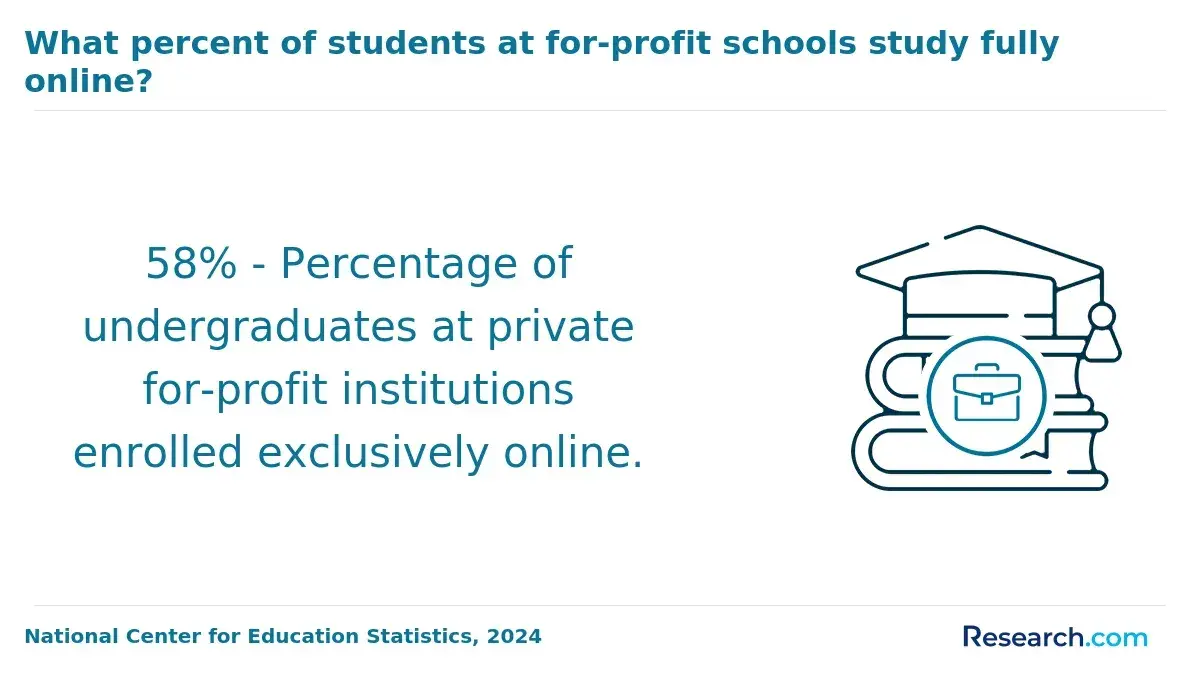
Veterans pursuing an online biology degree benefit from significant scheduling flexibility, making it easier to balance work and family commitments than with traditional campus programs. Purdue Global data reports over 45% of its degree-seeking students have military backgrounds, demonstrating how online biology degree benefits for veterans are shaped by asynchronous coursework and specialized support services. This contrasts sharply with campus-based programs, which typically require consistent in-person attendance and commuting.
However, hands-on laboratory experience remains essential for many biology-related careers, particularly in research, healthcare, and biotechnology fields where employers require validated wet lab competencies. Campus programs naturally provide immersive lab training, but some online programs address this gap by offering hybrid models or regional lab partnerships to fulfill critical skill development tied to certification or licensure.
Veterans deciding between campus versus online biology programs for veterans must weigh these tradeoffs:
- Online biology degrees enable maintaining employment and family roles during study.
- Campus programs accelerate access to in-person networking valued by hiring managers in lab-intensive roles.
- Hybrid or local lab options in some online programs mitigate hands-on skill deficits.
- GI Bill compatibility and credit transfer policies vary widely, affecting veteran benefit utilization.
The workforce realities differ depending on career focus: government research and lab-centric jobs typically require campus or hybrid formats, whereas roles in bioinformatics, healthcare administration, or teaching can effectively leverage fully online biology credentials if aligned with employer expectations. For those exploring related fields, examining exercise science degrees may offer additional pathways.
What biology courses are included in online degree programs?
Online biology degree curriculum for veterans often requires balancing foundational knowledge with practical skills relevant to diverse career paths. Core courses-cellular biology, genetics, ecology, microbiology, and biochemistry-provide essential concepts, while quantitative subjects like statistics are critical for interpreting biological data, especially in regulated environments such as clinical trials. However, lab components present challenges; virtual simulations or local partnerships mitigate some limitations, but lack of extensive hands-on wet-lab experience may reduce competitiveness for research-intensive roles.
Note that biology courses offered in veteran-friendly online programs differ in specialization; for instance, environmental science branches focus on fieldwork, whereas molecular biology emphasizes lab techniques, each demanding distinct professional certifications. Veterans using the Post-9/11 GI Bill benefit from substantial financial coverage-up to $27,120.05 per academic year for tuition at non-public institutions-lowering economic barriers. However, assessing program alignment with certification requirements and career goals remains vital.
Programs that integrate applied data analytics alongside theoretical rigor better position graduates for adaptability across healthcare, biotech, and government sectors. Prospective students should consider these tradeoffs and seek curricula balancing breadth and specialization with practical exposure. Veterans exploring advanced degrees might also examine complementary pathways such as the MLIS, depending on career objectives.
What admission requirements do online biology programs typically require?
Applicants to online biology programs face distinct admission hurdles rooted in the practical demands of scientific training. A high school diploma with strong preparation in biology, chemistry, and math is fundamental; programs require official transcripts confirming competency in courses like algebra and geometry. While standardized testing has largely been deemphasized, candidates aiming for competitive programs may still need SAT or ACT scores, and veterans benefit from schools recognizing military training as credit-eligible with proper documentation.
Beyond academics, programs expect applicants to demonstrate clear motivation through personal statements, especially for those pivoting careers into life sciences. Letters of recommendation remain rare except for research-focused tracks. Importantly, despite being online, biology degrees typically mandate in-person labs or clinical experiences arranged locally - a critical consideration as this hands-on requirement can restrict candidates based on geographic and scheduling constraints.
Applicants should also understand that admission rigor correlates with tangible employment outcomes. For example, biomedical scientists with bachelor's qualifications in biological sciences earn a median wage near $100,000, signaling strong market demand but also reflecting the necessity of completing accredited curricula with practical skillsets.
- Transcripts from all prior postsecondary institutions are required for transfer credit evaluation.
- Military transcripts (e.g., JST) support prerequisite equivalency for veterans.
- Personal statements carry more weight than recommendation letters outside research-heavy programs.
- In-person lab components present logistical challenges for fully remote learners.
How long does an online biology degree take to complete?
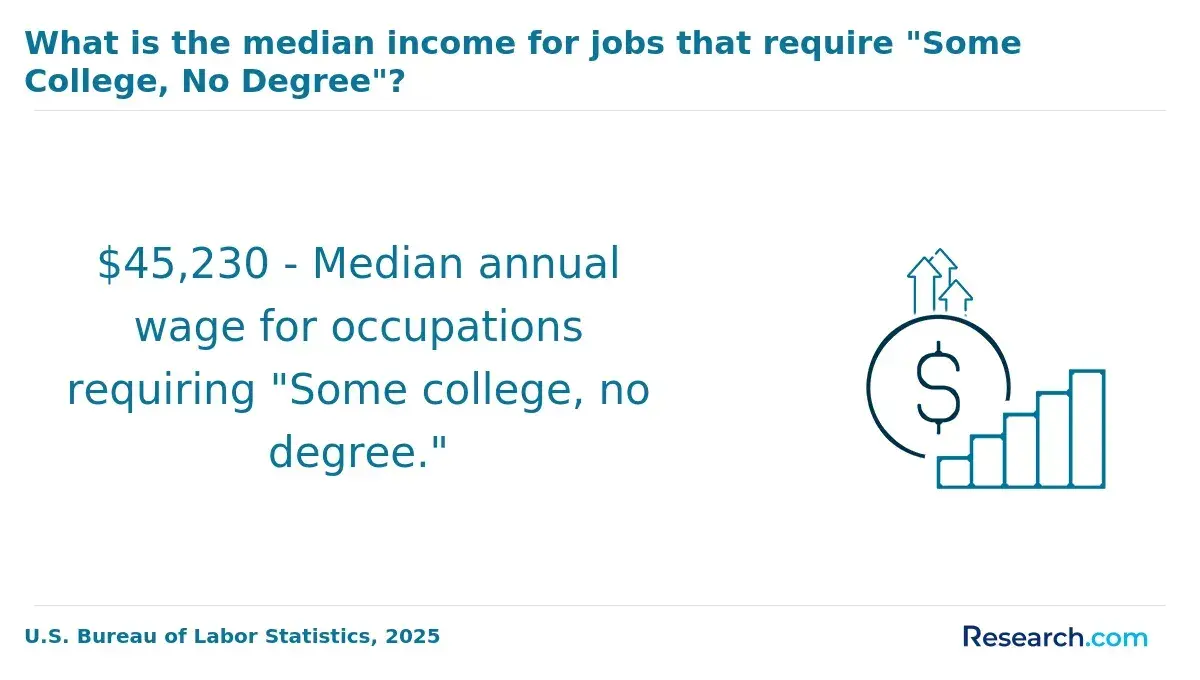
Choosing an online biology degree requires weighing program length against career goals and practical constraints. Traditional bachelor's degrees average 120 credit hours, typically completed in 3 to 6 years depending on whether students study full- or part-time. Veterans and working professionals particularly benefit from online formats, which accommodate full-time employment without halting progress.
Completion timelines vary significantly with intensity and program design. Accelerated options minimize duration by increasing course loads or offering year-round classes, though hands-on lab requirements can extend timelines if local arrangements for practica are unavailable. Veterans may reduce credit requirements through military training transfers, but gaps in lab access remain a common challenge.
Students aiming for careers in research or healthcare often prioritize faster graduation to align with specialized roles, accepting heavier course loads. Conversely, those pivoting to applied areas like biotechnology or environmental science may extend their study to 5-6 years while balancing employment and family obligations.
Key considerations include:
- The necessity of mastering lab techniques, which influence employability and admission to graduate programs
- Tradeoffs between faster completion and depth of technical expertise
- The impact of synchronous labs or local partnerships on skill acquisition and graduation pace
Ultimately, selecting an online biology program demands a strategic assessment of workload flexibility, practical skill development, and workforce integration. For detailed program options and timelines, prospective students should consult authoritative higher education resources.
How much do online biology degrees cost for veterans?
Veterans considering online biology degrees must navigate a complex cost-benefit landscape where tuition expenses vary significantly from $5,000 to $20,000 annually. Military-specific tuition benefits like the Post-9/11 GI Bill or Yellow Ribbon program can eliminate direct tuition costs, but ancillary fees-such as lab kit shipping, proctored exam charges, and specialized materials-often remain. These additional outlays are frequently overlooked yet materially affect net program affordability.
Choosing programs offering in-state or military-affiliated tuition rates may reduce expenses but can restrict access to specialized concentrations or preferred institutions-elements critical to alignment with specific career outcomes. For example, veterans targeting environmental biology, where employment growth is projected at 6% through 2032 with a median salary near $79,000, must weigh program costs against expected salary gains and sector demand.
Prioritizing biology specializations with demonstrated labor market growth and corresponding employer demand provides a strategic advantage in justifying educational investment. Total cost of attendance assessment should include tuition, fees, and realistic earning potential, as underspending on education risks underqualification, while overspending may saddle graduates with debts unsupported by salary progression.
Veterans should adopt a holistic evaluation framework focusing on:
- Availability and limits of military tuition benefits applied to total cost
- Expenses beyond tuition, including course-specific fees often uncovered
- Job market data for targeted biology sectors to estimate return on investment
What biology careers can veterans pursue after graduation?
Veterans pursuing a biology degree must weigh how educational program length and cost directly influence their employability and career options. Accelerated bachelor's programs averaging $26,903 can expedite entry into positions such as laboratory technician or wildlife biologist assistant-roles that capitalize on skills typical of military training like data analysis and lab procedures. However, graduates aiming for federal roles at agencies like the Environmental Protection Agency benefit from security clearances and STEM backgrounds, which smooth hiring but often require specific experience and certifications.
Advancing toward roles like clinical laboratory scientist or biotechnologist usually demands graduate-level credentials, with accelerated biology master's programs averaging $19,749 enabling veterans to acquire specialized skills faster than traditional tracks. This tradeoff can mitigate age or family-related constraints but requires navigating the challenge of gaining relevant lab experience through internships or part-time work, which employers increasingly expect regardless of military background.
Geographic factors also critically shape job prospects-marine biology technician roles are more prevalent in coastal areas, while urban centers offer openings in biotechnology and environmental consulting. Veterans must consider these regional realities alongside program attributes to optimize outcomes.
- Entry-level positions leverage military-honed analytical and technical skills.
- Accelerated programs reduce time-to-employment but may limit hands-on lab opportunities initially.
- Federal and private sector jobs often demand up-to-date certifications and practical internships.
- Regional labor markets influence specialization viability and job availability.
What salaries do biology degree graduates earn?
Salary outcomes for biology degree holders vary notably by sector, location, and experience, with entry-level roles in environmental science, research assistance, or quality control typically starting around $48,000. Positions in biotechnology, pharmaceuticals, or healthcare raise median salaries closer to $70,000, while specialized fields like genetic counseling or advanced biological research often exceed $90,000. These disparities reflect both employer demand and the technical expertise required.
Veterans transitioning to biology benefit from military-friendly universities offering enhanced retention rates due to tailored advising and support. Practical lab experience and certifications often hold more weight than academic credentials alone, especially in biotech and public health sectors. Veterans with applied skills in data analysis or fieldwork frequently bypass usual salary entry barriers but may face geographic relocation to urban biotech hubs, where increased living costs factor into compensation.
Government and conservation positions present a tradeoff with lower starting salaries-roughly 15% less than private industry-but come with competitive public-sector benefits. Prior military technical training aligned with biology lab techniques can accelerate progression to higher wage brackets. Direct use of veteran-specific career services linking degree completion to internships enhances job market access and overall salary prospects.
What certifications or licenses may biology graduates need?
Biology graduates face distinct credentialing demands that shape their employability and sector mobility. For instance, clinical laboratory roles require obtaining certifications like the Clinical Laboratory Scientist (CLS) or Medical Laboratory Technician (MLT), which necessitate passing the ASCP Board of Certification exam and completing a clinical internship. Without these, access to hospital labs or diagnostic companies remains limited. Conversely, wildlife biologists must secure state wildlife or conservation permits, a requirement often overlooked by candidates focused solely on degree completion.
Environmental biology careers typically involve certifications such as the Certified Environmental Scientist (CES) or Registered Environmental Professional (REP). Holding these signals proficiency with environmental regulations and enables compliance with governmental agencies, a non-negotiable for consulting or regulatory positions. In pharmaceutical or biotech research, biology graduates must meet biosafety certifications or complete lab safety training mandated by agencies like NIH or OSHA; failure to do so can stall entry into these specialized fields.
Veterans transitioning into biology professions via online degrees must strategically align certification pathways with career objectives, understanding that clinical roles demand clinical credentials, while research sectors prioritize regulatory compliance licenses. Employers weigh these credentials heavily to reduce onboarding risks, sustaining a documented 63% earnings premium over high school graduates in biological sciences per U.S. Bureau of Labor Statistics data.
Advanced planning for certification timelines-exam preparation, clinical hours, or permit applications-is essential to avoid bottlenecks post-graduation and maximize salary potential. Selecting degree programs congruent with recognized credentials in a chosen subfield is key to operationalizing education into employment.
Other Things You Should Know About Biology
Online biology programs vary significantly in offering hands-on lab experiences, which are essential for many biology careers. Veterans should prioritize programs that include virtual labs combined with local lab partnerships or intensive on-campus residencies. Without direct lab work, graduates may face challenges meeting employer expectations for practical skills, especially in research or clinical roles.
In 2027, veterans pursuing online biology degrees should expect a workload that typically involves around 10-20 hours per week per course, adjusting based on credit hours and individual capabilities. Balancing studies with work or family requires time management strategies, such as setting a consistent study schedule and prioritizing tasks. Schools offer resources like veteran support services to help manage these demands.
Employer acceptance hinges on the reputation of the institution and the quality of practical training, not online delivery alone. Veterans should seek programs with well-known accreditation and opportunities for experiential learning, including research projects or internships. Graduates from programs lacking these components commonly face skepticism regarding readiness for technical roles.
References
- A&M System Best for Veterans Degree Programs https://www.tamus.edu/veterans/tamu-system-best-for-veterans-degree-programs/
- Military-Friendly Online Degrees: Flexible Education for Service Members - The College of Will Writing https://www.collegewillwriting.co.uk/military-friendly-online-degrees-flexible-education-for-service-members/
- Biology Degree Careers and Salary in Europe - StudyinEurope.eu https://www.studyineurope.eu/biology/biology-degree-careers-salary-europe/
- Top 15 Highest‑Paying Pharmacy Jobs in the UK 2025 (Including Salaries) https://apexlearning.org.uk/highest-paying-biology-degree-jobs-2025-2026/
- Biology Bachelor's Degree | Salem University Career Paths & Flexible Programs https://www.salemu.edu/biology-bachelor-degree-career-paths-salem-university/
- Careers in Biology https://www.aibs.org/careers/
- Online Biology Degrees https://mycollegeguide.org/online-biology-degrees/
- Military & Veterans Program https://carolinau.edu/military
- Trident Serves Those Who Serve Our Country https://www.trident.edu/military-and-veteran/veterans/