2027 Best Online Biology Degrees for Transfer Students

Co-Founder and Chief Data Scientist
Professionals seeking to transfer into biology degree programs face a complex barrier: inconsistent credit acceptance and rigid curriculum paths that can derail timely graduation. With nearly 40% of undergraduates transferring at least once according to the National Student Clearinghouse Research Center, this cohort demands flexible, streamlined transfer options. However, many biology programs still rely on traditional in-person prerequisites that conflict with working students' schedules and extend time to degree.
This mismatch undermines not only enrollment retention but also career momentum, especially amid growing labor market demand for biotech and environmental specialists. This article evaluates the best online biology degrees optimized for transfer students, focusing on transfer credit policies, program adaptability, and employment outcomes to help prospective students navigate these challenges efficiently.
Key Things You Should Know
- Transfer students in biology face a median credit loss of 20-30%, raising total degree time by 1-2 semesters and increasing costs by up to 15%, as reported by the National Student Clearinghouse in 2024.
- Employers prioritize research experience and technical lab skills over degree completion speed, with 68% of biology-related job listings in 2024 specifying competency in molecular techniques, impacting program choice relevance.
- Programs prioritizing articulation agreements reduce transfer bottlenecks, accelerating degree completion by 25%, but may limit elective diversity, requiring students to balance institutional convenience against specialized biology subfields.
What are the best online biology degrees for transfer students?
Cost efficiency and credit articulation fundamentally determine the value of the best online biology degree programs for transfer students. Louisiana State University at Alexandria's online B.S. in Modern Biology illustrates how maximizing transfer credits can reduce total expenses from $42,360 to approximately $10,590, accelerating time to degree and easing financial pressure for working learners. This approach is critical for professionals like biotech technicians who hold associate degrees and seek to reenter the workforce swiftly without redundant coursework.
Top accredited online biology degrees for transfer learners prioritize curriculum structures that accept a broad range of foundational credits from community colleges while embedding applied learning through lab simulations or regional practicums. These experiential components must be accessible remotely or locally to prevent delays in meeting employer expectations for theoretical knowledge coupled with hands-on skills, particularly in healthcare and environmental science sectors.
Transfer students evaluating programs should weigh graduation rates and time-to-degree metrics, which are improved by institutions with robust transfer support services-data from the National Center for Education Statistics indicates up to a 20% increase in biology degree completion under these conditions.
Beyond tuition, hidden costs such as fees and technology access inflate total program expenses. Students need to incorporate full financial implications into their decisions to avoid underestimating debt accumulation when selecting an online bachelor's degree in biology.
Are online biology degrees accepted by employers and graduate schools?
Employers and graduate schools weigh the practical integrity of online biology degrees heavily on accreditation and demonstrated competencies rather than delivery method. In fields like biotechnology and environmental science, candidates with robust laboratory skills and hands-on experiences hold a decisive advantage, making purely online theory insufficient in many hiring or admissions contexts. For example, LSUA's policy allowing transfer of up to 75% of previous credits can streamline degree completion for those with substantial prior coursework, but incoming transfer students must ensure core biology and lab-intensive credits are included to maintain credibility.
Acceptance of online biology degrees by graduate schools hinges on evidence of rigorous coursework and practical skills, with admissions committees often recommending additional certifications or verified internships when online labs are lacking. Employers in healthcare and research fields typically expect documented internships or applied project experience rather than theoretical transcripts alone.
Students aiming for career pivots should consider that an online biology degree without integrated fieldwork risks employability constraints. Prioritizing programs with structured lab access, internships, or connections to research institutions is critical for bridging this gap. Practical tradeoffs mean purely online paths can require supplementing with external hands-on experience.
Those interested in related fields may also evaluate affordability and flexibility options; for instance, a data science degree online offers diverse modalities with varying industry acceptance.
What accreditation should an online biology program have?
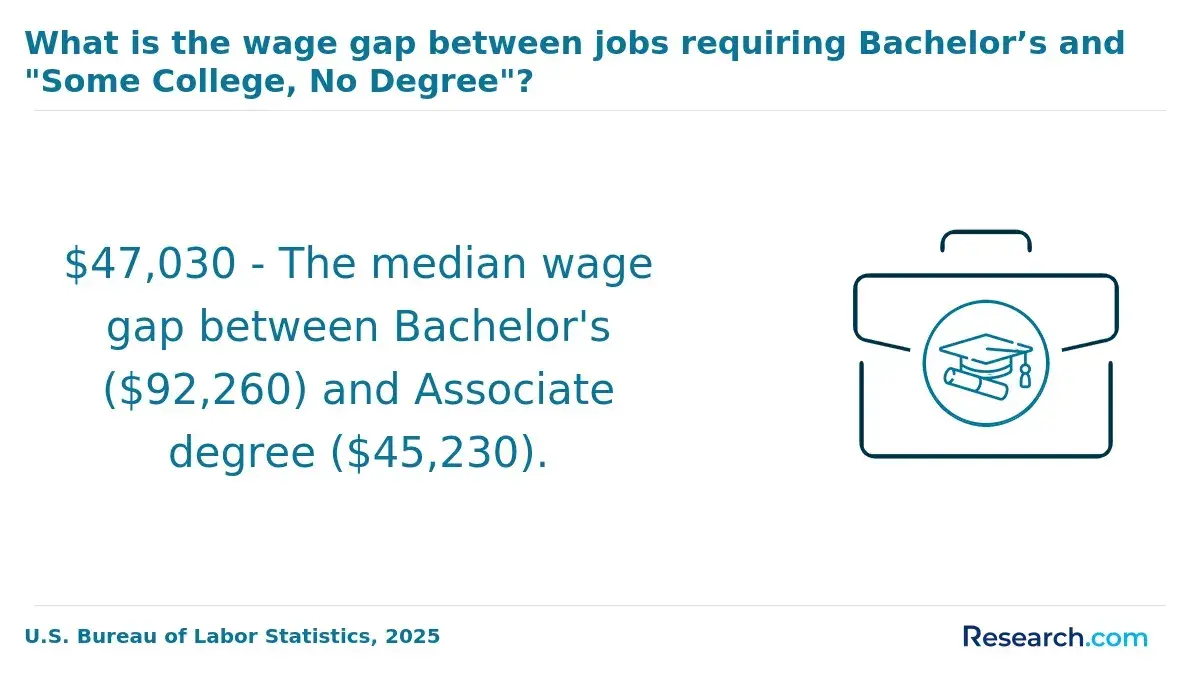
Regional accreditation from agencies recognized by the U.S. Department of Education or the Council for Higher Education Accreditation (CHEA) remains the linchpin for online biology degree accreditation agencies. Without this accreditation, students face significant barriers with credit transfer and professional acceptance, especially when seeking graduate programs or employment in science-related fields. For instance, transfer students risk having up to 35% of their credits rejected if the program lacks regional accreditation, which can delay graduation and inflate educational costs.
Specialized accreditations such as those from the American Society for Biochemistry and Molecular Biology (ASBMB) or the Society for Neuroscience (SfN) may reflect a curriculum's specialized rigor but are less common among regionally accredited online biology programs and secondary to basic institutional accreditation.
Employers in pharma, environmental biology, or biotechnology increasingly demand verified academic legitimacy; degrees from non-regionally accredited programs often do not meet these scrutiny standards. Because of this, students must weigh the tradeoffs between broader credit acceptance and potential labor market restrictions rigorously before enrollment. The market offering 44 active online biology programs for 2025/2026 varies widely in this regard.
Considering the practical implications of affordability alongside accreditation is critical. Prospective students should also evaluate factors like tuition and fees, exemplified in other STEM disciplines, such as the cost of computer science degree, to benchmark financial commitments and return on investment.
How do online and campus biology degrees compare?
The practical limitations of online biology degrees become stark when compared to campus-based programs, particularly for transfer students navigating transfer student success rates in biology programs. The lack of direct access to hands-on laboratory settings and collaborative research environments challenges skill acquisition critical to many employer expectations. Employers demand proven competence in wet-lab techniques and fieldwork, areas where online programs rely heavily on simulations that rarely substitute for real-world experience.
For example, students targeting roles in biomedical research or environmental biology face barriers securing in-person internships and assistantships without regional campus affiliations, complicating pathway planning. Healthcare employers increasingly expect certifications tied to practical hours that are more seamlessly earned on-site. Transfer students must rigorously evaluate articulation agreements and lab-credit equivalencies to protect the significant economic value indicated by data such as Washington State University's biology bachelor's degree, which offers a lifetime ROI exceeding $200,000 and median earnings rising to nearly $67,000 by age 45.
- Biomedical research roles require rigorous lab exposure that is more straightforward at physical campuses.
- Environmental biology careers often demand fieldwork accessible only through regional partnerships or local placements.
- Healthcare certifications usually mandate campus-based practical hours, requiring independent arrangements if studying online.
Transfer students interested in biology should explore programs with hybrid structures or comprehensive credit-transfer policies covering lab-intensive courses. Moreover, securing local internships proactively is vital to offset the experiential shortcomings of online degrees and maintain competitive employability and earnings potential. For those evaluating options, resources on online environmental engineering degree science and engineering may also inform related STEM educational pathways.
What courses are required in an online biology degree?
Choosing an online biology degree involves navigating course and credit requirements that directly affect workforce readiness and academic timelines. Core curricula emphasize essentials like cell biology, genetics, and physiology, but successful candidates must also demonstrate lab proficiency-often through hybrid or local arrangements-as employers in sectors like pharmaceuticals and environmental consulting expect hands-on skills paired with theoretical knowledge.
Transfer students encounter distinct challenges reconciling prior credits, especially in chemistry and math prerequisites that vary widely by program. Overlooking residency mandates or missing advanced modules can delay graduation and diminish employability in competitive markets. Programs that integrate interdisciplinary courses such as bioethics or environmental policy can enhance regulatory and communication competencies, which are increasingly sought after in public-facing scientific roles.
Financial considerations further complicate decisions. Tuition for an online bachelor's in biology ranges dramatically-from roughly $16,000 for in-state students to near $70,000 for out-of-state enrollment-forcing a balance between affordability and geographic flexibility. Employers favour graduates from accredited programs whose coursework aligns with recognized scientific standards, making thorough evaluation of curricula and transfer compatibility crucial.
- Core courses typically cover molecular biology, biochemistry, microbiology, and evolutionary biology to meet diverse sector demands.
- Laboratory experience remains non-negotiable for practical competence, often requiring virtual and in-person hybrids.
- Financial tradeoffs and residency rules can impact both cost and time to degree completion.
What transfer credits do biology programs usually accept?
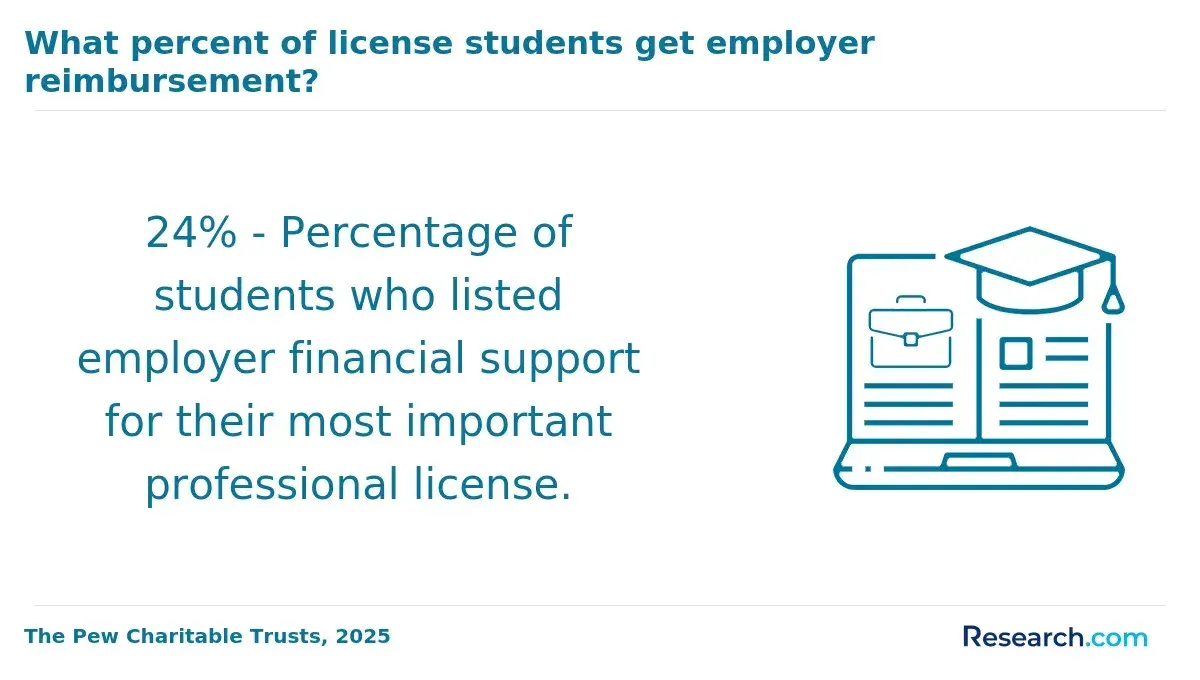
Transfer credits in biology are most often accepted for foundational courses like general biology, chemistry, physics, and introductory math, provided they come with a grade of C or better from regionally accredited schools. However, courses in advanced biology topics such as genetics or microbiology require close alignment in syllabus and contact hours to transfer successfully, and lab credits frequently demand stricter equivalency proofs or practical validation. Institutions differ widely in their acceptance practices: public universities may have established articulation agreements easing credit transfer, while private or selective programs may rigorously vet course details.
For working professionals planning a career pivot, understanding how transfer credits apply to your target specialty is critical. For example, environmental biology credits might transfer more smoothly than molecular biology credits due to differences in curricular emphasis, which in turn affects job market readiness in those niches.
Effectively leveraging transfer credits can shorten degree timelines and reduce tuition expenses substantially. At the University of Florida, for instance, in-state online biology tuition is about $15,504 versus $25,520 for on-campus options, saving roughly $10,000, but students must confirm credit acceptance to qualify for such savings.
- Critical tradeoff: losing credits can delay graduation and raise costs.
- Transcript evaluation and early academic advising mitigate such risks.
- Keeping certification or licensure requirements in mind guides course selection and credit transfer decisions.
What admission requirements apply to transfer students?
Transfer students targeting online biology programs face distinct challenges that affect both academic progress and workforce outcomes. Credit transfer policies heavily impact time to degree and cost, especially when institutions cap transferable credits at 60 or fewer. For example, a student entering with 45 credits may still need significant coursework repeat or completion, delaying entry into biology-related roles that increasingly require up-to-date scientific knowledge.
Most programs demand a minimum cumulative GPA between 2.5 and 3.0 and give priority to foundational courses like general biology, chemistry, and calculus. Those with fewer than 30 credits often confront stricter core course requirements, essentially resetting progress, while students above this threshold typically navigate simplified admissions but must still prove currency through recent relevant coursework.
Financially, the cost per credit influences decision-making; for instance, Learn.org cites an annual online biology program cost of $13,545 at $301 per credit hour. Transfer evaluation delays and additional prerequisite classes can increase expenses and extend timelines, affecting students' ability to enter the workforce promptly.
Successful navigation requires early transcript evaluation and a strategic balance between credit acceptance and degree completion speed, where workforce readiness hinges on meeting program rigor without redundant course load or inflated costs.
How long does an online biology degree take and cost?
Transfer students pursuing an online biology degree face a balancing act between credit transferability, time, and cost that significantly shapes workforce readiness and long-term financial outcomes. Completing this degree generally requires 2 to 3 years, contingent on receiving 60 to 75 credits from prior work. Extending study beyond three years through part-time enrollment can increase expenses and delay job entry, reducing the degree's return on investment.
Cost structures differ sharply by residency and affiliation, with per-credit rates around $318 for in-state, $499 for out-of-state, and $250 for military students. This results in total tuition ranging from $30,000 to nearly $60,000 for a 120-credit program, exclusive of ancillary fees that can add 10% or more. For example, a military-affiliated working professional who completes 15 credits per semester over 2 years can reduce lost wages and tuition compared to out-of-state peers paying higher rates over a longer timeline.
Employment outcomes in biotech and healthcare sectors demand timely completion; programs misaligned with previous credits can prolong degree timelines, delaying job eligibility and increasing opportunity costs. Therefore, students must prioritize programs with clear credit equivalencies and factor in additional course fees, lab costs, and exam proctoring expenses when budgeting.
- Optimizing credit transfer accelerates workforce entry and conserves financial resources.
- Residency and military status heavily influence per-credit costs and total debt.
- Extended part-time study increases cumulative expenses and postpones earnings.
What jobs can you get with a biology degree?
Biology graduates face a competitive job market where practical experience and clear specialization heavily influence employment outcomes. Positions such as laboratory technician, environmental consultant, pharmaceutical sales representative, and clinical research coordinator each demand a blend of technical skills-from lab techniques to data analysis-and regulatory understanding cultivated through specialized coursework and internships.
For transfer students, tuition cost and credit applicability significantly affect program completion timelines. For example, a consistent flat rate of $353 per credit hour without out-of-state fees, as offered by LSUA, can lower financial barriers for prerequisite courses, enabling quicker progression to degree completion. However, transfer policies must be scrutinized to avoid losing credits, which can extend time to workforce entry and reduce relevancy in employer eyes.
Employment prospects vary by sector:
- Healthcare roles often require certifications post-degree, such as genetic counseling or microbiology specialist positions.
- Environmental science jobs depend greatly on field experience and geographic flexibility, including roles like conservation scientist or wildlife biologist.
Projected 8% job growth in life, physical, and social sciences suggests steady demand, though new graduates must balance internship and lab experience with academic credentials to be competitive. Graduates targeting pharmaceutical or biotech research jobs should anticipate graduate-level education as a near-essential step, given industry expectations.
What are biology salary and job outlook expectations?
Biology graduates face a wide salary range shaped by specialization and experience, with median annual earnings typically between $65,000 and $85,000. Roles in biotechnology or healthcare sectors can surpass $100,000, highlighting significant income differentiation based on industry alignment. Job growth for life scientists is forecast at 7% through 2034, exceeding the average across all jobs, driven by demand in research, pharmaceuticals, and environmental protection.
Online biology degree completion options, such as the University of Arizona Online's 120-credit Bachelor of Science, offer necessary flexibility for transfer students balancing work and study. However, these programs require rigorous adherence to credit and skill acquisition standards expected by employers.
Critical workforce factors include:
- Hands-on experience: Lack of internships or laboratory exposure can delay hiring and reduce starting salaries.
- Technical proficiency: Data analysis and familiarity with modern biological tools are increasingly essential skills.
- Sector-specific outcomes: Healthcare-related biology careers, like genetic counseling, typically have more robust salary growth and stability compared to research roles that often necessitate graduate education.
Transfer students should prioritize programs integrating interdisciplinary elements such as data science to remain competitive. Deliberate selection affects employability trajectories, especially as employers value applied competencies alongside academic credentials.
Other Things You Should Know About Biology
Online biology degrees must incorporate lab components that meet accreditation standards, which often complicates transfer articulation. Transfer students should verify if the target program allows prior in-person lab credits or requires completion of virtual or local partner labs. Programs with flexible lab arrangements reduce the risk of redundant coursework and extend time to degree. Prioritize programs that clearly state lab credit transfer policies and offer hybrid or regional lab options to ensure efficient progress.
Access to research experiences significantly affects graduate school acceptance and employer valuation in biology fields. Transfer students must assess whether online programs provide mentorship, research projects, or internships despite remote delivery. Programs that integrate applied research or collaborations with local institutions offer an advantage in skill development and networking. Prioritizing such programs increases competitive readiness for advanced study or research-heavy roles.
Biology curricula demand substantial time for complex lab work, data analysis, and scientific writing, which intensifies in an online format due to limited face-to-face interaction. Transfer students often face condensed schedules to complete remaining credits, amplifying workload pressures. Programs that offer asynchronous lectures combined with scheduled lab sessions help balance flexibility and rigor. Students should evaluate if the online program's pacing aligns with their capacity to manage intensive STEM coursework alongside other commitments.
In 2027, top universities offering the best online biology degrees for transfer students include Arizona State University, University of Florida, and Oregon State University. These institutions provide comprehensive programs designed to accommodate transfer students with flexible online courses and robust support systems.
References
- What Can You Do With a Biology Degree? https://willamette.edu/academics/college/biology/career-options
- Admission Information for Transfer Students https://www.uoguelph.ca/admission/undergraduate/transfer/
- Best Online Biology Degrees https://www.affordablecollegesonline.org/biology-programs/
- College of Sciences | University of Findlay https://www.findlay.edu/sciences/biology/job-outlook
- Fast Way to Get an Online Biology Degree | Straighterline https://www.straighterline.com/blog/how-to-earn-an-online-biology-degree