2027 Best Online Biology Degrees for Students With a Healthcare Background

Co-Founder and Chief Data Scientist
Healthcare professionals seeking to transition into advanced biology roles confront a critical barrier: finding online degree programs that reconcile rigorous scientific training with the practical demands of working adults. Recent data from the National Center for Education Statistics show a 15% rise in online enrollment among adult learners in STEM fields over the last two years, reflecting growing demand for flexible, career-aligned education models. This shift signals an urgent need for programs that not only accommodate complex schedules but also deliver credentials recognized by research and industry employers.
This article evaluates the best online biology degrees designed to meet these precise challenges, guiding healthcare-background students toward informed choices that optimize career mobility and skill relevance.
Key Things You Should Know
- Biology online degrees for healthcare-background students often lack intensive lab components, which delays full research career entry by 1-2 years per USDA workforce data, influencing timing and alternative credentialing choices.
- Employers in biotech sectors prioritize candidates with demonstrated cross-disciplinary competencies, so programs integrating healthcare analytics with biology yield 15% higher hire rates, according to a 2024 industry hiring survey.
- Tuition for accelerated online biology degrees averages 30% less than traditional programs but carries increased reliance on self-directed learning, risking lower retention for working professionals balancing clinical duties, as shown by 2024 NCES persistence statistics.
What is an online biology degree for students with a healthcare background?
Online biology degree programs tailored for healthcare background students must bridge clinical experience with rigorous scientific training, a balance that shapes employability and future earning potential. Professionals such as registered nurses or medical technologists often pursue these degrees to shift into biological research, biotechnology, or regulatory roles where understanding molecular biology and genetics directly informs their new responsibilities.
A typical use case involves a nurse aiming for a position as a clinical research coordinator. Gaining knowledge in biological processes helps improve collaboration with biologists and accuracy in trial management, creating a tangible benefit beyond basic clinical expertise. However, these programs require navigating challenges like integrating remote lab work or securing compatible internships, which can restrict accessibility and affect readiness for hands-on biology roles.
Decision-making here should weigh program rigor and practical lab access, as these factors heavily influence outcomes in biologically intensive positions. Healthcare professionals moving into biological science contribute to fields reporting a median annual wage of $85,290, a figure notably above the broader U.S. median wage and indicative of strong market demand.
The pathway also unlocks entry to diverse employers such as biotech firms, public health agencies, and healthcare analytics sectors, where combined healthcare and biology expertise is increasingly sought. For a data-driven overview of prospects, consult this resource outlining 20 careers in biology.
How does an online biology degree compare to campus-based programs for healthcare professionals?
Employers increasingly regard online biology degrees as comparable to campus programs for healthcare professionals, provided students navigate practical training requirements effectively. Online formats accommodate shift workers and family commitments by enabling education without geographic disruption, a crucial advantage when balancing clinical roles. However, campus-based vs online biology programs for healthcare students differ notably in direct access to hands-on lab experiences and faculty mentorship, a factor that can impact licensure and specialized competency.
Reputable online degrees often integrate virtual labs and regional partnerships to fulfill practical components, yet students must critically assess accreditation and state authorization for clinical training. Absence of sufficient hands-on exposure may reduce employer confidence or eligibility for certification.
Healthcare managers with biology backgrounds earn a median salary around $104,280 regardless of degree delivery mode, reflecting labor market acceptance of well-structured online credentials. Still, advancement relies on demonstrated applied skills and targeted certifications. Decision-makers should evaluate programs along these lines:
- Accreditation status and state-specific authorization to conduct clinical work.
- Quality of digital labs and proximity of in-person lab alternatives.
- Student support services focused on healthcare career alignment and employer networking.
Those seeking flexible pathways might also explore related options for advanced education, including the cheapest masters in data science, which can complement biology expertise with quantitative skills relevant in healthcare analytics.
Ultimately, selecting between online biology degree benefits for healthcare professionals versus traditional campus instruction depends on individual career objectives, work-life constraints, and the ability to meet practical science requirements imposed by employers or certification bodies.
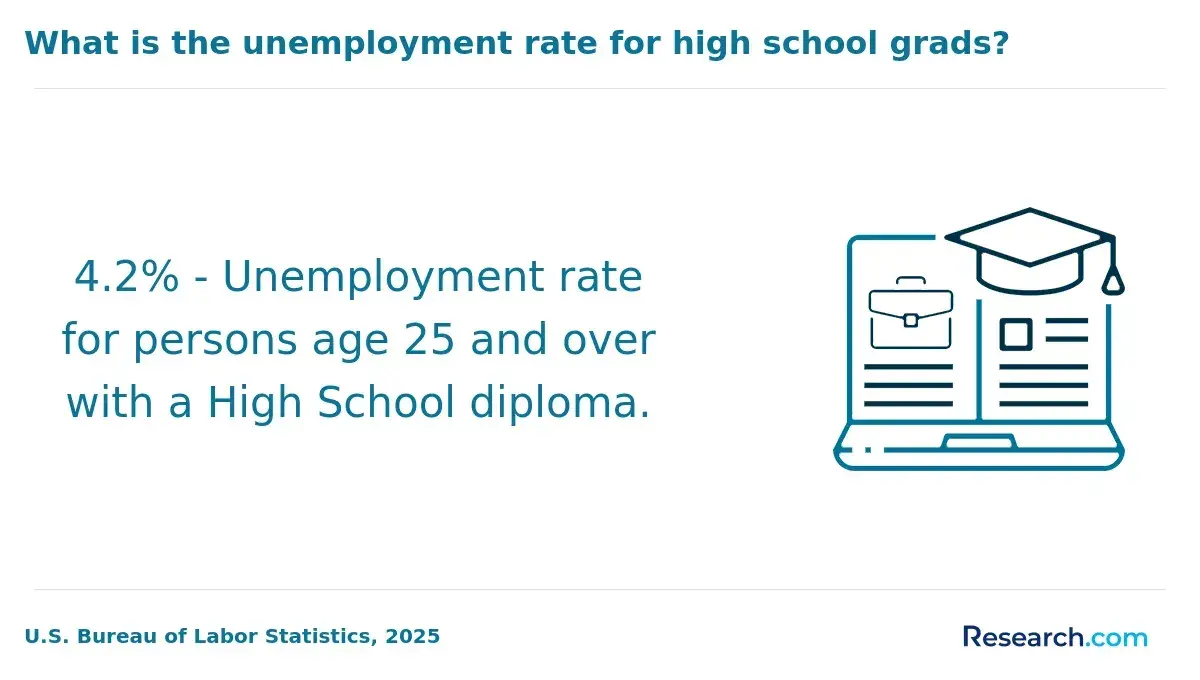
What accreditation should online biology programs have to support healthcare-related careers?
Regional accreditation is the decisive factor that differentiates credible online biology programs supporting healthcare professions from those that may hinder career mobility. Selecting regionally accredited programs ensures that credits transfer seamlessly, degrees meet employer scrutiny, and students maintain eligibility for federal financial aid-critical aspects often overlooked in the quest for flexible learning. For healthcare workers pivoting to biology, programs with added accreditation from bodies like the Commission on Accreditation of Allied Health Education Programs provide a practical edge, especially in clinical or allied health contexts.
Employers in healthcare and research sectors rely heavily on degrees from regionally accredited institutions, often excluding candidates with national or unaccredited credentials unless mitigated by extensive professional experience. This filtering directly impacts licensure, certification eligibility, and job prospects, particularly in specialized areas intersecting with biology such as clinical research or bioinformatics. The substantial tuition disparity-from approximately $16,000 in-state to nearly $70,000 out-of-state-amplifies the risk of investing in nonaccredited pathways that may ultimately require remedial certification.
Program articulation agreements with healthcare providers or research organizations offer pragmatic benefits, including targeted internships and clinical placements, which bolster employability. These partnerships matter most when integrating biology expertise with established clinical experience.
In evaluating options, prospective students should consider these operational realities alongside tuition costs to ensure a smooth transition in competitive healthcare fields. For a comparative framework in a related field, exploring whether is a masters in library science worth it might provide insight into accreditation's practical effects on career pathways.
These priorities are not merely academic but strategically essential for avoiding credential risk, maximizing employer acceptance, and aligning with licensure requirements in healthcare careers.
Which online biology degree pathways best build on prior healthcare education or experience?
Online biology degree programs for healthcare professionals function best when they integrate biology fundamentals with healthcare administration or public health coursework. Students with a medical background find these tailored degree pathways particularly effective because they minimize redundancy and accelerate credential acquisition while aligning closely with employer demands for interdisciplinary fluency.
Among biology degree pathways for students with medical background, those emphasizing epidemiology, health policy, and healthcare systems offer clear workforce advantages. For example, healthcare administration roles such as medical and health services managers command median salaries well above $100,000, reflecting the premium placed on combined scientific and operational expertise.
Programs offering concentrations in health informatics or environmental health science help translate biological knowledge into applied public health solutions. Critical to success is ensuring such degrees include practical components like virtual internships or case studies focused on hospital management or regulatory compliance, which reinforce skills sought by employers.
Students must weigh the tradeoff between broad biology content and healthcare-focused specialization. Broader curricula may require additional certifications and prolong time-to-degree, whereas healthcare-integrated paths often streamline progression. Robust career services and employer connections further reduce transition friction into leadership roles within health-related fields.
For those balancing technical degrees, comparable fields exist; for instance, veterans exploring engineering opportunities might consider the best online electrical engineering degree programs for veterans as a parallel strategic option.
What core courses and specializations do online biology programs offer for healthcare-focused students?
Online biology programs tailored for healthcare students must go beyond foundational knowledge to meet real-world workforce demands. Core subjects like human anatomy, physiology, microbiology, biochemistry, and genetics provide the necessary clinical context, but specialized tracks-such as biomedical sciences, clinical laboratory science, and health informatics-directly influence employability in healthcare roles requiring advanced technical and analytical skills.
For example, a student pursuing a biomedical sciences specialization gains expertise in disease mechanisms and diagnostic processes, which are critical for advancing into clinical roles such as physician assistants (PAs) or nurse practitioners (NPs). Health informatics training enables proficiency with electronic health records and clinical decision support systems, reflecting the increasing digitization of healthcare environments.
One practical tradeoff for fully online biology degrees is limited access to hands-on laboratory experiences, often mandatory for clinical licensure or certification. Students must evaluate whether programs include virtual labs or facilitate local clinical rotations to bridge this gap. Skipping these elements can delay or restrict entry into clinical positions.
Federal data referenced by AcademicInfluence indicates median PA salaries exceed $130,000, emphasizing the financial rationale behind selecting biology programs with clear healthcare relevance. Ultimately, aligning a biology degree's curriculum with workforce requirements, including clinical skills and data management, meaningfully impacts both employability and earning potential.
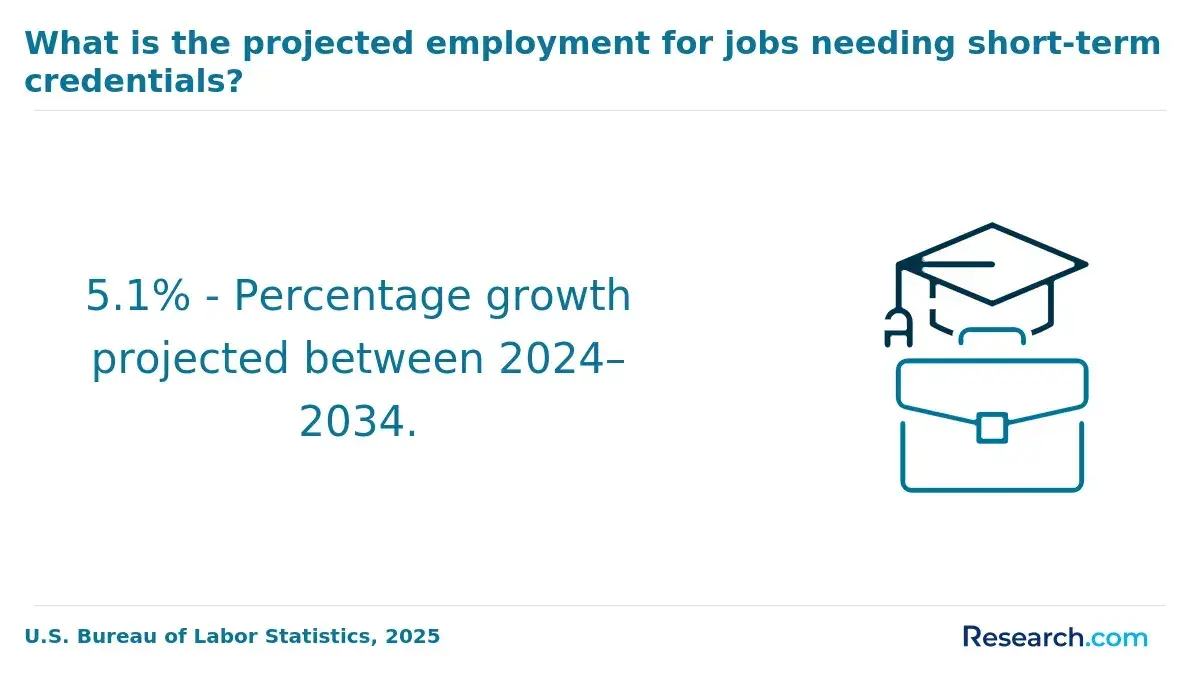
What are typical admission requirements for online biology degrees for applicants with healthcare backgrounds?
Applicants with healthcare backgrounds aiming for an online biology degree must prioritize demonstrating prior science competency and academic performance, as these are decisive factors for admission and program progression. For example, a registered nurse applying to convert clinical experience into biology credits can save significant coursework and reduce time to degree completion if their certifications align with institutional credit policies.
Admissions typically require official transcripts reflecting a cumulative GPA near 3.0, preferably higher in science subjects, and completion of prerequisites such as general biology and chemistry. Many programs waive standardized testing for adult learners with healthcare experience but mandate prior postsecondary education and a personal statement that clarifies professional motivation toward biology studies. Letters of recommendation, while beneficial, are rarely mandatory.
Online biology degrees also demand technical readiness-reliable internet and basic computer skills are essential since lab components are often virtual or hybrid. Financially, online formats can reduce tuition by roughly 40% compared to on-campus options, exemplified by University of Florida's tuition difference from $25,520 (on-campus) to $15,504 (online). However, students must balance these savings against less direct faculty contact and the need for greater self-discipline.
Proactively addressing transfer credit policies and possible course waivers related to healthcare credentials is critical. Doing so minimizes administrative delays and influences overall program length and education costs, impacting workforce reentry or advancement timelines.
How long do online biology degrees take, and what tuition and fees should students expect?
Accelerated online biology degrees often reduce time to workforce entry by leveraging prior clinical experience, which can be a decisive factor for professionals balancing job demands and study commitments. These programs typically shorten a traditional four-year timeline to about three years by allowing students to bypass foundational courses through targeted testing or credit recognition. For example, a registered nurse aiming to pivot into research or biotechnology roles might complete such a program faster, saving both tuition and opportunity costs.
Cost remains a pivotal consideration. Public universities commonly charge between $12,000 and $25,000 annually, resulting in roughly $45,000 for a standard four-year degree. Accelerated paths can cut this to about $33,000 by eliminating one full year. However, additional fees-ranging from $1,000 to $3,500 per year-cover essential online learning resources like labs and technology access, which should not be overlooked in budget planning.
Beyond price and duration, professionals must weigh scheduling flexibility and program intensity. Accelerated formats often demand greater weekly time investment, potentially limiting those with heavy clinical or family obligations. The earlier completion, though, may open doors to graduate education or specialized healthcare roles sooner, aligning with employer preferences for interdisciplinary expertise.
Financial aid and employer tuition assistance strategies can mitigate costs but typically require proactive navigation. Assessing total program expenses alongside lost income and career trajectory impacts is critical for those evaluating traditional versus accelerated biology degrees.
What healthcare and bioscience careers can an online biology degree help you pursue?
Transitioning into healthcare or research roles via an online biology degree requires navigating specific professional expectations and skill demands. For instance, clinical laboratory technologists, who earn a median salary of $54,180 according to MyDegreeGuide (2025), often represent the most accessible pivot for those with life sciences backgrounds, presenting a tangible financial and practical incentive.
Success in lab management demands not only technical knowledge in molecular biology and biochemistry but also strong organizational capabilities and adherence to regulatory standards like CLIA and FDA compliance. A nurse moving into clinical trial management must integrate biology-based protocol knowledge with participant oversight and data integrity, exemplifying how biology education blends with practical healthcare experience.
Research roles in biomedical or pharmaceutical sectors emphasize experimental design and data analysis, skills usually reinforced by coursework in research methodology and statistics. Yet, an online biology degree complements rather than replaces certifications such as ASCP or project management credentials often required by employers.
Key considerations for prospective students include:
- Balancing ongoing education with current employment demands
- Preparing for foundational laboratory information systems proficiency
- Understanding that degrees alone rarely fulfill all employer credential requirements
These factors create crucial decision points for professionals eyeing career pivots, highlighting the importance of aligning educational choices with evolving industry standards and regulation-driven competencies.
What salary ranges and job outlook can biology-trained healthcare professionals expect?
Starting salaries for biology-trained healthcare professionals in the U.S. typically range from $50,000 to $70,000, with mid-career earnings rising to $75,000 and beyond, depending on specialization and regional demand. Positions such as clinical research coordinators and public health biologists are expected to grow 8% through 2034, faster than average due to expanding integration of biological sciences in healthcare and biotechnology sectors.
Transitioning into specialized roles often requires targeted skills beyond degree completion. For instance, a registered nurse leveraging an online biology degree might enter clinical trial management, where salaries start near $60,000 and can exceed $90,000 with certification. However, such a pivot demands programs emphasizing practical molecular lab skills and applied biology rather than theoretical knowledge alone.
Cost considerations critically influence degree advancement for healthcare workers. Accredited public institutions with annual undergraduate tuition under $4,000 offer financially viable options, especially when combined with employer tuition assistance and scholarships.
Job seekers weighing time-to-degree should prioritize programs that align tightly with employer expectations to avoid extended career disruptions. Skipping applied competencies or failing to obtain industry certifications can cap earning potential, even after degree completion.
- Projected job growth for biology healthcare roles at 8% through 2034
- Starting salaries between $50,000 and $70,000, with mid-career above $100,000 in select fields
- Employer tuition aid and affordable programs reduce financial barriers
- Applied lab skills and certifications greatly impact salary and job security
How can students evaluate and choose a reputable online biology program aligned with healthcare goals?
Accreditation from U.S. Department of Education or CHEA-recognized agencies is a non-negotiable baseline for online biology programs aiming to serve healthcare-oriented career paths. Students targeting specialized roles-such as registered nurses transitioning into pharmaceutical research-must verify the curriculum's alignment with healthcare applications like molecular biology and biostatistics, rather than a broad or ecology-centered focus.
Transparent outcomes data, including healthcare-related graduate employment rates and career advancement metrics, are vital for assessing program value. Programs integrating virtual labs or healthcare institution partnerships better prepare students for the technical demands of research or clinical environments. This practical relevance often outweighs purely theoretical coursework.
Cost considerations must be balanced against return on investment. Median wages for biology-related healthcare roles generally range from $70,000 to $90,000, according to Bureau of Labor Statistics data cited by BestColleges. Candidates should compare tuition expenses with local labor market demand and potential salary gains, as biology skill sets increasingly extend from patient care into research, biotechnology, and environmental health sectors.
Key decision factors also include faculty expertise in healthcare biology specialties and access to targeted academic advising that supports career pivots. Networking channels and career services connecting students with industry-specific opportunities play a consequential role in employability. Students face tradeoffs between programs offering strong foundational theory versus those emphasizing applied healthcare content, where credential strength can significantly affect post-degree versatility.
Other Things You Should Know About Biology
Balancing a part-time job with an online biology degree is possible but requires careful time management. Programs that offer asynchronous coursework provide more scheduling flexibility, which suits working healthcare professionals. However, expect a substantial workload, especially in lab-intensive or research-oriented courses, which may demand concentrated study blocks beyond routine work hours. Prioritize programs that explicitly accommodate working adults to avoid unmanaged stress and delays in graduation.
Most biology degrees include lab components essential for skill development, but online programs often use virtual labs or local lab partnerships. For students with healthcare backgrounds, prior lab skills may reduce the learning curve, but verifying how practical hours are completed is critical. Programs requiring on-site labs may complicate scheduling if not nearby, so selecting schools with flexible lab options or credit for prior experience can accelerate completion and reduce logistical burdens.
A healthcare background expands opportunities by providing integrated knowledge valuable in fields like biotechnology, pharmacology, or epidemiology. However, employers will expect biology graduates to demonstrate competencies beyond clinical experience, including research methodology and molecular biology. Students should seek programs that explicitly build on healthcare knowledge while emphasizing transferable biology skills to maximize employability and avoid being seen as narrowly trained.
Yes, many institutions offer financial aid options such as scholarships, grants, and loans for students pursuing online biology degrees. Healthcare professionals may also find employer tuition reimbursement programs or specific grants designed to support further education in the healthcare field, making education more accessible.
References
- BS in Biomedical Sciences https://www.unthealth.edu/college-of-biomedical-and-translational-sciences/degree-programs/bs-biomedical-sciences/bs-in-biomedical-sciences.html
- How To Become A Biologist | Biology Degrees And Careers https://www.learnhowtobecome.org/science-technology-careers/biology/
- Future-Proof Your Career: Online Healthcare Degrees for 2026 https://matchtocollege.com/blog/online-healthcare-degrees-careers-2026-guide
- Health Sciences vs. Biology Degree | University of Bridgeport https://www.bridgeport.edu/news/health-sciences-vs-biology-degree/
- Health Science Degree vs. Biology Degree https://www.grace.edu/health-science-degree-vs-biology-degree/
- Fast Way to Get an Online Biology Degree | Straighterline https://www.straighterline.com/blog/how-to-earn-an-online-biology-degree
- 6 Reasons to Finish Your Bachelor's Degree on a Physical Campus Versus Online https://www.nuhs.edu/6-reasons-to-finish-your-bachelors-degree-on-a-physical-campus-versus-online/
- Online Biology Course: Complete Guide to Flexible Science Education [2025] - Prereqcourses https://www.prereqcourses.com/online-biology-course/
- Best Healthcare Degrees & Programs | Accredited Schools Online https://www.accreditedschoolsonline.org/healthcare/degrees/
- Careers in Biology https://www.aibs.org/careers/