2027 Online Biology Degrees for Students Who Want Dental School Preparation

Co-Founder and Chief Data Scientist
Pre-dental students face a critical bottleneck in securing Biology coursework that aligns tightly with dental school prerequisites while accommodating demanding schedules or remote learning needs. As dental admissions have grown more holistic, with over 35% of applicants in recent years coming from nontraditional learning backgrounds according to ADEA data, access to accredited online biology degrees has become a strategic consideration rather than a fallback. This shift reflects broader institutional responses to adult learners' needs for flexibility without sacrificing rigor or clinical readiness.
These programs vary widely in how effectively they integrate core biological sciences with preparatory requirements for dental school, impacting admissions competitiveness and workforce mobility. This article will analyze current online biology degree options specifically designed to support dental school preparation, providing insight into program structures, accreditation, and outcomes to inform deliberate enrollment decisions.
Key Things You Should Know
- Online biology degrees with dental school focus often lack hands-on lab intensity, creating a tradeoff where cheaper tuition and access can delay competency development critical to dental admissions as shown by ADEA data.
- Employers and dental school admissions increasingly prioritize candidates demonstrating in-person research or clinical experience due to growing evidence linking practical skills with candidacy success, per latest AACOM graduate surveys.
- Average total costs for online biology degrees remain 12% lower than in-person counterparts, yet extended program durations by 6-9 months-reported by the National Center for Education Statistics-raise time-to-application barriers for students targeting dental school enrollment cycles.
What is an online biology degree and how can it prepare you for dental school?
An online biology degree offers a pragmatic route to meet dental school prerequisites while accommodating adult learners balancing employment and academic demands. Since 55.2% of dental school applicants in the 2024-25 cycle identified biology or biological science as their primary major, this path notably aligns with admissions realities.
How online biology courses prepare students for dental programs is evident in their core curriculum, which parallels dental prerequisites like anatomy, physiology, microbiology, and organic chemistry. However, students must navigate the challenge of fulfilling lab work requirements, often necessitating hybrid or in-person sessions to ensure hands-on competencies meet accreditation standards. Missing this interaction risks critical gaps in practical skills that admissions committees closely scrutinize.
The remote format demands strong self-motivation and time management. Students concurrently pursue clinical shadowing or volunteer roles essential for their applications, requiring deliberate planning. This balance emphasizes the value of programs that coordinate with local labs or offer intensives to bridge theoretical knowledge with practical experience, a factor affecting employability and readiness.
Additionally, an online biology degree benefits those seeking to shift careers or advance strategically within STEM fields. Understanding real-world applications and workforce needs helps avoid common pitfalls in purely academic pathways. For insights into related career outcomes, see jobs for bioinformatics degree.
Are online biology degrees accepted by dental schools in the United States?
Acceptance of an online biology degree by U.S. dental schools hinges on strict compliance with prerequisite courses, especially lab components required by admissions committees. Over 90% of these schools demand one full year each of biology with lab, general chemistry, organic chemistry, and physics with lab as per the American Dental Education Association's standards. Online biology degree programs lacking accredited or verifiable in-person lab experiences risk disqualification, making it essential for candidates to secure these credits through recognized hybrid models or local institutions.
For working professionals pursuing an online biology degree, the challenge lies in documenting and validating lab coursework, as remote learning inherently invites closer scrutiny from dental schools. Transferring credits from accredited community colleges or arranging local labs becomes a practical requirement, directly affecting eligibility and competitiveness.
The accreditation of online biology programs for US dental school admission is not guaranteed and often varies by institution, significantly influencing workforce readiness. Employers and admissions officers prioritize tangible, hands-on science experience, which purely virtual labs frequently fail to provide.
Students should weigh these tradeoffs carefully; those needing flexibility might explore phased strategies combining online coursework with local lab sessions. Additionally, individuals evaluating advanced academic routes should be aware of options like the online data science PhD which offer distinct hands-on research demands and career implications compared to biology pathways.
How do online biology programs compare with campus-based options for pre-dental students?
Choosing between campus-based vs online biology courses for dental school preparation involves weighing access to critical experiential learning against flexibility needs. Campus programs offer built-in lab work, direct dental shadowing through university partnerships, and collaborative DAT preparation-all components valued by dental schools and employers. For instance, a campus student may benefit from coordinated clinical observations and hands-on lab techniques, which cultivate practical competencies and teamwork skills essential in dental settings. Conversely, online biology degree programs for pre-dental students require self-driven efforts to secure comparable lab and clinical experiences locally, adding logistical challenges that can impact application competitiveness.
Employers prioritize candidates who show proficiency in patient interaction and lab methodologies, which campus settings tend to foster more reliably through structured supervision. However, online programs accommodate working professionals and those in remote areas by enabling prerequisite completion without employment disruption. The decision reflects a tradeoff: convenience and flexibility versus integrated experiential learning.
Salary data underscores the stakes: biology majors entering dentistry see median wages around $170,950 in 2024, with oral and maxillofacial surgeons earning significantly more. This highlights the value of rigorous preparation combining coursework with clinical skills.
Students considering online biology degrees should critically assess the availability of local clinical shadowing and lab access while considering program alignment with dental school requirements. For those balancing work or location constraints, pairing an online biology degree with targeted hands-on experience is essential.
Prospective students should also evaluate the cost of computer science degree frameworks for comparison, underscoring the need for prudent financial and logistical planning across disciplines.
What accreditation should an online biology degree have for strong dental school preparation?
Choosing an online biology degree without regional accreditation poses a significant risk for students targeting dental school. Dental admissions rigorously evaluate prerequisite coursework, and degrees from accredited institutions-such as those approved by the Higher Learning Commission or Southern Association of Colleges and Schools-carry institutional credibility essential for prerequisite validation. Students from nationally accredited or for-profit institutions often struggle to have their credits accepted, complicating their application pipelines.
Applicants must carefully verify that the biology curriculum fulfills specific dental prerequisites in anatomy, chemistry, physics, and microbiology, as the best accredited biology programs for dental preparation align directly with dental school requirements. These programs typically yield stronger academic performance indicators, such as a competitive GPA near 3.7, which correlates with higher success rates on the Dental Admission Test (DAT).
Beyond accreditation and coursework, students should assess the availability of formal DAT preparation and advising services, along with clinical shadowing opportunities, since these support elements significantly influence acceptance odds. Without these resources, degree holders risk delays or rejection despite their technical qualifications.
For working professionals weighing their options, understanding these practical distinctions is critical. One might weigh the convenience of an online biology degree against potential complications in transferring credits or accessing supportive preprofessional resources. Those exploring interdisciplinary education pathways may also investigate related programs such as an online library science masters for complementary skill acquisition.
Which prerequisite biology and science courses for dental school are typically offered online?
Choosing online prerequisite courses for dental school-focused biology programs demands careful evaluation of lab credit transferability and alignment with specific admissions requirements. While institutions offer general biology, chemistry, organic chemistry, and physics courses with lab components online-often via virtual simulations or local lab partnerships-many dental schools still require documented hands-on lab experience from accredited sources.
For working professionals, asynchronous online coursework paired with robust digital resources can enable steady progression without sacrificing employment income, but the lack of in-person labs may cause challenges in meeting particular school mandates. The financial tradeoffs are significant: campus-based programs often charge roughly $8,250 per semester, whereas online pathways can reduce total costs by 20% to 40% by eliminating fees related to housing, transportation, and campus facilities.
Employers in dental and related healthcare fields increasingly respect credentials earned through accredited online courses when verified lab work accompanies them, but students must proactively confirm accreditation and course acceptance with target programs to avoid setbacks. Key considerations include:
- Confirming lab credit recognition with potential dental schools before enrollment
- Balancing flexibility and rigor by selecting programs that ensure scientific competency
- Anticipating possible additional costs or course repetitions due to mismatched prerequisites
Overall, practical planning around lab verification and cost can influence not only admission success but also timely career transitions within biology-focused healthcare fields.
What admission requirements do online biology programs have for prospective pre-dental students?
Online biology programs designed for pre-dental students demand not only a minimum GPA of about 2.5 to 3.0 but also a robust foundation in sciences, particularly chemistry and biology with laboratory components. Institutions may still request standardized test scores, though many embrace test-optional policies reflecting shifting admissions landscapes. Applicants benefit from completed prerequisites such as general and organic chemistry and often must submit letters of recommendation from instructors familiar with their scientific aptitude.
The academic rigor of these programs requires disciplined time management, especially given their practical lab components translated into online formats. Personal statements articulating dental career intentions are frequently necessary to establish a candidate's focused commitment, with hands-on experiences in healthcare settings offering tangible advantages during admissions.
From a workforce perspective, biology specialization with a pre-dental focus can pivot into diverse roles beyond clinical dentistry. For instance, healthcare management positions projected to grow 23.2% through 2024 offer median salaries above $120,000, representing viable alternatives for those leveraging their scientific grounding.
- Minimum GPA: 2.5-3.0
- Prerequisites: Chemistry (general and organic), biology with lab, math
- Application components: Letters of recommendation, personal statements, possible test scores
- Workforce opportunity: Healthcare management positions growing substantially in demand
How long do online biology degrees take and what do they typically cost?
Choosing an online biology degree for dental school preparation demands weighing time, cost, and academic alignment with professional goals. Full-time tracks usually last four years, but part-time students-often working adults-may extend this to five or six years, delaying dental school entry and potentially increasing total career costs due to lost earnings. Accelerated or hybrid programs can reduce duration but often require higher upfront tuition, affecting debt load.
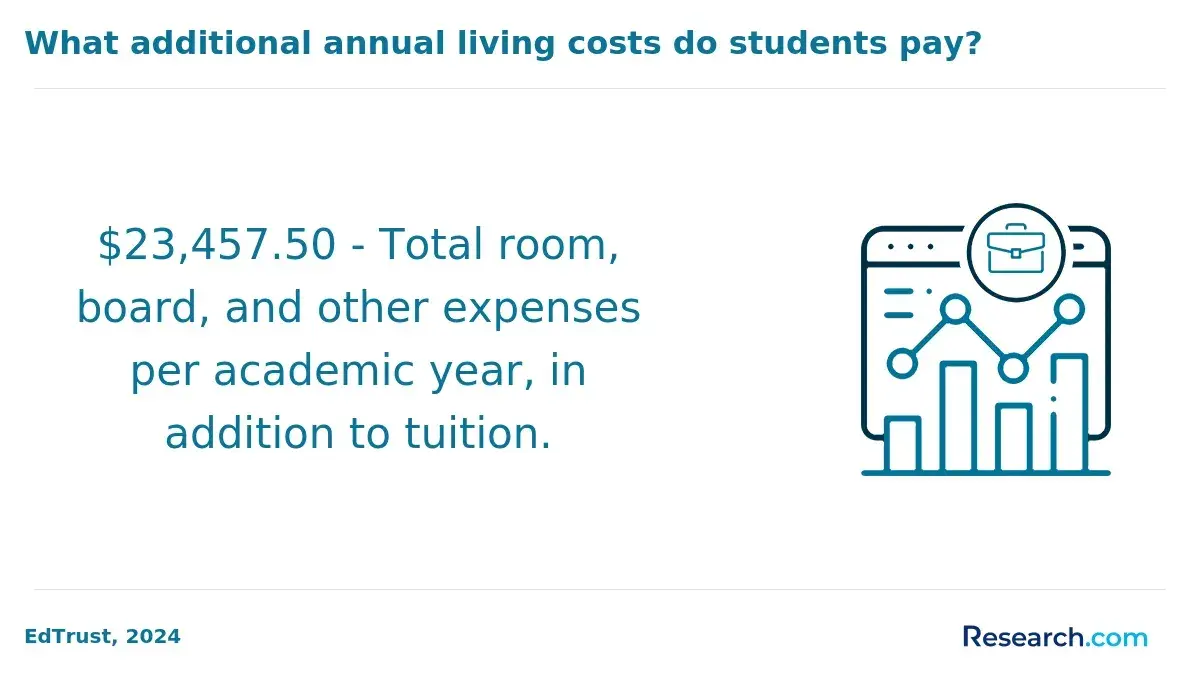
Cost differences between institutions notably impact financial strategy. Public in-state tuition generally falls between $5,000 and $15,000 annually, while private or out-of-state programs can push total expenses to $30,000-$60,000, excluding additional fees and materials that add 10-20%. Students must consider how these financial variables interact with their timeline and ability to manage academic rigor.
More than half of pre-dental candidates major in biology, driven by its close fit with key prerequisites like chemistry, physics, and microbiology, and its effectiveness in preparing for dental admissions exams. This majority choice reflects practical prioritization rather than mere popularity, with alternatives rarely exceeding 10-15% of applicants.
- Extended study durations can affect admission timing and career earnings.
- Lower tuition often increases total cost through delayed workforce entry.
- Faster degrees demand greater initial investment but speed professional progress.
What GPA, DAT scores, and experiences should biology majors target for dental school?
Securing admission to dental school through a biology major demands surpassing typical academic baselines, where a minimum GPA of 3.5 often proves insufficient for highly selective programs that favor closer to 3.7 or above. The Dental Admission Test (DAT) functions as a critical filter, notably requiring scores at or above the 70th percentile in Academic Average and Perceptual Ability to remain competitive; falling short here significantly raises the risk of rejection in competitive cohorts.
Practically, candidates must back academic performance with at least 100 to 200 hours of direct clinical exposure such as dental shadowing, internships, or volunteering. This hands-on experience is not a mere formality; it noticeably impacts interview outcomes and networking potential, as admissions panels prioritize tangible engagement with dental environments to assess genuine readiness.
Accelerated 3+4 programs-such as those at the University of New England-shave a year off the conventional pathway, but sustaining a GPA above 3.5 amid advanced coursework challenges time management and resilience, balancing faster clinical entry against intensified academic pressure.
- Maintain a science GPA above 3.6 for holistic admissions competitiveness.
- Score a minimum of 20 in each DAT section to avoid automatic disqualification.
- Accumulate at least 150 hours of patient-facing dental-related activities.
For working professionals, part-time biology programs paired with targeted DAT preparation and strategic clinical exposure offer viable routes. However, the compounded demands of balancing professional obligations with academic rigor necessitate early and disciplined planning to navigate a competitive admissions landscape without prolonging timelines unnecessarily.
What career paths beyond dental school can an online biology degree support?
An online biology degree provides a versatile foundation for careers beyond dental school, including roles in biomedical research, pharmaceutical development, public health analysis, and health education. Employers in biotech companies and government agencies value candidates who complete disciplined science coursework similar to pre-dental preparation, often spread over extended five-year plans that enhance adaptability to hybrid or online formats. Such structuring aligns with pre-dental guidance frameworks like those from Leland/ADEA.
However, candidates must navigate practical challenges: securing quality experiential learning is difficult when access to internships and labs is limited by competition and remote study logistics. Job markets in environmental biology or forensic science demand specialized skills-genetic analysis, toxicology-that typically require additional training. Graduates are advised to proactively pursue partnerships with research institutions or healthcare providers to offset these gaps.
Decision-makers should balance program flexibility against hands-on training depth. Extended pre-health curricula may take longer but foster competencies increasingly recognized by employers who prioritize outcome-based skills over strict timelines. This approach addresses the evolving expectations in scientific literacy and practical application within health science fields.
Graduates positioning an online biology degree strategically can access multidisciplinary health science roles beyond traditional dental trajectories, enhancing workforce relevance despite the degree's online modality.
How can students evaluate and choose a reputable online biology program for dental preparation?
Choosing an online biology program for dental school preparation requires prioritizing accreditation and curriculum specificity over convenience alone. Regional accreditation ensures institutional legitimacy and access to federal aid, while programmatic accreditation confirms coursework aligns with dental prerequisites like human anatomy, microbiology, and lab sciences-some of which may require in-person participation despite a virtual format.
For example, a working professional balancing a full-time job might find asynchronous lectures attractive, but must consider if the program demands synchronous labs or local internships that complicate scheduling. Programs offering robust partnerships for hands-on experiences can significantly impact dental school admission competitiveness, which hinges on a strong science GPA and practical exposure.
Financial and logistical factors also weigh heavily: tuition costs, transfer credit policies, and financial aid availability directly influence the duration and affordability of completing the degree. Prospective students should scrutinize faculty expertise and academic advising support for alignment with specialized dental career trajectories.
Long-term workforce data illustrate the payoff of rigorous preparation: graduates advancing to dental specialties report median salaries above $280,000 annually, indicating the tangible career impact of selecting programs that marry academic rigor with real-world lab integration. Balancing flexibility with the necessity of lab access and credible accreditation provides the operational clarity necessary for informed decision-making.
Other Things You Should Know About Biology
Not every online biology program offers the full set of dental school prerequisites, especially hands-on labs like microbiology or anatomy with physical dissections. Students must verify that their chosen program includes or partners with in-person lab components accredited by their target dental schools. Missing these requirements can delay admission or necessitate additional coursework from other providers, increasing time and costs. Prioritize programs with clear, verified pathways that fulfill all dental school prerequisites without requiring extensive external courses.
Online biology degrees vary in intensity, but rigorous programs demand disciplined time management since they rely heavily on self-directed study. Students balancing work or family should select programs with structured schedules and accessible instructor support to maintain competitiveness for dental school. Overestimating one's capacity can result in lower grades and weaker dental school applications; thus, realistic assessment of weekly study hours versus program demands is essential before enrolling.
When choosing an online biology degree for 2027 dental school preparation, prioritize programs with comprehensive lab components, strong faculty credentials, and advising services. Ensure the curriculum covers prerequisite courses needed for dental school applications to streamline the path to your professional goals.
Synchronous programs offer real-time interaction that can enhance comprehension and simulate traditional lab discussions, which helps in understanding complex biology concepts critical for dental school. However, asynchronous programs provide greater scheduling flexibility, beneficial for working students but risk lower engagement. For dental preparation, prioritize at least some synchronous components or structured live labs to ensure depth of learning and readiness for dental school exams and interviews.
References
- Pre-Dental https://www.utpb.edu/academics/programs/biology/bs-pre-dental
- FAQ for getting into dental school https://msms.tiberhealth.com/getting-into-dental-school-faq/
- Online Bachelor's Degrees in Biology: Top Schools & Programs https://www.edumed.org/online-schools/biology-degrees/
- 10 Dental Schools Without Prerequisites in 2026 https://bemoacademicconsulting.com/blog/dental-schools-without-prerequisites
- Choosing the Right Major for Dental School https://www.predenting.com/blog/choosing-the-right-major-for-dental-school
- 5 Career Paths to Pursue With a Biology Degree https://www.collegexpress.com/interests/science-and-engineering/articles/careers-science-engineering/5-great-career-paths-to-pursue-with-an-undergrad-biology-degree/
- DAT Scores by Dental Schools in the US and Canada https://dat-prep.com/dat-scores-for-dental-schools.php
- Dental schools that accept online bachelors? https://talk.collegeconfidential.com/t/dental-schools-that-accept-online-bachelors/3676460
- What Are the Best Pre-Dental Majors? | University of Bridgeport https://www.bridgeport.edu/news/best-pre-dental-majors/
- What Are The Best Pre Dental Majors? https://info.benevis.com/blog/dental-students/what-are-best-pre-dental-majors