2027 Online Biology Degrees That Help Build Cell Biology Skills

Co-Founder and Chief Data Scientist
Advanced cell biology roles increasingly demand hands-on expertise combined with flexible learning schedules, yet professionals often confront rigid on-campus degree programs that conflict with work or research commitments. According to the National Center for Education Statistics, over 45% of all undergraduate enrollments now include online students, signaling persistent demand for accessible, high-quality remote education options.
This growing preference shifts how aspiring biologists must approach skill acquisition, balancing comprehensive lab competencies with virtual course delivery. Navigating this landscape requires discerning which online biology degrees effectively integrate practical cell biology training and align with evolving employer expectations. This article evaluates current online biology degrees focusing on building cell biology skills to guide informed program choices.
Key Things You Should Know
- Online biology degrees focusing on cell biology often lack robust lab components, limiting hands-on experimental skills vital for research roles, thereby necessitating supplementary in-person training to meet employer competency standards from NIH-funded institutions.
- Employers increasingly value candidates with hybrid or in-person internships, as 62% of biotech firms reported in 2024 that purely online credentials insufficiently demonstrate applied cell biology proficiency for entry-level research technician positions.
- Cost and duration tradeoffs-average online cell biology degrees span 3.5 years at $25K versus 4 years and $45K on-campus-impact skill acquisition timing and debt burden, influencing mid-career professionals' decision calculus amid rapid biotech sector growth.
What is an online biology degree and how does it build cell biology skills?
An online biology degree focused on cell biology develops both theoretical understanding and technical skills, but the absence of consistent hands-on lab environments poses a significant tradeoff. Programs that integrate virtual labs and simulation tools can replicate many practical experiments, helping students build core competencies in molecular biology, genetics, and microscopy techniques.
However, those pursuing rigorous cell biology roles must confirm the availability of on-site practicum or coordinated internships, as these experiences remain essential for meeting employer expectations in the biotechnology and pharmaceutical fields. For working professionals shifting into cell biology research, flexible scheduling paired with local partnerships for lab access can bridge gaps between remote learning and real-world application.
Graduates who gain validated lab experience have wider employability, given that U.S. cell biologists earn an average estimated salary of $105,512 annually, per NC State Online and Distance Education. The dynamic between virtual instruction and practical skill acquisition in online biology degree programs for cell biology directly influences entry and advancement in competitive research or applied science positions.
Besides laboratory skills, effective programs embed data analysis, bioinformatics, and scientific communication to equip learners for multidisciplinary roles. Students evaluating offerings should distinguish between purely lecture-based formats and those emphasizing experiential learning, where the latter better aligns with current workforce demand.
Decision-makers interested in a strategic pivot or advancement should explore how these online bachelor's in animal science can serve as comparative models for program structure, costs, and hands-on integration.
Are online biology degrees as respected and accredited as campus-based programs?
Online biology degrees from accredited institutions hold the same formal recognition as traditional campus-based programs, which answers concerns about whether online biology degrees from accredited institutions are equally valued as traditional campus-based programs. However, the practical respect employers afford these degrees varies sharply with program rigor and the availability of hands-on laboratory experiences.
Graduates targeting demanding roles in biomedical research or clinical labs must verify that their program provides in-person lab components or local practicum opportunities, since pure remote training often limits essential skill acquisition. The rapid increase to 53 bachelor's-level cell biology degrees worldwide demonstrates growing acceptance, but program quality and industry alignment differ substantially.
Students pursuing careers in biotechnology firms or healthcare should prioritize programs that offer internships or research projects alongside a curriculum focusing on current lab techniques. Conversely, positions in education, science communication, or regulatory affairs typically emphasize accreditation and content mastery over physical lab experience, allowing online biology degree programs to compete more effectively.
Employers increasingly expect proof of hands-on skills for research and clinical positions, posing a barrier for some online graduates if not supplemented by hybrid or local experiences. To navigate these realities, students must:
- Confirm regional accreditation of the online biology program.
- Evaluate availability of supervised lab work or in-person residencies.
- Seek programs with industry partnerships for internships or applied projects.
- Consider employer preferences in target sectors for degree delivery format.
Those considering a strategic pivot into biology-related fields should benchmark online options against other advanced pathways, such as an online data science PhD, to weigh which aligns best with technical skills and market demands.
How do online biology programs compare to on-campus options for lab and hands-on work?
Online biology programs face inherent limitations in delivering the critical hands-on laboratory experience required for advanced cell biology competencies. Hybrid models or partnerships with local labs are often necessary for meeting employability standards in biomedical research, clinical diagnostics, and pharmaceutical sectors, where documented supervised lab hours are essential.
For example, working professionals pivoting into biotech may attend weekend or evening lab sessions to attain necessary skills in microscopy and cell culture. Purely virtual approaches with simulations and home kits generally do not satisfy employer rigor for precise lab technique mastery, reflecting a significant gap in practical training.
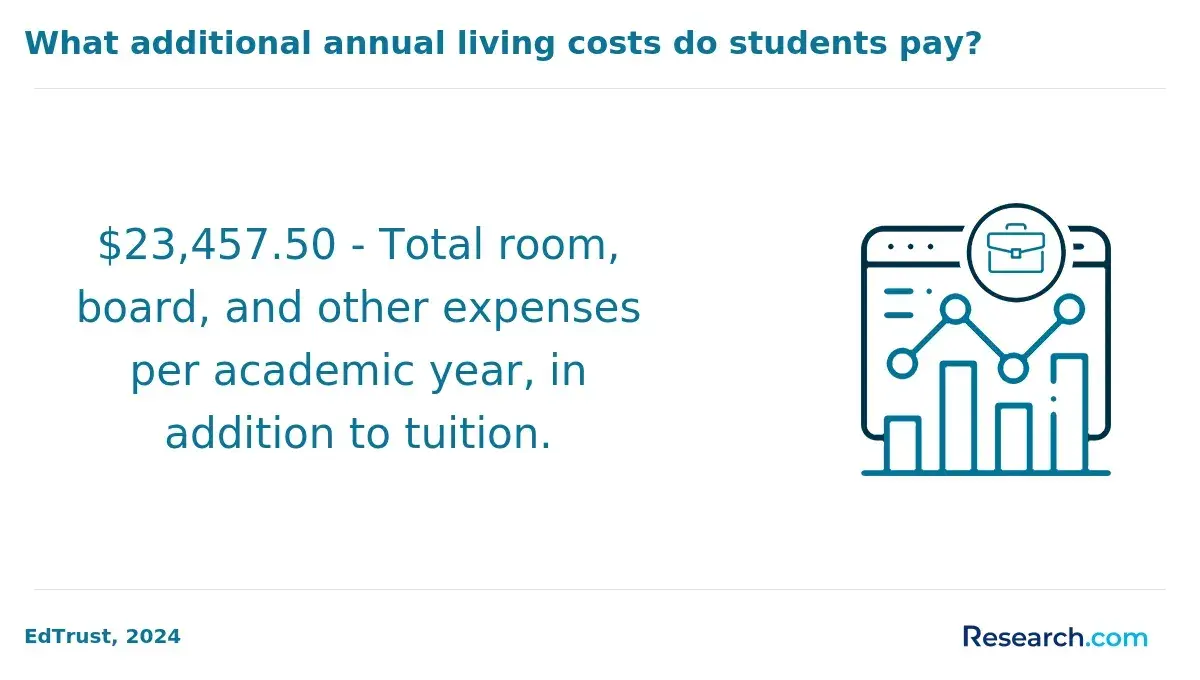
Students considering online biology programs must weigh the friction between flexibility and practical demands. While online biology prerequisite courses can save an estimated $1,550-$3,350 per semester versus traditional on-campus options, these savings may be offset by travel, fees, or time commitments for in-person labs. Limited access to partner labs or scheduling conflicts can delay degree milestones, impacting timely workforce entry.
Key decision factors include:
- Availability and proximity of hybrid or on-site lab facilities.
- Employer emphasis on verified hands-on proficiency in cell biology techniques.
- Cost savings weighed against logistics and time for mandatory lab work.
- Potential for scheduling conflicts affecting progression and employability timelines.
Individuals evaluating an educational path in the biological sciences may also explore related fields such as a nutritional science degree online, which may offer differing balances of online and in-person requirements. Integrating online biology programs' laboratory experience components thoughtfully is critical for maintaining alignment with workforce expectations and securing credible qualifications in an increasingly competitive job market.
What cell biology courses and lab experiences are typically included in an online biology curriculum?
Online molecular and cell biology degrees face the inherent challenge of replicating hands-on lab experiences essential to mastering wet lab techniques. These programs typically cover molecular genetics, cell physiology, biochemistry, immunology, alongside specialized training in cell signaling and microscopy-often supported by virtual labs and simulation software.
Because core competencies rely heavily on practical skills, students should seek degrees that include on-campus lab residencies or partnerships with local institutions to fulfill in-person lab requirements and accreditation standards. Employers in biotech and pharmaceutical industries expect new hires to demonstrate not only theoretical understanding but also proficiency in bioinformatics tools and real-world cell culture handling.
Graduates aiming for roles demanding rigorous hands-on lab work-such as lab technicians or research assistants-may find pure virtual labs insufficient without supplemental externships or in-person certificates. Conversely, online degrees emphasizing comprehensive simulation prepare students well for computational biology or regulatory affairs careers where physical lab interaction is less critical.
Students evaluating cell biology courses with online lab components must weigh the tradeoff between accessibility and practical skill acquisition. Tuition for these bachelor's degrees can be affordable, ranging approximately €3,510 to €6,800, making cost-effective entry possible. However, those targeting clinical or industrial lab positions should anticipate additional investments of time and resources for experiential learning beyond the core curriculum.
While online biology curricula for cell biology skills vary, prospective learners should rigorously assess the balance of virtual versus hands-on training. For professionals interested in pivoting fields, programs that integrate practical lab access or offer hybrid formats markedly improve employability. For a comparative perspective on technical degrees accommodating unique student needs, see this analysis of online electrical engineering degree for military veterans.
What admission requirements and prior science background do online biology programs expect?
Online biology programs demand a solid science foundation, often requiring prior coursework in biology, chemistry, and mathematics with a minimum GPA near 2.5 to 3.0. Without this background, students encounter prerequisite hurdles that delay full enrollment and extend time to degree. For example, prospective molecular biologists or biotechnologists benefit from lab experience and credits in organic chemistry and physics to handle advanced material and enhance employability.
Employers prioritize candidates with both theoretical knowledge and practical lab skills. Those aiming for environmental consulting must be proficient in ecology and biostatistics, while genetic research roles require mastery of cellular biology and biochemistry fundamentals upfront. Programs commonly evaluate transcripts and standardized tests, with transfer credits from accredited institutions offering a pathway to reduce coursework.
Taking Louisiana State University's online BS in Biology as a reference-priced at $353 per credit hour and a total near $42,360 before transfer credits-reveals the financial commitment aligned with maintaining admission standards. Students who bypass foundational requirements avoid costly repetition and program delays. Advising structures frequently guide prerequisite completion but can postpone enrollment, underscoring the importance of early academic planning to align with employer expectations for analytical and lab readiness.
How long do online biology degrees take and what do they cost students?
Accelerated or part-time online biology degree options create meaningful tradeoffs between time-to-completion and flexibility, impacting workforce readiness. For working professionals, part-time paths can extend degree completion to six years or more, limiting how quickly they can capitalize on advanced roles.
Conversely, accelerated programs condense roughly four years of full-time study, offering strategic value for those targeting faster access to positions like cell biologist, where salaries in competitive states such as North Carolina average $104,384. Cost structures differ sharply based on institution type and residency, with public universities charging $7,000 to $15,000 annually for in-state online biology, while private schools often exceed $30,000 per year.
Additional expenses-textbooks, lab kits, and technology fees-are frequently underestimated and must factor into budgeting decisions. Transfer credits from prior STEM courses can substantially reduce both cost and duration, making this an important consideration for students seeking efficiency. Employers increasingly expect hands-on experience.
Therefore, programs linked to local labs or biotech firms that embed internships or capstone projects deliver measurable advantages beyond curriculum alone. Deciding between accelerated and part-time routes depends on your current job situation and career timing. While part-time may offer work-study balance, accelerated completion enhances labor market competitiveness in high-demand cell biology roles.
- Full bachelor's usually takes four years; part-time may exceed six years
- Public in-state costs: $7,000-$15,000 annually; private can exceed $30,000
- Graduate degrees add 2-3 years and are essential for advanced roles
- Practical lab experience and credit transfer reduce time and cost
Which biology careers most rely on strong cell biology skills from online degrees?
Strong cell biology coursework is a practical necessity for online biology degree candidates targeting roles in biomedical research, genetic counseling, and clinical laboratory technology. Employers expect a detailed grasp of cellular mechanisms-such as apoptosis or signal transduction-directly relevant to interpreting genomic data and developing targeted therapies, especially in cancer research.
By 2024, biology was required by 99% of U.S. medical schools, reflecting the industry's baseline expectation for solid cell biology proficiency. Choosing a program that balances theoretical knowledge with applied laboratory skills impacts employability and preparedness. Roles in research-intensive environments demand candidates who can perform molecular assays, analyze microscopy data, and manipulate cells-skills often gained through virtual labs or hybrid practicum settings in online coursework.
Without these practical experiences, graduates may face challenges in job performance or advanced degree pursuits. For professionals transitioning from unrelated fields, online biology degrees with capstone projects or internships emphasizing cellular biology are essential to reconcile theory with practical demands. Practical skillsets matter because biotech and medical research employers prioritize experimental design competency and regulatory compliance in U.S. laboratories.
Job seekers should consider these tradeoffs when evaluating online biology degrees to ensure alignment with workforce expectations and the functional expertise needed in biomedical and healthcare sectors.
What salary ranges and job outlook can graduates with cell biology training expect?
Cell biology graduates face variable salary prospects heavily influenced by industry sector, geography, and experience level. Entry-level roles in pharmaceutical research typically approach $75,000 annually, near the high end due to urgent demand for specialized drug development skills. Biotechnology firms offer median salaries around $60,000 but expect hands-on lab proficiency, while medical research institutions usually start lower, with potential to exceed $90,000 after earning advanced certifications or graduate degrees.
Employment growth for cell biology-trained workers is projected at roughly 11% through 2032 in related fields like biotechnology and pharmaceutical manufacturing, surpassing average occupational growth. This reflects sustained demand for expertise in genetics, cellular therapies, and personalized medicine innovation. However, market realities insist that practical experience, such as internships or laboratory work, is a decisive factor in employability and income escalation.
Graduates lacking industry-recognized credentials or applied skills often stagnate near entry-level wages. Conversely, investment in additional qualifications aligns with significant salary increases. Geographic variables also shape outcomes; biotech hubs like Boston or San Francisco offer higher pay but entail higher living costs, requiring deliberate career planning to optimize return on investment.
- Sectors vary: pharmaceuticals offer premium salaries; medical research starts lower but enables advancement.
- Practical experience and certifications materially impact earnings and job stability.
- Geographic location imposes cost-of-living tradeoffs versus salary potential.
What certifications, licenses, or graduate pathways align with cell biology-focused degrees?
Advanced certifications such as the American Society for Clinical Pathology (ASCP) Specialist in Cell and Molecular Biology and Certified Biological Safety Professional (CBSP) offer targeted validation of technical expertise that often outweighs standalone degrees in competitive lab environments. For example, pharmaceutical laboratory managers typically combine graduate degrees with these certifications to ensure compliance and oversee sophisticated cell-based assays.
Licenses, while less common, become critical in sectors demanding strict regulatory adherence, such as clinical research or biotechnology manufacturing, where Good Laboratory Practice (GLP) and Clinical Laboratory Improvement Amendments (CLIA) certification are mandatory. Graduate education trajectories focused on molecular and cell biology, bioinformatics, or biomedical sciences unlock access to research-intensive or consultative roles but involve delayed workforce entry.
Conversely, agile acquisition of certifications after a bachelor's degree can provide faster market entry and immediate relevance, especially in startup or fast-innovation biotech settings. In December 2024, the University of Edinburgh's lowered entry criteria for its BSc Biological Sciences (Cell Biology) exemplify expanding international access to practical training aligned with technology trends like CRISPR and single-cell sequencing.
For U.S. students and professionals, this signals growing opportunities but also necessitates a critical evaluation of whether to invest in graduate studies or prioritize certification-driven skill sets aligned with employer expectations for applied lab proficiency and regulatory knowledge.
How can students evaluate and choose a high-quality online biology program in the U.S.?
Accreditation and curriculum rigor are foundational to selecting an online biology program that delivers tangible career value. Programs lacking regional and programmatic accreditation often limit graduates' eligibility for professional certifications and graduate studies, constraining long-term career flexibility. Beyond formal validation, practical content delivered by faculty engaged in active research matters substantially.
Data from iBiology's 2024 studies show students learn contemporary cell biology better when instructors are practicing scientists, which translates into skills directly applicable in biotech and lab environments. Key criteria to assess include:
- Curriculum relevance to recent advances in cell and molecular biology, ensuring graduates handle current industry challenges.
- Faculty expertise combines academic credentials with ongoing research contributions.
- Availability of virtual or local lab experiences critical for mastering hands-on techniques used in quality control and pharmaceutical manufacturing.
- Robust student support, including career services and internship connections that bridge education and employment.
For example, students aiming for biotech quality control roles should prioritize programs offering applied cell biology and internships aligned with industry standards. Conversely, aspiring academic researchers must find programs granting access to advanced experiments and mentorship.
Program length and format affect workforce re-entry and opportunity cost; prolonged study without an integrated practicum can delay earning potential. Objective metrics such as graduate employment rates and employer surveys published post-2024 provide necessary evidence beyond promotional claims to guide informed decisions.
Other Things You Should Know About Biology
In 2027, online biology degrees can prepare students for research roles by offering comprehensive courses in cell biology, virtual labs, and access to research databases and faculty guidance. These programs incorporate cutting-edge technology to simulate lab conditions, providing practical experience and a solid foundation in advanced cell biology techniques.
Employers' acceptance of online biology degrees depends on the program's accreditation and evidence of practical skill acquisition. Degrees from regionally accredited institutions with documented lab experience tend to be more competitive. However, some employers remain cautious about purely online backgrounds, particularly for roles requiring extensive laboratory or fieldwork. Candidates should seek programs that provide verifiable hands-on training components or internships that demonstrate applied skills to improve job market positioning.
Balancing part-time online studies with employment can extend degree completion but offers practical advantages for workforce continuity and financial stability. Since cell biology involves complex concepts and often requires time-intensive lab experiences, students must evaluate if part-time pacing allows sufficient focus on mastering skills. Prioritizing programs with flexible lab scheduling or credit for prior experience can ease this balance. Students should assess their capacity for self-directed learning and the impact of prolonged study duration on career transitions.
Students should prioritize program accreditation, integration of hands-on lab elements, and alignment with employer expectations in cell biology-related fields. Cost and program length matter, but are secondary to quality indicators like faculty expertise and partnerships offering practical experience.
Programs with strong career support services and opportunities for research collaboration increase the likelihood of successful employment or graduate school placement. Prospective students must weigh these factors against personal circumstances and career goals to make an informed choice.
References
- What Can You Do With a Biology Degree? 15+ Careers (2026) | Extern https://www.extern.com/post/what-can-you-do-with-a-biology-degree-career-guide
- Online Biology Course: Complete Guide to Flexible Science Education [2025] - Prereqcourses https://www.prereqcourses.com/online-biology-course/
- Online Biology Degrees https://mycollegeguide.org/online-biology-degrees/
- Careers In Molecular & Cell Biology https://talentmark.co.uk/candidate/biotechnology/molecular-cell-biology/
- Highest Paying Biology Degree Jobs in the UK | Royal Open College https://royalopencollege.org/blog/biology/highest-paying-biology-degree-jobs-uk/
- Cell Biology https://online.une.edu/science-prerequisites/cell-biology/
- Three Benefits of Virtual Labs in College Science Courses - Every Learner Everywhere® https://www.everylearnereverywhere.org/blog/three-benefits-of-virtual-labs-in-college-science-courses/
- Remote Biology Jobs: Work From Home Guide https://outlier.ai/blog/work-remotely-with-biology-degree
- Online Bachelor's Degrees in Biology: Top Schools & Programs https://www.edumed.org/online-schools/biology-degrees/
- Best Homeschool High School Biology Live Online 2024 https://learnwithdrscott.com/best-homeschool-high-school-biology/