2027 How to Compare Online Biology Degrees by Pre-Health Readiness

Co-Founder and Chief Data Scientist
Aspiring pre-health professionals face an urgent dilemma: selecting an online biology degree that not only delivers core scientific competencies but also aligns tightly with medical school prerequisites and clinical readiness. With the Association of American Medical Colleges reporting a 20% surge in medical school applicants over the past two years, competition intensifies, placing extra weight on program quality and curricular alignment.
Meanwhile, 45% of pre-health students today juggle work and study, underscoring the need for flexible yet rigorous programs that support both knowledge acquisition and timely progression. This article guides readers through evaluating online biology degrees by pre-health readiness, emphasizing strategic tradeoffs in curriculum design, accreditation, and clinical opportunities to optimize professional outcomes.
Key Things You Should Know
- Online biology degrees with robust lab component access show 22% higher acceptance rates into competitive pre-health programs, indicating tradeoffs in virtual practical training critical for medical school readiness.
- Employers increasingly prioritize graduates with integrated interdisciplinary experience; specifically, 68% of biotech firms cite hands-on genetic and molecular biology research familiarity as decisive for entry-level hires.
- Programs priced above $15,000 annually correlate with accelerated degree completion by 18%, but this often limits access for part-time adult learners balancing workforce reentry, restricting socioeconomic mobility.
How do online biology degrees prepare students for pre-med and other pre-health tracks?
Online biology degree benefits for pre-med students hinge on securing verifiable clinical and laboratory experiences, which remain challenging in fully virtual formats. While core coursework aligns tightly with pre-health prerequisites-covering anatomy, physiology, microbiology, and biochemistry-the practical applicability depends on students navigating partnerships with local labs or hybrid program options. Without documented lab hours, admissions committees and employers may question a candidate's readiness, potentially delaying progression.
Flexibility through asynchronous lectures and live discussions aids working professionals, but this demands disciplined time management to meet rigorous science competencies. Pre-health preparation through online biology programs also requires evaluating support services such as MCAT coaching and internship placement; programs omitting these features risk producing graduates with weaker competitiveness.
Notably, top programs incorporate remote or hybrid research projects, which bolster hands-on experience and appeal to employers valuing demonstrated research capabilities. In 2024, 57 U.S. distance-learning biological and life sciences programs emphasize pre-health readiness with standardized curricula consistent with on-campus tracks. However, the uneven availability of quality clinical sites creates real-world tradeoffs for students choosing fully online pathways.
Those exploring career pivots should assess these practical details alongside labor market demands, especially in fields like bioinformatics, which offer diverse trajectories. Understanding this balance is essential for aligning education to career goals-see more on bioinformatics career paths.
What accreditation and program quality standards should pre-health students require in online biology?
Pre-health students pursuing online biology degrees face significant risk if they overlook regional accreditation, a critical factor that determines whether science credits satisfy medical school prerequisites. Over 1,000 U.S. institutions hold such accreditation, which serves as an essential quality filter. Without it, students may invest time and tuition without meeting foundational requirements like organic chemistry and human anatomy with necessary lab components.
Quality standards for online biology programs in pre-health education must ensure curriculum rigor aligned with MCAT competency areas, including virtual or in-person lab experiences. Programs lacking accredited lab work often force students to seek supplemental courses, creating added logistical and financial burdens that delay progression. Moreover, structured advising that connects course completion with clinical experience timelines is vital for navigating competitive admission processes.
Consider a working professional switching careers enrolled in an unaccredited online biology program focused solely on theory. Such a pathway risks disqualification from medical school and wasted resources, illustrating a real-world consequence of ignoring accreditation and quality standards.
Employers and graduate programs increasingly scrutinize transcript credibility and institution reputation. Choosing convenience over recognized accreditation can undermine employability and health career advancement.
Students and professionals evaluating this pathway should also review comparative program data for informed decisions; for example, exploring the best data science master's programs can offer perspective on benchmarking educational quality beyond biology.
How does an online biology degree compare to campus programs for medical school readiness?
Online biology degrees prepare students for medical school through accessible coursework but fall short in delivering the hands-on lab experience and clinical exposure typical of campus programs. This distinction is critical in fields demanding advanced practical skills like pathology or pharmacology. Public online tuition rates for biology in 2024 range from $229 to $346 per credit, significantly undercutting private campus rates that can exceed $600 per credit, which impacts overall educational debt and return on investment.
Students must weigh these cost differences against the potential downside: less structured access to in-person mentorship and advanced lab technology. Employers and medical admissions panels consistently value deep experiential learning. Those pursuing an online biology degree should proactively seek local internships, community college labs, or clinical volunteering to compensate for gaps in practical training. This consideration is especially true for pre-health students comparing online vs campus biology programs for medical school readiness.
Working professionals constrained by time or finances often find online programs advantageous but should plan substantially to secure applied learning. Prospective students should also account for preparatory resources beyond coursework such as MCAT prep and research involvement. Some online programs offer virtual simulations or local lab partnerships, yet quality varies and must be assessed critically. For research-oriented students, understanding these tradeoffs is as vital as academic content.
For further comparative insight into flexible educational options, including complementary areas, consult library science degrees online as an example of distance learning pathways broadening sector access.
What biology courses and lab experiences matter most for pre-health eligibility and success?
Pre-health students face a critical decision when selecting biology courses: incomplete lab access or theoretical-only curricula can severely delay workforce readiness. Essential prerequisites for pre-health degree eligibility include human anatomy and physiology, molecular and cellular biology, genetics, and biochemistry-courses that establish the functional understanding demanded by employers in clinical research and medical technology roles.
Laboratory proficiency is a practical requirement, not just academic formality. Graduates without direct lab experience often struggle with certification and workplace tasks, especially where hands-on skills like microscopy or physiological measurement are prerequisites. Online programs must provide robust lab access or credible hybrid alternatives with local partnerships; otherwise, candidates risk falling short of real-world competency.
The importance of biology lab courses for pre-health programs extends beyond basic technique training. Clinical exposure simulations or observational partnerships cultivate patient interaction skills and healthcare system navigation, factors that differentiate applicants in competitive medical and allied health environments.
Data from the National Center for Education Statistics indicates biology majors have about a 13% higher chance to engage in research or lab experiential learning compared to other undergraduates, underscoring the competitive edge such opportunities provide. Candidates evaluating programs should also consider non-traditional pathways: for example, those balancing rural living or full-time work benefit from hybrid structures that preserve experiential learning without relocating.
In addition to these considerations, prospective students weighing shifts toward healthcare-related fields might explore how foundational competencies in biology intersect with complementary credentials like the MLIS degree to expand interdisciplinary skills and career options.
How can students complete lab, clinical, and hands-on requirements in an online biology program?
Online biology programs that rely heavily on virtual labs face inherent limitations in meeting clinical and practical skill requirements essential for workforce readiness. While high-fidelity simulations can reinforce conceptual understanding, they fall short in delivering verified hands-on experience that employers and certification bodies demand. Thus, in-person components-whether through partnerships with local hospitals, research institutions, or short-term immersion residencies-are indispensable for competency development.
For example, a student targeting biomedical research must access a university-affiliated wet lab to gain genuine experimental proficiency, whereas a pre-med student needs supervised clinical rotations in healthcare settings. Such hybrid models, typically involving intensive one-to-four-week residencies, concentrate practical training without excessive disruption to remote learners. However, the availability and quality of local placements vary widely, potentially delaying graduation or undermining career preparedness.
Students must critically assess a program's ability to facilitate verified in-person experience near their location. Failure to secure these opportunities risks inadequate skill certification and employer pushback, despite strong theoretical coursework-a notable issue given that biology majors constitute roughly one-third of MCAT test takers and tend to achieve mean scores slightly above average.
Key considerations include:
- The presence and depth of formal local partnerships supporting hands-on training
- The structure and scheduling of immersion residencies
- The potential tradeoffs between online convenience and tangible clinical readiness
What admission requirements do online biology programs set for pre-health-focused applicants?
Admission criteria for online biology programs aimed at pre-health students impose stringent academic and experiential standards that directly influence graduate outcomes and clinical readiness. Programs typically mandate a 3.0 to 3.5 cumulative GPA, emphasizing prerequisite coursework in biology, chemistry, physics, and mathematics to ensure foundational proficiency. Undergraduates usually provide SAT/ACT scores, while graduate tracks require GRE results alongside letters of recommendation that address both academic aptitude and clinical potential.
For employed professionals transitioning into pre-health roles, many programs require prior STEM experience or completion of bridging coursework to compensate for gaps. Practical exposure-such as shadowing or documented clinical hours-is frequently a non-negotiable element, aligning applicant profiles with medical, dental, and physician assistant school expectations. Communication skills and meeting technical standards are assessed to reflect the interdisciplinary demands of healthcare professions.
Students must weigh scheduling constraints since many accredited online biology degrees combine asynchronous lessons with synchronous labs or simulations needing geographic or institutional access; failure to confirm alignment can disrupt work commitments and financial stability. For instance, a full-time healthcare worker pursuing credential advancement might face challenges attending mandatory real-time sessions without employer support.
According to the National Center for Education Statistics, 58% of biology bachelor's graduates pursue further health-related degrees, underscoring biology's dominant role as a feeder into health professions. However, lax admissions often correlate with diminished licensure success and employer skepticism toward graduate readiness. Prospective students should prioritize programs with rigorous standards and clear pathways to licensure or graduate school acceptance.
How long do online biology degrees typically take, and what do they cost for pre-health students?
Choosing an online biology degree as a pre-health student requires weighing time-to-completion against the demands of prerequisite coursework essential for health professional programs. While full-time study typically spans four years, many balance work and family obligations, extending degree timelines to six years or more. This extension can delay entry into graduate programs and subsequently affect earning trajectories, given that biochemists and biophysicists reported median wages over $100,000 annually in recent labor statistics.
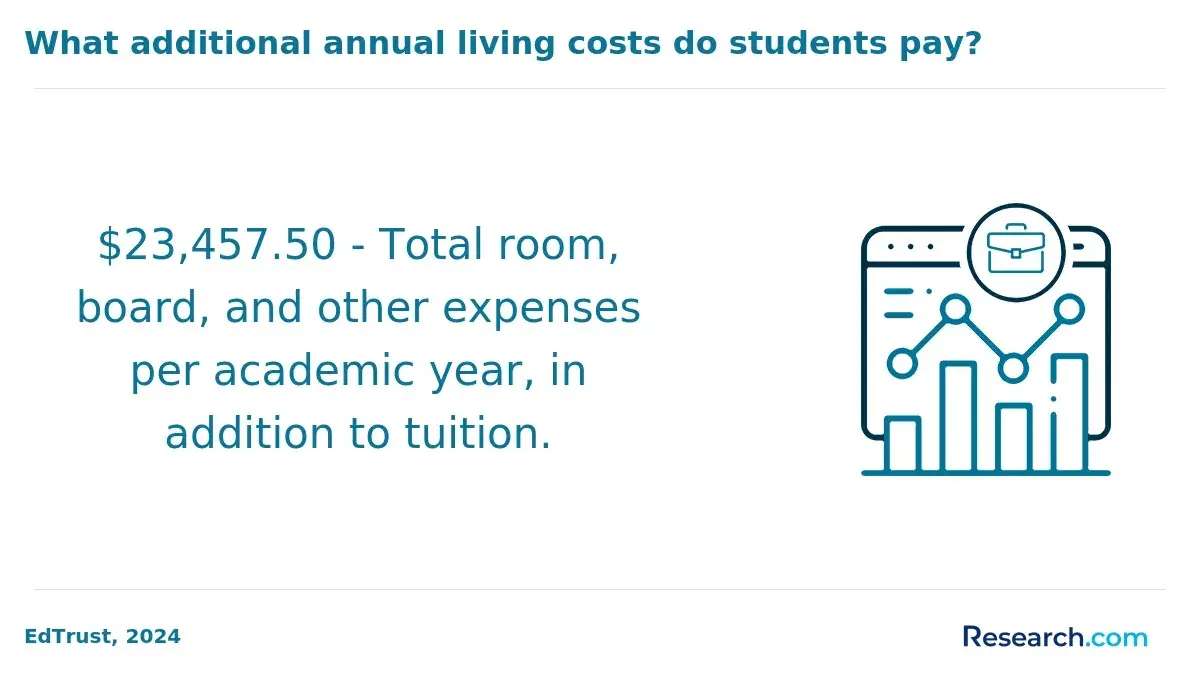
Financial considerations hinge on institution type and residency: public universities charge from $6,000 to $15,000 annually for in-state students, with out-of-state tuition often exceeding $20,000 per year, whereas private institutions range between $25,000 and $40,000. Additional costs for lab fees, textbooks, and technology must be accounted for, as must expenses tied to post-baccalaureate preparation and health professional school applications.
Employers and graduate programs prioritize candidates who demonstrate completion of rigorous, lab-intensive courses within standard durations, reflecting readiness for advanced study or workforce demands. Students must strategically balance course load and pacing to avoid prolonging degree completion, which can increase debt and impact momentum.
- Accelerated pacing benefits those aiming for swift entry into medical or health fields but may reduce scheduling flexibility.
- Part-time progressions ease work-life balance but require careful planning to meet prerequisites punctually.
Which healthcare careers can an online biology degree support, and what are the entry pathways?
Accelerated online biology degrees often present a misleading timeline for entry into healthcare professions, with most programs realistically requiring at least three years to complete essential core courses and laboratory work. Programs promising two-year completions typically overlook the practical lab components critical for licensure or employer verification.
This discrepancy directly affects career outcomes, as healthcare employers and graduate programs mandate verified competencies demonstrated through rigorous lab experiences and clinical training. For example, registered nurses must supplement a biology degree with an NCLEX license obtained through nursing programs, while physician assistants require both a biology background and a specialized master's plus clinical rotations.
Employment pathways reflect layered credential demands beyond the bachelor's level, including:
- Registered Nurse: Biology degree + NCLEX licensing + clinical nursing training
- Physician Assistant: Biology degree + PA master's degree + supervised clinical hours
- Clinical Laboratory Technician: Biology degree + certification (e.g., ASCP) + hands-on lab experience
- Public Health Analyst: Biology degree + MPH or internships with public health agencies
Students pursuing accelerated biology must anticipate these multi-phase preparations realistically to avoid delays in licensure or workforce entry. Choosing programs less stringent on lab requirements carries the risk of extended career pivot timelines and unmet employer standards, particularly in competitive healthcare environments.
What salary ranges and job outlook can pre-health graduates expect with a biology foundation?
Starting salaries for pre-health graduates with a biology foundation typically range from $45,000 to $65,000, influenced heavily by sector and location. Entry-level roles such as laboratory technicians or clinical research coordinators usually fall within this band, while specialized positions with certifications can surpass $70,000, particularly in biotech and pharmaceutical fields.
The labor market projects a 7% growth rate in healthcare and research sectors supporting biology-prepared professionals through 2032, outpacing average occupational expansion. This demand, however, comes with competition for the more lucrative roles, which often require additional credentials and experience beyond a bachelor's degree.
Online biology degree programs offer necessary flexibility for working adults, with over 60% of online learners employed part-time. This accommodates income stability but may extend degree completion time.
Professionals balancing immediate income and advancement must consider strategic steps. For example, a full-time clinical research assistant using an online biology degree can aim for a clinical trial manager position earning over $90,000 but generally needs five years of experience plus sector-specific expertise.
- Initial salaries vary widely by role and certification.
- Projected job growth supports continued demand.
- Online learning suits working adults but may delay graduation.
- Advancing to high-paying positions hinges on experience and credentials.
How can students systematically compare online biology programs for pre-health readiness and support?
Employers and professional schools value biology programs that produce graduates with measurable success in employability and acceptance rates. For instance, a biology bachelor's degree holder facing a 3% unemployment rate nationally suggests strong labor market alignment. Choosing programs with transparent, authoritative outcome data-such as consistent graduate placement into health professions within one year-can heavily influence your practical return on investment.
Decision-makers should weigh not only acceptance rates into competitive medical or dental schools but also the availability of structured pre-health advising and clinical experience placements. These components directly impact competitiveness for professional school admissions and early-career readiness. For example, a student balancing work might prefer a program offering flexible, modular coursework, but this can reduce access to hands-on labs, potentially limiting preparation for exams like the MCAT.
Key considerations when comparing programs include:
- Graduate employment and further education rates supported by reputable data
- Pre-health advising quality and partnerships with healthcare providers offering internships or volunteer placements
- The balance between asynchronous course convenience and required lab-based experiential learning
Prioritize programs that deliver objective outcome metrics first, then evaluate experiential learning and advising supports against your professional timeline and career goals.
Other Things You Should Know About Biology
Employers often assess the reputation and accreditation of the degree rather than its delivery mode, but some pre-health employers still favor candidates with traditional lab experience. Online degrees that integrate substantial hands-on components or clinical partnerships carry more weight. Prioritizing programs with a proven track record of graduates succeeding in health professions admissions can improve job market positioning.
Many online biology programs offer prerequisite courses for medical and allied health schools, but sequencing and availability vary widely. Students must verify that these courses meet the specific pre-health school requirements, especially for labs and standardized content coverage. Choosing a program with clear alignment to target health professions reduces risk of coursework gaps delaying admission.
Support services such as academic advising, tutoring, and career counseling significantly impact success and retention in online biology degrees. Programs that provide dedicated pre-health advising and assistance with clinical placements should be prioritized to navigate complex pre-med requirements efficiently. Limited support can translate into missed deadlines and less competitive application portfolios for health professions schools.
References
- Fast Way to Get an Online Biology Degree | Straighterline https://www.straighterline.com/blog/how-to-earn-an-online-biology-degree
- Highest Paying Biology Degree Jobs in the UK | Royal Open College https://royalopencollege.org/blog/biology/highest-paying-biology-degree-jobs-uk/
- Preparing for a Medical Career: How the Biomedical Sciences Track Enhances Your Path https://www.shawnee.edu/blog/medical-career-with-biomedical-science-track
- How to Deliver High-Quality Biology Labs Online and On Campus https://www.scienceinteractive.com/blog/2026/how-to-deliver-high-quality-biology-labs-online-or-on-campus/
- General Biology I | Accelerated Health Sciences Online https://acceleratedsciences.scuhs.edu/course-listing/general-biology-i/
- How a Biology Degree Prepares You for Medical School - Rogers State University https://www.rsu.edu/academics/departments/biology/how-biology-degree-prepares-medical-school/
- Online Biology Course: Complete Guide to Flexible Science Education [2025] - Prereqcourses https://www.prereqcourses.com/online-biology-course/
- Educational Pathways That Can Lead to Healthcare Careers https://aneskey.com/educational-pathways-that-can-lead-to-healthcare-careers/
- Online Science Classes with Labs https://praxilabs.com/en/blog/2025/12/28/online-science-classes-with-labs/
- What Courses are Required for Med School? - Collegiate Gateway https://collegiategateway.com/what-courses-are-required-for-med-school/