2027 Online Biology Degrees for Students Who Want Medical School Preparation

Co-Founder and Chief Data Scientist
Medical school applicants with a biology background face the challenge of completing prerequisite coursework while balancing work, family, or geographic constraints. Traditional campus-only degrees often limit accessibility and flexibility, delaying progress or forcing costly relocations.
According to the National Center for Education Statistics, 45% of undergraduate students in 2024 enrolled in at least one online course, signaling a shift toward hybrid or fully remote learning that better accommodates adult learners and nontraditional schedules. This changing landscape affects how future physicians time their preparation and select programs that deliver rigorous science content alongside convenient delivery. This article evaluates online biology degree options tailored for medical school readiness, focusing on how each supports foundational coursework, clinical exposure permutations, and strategic enrollment choices to optimize acceptance chances.
Key Things You Should Know
- Online biology degrees with MCAT-aligned curricula reduce traditional lab access but extend time-to-completion by 20% on average, per 2024 NCES data, increasing upfront costs for full-immersion medical school prep.
- Employers in biomedical research prioritize candidates with hybrid programs offering in-person lab practicums, revealing a 35% hiring preference impacting online-only degree holders' post-grad employment prospects, according to a 2024 Nature Careers survey.
- Students balancing work and study face a critical cost-benefit tension: accelerated online pathways cut indirect earnings loss by 15%, yet often lack research mentorship crucial for competitive medical school admissions, highlights AAMC 2024 applicant outcome data.
What are online biology degrees for med school preparation?
Pursuing online biology degree programs for med school demands a realistic evaluation of the balance between theoretical knowledge and essential hands-on experience. With over 62% of U.S. medical school applicants holding biological sciences bachelor's degrees, such credentials remain foundational rather than exceptional for medical school preparation.
Key courses typically cover molecular biology, human anatomy, physiology, and biochemistry, but candidates must verify that the curriculum includes local lab partnerships or intensive residencies to fulfill clinical and practical requirements, which are non-negotiable for medical admissions. For working professionals pivoting into healthcare careers, asynchronous coursework paired with occasional in-person labs offers flexibility but can also extend the timeline needed to accumulate necessary clinical exposure.
Programs lacking integrated clinical components may compel students to seek supplementary internships, a practical tradeoff affecting both schedule and finances. Beyond medical school admission, biology degrees designed for medical school preparation also serve as launchpads into biomedical research or healthcare support roles, reducing downtime in a competitive workforce.
Students evaluating this path should critically assess program accreditation, lab access, and advising support, especially regarding MCAT preparation. Those exploring related fields might consult resources like animal science bachelor degree online for insight into complementary biological science degrees.
Which accreditation matters for online biology programs?
Regional accreditation stands as the essential benchmark when evaluating accreditation standards for online biology degrees, directly impacting future medical school eligibility and career prospects. Degrees from non-regionally accredited institutions often face rejection by MD and DO programs during rigorous eligibility reviews, nullifying time and financial investment.
While specialty accreditations like those from CAAHEP or NAACLS add value for clinical or laboratory-specific skills, they do not substitute for foundational regional accreditation. From a workforce perspective, online biology programs adhering to regional accreditation do not inherently disadvantage students, evidenced by studies showing parity in MCAT outcomes and medical school acceptance compared to traditional campus programs.
However, prospective students must carefully assess how accreditation influences licensure qualifying paths, internship opportunities, and access to financial aid-factors that shape practical career trajectories. For those seeking interdisciplinary advancement, examining comparative fields may also be beneficial. Resources on the best data science masters highlight adjacent pathways where strategic credentials can complement biological expertise and expand employment options.
Can online biology degrees satisfy medical school prerequisites?
Online biology degree programs that satisfy medical school prerequisites require careful evaluation of lab components and accreditation, as many medical schools mandate prerequisite courses from regionally accredited institutions with verified hands-on experiences. Applicants who do not complete approved in-person or virtual labs risk rejection due to incomplete science preparation.
For working professionals, how lab work is facilitated-whether through partnerships with local institutions or lab kits-is often decisive when balancing job responsibilities and geographic constraints. Choosing accredited biology programs for medical school preparation impacts acceptance odds not only because of regulatory compliance but also academic rigor and program reputation.
Medical schools weigh demonstrated scientific competency over degree modality, emphasizing performance in prerequisite coursework and practical lab proficiency. Candidates with online biology degrees that include comprehensive lab experiences can remain competitive if they maintain strong GPAs and perform well on the MCAT.
Biological sciences majors comprised the largest applicant volume in the 2024-25 medical school cycle, but their acceptance rate hovered around 42-44%, slightly lower than other majors such as math/statistics or physical sciences, which surpassed 45%. This disparity suggests the need for biology majors to strategically maximize lab exposure and coursework quality given the competitive landscape.
Beyond biology, professionals considering other options might explore alternatives like an exercise science degree online to diversify credentials. Evaluating how programs handle practical skills alongside theoretical training remains essential when pivoting careers or advancing in life sciences.
How do online and campus biology programs compare?
Online biology degrees fundamentally differ from traditional campus programs in how they prepare students for medical school, especially regarding hands-on laboratory experience. Campus programs offer direct access to wet labs and face-to-face mentoring, which are essential for mastering experimental techniques and securing strong medical school recommendations.
By contrast, online programs rely on virtual labs, at-home kits, or local partnerships to approximate this experience, but these substitutes often fall short in rigor and immediacy, affecting readiness for medical prerequisites. This variance illustrates key differences between online and on-campus biology programs for medical school prep.
Clinical and research exposure is another critical factor separating these paths. Campus students often engage in internships and research closely aligned with pre-med demands.
Online students must independently pursue comparable local opportunities, a process complicated by inconsistent access and quality. From a workforce perspective, median earnings post-degree remain steady at about $77,630 (U.S. Bureau of Labor Statistics), yet biotech and health employers tend to prefer graduates with documented hands-on skills and collaborative experiences typical of campus-trained individuals.
For professionals switching careers, online biology offers flexible scheduling but typically requires supplementing education with local internships to remain competitive. Campus programs demand relocation and a fixed schedule but systematically build practical skills and networks vital for biology careers. When evaluating pathways, understanding factors like whether do you need a masters to be a librarian can influence decisions on degree necessities and professional trajectory.
What courses are included in a pre-med biology curriculum?
Pre-med biology curricula emphasize a strategic blend of foundational sciences-human anatomy, physiology, cell biology, and genetics-with advanced subjects like biochemistry that connect molecular understanding to clinical contexts. Physics and statistics provide essential quantitative skills critical for diagnostics and research analysis. These elements collectively prepare students for the Medical College Admission Test (MCAT) and clinical problem-solving demands.
Lab proficiency is non-negotiable; missing laboratory components in microbiology or organic chemistry can delay medical school admission or limit research opportunities. Online biology programs accommodate nontraditional students, including working professionals or those in remote areas, but successful navigation requires verifying synchronous labs or partnerships for hands-on experience to avoid application setbacks.
One noteworthy workforce implication is diversity: a 2024 PLOS ONE study reported women made up 67% of online biology majors versus 55% in on-campus cohorts, suggesting online pathways expand access and representation, a factor increasingly valued by medical schools. Practical program selection means ensuring all prerequisites, including electives like neuroscience, align with medical school expectations without extending time to degree.
What admission requirements do online biology programs set?
Admission into online biology programs targeting medical school preparation requires more than basic eligibility; it demands demonstrable academic readiness and strategic planning. Most applicants need a high school diploma or equivalent and a GPA typically between 2.5 and 3.0, evidencing their ability to manage challenging science coursework.
While some programs still consider standardized test scores like the SAT or ACT, a growing number adopt test-optional policies, shifting the emphasis to prior coursework and skills. Official transcripts confirming foundational credits in chemistry, algebra, and biology are essential.
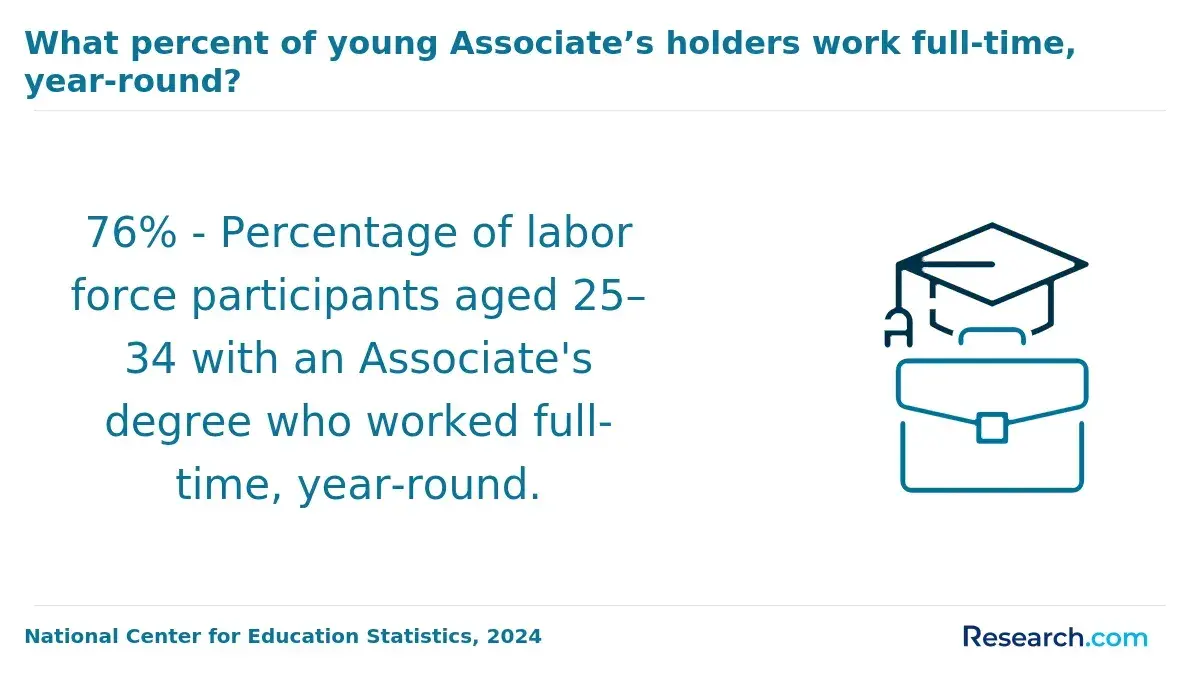
For working professionals or post-baccalaureate applicants, relevant healthcare experience can enhance competitiveness but is rarely mandatory. Notably, upper-level pre-med prerequisites are seldom accessible directly online without first completing associate-level courses, due to accreditation and transfer constraints.
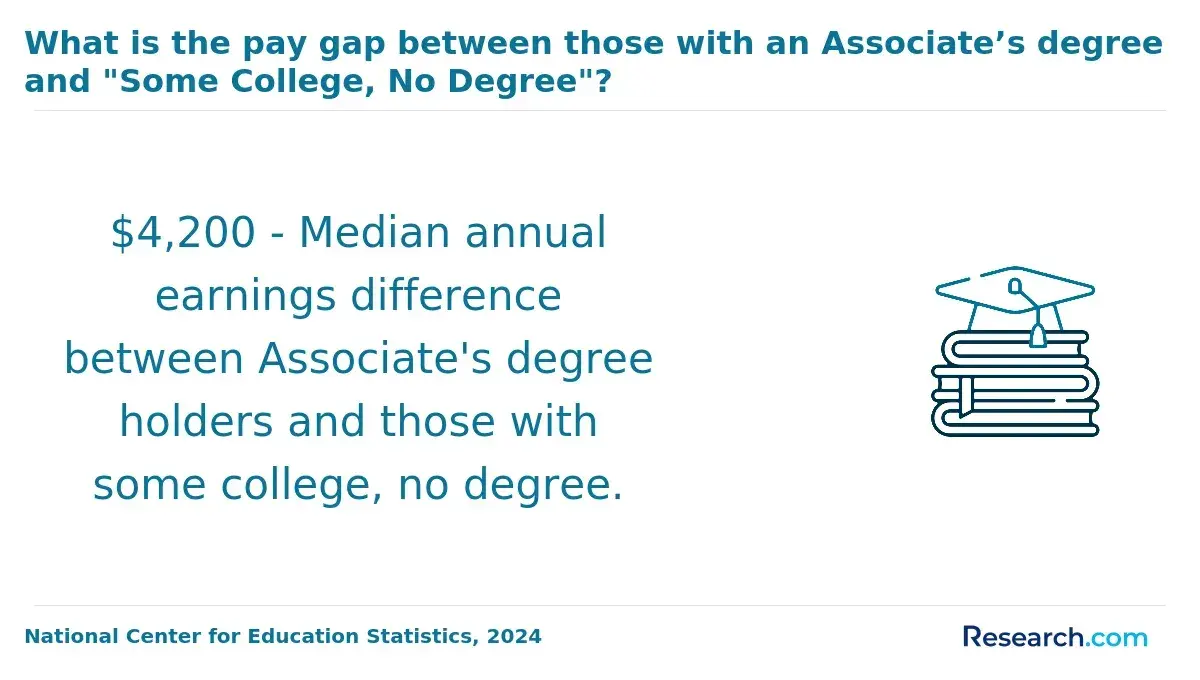
Choosing an affordable associate program, such as Georgia Military College's biology associate degree-with an estimated annual cost of $8,415 for 45 quarter hours-can reduce student debt while establishing critical credits. However, students must rigorously confirm transferability to four-year institutions offering medical prerequisites to avoid costly delays.
Additional practical considerations include technical requirements like stable internet and aptitude for virtual labs, which may replace or supplement hands-on experiences. Transparent communication with admissions staff regarding credit articulation and clinical hour demands is vital to avoid unintended setbacks in medical school readiness.
How long does an online biology degree take?
Completing an online biology degree requires a careful balance between academic rigor and personal circumstances, affecting how long students take to finish. While the typical timeline mirrors traditional full-time programs at around four years, the flexibility of online formats lets students stretch or accelerate their studies to fit work, family, or learning needs.
This flexibility can mitigate a significant attrition risk identified in pre-med pathways: about half of pre-med students exit the track by the end of their second year, largely due to the challenges posed by organic and general chemistry courses-a correlation highlighted in BMC Medical Education research. Employers in biomedical and related sectors value demonstrated mastery over strict time constraints, often viewing flexible timelines as indicators of persistence and adaptability.
For those targeting medical careers, strategic course planning-especially around demanding prerequisites-is essential to reduce dropout risks and uphold competitiveness. Ultimately, the duration of an online biology degree hinges on the student's ability to align academic demands with external life factors, balancing realistic pacing against professional and career advancement objectives.
How much do online biology degrees cost?
Online biology degrees costing $15,000 to $60,000 present a wide spectrum of investment decisions heavily influenced by program rigor and lab requirements essential for medical school preparation. Public in-state tuition averaging $20,000 contrasts starkly with private program costs near $45,000-$60,000, where extensive lab-based coursework drives up expenses due to specialized equipment and faculty expertise.
For example, Johns Hopkins School of Medicine mandates at least eight semester hours of biology with lab components plus advanced biology when AP/IB credits are used, making lab access a non-negotiable element for med school applicants. Candidates pursuing these tracks should anticipate additional fees of $500 to $2,000 per lab course, especially within online programs partnering with local labs to preserve flexibility.
This fee structure impacts working professionals balancing schedules and budgets without relocating. Buying into higher-cost programs often correlates with smoother transitions into clinical and research positions, reflecting employer preferences for graduates with substantial lab experience.
Conversely, lower-cost online degrees may omit critical lab rigor, forcing students to complete in-person labs separately and prolonging time-to-degree completion by 15%-25% due to missed prerequisites or extended coursework. Prospective students must scrutinize the total cost package, including lab credit coverage and potential hidden expenses, to avoid unexpected delays or expenditures that could weaken their medical school or workforce readiness. The operational tradeoff between upfront investment and post-degree qualification hurdles defines the practical calculus for students targeting health-related careers.
What careers can biology graduates pursue before medical school?
Pursuing a career path after a biology degree with medical school in mind demands strategic choices that balance skill acquisition and academic rigor. Positions like research assistants in biomedical labs or clinical laboratory technicians offer direct exposure to experimental techniques and diagnostic assays, reinforcing competencies in cellular biology, chemistry, and biochemistry foundational for MCAT success.
For instance, a student working as a research assistant gains hands-on experience manipulating biological samples and analyzing data, closely aligning with medical school prerequisites and employer expectations. Employers typically require applicants to have completed substantive coursework in biology, general chemistry, organic chemistry, physics, and biochemistry, often recommending one year in each area.
Clinical roles such as laboratory technicians provide applied practice with chemical assays paralleling organic chemistry and biochemistry principles, an advantage over non-scientific support positions. Alternative options like medical scribes or health educators enhance familiarity with clinical workflows and medical terminology but may lack the scientific rigor critical for competitive MCAT performance.
Consequently, students must carefully allocate time to maintain core science coursework, especially when working concurrently. Tradeoffs emerge between pursuing clinical experience and fulfilling demanding prerequisites. Insufficient completion of required science credits-particularly when attempted online or around work-can weaken MCAT results and reduce medical school admission chances. This reality underscores the need for precise scheduling and prioritization rather than solely accumulating diverse healthcare roles.
What should students check before choosing an online biology program?
Opting for an online biology program aimed at medical school readiness involves critical scrutiny beyond surface convenience. Students often underestimate the complications arising from missing core prerequisites such as cellular biology, organic chemistry, physics, and biochemistry.
Without these, medical school admissions can be delayed, forcing costly additional courses. Accreditation by a recognized agency also cannot be overlooked; credits from unaccredited programs risk rejection by medical schools, threatening licensure pathways and residency prospects. Hands-on laboratory experience remains non-negotiable in pre-medical education.
Candidates must verify if the program integrates effective lab alternatives-local partnerships, in-person labs, or validated virtual simulations-that fulfill medical school expectations. Absent these, students bear the burden of securing external lab work, adding complexity, time, and expense.
Programs that share data on graduates' medical school interview rates, MCAT performance, and matriculation rates provide practical indicators of value. This accountability matters, as a biology degree's ROI closely ties to actual career outcomes.
With median physician compensation exceeding $230,000, financial returns depend heavily on adequate preparation, including access to focused advising and MCAT support specific to pre-med tracks. Cost-effectiveness requires a broad view: lower tuition can be eclipsed by hidden travel for labs or extended timelines.
Misalignment with personal schedules or part-time pacing further risks delays in medical school entry and diminished earning potential. These operational and financial tradeoffs must shape decisions on online biology offerings.
Other Things You Should Know About Biology
Medical schools increasingly accept online biology degrees, provided they are from accredited programs. Admissions committees focus on the quality and rigor of the curriculum, alongside applicant performance, rather than the delivery mode of the courses.
Hands-on lab work is critical for mastering core biological techniques and concepts frequently tested in medical school. Programs with limited or simulated labs risk leaving students underprepared for practical assessments and clinical application. When selecting an online biology program, choose one with verified access to local lab partnerships or hybrid options. If in-person labs are unavailable, expect to invest additional time and resources in supplementary lab courses post-degree, which may delay medical school application timelines.
Online biology degrees still demand significant self-discipline and time management, often requiring 15-20 hours per week for coursework and study. Pre-med students must also secure clinical experience, volunteering, and MCAT preparation, making scheduling tougher when remote study lacks set campus hours. Prioritize programs with flexible deadlines and asynchronous content to maintain extracurricular commitments without sacrificing academic performance. Failure to balance these responsibilities can lead to weaker medical school applications despite strong academic results.
Research experience strengthens medical school applications and builds critical analytical skills. Most online biology programs offer fewer and less accessible hands-on research options compared to traditional campus settings. Students who aim to engage in significant laboratory research should prioritize programs that provide structured virtual projects with faculty mentorship or facilitate local research placements. Programs without meaningful research paths may require students to seek external opportunities, adding complexity and potential delays to their preparation timeline.
References
- Choosing a Pre-Med Major: The Ultimate Guide for Future Doctors | Outset https://www.joinoutset.com/post/pre-med-majors
- How to Choose a Pre-Med Major https://www.princetonreview.com/med-school-advice/how-to-choose-a-pre-med-major
- Medical School Prerequisites Online: Helpful Guide for Aspiring Physicians (2025) - Prereqcourses https://www.prereqcourses.com/medical-school-prerequisites/
- Database of Pre-Requisites for Medical School | MedSchoolCoach https://www.medschoolcoach.com/pre-requisites-for-medical-school-database/
- Online Degree Programs from GMC's Global Online Leadership College https://online.gmc.edu/programs/biology/
- How Accreditation Works and Why It Matters - OnlineColleges.net https://www.onlinecolleges.net/for-students/accreditation-guide/
- Tips for choosing an online biology tutor https://www.classgap.com/en/blog/tips-for-choosing-online-biology-tutor
- Best Online Biology Degrees 2025 https://www.onlineu.com/degrees/biology
- Accreditation Still Matters for Online Degrees | All Education Schools https://www.alleducationschools.com/blog/online-school-accreditation/
- Online Bachelor's Degrees in Biology: Top Schools & Programs https://www.edumed.org/online-schools/biology-degrees/