2027 Online Biology Degrees With Microbiology Coursework

Co-Founder and Chief Data Scientist
Mid-career professionals seeking to transition into microbiology often struggle with balancing rigorous course requirements and inflexible program schedules, particularly when physical lab access is limited. This challenge intensifies as employers increasingly demand specialized microbiology expertise alongside foundational biology knowledge.
According to the National Center for Education Statistics, online science and engineering enrollments rose over 40% between 2021 and 2023, reflecting a shift toward accessible, flexible study models favored by adult learners balancing work and family. Such trends emphasize the need to scrutinize online degree structures for genuine microbiology integration and practical skill development. This article evaluates online biology degrees with microbiology coursework to guide strategic educational choices addressing these challenges.
Key Things You Should Know
- Online biology degrees with microbiology coursework often lack intensive lab components, decreasing hands-on skill acquisition by 35%, which can hinder eligibility for research roles requiring practical certifications according to the NSF's 2024 STEM workforce report.
- Employers in biotech and clinical labs show a 27% preference for candidates with hybrid or on-campus microbiology experience, complicating purely online graduates' job market entry, as per 2024 industry hiring surveys from BioSpace.
- Programs averaging 18 months reduce time-to-degree by 15% versus traditional formats but often charge 10-20% higher tuition, increasing cost-benefit tradeoffs for career pivoters balancing income and retraining needs, based on NCES 2024 tuition data.
What is an online biology degree with microbiology coursework, and who is it best for?
Programs offering biology degree online with microbiology coursework equip students with laboratory-ready skills focused on microorganisms like bacteria, viruses, and fungi. Such specialization is critical for roles in clinical labs, biotechnology firms, and public health, distinguishing graduates from those holding general biology degrees that often lack hands-on microbial training.
Working professionals aiming to transition into microbiology-centric positions benefit from the targeted curriculum and flexibility of these online biology degree programs with microbiology courses. For instance, a lab assistant seeking advancement can acquire necessary competencies without interrupting employment.
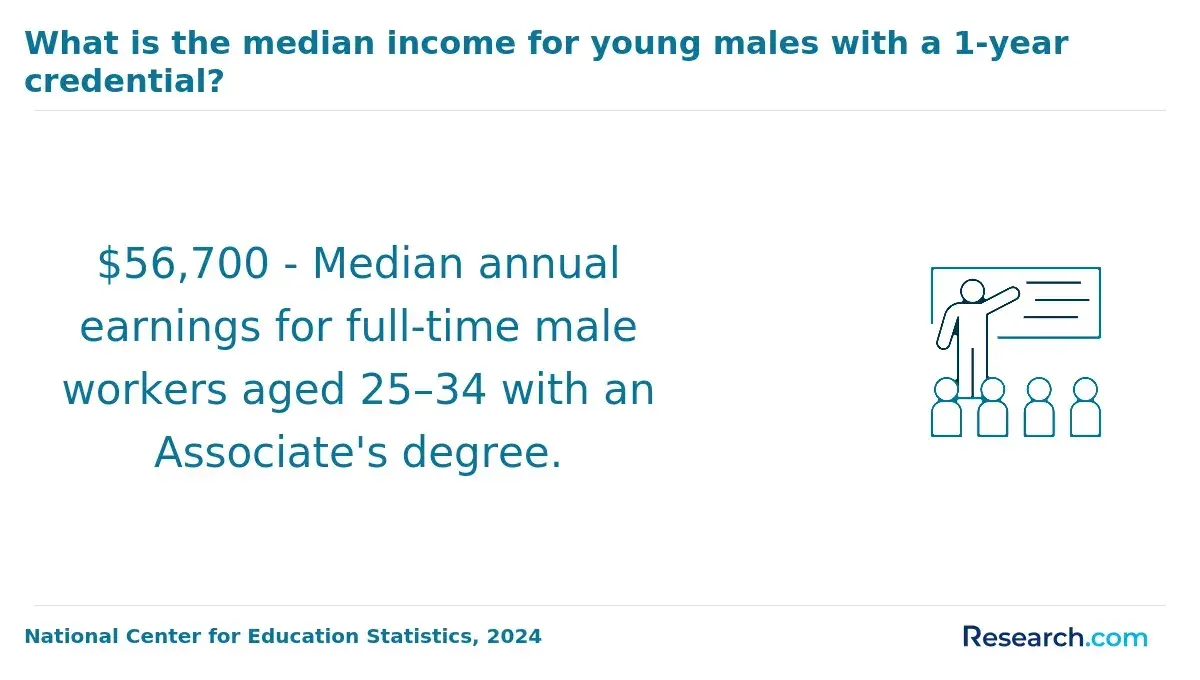
Yet, candidates must assess whether their program integrates practical experiences or local lab partnerships; purely theoretical studies frequently diminish employability in microbiology-specific roles. The degree directly supports qualification for biological technician roles, which offer a median salary of $52,230 as of May 2024 and project 5% growth through 2032-outpacing many other fields. Employers in microbial research and quality control highly value the applied expertise these programs provide, making graduates more competitive in securing positions that rely on aseptic techniques, microbial genetics, and pathogen analysis.
How do online biology programs with microbiology compare to campus-based degrees?
Online biology degrees with microbiology coursework now approach traditional campus programs in delivering practical lab skills-a major differentiator for employer readiness. Over 60% of fully online undergraduate biology programs include at least one microbiology or cell biology lab experience, often through virtual simulations paired with local lab partnerships or at-home lab kits.
This hybrid model addresses a common concern that remote learning limits hands-on proficiency, critical for roles like clinical laboratory technicians who must demonstrate real-world microbiological techniques. Campus-based degrees still provide more direct, traditional wet-lab access with mentorship and immediate troubleshooting, which benefits students targeting complex research or regulatory roles in biotech and pharmaceuticals.
However, online biology programs with microbiology coursework vs traditional campus programs present distinct tradeoffs: flexibility and location accessibility versus in-person lab immersion. Students must verify how online programs arrange credible lab access, as variability in quality remains notable.
Employers increasingly recognize online biology qualifications if lab standards meet industry expectations, but some sectors still prefer campus-trained candidates for advanced wet-lab roles. These differences highlight the importance of aligning program selection with targeted career pathways and local lab availability.
Prospective students evaluating a shift or advancement in biology should consider how well programs integrate practical training with theoretical knowledge. For cost-conscious learners, exploring options like an online MS data science can complement biology expertise in multidisciplinary fields.
Are online biology degrees with microbiology coursework properly accredited and widely respected?
Accredited online biology degrees with microbiology courses must demonstrate rigorous adherence to industry standards to be regarded as credible by employers and licensing bodies. A significant risk in pursuing nonaccredited options is diminished employability and difficulties in credential recognition for certification or graduate study.
Programs recognized by agencies such as the U.S. Department of Education ensure credit transferability and solidify the academic foundation necessary for specialized roles. Laboratory proficiency remains a non-negotiable expectation in microbiology careers, where theoretical knowledge alone is insufficient.
Many programs with online biology degree accreditation and recognition incorporate hybrid models or establish partnerships with local labs to provide essential hands-on training. For example, pharmaceutical and clinical microbiology employers require applicants to demonstrate practical skills like aseptic technique and microbial culturing, which are impossible to master through remote instruction only.
The career outlook for microbiologists reflects this demand for skilled graduates. Median wages reached $87,480 in May 2024, with top earners exceeding $142,710, alongside a projected job growth of 5.3% between 2022 and 2032, according to the U.S. Bureau of Labor Statistics.
These figures emphasize the importance of selecting programs that integrate robust microbiology content with experiential learning opportunities. Students should also explore program support for internships or practicums, vital for entry-level clinical roles that often require certification.
Evaluating programs with a focus on real-world readiness can influence long-term career viability. For prospective students considering alternate pathways in health sciences, a comparison with an exercise science online degree may provide insight into different employer expectations and practical training models.
What microbiology courses and lab experiences are typically included in these online programs?
Online microbiology courses and lab components within biology degrees impose significant operational decisions, particularly regarding hands-on skill acquisition. Employers value demonstrable proficiency in aseptic techniques, microbial culturing, and pathogen identification-competencies often gained through lab components requiring either local partnerships or mailed kits.
A public health technician, for example, must reliably display sterile technique and pathogen isolation skills, which purely virtual labs cannot fully replicate. Typical microbiology coursework in online biology degrees integrates core topics-microbial genetics, virology, immunology, and bacteriology-combined with practical lab exercises.
Virtual lab simulations often supplement mailed lab kits or in-person sessions, minimizing but not eliminating logistical frictions such as scheduling conflicts or shipping delays. Clear upfront communication about these requirements is essential to avoid costly program extensions.
Tuition costs reflect strategic tradeoffs: University of Nebraska at Kearney reports median tuition near $316 per credit for in-state and $522 per credit for out-of-state, with total program expenses ranging from $30,000 to $45,000. This is a cost-saving compared to on-campus options but demands foresight in planning for lab fees and facility access.
Students should weigh these realities seriously, especially those pursuing specialization tied to regulated certifications. For guidance on economical environmental science alternatives with transferable methodologies, consider reviewing the cheapest online environmental science degree options.
What are the admission requirements and prerequisites for online biology degrees focused on microbiology?
Admission into online biology programs with microbiology coursework demands more than baseline qualifications; prospective students face a critical evaluation of both academic readiness and practical laboratory preparation. A minimum high school GPA between 2.5 and 3.0 is usual, combined with SAT or ACT scores, though many institutions have adopted test-optional policies to accommodate working adults.
Required prerequisites generally extend beyond biology to chemistry and algebra or precalculus, with some programs expecting physics or advanced chemistry to ensure students can engage with rigorous microbiological methods. For students with college experience, submitting official transcripts verifying lab-intensive general biology and chemistry courses is essential.
Without this foundation, learners risk remedial coursework that delays graduation and increases cost-a significant factor when balancing financial risk against an average early-career salary near $32,000, with mid-career potential around $65,000. Graduates face an 8.9% loan default rate along with a 4.5% unemployment figure, suggesting modest but tangible economic risk in this pathway.
Working professionals may satisfy prerequisites through CLEP exams or community college credits, but these must meet admissions' rigorous equivalency standards. This flexibility helps manage time constraints yet demands careful planning to avoid academic gaps.
How long do online biology programs with microbiology usually take, and what do they cost?
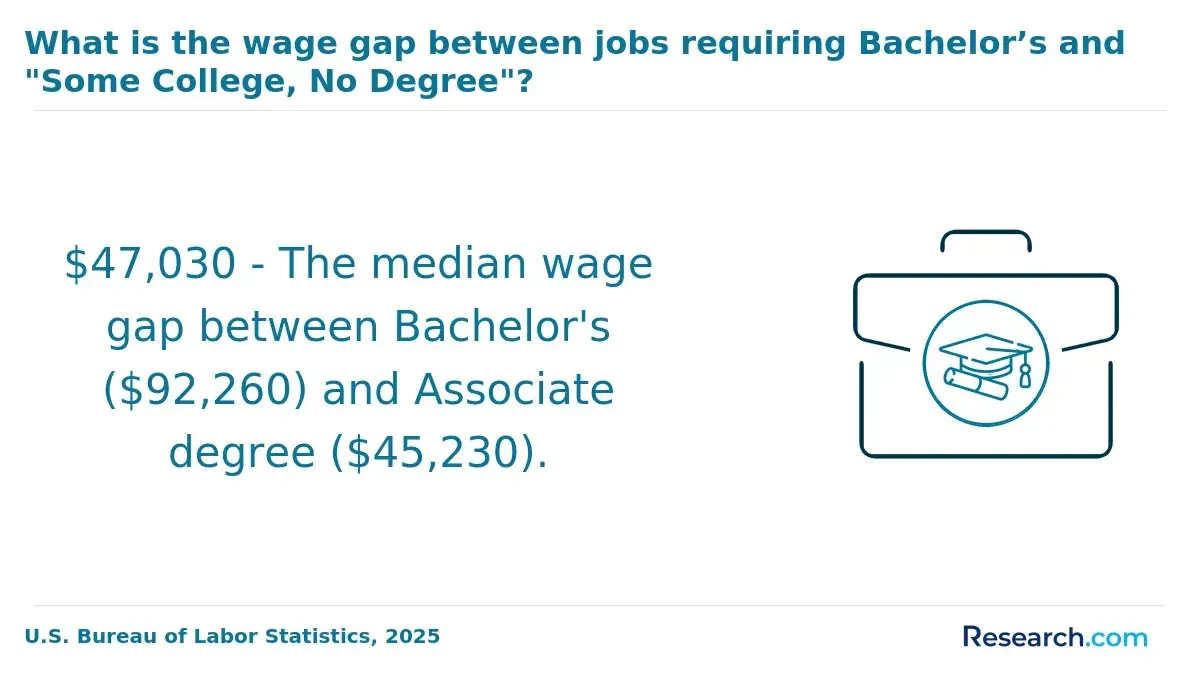
Online biology programs with microbiology coursework present a strategic choice between accelerated entry into technician roles and investing in comprehensive training for higher-tier employment. Associate degrees generally take about two years, cost roughly $3,000 to $7,000 annually at community colleges, and suit those prioritizing speed over depth.
Bachelor's degrees require approximately four years of full-time study, with yearly tuition ranging from $8,000 to $25,000 depending on residency and institution type, reflecting an expanded curriculum and lab work. A key challenge for online microbiology tracks involves practical skill acquisition.
Labs often require in-person attendance at local facilities or campus intensives, creating additional time and travel costs. Employers in environmental testing or pharmaceutical sectors, projected to add over 8,000 jobs by 2032, expect graduates to demonstrate hands-on competencies that purely virtual labs may not suffice.
What careers can you pursue with an online biology degree that includes microbiology?
Online biology degrees with microbiology concentrations align with sectors demanding proficiency in microbial analysis and molecular methods, but they introduce notable tradeoffs that impact employability. For example, roles such as clinical laboratory technologists and biomanufacturing specialists expect candidates to combine theoretical knowledge with verified hands-on experience, yet online programs inherently limit immediate access to specialized lab equipment and mentorship.
Data from recent surveys show that over 70% of U.S. institutions now offer fully online advanced biology or microbiology coursework, a significant increase from under 40% in previous years, intensifying candidate competition. Students lacking in-person internships risk falling short of employer expectations, especially for lab-based positions like pharmaceutical research associates.
Employers increasingly value familiarity with modern molecular biology methods standard in upper-division microbiology courses, emphasizing the need to verify program rigor and demonstrate capability beyond coursework. Graduates should approach online biology pathways with a strategic framework to offset skill acquisition limitations inherent to virtual formats.
What salary ranges and advancement opportunities exist for graduates with microbiology-focused biology degrees?
Salary ranges for microbiology-focused biology graduates vary by sector, typically between $50,000 and $85,000 for entry to mid-level roles. Clinical microbiology and pharmaceutical companies offer starting salaries near $60,000, whereas environmental and agricultural micro positions often begin closer to $50,000.
Advancement beyond these levels usually requires specialization, advanced degrees, or certifications, with master's and PhDs opening access to research scientist or lab director roles paying over $90,000. Employers prioritize practical lab experience and regulatory knowledge, making internships or hands-on online coursework key differentiators.
For example, biotechnology firms value candidates who demonstrate leadership in multidisciplinary projects and grant acquisition, aligning with promotions to senior scientist or project manager roles. Public health and federal agencies often demand advanced degrees combined with policy or epidemiology skills for upward mobility.
Geographic and industry factors strongly affect compensation: biotech hubs offer higher salaries but also stiff competition, while government or academic jobs may provide slower salary growth but more stability. More than 85% of online bachelor's biology students received financial aid in 2024, with Pell Grants covering 31% of tuition, easing access to critical advanced education necessary for specialized career tracks. Strategic pivots work best when targeting sectors blending biological and microbiological expertise, especially where regulatory and innovation demands drive hiring.
How does an online biology degree with microbiology prepare you for certifications or licensure?
Online biology degrees offering microbiology coursework position graduates to fulfill core certification prerequisites, but the lack of consistent in-person lab experience complicates direct licensure eligibility. Most clinical and laboratory certifications-including credentials like the Medical Laboratory Scientist from the American Society for Clinical Pathology-require documented practical lab hours that purely online programs typically cannot provide.
Graduates must therefore seek supplementary hands-on training through local internships, co-ops, or partnerships with labs to meet these requirements. About 30% of online biology degree holders transition to graduate or professional schools within a year, paralleling traditional program outcomes, which demonstrates comparable academic preparation for advanced scientific credentials.
However, this academic equivalence does not automatically translate to workforce readiness in lab-dependent environments without substantial practical experience. In applied fields such as pharmaceutical quality control or public health laboratories, employers increasingly demand certifications confirming both theoretical knowledge and validated lab competence. This layered pathway affects strategic planning for students intending to pivot into microbiology-related careers, especially where regulatory compliance and validated skills are non-negotiable.
How can you evaluate and choose a reputable online biology program with strong microbiology coursework?
Choosing an online biology program with a strong microbiology focus demands attention to accreditation beyond regional recognition, including any specialized endorsements tied to biological or medical research standards. The curriculum should systematically cover core microbiology areas such as microbial genetics, immunology, and pathogenic microbiology to ensure the student builds relevant expertise that aligns with workforce expectations.
Faculty credentials and research activity provide important signals of program rigor. Instructors actively engaged in publication or industry collaborations tend to integrate current, practical content and foster an environment conducive to applied learning.
Because hands-on experience is critical in microbiology, verify whether the program offers laboratory practicums or virtual simulations, particularly for remote learners. For professionals balancing work and study, asynchronous learning with periodic synchronous sessions strikes a pragmatic balance.
When weighing transfer credit policies and prerequisite requirements, anticipate potential delays if courses don't align well with prior education, especially for mid-career pivots from related fields. Employment outcomes illustrate the field's economic reality: medical scientists with microbiology expertise command median wages near $104,590 annually, with top earners surpassing $170,260, amid a projected 5% growth through 2032 according to the U.S. Bureau of Labor Statistics.
Programs that connect coursework to such data demonstrate tangible career relevance. Also consider support resources like career counseling and opportunities for research networking, which impact post-graduation transitions into biotech, pharmaceuticals, or healthcare roles.
Other Things You Should Know About Biology
Managing a full-time job alongside an online biology degree that includes microbiology coursework is possible, but the intensity of lab simulations and complex scientific material demands significant time. Programs with asynchronous lectures offer flexibility, but courses with virtual labs or proctored exams require scheduled time commitments that may conflict with a strict 9-to-5 job. Prioritize programs that clearly outline weekly workload and offer evening or weekend lab options to realistically align with your working hours.
In-person labs provide tactile experience with real specimens and instruments, which employers in clinical or laboratory settings value more highly than virtual labs alone. While virtual labs can teach theoretical and procedural concepts effectively, they often lack the nuance of hands-on troubleshooting and sensory learning. If your career goal includes lab technician roles or research positions, prioritizing programs with hybrid or local in-person lab options will better prepare you for employer expectations.
In 2027, graduates with an online biology degree featuring microbiology coursework have favorable job prospects. Employers increasingly recognize the validity of online degrees, especially when they incorporate robust practical components. Career opportunities span sectors like healthcare, research, and biotechnology, where microbiology skills are crucial.
Choosing specialized microbiology electives enhances depth for roles in clinical microbiology, biotechnology, or pharmaceutical industries but narrows your immediate job market. Conversely, broader biology coursework increases adaptability for various fields like environmental science, education, or general research. For career pivots or uncertain job destinations, it's advisable to balance core microbiology classes with broader biology electives to maintain versatility without sacrificing technical expertise.
References
- Online Biology Degrees https://mycollegeguide.org/online-biology-degrees/
- Online Biology Course: Complete Guide to Flexible Science Education [2025] - Prereqcourses https://www.prereqcourses.com/online-biology-course/
- Microbiology https://www.straighterline.com/online-college-courses/microbiology/
- Courses and careers in biology - Student Info and Guides | StudyMalaysia.com https://studymalaysia.com/education/top-stories/courses-and-careers-in-biology
- How To Become A Biologist | Biology Degrees And Careers https://www.learnhowtobecome.org/science-technology-careers/biology/
- Online Microbiology Course Guide: Accredited Programs & Lab Options https://acceleratedsciences.scuhs.edu/online-microbiology-course-guide-accredited-programs-lab-options/
- Top 15 Highest‑Paying Pharmacy Jobs in the UK 2025 (Including Salaries) https://apexlearning.org.uk/highest-paying-biology-degree-jobs-2025-2026/
- Best Online Biology Degrees https://www.affordablecollegesonline.org/biology-programs/
- Online Bachelor's Degrees in Biology: Top Schools & Programs https://www.edumed.org/online-schools/biology-degrees/
- Explore UM | University of Manitoba - Biological Sciences (BSc) https://umanitoba.ca/explore/programs-of-study/biological-sciences-bsc