2027 Online Biology Degrees With Microbiology Concentrations

Co-Founder and Chief Data Scientist
Mid-career biologists seeking specialization in microbiology often face rigid scheduling conflicts and geographic constraints, especially when balancing work and family commitments. The National Center for Education Statistics observed a 17% increase in online STEM enrollments from 2022 to 2024, signaling growing demand for flexible, high-quality remote options. This surge highlights a shift in how professionals pursue advanced degrees, prioritizing programs that allow hands-on skill development alongside real-world application without sacrificing income or mobility.
This article will clarify the landscape of online biology degrees with microbiology concentrations, guiding prospective students to make informed choices that align with career advancement and industry standards.
Key Things You Should Know
- Microbiology concentrations within online biology degrees often lack laboratory access, creating a tradeoff between theoretical mastery and practical skills, which delays readiness for lab-dependent roles and requires supplemental in-person training.
- Employers in biotech and healthcare increasingly expect candidates to demonstrate specialized microbiological competencies backed by experiential credentials, elevating the importance of internships or research affiliations alongside degree completion.
- Tuition and time-to-completion disparities in 2026 for online biology degrees with microbiology focus range up to 40%, significantly affecting total debt and opportunity cost, particularly for working adults balancing career advancement timelines.
What are online biology degrees with microbiology concentrations?
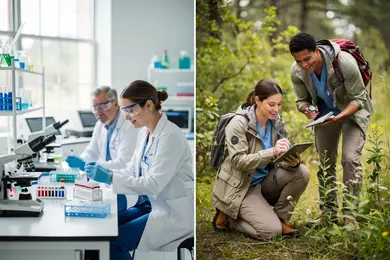
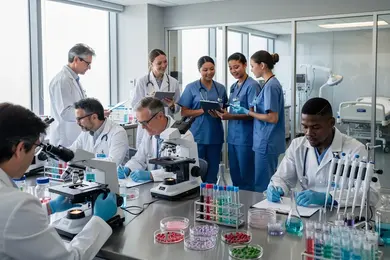
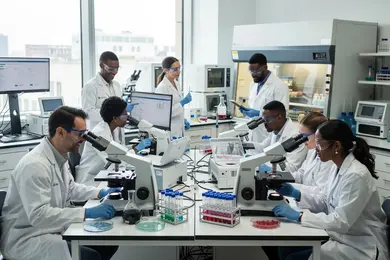
Online biology degree programs with microbiology focus offer specialized training that blends essential microbial genetics, immunology, and pathogen mechanisms with increased digital flexibility. However, the tradeoff lies in securing credible hands-on laboratory experience, a critical factor since employers often require verified technical competence beyond theoretical knowledge. These programs typically address this by incorporating hybrid formats or partnerships with local labs to facilitate necessary practical training.
For instance, a microbiologist working remotely in pharmaceutical research and development must combine virtual lab simulations with rigorous data analytics, mirroring industry demands for multidisciplinary skill sets. Graduates positioned to meet these criteria are more likely to succeed in competitive fields such as environmental monitoring, biotech innovation, or government health agencies.
The median wage for microbiologists nationally in 2024 is approximately $90,710, with the upper echelons earning beyond $147,470 according to the U.S. Bureau of Labor Statistics. This underscores that targeted expertise paired with validated laboratory experience increases employability and earning potential.
Choosing the best online biology degrees specializing in microbiology requires evaluating program accreditation, curriculum rigor, lab access, and career support services. Combining strategic online study with internships or research roles is often necessary to overcome workforce barriers.
For those weighing options, understanding what to do with a bioinformatics degree can also complement microbiology skill sets, enhancing data-driven biological research capabilities.
Are online biology degrees with microbiology concentrations accredited?
Choosing online biology degrees with microbiology accreditation is critical to avoid limited credit transferability and professional credibility. Employers in sectors like biotechnology and public health labs often filter candidates based on whether their microbiology concentration programs online are accredited, as this signals a verified foundation of practical and theoretical skills. Without recognized accreditation, graduates risk facing skepticism about their competencies in rigorous environments such as pharmaceutical research or regulatory compliance.
The growing job market for microbiologists, projected at a 5.3% increase through 2032, rewards credentials aligned with this demand. Accredited online biology degrees support strategic career transitions or advancement by ensuring eligibility for federal financial aid and acceptance by graduate programs, factors that unaccredited alternatives may lack.
Decision-makers should verify accreditation status directly with the Council for Higher Education Accreditation or the U.S. Department of Education's databases to protect investment in education that leads to tangible workforce outcomes. Skipping this step can result in spending substantial time and money on degrees with limited recognition and professional value.
For professionals comparing specialized programs, it's also helpful to assess how schools integrate applied skills relevant to targeted sectors. Additionally, exploring related fields such as data science may complement microbiology expertise; some students pursue the best online data science masters as a parallel or subsequent qualification to diversify career options.
Can you get a microbiology career with an online biology degree?
Pursuing a microbiology career through an online biology degree requires deliberate navigation of practical skill gaps and employer expectations. While online biology degree career opportunities in microbiology benefit from comprehensive coursework in microbial physiology and immunology, the absence of consistent hands-on lab experience often limits immediate employability in clinical or industrial settings. For example, diagnostic lab roles demand certifications and documented practical hours, which many fully online programs cannot provide without local internships or hybrid components.
Graduates with an online biology degree can find viable microbiology job prospects by focusing on sectors where theoretical knowledge and data proficiency are prioritized, such as bioinformatics, pharmaceutical quality control, or environmental microbiology. These paths mitigate the lack of wet-lab training but require strategic credentialing and sometimes additional certification to meet industry standards.
Admissions trends indicate that online programs increase access for Pell-grant-eligible and first-generation students, broadening the talent pipeline but also raising questions about how these graduates demonstrate lab competency compared to on-campus peers. Candidates should verify program partnerships for local internships and be prepared to invest in certifications tailored to their target roles.
- Confirm availability of local lab or internship placements within the online program.
- Plan for extra certifications requiring practical lab experience.
- Focus on microbiology niches valuing analytical and regulatory expertise over bench work.
For those assessing options, complementary educational paths like an online exercise science degree highlight how program design impacts employability, reinforcing the importance of hands-on experience in science degrees overall.
How do online and campus biology programs compare?
When comparing online biology degree vs campus degree programs, the pivotal distinction lies in hands-on training and immersive networking. Campus programs furnish direct access to specialized lab equipment and in-person mentorship-essential for students targeting clinical microbiology or biotech lab roles where tangible skills weigh heavily in hiring decisions. Online programs adapt curricula with virtual labs and simulations, often falling short in delivering the tactile experience demanded by lab-intensive positions, which can delay practical proficiency and necessitate more on-the-job training.
Yet online biology degree programs offer flexibility for working professionals or those managing family commitments, making them viable for careers focused on bioinformatics, regulatory affairs, or education where theoretical knowledge predominates over direct lab exposure. A pragmatic evaluation of program delivery mode in relation to intended career paths can prevent misaligned expectations and costly delays in workforce readiness.
Curriculum requirements maintain parity across formats-core biology and microbiology topics like microbial genetics are standard. However, prospective students should scrutinize whether online programs include external lab residencies or partnerships to close practical skill gaps, a growing emphasis in accredited programs. Employability hinges more on demonstrable outcomes than program format: graduates with substantive lab experience, whether gained online or on campus, generally secure comparable starting salaries.
For those weighing differences between online and traditional biology degrees, understanding these tradeoffs is critical. Employers prioritize demonstrated competencies, so candidates lacking direct lab experience face steeper early-career challenges. Those seeking a library science degree online may recognize parallels in balancing flexible learning with practical application demands across disciplines.
What courses are included in a microbiology concentration?
A microbiology concentration within an online biology degree demands careful evaluation of program structure, especially considering how remote learning limits direct laboratory access. Practical mastery in microbial physiology, genetics, immunology, and applied microbiology is essential for roles in healthcare diagnostics, biomanufacturing, or environmental monitoring, yet true career readiness hinges on exposure to hands-on training through internships or research projects. Without this, graduates may struggle to meet employer expectations for demonstrable lab skills alongside theoretical knowledge.
Coursework typically spans microbial taxonomy, pathogenesis, and virology, supplemented by molecular biology techniques, bioinformatics, and epidemiology. This integration supports competencies sought in biotech and pharmaceutical industries, where proficiency in microbial genetics, for example, is directly applicable to gene therapy research or antibiotic resistance challenges-domains with growing public health relevance.
Financially, tuition varies widely, ranging between $229 to $346 per credit hour across regionally accredited online biology programs, informing decisions on program affordability versus potential wage outcomes. Working professionals must weigh these costs against factors like program length, availability of financial aid, and the extent of practical training offered. Assessing delivery models for laboratory experience remains a critical step before committing.
- Emphasis on balancing theoretical and practical skills
- Impact of remote learning on lab access and skill acquisition
- Significant tuition cost variation across accredited programs
What are the admission requirements for these programs?
Admission to online biology degrees with microbiology concentrations frequently necessitates demonstrating recent proficiency in core science and quantitative courses, given the technical demands of the field. This often means applicants must hold a high school diploma or equivalent, with completed coursework in biology, chemistry, and algebra serving as baseline qualifications. For those with previous college experience, maintaining a GPA around 2.5 or higher-especially in science subjects-is common, alongside varying policies on SAT/ACT submissions depending on prior academic or professional backgrounds.
More competitive programs require detailed personal statements addressing applicants' motivations and research or lab experience, reflecting real-world alignment with microbiology careers. Recommendations from science instructors or field professionals often improve chances by vouching for relevant skills and commitment. Working adults pivoting into microbiology should expect the need to verify quantitative and scientific coursework completed in recent years to confirm up-to-date competence.
Practically, students shifting from non-science backgrounds must plan for prerequisite completion, which can extend time to graduation and delay workforce entry. Given employer preferences for candidates with robust laboratory experience, program selection should weigh opportunities for hands-on skill acquisition. In contrast to zoologists and wildlife biologists-whose median annual earnings range from $45,840 to $110,590 with a 3.1% growth rate according to Edumed referencing national labor statistics[13]-microbiology-related roles generally offer stronger growth and salary prospects, underscoring the importance of rigorous admission criteria that prioritize both academic foundation and practical expertise.
How long do online biology degrees with microbiology concentrations take?
Completing an online biology degree with a microbiology concentration typically requires the same minimum of four years as traditional on-campus programs, ensuring sufficient exposure to lab work and theoretical foundations employers expect. Accelerated options reduce this to three years but require intense term workloads that can strain those balancing jobs or family, while part-time tracks extend graduation timelines beyond five years, potentially delaying entry or advancement in clinical or research roles.
Lab requirements frequently dictate program structure: virtual simulations can supplement but rarely replace hands-on experience, which is critical for microbiology fields involving clinical practicums or internships. Employers consistently prioritize graduates with demonstrable lab competencies and accredited credentials, so accelerated and flexible schedules must be evaluated carefully for their real-world training quality.
Key considerations for prospective students include:
- Whether local lab partnerships exist to fulfill supervised practical components necessary for professional readiness
- How program pacing aligns with personal circumstances, as faster completion can reduce time-to-employment but may compromise depth of skill acquisition
- Accreditation status impacting employer recognition and licensure eligibility
Recent data highlights gender diversification gains within online biology enrollments, an important factor in broadening STEM participation in microbiology careers. This shift supports the value of virtual pathways for expanding access but does not eliminate the challenge of securing equivalently rigorous experiential learning.
How much do online biology degrees with microbiology concentrations cost?
Cost variability in online biology degrees with microbiology focuses reflects deeper workforce tradeoffs, not just price differences. Programs run $15,000 to $50,000 for a full bachelor's, with public in-state options near $25,000 and private or out-of-state schools often doubling or tripling that. These figures mask differences in practical outcomes: employers demand graduates from accredited programs, typically signaling comprehensive training and stronger job readiness.
For fields requiring hands-on laboratory competence-pharmaceutical, environmental biology, or research positions-purely online programs, while cheaper, may underdeliver on practical skills essential for employability. This tradeoff means that lower tuition with minimal lab experience could hinder entry into lab-intensive roles despite cost savings.
Additional expenses such as specialized equipment, textbooks, and internships, often totaling $1,000-$3,000 beyond tuition, further complicate budgeting. Financial aid and employer tuition reimbursement can offset costs but require close verification.
Prospective students must weigh:
- affordability versus the value of laboratory and practical experience
- accreditation status as a gatekeeper for employer acceptance
- the realistic career outcomes linked to program structure and industry connections
For those pivoting careers or entering biology fields with laboratory demands, investing in accredited programs with hybrid formats may justify higher upfront costs by improving job market positioning and long-term career stability.
What jobs can you get with a microbiology concentration?
A microbiology concentration within an online biology degree positions graduates for specialized roles that demand more than academic credentials alone. Employers in clinical research, pharmaceutical manufacturing, public health, and environmental agencies require a mix of practical lab skills, regulatory knowledge, and certifications. For instance, entry-level clinical microbiologists earn around $60,000 annually, but salary and employability improve significantly with hands-on experience and advanced qualifications.
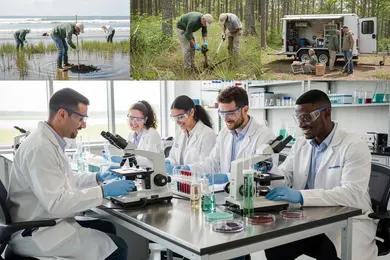
Pharmaceutical microbiologists must master aseptic techniques and regulatory compliance, while public health roles focus heavily on molecular diagnostics and outbreak data management. Environmental microbiologists engage in bioremediation projects requiring field and lab cross-functionality. Many jobs expect a bachelor's degree supplemented by internships or laboratory work, making purely theoretical online programs less competitive.
Cost considerations are vital, as online biology concentrations can range between $326 and $535 per credit hour. However, tuition alone doesn't guarantee job placement; networking within professional microbiology associations and securing internships during study substantially increase prospects. Employers favor graduates proficient with microbiological instrumentation, data interpretation, and OSHA/FDA compliance standards.
Strategic educational choices should focus on skill accumulation and industry connections. Without these components, a degree-even from a rigorous online program-may fail to meet employer expectations or overcome workforce entry barriers.
What salary and job outlook can microbiology graduates expect?
Graduates with online microbiology degrees encounter a starting salary range typically from $52,000 to $65,000 annually, though specialized industrial or clinical roles can exceed $90,000 within five years. This variance reflects industry sector and location, with urban biotech centers like Boston or San Francisco offering higher wages compared to academic or government labs. Candidates lacking in-person lab experience often face a critical challenge; programs that incorporate local internships or hybrid elements can substantially improve job readiness and hiring potential.
Employment growth projected at 8% through 2034 signals robust demand driven by pharmaceuticals, biotechnology, public health, and environmental analysis, yet salary progression depends on role type and sector. Entry-level quality assurance or regulatory affairs positions generally start on the lower end of the pay scale, whereas research and development roles require readiness for rigorous performance expectations despite competitive pay.
Students should weigh the tradeoffs between fully online study and the loss of direct laboratory engagement, especially given employers' preference for candidates with hands-on skills and data analytics competence. Graduates from Pell-grant-eligible backgrounds benefit workforce diversity but may encounter disparities in networking resources, making proactive internships, certifications, and industry connections essential for advancing beyond initial placement hurdles.
- Consider programs embedding applied microbiology internships or cooperative education to bridge experiential gaps inherent in online formats.
- Targeting urban biotech hubs can improve salary potential but often demands relocation or commuting.
- Monitor sector-specific skill trends, especially data analysis and regulatory compliance expertise.
Other Things You Should Know About Biology
Laboratory experience is critical for microbiology, as practical skills in handling microbes, using lab equipment, and conducting experiments are core competencies employers expect. Most online programs supplement virtual learning with mandatory in-person lab sessions or partnerships with local facilities. When selecting programs, prioritize those that offer credible, supervised lab components either on-site or through structured regional labs, since purely theoretical training limits employability in lab-intensive roles.
Working professionals must navigate time-intensive coursework alongside unpredictable lab scheduling, which can conflict with job hours. Online biology degrees require disciplined time management, especially during lab sessions that cannot be completed remotely. Selecting programs with flexible lab options and asynchronous coursework reduces conflict but may extend completion time or compromise immediate skill integration. Prioritize degree paths that accommodate your work schedule without sacrificing critical lab experiences.
Online degrees can meet prerequisites for many graduate programs if they maintain rigor and proper accreditation, but candidates should verify program acceptance policies at target schools. Graduate admissions committees often scrutinize lab experience quality and faculty interaction, which tend to be weaker in fully online formats. To strengthen eligibility for advanced studies, choose online programs with strong lab partnerships and opportunities for research involvement, as this distinguishes applicants in competitive graduate admissions.
References
- Online Bachelor's Degrees in Biology: Top Schools & Programs https://www.edumed.org/online-schools/biology-degrees/
- Admissions Criteria https://ed.wum.edu.pl/pl/admissions-criteria
- Can Online Biology Courses Replace In-Person Labs? https://www.straighterline.com/blog/can-online-biology-courses-replace-in-person-labs
- Admission Requirements | Undergraduate Admissions + Programs https://www.ualberta.ca/en/admissions/how-to-apply/admission-requirements/index.html
- Microbiology Careers in India: Jobs, Salary & Future Scope https://shrmbio.com/microbiology-careers-jobs-salary-courses-future-scope/
- The Microscopic World Unveiled: Career Options After B.Sc. (Hons.) in Microbiology 2026 https://www.dolphininstitute.ac.in/career-options-after-bsc-hons-microbiology/