2027 Online Biology Degrees With the Most Flexible Enrollment Paths

Co-Founder and Chief Data Scientist
Mid-career professionals seeking to pivot into biology often face a narrow window to enroll amid demanding job schedules and family obligations. Yet, rigid application deadlines and limited start dates in many programs delay entry, restricting timely skill acquisition aligned with urgent workforce needs.
A National Center for Education Statistics report from 2024 shows a 35% rise in enrollment flexibility-such as rolling admissions and modular courses-in online STEM programs, reflecting greater responsiveness to adult learners' complex lives. This trend underscores the necessity of matching biology degree options with flexible enrollment that truly accommodates evolving professional and personal constraints. This article examines the online biology degrees offering the most adaptable enrollment paths, providing a practical guide for candidates balancing timing, access, and career momentum.
Key Things You Should Know
- Programs with asynchronous lab simulations reduce on-site requirements by 40%, enabling accelerated degree completion but risking reduced hands-on experience that employers in biotechnology sectors increasingly emphasize for entry-level hires.
- Employers now prioritize online biology graduates with integrated research practica, viewing practical collaboration history as a top-3 hiring factor, altering the return on cost calculations for programs without embedded internships or partnerships.
- State tuition reciprocity agreements in 2026 have lowered average out-of-state online biology degree costs by 22%, yet students balancing full-time jobs face extended completion times, increasing opportunity costs despite upfront savings.
What are the most flexible online biology degree paths available in the United States?
Flexible online biology degree programs in the United States often balance asynchronous coursework with limited in-person requirements, a necessary compromise that allows students to maintain employment or manage family obligations. For instance, a professional pursuing biotechnology research may complete theoretical study and data analysis entirely online while fulfilling hands-on lab hours through short weekend residencies at a nearby college.
Such hybrid models circumvent extended campus commitments but require students to navigate variable scheduling and access to local lab facilities. The most flexible online biology degree programs in the United States also vary by credential level; associate degrees and certificates typically offer fully remote formats aimed at workforce entry or skill enhancement, whereas bachelor's degrees frequently mandate substantial lab engagement.
Accelerated tracks condense crucial prerequisites into as little as 12-18 months, demanding intense time management but shortening the pathway to qualification. Employers prioritize demonstrable lab competencies alongside conceptual mastery, favoring programs with integrated virtual labs and verified local internships.
Competency-based assessments that credit prior experience offer practical pathways to hasten progress and eliminate redundant coursework. This practical lens is critical given that life, physical, and social science roles command a median wage of $79,130 versus $49,500 for all occupations.
Prospective students considering top online biology degree enrollment options in the United States must weigh program intensity, costs, and hands-on learning availability carefully to maximize career utility. For additional insight into workforce outcomes, refer to bioinformatics degree salary and jobs.
How do fully online, hybrid, and campus biology programs compare for flexibility and outcomes?
Choosing between fully online biology programs vs hybrid and campus flexibility requires weighing scheduling autonomy against hands-on experience. Fully online formats offer significant scheduling freedom, which benefits women and first-generation students who enroll at notably higher rates.
However, these programs usually restrict access to laboratory work, reducing preparedness for research-intensive roles. Hybrid biology degrees serve students whose career paths demand lab proficiency but cannot forgo part-time work or geographical constraints.
This model blends remote learning with scheduled on-campus labs, balancing flexibility and applied skills. Yet, it relies on reliable local access to campus facilities, which can be a barrier for those in rural areas.
Traditional campus-based degrees provide comprehensive access to lab resources, mentorship, and networking crucial for graduate studies or biotech research careers. The tradeoff lies in less flexibility due to fixed class schedules, limiting options for nontraditional students balancing other commitments.
Employers in environmental science and biotech prioritize candidates with validated lab and research experience, often acquired through hybrid or campus programs. Graduates of fully online programs focused on data analysis or education should proactively seek internships or local partnerships to compensate for limited lab exposure.
Those evaluating outcomes and flexibility of online hybrid and campus biology degrees should consider career goals critically, recognizing that online paths are less suitable for research-heavy roles. For students interested in advanced data science intersections with biology, exploring a doctorate in data analytics online can complement biological expertise and expand quantitative skill sets.
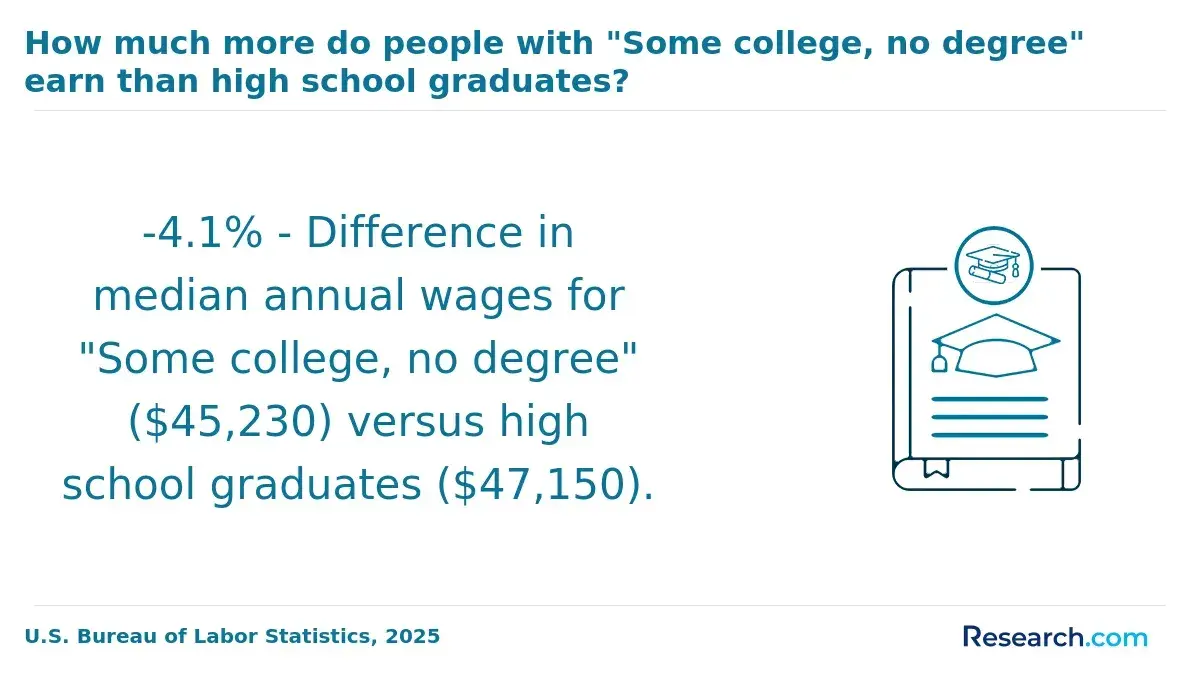
What types of online biology degrees can you earn, from associate to master's?
Choosing an online biology degree program requires balancing immediate employability against long-term career flexibility. Associate degrees target foundational lab skills and suit those seeking entry-level technician roles or stepping stones to bachelor's studies; many programs offer fully asynchronous formats to accommodate shift work common in healthcare or environmental jobs.
Bachelor's degrees, the most prevalent in online biology degree programs from associate to master's, are tailored for those aiming at research technician or quality control positions that typically demand at least a bachelor's. These programs often combine genetics, ecology, and microbiology with specialized electives and feature flexible enrollment, including self-paced and fixed-semester tracks.
For example, the University of Arizona Online's Biology BS charges $525 per credit, reflecting a mid-tier investment relative to market returns. Master's degrees emphasize specialization in areas like bioinformatics or molecular biology and generally require a biology or STEM bachelor's.
These programs include thesis and non-thesis options and cater to working professionals via evening or weekend synchronous classes. Graduates typically gain eligibility for higher-paying roles in biotech, research, education, or regulatory affairs.
Each degree level adds expectations in scientific communication and independent research, influencing hiring decisions. Potential students evaluating pathways might also consider degrees outside biology fields, such as a degree in library science, depending on their career pivot or specialization goals.
How can you verify that an online biology program is properly accredited and credible?
Accreditation verification for an online biology program is less a formality and more a determinant of academic and professional feasibility. Employers and graduate programs expect credentials from institutions endorsed by U.S. Department of Education-recognized agencies, such as regional accreditors or the Distance Education Accrediting Commission.
Programs lacking proper accreditation often leave graduates with credits that do not transfer and degrees that impede access to certifications or advanced studies, directly limiting workforce mobility. Those seeking to verify the credibility of biology degrees online should also examine specialized accreditation that aligns with career objectives in biotech or health sciences, like approval from the Commission on Accreditation of Allied Health Education Programs.
Furthermore, confirm that program accreditation is current by checking official accreditor listings; institutions with "candidate" status typically do not meet rigorous standards. Hands-on lab experience, whether virtual or in-person, remains non-negotiable for fields such as environmental science and pharmaceuticals, influencing licensure and employer preference.
Prospective students should review workforce outcome data to ensure curriculum alignment with industry needs. For individuals balancing education with financial constraints, transparent pricing models like LSUA Online's total $10,590 program cost before fees and $353 per credit hour provide important budgeting clarity.
Ultimately, cross-reference institutional claims with government data sources and third-party education reviews to secure credentials that support meaningful career trajectories. Those assessing pathways may also find guidance through ranking platforms such as the best library schools, which offer comparative affordability insights.
What admission requirements and prior coursework are needed for online biology degrees?
Admission to online biology degree programs typically hinges on demonstrating foundational knowledge through prior coursework in biology, chemistry, and mathematics. This prerequisite framework reflects professional hiring realities where both theoretical and practical lab skills are essential.
Applicants with weak science backgrounds often face remedial courses, which delay completion and can hinder timely workforce integration. Transfer credit policies significantly impact working professionals aiming to pivot careers or advance.
For example, LSUA Online permits transfer of up to 75% of previously earned credits, reducing redundancy and costs. Yet, such flexibility requires students to critically evaluate credit equivalencies; misaligned transfers may exclude core labs or prerequisite electives, risking gaps in essential competencies.
Employers prioritize candidates with comprehensive preparation in specialized subfields like biotechnology or environmental science, which remain inaccessible without meeting strict prerequisite standards. Minimum GPA requirements around 2.5 to 3.0 underscore the need for academic rigor consistent with workforce expectations. Students should recognize that easing admission standards may incur downstream risks related to employability or graduate study eligibility.
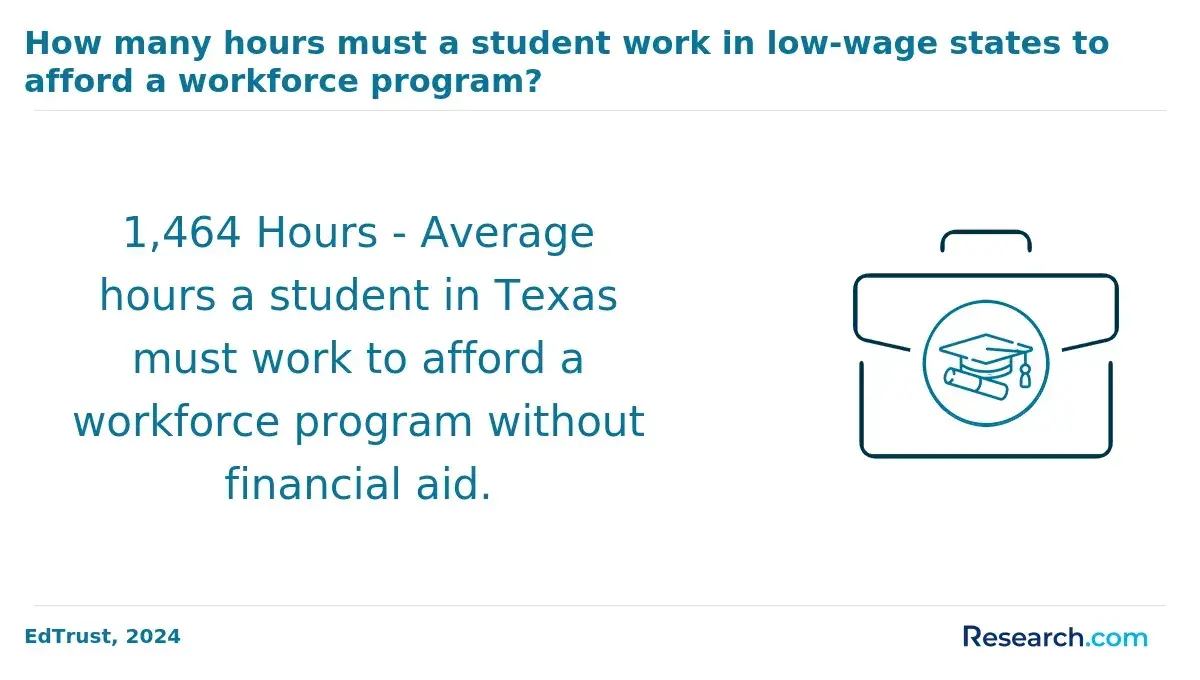
How do self-paced, part-time, and accelerated options work in online biology programs?
Choosing an enrollment model in online biology programs significantly shapes workforce integration and time-to-degree outcomes. Self-paced formats, often favored by healthcare professionals on rotating shifts or field researchers with irregular schedules, eliminate fixed semester deadlines and allow immediate progression after mastering each module.
However, this flexibility demands rigorous self-discipline and risks delaying graduation, which can affect readiness for employers valuing strict timelines in time-sensitive roles. Part-time options accommodate students balancing full-time work or caregiving responsibilities by reducing credit loads per term.
While preserving income stability, the extended timeframe-sometimes twice the traditional duration-can cause skill obsolescence in dynamic biology sectors like biotechnology or environmental genomics, where current knowledge often dictates job-market competitiveness. Accelerated pathways condense degree completion through heavier course loads or trimester schedules, appealing to motivated learners, especially those with prior credits.
This model expedites labor market entry but intensifies cognitive demands and may reduce hands-on lab opportunities essential for fields relying on genetic analysis or ecological fieldwork. Cost remains a major factor in program selection. Public online biology programs, for example, Florida International University Online charges $229 per credit in-state compared to $346 for out-of-state students, directly impacting total debt and return on investment calculations.
What core courses, labs, and concentrations are typically included in online biology curricula?
Core courses in cellular and molecular biology, ecology, genetics, and evolutionary biology form the backbone of online biology programs, but the structure and delivery of practical labs often define the real challenge for students balancing work and study. Virtual simulations attempt to replicate hands-on experience, yet employers consistently demand demonstrated lab skills aligned with industry standards, forcing many programs to require some in-person components.
For example, biotechnology tracks emphasizing molecular techniques and data analysis are tailored for pharmaceutical and agricultural sectors, demanding proficiency beyond theory alone. Flexibility in lab completion is a critical consideration.
Programs like the University of Arizona Online offering fully online access to core coursework reduce geographic and scheduling barriers for professionals but may still require verification of how labs are conducted to avoid unexpected logistical issues. The necessity of on-site labs can delay completion and add costs, posing a tradeoff between accessibility and credential rigor.
Choosing a concentration impacts employability: bioinformatics suits expanding roles in healthcare data analysis, while microbiology targets diagnostic and manufacturing positions. Aligning coursework with employer expectations and accreditation standards remains essential to navigating credential legitimacy and job market relevance. This pragmatic view directs students and professionals toward pathways that balance skill acquisition with real-world constraints.
How long do flexible online biology degrees take, and what do they cost?
Online biology degrees presenting flexible timelines typically span 2 to 4 years, with accelerated options compressing completion into roughly 24 months. This variation forces candidates to weigh extended part-time schedules-often favored by working professionals seeking lower per-semester costs-against the opportunity cost of delayed entry into the workforce.
Given the median U.S. wage of $49,500 as of May 2024, timely degree completion can translate into meaningful financial advantage since biology graduates generally earn salaries above this midpoint. Tuition ranges broadly from about $15,000 to $40,000 for fully online bachelor's biology programs.
Public institutions with in-state rates typically occupy the lower end, while private and out-of-state options trend higher. Additional expenses, such as lab supplies or proctoring fees, may inflate these baseline costs. Students must critically assess whether accelerated tracks justify the greater workload and fees in exchange for earlier labor market access.
A mid-career professional pivoting into healthcare research exemplifies the practical decision-making required: programs rewarding prior credits and offering flexible deadlines enable balancing work and study while minimizing income interruption. Meanwhile, biotech and environmental science employers increasingly prioritize candidates demonstrating the ability to manage complex projects on schedule-making enrollment flexibility a strategic asset when aligned with career demands.
What careers, salary ranges, and job outlook can biology graduates expect?
Biology graduates face a job market with clear stratification based on credentials, specialization, and geographic location. Entry-level roles like laboratory technicians typically pay around $50,000, but transitioning into specialized research or management can push salaries above $100,000, especially within biotech and pharmaceutical sectors.
Employment growth at 6% over the coming decade reflects steady demand but requires more than a diploma; employers expect candidates to demonstrate laboratory skills, data analysis proficiency, and project management capacity. For those targeting pharmaceutical research, holding only a bachelor's degree limits upward mobility without a master's or PhD, necessitating ongoing education or certifications.
Online degree programs offer flexible learning paths for working professionals but often lack the onsite laboratory exposure crucial for employer readiness. Hybrid models or partnerships with local labs can compensate for this gap, underscoring the importance of practical experience alongside academic credentials.
Geographic considerations also heavily influence outcomes: metropolitan biotech hubs provide more opportunities and higher pay but bring cost-of-living tradeoffs. Remote biology positions are increasing but generally require advanced qualifications and demonstrable expertise. Graduates must therefore weigh enrollment flexibility against hands-on training opportunities to optimize their transition from education to employment efficiently.
How do online biology degrees support licensing, certification, and preparation for graduate study?
Online biology degrees must be evaluated through the lens of licensure eligibility and workforce integration rather than merely convenience or format. Programs that integrate state-specific board exam requirements, such as those for clinical laboratory science or environmental biology certifications, eliminate common barriers related to in-person coursework, allowing professionals to balance employment with study.
For example, candidates pursuing certification as Certified Biological Technicians can complete mandated courses remotely, expediting credential acquisition without physical attendance delays. Cost structures directly influence long-term return on investment and accessibility. With reported tuition rates ranging from $150 to $275 per credit based on merit, students maintaining higher GPAs can significantly reduce educational expenses.
However, verifying program accreditation recognized by licensing bodies remains critical to ensuring eligibility for certification exams and graduate-level opportunities. Practical skills acquisition via virtual labs and supervised internships is another dimension where rigor must meet licensure standards.
Employers are increasingly selective, prioritizing candidates from programs aligned with bioinformatics and ecological certifications demanded by emerging specialties. In competitive master's or doctoral program admissions, research methodology and analytical skills gained online must translate into demonstrable competencies, overcoming limited access to physical labs. Prospective students must strategically navigate these tradeoffs to secure both academic progress and workforce relevance.
Other Things You Should Know About Biology
In 2027, online biology degrees offer various flexible enrollment paths, including part-time, full-time, and accelerated options. These paths allow students to tailor their studies to fit personal schedules, making it easier to balance work, life, and education commitments effectively.
Employer acceptance depends heavily on program accreditation and the reputation of the institution, not merely on the delivery format. Graduates from accredited online biology programs of established schools face fewer barriers, but some competitive or research-focused roles may still favor candidates with traditional campus experience. Candidates should assess industry expectations in their target sector and consider supplementing online degrees with internships or research projects for stronger employability.
Starting with an online associate's degree can save time and reduce upfront costs, but it often means slower progress toward specialized biology coursework and limited access to some research opportunities. If rapid entry into the workforce or flexibility is the priority, an associate's degree is practical. However, students aiming for advanced biology roles or graduate study should prioritize bachelor's programs that integrate comprehensive upper-level biology courses and lab work directly.
Part-time enrollment maximizes flexibility for working students but extends degree completion time and may limit immersion in sequential biology courses, affecting knowledge retention. Accelerated programs reduce total duration but demand intensive weekly workloads, which can reduce time for external research or internships. Choosing between these paths requires weighing personal time availability against the need for sustained, deep biological understanding and practical experience.
References
- Online Biology Courses by World-Class Scientists https://www.ibiology.org/online-biology-courses/
- Is Your Online Degree Legitimate? How to Verify Private University Approval https://matchtocollege.com/blog/verify-private-university-online-degree-approval
- Learn How to Use Social Media Responsibly in College https://www.edumed.org/online-schools/biology-degrees/accelerated/
- What Is College Accreditation? How to Check If a School Is Legit https://abound.college/finishcollege/advice/accreditation-why-is-it-so-important/
- Top 15 Highest‑Paying Pharmacy Jobs in the UK 2025 (Including Salaries) https://apexlearning.org.uk/highest-paying-biology-degree-jobs-2025-2026/
- Online Degree Programs from GMC's Global Online Leadership College https://online.gmc.edu/programs/biology/
- How To Become A Biologist | Biology Degrees And Careers https://www.learnhowtobecome.org/science-technology-careers/biology/
- Hybrid class vs. online: Choosing the best for your student https://www.asuprepdigital.org/blog/hybrid-class-vs-online/
- Best Online Biology Degrees https://www.affordablecollegesonline.org/biology-programs/
- Hybrid & Flexible Learning in Higher Education: Meeting Student Needs https://www.appsanywhere.com/resource-centre/hybrid-flexible-learning-in-higher-education-meeting-student-needs-in-2025-26