2027 Biology Salary Guide

Co-Founder and Chief Data Scientist
Many individuals aiming to enter or advance in biology careers confront a critical dilemma: navigating uneven salary expectations across subfields while balancing the rising costs and time commitments of education. The National Student Clearinghouse Research Center reports a 28% surge in adult learners enrolling in flexible or online science programs since 2023, signaling growing demand for adaptable pathways that accommodate career shifts.
This trend highlights the tension between choosing programs that fit life constraints and securing credentials that meaningfully impact earning potential. This article clarifies current biology salary trends and educational factors, helping readers align training choices with realistic income goals and workforce demands.
Key Things You Should Know
- Median salaries for biology professionals with master's degrees reached $70,000 in 2024, 15% higher than bachelor's holders, but extended study delays workforce entry by 2-3 years, intensifying opportunity costs.
- Industry preference for candidates with lab automation and bioinformatics skills grows, forcing degree programs to prioritize technical specialization over broad biological knowledge, shifting hiring toward applied competency.
- Postdoctoral roles offer marginal salary increments under $5,000 annually despite 3-5 years additional training, pressuring employers to balance research investment against retainment risks in growing biotech hubs per NIH data.
What is the average salary for biology majors across common career paths?
Salary outcomes for biology majors depend heavily on career path and credentials, with significant variability reflecting distinct roles and market demands. The average salary for biology graduates in the United States, as reported by the Bureau of Labor Statistics, places biological scientists at a mean annual wage of $99,060 in May 2023, with a median of $91,100 for non-specialized positions. This data underscores the diversity in typical earnings of biology majors by career path and highlights the financial implications of specialization or generalist roles.
Applied roles in biotechnology and pharmaceuticals typically offer starting wages near or above the median, driven by technical skills and advanced degrees. In contrast, entry-level lab technicians or environmental scientists earn approximately $50,000 to $65,000, reflecting industry entry requirements and certification hurdles. For instance, a biology major moving into environmental consulting faces slower salary growth but gains access to both public and private contracts, often with geographic flexibility and additional licensure requirements.
Clinical research coordinators generally start around $70,000, benefiting from compliance expertise but often encounter cyclic employment tied to project funding. Graduate education can substantially increase earning potential; doctoral-level biologists in academia or federal agencies report salaries ranging from $80,000 to $120,000, though this path requires years of limited income and strong research credentials.
Strategic alignment with in-demand sectors such as genomics or bioinformatics strengthens salary prospects. Prospective professionals may explore bioinformatics degree career options to optimize their market positioning and long-term earning potential.
How much do entry-level biology jobs pay and which roles hire new graduates?
Entry-level biology jobs salary typically ranges from $40,000 to $55,000 annually, yet geography and sector markedly influence this figure. For example, entry salaries in urban biotechnology hubs may initially appear more attractive but are often offset by higher living costs. Conversely, environmental science roles in rural settings usually offer lower wages but come with reduced expenses. New graduates entering biology roles hiring new graduates commonly find positions as research technicians, laboratory assistants, or environmental aides, where emphasis is placed on practical lab skills like PCR, spectrometry, and microscopy, alongside data management and regulatory compliance.
The U.S. Bureau of Labor Statistics cites median entry pay for life scientists near $49,000, but this covers a broad range of experience levels; fresh graduates should anticipate the lower end. Those with internships or cooperative education experience hold a measurable advantage. In government and environmental roles, competencies in field data collection and regulatory reporting are especially valuable. Pursuing certifications in laboratory techniques can improve both hireability and salary prospects.
Prospective students weighing educational investments should consider how additional credentials and experience might affect overall employability and earnings. The disparity in compensation across biology sectors demands strategic choices aligned with personal circumstances and career goals. For those eyeing data-driven careers adjacent to biology, integrating education with industry demand is critical. Exploring options like a best data science masters may provide a competitive edge in quantitative biology roles.
What are the highest-paying careers you can pursue with a biology degree?
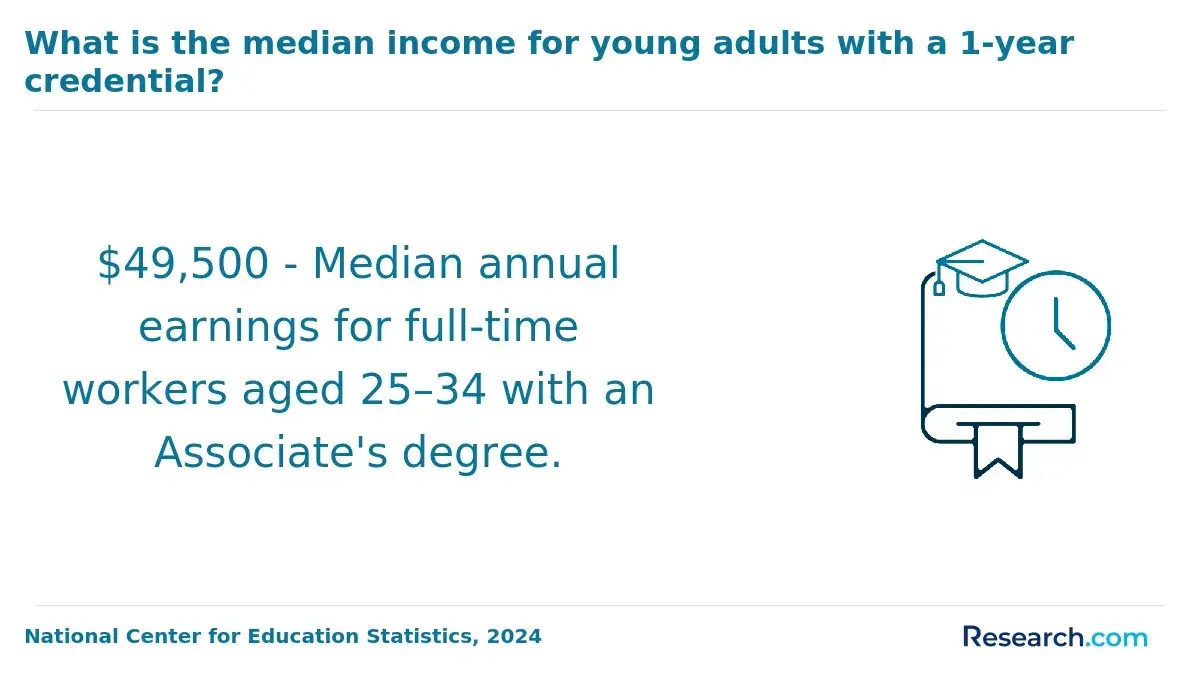
Higher-paying roles within biology demand integrating scientific expertise with technical and managerial competencies often acquired through advanced credentials. Positions such as biomedical engineers or clinical research managers illustrate this, with median salaries exceeding $90,000, driven by innovation, regulatory complexity, and leadership responsibility. By contrast, entry-level biology positions without further qualifications tend to offer median salaries near $48,000, reflecting limited upward mobility.
Environmental science careers accessible to biology graduates show a broader salary range-from $50,000 at entry to beyond $80,000 with experience and targeted graduate education-highlighting the sector's emphasis on regulatory knowledge and cross-disciplinary communication skills. Professionals must weigh tradeoffs between immediate workforce entry and the costs and time commitments of certification or graduate degrees, balancing practical career progression against educational investment.
Practical hiring trends favor candidates who combine applied technology capabilities or healthcare licensure with biology foundations, underscoring the competitive advantage of specialized skill sets in job markets concentrated in pharmaceutical and biotechnology hubs.
For those considering a pivot toward advanced study or diversifying their expertise, exploring related fields can expand opportunities-for instance, pursuing an online library science degree may complement biology knowledge for roles involving data curation, research management, or information science within biological contexts.
How do biology salaries vary by degree level, from bachelor's to PhD?
Salary progression in biology reveals significant variation tied directly to degree level, with bachelor's versus PhD biology salary differences marking a distinct divide in earning potential and role complexity. Bachelor's holders typically enter the workforce in environmental consulting, regulatory, or government roles, where late-career salaries average around $95,000 but often cap near $65,000 to $75,000 early on. Those seeking higher starting salaries may consider specialized fields or gaining practical experience, such as through laboratory or field work, to improve entry-level compensation.
Advancing to a master's degree generally increases salaries by $10,000 to $15,000 annually, especially in biotech and clinical research sectors, where holders may occupy technical specialist or project lead positions earning $85,000 to $90,000. However, returns depend on industry segment; pharmaceutical and bioengineering sectors show steeper gains than academia. Employers expect advanced degree candidates to contribute to complex experimental design, data analysis, and regulatory compliance, skills less accessible to bachelor's-level professionals.
For prospective students evaluating biology degree level salary comparison, the PhD tier commands salaries exceeding $100,000 and access to principal investigator or senior research scientist roles with leadership responsibilities. Yet this comes with tradeoffs, including extended educational timelines and accruing debt, which require focused career alignment to justify.
Working professionals considering pivots should weigh immediate earnings against postseason advancement potential, factoring in the considerable upfront time and cost of graduate degrees. Those requiring flexible learning paths might explore environmental engineering schools online as an example of strategic alternatives within related STEM fields.
What education and training are required for popular biology-related careers?
The baseline credential for most entry-level biology positions is a bachelor's degree in biology or a closely related discipline, yet this credential alone often limits salary and advancement potential. Roles such as research assistants or laboratory technicians prioritize practical skills in data collection and analysis over technical specialization. According to PayScale, the average biologist salary in 2026 is $68,617, with entry-level salaries beginning near $55,306, signaling employer preference for candidates combining formal education with internship or applied experience.
For professionals targeting leadership or specialized scientific roles-including molecular biologists, biotechnologists, or wildlife biologists-a master's degree or Ph.D. is frequently necessary. Graduate degrees focus on research design, statistical methods, and project management, which are critical for conducting independent studies or navigating complex biological systems. In fields like clinical research and pharmaceutical development, certifications in laboratory techniques and regulatory adherence are vital for upward mobility.
Students face practical tradeoffs between the extended financial and time investments required for graduate education versus immediate entry-level employment with a bachelor's degree. Some career paths, such as regulatory affairs or environmental policy, demand interdisciplinary knowledge including law or public policy, which extends training time but expands career options. Geographic variances and employer types also impose distinct certification or security clearance requirements beyond academic credentials.
Hands-on research experience, internships, or cooperative education programs sharply improve marketability and starting salaries by providing applied skills and professional networks. Candidates lacking such exposure typically encounter slower salary growth and career development. Continuous skill renewal via workshops or short courses is critical as evolving technologies reshape biology-related occupations.
How do online biology programs compare to campus-based options for career outcomes?
Online biology degrees deliver core theoretical knowledge on par with campus-based programs but frequently lack the hands-on lab experience critical in many high-demand sectors. Employers in pharmaceutical research, environmental science, and healthcare routinely require demonstrable proficiency with lab equipment and in-person project collaboration, skills often acquired through direct mentorship or internships available primarily in traditional settings.
For example, clinical research organizations hiring biology analysts emphasize candidates with verified internships or on-site work experience, placing online graduates at a disadvantage unless they proactively secure local lab placements or engage in virtual simulations. This gap influences wage outcomes, as BLS data shows biology graduates earn a median wage near $75,000, whereas biological scientists with advanced practical experience average about $99,060 annually.
Professionals pursuing online biology degrees should consider programs integrating hybrid learning or mandatory in-person residencies to mitigate experiential shortfalls. While flexible schedules benefit working adults, those targeting biotech or environmental consulting roles often face additional certification or post-degree training requirements.
Bridging the disconnect between theoretical knowledge and applied skills is essential for aligning with employer expectations and achieving competitive salaries in biology careers. Graduates who combine an online degree with proven practical experience position themselves closer to labor market benchmarks and improve their competitiveness within specialized biology fields.
What coursework and skills in biology programs most influence hiring and salary?
The hiring landscape for biology graduates in 2026 places a premium on combined expertise in molecular biology and computational proficiency rather than purely theoretical knowledge. Candidates adept at both laboratory techniques like CRISPR gene editing and advanced data analysis using R or Python command salaries 20%-30% higher than peers limited to either wet lab or theoretical skills alone. For example, a professional fluent in clinical research protocols and statistical modeling is more competitive and likely to accelerate into leadership roles within biotech or pharmaceutical companies.
Employers emphasize interdisciplinary programs integrating biology with computer science or statistics, supplemented by project-based learning or internships that reduce the experience gap. This practical exposure often translates into faster salary growth and better hiring prospects. Conversely, curricula lacking applied skills or industry alignment tend to delay career progression and restrict opportunities.
Additional certifications in laboratory safety, clinical trial compliance, and data privacy increasingly influence recruitment and salary negotiation, especially in regulated sectors such as public health and pharmaceuticals. Documented mastery of these standards mitigates legal risks and project delays, distinguishing candidates in competitive markets.
- Practical lab skills (CRISPR, sequencing, cell culture) are scarce and highly valued.
- Dual fluency in biological techniques and computational methods boosts employability.
- Programs emphasizing applied learning align better with employer demands.
- Regulatory certifications impact negotiation leverage and job security.
What are typical tuition costs and financial aid options for biology degrees?
Tuition for biology degrees presents a complex financial landscape with direct career implications, requiring critical evaluation beyond sticker prices. Public in-state programs typically charge around $10,000 annually, with out-of-state tuition roughly doubling this cost. Private institutions often exceed $35,000 per year, and graduate programs at research-heavy universities can surpass $40,000 annually, intensifying the debt burden for students.
Financial aid often comes from federal grants like the Pell Grant, which offers up to $7,395 to eligible undergraduates, as well as work-study opportunities that depend heavily on institutional budgets. Federally subsidized Stafford loans provide between $5,500 to $12,500 yearly based on enrollment status, but loans remain the primary mechanism for bridging gaps. Targeted scholarships are available but tend to favor applicants demonstrating research aptitude or high academic achievement.
A working professional pursuing a part-time biology degree must weigh employer tuition reimbursement constraints and extended debt repayment timelines, contrasting with traditional full-time students who may endure immediate financial strain but can access campus resources enhancing employability. This tradeoff affects how quickly graduates can enter or re-enter the biology workforce with competitive positioning.
Current salary trends in life sciences have not caught up with rising tuition, placing pressure on students to prioritize financial aid and prudent program choices to avoid disproportionate debt burdens that do not translate into immediate salary gains.
- Public in-state biology tuition: ~$10,000/year
- Out-of-state tuition: approximately double in-state
- Private institutions: typically over $35,000/year
- Graduate biology programs: exceeding $40,000/year at some research universities
- Pell Grant federal aid: up to $7,395 for eligible students
- Federal Stafford loans: $5,500-$12,500 annually depending on status
What is the job outlook and industry demand for biology and life science careers?
Biology and life science roles are growing faster than average, driven by demand in biotechnology, pharmaceuticals, healthcare, and environmental sectors. Employment for life scientists is projected to increase by 8% from 2024 to 2034, but the key differentiator in hiring is practical laboratory experience and technical skills rather than theory alone. For instance, a biologist in pharmaceuticals must not only understand scientific data but also navigate regulatory frameworks and manage project timelines.
Salary outcomes vary widely, with averages around $82,000 annually but ranging from $43,000 at entry-level to over $107,000 for experienced specialists. Industry and geography heavily influence these figures, and transitioning into leadership or specialized research roles typically requires additional training beyond a bachelor's degree.
Prospective biologists should weigh the costs and time commitment of graduate education against job market demands. Bachelor degrees enable entry, but independent research roles generally need master's or doctorate credentials. Integrating internships or certifications and building professional networks during undergraduate studies significantly improve employability and guard against low-wage stagnation.
- The industry favors candidates demonstrating applied skills and regulatory knowledge.
- Salary dispersion reflects varying sectors and career stages.
- Graduate education is often necessary for advancement but presents a financial and temporal tradeoff.
How can students choose an accredited, reputable biology program that maximizes earnings?
Programs lacking regional accreditation or meaningful industry ties create tangible risks for biology graduates, including limited access to federal aid and reduced market competitiveness. Accreditation, such as from the Council for Higher Education Accreditation or the U.S. Department of Education, safeguards curriculum quality and ensures eligibility for critical financial support, factors directly influencing return on investment.
Graduates emerging from biology programs with established partnerships that embed internships or collaborative research with biotech, environmental consulting, or pharmaceutical sectors consistently report starting salaries at or above the $57,325 national average noted by Jobted. Conversely, those from isolated programs frequently enter the workforce with salaries below this threshold, reflecting a clear divide linked to employer engagement.
When comparing a curriculum that integrates strong lab facilities and industry advisory boards versus one centered on theory without external input, outcomes diverge sharply. The former better prepares students to secure specialized roles commanding salaries exceeding $100,000, evidencing the practical value of applied learning and real-world networking.
Additional considerations include the availability of STEM support services and alumni networks, which facilitate job market navigation. Nationwide demand also indicates that supplemental certifications or graduate degrees markedly enhance salary potential, making it essential to evaluate whether biology pathways provide these advancement options.
Other Things You Should Know About Biology
Advanced degrees can increase earning potential but only in specific biology subfields such as biotechnology, pharmaceuticals, or research science. Candidates should weigh the cost and time of graduate school against job market demand in their specialty. In many cases, practical experience or certifications can offer more immediate salary benefits than additional degrees. Prioritize graduate programs with strong industry ties and clear career placement records to ensure a financial return on investment.
Specialization significantly impacts both job availability and salary. For example, molecular biology and bioinformatics are in higher demand and tend to pay better than general biology or ecology roles. Students should target specializations aligned with market needs and technological growth, as these will improve hiring prospects and long-term earnings. Broad biology knowledge is less valued than niche expertise backed by relevant skills and applied experience.
While experience is valuable, most biology employers require at least a bachelor's degree for technical roles due to the complexity and regulatory nature of the work. Experience gained through internships or research assistantships during study programs offers the best pathway to entry-level employment and salary growth. For mid-career shifts, hands-on experience combined with certifications can sometimes replace advanced degrees, but this varies widely by employer and job function.
Workload and practical training in biology programs significantly impact salary expectations for new graduates. Intense training increases proficiency, enhancing employability and salary prospects. Employers in biology fields often value practical experience; thus, graduates with extensive hands-on training are more likely to secure higher-paying positions directly after completing their studies.
References
- Biology Degree Careers and Salary in Europe - StudyinEurope.eu https://www.studyineurope.eu/biology/biology-degree-careers-salary-europe/
- Top 20 Biology Programs for High School Students (2026 Guide) https://pioneeracademics.com/news/top-20-biology-programs-for-high-school-students-guide/
- CourseCareers https://coursecareers.com/blog-posts/college-vs-online-career-training
- Bioinformatics Salary Guide 2026 https://www.compbiojobs.com/salary-guide
- Hays Poland Salary Guide 2026 | Overview - Hays Salary Guide PL - Hays PLC https://www.hays.pl/en/web/hays-salary-guide-pl/overview
- Highest Paying Biology Degree Jobs in the UK | Royal Open College https://royalopencollege.org/blog/biology/highest-paying-biology-degree-jobs-uk/
- Turn Your Passion for Science Into a Rewarding Career With a Biology Degree - UNCF https://uncf.org/the-latest/a-biology-degree-can-open-the-door-to-life-and-living
- A Guide to Salaries & Trends – discover the average salary in Poland! | Michael Page Poland https://www.michaelpage.pl/en/news-and-research-centre/studies/our-salary-factsheets
- Entry Level Biology Jobs (with Salaries) - SEEK https://au.seek.com/entry-level-biology-jobs
- Scientific salary guide 2026 https://www.reed.com/tools/scientific-salary-guide-2026