2027 Biology Specializations With the Strongest Salary Growth

Co-Founder and Chief Data Scientist
Professionals and students in biology increasingly face a complex dilemma: selecting a specialization that not only aligns with their scientific interests but also maximizes salary growth amid shifting labor demands. According to the U.S. Bureau of Labor Statistics, biotechnology and genetic counseling roles are among the fastest growing, with projected wage increases outpacing many traditional biology careers. This trend signals a divergence in long-term economic opportunity linked to specialization choice, intensified by growing online education options that expand access but vary widely in employer recognition. Understanding which biology specializations deliver sustainable salary growth is critical for strategic educational investment and informed career pivots.
This article identifies the biology specializations with the strongest salary growth and offers insight into how these choices can optimize career advancement and financial returns.
Key Things You Should Know
- Quantitative biology specializations tied to bioinformatics hold 16% salary growth through 2028 according to the U.S. Bureau of Labor Statistics, yet require intensive interdisciplinary training, increasing time and cost barriers for entry.
- Demand for environmental biology experts in climate resilience fields drives employer preference for candidates with field experience and certification, shifting hiring from purely academic credentials to applied skillsets.
- Biomedical research specializations linked to gene editing show median salaries rising 18% in 2025-26, but growth concentrates in major metropolitan hubs, limiting geographic flexibility for many professionals.
Which biology specializations currently show the strongest salary growth and earning potential?
Molecular and cellular biology specializations exhibit some of the most pronounced salary growth and earning potential among biology fields in the US, driven by projected employment growth of 6% from 2024 to 2034. Biochemists and biophysicists, for example, reported a median annual wage of $103,650 in May 2024, surpassing averages across many biology career paths. This aligns with industry demands within pharmaceutical companies, government research labs, and biotech startups where advanced expertise in genetic engineering and proteomics directly impacts funding and project outcomes.
For those weighing biology specializations with highest salary growth in the US, molecular-focused careers require candidates to have advanced degrees and relevant lab experience, imposing a higher entry barrier compared to ecological or organismal biology. Without cutting-edge technical skills and practical training, candidates risk slower salary progression and limited job options. Conversely, workers in personalized medicine roles utilizing gene editing demonstrate how specific skillsets can command premium compensation by meeting immediate market needs.
Maintaining upward mobility in molecular biology roles demands continuous skill development in computational biology and high-throughput screening, as employers increasingly prioritize multi-disciplinary abilities that combine data analysis with experimental design. Professionals neglecting these competencies face stagnation despite their degree level.
For a broader perspective on top paying biology careers with strong earning potential, consult this curated list of 20 careers in biology salary that contextualizes practical outcomes across the field.
What biology careers offer the highest starting salaries and long-term income trends?
Within biology careers with highest starting salaries, bioinformatics and computational biology distinctly outperform traditional disciplines due to the integration of data science skills. UK salary data projects a growth from £52,500 to £57,500 between 2024 and 2026 for computationally skilled roles, reflecting a 9.5% increase amid strong demand in biotech and pharmaceuticals. This trend aligns with U.S. labor market dynamics, where candidates proficient in coding, statistics, and data analysis targeting genomic data interpretation or drug discovery often start above $70,000.
By contrast, traditional biology professions such as ecology or conservation frequently begin in the $40,000 to $50,000 bracket and encounter slower salary growth driven by limited private sector investment and tighter funding. This creates a practical tradeoff: computational biology requires upfront technical training but offers faster income growth and job stability, especially as employers prioritize candidates capable of managing and interpreting large biological datasets for applications from precision medicine to agricultural technology.
Long-term income trends in biology professions demonstrate that mid-career pivots demand targeted skill acquisition-Python, R, or machine learning combined with biology fundamentals-to navigate this landscape effectively. Professionals considering such transitions should also evaluate affordable, flexible educational options, including the cheapest online data science masters, to offset the initial investment while aligning with evolving employer expectations.
How does salary growth compare across key biology degree levels and pathways?
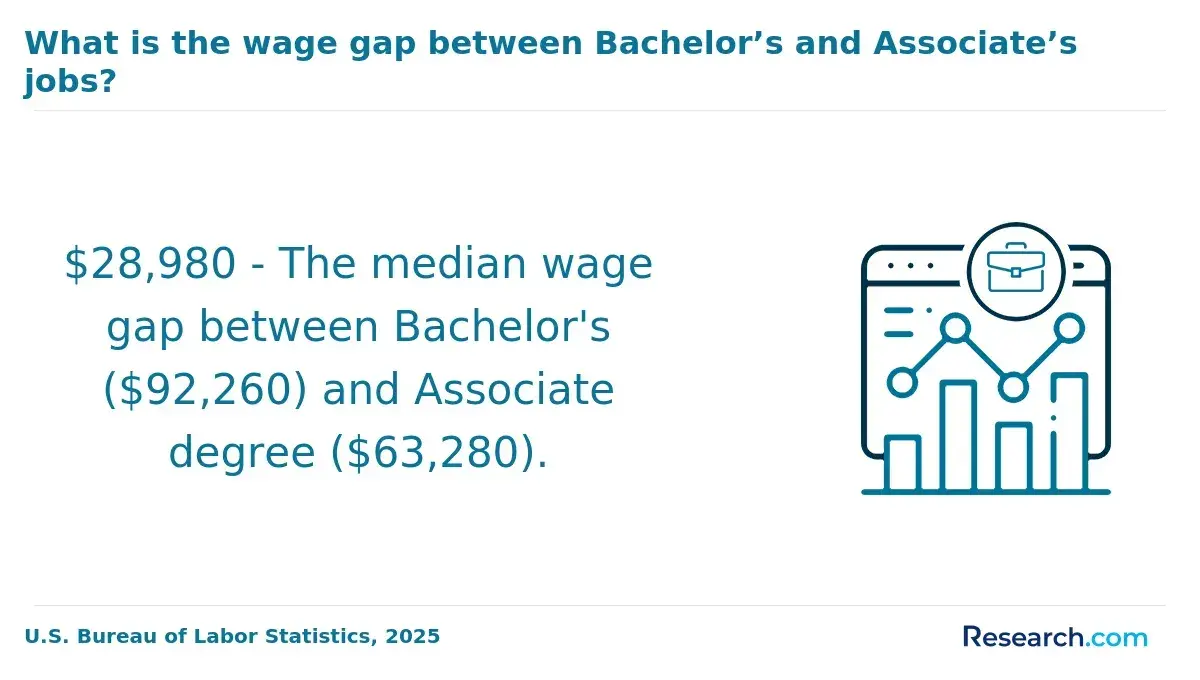
Salary growth in biology degree pathways diverges sharply based on the level of education and specialization by 2026. Professionals with only bachelor's degrees generally start with salaries between $65,000 and $90,000, primarily in roles centered on routine lab work, environmental science, or education. These entry-level positions often offer limited potential for rapid salary increases due to their generalized nature.
In contrast, pursuing a master's or doctoral degree-particularly in specialized fields like biotechnology or bioprocess engineering-can boost salaries well beyond $100,000, sometimes reaching $150,000. This reflects employer demand for advanced technical skills, regulatory knowledge, and leadership, especially in sectors such as pharmaceutical companies, government research labs, and biotech startups. Professionals with advanced degrees often take on responsibilities in product development, manufacturing optimization, or compliance, positions that command premium pay as seen in biology degree levels and salary comparison reports.
The decision to invest in graduate education involves weighing practical challenges like time, cost, and balancing research with acquiring relevant data science or regulatory skills. Employer tuition assistance and targeted fellowships may ease this burden. For mid-career professionals, an advanced degree paired with internships or project experience offers measurable ROI, allowing faster transitions into leadership or specialist roles.
For those still exploring foundational steps, considering a nutrition degree online can provide flexible, accessible background knowledge applicable in biological sciences career pivots.
What education and training are required for high-growth, high-salary biology roles?
High-paying roles in biology, especially within genomics and precision medicine, demand more than a general biology degree; employers routinely require advanced credentials. Research-intensive positions typically ask for at least a master's degree in molecular biology, genetics, bioinformatics, or related fields, emphasizing expertise in advanced lab techniques like CRISPR gene editing, next-generation sequencing, and computational data analysis. A PhD is often a practical necessity for independent research or leadership roles, particularly in academic or biotech sectors where responsibilities include experiment design and publishing results.
Real-world career paths also clarify why these biology degree requirements for high-paying jobs extend beyond coursework. Candidates must acquire hands-on experience with specialized equipment and statistical software, frequently gained through internships, certificate programs, or extended research roles. For example, professionals in precision medicine develop skills integrating genomic data with clinical trial design, enabling them to contribute to patient-specific treatments in healthcare or pharmaceutical companies.
Salary data reinforces this demand: biological scientists in these advanced specializations earn mean wages near $99,060, surpassing the biology median by over 30%. This wage gap aligns with employer preferences for candidates skilled in both wet lab procedures and data science methods-capabilities entry-level bachelor's holders usually lack. Prospective students should consider the tradeoffs between the cost and duration of graduate education versus the financial premium it yields.
Programs that combine computational and biological sciences or offer accelerated master's degrees improve return on investment by reducing time-to-employment while broadening interdisciplinary qualifications. Those evaluating such pathways may also consult resources like the library science degree rankings to compare affordability across fields.
Advanced training programs for lucrative biology careers consistently prioritize practical, research-centered skills to balance market demand with realistic career outcomes.
How do online biology programs compare to campus options for career and salary outcomes?
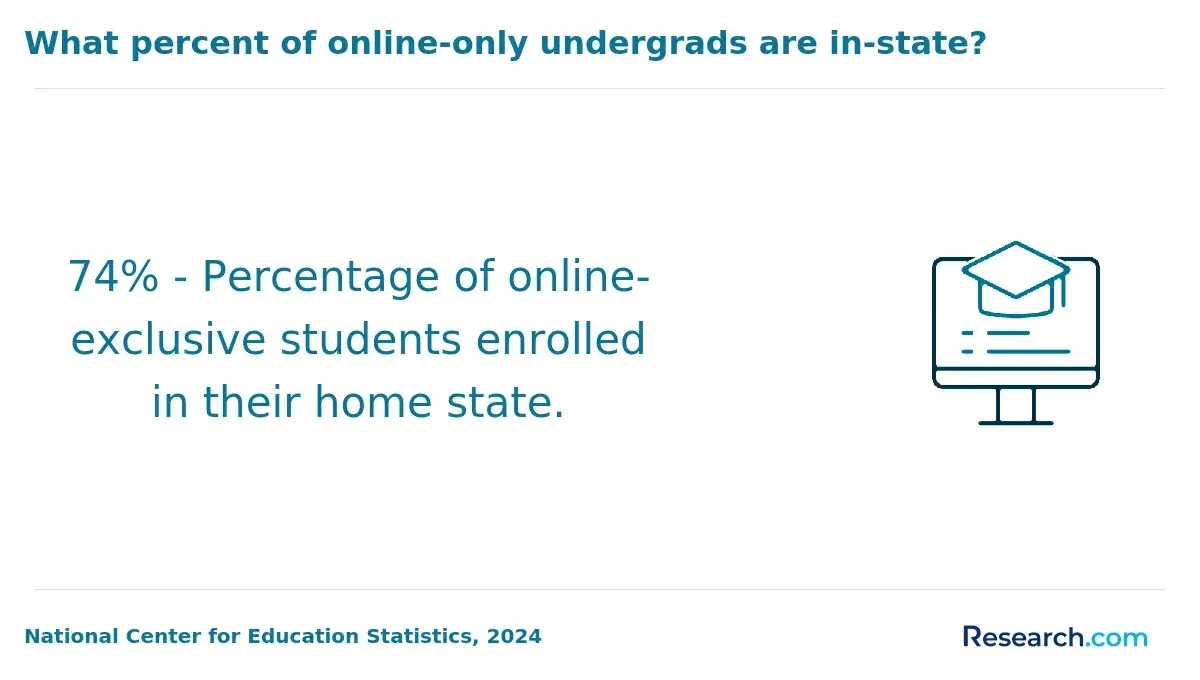
Career outcomes for online biology graduates closely mirror those of campus-educated peers but depend heavily on specialization and demonstrated competencies. For instance, graduates focused on systems biology or quantitative biology benefit from rising employer demand for advanced data skills, supported by a 7.3% salary increase from $60,719 in 2024 to $65,158 in 2026 per Zippia's Biologist Salary by Year data.
However, the primary challenge for online learners remains access to hands-on lab experience, which employers in biotech R&D and research-intensive roles prioritize. Without in-person residencies or local lab partnerships, online graduates risk gaps in practical skills that influence hiring decisions and starting salaries.
Employers in healthcare, environmental biology, or bioinformatics further expect tangible project and teamwork experience often integrated into campus internships and collaborations. Online students must proactively secure such opportunities to avoid comparative disadvantages.
Key decision factors include:
- Availability of local lab access or program-supported residencies
- Ability to independently develop professional networks and project experience
- Balancing flexibility with requirements for experiential learning
Remote programs suit students seeking to enhance quantitative biology expertise but require strategic supplemental efforts to match campus-trained graduates' practical readiness and long-term earning potential.
Which biology specializations have the most favorable job outlook and industry demand?
Synthetic biology and bioengineering represent the clearest pathways within biology for securing top-tier industry roles, with senior positions routinely exceeding $120,000. This earning premium stems from specialized skills in gene editing, synthetic DNA design, and bioprocess optimization-capabilities that many general biology graduates lack. Employers in biotech hubs such as Boston and San Francisco prioritize candidates who combine rigorous technical training with familiarity in regulatory frameworks and laboratory tools.
Those entering genomics or computational biology should anticipate a demand for cross-disciplinary expertise in software development and data science, which complicates direct entry and elevates the education threshold. For mid-career professionals, pursuing targeted certifications or graduate studies focused on synthetic biological systems accelerates labor market access but often requires relocation and investment in hands-on experience with CRISPR and biosensor technologies.
Practical challenges include aligning education with industry-specific tools and building interdisciplinary networks in geographic clusters while managing the tradeoff between technical depth and workforce mobility. Candidates without these practical competencies face diminished employability despite broad biology knowledge. Navigating these realities is essential to optimize job market positioning and salary trajectories through 2026 and beyond.
What accreditation and program quality indicators matter most for biology specializations?
Graduates from biology programs lacking recognized accreditation and specialized endorsements face immediate limitations in employer acceptance and wage potential. For example, a student with an ABET-accredited bioinformatics degree or a microbiology track endorsed by the American Society of Microbiology will generally find stronger employer alignment than one from a generalist, non-accredited program. Employers expect validated coverage of core competencies and ethical training relevant to advanced roles, especially within regulated environments.
Key distinctions in program quality are evident in faculty engagement with active research funding and publication, which maintain curriculum currency in dynamic fields such as environmental and climate biology. Programs integrating fieldwork, internships, or partnerships with agencies demonstrate a measurable advantage in graduate employability, equipping students with essential hands-on skills.
- Zoologists and wildlife biologists reported a median annual wage of $72,860, according to U.S. Bureau of Labor Statistics data cited in the Wysebridge 2026 guide, reflecting selectivity in hiring toward candidates with applied field expertise.
- Programs omitting transparent outcome metrics-employment rates, employer feedback, certification success-present risks to prospective students evaluating return on investment.
- Selecting programs aligned with niche labor market demands avoids investing in under-differentiated generalist curricula that impede access to specialized roles.
Professionals pivoting into biology must weigh these factors carefully: accreditation and specialized endorsements matter significantly, as do demonstrable applied learning opportunities and transparent program results, to avoid constrained career progression and wage stagnation.
What core courses and skills lead to the strongest salary growth in biology?
Salary growth in biology strongly favors specialization in neurobiology, physiology, and medical biology, with roles such as pharmacists and oncologists earning substantially higher wages-median salaries in these positions range from $125,510 to $232,048 annually. Employers demand more than theoretical knowledge; practical skills in experimental design, data analysis, and clinical trial procedures are critical, especially for roles requiring hands-on research and patient interaction.
For example, a clinical research coordinator in oncology must integrate neurophysiological expertise with rigorous data protocols to effectively evaluate drug efficacy. Candidates without this specialized training encounter limited advancement opportunities and lower salary ceilings compared to peers with clinical and neurobiology-focused education.
Key educational components include
- Advanced coursework in neurobiology and human physiology to grasp disease mechanisms.
- Biostatistics and bioinformatics training to manage and interpret complex biological data.
- Laboratory proficiency in molecular techniques relevant to pharmacology settings.
- Clinical internships that offer real-world exposure to medical protocols and patient care.
These areas require longer, more costly education but align closely with higher-paying career trajectories. Students must carefully consider the tradeoff between investing additional time and money against the salary premiums and employment stability offered by these specialties, especially as many employers prioritize candidates combining strong theoretical foundations with practical clinical experience.
What licenses, certifications, or graduate credentials boost earnings in biology careers?
Advanced graduate credentials such as master's or Ph.D. degrees in immunology, molecular biology, or bioinformatics significantly expand earning and job role potential beyond typical biology positions. Candidates with these qualifications often secure research-intensive or leadership roles where salaries surpass $150,000, especially within infectious disease biology-a sector consistently ranked among the highest paying in biology by Nexford University's 2024-2025 analysis. Clinical licenses and certifications, including designations like Certified Biological Safety Professional (CBSP) or clinical laboratory scientist licensure, provide tangible salary premiums by enabling access to regulated, higher-responsibility roles in healthcare environments.
Employers consistently prioritize applicants who can demonstrate applied expertise via credentials, a preference apparent in pharmaceutical development, biomedical research institutes, and public health agencies. For example, licensed clinical laboratory scientists transition well into hospital settings, routinely receiving salaries well above entry-level biologist roles. Yet, pursuing these credentials involves practical tradeoffs such as extended training time and income interruptions during education. The accelerated salary and position advancements post-certification, however, often compensate for these initial costs.
Without graduate degrees or certifications, progression typically stalls at senior technician or research assistant levels. Conversely, credentialed professionals access specialized fields like biotech patent law, regulatory consulting, or epidemiology, all of which require such qualifications and offer corresponding compensation benefits. Decision-making must weigh education cost and duration against expected income growth in biology careers with strategic emphases on clinical practice, immunology, or epidemiology.
How can students choose a biology program aligned with salary and career goals?
Choosing a biology program without assessing its integration of quantitative skills significantly limits future salary growth and employability, especially within STEM-related biology fields. Graduates specializing in areas such as quantitative ecology can earn nearly double the lifetime income of typical biology majors, primarily because these programs develop critical data analysis, statistical modeling, and computational competencies valued in the current job market.
For example, a conservation biology student lacking proficiency in programming or GIS tools will likely face restricted opportunities compared to peers versed in these technologies. Employers increasingly expect candidates to apply technical skills within environmental consulting, wildlife management, and bioinformatics.
Practical factors like graduate placement rates in government agencies or NGOs often reveal program relevance more effectively than generic rankings. Students balancing interest and aptitude must weigh the more demanding math and coding requirements of STEM-intensive biology degrees against the broader but less technical options, which tend to offer less salary leverage.
To optimize outcomes, prospective students should:
- Choose programs emphasizing quantitative methods that match industry trends and job growth areas.
- Seek access to internships or applied research opportunities demonstrating practical skill sets.
- Examine alumni outcomes tied to consistently hiring sectors.
- Build technical proficiencies such as programming and data analytics alongside biology knowledge.
Other Things You Should Know About Biology
Biology specializations linked to faster salary growth frequently involve stricter academic and technical demands, including heavy lab work, extensive data analysis, or interdisciplinary integration with fields like computer science and chemistry. Students and professionals should expect longer hours and a steeper learning curve, especially in specializations such as bioinformatics or molecular biology, which require mastering both biological concepts and advanced computational skills. Balancing this complexity against potential earnings requires careful assessment of one's aptitude and willingness to invest in continual upskilling.
Biostatistics and computational biology usually pay the highest entry-level salaries, often starting around $70,000 to $95,000 in the United States. Employers typically expect a bachelor’s degree in biology plus strong statistics or Python/R skills, and some research jobs require an NIH- or NSF-funded lab background.
Specializations heavily reliant on current technology trends risk obsolescence if those technologies evolve or decline, making adaptability a crucial factor. For instance, expertise in CRISPR gene editing offers strong short-to-medium term opportunities but requires ongoing education to remain competitive. Broader specializations like ecology or physiology can provide more transferability across roles but usually feature slower salary growth. A balanced approach combines specialized technical skills with foundational biology knowledge to maximize both growth and adaptability.
Deciding on specialized graduate programs should involve realistic evaluation of post-degree employment rates in targeted fields and the program's industry connections. High-cost, niche specialties may not justify investment if the job market is limited or competitive. Also, consider programs that offer internships or partnerships with employers, as these directly impact employability and salary growth. Prioritizing programs with strong outcome data, rather than prestige alone, leads to better career returns in biology.
References
- Biology Bachelor's Degree | Salem University Career Paths & Flexible Programs https://www.salemu.edu/biology-bachelor-degree-career-paths-salem-university/
- Top 6 High Salary Courses After 12th Science Biology | TAU https://apollouniversity.edu.in/blog/high-salary-courses-after-12th-science-biology/
- 5 fascinating career paths for biology majors https://www.ecologyproject.org/post/5-fascinating-career-paths-for-biology-majors
- Top 10 Highest Paying Jobs With A Biology Degree 2025 (Inc Salaries) | Nexford University https://www.nexford.edu/insights/highest-paying-jobs-with-biology-degree
- Biology Degree Careers and Salary in Europe - StudyinEurope.eu https://www.studyineurope.eu/biology/biology-degree-careers-salary-europe/
- Biomedical Science vs Other Degrees Comparison https://pathologylabtraining.co.uk/biomedical-sciences/degree-comparison
- Highest Paying Biology Degree Jobs in the UK | Royal Open College https://royalopencollege.org/blog/biology/highest-paying-biology-degree-jobs-uk/
- How To Become A Biologist | Biology Degrees And Careers https://www.learnhowtobecome.org/science-technology-careers/biology/
- What Can You Do With a Biology Degree? https://willamette.edu/academics/college/biology/career-options
- Biologist Salary - How Much Can You Really Earn? https://www.superprof.ca/blog/salary-for-biology-jobs/