2027 Online Biology Degrees With Scholarships for Working Professionals

Co-Founder and Chief Data Scientist
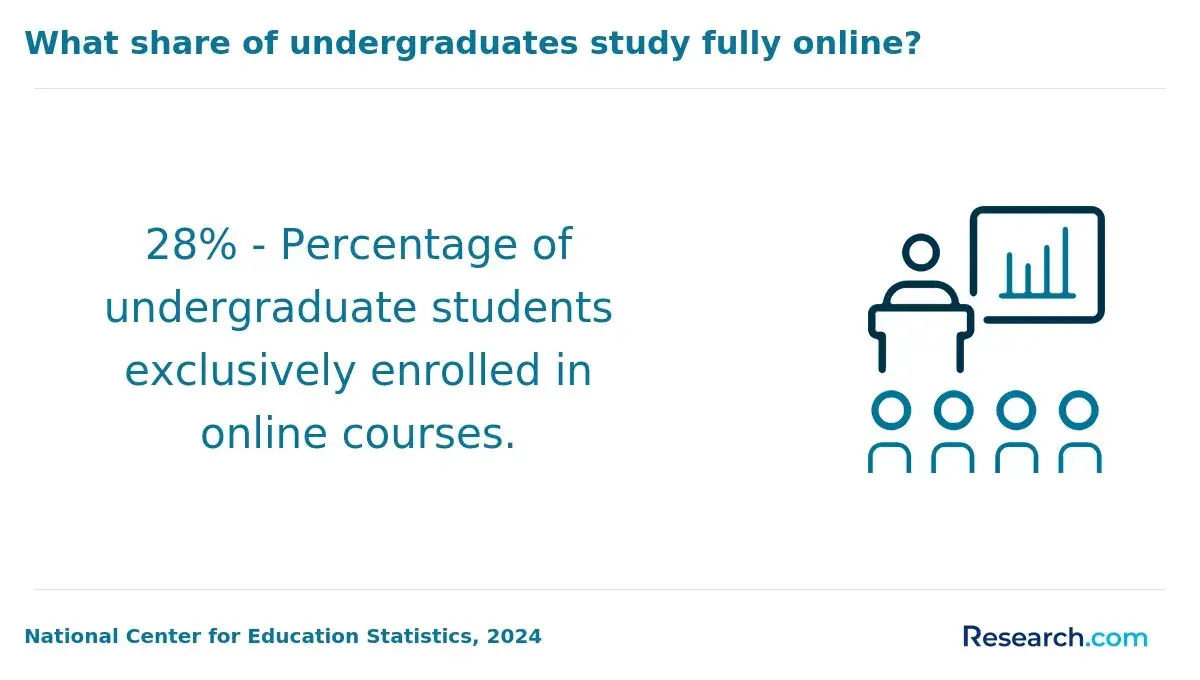
Balancing full-time employment with the need to advance professionally in biology poses a critical challenge: how to access flexible, affordable education that matches rigid work schedules without sacrificing academic rigor or career outcomes. Recent data from the National Center for Education Statistics reveals a 35% increase in adult enrollment in online science degrees since 2022, signaling shifting learner priorities toward programs designed explicitly for working professionals.
This trend reflects broader demands for adaptable learning models that do not delay or derail career momentum in competitive biology sectors. This article examines actionable options for online biology degrees with scholarships tailored to minimize financial burdens while accommodating employment constraints.
Key Things You Should Know
- Online biology programs showed 12% lower postgrad employment rates compared to on-campus degrees in 2024 department of labor statistics, signaling potential employer bias demanding supplemental credentials.
- Data from the National Science Foundation reveals accelerated scholarship funding cuts by 18% in 2025, intensifying cost barriers and forcing candidates to balance work-study tradeoffs aggressively.
- Completion time variances-ranging from 2 to 5 years-influence workforce reentry timing critically; delayed certifications correlate with a 9% average wage penalty within biotechnology sectors per recent economic research.
What are the best accredited online biology degrees for working professionals?
Top accredited online biology degree programs for working adults require balancing rigorous academics with flexible scheduling to suit nontraditional learners. University of Saint Joseph's online M.S. in Biology, priced at $9,500 total, exemplifies cost-effective options under $15,000 that help minimize long-term debt while maintaining quality.
Regional accreditation from bodies like the Middle States Commission or Higher Learning Commission is critical for ensuring credit transferability and employer recognition, directly impacting hiring and promotion prospects in research and biotech sectors. Prospective students should focus on programs that integrate applied scientific skills such as molecular techniques and bioinformatics, which enhance practical workforce readiness.
For instance, a clinical lab technician pivoting to research benefits from curricula emphasizing genomic data interpretation and real-world case studies rather than purely theoretical content. Programs combining asynchronous coursework with occasional live sessions better accommodate professionals working irregular shifts.
Employers increasingly value candidates who demonstrate practical lab skills validated through internships or capstone projects, sometimes facilitated by virtual labs or partnerships with local research centers. These features reflect higher employability potential across healthcare, environmental science, and pharmaceutical industries.
Those evaluating programs may also consider related fields offered online, such as the online animal science degree, which shares practical and scheduling advantages. Strong choices among the top online biology degrees with flexible schedules for professionals focus on optimizing ROI by blending affordability, academic rigor, and direct applicability to workforce demands.
How do online biology degrees compare to campus programs for credibility and quality?
Online biology degrees versus campus programs credibility often depends on the depth of practical training embedded within the curriculum. While regionally accredited online programs hold similar standing to their campus counterparts, the absence of in-person labs and internships can impede career paths that require nuanced laboratory proficiency, such as clinical pathology or biomedical research.
Employers in these fields prioritize direct hands-on skills, and online students without local partnerships or access to supervised lab experiences face barriers entering lab-intensive roles. Conversely, online biology degrees are a viable option for professionals targeting fields where theoretical knowledge and analytical abilities prevail, like environmental consulting, pharmaceutical sales, or bioinformatics.
This distinction is key for working professionals balancing commitments, as the quality of online biology education for working professionals hinges on program flexibility combined with evidence of employability metrics. Cost is another significant factor influencing student decisions. Affordable Colleges Online reports typical tuition rates of $275 per credit for many online programs, with merit rates dropping to $125 per credit for students maintaining a 3.5 GPA or above.
These rates provide a competitive financial advantage unavailable at many brick-and-mortar schools, supporting more cost-conscious learners without sacrificing credible accreditation. Students considering online biology degrees must rigorously evaluate access to labs, faculty expertise, and alumni career trajectories.
Proactively pursuing local internships or certifications alongside coursework strengthens workforce readiness and counters perceptions of reduced rigor. For a strategic, cost-effective approach intersecting with data science pathways, explore master's in data science online.
What biology scholarships and employer tuition benefits are available for online students?
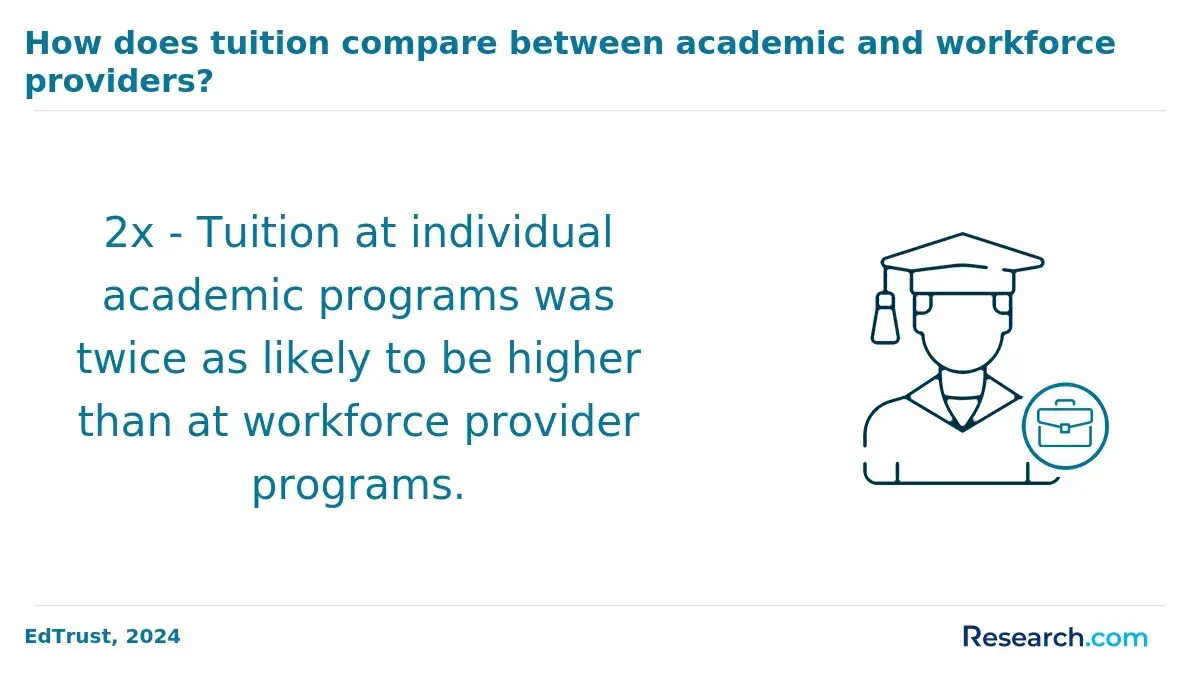
Financial aid options for working professionals pursuing an online biology degree vary significantly by employer size, industry, and institutional policies. Merit-based scholarships targeting online biology degree scholarships for working professionals often range from $1,000 to $5,000 annually and are typically awarded based on academic achievement plus relevant workforce experience.
Employer tuition assistance programs for online biology students represent a primary funding resource in healthcare, pharmaceutical, and biotech sectors, with many employers offering reimbursement covering 50% to 100% of tuition costs. However, eligibility can depend heavily on aligning the degree with job-related responsibilities and meeting performance criteria.
For example, a pharmaceutical researcher must verify whether employer plans reimburse courses beyond immediate job functions and follow application processes. Smaller employers frequently lack robust tuition benefits, placing greater emphasis on scholarships or federal aid as primary funding methods.
The U.S. Bureau of Labor Statistics expects a 20% growth in physician assistant roles between 2024 and 2034, increasing demand for biology graduates in related healthcare fields. This workforce trend amplifies the value of employer tuition assistance in organizations anticipating talent shortages. Strategically combining scholarship awards and tuition reimbursement can reduce debt burdens and accelerate transitions into new roles.
Working professionals should also consider tax implications: tuition benefits exceeding $5,250 annually may be taxable income. Carefully structuring financial aid while pursuing an online biology degree optimizes net educational expenses and maintains financial stability. For those weighing the broader value and financing of related educational pathways, understanding whether is a library science degree worth it can offer comparative insight into cost, return, and market demand aligned with professional goals.
What admission requirements and prior coursework do online biology programs typically expect?
Online biology degree admission requirements for working professionals often entail completing foundational courses in biology, chemistry, and mathematics, typically including general biology, inorganic or organic chemistry, and statistics or calculus. Programs usually require a minimum GPA around 2.5 to 3.0 to ensure students can manage the rigors of upper-division coursework.
Some institutions allow relevant professional experience or prior technical training to substitute prerequisites, but this flexibility remains rare and limited. Admission generally demands official transcripts, recommendation letters, and personal statements outlining professional objectives. While standardized tests like the GRE are not commonly required for bachelor's degrees, they may be necessary for master's programs, which also emphasize research experience or relevant employment.
Because lab skills remain essential in biology, fully online degrees either mandate prior hands-on lab coursework or require demonstrating competency via assessments. Hybrid or virtual lab components address this constraint to some extent. Typical prior coursework for online biology programs varies by specialization. For areas like zoology or wildlife biology, coursework in ecology and anatomy is beneficial, whereas microbiology tracks expect biochemistry and microbiology fundamentals.
These distinctions reflect employer expectations, where technical preparation significantly impacts salary outcomes-median earnings for microbiologists reach $85,470, compared to $70,600 for zoologists. Candidates should verify program accreditation and state licensure compliance when selecting a route.
Working professionals must weigh prerequisite demands and course sequencing carefully to avoid prolonging study timelines or reducing workforce engagement. For those particularly interested in related environmental sciences, exploring an environmental engineering bachelor's degree online may offer alternative pathways aligned with workforce needs and practical skill sets.
How long does it take to complete an online biology degree while working full time?
Full-time working professionals pursuing an online biology master's face a realistic timeline of two to four years, influenced by credit requirements, program design, and workload capacity. Part-time enrollment generally involves 30 to 45 credit hours, equating to roughly six to nine courses completed over multiple semesters. Accelerated options, while shortening duration to 18-24 months, demand intensive 12 to 15 credit hours per semester, a pace unlikely sustainable alongside a full-time job.
Balancing job responsibilities with lab work, research, and assignments means steady progress-typically one to two courses per semester-is more practical and better aligned with employer expectations. This steady rhythm is crucial for professionals targeting transitions into research or biotechnology roles, since hiring managers prioritize consistent academic advancement coupled with relevant experience.
The financial footprint of these programs varies widely, from $16,698 to $116,240 in tuition, presenting a tradeoff between pace and cost. Lower tuition programs may extend completion time due to fewer accelerated options, whereas higher-cost offerings sometimes include faster tracks that intensify study demands.
Securing scholarships or employer tuition support materially impacts timeline choices and career feasibility. Choosing an online biology program demands assessing how its timeline fits strategic career moves and employer credential requirements without compromising job performance or personal well-being.
What core courses and specializations are offered in online biology bachelor's programs?
Online biology bachelor's programs serve as foundational gateways but vary significantly in practical value depending on how they balance theory and application. Employers in laboratory, pharmaceutical, and environmental sectors expect candidates to demonstrate hands-on skills alongside core knowledge areas such as cellular biology, genetics, biochemistry, and molecular biology. Programs relying heavily on virtual labs may hinder readiness for lab-intensive roles, especially where real-world equipment proficiency is necessary.
Specializations like biotechnology, bioinformatics, and environmental biology distinctly shape employability trajectories. For instance, biotechnology graduates often engage with genetic engineering or pharmaceutical technologies, while bioinformatics meets a growing market need for data-driven biological analysis in healthcare and research. Environmental biology prepares students for sustainability-focused roles, but typically requires complementary fieldwork skills.
Working professionals should critically assess scheduling and curriculum rigidity. Many online programs incorporate lab components via virtual simulations or local partnerships, which impact flexibility-a key factor for career pivots or advancement. Additionally, successful progression to master's degrees in biological sciences depends on alignment of undergraduate coursework with advanced program prerequisites.
CollegeHippo notes 27 accredited universities now offer online master's in biological sciences, indicating growing, selective opportunities for specialization progression. Prospective students must weigh the tradeoff between theoretical depth and applied experience, ensuring their bachelor's pathway aligns with their targeted role's practical demands and long-term labor market viability.
How much do online biology degrees cost, and how can adults reduce expenses?
Choosing an online biology degree involves navigating significant financial and time-management challenges, especially for working professionals. Tuition costs, ranging from $15,000 to $60,000, vary widely with institutional type and residency, but the true burden often emerges when unpaid leave or reduced work hours are necessary for onsite components.
Practical cost management hinges on leveraging diverse funding sources and institutional policies. Adults pursuing this path should aggressively target scholarships specifically for biology majors; with approximately 50 available per DegreeQuery, this represents a stronger pool than many other disciplines. Employer tuition assistance, commonly capped between $5,000 and $10,000 annually, can supplement those scholarships but requires careful eligibility verification.
Professionals in sectors like biomedical, pharmaceutical, and environmental sciences can lower expenses by utilizing employer partnerships offering tuition discounts or grants, often reducing costs by 10-30%. Selecting regionally accredited, in-state public schools further reduces per-credit fees, sometimes halving typical rates of $600-$1,200 down to $300-$600.
Maximizing credit for prior learning or certifications shortens degree timelines, reducing both tuition costs and lost income from time away from work. Adults balancing careers should align degree progress with employer support cycles and application windows for targeted scholarships, promoting financial stability while advancing their biological sciences expertise.
What biology-related careers can online degree graduates pursue, and what are typical salaries?
Biology degree holders face distinct tradeoffs between entering the workforce immediately or pursuing further specialization through graduate education. For example, research-intensive roles such as genetic counselors often benefit from scholarships-like the $20,000 annually for up to four years noted by DegreeQuery-which reduce financial burdens but require commitment to extended studies.
Entry-level biological technicians typically begin near $45,000 annually, while mid-career roles in biotechnology or pharmaceuticals range between $65,000 and $90,000. Advanced positions such as bioinformatics specialists or clinical research coordinators often exceed $80,000, but achieving these requires targeted training and may demand additional coursework in computer science or certifications, varying by state and employer.
Environmental biologists with government or nonprofit employers generally earn closer to $60,000 but often benefit from greater job stability and work-life balance. Importantly, employers increasingly seek graduates with verified lab experience and connections to research institutions, which can strongly influence hiring and salary progression.
Students and professionals should weigh practical realities such as certification timelines, program partnerships, and specialized coursework against immediate employment needs. Shifting into healthcare-adjacent roles like clinical lab technologists involves navigating varying certification requirements, affecting costs and career timing.
- Research scholarships offer tangible financial relief for advanced specialization.
- Salary growth depends heavily on sector, experience, and certifications.
- Hands-on lab training enhances employability and potential earnings.
What licensing or certification pathways exist for biology graduates in lab and industry roles?
Biology graduates aiming for clinical lab roles face a crucial credentialing hurdle: certification as a Medical Laboratory Scientist (MLS) via the American Society for Clinical Pathology (ASCP), often mandated by state licensure. This process demands a degree from an accredited program plus passing a national exam, with state-to-state variation in licensing requirements adding complexity.
In contrast, industrial biotechnology or pharmaceutical sectors prioritize demonstrated technical skills and experiential learning over formal certifications, though credentials like Certified Biological Safety Professional (CBSP) or National Registry of Certified Chemists (NRCC) credentials can provide differentiation. Working professionals pivoting into regulatory affairs will find certifications from the Regulatory Affairs Professionals Society (RAPS) expedite movement but require investment in exam fees and prep time.
With only eight fully online biology master's programs offering accredited curricula aligned to such certifications, flexibility remains limited for those balancing work and study. Deciding when to pursue certification involves weighing immediate employability against salary and leadership opportunities unlocked by credentials.
Many entry-level positions hire uncertified graduates but funnel employees into sponsored credentialing programs, highlighting a tradeoff between time-to-work and long-term advancement. Environmental biology or biotech roles often substitute formal licensure with employer-led professional development, placing greater emphasis on adaptable skill acquisition over standardized exams.
How can working adults evaluate and choose a reputable, accredited online biology program?
Verification of accreditation from bodies such as the Council for Higher Education Accreditation or the U.S. Department of Education directly impacts both credit transferability and financial aid eligibility, factors critical for working adults balancing education with employment. For instance, Grand Canyon University's online master's in biology education charges $625 per credit, providing a benchmark for evaluating scholarship offers against overall cost and return on investment.
Curriculum alignment with specific career goals is essential; programs overly focused on research without applied components may not suit professionals targeting clinical or environmental biology roles. Employer priorities differ across subfields-biomedical employers often expect integration of the latest biotechnologies, while ecological biology roles emphasize fieldwork experience. Reviewing faculty expertise and graduate outcomes helps confirm program relevance and practical readiness.
Flexibility in course delivery and realistic time-to-degree estimates are necessary to manage full-time employment constraints. Scholarship conditions, such as GPA thresholds or service commitments, must be scrutinized carefully to avoid losing financial support mid-program. Lastly, active alumni networks and career services provide important leverage through internships, mentorship, and job placement tailored to professionals transitioning within biology careers.
Other Things You Should Know About Biology
Many 2027 online biology programs offer virtual labs and flexible lab scheduling to accommodate working professionals. Some schools may also partner with local institutions for hands-on experience, allowing students to fit lab work around their jobs. Always check with specific programs for their options.
Employers in research and biotech prioritize practical skills and accredited credentials over the delivery mode. However, some employers may favor candidates with in-person lab experience. Selecting online programs with strong internships, research opportunities, or partnerships with industry labs improves outcomes and signals readiness for technical roles.
Preparation for graduate programs or certifications depends heavily on curriculum rigor and science coursework depth. Online degrees with comprehensive lab work and advanced biology courses stand on par with campus degrees. Candidates should verify that their program aligns with prerequisite requirements for targeted graduate schools or certifying bodies to avoid extended study times later.
Online biology programs range from accelerated to traditional pacing, affecting stress levels and work-life balance. Working professionals benefit from programs offering part-time options with modular courses, reducing overload during peak work periods. Prioritize programs that clearly outline weekly expectations and provide asynchronous content to enable consistent progress without burnout.
References
- Companies That Pay For College | Find 36 Top Options https://www.educationconnection.com/financial-aid/companies-that-pay-for-college/
- Top 15 Highest‑Paying Pharmacy Jobs in the UK 2025 (Including Salaries) https://apexlearning.org.uk/highest-paying-biology-degree-jobs-2025-2026/
- Online Degree vs. Traditional: Choosing the Right Path https://beal.edu/online-degree-vs-traditional/
- Online Biology Degrees https://mycollegeguide.org/online-biology-degrees/
- Best Online Biology Degrees https://www.affordablecollegesonline.org/biology-programs/
- Online Science Courses with Lab that Transfer: A Helpful Guide - Prereqcourses https://www.prereqcourses.com/online-science-courses/
- Can Online Biology Courses Replace In-Person Labs? https://www.straighterline.com/blog/can-online-biology-courses-replace-in-person-labs
- Can I Work Full-Time While Earning an Online Degree? https://www.athens.edu/online-degree-completion-programs-working-adults/can-i-work-full-time-while-earning-an-online-degree/
- Jobs That Pay for College: 10+ Companies Offering Tuition Assistance https://www.fastweb.com/career-planning/articles/jobs-that-pay-for-college-with-tuition-reimbursement
- How to Get Into a Biology Program in Europe: The Realistic Guide - StudyinEurope.eu https://www.studyineurope.eu/biology/admission-guide/