2027 Best Online Biology Degrees for Pre-Dental Students

Co-Founder and Chief Data Scientist
Pre-dental students face a critical bottleneck: securing a biology degree that meets stringent dental school prerequisites without sacrificing flexibility or career momentum. The surge in online biology degree enrollment, which grew by 18% among adult learners in 2024 according to the National Center for Education Statistics, signals a shift toward remote study options that accommodate working students balancing complex schedules. However, not all programs offer equal rigor, lab components, or transfer credit compatibility, complicating students' paths to timely dental school admission.
This article analyzes the best online biology degrees tailored for pre-dental students to help navigate program quality, accessibility, and alignment with dental professional standards.
Key Things You Should Know
- National data shows that 62% of pre-dental students completing online biology degrees delay their dental school applications by an average of 18 months, reflecting a critical tradeoff between accelerated coursework and clinical readiness.
- Employers increasingly prioritize candidates with verified lab-intensive experience; fully online biology programs without hybrid lab options reduce eligibility for research internships, impacting competitive dental school candidacy.
- Tuition for top-ranked accredited online biology degrees averages 30% lower than in-person options, but hidden costs like proctored exams and regional lab access fees raise total expenses by approximately 12%, affecting student budgeting decisions.
What is an online biology degree for pre-dental students, and how does it prepare you for dental school?
An online biology degree for pre-dental students delivers core scientific knowledge while requiring active management of clinical and lab experiences essential for dental school admissions. Such programs emphasize cell biology, genetics, anatomy, and physiology, along with biochemistry and microbiology courses tailored to dental prerequisites. Yet, the practical challenge lies in securing in-person labs and volunteer opportunities, which can delay application timelines if not locally accessible.
Considering how an online biology program prepares students for dental school involves evaluating its support mechanisms for hands-on training. Top-tier offerings integrate hybrid models or provide structured internship placement assistance, crucial for patient interaction skills that purely virtual formats usually lack.
In workforce contexts, graduates demonstrate competencies in scientific literacy and critical thinking valued by dental programs and employers alike. However, students must navigate the absence of direct mentorship common in traditional settings, necessitating self-discipline to meet pre-dental prerequisites and matriculation requirements. The pathway suits those balancing work or other commitments but with tradeoffs in resource access.
The practical value of this degree extends beyond dental ambitions. Graduates may pursue various roles requiring life sciences familiarity; for detailed insight on options, see biology degree jobs. Understanding these dynamics is vital for decision-making around online biology degree benefits for pre-dental students pursuing a strategic and realistic education-to-career move.
What prerequisites and admission requirements do online biology programs for pre-dental students typically expect?
Admission to online biology programs designed for pre-dental students demands rigorous prerequisite completion and demonstrable academic aptitude. Requirements typically include foundational courses in general and organic chemistry, physics, and often anatomy or microbiology, with minimum GPAs around 3.0 to remain competitive. Meeting these prerequisites is essential, given that dental schools weigh scientific proficiency heavily in their intake decisions.
Applicants commonly must submit standardized test scores such as the MCAT or DAT, reflecting their readiness for science-intensive curricula and subsequent dental training. Online biology program admission criteria for pre-dental students also emphasize verification through official transcripts and may require hands-on laboratory experience through partnered local facilities to ensure practical competencies that purely online coursework cannot provide.
Comparatively, students majoring in science fields-highlighted by an average GPA of 3.65 among dental matriculants per the American Dental Education Association-hold a distinct advantage over their non-science peers. This underscores why prerequisite adherence and consistent academic performance are non-negotiable.
Planning for lab access and articulations for credit transfer should precede enrollment. Additional preparation for science-heavy exams like the DAT or GRE is often necessary. These realities illustrate why ignoring prerequisites or experiential components markedly reduces admission chances, regardless of program format.
Those evaluating biology programs should also consider how their choice fits within broader STEM options for accelerated degree completion; one can explore alternatives with a computer science degree online when balancing career trajectories and time investment.
How do online biology degrees compare to campus-based programs for pre-dental preparation?
Choosing between online biology degrees vs campus-based programs for pre-dental students involves critical tradeoffs in practical experience and scheduling flexibility. While online biology courses can deliver foundational academic knowledge comparable to traditional campus education, essential hands-on skills-such as anatomy and microbiology labs-require independent coordination. For instance, a working professional pursuing pre-dental preparation through online biology courses compared to traditional on-campus education may encounter challenges securing local lab internships, creating delays or added expenses.
Campus programs typically embed lab work and immediate faculty interaction, which align tightly with clinical expectations from dental schools and employers. Meanwhile, online students must demonstrate strong self-management to fulfill these experiential prerequisites, balancing flexibility with potential risks in admissions competitiveness due to less integrated clinical exposure.
Key operational factors include:
- Necessity for local lab access or hybrid options with mandatory in-person components
- Increased logistical complexities and possible scheduling conflicts for online learners
- Potential effects on degree completion time and dental school readiness
Prospective students should critically assess program partnerships and in-person requirements. The expanding legitimacy of remote STEM education-evidenced by roughly 35% growth in online undergraduate STEM enrollments from 2019 to 2024-affirms its viability, but every candidate's context dictates the optimal route.
For broader context on online academic offerings and comparative program evaluations, see best online library science programs.
What accreditation should you look for in online biology programs aimed at future dentists?
Choosing an online biology program for dental school candidates demands verification of regional accreditation from agencies like the Higher Learning Commission (HLC), Middle States Commission on Higher Education (MSCHE), or Western Association of Schools and Colleges (WASC). Without it, students risk their credits being rejected by dental schools, forcing costly and time-consuming course retakes. For instance, a bachelor's degree in biology from a non-regionally accredited institution can bar access to the Dental Admission Test (DAT) and limit transfer options, delaying professional progress. This reality underscores why only carefully vetted, accredited biology degrees for future dentists should be considered.
Admissions committees prioritize prerequisite coursework rigor, especially in anatomy, physiology, and microbiology. Programs lacking alignment with these requirements may compel students to add coursework, extending time to graduation. Assessing transfer credit policies and availability of hands-on clinical simulations is also essential, given their role in preparing candidates for practical dental challenges.
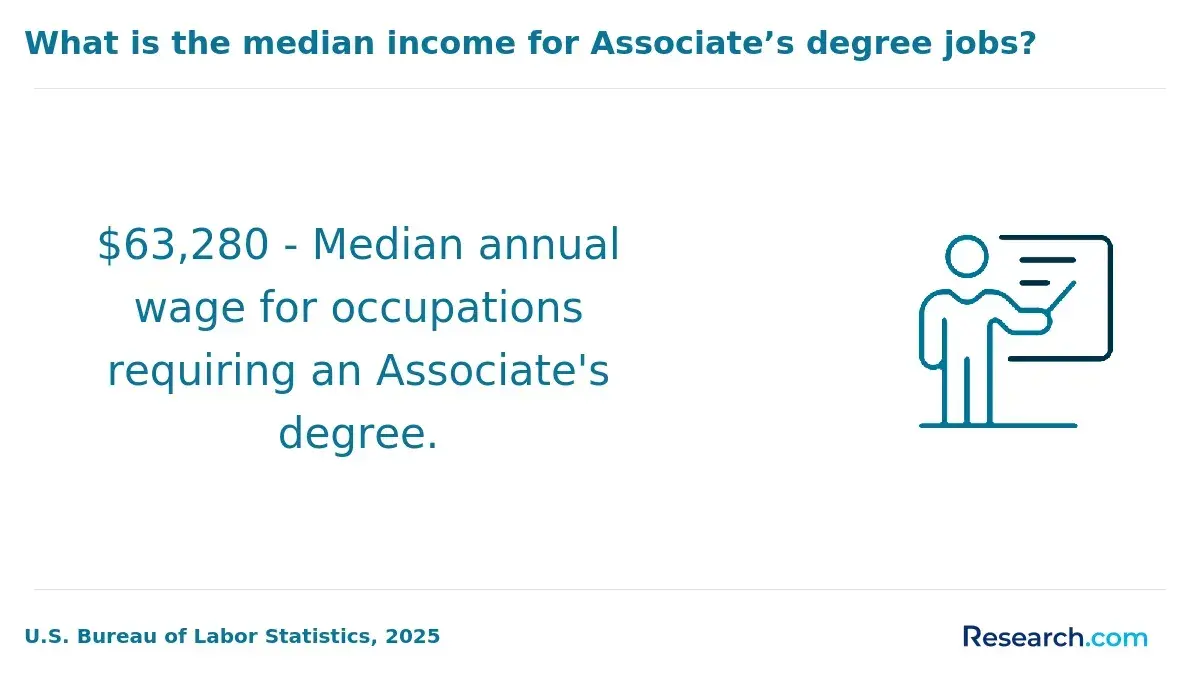
From a workforce perspective, graduates entering dentistry witness median wages around $170,950, while oral surgeons earn significantly more, near $352,220 annually, according to U.S. Department of Labor O*NET data. This reflects the value of completing a fully accredited pre-dental curriculum that meets professional standards.
Prospective students should confirm accreditation status through U.S. Department of Education or Council for Higher Education Accreditation databases. Exploring cost-effective options is possible; for example, resources on library degree affordability can guide financially prudent decisions.
Which biology courses and electives are most important in an online pre-dental curriculum?
Excelling in critical biology courses within an online pre-dental curriculum is a strategic move that directly influences competitiveness in dental school admissions. Core subjects-human anatomy focusing on craniofacial structures, physiology of nervous and muscular systems, and oral microbiology-form a foundational knowledge base essential to both academic success and clinical efficacy. The inclusion of biochemistry is mandatory, given its direct application to pharmacology and tissue regeneration, key aspects in dental treatment protocols.
Electives such as genetics, immunology, and pathology extend understanding of patient-specific conditions and disease management beyond basic oral health, which aligns with employers' growing demand for professionals versed in systemic connections. Toxicology knowledge is practical for navigating drug interactions and anesthesia risks during dental procedures.
Online pre-dental students face practical scheduling challenges. Virtual labs or partnerships for in-person experiences in anatomy and microbiology are necessary to meet the hands-on competencies expected by dental programs. Working individuals must weigh synchronous options early to secure preparation for the Dental Admission Test (DAT) and clinical rotations.
Those pivoting careers should prioritize courses integrating case-based scenarios, which sharpen clinical reasoning and differentiate applicants. Maintaining at least a 3.5 science GPA mirrors trends, signaling readiness and increasing competitiveness in dental school admissions.
How long do online biology degrees for pre-dental students take, and what do they cost?
Online biology degrees tailored for pre-dental students often require a full-time commitment of four years, typically divided into eight semesters. Accelerated paths can shorten this timeframe to three years by intensifying course loads or incorporating summer terms, but this compresses time management and limits work flexibility, which may undermine income stability for working students.
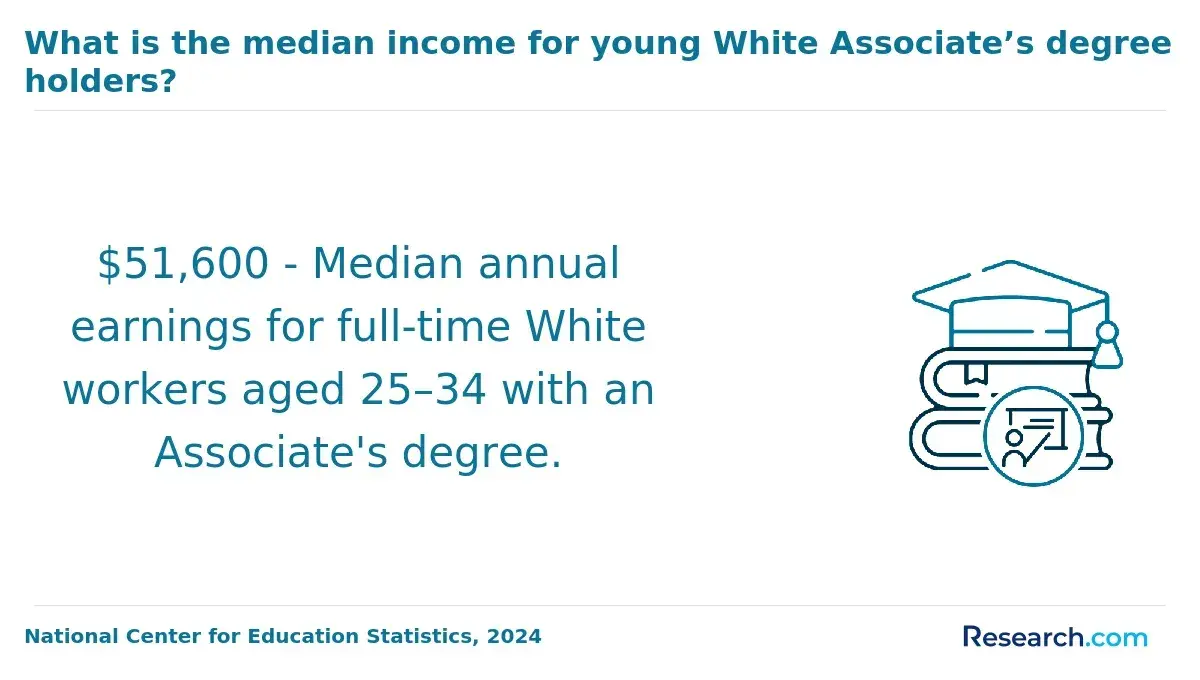
The tuition at institutions like Grand Canyon University stands at $8,250 per semester for their BS in biology with a Pre-Dentistry emphasis, summing up to roughly $66,000 before accounting for fees and housing. This cost aligns closely with national averages for comprehensive online science degrees that fulfill dental school prerequisites. It's important to note, however, that purely asynchronous programs often lack essential hands-on lab experiences necessary for dental school competitiveness, prompting some students to seek hybrid formats or regional partnerships offering practical residencies.
Financial aid typically covers base tuition but rarely ancillary expenses like specialized lab kits or travel for mandatory practicums. Candidates juggling clinical internships or part-time jobs benefit from programs with transparent scheduling and pricing to optimize their time and minimize disruptions.
- Longer part-time enrollment extends time to degree and workforce entry, impacting return on investment.
- Accreditation and academic advising focused on pre-dental pathways improve alignment with dental school requirements.
What are the typical pathways from an online biology degree into U.S. dental schools?
Pursuing an online biology degree as a pre-dental pathway demands rigorous alignment with accredited dental prerequisite standards, particularly those set by the American Dental Association's Commission on Dental Accreditation (CODA). Not all online programs fulfill essential lab work requirements, risking credit rejection by dental schools. For example, students must supplement their online coursework with local internships or dental office shadowing to acquire necessary clinical exposure and hands-on skills unattainable through remote study.
Successful navigation of this path requires discipline and proactive planning, especially since the Dental Admission Test (DAT) and clinical experience remain in-person components. Academic advising tailored to pre-health students can clarify timelines and improve admission prospects, a service that varies significantly among programs.
Key considerations include:
- Verifying that online curricula meet all CODA prerequisites, including lab components.
- Securing local clinical experiences to complement online study.
- Maintaining self-motivation given limited direct supervision.
Financial flexibility and accessibility make this route viable for working professionals or those balancing other commitments, although the absence of in-person labs may prolong preparation time. According to 2024 O*NET data cited by ASU, orthodontists earn a median annual salary of $289,140 and DDS-track dentists $311,180, preserving these roles among healthcare's top earners despite the demanding entry process.
What GPA, test scores, and experiential activities strengthen dental school applications from online programs?
Online biology programs aiming to prepare students for dental school must realistically address both academic and experiential gaps that affect admission competitiveness. A cumulative GPA above 3.5 is typically expected, with many successful applicants averaging between 3.6 and 3.8. However, the Dental Admission Test (DAT) often serves as a critical equalizer; scores consistently above the national average of 19 are essential, particularly in biology and chemistry sections that align closely with online coursework content. Students with lower GPAs must achieve exceptional DAT results to remain competitive.
Experiential learning opportunities differentiate candidates but are notably limited for online biology students due to a lack of integrated clinical exposure. Practical engagement demands proactive efforts to secure local dental internships, shadow practitioners, or participate in research projects affiliated with nearby institutions. Without documented patient contact or involvement in dental public health initiatives, applicants risk appearing academically prepared but professionally underexposed, which can hinder residency placement and employment prospects.
From a workforce perspective, the projected 7% employment growth for biology majors highlights growing demand for applied skills beyond theoretical knowledge. Online programs must therefore encourage well-rounded preparation combining strong academic metrics with verifiable practical experience. Failure to balance these components creates risk for candidates pursuing a pre-dental path via online biology, impacting not only admissions outcomes but also readiness for clinical responsibilities post-graduation.
What career options and salary outcomes exist for biology majors who do and don't pursue dentistry?
Pursuing a biology degree with a focus on dentistry preparation consistently yields higher standardized science scores and better dental school acceptance rates compared to general biology tracks. For example, students completing pre-health biology curricula tend to outperform peers by 1-2 points on DAT-style exams, a difference that correlates to clearer clinical career trajectories and median annual salaries around $160,000 for general dentists, according to U.S. Bureau of Labor Statistics (BLS) data from 2024.
Biology graduates who bypass dental school frequently enter diverse roles such as research technician, biotech support, or ecological consulting, where median earnings are considerably lower-typically between $45,000 and $70,000 initially. Transitioning into specialized sectors like pharmaceuticals demands additional certification or graduate education, inevitably elongating timelines for income growth and employability.
Choosing a broad biology path means balancing greater career flexibility against a lower immediate salary ceiling and often slower advancement without advanced degrees. For instance, a graduate entering biomedical research might start near $60,000 but faces pressure to pursue graduate studies for significant wage increases. Conversely, shifting to dentistry after an undirected biology bachelor's can delay earning potential and increase debt burden.
Employers prioritize practical lab abilities and relevant experiences over mere academic credentials. Structured online pre-health biology programs can strengthen DAT outcomes and residency matching through targeted coursework, meeting specific clinical career goals more effectively than general biology degrees.
How can you evaluate and choose a reputable online biology program for a pre-dental track?
Choosing an online biology program for a pre-dental path demands scrutiny beyond accreditation; look for programs recognized by bodies like the Higher Learning Commission or the Commission on Accreditation of Allied Health Education Programs to ensure acceptance by dental schools and employers. Practical coursework in human anatomy, microbiology, organic chemistry, and biochemistry, accompanied by laboratory experience-whether virtual or via community partnerships-is essential, since hands-on skills heavily influence candidacy.
Graduates face competitive dental school admissions, so weigh programs by their documented success in placing students in dental or healthcare roles. For example, a working professional juggling employment might prioritize asynchronous learning paired with accessible lab options, accepting some compromise in lab depth for flexibility. Academic advising with specific pre-health knowledge also mitigates common navigation pitfalls.
Long-term career flexibility is a key consideration. Data from the U.S. Bureau of Labor Statistics shows medical and health services managers-a common alternate career for biology graduates-will experience 28% job growth and earn median wages over $120,000. Online biology programs should prepare students for multiple healthcare roles rather than solely dentistry.
Key factors when evaluating programs include:
- Regional or specialized accreditation confirming academic rigor
- Comprehensive curriculum integrating essential lab components
- Documented graduate outcomes with dental school acceptance rates
- Flexible schedules and support designed for career changers
- Opportunities for research, internships, or clinical exposure
Other Things You Should Know About Biology
Online biology programs vary widely in offering hands-on lab experiences critical for dental school readiness. Students should prioritize programs that include virtual simulations combined with mandated local lab sessions or partnerships with nearby institutions. Without practical lab competencies, students risk starting dental school behind peers who completed in-person lab work, which can affect both comfort with techniques and performance in early clinical courses.
Employers and dental schools increasingly accept online biology degrees if the institution is accredited and coursework meets standard prerequisites. However, the absence of in-person collaboration and lab engagement in some programs can be seen as a gap in experiential learning. Prospective students should weigh program reputation and graduate outcomes, focusing on those with structured internships or clinical exposure integrated into the curriculum to strengthen employability.
Consider a program's accreditation, curriculum focused on pre-health or pre-dental tracks, and flexibility for balancing studies with other commitments. Research the technology platforms used for coursework and ensure access to virtual labs or simulation tools to enhance practical learning.
Programs with dedicated pre-health or pre-dental tracks often align coursework and advising more closely with dental school requirements, making them a more efficient choice. General biology degrees may offer more scientific breadth but risk missing targeted prerequisites or guidance critical to dental school admission. Students should prioritize pre-health program structures if their goal is dental school, ensuring focused preparation with fewer extraneous courses.
References
- What Are the Best Pre-Dental Majors? | University of Bridgeport https://www.bridgeport.edu/news/best-pre-dental-majors/
- How to Become a Dentist | Benevis https://info.benevis.com/blog/dental-jobs/how-to-become-a-dentist
- 5 Career Paths to Pursue With a Biology Degree https://www.collegexpress.com/interests/science-and-engineering/articles/careers-science-engineering/5-great-career-paths-to-pursue-with-an-undergrad-biology-degree/
- Biology – Pre-Dental Concentration https://www.fmarion.edu/biology/biology-pre-dental-concentration/
- Pre-Dental https://www.utpb.edu/academics/programs/biology/bs-pre-dental
- Dental School Requirements: What You Need Before You Apply https://smilesmovement.org/blog/dental-school-requirements-what-you-need-before-you-apply
- Exploring Pre-Dental Programs: A Guide for Future Dentists https://www.scuhs.edu/bshs-article/exploring-pre-dental-programs-a-guide-for-future-dentists/
- What Are The Best Pre Dental Majors? | Benevis https://benevis.com/blog/what-are-the-best-pre-dental-majors/
- Find a Program | Commission on Dental Accreditation https://coda.ada.org/find-a-program
- The Best Pre Dental Schools: 5 Critical Factors - Prereqcourses https://www.prereqcourses.com/best-pre-dental-schools/