2027 Online Biology Degrees That Prepare Students for Science Careers Without Medical School

Co-Founder and Chief Data Scientist
Professionals seeking to advance in biology-related fields frequently confront a bottleneck: how to attain a robust scientific education without committing to medical school's demanding timeline or prerequisites. Nearly 65% of working adults pursuing online degrees favor flexible programs that reconcile employment and study, according to the National Center for Education Statistics 2024 report.
This trend signals a decisive shift toward modular, career-aligned biology programs that accommodate complex schedules while delivering applicable lab and research skills. However, selecting a program that balances online accessibility with rigorous preparation remains a challenge fraught with tradeoffs affecting employability and mobility. This article evaluates online biology degrees that position students for science careers outside medical school, offering guidance to navigate these practical choices.
Key Things You Should Know
- Online biology degrees reduce median education costs by 25% compared to traditional routes but often limit access to lab-intensive research positions, heightening the need for targeted internship strategies within two years post-graduation, per NSF labor data.
- Employer surveys from 2024 show a 40% preference for graduates with hybrid experience over purely online candidates, signaling critical deficits in hands-on skill assessments for fully remote biology degree holders.
- With U.S. biosciences jobs growing 11% through 2030, according to BLS, online degree holders face a tradeoff: faster, cheaper credentials versus slower advancement in specialized lab roles that increasingly demand formal medical training adjuncts.
What is an online biology degree and how does it differ from a campus program?
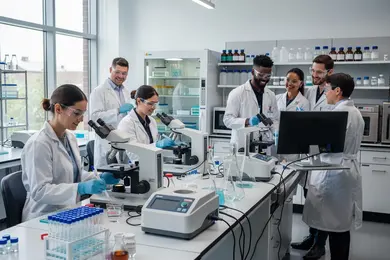
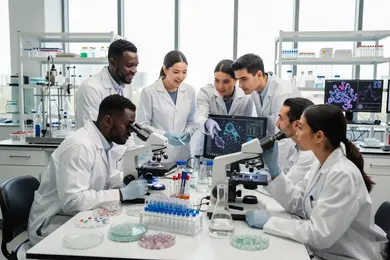
Securing practical laboratory experience remains the most significant challenge for students pursuing online biology degree programs benefits. These degrees provide foundational knowledge comparable to traditional campus programs but emphasize theoretical and data analysis skills over hands-on benchwork.
This distinction can limit immediate job readiness for research technician roles, which often require extensive lab experience. Students must therefore actively seek local internships or certifications to demonstrate relevant skills, as employers prioritize candidates who combine academic knowledge with practical application.
The differences between online and campus biology degrees extend beyond delivery methods. Online programs depend heavily on virtual labs, simulations, and asynchronous coursework, demanding rigorous time management and self-discipline.
They serve working professionals or those balancing commitments, offering flexible pathways without strict pre-med prerequisites. This flexibility is crucial given that only 42.5% of U.S. medical school applicants matriculated, leaving tens of thousands of qualified candidates without placements, according to the Association of American Medical Colleges.
Graduates of online biology programs often pivot toward diverse science careers, including research, environmental management, and pharmaceuticals, rather than narrowly focused medical school tracks. Nonetheless, students must navigate limited in-person networking and independently find quality research opportunities to enhance employability.
The market increasingly accepts online degrees when paired with proven experience, particularly through internships or certifications. For those evaluating how to invest in their science careers, understanding these operational tradeoffs is essential rather than assuming parity solely based on academic equivalence. Prospective candidates can also explore related animal science degrees online to identify alternative pathways.
Which science careers can an online biology degree prepare you for beyond medical school?
Choosing an online biology degree requires grappling with a common employer expectation: practical laboratory skills are crucial but often limited in virtual programs, potentially delaying entry into applied science roles. Graduates seeking science career opportunities with a biology degree should anticipate supplementing coursework with internships or certifications to offset gaps in hands-on experience.
Among career paths, becoming a physician assistant stands out, offering a median salary of $133,260 in 2024 and a 20% growth projection from the U.S. Bureau of Labor Statistics, though it necessitates further clinical training beyond a bachelor's. Biotechnology and pharmaceutical sectors recruit biology graduates for product development, quality control, and regulatory compliance, relying heavily on molecular biology and genetics expertise.
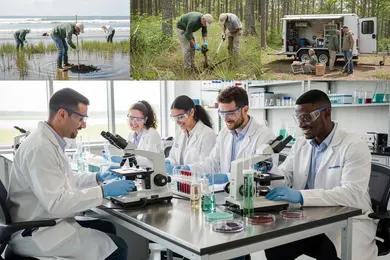
Environmental scientists with such backgrounds navigate regulatory frameworks and sustainability initiatives, often requiring geographic flexibility and ongoing certification.
Forensic biology applies biological techniques to criminal justice, demanding precise lab work and strict protocol adherence, while research coordinators in academia or industry handle project management, budgeting, and compliance duties that emphasize organizational acumen. Decisions around pursuing an online biology degree should factor in these workforce realities and the need to balance theory with applied skill development. Prospective students often compare options based not only on curriculum but also on affordability; exploring lists like the cheapest data science degree programs might provide insights for related STEM fields complementing biology.
How do you verify that an online biology degree program is properly accredited and reputable?
Employer recognition and career viability hinge on verifying accreditation for an online biology degree, specifically ensuring it is recognized by the U.S. Department of Education or the Council for Higher Education Accreditation (CHEA). Regional accreditation from bodies like the Higher Learning Commission or Middle States Commission carries more practical weight than national credentials, influencing eligibility for federal financial aid and the credibility of the credential in applied science roles.
The online biology degree accreditation process should also confirm access to rigorous, lab-based coursework or virtual equivalents. Those pursuing positions such as biological technicians-where laboratory proficiency directly impacts job performance-must scrutinize programs lacking immersive practical training or research partnerships.
The U.S. Bureau of Labor Statistics projects a 5% job growth in this sector with 7,800 openings annually through 2032, emphasizing demand for graduates with hands-on laboratory and research experience. Verifying faculty credentials is another critical step; instructors should hold advanced degrees, actively contribute to current research, and bring relevant field expertise. G
raduate outcomes must show alignment with employment or advancement in biological technician roles or related scientific careers. Be wary of programs that promote rapid completion or obscure career services, as these often do not meet real-world hiring standards.
Finally, cross-referencing information via official school and accreditor websites and consulting industry professionals provides an additional layer of verification. For those considering alternative but related health science degrees, resources like online degree in exercise science highlight different pathways with distinct employability implications. Evaluating reputable online biology programs verification in this manner reduces risk and sharpens decision-making for career pivots or advancement.
What types of online biology degrees are available and which level do you need for science careers?
Online biology degree programs for science careers demand careful alignment between educational level and job market realities. An associate degree mainly prepares graduates for lab technician or environmental monitoring roles but restricts advancement into research or management.
By contrast, a bachelor's degree remains the baseline for most entry-level science positions outside medical fields, equipping students with core knowledge in molecular biology, genetics, and ecology. Entry-level roles in microbiology and biotechnology firms typically require a bachelor's, with salaries ranging from $49,070 to $147,470 annually, according to Edumed's analysis of Bureau of Labor Statistics data.
For individuals targeting research-focused or leadership roles-such as project management or community college teaching-a master's degree holds practical value. Online master's degrees refine advanced techniques and critical thinking skills crucial for grant-funded projects and supervisory positions.
Beyond this, doctoral degrees are essential for university faculty or senior research scientist roles steering labs or independent studies. Optimizing your education requires realistic assessment of employer expectations, including hands-on lab experience often integrated via internships or in-person intensives in many programs.
Without such components, securing research-intensive roles can prove difficult regardless of degree level. A working professional seeking a pivot-for example, moving into environmental consulting-might benefit most from a bachelor's online biology degree that balances upskilling with ongoing employment demands.
Those aiming for sustained research roles should plan long-term graduate study. For those considering graduate studies outside biology, resources like the library science masters offer structured insights, highlighting the practical trade-offs access to specialized online programs presents.
What does the typical curriculum look like in an online biology program focused on non-medical careers?
Online biology programs aimed at non-medical career paths prioritize applied scientific competencies over clinical training, focusing on industry-relevant skills like bioinformatics, experimental design, and data analysis. This curriculum alignment reflects employer demands in fields such as environmental science, biotechnology, and research support, where proficiency in laboratory software, statistical modeling, or GIS applications can differentiate candidates.
For example, a biotechnology company may require expertise in lab data interpretation, while environmental agencies might emphasize technical abilities in ecological statistics. Online delivery inherently limits direct hands-on laboratory experience, a notable shortcoming in biology education.
Programs address this through virtual labs, at-home experiment kits, or hybrid residencies, but students must assess whether these alternatives provide sufficient skill validation to meet local industry standards. Partnerships with nearby labs and research centers for internships remain a critical factor that prospective students should scrutinize when considering online options.
Research from the PLOS ONE study confirms online biology programs expand access to underrepresented populations like women and first-generation students, widening workforce diversity. However, sustaining academic rigor and fostering meaningful engagement without in-person mentorship challenge institutions and learners alike.
Graduates entering sectors without clinical prerequisites must demonstrate self-discipline in mastering laboratory techniques, data management, and analytical reasoning to align with employer expectations. Ultimately, students should weigh the tradeoff between flexibility and the hands-on requirements of biology-related careers, recognizing that theoretical knowledge augmented by applied projects signals readiness but cannot fully replace experiential training in many technical roles.
How do online biology degrees handle labs, research, and hands-on science requirements?
Online biology degrees involving virtual labs and simulations can develop essential observational skills but often fall short of employer expectations for direct hands-on experience. Programs incorporating supervised lab work at regional sites or community colleges better align with the practical demands of roles in pharmaceutical, environmental biotech, or research settings where wet lab proficiency is critical.
For instance, a candidate applying for a biotech research position without documented lab hours-even if they completed a fully online degree-may face barriers securing employment or graduate admissions. Tradeoffs emerge when students must travel or coordinate limited regional residencies, which can increase costs and complicate schedules.
Schools typically address this by partnering with multiple facilities or offering DIY experiments, though such alternatives reduce exposure to complex lab techniques needed for advanced research roles. Approximately 20.1% of online biology majors pursue research-oriented careers, emphasizing the importance of verifying program-supported practical components beforehand.
In contrast, nearly 39.7% target medical professions that rely heavily on clinical prerequisites unavailable online, making fully online biology degrees less suitable for those pathways. Therefore, prospective students should critically assess how a program's hybrid structure and lab access correspond to their specific workforce goals and intended career trajectory.
What are the admission requirements and application steps for online biology degree programs?
Online biology degree admissions hinge on a critical balance between baseline academic preparedness and evidence of specialized interest or experience. A high school diploma with a GPA near 2.5 to 3.0 is typically the floor, but increasingly, programs expect transcripts that document completion of core science and math courses like biology, chemistry, and algebra to ensure foundational competency.
Applicants who can demonstrate prior lab or field experience, even informally, gain an edge by aligning more closely with employer expectations in research and biotech sectors. The application process usually requires more than academic records: expect to submit a statement of purpose grounded in specific career objectives, letters of recommendation from instructors or professionals familiar with your scientific or practical experience, and sometimes a résumé.
Interviews-often virtual-are common for programs with limited seats or specialized tracks such as molecular biology, which reflects a hiring reality where program selectivity correlates with labor market positioning. Students should anticipate logistical challenges, particularly around lab work availability; some programs offer virtual labs or partnerships with local institutions to meet accreditation requirements. Parallel pursuit of financial aid and STEM-targeted scholarships is essential since graduates with bachelor's degrees in biology typically earn a median weekly wage 55% higher than those with only a high school diploma, directly affecting return on investment.
How long do online biology degrees take to complete, and what do they cost compared to campus options?
Completing an online biology degree demands careful consideration of time, cost, and practical training tradeoffs that directly influence employment outcomes. While bachelor's degrees online usually mirror the standard four-year duration, accelerated paths are available through concentrated coursework or credit transfers, potentially shortening completion to 2.5-3 years, which benefits students balancing professional commitments.
Master's degrees span roughly 1.5 to 3 years depending on enrollment and thesis obligations, yet these flexible timelines must align with career goals and employer expectations. Cost comparisons between online and campus biology programs reveal nuanced differences. Public in-state tuition ranges from $10,000 to $12,000 annually for campus options, whereas online programs might incur comparable or somewhat higher per-credit fees due to technology expenses.
Private schools frequently exceed $30,000 yearly regardless of format. Savings on relocation and commuting for online learners are offset by necessary expenditures such as lab kits and proctored exam fees.
Employers in biotechnology, bioinformatics, and related growth sectors increasingly accept accredited online biology credentials, consistent with the U.S. Bureau of Labor Statistics' 7% growth projection for life and physical sciences through 2032. However, roles emphasizing hands-on laboratory skills expect tangible in-person experience, requiring online students to secure local internships or program partnerships. Prospective candidates must weigh the value of lab access against online flexibility, particularly when pivoting to experimental biology versus data-driven bioinformatics careers.
What science career paths, salaries, and job outlook can graduates of online biology programs expect?
Students pursuing online biology degrees can expect entry-level roles such as research assistant or environmental analyst, with starting salaries generally between $45,000 and $60,000 depending on industry and region. Mid-career professionals often advance to positions like biomedical researcher or ecological consultant, earning $70,000 to $90,000, aligned with U.S. Bureau of Labor Statistics projections. However, employers frequently emphasize practical lab experience, which online programs must supplement through internships or local partnerships to avoid slower career progression.
For example, an environmental consulting firm will favor applicants with verified field sampling or data analysis skills over purely theoretical backgrounds. Online biology education also increases workforce diversity: Pell-eligible students represent 41.2% of online majors compared to 31.7% on campus, and women comprise 68.2% versus 59.5% in traditional settings.
This demographic shift may aid firms needing inclusive hires and cross-disciplinary expertise. Students should plan beyond coursework by obtaining certifications such as OSHA safety or GIS mapping, which improve competitiveness in environmental or industrial biology roles.
While online programs offer geographic flexibility beneficial for working adults or caregivers, they demand strong self-drive to complete fieldwork, lab practicums, or collaborative research that significantly influence employability. Projected biological sciences employment growth of 8% through 2032 suggests sustained demand but underscores the need for strategic choices balancing education delivery modes, hands-on experience, and supplemental credentials essential for real-world workplace readiness.
Are there certifications or professional credentials that strengthen career prospects with an online biology degree?
Employers in biotechnology, environmental science, and pharmaceuticals increasingly expect online biology graduates to demonstrate specialized certifications alongside their degree. Without such credentials, candidates often struggle to compete against peers with hands-on experience or validated niche skills.
For example, a biology graduate targeting environmental consulting enhances employability by coupling GIS certification with biological safety credentials, showcasing both fieldwork and lab expertise. Approximately 60% of online introductory biology majors pursue careers outside medical school, entering research, public health, or applied science roles where credentials in statistical software (such as SAS or R), lab certification (like CLIA), or professional memberships elevate job prospects.
These certifications serve as benchmarks employers use to verify practical competencies beyond academic knowledge. Additional prerequisites such as documented lab hours or research-focused certifications are often required for graduate programs, adding time and cost to the education path.
Continuous certification renewals and ongoing education demonstrate commitment, a key factor in employment decisions. Thus, integrating targeted credentials with an online biology degree is a strategic response to workforce demands and a way to offset the limitations faced by those without medical degrees.
Other Things You Should Know About Biology
In 2027, employers increasingly recognize the credibility of online biology degrees, thanks to the accreditation of many programs alongside their comprehensive curriculums. The key is choosing a reputable institution whose program includes practical, hands-on experiences, thus bridging the gap between online and traditional education.
Online biology programs often require more self-discipline due to asynchronous schedules and fewer real-time interactions with instructors and peers. The workload itself is comparable, but managing lab assignments and projects independently adds complexity. Students should assess their time management skills honestly and consider programs with structured lab supports or hybrid options to balance workload demands effectively.
Online biology degrees provide foundational knowledge but rarely offer the depth or research mentorship needed for independent lab work. Research positions at the professional level typically require graduate education or specialized training beyond a bachelor's degree. If your goal is lab-based research, prioritize programs that facilitate access to external research opportunities or plan to pursue advanced degrees after graduation.
Working students must weigh flexibility against networking and practical engagement. Flexible online programs accommodate schedules but can limit immediate access to labs and peers, which impacts skill development and connections. When employer support or professional growth depends on collaboration, choosing programs with synchronous sessions or local partnerships is often more beneficial despite the stricter pacing.
References
- Accredited Online Courses: How to Pick Programs That Actually Count https://www.upskillist.com/blog/accredited-online-courses-how-to-pick-programs-that-actually-count/
- Fast Way to Get an Online Biology Degree | Straighterline https://www.straighterline.com/blog/how-to-earn-an-online-biology-degree
- Biology Degree: Beyond Medical School & Life Sciences Careers - Edubrain https://edubrain.ai/blog/what-can-you-do-with-biology-degree/
- Online Biology Degrees https://mycollegeguide.org/online-biology-degrees/
- How To Become A Biologist | Biology Degrees And Careers https://www.learnhowtobecome.org/science-technology-careers/biology/
- 7 in-demand certifications in 2025 | edX https://www.edx.org/resources/in-demand-professional-certifications
- Is Your Online Degree Legitimate? How to Verify Private University Approval https://matchtocollege.com/blog/verify-private-university-online-degree-approval
- BS in Biomedical Sciences https://www.unthealth.edu/college-of-biomedical-and-translational-sciences/degree-programs/bs-biomedical-sciences/bs-in-biomedical-sciences.html
- Accreditation Explained: Guidelines for Global Verification https://www.motaword.com/blog/understanding-accreditation-how-to-verify-institutions-globally
- Online Biology Course: Complete Guide to Flexible Science Education [2025] - Prereqcourses https://www.prereqcourses.com/online-biology-course/