2027 Best Online Bachelor's in Biology for Community College Graduates

Co-Founder and Chief Data Scientist
Community college graduates aiming to transfer their associate degree credits toward a bachelor's in biology often confront limited program articulation and rigid campus schedules that clash with work or family obligations. The National Student Clearinghouse Research Center reports a 15% rise since 2023 in enrollment specifically for fully online programs, signaling shifting learner priorities toward flexibility and asynchronous coursework. This trend exposes how conventional biology bachelor's offerings frequently undervalue transfer-friendly policies or adult learner needs, forcing many into costly delays or credit redundancies. Selecting a program that maximizes transfer acceptance and accommodates part-time pacing is critical in sustaining career momentum without forfeiting academic rigor.
This article evaluates the best online bachelor's in biology options tailored for community college graduates, guiding readers through transfer policies, curriculum design, and flexibility factors that directly address these pragmatic challenges.
Key Things You Should Know
- Community college transfers face a 15% average credit loss in bachelor's biology programs per National Student Clearinghouse 2024 data, significantly extending time-to-degree and raising overall costs by up to $10,000.
- Employers in biotech sectors prioritize lab experience and internships over GPA, pressuring graduates to seek integrated practicum opportunities unavailable in many online bachelor's biology tracks, limiting immediate employability.
- Urbanized regions show a 12% higher employment rate in biology-related roles, creating geographic access tradeoffs for online students from rural areas who must weigh relocation costs against broader job market reach.
What is an online biology bachelor's for community college graduates?
Online bachelor's degree in biology for community college transfer students present a practical route to advance scientifically while managing existing obligations like work or family. These programs prioritize asynchronous learning and virtual labs, which appeal to those unable to relocate but require thorough self-discipline. However, this format may sacrifice some hands-on experience, particularly in specialized areas such as molecular biology or ecology, potentially affecting readiness for technical roles or graduate study.
With biological science occupations expected to grow by 7% through 2032-adding roughly 63,000 jobs-the pathway aligns strategically with expanding sectors including healthcare, environmental science, and research. Graduates typically qualify for roles as biological technicians, public health analysts, or research associates, especially when they combine degree completion with internships or relevant credentials.
An accelerated biology bachelor's program for community college graduates demands careful navigation of transfer credit policies to avoid redundant classes and confirmation of program accreditation for both employer recognition and access to federal aid. Successful applicants benefit from programs offering robust advising, career support, and articulation agreements with community colleges, streamlining progression and reducing time to completion.
Those choosing this pathway should weigh the tradeoff between flexibility and practical lab experience and consider career trajectories that value remote learning credentials. For concrete forecasts on employment, see jobs for bioinformatics degree.
How does online biology compare with campus programs?
Online biology degree benefits for community college students are most evident in their ability to transfer substantial credit loads, which sharply reduces costs and accelerates completion. For instance, Louisiana State University of Alexandria allows up to 75% credit transfer in its online BS in Biology program, cutting tuition from $42,360 to $10,590. Such flexibility is rarely matched by traditional campus programs due to residency and cohort requirements that limit transferability.
Employers in biotech, healthcare, and environmental fields increasingly accept online credentials when supported by demonstrable outcomes from accredited institutions. However, students pursuing research-intensive roles may face challenges because essential lab components often necessitate hybrid models or local partnerships for hands-on experience. Confirming access to practical training locally is critical for those whose careers depend on laboratory proficiency.
Online formats accommodate full-time workers and non-traditional students, allowing sustained employment during study-a balance seldom available through campus programs. This flexibility comes with tradeoffs: limited face-to-face mentorship and networking that can affect internships and professional recommendations, especially in competitive markets.
Decision-making must weigh savings and scheduling ease against potential reductions in experiential and social capital accrued through campus immersion. Graduates targeting regulatory or industry positions may find online credentials increasingly viable, while research-focused careers often favor campus training with extensive lab exposure. For those considering advanced interdisciplinary study, an online PhD in data science can complement biology expertise by expanding analytical capabilities and career trajectories.
Which accreditations should biology programs have?
Regional accreditation for online biology programs is foundational yet insufficient alone to ensure alignment with employer expectations or workforce relevance. Institutions must hold accreditation from recognized bodies such as the Higher Learning Commission (HLC), Middle States Commission on Higher Education (MSCHE), or Southern Association of Colleges and Schools Commission on Colleges (SACSCOC) to guarantee basic academic standards and qualified financial aid access. However, specialized accreditation, for example from the American Society for Biochemistry and Molecular Biology (ASBMB) or the Accreditation Board for Engineering and Technology (ABET) for interdisciplinary tracks, strengthens program credibility with employers and graduate schools by validating curriculum content and practical lab skills.
Students aiming for roles in sectors like pharmaceuticals or environmental biotech should also verify the inclusion of hands-on components such as research projects, internships, or applied laboratory exercises. These elements translate theoretical knowledge into practical skills demanded by these industries. For community college graduates seeking affordable transfer routes, cost considerations are critical; for instance, the University of Florida's in-state online biology tuition is $15,504 versus $25,520 on campus, reflecting significant savings without diminishing credential value.
Prospective students should weigh how recognized accreditation bodies for biology degrees intersect with their career goals, ensuring smooth credit transfers and eligibility for research positions or competitive graduate programs. For those interested in comprehensive science pathways beyond biology, options like exercise science degrees online provide alternative directions aligned with workforce demand.
What admission requirements do transfer students need?
Transfer admission requirements for biology bachelor's programs impose critical thresholds that directly influence academic progression and workforce readiness. Community college transfer admissions criteria for biology degree applicants typically mandate either a completed associate degree or at least 60 transferable semester credits, including foundational biology and chemistry courses. A minimum cumulative GPA ranging from 2.5 to 3.0 is standard, but competitive programs often require a 3.5 GPA or higher to qualify for merit-based tuition reductions. This GPA benchmark significantly impacts cost, as students maintaining a 3.5 GPA can access reduced online tuition rates-about $150 per credit instead of the usual $275-lowering financial barriers substantially.
Applicants must provide official transcripts detailing coursework and grades for transparent credit evaluation. Standardized tests like the SAT or ACT may be required if fewer than 60 credits have been earned, although such requirements are becoming less common with sufficient college-level credits and strong GPAs. Additional documentation includes a personal statement articulating biology-focused academic goals, recommendations from STEM faculty, and evidence of laboratory experience, all integral to meeting employer expectations in biotechnology and environmental sectors.
Failing to complete core science prerequisites before transfer often results in extended degree timelines, additional tuition costs, and delayed entry into biology-related roles where practical lab skills are prized. Prospective students should closely consult with admissions advisors to verify credit equivalencies and avoid losing critical coursework. Those interested in alternative pathways or related fields might explore options such as a library sciences degree, which has its own transfer dynamics and workforce considerations.
How long does an online biology degree take?
Completing an online biology degree demands balancing duration with depth and practical experience. While a standard full-time program spans four years, students transferring community college credits can reduce this to two or three years. However, accelerated tracks typically require managing heavier course loads and labs, which can challenge time management and mastery of complex material. Part-time enrollment, common among working adults, may extend time to six years or more, diluting momentum and deferred entry into biology-related jobs.
Transfer policies significantly affect progress. Variability in how institutions accept science prerequisites and lab credits often leads to retaking courses, undercutting time savings. Students must verify articulation agreements and consult advisors early to optimize credit use. Lack of clear coordination can stall degree completion, especially when arranging online labs or local facilities.
Incorporating internships or research projects, while extending degree timelines, adds workplace-ready skills valued by employers. For instance, microbiology positions with a median salary around $85,470 often require specialized electives and hands-on experience. Similarly, roles like zoologists and wildlife biologists, earning approximately $70,600, reward comprehensive skill sets over expedited graduation.
Prospective students should weigh speed against gaining applicable skills that support sustained employment and career growth. Strategic planning that anticipates institutional credit policies and workforce expectations is essential for aligning an online biology degree with realistic professional objectives.
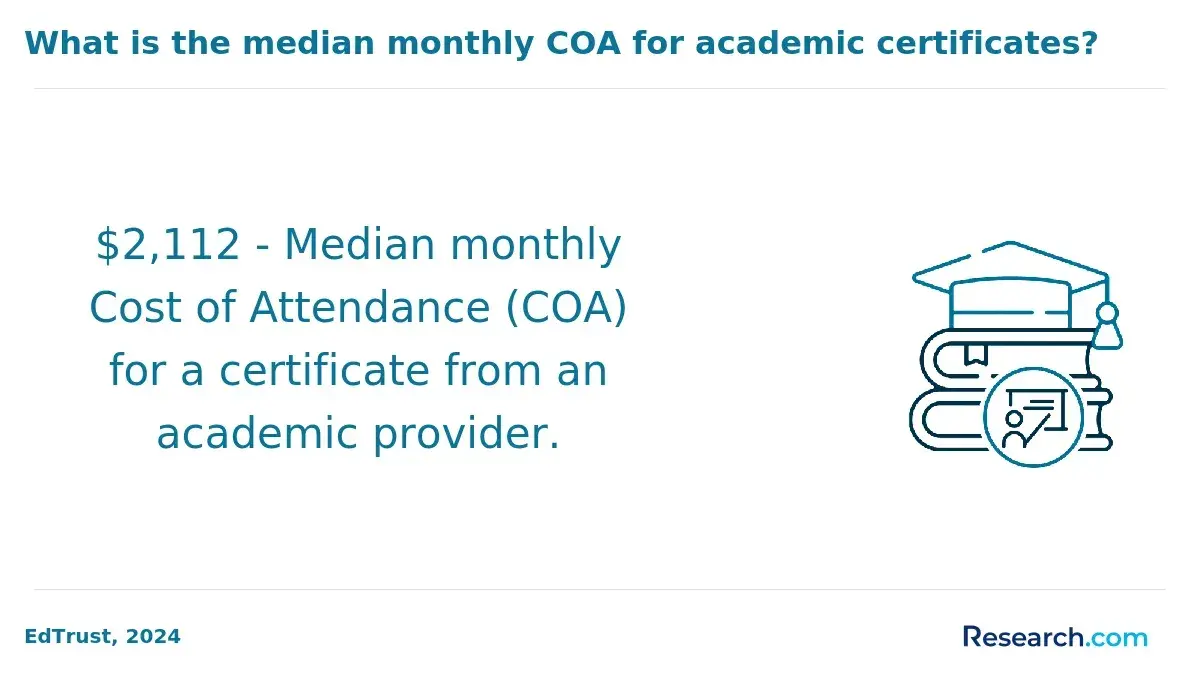
How much does an online biology bachelor's cost?
Choosing an online bachelor's degree in biology involves weighing significant cost differences alongside practical outcomes. Total tuition ranges widely-from approximately $15,000 to $40,000-depending largely on institutional reputation, residency, and credit requirements shaped by prior community college coursework. For many working learners, upfront per-credit costs are critical: public universities typically charge $350 to $600 per credit, whereas private schools often demand between $500 and $1,000.
Beyond tuition, anticipated expenditures include lab fees, technology, and course materials, which add $500 to $1,500 annually. Programs requiring occasional on-campus labs can increase travel-related expenses and complicate affordability.
Retention and graduation metrics serve as indirect cost indicators. Programs with retention rates near 94% and graduation rates up to 78% suggest stronger academic support, shortening time to degree completion and reducing opportunity costs-essential for professionals targeting biotech or environmental science roles.
Tradeoffs between longer, less expensive programs and shorter, costlier ones directly impact the cost-to-employment timeline ratio, influencing overall financial and career outcomes.
- Consider how transfer credits can lower total credits and tuition.
- Anticipate extra costs tied to labs and required technology access.
- Evaluate programs' completion statistics as proxies for efficient progression.
What coursework is in an online biology major?
Online biology degrees condense essential scientific knowledge into accelerated formats, typically reducing completion time from four years to two or three. This compression benefits transfer students leveraging community college credits and professionals balancing employment with education. Yet, rapid pacing intensifies challenges, especially securing meaningful lab experience, which remains indispensable for both healthcare entry and research roles.
Programs that link students with local laboratories or research centers address this gap, but these arrangements require proactive planning and may limit flexibility. Coursework extends beyond foundational subjects like genetics, ecology, and biochemistry to include bioinformatics, data analysis, and scientific communication, aligning with employer demand for quantitative and collaborative skills in sectors such as pharmacology and environmental consulting.
Students aiming for graduate school or healthcare positions must incorporate specific prerequisite courses, including organic chemistry and anatomy, tailoring their path to career objectives. Employers prioritize applied technical competencies and relevant experience over institutional prestige, making the integration of hands-on skills and coursework critical for job market readiness.
- Accelerated pathways offer fast workforce entry but intensify time management challenges.
- Lab access often necessitates local partnerships or independent arrangements.
- Quantitative and communication skills complement core biology knowledge for diverse life science roles.
- Targeted prerequisites depend on career goals, influencing program selection and outcomes.
What careers can a biology degree lead to?
A bachelor's degree in biology opens varied career opportunities, but outcomes depend heavily on specialization, certifications, and practical experience. Healthcare roles like medical technologists or genetic counselors require additional certifications beyond the degree, adding time and cost before entry-level employment. In environmental science, graduates often face competition from individuals with graduate degrees, making internships and field experience vital to secure positions such as conservation scientists or environmental consultants.
Technical roles in biotechnology or pharmaceuticals demand strong laboratory skills. Affordable online options offering upper-division lab courses at per-credit rates around $229 in-state and $346 out-of-state, as tracked by Edumed's 2024 guide, provide practical pathways to develop these competencies. Such courses, particularly those integrated into accredited programs, are essential for community college transfer students aiming for research technician or quality control analyst roles.
Federal agencies like the EPA and NIH prioritize analytical skills and sometimes security clearances for research assistants, underscoring the importance of networking and internships. Secondary education biology teaching typically requires state certification and master's degrees, which entail additional investment. Clinical research coordination positions demand regulatory knowledge and certifications often obtained post-degree.
Ultimately, students must weigh program affordability, availability of robust lab work, and credential requirements within their targeted subfield. Employers consistently value applied lab competence and data analysis skills over purely theoretical knowledge, making specialized, hands-on training a decisive factor for marketability in biology-related sectors.
What salaries do biology graduates earn?
Graduates holding a biology bachelor's degree face clear financial differentiation based on education and employment choice. Median early-career salaries hover around $60,000 overall, but top-tier program alumni or those leveraging graduate education report starting compensation near $79,000. For example, a biology bachelor's graduate working immediately in a municipal environmental lab might start near $52,000, while entering a competitive pharmaceutical research role post-master's can elevate that salary above $75,000.
This pay disparity reflects employer expectations for specialized skills like lab techniques, data interpretation, and regulatory compliance, which often accompany advanced studies. Entry-level positions in biotech, environmental science, or healthcare typically begin below $60,000 but present faster income growth for those who build niche expertise or pursue graduate credentials.
Choosing between immediate workforce entry and further education involves weighing short-term earnings against long-term growth potential. Graduate degrees open access to leadership tracks and specialized technical roles that commonly surpass bachelor's-base salaries. Sectors such as conservation or education generally present lower initial pay, pressing graduates to evaluate which fields align with both financial goals and skill development.
Pragmatically, strategic career progression with a biology degree necessitates aligning educational investment with market realities and employer demand rather than defaulting to degree elevation or immediate employment without critical assessment of sector-specific return on investment.
What certifications or licenses require a biology degree?
Licensure and certifications tied to a biology degree often require targeted academic and experiential credentials beyond the degree itself, shaping career opportunities in healthcare, environmental science, and laboratory roles. For example, registered nurse (RN) licensure demands either a biology-focused nursing program or a biology bachelor's combined with approved nursing coursework, reflecting how interdisciplinary preparation is mandatory for practice. Similarly, clinical laboratory scientist certification (ASCP CLS) necessitates biology-backed coursework paired with laboratory experience, essential for diagnostic roles within medical institutions.
Environmental certifications, such as the National Registry of Environmental Professionals (NREP) Certified Environmental Scientist, require demonstrable expertise in biological ecosystem functions, underscoring the link between academic content and professional standards. Public health microbiologist certifications, common in regulatory agencies, also hinge on comprehensive understanding of organism biology and lab skills.
Students advancing through community college to online biology bachelor's programs must plan carefully, since many certifications mandate supplementary courses in chemistry or biostatistics and verified hands-on lab work. Failure to satisfy these prerequisites can limit eligibility, reducing employment mobility in regulated sectors.
Salary data from UniversityHQ indicates biology graduates earning median wages between $71,000 and $79,000, a significant return compared to in-state tuition costs as low as $3,876. This disparity highlights that successful certification acquisition, aligned with biology credentials, notably influences stable employment and income.
Other Things You Should Know About Biology
Lab components are essential in biology programs because employers expect hands-on skills alongside theoretical knowledge. Many online degrees require in-person lab sessions or virtual labs with physical kits, which can affect your schedule and geographic flexibility. Choosing a program with accessible, well-integrated labs is critical; programs lacking credible lab experiences risk leaving graduates underprepared for technical roles or research-intensive positions.
Transfer policies vary widely and can limit how many credits apply toward your major requirements, especially in science courses that carry strict lab and sequence standards. Prioritize programs with clear articulation agreements or transfer pathways specifically designed for biology students. Accepting fewer credits results in longer time to degree and increased cost, so verify credit acceptance before enrolling to avoid unexpected delays.
Most graduate programs accept online biology degrees if they include rigorous lab training and reputable accreditation, but some competitive research roles may prioritize applicants with traditional campus experience for their access to specialized facilities and networking opportunities. If graduate school or lab research is a goal, prioritize online programs with strong research components, internships, and faculty mentorship connected to established scientific communities to enhance your candidacy.
References
- Online Biology Degrees https://mycollegeguide.org/online-biology-degrees/
- Can Online Biology Courses Replace In-Person Labs? https://www.straighterline.com/blog/can-online-biology-courses-replace-in-person-labs
- Online Biology Course: Complete Guide to Flexible Science Education [2025] - Prereqcourses https://www.prereqcourses.com/online-biology-course/
- Top 15 Highest‑Paying Pharmacy Jobs in the UK 2025 (Including Salaries) https://apexlearning.org.uk/highest-paying-biology-degree-jobs-2025-2026/
- What Can You Do With a Biology Degree? Careers and Salaries - Studying in Switzerland https://studyinginswitzerland.com/what-can-you-do-with-a-biology-degree/
- How To Become A Biologist | Biology Degrees And Careers https://www.learnhowtobecome.org/science-technology-careers/biology/
- Accreditation https://www.rsb.org.uk/accreditation.html
- Careers in Biology https://www.aibs.org/careers/
- Biology https://northeast.edu/degrees-and-programs/biology
- Online Bachelor's Degrees in Biology: Top Schools & Programs https://www.edumed.org/online-schools/biology-degrees/