2027 Biology Career Paths With the Best Advancement Potential

Co-Founder and Chief Data Scientist
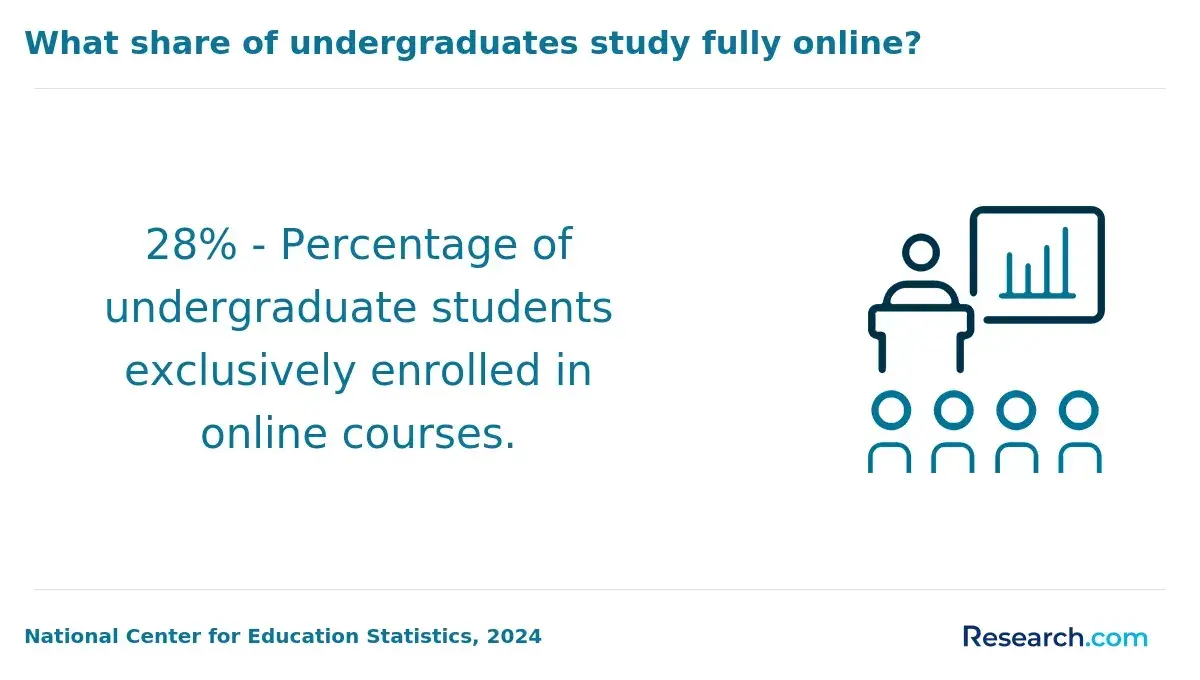
Mid-career professionals facing stagnant roles in the biology sector confront a complex bottleneck: restructuring credentials while managing workload and family commitments. The National Center for Education Statistics reports a 22% surge since 2024 in adult enrollment in fully online life sciences programs, signaling a shift toward flexible learning that accommodates diverse schedules.
This trend matters because it reshapes access to advanced qualifications previously limited by rigid campus hours or relocation costs, influencing who can realistically pursue upward mobility in biology careers. This article identifies biology career paths with the best advancement potential and evaluates educational routes that align with workforce needs and personal constraints.
Key Things You Should Know
- Biology PhD graduates face salary plateaus without postdoc experience; government labor data shows 40% of top-tier roles demand 3+ years post-PhD, forcing costly delayed industry entry and income stagnation.
- Employers prioritize applied biotechnology and data science skills over broad biology degrees, causing graduates lacking interdisciplinary expertise-in fields like bioinformatics-to see 25% fewer callbacks, per 2024 industry hiring reports.
- Accelerated Bachelor's-to-Master's programs reduce educational costs by 15% on average but risk limiting research exposure crucial for advancing into specialized biology sectors, affecting career trajectory and employer competitiveness.
What biology career paths offer the strongest long-term advancement and leadership potential?
Long-term advancement in biology career paths requires more than technical skill; it demands strategic integration of management capabilities and interdisciplinary knowledge, especially within high-growth biology leadership roles in the United States. Prominent roles like biomedical scientist, biostatistician, and research director offer structured promotion pathways because they depend on measurable outcomes tied to funding and regulatory compliance.
Employment growth projections for life, physical, and social sciences - at 7% through 2032, per the U.S. Bureau of Labor Statistics - emphasize expanding opportunities but also signal a competitive landscape where leadership roles in research institutions remain limited. Navigating this bottleneck usually necessitates demonstrable evidence of leadership, such as managing small teams or budgets before formal advancement.
Advancing often involves targeted skill acquisition beyond biology fundamentals. For example, a biologist intending to lead pharmaceutical clinical trials must develop expertise in regulatory affairs and project management, while those seeking management in environmental sciences should master budgeting and policy advocacy.
Prioritizing certifications that combine business or data analytics with biology improves employability and aligns with employer expectations for oversight in dynamic biotech markets. Practical trade-offs include balancing additional training requirements against immediate job demands. Professionals pursuing upward mobility in high-paying jobs with environmental science degree backgrounds must prepare for policy and communication challenges beyond research.
What degrees and training do you need to qualify for high-growth biology roles?
Securing roles in rapidly evolving biology sectors demands more than a bachelor's degree; targeted degrees and certifications for high-growth biology careers shape hiring decisions and salary outcomes. Advanced training programs in biology for career advancement typically involve master's or PhD qualifications with specialized lab experience, especially in healthcare biotech and pharmaceuticals, where complex research capabilities are mandatory.
Employers value quantitative skills integrated into biology degrees, such as biostatistics, bioinformatics, or computational biology, due to the increasing reliance on data-driven science. Practical certifications, like Certified Clinical Research Professional (CCRP), enhance prospects in clinical research by verifying essential regulatory and methodological competencies.
A telling example is genetic counseling: pursuing this path requires a master's degree plus state licensure, extending preparation by two to three years but offering substantially improved career trajectories. Alternatively, environmental and conservation biology roles often accept bachelor's degrees supplemented with practical experience, though these positions generally offer lower median wages.
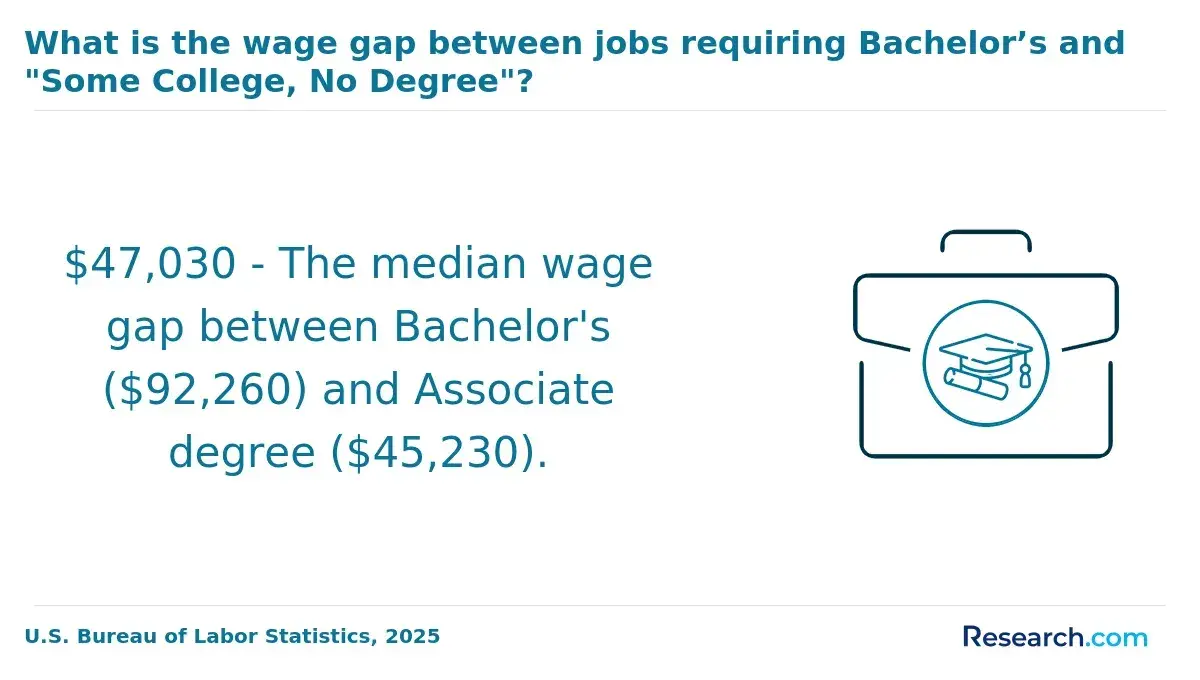
According to the National Center for Education Statistics, median salaries for biological and biomedical sciences graduates in healthcare and technical roles are roughly $70,000, representing about a 15% premium over the broader bachelor's degree population. For professionals considering a strategic investment in advanced credentials, exploring an online PhD in data science may complement biology expertise and open additional high-growth pathways.
Which biology specialties currently combine the best salaries with strong job growth?
Biotechnology, bioinformatics, and molecular biology represent the biology specialties with highest salaries and job growth, primarily fueled by advancements in gene therapies and personalized medicine. Mid-career professionals in these fields often command salaries above $100,000, with senior positions exceeding $150,000, reflecting employer demand for expertise that bridges genetic engineering and innovative drug development.
Entry barriers stem from the need for advanced technical skills in genetic manipulation, bioprocessing, and computational biology, which simultaneously limit competition and reinforce salary gains. Employers increasingly expect candidates to pair laboratory capabilities with regulatory insight and data analytics. For those transitioning from general biology or considering a degree in library science, pursuing certifications or a master's in bioinformatics or molecular biology can enhance marketability in concentrated biotech hubs.
When comparing these dynamic sectors with more traditional biology fields like ecology or zoology, the latter face stagnant wages and fewer advancement options outside academia or government. Even within biomedical realms, jobs focused on data interpretation or clinical trial design offer clearer pathways and better pay than purely field-based roles. Navigating rapid technological changes and grant competition remains a practical challenge for professionals targeting top biology career fields for salary and employment growth.
Key decision factors include willingness to relocate to urban biotech clusters, investing in ongoing technical training, and balancing workforce realities against narrower specialties with limited growth. Practical consideration of these tradeoffs will determine long-term career resilience in this competitive landscape.
How do online biology degree programs compare to campus-based options for career advancement?
The choice between campus-based biology degrees versus online for career growth hinges primarily on the availability of immersive, hands-on laboratory experience. Campus programs offer structured lab environments and face-to-face mentorship essential for roles demanding technical proficiency, such as molecular biology or medical research.
Conversely, online biology degree programs' career advancement relies heavily on virtual labs and external internships to compensate for limited physical access, which may challenge working professionals trying to pivot careers. Employers, particularly in biotech, prioritize candidates who balance theoretical grounding with applied skills. In the U.S., students pursuing high-growth roles often find campus-based programs preferable due to integrated research opportunities and access to sophisticated facilities.
When evaluating educational pathways, consider these tradeoffs:
- Campus degrees typically require relocation and full-time commitment but provide stronger networks and direct internships
- Online degrees offer flexibility and reduced opportunity costs but necessitate proactive efforts to secure equivalent practical exposure locally
Ultimately, the decision impacts employability trajectories in fields demanding proven laboratory competence and technical fluency. For broader context on navigating similar career shifts in technical disciplines, students can also look up electrical engineering degree online for veterans.
What accreditation and program quality standards should biology students look for?
Accreditation profoundly shapes employability and career mobility for biology students. Programs approved by recognized agencies such as ABET (for bioinformatics) or CAAHEP (for clinical laboratory sciences) ensure alignment with industry competencies that employers in biotechnology and pharmaceuticals consistently demand. Graduating from unaccredited or poorly aligned programs risks exclusion from competitive roles or professional certifications important in specialized biology sectors.
Beyond credentials, curriculum relevance is pivotal. Hands-on opportunities like laboratory rotations and data analytics training provide tangible skills, particularly where biology intersects with computational methods. UK biostatistics roles in pharmaceuticals and public health, offering salaries from £55,000 to £100,000, exemplify how applied statistical expertise enhances market value-highlighting a tradeoff between broad biological knowledge and specialized technical proficiency.
Evaluating program outcomes data-such as job placement or employer partnerships offering real-world internships-surpasses prestige as an indicator of workforce readiness. Emerging fields like genomic techniques or regulatory science demand continuous adaptation, influencing advancement into senior or leadership biology roles.
Flexible program delivery and strong career support address the pragmatic constraints faced by working professionals pivoting into biology. Access to mentorship and professional networks within niche biology domains often directly impacts long-term career trajectories and should factor heavily into program choice.
What core coursework and concentrations prepare you for advanced biology careers?
Core coursework for advanced Biology careers must reconcile foundational sciences with targeted specialization to align with employer expectations and licensure requirements. Essential subjects like cellular and molecular biology, genetics, biochemistry, and physiology establish the technical baseline necessary for lab work and systems analysis. However, integrating statistics and bioinformatics is increasingly nonnegotiable, given the data-intensive nature of research and clinical roles.
The choice of concentration significantly shapes job opportunities and progression. For example, students focusing on medical laboratory science often transition into clinical technologist roles, where certification and practical competency are gatekeepers for supervisory positions. Employment projections by the U.S. Bureau of Labor Statistics show a steady 5% growth with approximately 16,800 openings annually, indicating solid demand conditioned by evolving healthcare standards.
Those pursuing research or biotech sectors tend to prioritize immunology, microbiology, or pharmacology, which enhance capabilities in technical experimentation and project oversight but may necessitate advanced credentials or graduate education for leadership roles.
Applicants often face a tradeoff between broad biological knowledge and narrow expertise. Employers weigh experience with current technologies heavily, so coursework incorporating internships or cooperative education is a distinct advantage. Regional certification demands and regulatory standards add layers of complexity, requiring careful curriculum selection to satisfy state and industry bodies.
How long do biology degree pathways take, and what do they typically cost?
Choosing a biology degree requires balancing time, cost, and career outcomes more critically than many students anticipate. A Bachelor of Science (B.Sc.) in biology typically demands 3 to 4 years, with annual tuition ranging from $20,000 to $50,000 at U.S. public institutions; private colleges often cost significantly more. Graduate degrees, such as Master's or Ph.D. programs, extend study to 6-8 years, usually costing $15,000 to $40,000 annually.
However, many graduate students offset tuition via research assistantships, a practical consideration for those focused on research careers. Medical degrees extend commitment further, 5 to 6 years in India, around 7 to 8 years in the U.S., including undergraduate prerequisites, with annual tuition often exceeding $50,000 at private schools.
Students must weigh these trajectories against personal financial constraints and labor market realities. Targeting advanced biology research careers often means navigating longer education with funding challenges, while medical paths entail higher debt with uncertain salary gains depending on location and sector. Data reflect a shifting landscape where alternative biology-driven careers may rival traditional medicine earnings without the extensive training and cost burden.
What entry-level, mid-career, and senior roles can biology graduates pursue?
Biology graduates face a clear progression from entry-level roles demanding hands-on experimental skills to senior positions requiring strategic leadership and advanced credentials. Early-career jobs such as laboratory technicians, research assistants, and quality control analysts rely heavily on mastering data handling and compliance within sectors like pharmaceuticals and environmental consulting.
Moving into mid-career roles-food technology specialists, environmental scientists, and genetics counsellors-calls for specialized certifications and applied knowledge, often focused on improving operational efficiency and regulatory adherence. For example, a food technology specialist driving product development in a large manufacturing setting must balance technical expertise with process optimization and compliance demands.
Senior roles, including research scientists, doctors, and dentists, require navigating complex project management and professional accreditation hurdles. In practice, senior research scientists lead interdisciplinary teams and secure funding, reflecting high responsibility and leadership intensity.
The variation between clinical roles that demand long professional training and applied science careers that emphasize experience and certification affects how candidates allocate time and financial resources. U.S. employers prioritize a blend of practical experience and advanced credentials, underscoring the need for strategic investment in education based on targeted career outcomes rather than degree accumulation alone.
- Entry-level roles stress experimental proficiency and regulatory basics.
- Mid-career positions demand specialization and project leadership.
- Senior careers require advanced degrees and strategic management capability.
What is the salary outlook for major biology career paths in the United States?
Salary differentiation in biology careers hinges largely on the depth of specialization and advanced qualifications. Entry-level positions, such as general biology roles or laboratory technicians, typically start in the $40,000 to $60,000 range without clear pathways for rapid increase unless workers pursue further education or niche skills.
Highly compensated roles like pharmacologists, clinical scientists, and biostatisticians command salaries from approximately $84,500 to $134,000 annually, especially when coupled with master's or doctoral degrees and proficiency in statistical software or regulatory processes. For example, a biostatistician with biomedical expertise working in pharmaceutical analytics can secure near-top salary brackets.
Crucial employer expectations encompass:
- Mastery of clinical trial protocols and regulatory compliance
- Data management capabilities and familiarity with bioinformatics
- Ability to integrate biology expertise with data science or project management skills
The practical consequence for students and professionals is clear: biology bachelor's degrees on their own often limit upward mobility. Strategic investment in graduate education or targeted certifications aligned with market needs is essential for reaching these advanced, better-paying roles. Without such credentials, workers risk salary stagnation despite experience.
These realities emphasize the importance of analyzing living labor market outcomes when plotting educational paths that focus on biology and its adjacent disciplines.
How can prospective biology students choose a reputable, advancement-focused program?
Career trajectories in biology increasingly favor hybrid skill sets combining domain expertise with data literacy, business acumen, UX design, or policy insight. For instance, professionals blending biology with quantitative data analysis and software proficiency gain faster access to roles at the intersection of bench science and computational biology, essential in the diagnostic and biotech sectors. Conversely, graduates lacking these competencies often encounter bottlenecks moving beyond traditional lab work.
Programs integrating business strategy equip students to navigate regulatory landscapes and ROI-focused leadership, a priority for firms reducing reliance on purely experimental hires. Meanwhile, embedding UX or human-centered design prepares biology graduates to influence product development in digital therapeutics by addressing end-user needs, a growing market demand.
Policy and bioethics tracks open paths in regulatory compliance and public health advocacy, though advancement here depends more on stakeholder influence than technical output. Practical evaluation should prioritize institutions with demonstrable alumni progression into these hybrid roles within 3-5 years, rather than accreditation alone. For example, students aiming for biotech product management must seek programs connected to internships emphasizing business analytics and molecular diagnostics.
- Accelerated or modular formats can reduce time to market, but risk sacrificing depth in interdisciplinary skills.
- Structured mentorship and real-time project work correlate with measurable post-graduate advancement per research.com workforce analyses.
Other Things You Should Know About Biology
Graduate school is essential for most biology careers with substantial advancement potential, especially those involving research leadership, specialized roles, or higher education teaching. However, whether to prioritize a master's or a PhD depends on career goals; a master's may suffice for some industry roles, while a PhD is often required for academic and top-tier research positions. Students should weigh the longer time and financial investment against potential salary gains and job market competitiveness before committing to advanced degrees.
Specializing can increase expertise and make candidates more attractive for niche roles, but may limit flexibility in job changes since highly specialized skills are less transferable across sectors. For professionals prioritizing long-term mobility, broader concentrations like molecular biology or ecology offer more diverse paths. Those targeting leadership positions in specific industries should intentionally select specializations aligned with current and projected employer demands.
Certifications and lab experience are critical for standing out in competitive biology job markets, particularly for roles requiring hands-on skills or regulatory compliance. Employers often expect applicants to demonstrate both formal education and relevant applied competencies through internships, research projects, or certification programs. Prioritizing programs that integrate experiential learning enhances employability more effectively than focusing solely on academic credentials.
References
- Careers Guidance https://www.rsb.org.uk/career-guidance.html
- Top 50 College-Based Research Programs for High School Students https://pioneeracademics.com/news/top-50-college-based-research-opportunities-for-high-school-students/
- Careers in Biology https://www.aibs.org/careers/
- 22 Biology Major Jobs: What to Do with a Biology Degree | USAHS https://www.usa.edu/blog/careers-for-biology-majors/
- The Biology Degree - Comparison of Campus and Online Biology Degree Programs https://www.stateuniversity.com/online-degrees/pages/8117/The-Biology-Degree---Comparison-of-Campus-and-Online-Biology-Degree-Programs.html
- I need some advices for a future biology student https://forum.inaturalist.org/t/i-need-some-advices-for-a-future-biology-student/10018
- Highest Paying Biology Degree Jobs in the UK | Royal Open College https://royalopencollege.org/blog/biology/highest-paying-biology-degree-jobs-uk/
- How Online College Degree Programs Can Transform Your Life https://www.tuw.edu/school-news/online-degree-programs-transform-your-life/
- Society for Developmental Biology https://www.sdbonline.org/choose_development
- International Accreditation Standards: What Institutions Need to Know https://www.mission2transition.com/post/international-accreditation-standards-what-institutions-need-to-know