2027 Online Biology Degrees That Help Build Lab Documentation Skills

Co-Founder and Chief Data Scientist
For a biologist tasked with compiling precise lab documentation while managing remote workflows or irregular schedules, the challenge lies not only in mastering technical protocols but also in acquiring adaptable, accredited training that fits evolving professional demands. Recent data from the National Center for Education Statistics reveals a 12% surge in online STEM degree enrollment among adult learners since 2023, signaling shifting priorities toward flexible learning models that accommodate full-time work and lab responsibilities.
This trend underscores the critical need for degree programs that integrate practical documentation skills with remote accessibility. This article outlines top online biology degrees designed to build these indispensable lab documentation skills effectively and pragmatically.
Key Things You Should Know
- Online biology degrees concentrated on lab documentation show a 25% longer average completion time due to asynchronous lab simulations, impacting workforce entry timing critical for early-career lab technicians (National Center for Education Statistics 2024).
- Employers surveyed by the American Society for Biochemistry and Molecular Biology in 2024 prioritize hands-on lab record precision over general biology knowledge, urging candidates to select programs with integrated electronic lab notebook training.
- Programs saving upfront costs via virtual labs risk narrowing practical skill development; this tradeoff compromises readiness for regulated environments requiring compliance with FDA and CLIA documentation standards reported in 2024 workforce readiness studies.
What is an online biology degree, and how can it strengthen lab documentation skills?
Lab documentation errors account for 86% of biopharmaceutical manufacturing quality deviations, emphasizing why online biology degree programs for lab documentation are not just academic exercises but workforce prerequisites. These programs emphasize the integration of precise record-keeping within scientific workflows, addressing regulatory compliance and audit-readiness necessary in pharmaceutical, environmental, and biotech sectors.
Students develop competencies in electronic lab notebooks (ELNs), standard operating procedures (SOPs), and Good Laboratory Practices (GLP), areas employers prioritize for minimal supervision roles. However, on-site degrees may provide more immersive hands-on experience, while online formats demand disciplined time management and deliberate engagement to master complex documentation protocols remotely.
Instructional design in online biology degrees often includes virtual labs and digital data management exercises that replicate real-world documentation challenges, enhancing how an online biology degree improves scientific record keeping. For example, precise batch documentation in biopharmaceutical manufacturing is vital to avoid regulatory penalties and costly project delays.
The practical tradeoffs between remote and in-person laboratory documentation training resonate with working professionals evaluating program fit. Prospective students should weigh flexibility against the immersive nature of on-site training when aligning their education with career goals.
Those considering strategic career shifts within biology fields will find it useful to explore specific roles and pathways. For insight on employment prospects and salary standards tied to biology credentials, see biology major jobs.
How do online biology programs compare with campus-based options for lab documentation training?
The gap in lab documentation proficiency between online and campus-based biology training for lab documentation skills has tangible career implications. Online biology degree programs for lab documentation often rely on simulated labs and video demonstrations, which cannot fully replicate the tactile experience and immediate feedback found in physical labs.
This difference matters in highly regulated sectors such as pharmaceuticals or environmental testing, where precise, compliant documentation is non-negotiable. Campus-based biology training offers continuous supervision and peer interaction, accelerating skill mastery under real conditions.
For example, a student aiming for clinical research will likely benefit more from being physically present in a lab to handle instruments directly, reducing gaps in documentation accuracy. Conversely, online learners juggling work or family must assess how they will supplement hands-on exposure, perhaps by seeking hybrid programs or local internships, since recorded feedback can delay corrections and leave nuances unaddressed.
Employers tend to scrutinize the depth of lab experience, often favoring candidates with documented, hands-on credentials. Without this, online graduates may need additional certifications or practical internships to compete on equal footing.
With online biology degree programs for lab documentation growing 65% from 2019 to 2024, it's critical to consider these tradeoffs carefully rather than assuming parity between formats. Those exploring options should balance convenience against the rigor required in their specific roles. It is also useful to evaluate related fields; for instance, prospective students might compare pathways by reviewing the cheapest online data science masters options to gauge cross-disciplinary trends in online versus campus program structures.
Which accredited online biology degrees best support careers requiring strong documentation skills?
Career paths demanding strong lab documentation skills increasingly rely on accredited online biology degrees that integrate rigorous training in scientific writing, data integrity, and laboratory practices. Choosing programs with explicit focus on reproducible protocols and electronic lab notebooks (ELNs) yields candidates who meet employer demands for audit-ready experimental records.
For instance, roles in pharmaceutical development or environmental testing laboratories prioritize graduates capable of producing comprehensive documentation, reducing onboarding friction and enhancing operational compliance. Not all online biology degrees are equal in value. Public institutions typically offer more affordable options, with median tuition around $9,600 annually for fully online bachelor's compared to $20,600 at private nonprofits.
This cost gap often corresponds to differences in curriculum depth and whether students access research-grade digital lab simulations-an important factor for programs emphasizing lab workflow and data management.
Programs omitting these components risk producing graduates less prepared for compliance-heavy roles, thereby limiting workforce mobility. Those targeting such careers can also explore master's pathways like the library science masters for further specialization in data organization and documentation standards.
What core courses and lab-focused assignments build documentation skills in online biology curricula?
Proficiency in lab documentation is a critical distinguishing factor for candidates emerging from online biology courses with lab documentation training, directly impacting employability in regulated and technical environments. Core courses such as Molecular Biology and Cell Biology require students to maintain precise records on experimental conditions and procedural variations, skills aligned with the documentation demands faced by biological technicians in quality control or research roles.
Biology degree programs emphasizing lab report skills often integrate advanced case studies in Microbiology and Genetics, compelling students to develop comprehensive lab notebooks that include hypotheses, raw data, and interpretation. This mirrors industry expectations for reproducibility and regulatory compliance, especially in pharmaceutical and academic research settings.
The use of digital platforms simulating electronic lab notebooks (ELNs) offers practical training on tools prevalent in laboratories today, substantially shortening employer onboarding time. However, students often wrestle with balancing abstract theoretical knowledge against the discipline and accuracy required for real-world documentation, particularly in remote learning environments.
Employers' demand for immediate proficiency in electronic documentation systems increases the value of programs that provide scaffolded, iterative feedback on lab reporting. This training prepares graduates to meet the stringent documentation standards found in clinical trials or environmental testing.
How do virtual labs, simulations, and e-portfolios develop practical lab record-keeping abilities online?
Virtual labs and simulations serve as indispensable tools for cultivating precise lab documentation skills required in biology-related positions demanding rigorous data integrity. These platforms enforce detailed, real-time recording of experimental variables and outcomes, closely aligning with the documentation standards expected in pharmaceutical manufacturing or biomedical research environments where accuracy affects both reproducibility and regulatory compliance.
For instance, a biology student working on genetic mutation tracking benefits from iterative simulation exercises that replicate the complexities of maintaining mutation and reagent batch logs without the risk of experimental waste. E-portfolios extend this practice by teaching students to systematically organize and annotate their data, preparing them to produce clear, audit-ready records crucial for quality assurance and peer evaluation.
Median wages for biological technicians with bachelor's degrees range from $52,000 to $66,000 in research-intensive sectors per U.S. Bureau of Labor Statistics data, directly linking skilled documentation to competitive compensation. Employers prioritize candidates demonstrating command of electronic lab notebooks and data management tools, often verified through polished e-portfolios rather than theoretical knowledge alone.
Students pursuing online biology degrees must critically assess programs for integrated scenario-driven virtual labs and authentic portfolio assignments to develop these competencies. Absence of such elements risks underpreparedness in record-keeping, an operational gap that can impede job performance and wage progression.
What admission requirements and prior science background are needed for online biology degrees?
Admission to online biology degree programs hinges on demonstrated mastery of core sciences and adequate math skills, particularly Algebra II or higher. Competitive programs often prefer applicants with hands-on lab experience, as it directly supports engagement with virtual or hybrid laboratory coursework.
For working professionals seeking advancement or transition, prior certifications or coursework in life sciences significantly strengthen admission prospects and preparedness. Admission committees prioritize candidates' ability to handle the rigorous documentation and technical writing essential to biology-related roles.
This typically necessitates coursework in introductory biology and chemistry, ensuring familiarity with scientific methods and experimental rigor. Professionals already employed in fields like medical, environmental, or biotech sectors may be able to waive some prerequisites but must verify specific program requirements.
Choosing an online biology degree involves balancing cost efficiency against return on investment. Public institutions' online bachelor's biology degrees generally cost 20-30% less than on-campus options while delivering only a slightly lower median 10-year ROI of about 3-5%. This cost gap makes online prerequisites a practical route for extending lab documentation expertise without large financial burden.
How long do online biology programs take, and what tuition, fees, and tech costs should students expect?
Employers in scientific and technical roles increasingly emphasize not only academic credentials but demonstrated proficiency in lab documentation and protocol adherence. Online biology programs compressed into accelerated formats may help meet tight timelines but risk reduced assimilation of core skills, particularly where virtual lab hours replace hands-on experience.
For working professionals deciding whether to reduce hours for a three-year bachelor's or extend study to four years full time, the tradeoff involves balancing wage loss against deeper skill mastery that employers demand. Degree durations differ substantially: associate programs usually require about 60 credit hours completed in two years full time, while bachelor's degrees need around 120 credit hours, typically four years.
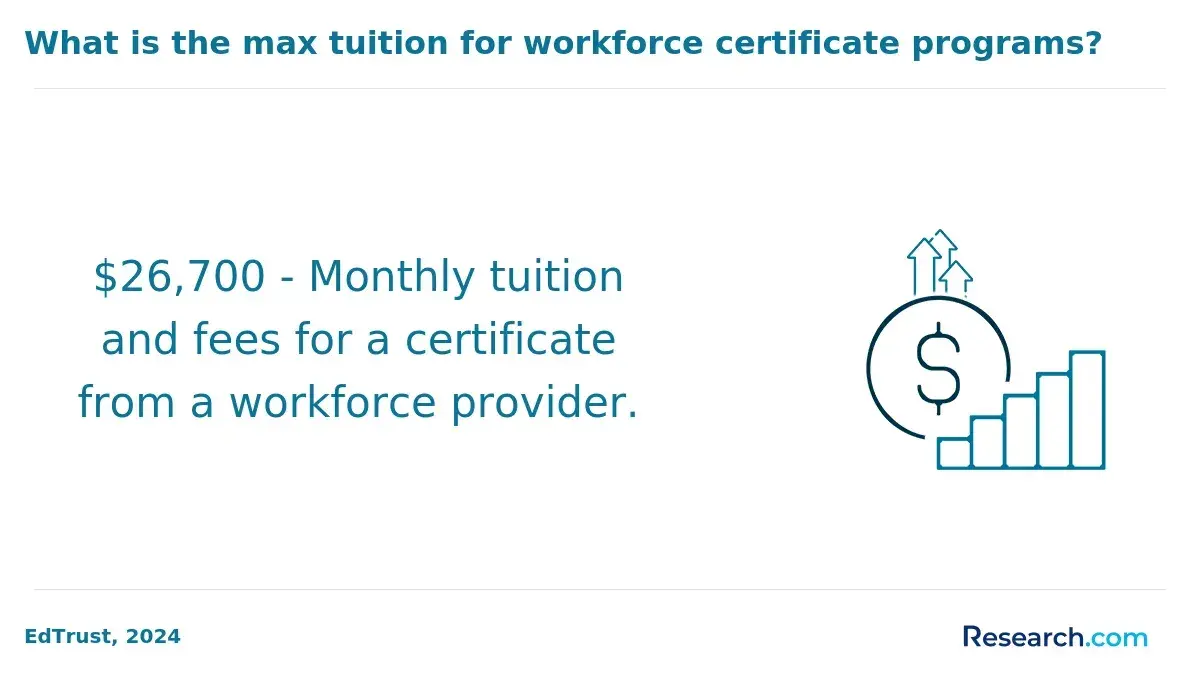
Accelerated options can shorten these timelines but mandate rigorous year-round coursework, potentially intensifying stress and workload challenges. Tuition rates vary widely by residency and institution type. In-state public programs typically charge $150 to $400 per credit hour, placing total bachelor's tuition between $9,000 and $48,000.
Private and out-of-state tuition rates often exceed $500 per credit hour, pushing costs above $60,000. Additional fees-regularly $1,000 to $2,000 annually-cover technology and student services. Practical budgeting and realistic scheduling are imperative. Candidates should weigh immediate fiscal impact alongside long-term employability gains related to documented skills in virtual biology labs referenced in the Journal of Science Education and Technology.
What biology careers rely heavily on precise lab documentation, and how do degrees prepare students?
Precision in lab documentation dictates success or delay in fields like molecular biology, clinical research, pharmacology, and environmental biology. For example, a molecular biologist must accurately record gene editing steps and outcomes to meet FDA standards and validate discoveries.
Missteps in documentation can stifle regulatory approval or compromise data trustworthiness, impacting career viability directly. Online degree programs increasingly integrate electronic lab notebooks (ELNs) and standardized data management to mirror professional expectations.
Notably, 74% of biopharma and biotech firms now rely on ELNs-a substantial rise from 48% in 2019-mandating digital literacy as much as biological expertise. The value of these programs hinges on blending theory with hands-on practice in documentation protocols and compliance standards like Good Laboratory Practice (GLP).
Without this, graduates risk underperformance in industry workflows where rigorous records safeguard intellectual property and validate experimental innovation. Students preparing for roles such as lab technicians or regulatory affairs specialists must understand this operational balance, where innovative research meets accountability. Those focused solely on conceptual biology miss critical preparation for navigating complex regulatory frameworks essential to data integrity and patent protections.
What salary ranges and job outlook can graduates with strong biology documentation skills anticipate?
Graduates with strong biology lab documentation skills gain a measurable edge in a field where compliance and data integrity are non-negotiable. Entry-level salaries range from $50,000 to $65,000, while mid-career professionals can command $70,000 to $95,000 depending on industry sector.
This premium reflects a documented proficiency gap identified by the National Association of Colleges and Employers (NACE), which reports 61% of recent biology graduates lack adequate protocol recording and data traceability skills. Roles like research technicians, quality control specialists, and clinical data coordinators hinge on meticulous documentation to meet regulatory standards and avoid costly setbacks.
For example, a biomedical company's quality control lab will reject experiment results without proper documentation, delaying drug development timelines. Professionals adept at comprehensive protocol recording help prevent downstream errors and support smoother regulatory audits, which directly influences job security and operational efficiency.
Employers now often evaluate documentation skills alongside core laboratory abilities, pressuring graduates to pursue supplemental training in electronic lab notebooks, Good Laboratory Practices (GLP), and data management tools. Without these, wage growth may stagnate and career progression can be limited despite foundational biology knowledge. The practical outcome of strong documentation skills includes higher initial pay, better retention in regulated environments, and clearer advancement paths toward research administration or laboratory management roles.
How can students evaluate accreditation, faculty expertise, and research opportunities in online biology programs?
Program accreditation directly affects employability and professional credibility, making validation through recognized bodies like CHEA or regional accreditors essential. In regulated lab environments, adherence to Good Laboratory Practice (GLP) standards is not optional; it shapes curriculum rigor and ensures graduates meet compliance expectations.
For example, firms regulated by the FDA demand traceable documentation workflows-skills that must be embedded in training for students aiming at these workplaces. Faculty expertise influences exposure to current industry challenges. Candidates should seek programs led by instructors with active research or advisory roles in lab data integrity and regulatory frameworks.
The recent 78% increase in GLP and data integrity credential enrollments underscores employer emphasis on these competencies. Faculty involvement in applied biology documentation standards signals access to advanced, relevant practices rather than generic instruction.
Research opportunities offering documented, traceable lab experiences-whether through online labs, institutional partnerships, or realistic virtual simulations-bridge theoretical knowledge with workplace realities. Students balancing work and study must weigh asynchronous course flexibility against the need for synchronous collaboration that cultivates critical data management skills valued by biotech employers.
When evaluating program content, prioritize curricula integrating lab documentation explicitly and post-completion supports such as certification prep or lifelong learning. This reflects growing market demand for documented process competence rather than solely content exposure.
Other Things You Should Know About Biology
Employers differentiate candidates based on the depth of hands-on experience and the rigor of lab documentation training, which can vary substantially in online programs. While many online biology degrees incorporate virtual labs and digital record-keeping, employer acceptance hinges on program reputation and demonstrated competency through practical assignments or internships. When evaluating online options, prioritize programs that require or facilitate real-world lab internships or research projects with verifiable documentation components to match employer expectations in data accuracy and compliance.
Effective lab documentation demands consistent attention to detail and timely record entry, skills that are harder to cultivate without the structure of a physical lab environment. Online biology programs require significant self-discipline to keep pace with asynchronous lab assignments, virtual experiments, and reflective logs. Students should expect to allocate fixed weekly hours specifically for practice in documentation to avoid falling behind, as delayed or rushed record-keeping compromises skill mastery and employer readiness.
Integrated research projects provide superior real-world training in lab documentation compared to purely coursework-driven programs. Research projects simulate the continuous data tracking and iterative refinement processes typical in biology careers, offering practical scenarios where documentation accuracy directly impacts outcomes. For students aiming for roles requiring strong lab record-keeping, choosing programs with embedded research components leads to better preparedness and a competitive edge in employment.
Employers do value lab documentation skills, but this appreciation may vary depending on the specialization. Certain fields, like molecular biology or microbiology, place a higher emphasis on meticulous documentation due to the precise nature of experiments, while others might focus more on analytical or fieldwork skills.
References
- 5 fascinating career paths for biology majors https://www.ecologyproject.org/post/5-fascinating-career-paths-for-biology-majors
- Online Biology Courses by World-Class Scientists https://www.ibiology.org/online-biology-courses/
- Online Bachelor's Degrees in Biology: Top Schools & Programs https://www.edumed.org/online-schools/biology-degrees/
- How We Develop the Highest Quality Curricula for More Effective Online Labs https://www.scienceinteractive.com/blog/2023/how-we-develop-the-highest-quality-curricula-for-more-effective-online-labs/
- Fast Way to Get an Online Biology Degree | Straighterline https://www.straighterline.com/blog/how-to-earn-an-online-biology-degree
- Advantages and Disadvantages of Virtual Laboratory https://praxilabs.com/en/blog/2018/03/01/important-advantages-impediments-use-virtual-lab/
- Online Science Courses with Lab that Transfer: A Helpful Guide - Prereqcourses https://www.prereqcourses.com/online-science-courses/
- Athens State University | Biology Degree Jobs https://www.athens.edu/online-degree-completion-programs-working-adults/biology-degree-jobs-a-world-of-possibilities/
- Three Benefits of Virtual Labs in College Science Courses - Every Learner Everywhere® https://www.everylearnereverywhere.org/blog/three-benefits-of-virtual-labs-in-college-science-courses/
- Careers Guidance https://www.rsb.org.uk/career-guidance.html