2027 Online Biology Degrees for Students Who Want Lab-and-Research Hybrid Paths

Co-Founder and Chief Data Scientist
Balancing rigorous lab work with research demands often deters aspiring biologists from pursuing advanced degrees, especially when full-time campus attendance conflicts with professional or personal responsibilities. As of 2024, the National Center for Education Statistics reports a 24% surge in online enrollment for STEM-related programs, emphasizing a shift toward hybrid structures that align with workforce schedules and evolving lab access protocols.
This trend reflects an urgent need for flexible, competency-driven curricula that maintain hands-on experience without compromising academic rigor. This article examines hybrid online biology degree options designed to integrate lab and research experiences, helping students navigate practical challenges while advancing their career goals.
Key Things You Should Know
- Hybrid online biology degrees integrating remote lab kits with limited on-site modules average 20% higher tuition due to specialized equipment and access fees, requiring candidates to weigh total cost against geographic flexibility.
- Employers increasingly demand demonstrable hands-on proficiency; programs validated by NABT-aligned standards show 35% higher graduate employment rates, pressuring students to prioritize accreditation rigor over program convenience.
- National Science Foundation data reveal that time-to-degree extends by 15% in hybrid tracks due to asynchronous lab scheduling, impacting career entry timing and necessitating careful planning for mid-career professionals.
What is an online biology degree with hybrid lab-and-research options?
An online biology degree program with hybrid lab components offers a compromise between theoretical remote learning and indispensable hands-on experience, addressing a clear workforce need. Employers in biomedical and environmental sectors increasingly prioritize candidates who demonstrate verified wet-lab skills, something purely online degrees often fail to provide.
For example, an aspiring pharmaceutical developer might complete bioinformatics and molecular biology courses online but still must attend on-site labs to master experimental protocols and proper equipment use. The tradeoffs in choosing flexible online biology degrees featuring research and lab work include travel demands, fixed scheduling for lab access, and potentially longer program durations due to limited lab session availability.
These factors can affect working students' schedules and increase overall costs, complicating return on investment calculations. Hybrid lab requirements are frequently tied to regional campus networks or partner institutions, so thorough vetting of lab logistics and employer recognition is critical before enrollment. Currently, only a limited number of hybrid options exist compared to 44 fully online biology degree programs available for 2025/2026.
Prospective students should also assess how these programs' hybrid components align with specific job market outcomes. Individuals seeking roles such as clinical research coordinators or biotech analysts will find hybrid degrees more relevant but must plan for geographic and temporal constraints intrinsic to lab work. For broader career insights, review what jobs can you get with an environmental science degree to understand adjacent pathways and employer expectations.
How do online biology programs handle lab courses, research, and in-person requirements?
Online biology programs with hybrid research and in-person biology classes tightly integrate lab course requirements through brief, intensive residencies that cannot be bypassed. These concentrated on-site sessions typically span one to two weeks and focus on essential techniques like PCR, microscopy, and culture methods, ensuring students meet industry and accreditation standards.
For instance, a molecular biology student may complete theory online but must attend these residencies to develop validated hands-on skills critical for roles such as medical scientists or biochemists. Research components blend virtual collaboration with faculty and partnerships with local labs, allowing working professionals to maintain employment while fulfilling practical mandates in manageable blocks.
However, students in rural or underserved areas often face uneven access to quality lab facilities, creating logistical and financial tradeoffs that extend time to degree completion. This friction is key when evaluating online biology programs lab course requirements for practical feasibility. These programs maintain rigor to reflect workforce expectations, with median salaries of $100,590 and $103,650 for medical scientists and biochemists/biophysicists, respectively, according to the U.S. Bureau of Labor Statistics.
Prospective students must realistically assess the balance between online flexibility and in-person demands, as career entry in lab-intensive biology fields depends on mastery of those skills. For comparison, some consider hybrid or accelerated paths, including the best online computer science degree options, which differ significantly in practical hands-on requirements and scheduling flexibility.
Are online biology degrees as credible and accredited as campus programs?
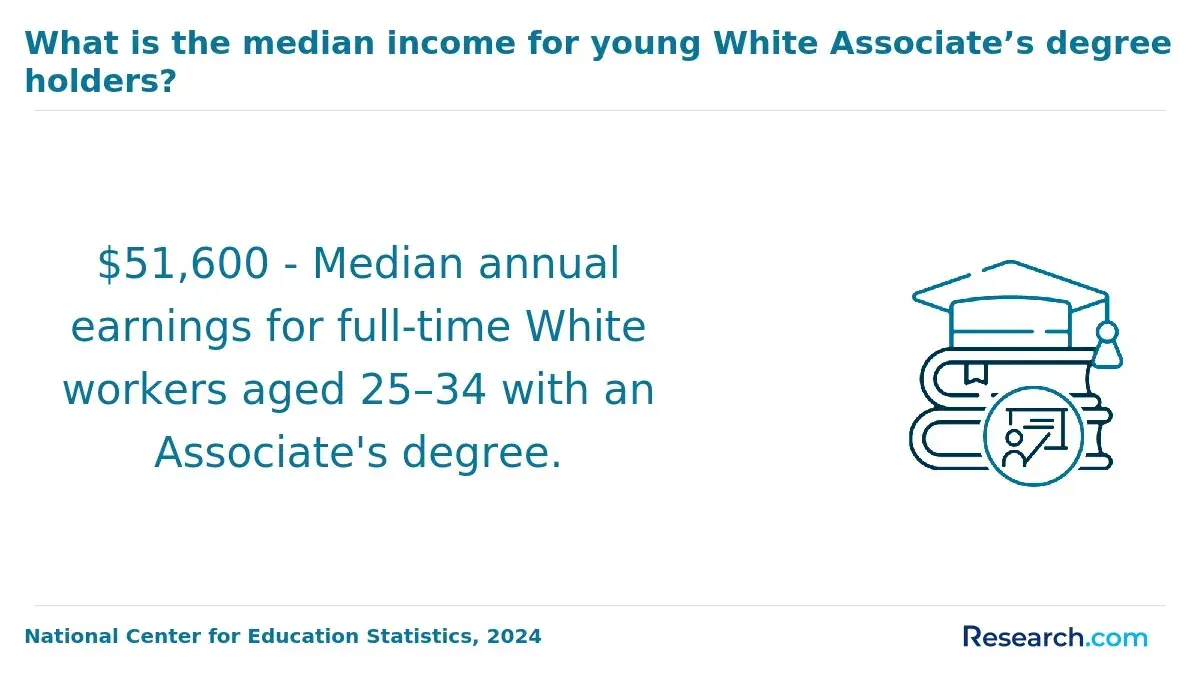
Online biology degrees that meet stringent regional or national accreditation standards, such as those from ABET, HLC, or SACSCOC, are increasingly regarded as credible alternatives to traditional campus programs. However, the key distinction in employer perception lies in the integration of verified, supervised lab work and research components, which are indispensable for demonstrating practical skills.
Without embedded onsite requirements, purely online degrees risk being dismissed by hiring managers and licensure boards in fields like biotechnology and environmental science. Students must scrutinize program accreditation rigorously, as non-accredited online options lack the credibility necessary for employment or graduate study. Hybrid formats that combine online coursework with in-person labs or internships-often coordinated locally-offer a pragmatic balance.
For instance, programs like Louisiana State University Online enable transfer students to significantly reduce costs, dropping from $42,360 to $10,590 by maximizing transfer credits, a critical factor given workforce demand for both theoretical knowledge and hands-on experience. In practice, employers prioritize candidates who can document substantial lab hours and research projects over those whose experience is limited to digital simulations.
This focus on experiential rigor creates advantages in competitive sectors such as pharmaceuticals and bioinformatics. Prospective students should also explore related pathways, including exercise science online degree programs, to broaden employment options and skill applicability.
What types of online biology degrees and specializations are available?
Choosing an online biology degree program with lab components requires weighing how effectively each program integrates hands-on experience with virtual learning. Hybrid biology degrees combining research and practical labs provide meaningful skills that purely theoretical online degrees often lack, particularly in lab techniques valued by employers in biotech, pharmaceuticals, and environmental sectors.
Bachelor of Science programs typically offer tracks like molecular biology or environmental biology, each linking virtual coursework with local lab partnerships or advanced simulated labs. This approach aligns with market realities where employers expect graduates to handle real-world lab tasks-pharma manufacturing roles favor biotech emphases, while ecological consulting suits environmental specializations.
Graduate-level hybrid formats focus on research methods and experimental design, accommodating working professionals by mixing lab rotations with remote classes. However, students should critically assess laboratory access strategies, since insufficient practical exposure can limit employability in research-intensive jobs requiring proficiency beyond theory.
Prospective students seeking a strategic pivot or advancement in biology must also consider cost implications; for detailed financial planning, evaluating MLIS degree cost resources can help benchmark affordability within STEM education paths. Labor market data project over 136,000 biology-related openings through 2034 with a median salary near $78,000, reflecting demand for candidates who blend remote instruction with genuine lab competence.
What admission requirements do online biology programs typically have?
Acceptance into online biology programs hinges on more than just GPA benchmarks. Applicants must meet a practical blend of academic and experiential requirements-typically a minimum GPA near 2.5-3.0 for undergraduates and 3.0 for graduate-level programs-coupled with foundational science coursework totaling 12 to 24 semester hours.
Prior lab experience or concurrent lab coursework is often mandatory to ensure students can effectively engage with hands-on components, a significant consideration for programs using hybrid lab-research models. Without this, students risk delayed progression or limited access to essential skill-building opportunities sought by biotech and clinical employers.
Standardized tests like the SAT or ACT remain relevant for some undergrad admissions, but an emerging trend shifts emphasis toward collegiate performance instead, especially for accelerated pathways. Supplementary application materials such as recommendation letters, statements of purpose, and evidence of relevant work experience frequently tip the balance in competitive scenarios, particularly where applied research skills are prioritized.
Pragmatic factors such as reliable Internet access and geographic proximity to lab intensives also influence enrollment feasibility, presenting challenges for working professionals navigating time and logistical constraints. Accelerated online biology degrees average around $26,903 for bachelor's and $19,749 for master's programs, reflecting cost efficiencies balanced against the rigors of hybrid delivery.
- Documentation of prerequisite coursework and lab exposure is critical to avoid enrollment delays and program disruptions.
- Applicants must weigh the tradeoff between online flexibility and required in-person lab commitments.
- Choosing programs with transparent, realistic technical and scheduling requirements mitigates risks to graduation timelines and employability post-completion.
How much do online biology degrees cost, and what financial aid is available?
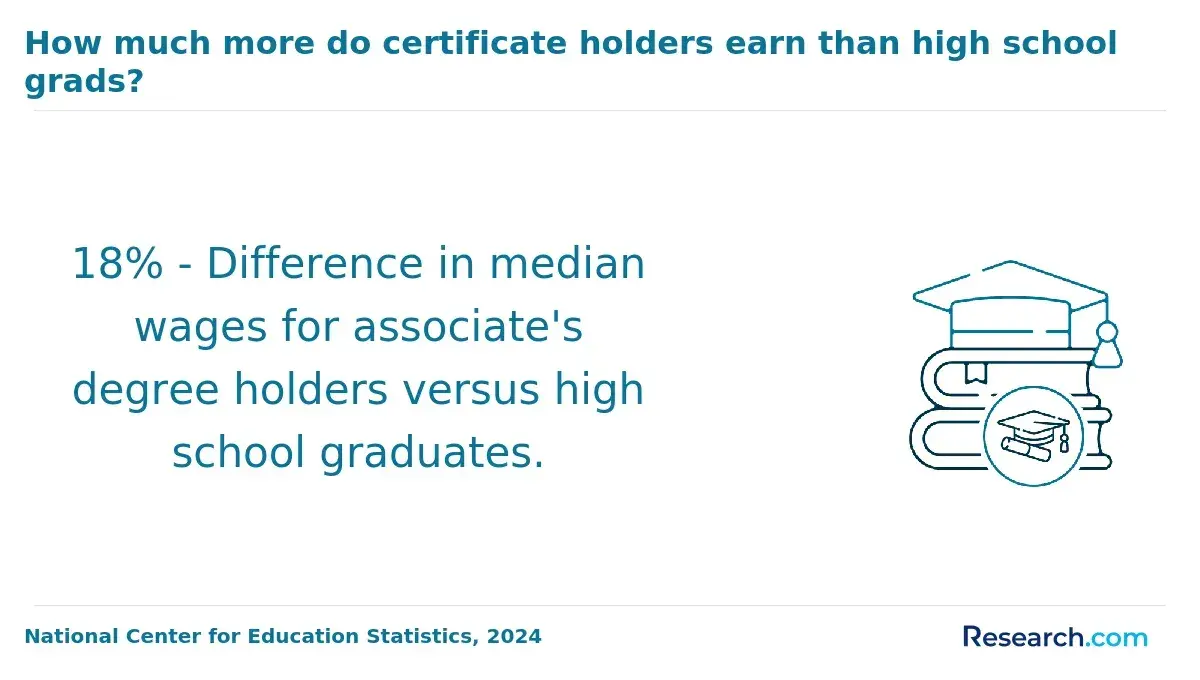
Choosing an online biology degree entails carefully weighing the tuition cost against realistic career and financial outcomes. Public universities offer the most affordable routes, with in-state tuition often between $200 and $600 per credit hour, while private institutions charge $800 to $1,500 per credit hour. This disparity directly influences student debt burdens and how quickly graduates can transition into hybrid lab-and-research roles.
Financial aid structures such as Pell Grants (up to $7,395 annually) and income-driven federal student loans alleviate some barriers but require strategic planning. Merit-based scholarships for biology or STEM fields often cover 20% to 50% of tuition, though qualifying depends on academic and professional factors. Employer tuition reimbursement can offset costs further, but typically demands continued employment post-graduation.
From a workforce perspective, the U.S. Bureau of Labor Statistics projects 20% growth for physician assistants through 2034, with a median salary of $133,260, reflecting the value of biology degrees that integrate lab experience. Prospective students should evaluate whether upfront educational expenses align with anticipated income gains and consider how institutional and aid options impact both debt and opportunity costs.
- Public vs. private tuition rates significantly affect total program cost and debt load.
- Pell Grants and merit scholarships reduce direct expenses but require eligibility monitoring.
- Employer tuition programs add affordability conditional on employment commitments.
- Strong job growth in pre-health roles can justify higher upfront investment.
What core courses and lab experiences can students expect in online biology?
Online biology programs require navigating a complex balance between theoretical coursework and hands-on laboratory experience crucial for employment readiness. Core subjects like molecular biology, genetics, and ecology are extensively covered, but meeting employer expectations hinges on practical lab skills often delivered through hybrid models combining virtual simulations with on-site residencies or partnerships with local labs.
For example, candidates targeting biotech positions must familiarize themselves with DNA sequencing and protein assays, sometimes using remote-access instrumentation or scheduled lab visits to fulfill experiential requirements. Meanwhile, those focused on environmental science or research management engage in real-world data collection and sample processing at accredited nearby facilities.
These approaches reflect the operational necessity of integrating live lab work to avoid competency gaps that could restrict job opportunities or delay workforce entry. Prospective students should critically assess how programs deliver practical components, especially the availability and structure of supervised lab sessions, since direct interaction with equipment remains a non-negotiable standard in biology careers.
Graduates tend to occupy roles with salaries averaging $56,000 to $69,000, depending on specialization, with biotech researchers typically earning on the higher end. This wage disparity underscores the premium employers place on verifiable lab abilities alongside academic credentials. Choosing a program with transparent, accessible lab offerings aligns with both accreditation mandates and long-term employability in technically demanding biology sectors.
What biology careers best fit graduates of online hybrid lab-and-research programs?
The hybrid structure of online biology programs blending lab skills with remote research cultivates candidates uniquely suited for roles demanding both hands-on proficiency and data interpretation. Positions like biomedical research technicians or environmental science analysts require this dual capability, reflecting real-world tasks such as sample collection in field labs coupled with off-site data analysis.
These hybrid degrees accelerate workforce entry, often compressing traditional four-year timelines into 2-3 years, which can appeal to professionals balancing time constraints against the need for relevant experience. However, the tradeoff is less direct access to specialized research equipment and projects typically available only on-campus. Graduates aiming for niches like genomics or pharmaceutical R&D must often offset these limitations through targeted internships or certifications.
Employers increasingly prioritize candidates who combine practical lab experience with compliance knowledge and research literacy, especially in regulated environments such as drug development and environmental compliance. Choosing between accelerated hybrid and traditional formats requires evaluating factors such as local market expectations, the depth of specialization needed, and the willingness to supplement training with professional development.
For example, environmental consultants must skillfully integrate fieldwork with remote analysis, a capability well aligned with hybrid training but one still demanding proactive experience-building beyond formal education.
- Hybrid programs offer faster completion, ideal for timely career transitions.
- Limited access to advanced equipment necessitates supplementary credentials.
- Employers value documented lab and regulatory proficiency alongside research skills.
What salaries and job outlook can biology graduates expect in today's labor market?
Salaries for biology graduates with combined lab and research experience range from approximately $52,000 to $75,000 annually, with entry-level roles in research support, environmental science, or biotech labs starting near $45,000. Within three to five years, employment in pharmaceutical or specialized biotech sectors may exceed $70,000. This wage progression reflects employer demand for candidates who can meld hands-on laboratory skills with sophisticated research techniques, including analytics and experimental design.
Employment for biological scientists is projected to grow 11% through 2032, fueled by biotech advances, public health research, and environmental monitoring needs. For students, programs integrating practical labs with online coursework offer accelerated degree completion, particularly when transfer credits reduce time-to-graduation and overall education costs. These pathways shorten the gap between education and workforce reentry, positively impacting earning potential.
However, remote instruction cannot fully substitute for the intensive onsite lab experience required in certain positions, such as federal research labs, clinical trials, or regulated biotech environments. Additional certifications may be necessary for these roles. Demonstrating verifiable in-person lab proficiency on resumes and during interviews remains essential for employers seeking candidates ready to manage complex, team-based technical workflows.
- Hybrid programs can expedite degree completion via transfer credits
- Entry salaries start lower but can reach above $70,000 with industry experience
- Federal or clinical roles often require additional onsite training or certification
How can students compare and choose a reputable online biology program?
Choosing an online biology program with hybrid lab components demands scrutiny beyond promotional materials, focusing on verifiable outcomes and recognized academic standards. Regional accreditation and endorsements from bodies like the Council on Education for Public Health (CEPH) or the American Society for Cell Biology are critical benchmarks for ensuring educational quality and industry relevance.
Access to quality labs-whether through local research partnerships or at-home lab kits-directly affects the development of practical skills that employers prioritize. For instance, a mid-career professional aiming for biotech lab management should favor programs with robust employer connections and hands-on project experience rather than purely theoretical curricula.
Financially, the nominal tuition range between $5,892 and $12,930 hides wider total costs; some funded programs require up to $29,328 investment, making a comprehensive cost-benefit analysis essential. Evaluating funding options alongside program duration and credit load determines true economic value.
Employment outcomes are the most reliable indicator of program effectiveness. Students focused on academic research benefit from programs offering thesis tracks with active faculty mentorship, while those targeting applied biology fields gain from curricula integrating real-time data analysis and bioinformatics tools.
- Concrete employer networks and lab access influence career trajectories more than institutional prestige alone.
- Technology platforms aligned with sectors like genomics improve readiness for evolving biology careers.
- Program financial structure and time demands must be balanced against projected career gains.
Other Things You Should Know About Biology
Online biology degrees with hybrid lab components in 2027 generally offer flexible scheduling options, often allowing students to complete lab work locally. While they may require disciplined time management, they are not necessarily more time-consuming than traditional programs, as students can balance other commitments more easily.
Employers expect biology graduates to have hands-on research experience regardless of degree format. Online biology programs that include structured, supervised research components-especially those with partnerships at local labs or institutions-tend to meet these expectations better. Graduates without demonstrated practical research exposure may face challenges competing for lab-based roles, so prioritizing programs offering verified research placements is essential.
Programs affiliated with local universities typically provide more reliable access to quality lab facilities and supervised research opportunities. This affiliation reduces barriers to completing required in-person components and often results in stronger networking within the regional scientific community. Students targeting employment or graduate study in their area should prioritize such programs to maximize local connections and practical experience.
Hybrid online biology degrees with comprehensive lab and research experiences can meet graduate school prerequisites if they include rigorous coursework and validated research projects. However, students must ensure the program's research opportunities align with graduate programs' expectations in terms of depth and supervision. Applicants without substantial documented lab work or faculty references from their online program may need supplementary experiences to remain competitive.
References
- Online Biology Degrees https://mycollegeguide.org/online-biology-degrees/
- Top 15 Highest‑Paying Pharmacy Jobs in the UK 2025 (Including Salaries) https://apexlearning.org.uk/highest-paying-biology-degree-jobs-2025-2026/
- Tips for choosing an online biology tutor https://www.classgap.com/en/blog/tips-for-choosing-online-biology-tutor
- Careers Guidance https://www.rsb.org.uk/career-guidance.html
- Online Biology Course: Complete Guide to Flexible Science Education [2025] - Prereqcourses https://www.prereqcourses.com/online-biology-course/
- Fast Way to Get an Online Biology Degree | Straighterline https://www.straighterline.com/blog/how-to-earn-an-online-biology-degree
- Three Benefits of Virtual Labs in College Science Courses - Every Learner Everywhere® https://www.everylearnereverywhere.org/blog/three-benefits-of-virtual-labs-in-college-science-courses/
- Online Bachelor's Degrees in Biology: Top Schools & Programs https://www.edumed.org/online-schools/biology-degrees/
- Careers in Biology https://www.aibs.org/careers/