2027 Best Online Biology Degrees for Working Adults

Co-Founder and Chief Data Scientist
Balancing full-time employment with the pursuit of a biology degree forces working adults to confront rigid scheduling conflicts and program inflexibility that can derail career progress. The National Center for Education Statistics reported a 15% surge in online degree enrollments among adult learners in 2024, signaling a critical shift toward more accessible education. This trend reveals growing demand for programs that accommodate unconventional hours without sacrificing accreditation or curriculum rigor.
Employers increasingly prioritize candidates with verifiable skills obtained through credible yet flexible pathways, elevating the stakes for program selection. This article evaluates the best online biology degrees tailored to working adults, focusing on accessibility, workforce alignment, and long-term value to help navigate these challenges effectively.
Key Things You Should Know
- Online biology degrees average 20% lower median starting salaries versus on-campus degrees, reflecting employer bias toward in-person lab experience, which affects early career advancement potential according to 2024 BLS data.
- Programs relying on asynchronous lab simulations may reduce cost and scheduling conflicts but risk weaker hands-on competencies, complicating transitions into research roles requiring physical lab skills as per NSF workforce reports.
- Working adults face a median 36-month degree completion timeline online, longer than traditional paths, increasing total opportunity costs amid rising tuition inflation noted by NCES 2024 statistics, impacting return on investment timing.
What is an online biology degree, and how does it compare to on-campus programs?
Choosing an online biology degree requires careful consideration of how its format aligns with specific career paths, especially given varied employer expectations. For working adults balancing professional demands, online programs offer significant flexibility and typically blend asynchronous lectures with occasional synchronous labs or virtual simulations. However, not all biology roles accommodate fully remote credentials equally; positions in clinical research or environmental science often require direct lab work or field experience, pushing students toward hybrid options or supplementary in-person training.
The expanding availability of online biology degrees-44 fully online programs globally in 2025-reflects growing acceptance in sectors prioritizing data analysis, bioinformatics, or laboratory management, where hands-on presence is limited. Yet, biotechnology and pharmaceutical employers still emphasize technical skill mastery and practical research experience, making internships and on-site experiences vital for graduates from all formats.
Key distinctions between online and on-campus biology programs emerge in experiential learning opportunities and industry integration. Government and academic research roles tend to favor candidates with traditional lab exposure, reducing the competitiveness of purely online credentials unless paired with direct research involvement. Cost advantages and accessibility are notable benefits, but the value depends on institutional accreditation and how well students can meet hands-on requirements.
Prospective students should analyze program structures against their target roles, verifying incorporation of experiential components and employer connections. For example, those exploring degrees like an animal science bachelor degree online encounter similar tradeoffs in balancing flexibility with practical skill acquisition.
Overall, online biology degree benefits for working adults derive from flexible pacing and reduced commuting, yet these advantages must be weighed against the demands of hands-on work integral to many biology careers.
Are online biology degrees credible and properly accredited for U.S. careers and graduate study?
Choosing accredited online biology degrees for U.S. careers requires careful consideration of institutional recognition and hands-on training pathways. Regional accreditation remains the benchmark, ensuring credits transfer and credentials hold value with employers and graduate programs. This is critical because employers in biotech, healthcare, and environmental science verify accreditation before hiring, and graduate admissions weigh degrees from credible institutions heavily when assessing applicants.
Cost is a practical factor: many accredited bachelor's programs offer rates between $200-$350 per credit hour, notably lower than on-campus alternatives exceeding $1,000 per credit, making online options financially viable for working adults. However, the absence of sufficient lab experience in some accelerated or fully remote formats can obstruct licensure eligibility or delay entry into lab-intensive roles, a frequent practical barrier for candidates without local internships or program partnerships.
Graduate programs similarly prioritize applicants who demonstrate both accredited training and authentic lab competencies. Degrees lacking verified hands-on experience may undermine prospects in competitive master's or PhD biology admissions, directly impacting career trajectories.
Students navigating online biology degree credibility for graduate study in the U.S. should also assess credit transfer rules and opportunities for regional lab collaboration to mitigate experiential gaps. Programs with explicit employer or in-field connections reduce such friction, facilitating smoother transitions into demanding biology roles.
For individuals exploring advanced credentials, comparing options like an online data science doctorate may reveal interdisciplinary advantages complementary to biology careers in data-driven sectors.
How can working adults choose the best online biology program for their goals and schedule?
Working adults pursuing the best online biology degree programs for working adults should prioritize alignment with specific career trajectories and scheduling flexibility. For instance, healthcare professionals targeting research roles need programs with strong molecular biology and lab skill components, while those aiming for environmental careers should seek curricula tailored to conservation biology. Flexible online biology courses tailored for adult learners that offer asynchronous options or part-time enrollment enable continuation of full-time employment without sacrificing educational progress.
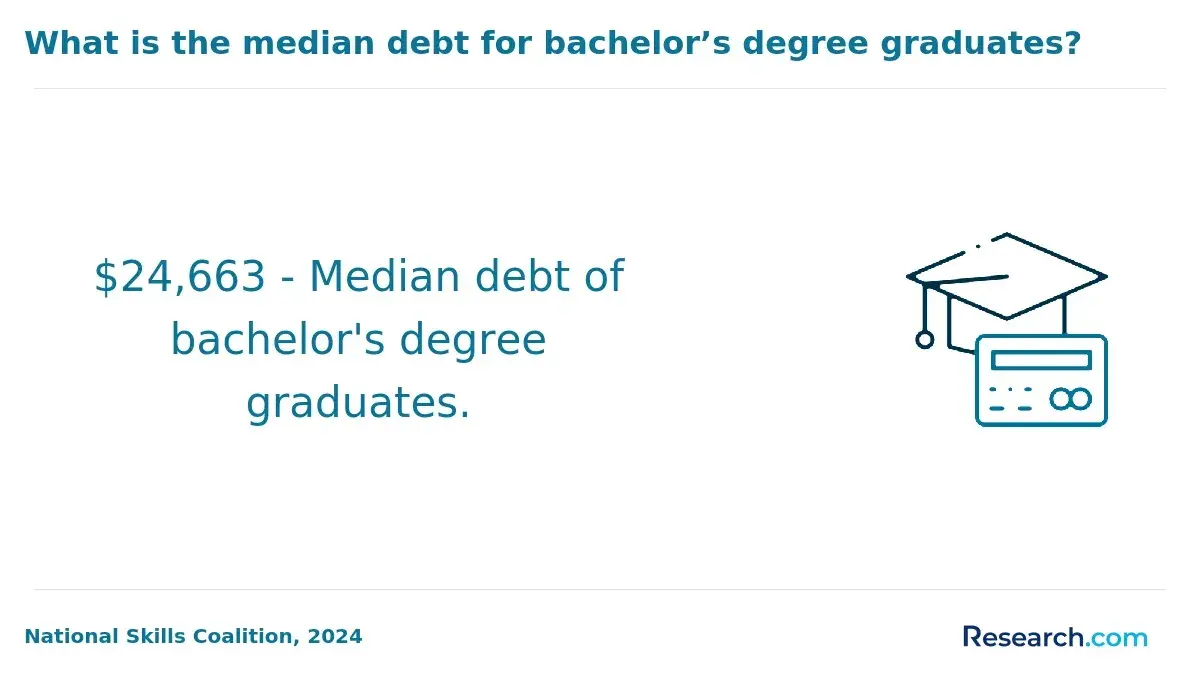
Financial considerations also weigh heavily. Choosing an online format at institutions like the University of Florida can save roughly $10,000 in tuition compared to on-campus counterparts, but lifetime return on investment varies drastically. According to FREOPP data reported by U.S. News, biology graduates' lifetime earnings range from -$185,291 at the University of Florida to +$201,533 at Washington State University. This disparity reflects differences in graduate employment rates, average starting salaries, and program reputation.
Other practical factors include the availability of internships or lab experiences that fit working schedules, and institutional support mechanisms such as technical help and remote academic advising. Employer networks within targeted industries can increase hiring chances, but accreditation and regional recognition often determine eligibility for clinical or research roles.
Working adults evaluating biology pathways might also consider interdisciplinary options; for example, exploring a related field via an online degree in exercise science offers alternative career avenues with strong labor market demand.
What admission requirements and prior coursework do online biology bachelor's programs typically expect?
The admission criteria for online biology degree programs reflect a balance between foundational knowledge and practical readiness, particularly for working adults who often pursue part-time study schedules extending beyond the typical four-year framework. Prerequisite courses for online bachelor's in biology programs generally include biology, chemistry, physics, and algebra or higher-level math, underscoring the need for solid competency across natural sciences and quantitative reasoning before enrollment.
Employers in competitive sectors such as biotechnology and healthcare prioritize graduates who complement theoretical understanding with verifiable lab experience. Consequently, programs often require documentation of completed laboratory work or partner with local facilities to provide hands-on training-a non-negotiable element that cannot be fully substituted by online coursework. This reality demands early verification of program articulation agreements and transfer options, especially for students with backgrounds in allied health or environmental sciences looking to leverage prior credits in anatomy, physiology, or ecology.
Students navigating online biology degree admission criteria for working adults should anticipate standardized testing requirements like SAT/ACT scores or placement exams to confirm STEM readiness. They must also weigh the tradeoff between accelerated degree paths and the depth of experiential learning employers expect. Those seeking a strategic pivot or advancement must plan carefully to avoid gaps that could impact employability.
For additional context on how military-friendly options integrate with STEM degrees, consider reviewing the best military friendly online electrical engineering degrees, which share similar admission and practical readiness standards.
How long does it take to earn an online biology degree, and can you study part time?
An online biology degree taken part time extends completion well beyond the typical four-year timeline, often requiring 5-7 years depending on course load and program flexibility. This slower pace allows working professionals to maintain employment but introduces tradeoffs including delayed entry into roles that demand updated skills and risk of employer bias regarding prolonged study duration. For example, a healthcare worker pivoting careers may enroll part time, taking 2-3 courses per semester while balancing job responsibilities. Such students must rigorously manage time to avoid program fatigue and potential extension beyond seven years.
Lab requirements often challenge part-time online biology students since some involve in-person sessions or scheduled virtual labs that restrict flexibility. Programs offering asynchronous lectures and flexible deadlines help accommodate work schedules but require upfront verification. Employers prioritize relevant skills and degree completion over speed; however, delayed graduation can postpone access to median annual wages near $76,530 for biology graduates in life and physical sciences, as reported by the U.S. Bureau of Labor Statistics.
Effective strategies to mitigate these challenges include prioritizing prerequisite and foundational courses early and leveraging academic advising to design an optimized course sequence. Balancing steady progress against economic stability through continued employment is critical. Prospective students should weigh the practical realities of time-to-degree and employer expectations carefully to determine if part-time online biology study aligns with their financial and career timelines.
What core courses, labs, and specializations are offered in online biology degree curricula?
Online biology degree programs demand more than theoretical knowledge; practical lab proficiency significantly determines graduate employability, especially in roles such as biological technician. Most curricula include essential core courses like cell biology, genetics, and biochemistry, but the critical differentiator lies in how programs provide lab access. Virtual labs and short on-site intensives offer flexibility for working adults but may limit hands-on experience compared to local partnerships or semester-long lab sessions. Graduates lacking thorough lab training risk needing extra post-graduate certification or work experience to meet employer standards.
Specializations shape workforce alignment-candidates focusing on pharmaceutical quality control must prioritize molecular biology and biochemistry labs, whereas those targeting conservation roles benefit from ecology and environmental biology tracks with substantial fieldwork. Programs increasingly emphasize bioinformatics and data analysis, responding to demands for managing complex biological datasets.
Employment growth for biological technicians is modest, around 4% over the decade, with about 9,000 openings annually, highlighting the necessity of a strategic concentration paired with validated practical skills.
- Evaluate if the program's lab delivery suits your geographic and time limitations to avoid career delays.
- Choose specializations emphasizing emerging fields like biotechnology and genomics to increase market relevance.
- Understand the tradeoff between flexible, simulation-based labs and robust hands-on training impacting immediate job readiness.
How much do online biology degrees cost, and what financial aid options are available?
Choosing an online biology degree requires balancing tuition costs against the economic realities of intended career paths and workforce demands. Total tuition generally spans $15,000 to $50,000, influenced heavily by residency status and institution type. Public universities charge about $300 to $600 per credit for in-state students, while private schools range from $700 to $1,200 per credit. However, direct tuition is only part of the expense; additional costs such as lab kits, proctoring fees, and technology access add several hundred dollars, a significant factor for working adults managing full-time jobs.
Financial aid should include federal aid via FAFSA, unlocking Pell Grants and subsidized Stafford Loans that lower borrowing costs effectively. Employer tuition assistance, particularly common in health sectors preparing employees for roles in public health or pharmacy, can sharply reduce out-of-pocket spending and sometimes offers tax benefits. State scholarships targeted at returning adult learners and STEM completers provide another practical offset but often come with strict deadlines.
Prospective biology students aiming for health professions might justify higher upfront costs due to strong employment outcomes, as evidenced by University of Arizona Online's data showing biology graduates' successful transitions into advanced health fields. Conversely, those targeting general biological research must carefully consider longer ROI horizons and typically lower entry-level wages. Strategic planning requires modeling loan repayment against realistic salary trajectories to prevent debt that outpaces initial earnings.
What entry-level and midcareer jobs can you pursue with an online biology degree?
Online biology degrees serve distinct career stages by aligning curriculum with employer expectations, particularly emphasizing applied skills over theoretical knowledge alone. Entry-level roles such as biological technicians or environmental science technicians require practical lab competencies that well-designed online programs can provide through simulations or internships. However, advancing beyond these positions demands integration of experience and certifications; for instance, a clinical research coordinator typically combines an online biology credential with specialized training and project leadership experience.
Employers prioritize candidates able to demonstrate tangible proficiency rather than simply holding a degree. This dynamic highlights the need for programs that embed experiential learning and strategic elective choices tied to particular sectors, such as biotechnology or environmental consulting. Given time and financial constraints common among working adults, tuition per credit varies widely-Texas A&M University-Commerce charges $289 per credit totaling roughly $43,700, while military-affiliated students may access programs offering discounted rates between $250 and $423 per credit.
Prospective students must carefully map coursework against specific job requirements to avoid stagnation and maximize return on investment. A midcareer environmental consultant with five years' field experience can leverage an online biology degree to advise on sustainability policies, a transition requiring both applied expertise and industry recognition beyond textbook knowledge.
What salaries and job outlook can online biology graduates expect in major U.S. sectors?
Entry-level salaries for online biology graduates vary widely by sector, with healthcare and pharmaceuticals offering $45,000 to $65,000 for roles such as research technicians or clinical lab assistants. Mid-career professionals in biomedical science or clinical research coordination can expect $70,000 to $95,000. By contrast, environmental and ecological positions typically start lower, around $40,000 to $55,000, reflecting slower growth rates due to public and nonprofit funding constraints.
A critical workforce consideration is the balance between educational cost and time-to-employment. Programs allowing substantial credit transfers-such as Louisiana State University Alexandria's BS in Biology permitting up to 75% credit acceptance-significantly lower tuition from $42,360 to potentially $10,590. This reduction minimizes student debt and accelerates labor market entry, a crucial tradeoff for those prioritizing financial efficiency over institutional prestige.
Government and education roles often require additional certifications beyond a biology degree, with median salaries between $55,000 and $70,000. Without further credentials, wage growth tends to stagnate, and competition intensifies, underscoring the practical need for advanced qualifications to enhance job security and earning power.
Employers consistently value hands-on skills and cost-effective education pathways. Graduates who strategically leverage accelerated courses and credit transfers position themselves for more sustainable biologically related careers, with realistic expectations shaped by industry specifics and regional economic conditions.
Are there licenses, certifications, or graduate programs biology majors need for advanced roles?
Advanced roles in biology frequently require specialized credentials that extend beyond a bachelor's degree, with tangible impacts on employability and career trajectory. For instance, clinical and environmental testing positions demand certifications such as the American Society for Clinical Pathology (ASCP) Medical Laboratory Scientist license or state-specific environmental certifications. These are not merely formalities; they are prerequisites enforced by regulatory bodies, directly shaping access to medical laboratories and environmental agencies.
Graduate education, especially master's or PhD programs in niche biology fields, remains essential for research scientist roles or leadership in biotechnology. Consider a working adult transitioning into genetic counseling: completion of an ACGC-accredited program and subsequent state licensure usually requires two to three years post-bachelor's, involving significant financial and time commitments that must be balanced against immediate earnings.
Employers prioritize candidates with demonstrable return on their educational investment, with institutions like Texas A&M University-Commerce and the University of Florida recently noted for offering strong online degree value based on cost-to-outcome metrics. Meanwhile, environmental biologists eyeing federal roles often need EPA-approved certifications plus advanced specialized training, whereas some biotechnology lab management jobs may accept industry credentials like Certified Biological Safety Professional (CBSP) without graduate degrees.
Pragmatically, prospective biology professionals should assess credential requirements in precise job listings and regional licensure demands before enrolling in graduate programs to avoid postponing advancement. Integrating certification and educational decisions with market realities prevents misaligned pathways in this complex field.
Other Things You Should Know About Biology
Balancing full-time work with an online biology degree demands significant time management due to the discipline's lab components and intensive study requirements. Programs that offer asynchronous lectures and flexible lab schedules reduce conflict but expect weekly commitments of 15-20 hours. Prioritize programs with strong academic advising and virtual lab options to maintain quality without stalling your career. Without deliberate planning, students often face prolonged completion times or lower grades, which affects professional outcome projections.
Employers familiar with the biology field focus primarily on accreditation, practical experience, and skill proficiency rather than delivery mode. Graduates lacking in-person lab work or internship experience may face skepticism in research or clinical roles. For advancement in competitive biology sectors, supplementing an online degree with real-world research, volunteer lab work, or certification elevates credibility. Choose programs known for strong experiential components and industry connections to ensure employer recognition.
The top online biology degrees available in 2027 provide working adults with a wide range of specialization options, ensuring flexibility and catering to diverse career goals. Programs often include fields such as genetics, environmental biology, and molecular biology, allowing students to tailor their degrees to align with specific career aspirations and industry demands.
Most online biology degrees still require hands-on lab work, usually 1 to 2 laboratory courses with a separate in-person, hybrid, or approved virtual lab component. Some programs also require a final capstone or upper-level lab sequence to meet accreditation and degree standards.
References
- Best Online Biology Degrees https://www.affordablecollegesonline.org/biology-programs/
- How To Become A Biologist | Biology Degrees And Careers https://www.learnhowtobecome.org/science-technology-careers/biology/
- What Can You Do With a Biology Degree? 15+ Careers (2026) | Extern https://www.extern.com/post/what-can-you-do-with-a-biology-degree-career-guide
- Online Bachelor's Students Loans & Scholarships - Office of Financial Aid - Biola University https://www.biola.edu/financial-aid/scholarships-and-aid/online
- Online Biology Course: Complete Guide to Flexible Science Education [2025] - Prereqcourses https://www.prereqcourses.com/online-biology-course/
- Fast Way to Get an Online Biology Degree | Straighterline https://www.straighterline.com/blog/how-to-earn-an-online-biology-degree
- Top 15 Highest‑Paying Pharmacy Jobs in the UK 2025 (Including Salaries) https://apexlearning.org.uk/highest-paying-biology-degree-jobs-2025-2026/
- Types of Financial Aid for Online Colleges https://www.umassglobal.edu/blog-news/types-financial-aid-online-colleges
- Online Bachelor's Degrees in Biology: Top Schools & Programs https://www.edumed.org/online-schools/biology-degrees/