2027 Best Online Bachelor's in Biology With the Best Balance of Flexibility and Science Rigor

Co-Founder and Chief Data Scientist
Balancing the demand for rigorous science training with the need for flexible scheduling presents a persistent barrier for professionals pursuing an online bachelor's in biology. The National Center for Education Statistics reports a 12% rise in adult enrollment in online degree programs since 2022, reflecting wider workforce pressures and the necessity to integrate education with existing work and family responsibilities.
Such trends reveal a shift where accessibility can no longer come at the expense of academic rigor, especially in biology fields requiring substantial lab work and critical analysis. This article evaluates programs that maintain scientific depth while accommodating real-world constraints, guiding readers toward informed choices that advance careers without compromising educational quality.
Key Things You Should Know
- Online bachelor's in biology programs' lab simulation intensity varies, creating a tradeoff where high-flexibility tracks may insufficiently develop critical wet-lab skills, limiting eligibility for biotech R&D roles requiring hands-on expertise per National Science Foundation data.
- Employers increasingly value integrated data analysis in biology graduates; programs blending bioinformatics within core curricula yield 15% higher job placement rates within two years, according to 2024 Bureau of Labor Statistics workforce surveys.
- Median online biology degree cost savings near 30% reduce time-to-degree pressure but correlate with 20% slower completion rates in part-time learners, impacting mid-career pivots based on Community College Research Center 2024 findings.
What makes an online bachelor's in biology flexible yet academically rigorous?
Choosing an online bachelor's in biology program with academic rigor and flexibility requires careful scrutiny of how these elements coexist rather than simply coexist. Flexible biology degree programs balancing coursework and hands-on science often use asynchronous lectures and virtual labs to accommodate varied schedules, but omitting essential lab skills can jeopardize employability.
For example, graduates without substantial wet lab experience struggle to meet employer expectations in biotech and clinical research roles that demand precise experimental technique. Academic rigor should include demanding coursework in genetics, molecular biology, and biochemistry, coupled with practical elements like proctored exams and local lab partnerships. Such hybrid models reduce the isolation common in purely asynchronous programs, where lack of mentorship and peer collaboration can impair mastery of complex scientific content.
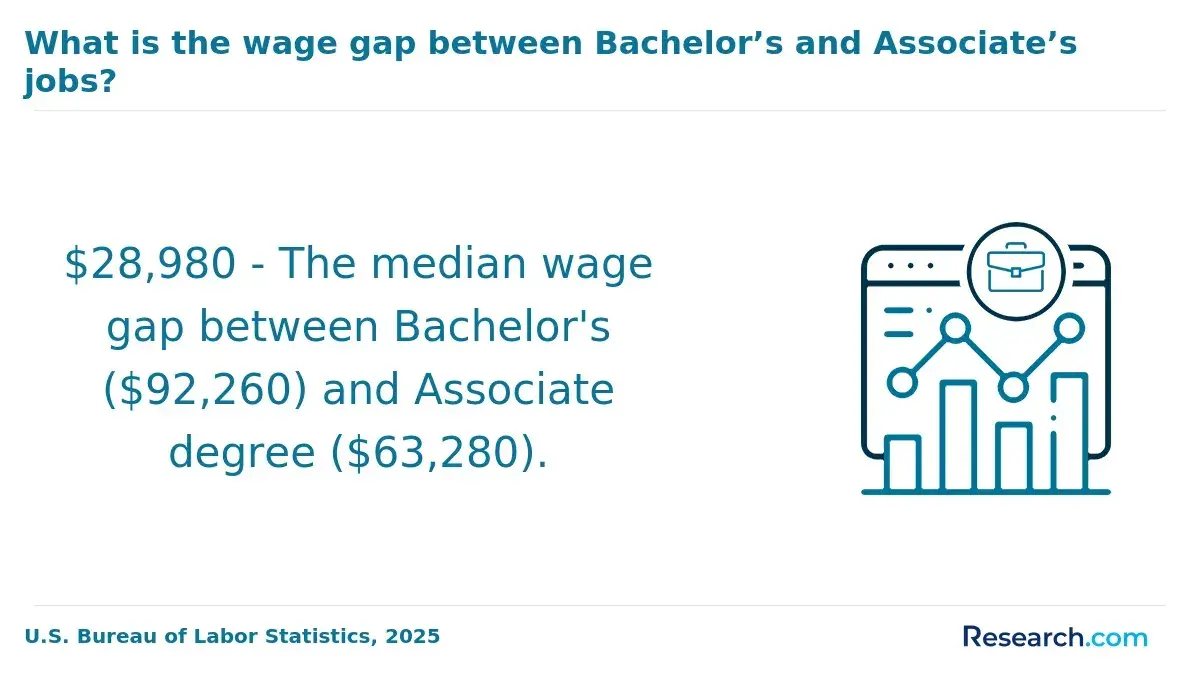
Balancing flexibility and rigor influences career outcomes significantly. Biological scientists in the U.S. earned a median annual wage of $89,310 in 2024, reflecting labor market premiums for well-prepared graduates. Decision-makers must evaluate whether program outcomes align with workforce requirements, emphasizing transparent lab expectations and measurable competencies.
Prospective students aiming for a strategic pivot may also explore related pathways such as careers with a bioinformatics degree, which combine biological knowledge with computational skills increasingly valuable in life sciences.
How do online biology degrees compare to campus programs in quality and outcomes?
Online biology degree quality comparison with campus programs reveals that core academic rigor matches when online programs incorporate accredited curricula and rigorous lab components. However, the practical limitations of remote learning impact key career outcomes of online versus traditional biology degrees in the US, especially in biotechnology and healthcare sectors where employers prioritize hands-on lab proficiency.
Fully online programs often require students to secure in-person internships or practicums to meet these employer expectations, affecting readiness for research-intensive roles. Graduates from virtual biology programs using synchronous labs and simulations demonstrate comparable theoretical mastery to on-campus peers, but self-motivation and discipline are critical for skill acquisition.
Notably, 65% of public and 93% of private nonprofit four-year colleges have adopted test-optional policies, shifting admissions focus toward candidate motivation and experience rather than ACT/SAT scores. For working professionals seeking a career pivot, online biology degrees provide flexible scheduling but require careful evaluation of how programs support access to physical laboratory training. Prospective students should prioritize those offering:
- In-person lab workshops or partnerships with local research institutions
- Robust virtual lab technologies supplemented by support for field research
- Career services connecting graduates with employers open to remote degree holders
Deciding between online and on-campus biology programs depends on alignment with career goals, self-management skills, and practical training availability rather than academic quality alone. Those interested in related fields may also explore affordable alternatives like an online data science master's to complement biological research competencies.
Which accredited schools offer top online biology bachelor's programs in the U.S.?
Choosing between accredited online biology bachelor's programs in the United States requires weighing the demands of applied science training against the need for scheduling flexibility. Students focused on biotechnology or clinical research roles benefit from programs that integrate molecular biology and data analysis with remote lab alternatives, minimizing interruption to full-time work or family commitments.
Conversely, environmental biology pathways often necessitate local fieldwork or hybrid models due to their hands-on nature, which can limit fully remote options. Institutions such as Oregon State University and University of Florida offer comprehensive online biology degrees that combine rigorous curricula with advanced lab simulations, supporting the best flexible online biology degrees in U.S. universities.
Meanwhile, schools like Arizona State University and University of Massachusetts Amherst enhance practical readiness by providing optional on-campus lab intensives or vetted internships, crucial for careers requiring direct lab experience. From a workforce perspective, transferable lab credits and local partnerships significantly improve employability in scientific fields.
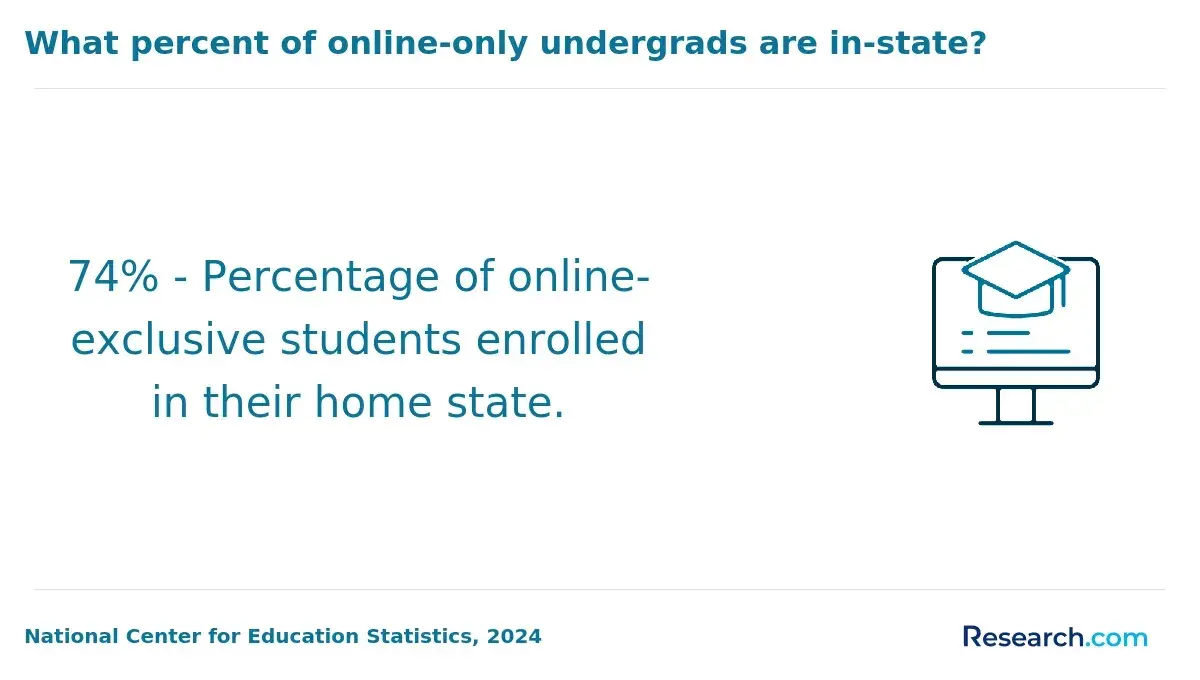
The rise from 15% to 25% in undergraduates studying exclusively online between in 2024 signals growing employer acceptance of remote credentials, provided the training shows substantive scientific rigor. Students shifting careers should also explore how these biology programs facilitate relevant skills while balancing real-world constraints. For interdisciplinary options, one might review pathways such as a degree in library science alongside biology to tailor an adaptive skillset for emerging research roles.
What accreditation should an online biology program have to be considered reputable?
Regional accreditation for online biology degrees is a pivotal filter that directly affects employment competitiveness and credit transfer potential. Degrees from institutions lacking accreditation from bodies such as the Higher Learning Commission or the Southern Association of Colleges and Schools typically encounter diminished employer recognition and limited acceptance by graduate programs.
Science program accreditation standards for biology extend beyond general academic validation to specialized endorsements from organizations like the American Society for Microbiology. These specialized accreditations signal that curricula rigorously engage with contemporary research methods and technical competencies demanded by laboratory and environmental science careers.
Employers in biotech or research settings often prioritize candidates whose credentials reflect adherence to these standards, impacting hiring decisions. For example, applicants with degrees from non-accredited programs may face significant barriers even before in-depth technical assessment, especially for roles emphasizing lab proficiency and empirical research skills.
Considering tuition cost differentials is critical but secondary to accreditation status. Online biology bachelor's programs usually offer about 27% lower tuition than comparable in-state campus options, with averages near $10,800 according to the National Center for Education Statistics. Still, prioritizing affordability over proper accreditation risks credentials that do not translate into professional value or academic progression.
Students evaluating online biology pathways should also assess programs against industry expectations and employability outcomes. For related advanced degrees with a financial lens, see online MLIS options to understand cost-quality tradeoffs across STEM-adjacent fields.
What courses and lab experiences are typically required in an online biology major?
An online biology major demands a tightly coordinated course sequence with embedded lab experiences to balance flexibility against the rigorous skill development employers expect. Core subjects like cellular and molecular biology, genetics, and physiology form the knowledge base, but distinct career pathways mean lab work cannot be superficial or omitted.
For example, prospective medical technologists must demonstrate competency with diagnostic tools through targeted lab modules, often facilitated by regional partnerships or brief on-campus residencies. In contrast, conservation biology students engage more extensively in ecosystem simulations and fieldwork analogs, reflecting divergent workforce needs. This differentiation underscores why programs relying solely on virtual labs risk producing graduates less competitive in hands-on roles.
Programs that combine asynchronous theory with intensive, time-limited lab visits mitigate scheduling conflicts commonly faced by working students. That said, these hybrid models add complexity and potential costs-particularly travel and accommodation-which must be factored into the decision matrix alongside financial aid considerations (with 86% of full-time undergraduates receiving an average award of around $15,500).
Practical data analysis and bioinformatics skills are increasingly inseparable from biology competencies due to market demands in biotech and pharmaceuticals. Students should prioritize electives aligned with targeted sectors, but verify that lab components align with employer credentialing expectations to avoid delayed graduation or diminished job readiness.
What are the admission requirements and typical time to complete an online biology degree?
Online biology bachelor's degrees require more than just baseline academic credentials; many programs expect foundational coursework in math and science alongside a minimum GPA of 2.5 to 3.5. For transfer students, the need to meet credit thresholds can substantially impact how quickly the degree is completed. Letters of recommendation or personal statements often factor into admissions, especially at programs with competitive entry or limited space.
Completion timelines tend to extend beyond the nominal four years for many students, particularly those balancing work or family. Nearly half of fully online biology undergraduates are 25 or older, a demographic reliant on curricular flexibility that can slow progress. Expect a blend of asynchronous lectures and synchronous or on-site labs, which introduce scheduling challenges and may delay graduation if not managed carefully.
Employers often weigh timely degree completion alongside demonstrated mastery of complex scientific content. Delays due to practical course components or slow credit transfer can hinder early career entry or graduate education prospects. Prospective students should critically evaluate their capacity for disciplined time management and the potential tradeoffs between immediate workforce access versus flexible pacing.
How much does an online bachelor's in biology cost, and what financial aid is available?
Costs for an online bachelor's in biology vary significantly, with total program prices ranging from $30,000 to $60,000 depending on institution type and residency. Public universities often charge between $350 and $500 per credit hour for in-state students, while private programs frequently exceed $800 per credit hour. Programs typically require 120 to 130 credits, meaning tuition is only part of the financial picture.
Additional expenses like fees, textbooks, and lab supplies add roughly $1,000 to $1,500 annually. Financial aid in the form of Pell Grants (up to $7,495 annually), federal student loans, and STEM-specific scholarships can reduce the burden. Working professionals should actively seek employer tuition reimbursement, which can offset up to half the cost, effectively lowering out-of-pocket expenses by thousands of dollars.
From a workforce perspective, biology graduates face a projected 7% job growth rate across life, physical, and social sciences by 2034, translating to around 136,800 new roles. Entry-level salaries near $50,000 to $60,000 necessitate careful financial planning to avoid excessive debt, given the moderate wage ceiling. Selecting programs requires weighing affordability against curriculum relevance and potential debt impact on long-term financial flexibility.
For example, a lab technician leveraging employer reimbursement on a $30,000 program might reduce expenses by $15,000, improving return on investment. Prospective students must rigorously calculate net price and consider local market demands to ensure the biology degree advances strategic career goals without unintended financial strain.
What biology-related careers can you pursue with an online bachelor's degree?
Holding an online bachelor's degree in biology opens multiple career avenues but also involves distinct practical tradeoffs around hands-on experience and credentialing. While roles like biological technician or environmental consultant welcome candidates with this degree, employers often expect demonstrable lab skills that online formats may only partially provide through virtual simulations or synchronous sessions.
For example, a biological technician supporting research teams must proficiently collect data and maintain lab equipment, tasks requiring technical rigor best acquired in accredited, skill-focused programs. Graduates targeting clinical careers such as a genetic counseling assistant or a clinical lab technologist need additional certification, which frequently entails in-person training that online programs cannot fully replace.
Environmental biology roles in government or nonprofit sectors tend to emphasize fieldwork and regulatory knowledge, making degree programs that combine theoretical foundations with applied learning preferable.
- Laboratory competency remains a critical hiring criterion.
- Potential skill gaps from online study should be bridged through local internships or practicums.
- Awareness of certification or licensing requirements before enrollment avoids career delays.
- Median salaries for biology graduates significantly exceed those for high school diploma holders, but the economic benefit depends on alignment with career path demands.
Choosing an online biology degree requires weighing immediate workforce entry against the necessity for practical skills, in-person training, and long-term advancement strategies.
What salary ranges and job outlook can biology graduates expect in different fields?
Salary outcomes for biology graduates vary widely, reflecting specialization and workplace requirements rather than degree prestige alone. Entry-level roles in environmental biology and conservation typically start between $40,000 and $55,000 but require integration of regional licensing and field-preparedness to advance.
Clinical and biomedical research positions command $60,000-$80,000, driven by technical skills and regulatory comprehension critical for compliance and innovation in pharmaceutical or healthcare settings. Biotechnology and genetic counseling careers often exceed $70,000 but hinge on additional certifications or graduate education.
Job growth trajectories differ markedly: environmental biology roles show moderate expansion around 5-7%, influenced by environmental policy and climate initiatives. Meanwhile, the biomedical and biotech fields project 10-12% growth to 2032, responding to healthcare technology demands.
Graduates should evaluate bachelor's programs-not just for flexibility or regional accreditation guaranteed for over 90% of U.S. institutions by the Council for Higher Education Accreditation-but on the basis of applied lab work, internships, and industry connectivity that directly impact employability and promotion potential.
Consider a candidate targeting a pharmaceutical firm; securing relevant internships typically outweighs program reputation in long-term salary advancement. For environmental consulting careers, candidates benefit from programs incorporating fieldwork and regional credentials. Online degrees balancing scientific rigor and practical readiness address working professionals' needs without sacrificing crucial skill application.
How can students choose an online biology program that supports licensure or graduate study?
An online biology degree's practical value depends heavily on how well it meets state licensure or graduate program prerequisites, a critical but often overlooked factor. Simply holding an accredited degree does not guarantee eligibility for medical, veterinary, or research graduate programs if foundational courses like genetics or biochemistry are missing. This gap can extend time-to-licensure or derail admission entirely.
Advising access is a significant differentiator. Faculty guidance ensures students select courses aligned with their specific professional or graduate goals instead of accumulating non-transferable credits. Without expert advising, students risk delayed progression and added expense.
Lab work logistics present another major tradeoff. Online programs that offer robust virtual labs or local partnerships for in-person lab completion mitigate costly interruptions to licensure timelines. Inadequate lab options can force unplanned geographic moves or program changes.
Employment outcomes for workers aged 25-64 with STEM bachelor's degrees, including biology, show an 86% employment rate and median earnings 61% higher than non-STEM peers, reflecting significant workforce demand. However, flexibility in pacing (self-paced vs. cohort-based) must be balanced against curriculum rigor to avoid undermining timely graduation.
Students should also verify schools' credit-transfer policies, an essential factor for those who shift programs midstream to meet evolving licensure or graduate study requirements.
Other Things You Should Know About Biology
Online biology programs often use virtual simulations and at-home lab kits, but these cannot fully replicate the depth and complexity of in-person laboratory work. For students aiming for careers or graduate programs that require extensive hands-on skills-such as research scientist or clinical lab technician-hybrid programs with in-person labs or regional lab partnerships are preferable. Prioritize programs that offer either local lab options or campus intensives if practical lab proficiency is crucial for your goals.
The workload in online biology degrees is typically comparable to on-campus programs due to identical credit and course requirements. However, online students must independently manage time and self-discipline, as the format demands more proactive study habits and self-motivation. If you lack structure or struggle with time management, an online format might add stress, so consider whether you can commit to balancing coursework with other responsibilities.
Employers in scientific fields generally value accredited online biology degrees similarly to traditional degrees when candidates demonstrate required skills and knowledge. However, some research-intensive roles or employers may still prefer candidates with in-person lab experience or graduate degrees. To improve employability, focus on gaining real-world experience through internships, research projects, or certifications alongside your online degree.
In 2027, the best online biology programs achieve a balance through structured yet adaptable curricula, incorporating virtual labs and interactive modules. These programs offer diverse schedules and support systems, while maintaining high academic standards, preparing students for careers in biology without compromising educational quality.
References
- Are Online Degrees Accredited? How to Identify Quality Distance Learning Programs https://www.umassglobal.edu/blog-news/online-degrees-accredited-identify-quality-distance-learning-programs
- Online Science Courses with Lab that Transfer: A Helpful Guide - Prereqcourses https://www.prereqcourses.com/online-science-courses/
- Biology Degree Careers and Salary in Europe - StudyinEurope.eu https://www.studyineurope.eu/biology/biology-degree-careers-salary-europe/
- Biology: Secondary Education Bachelor's Degree Program https://www.baypath.edu/academics/undergraduate-programs/biology-secondary-education/
- Can Online Biology Courses Replace In-Person Labs? https://www.straighterline.com/blog/can-online-biology-courses-replace-in-person-labs
- Online Biology Degrees https://mycollegeguide.org/online-biology-degrees/
- Biologist Salary - How Much Can You Really Earn? https://www.superprof.ca/blog/salary-for-biology-jobs/
- Best Online Biology Degrees https://www.affordablecollegesonline.org/biology-programs/
- LIFE UNIVERSITY'S BACHELOR OF SCIENCE IN BIOLOGY RANKED AMONG 15 BEST ONLINE BIOLOGY DEGREES - Cobb Chamber of Commerce https://cobbchamber.org/life-universitys-bachelor-of-science-in-biology-ranked-among-15-best-online-biology-degrees/