2027 Best Careers After a Biology Degree

Co-Founder and Chief Data Scientist
Facing a tightening job market and the rising costs of graduate education, biology graduates must navigate a complex landscape where advanced degrees no longer guarantee clear career trajectories. The U.S. Bureau of Labor Statistics projects a 5% growth in life, physical, and social science occupations over the next decade, but many entry-level positions now prefer candidates with specialized skills or interdisciplinary experience.
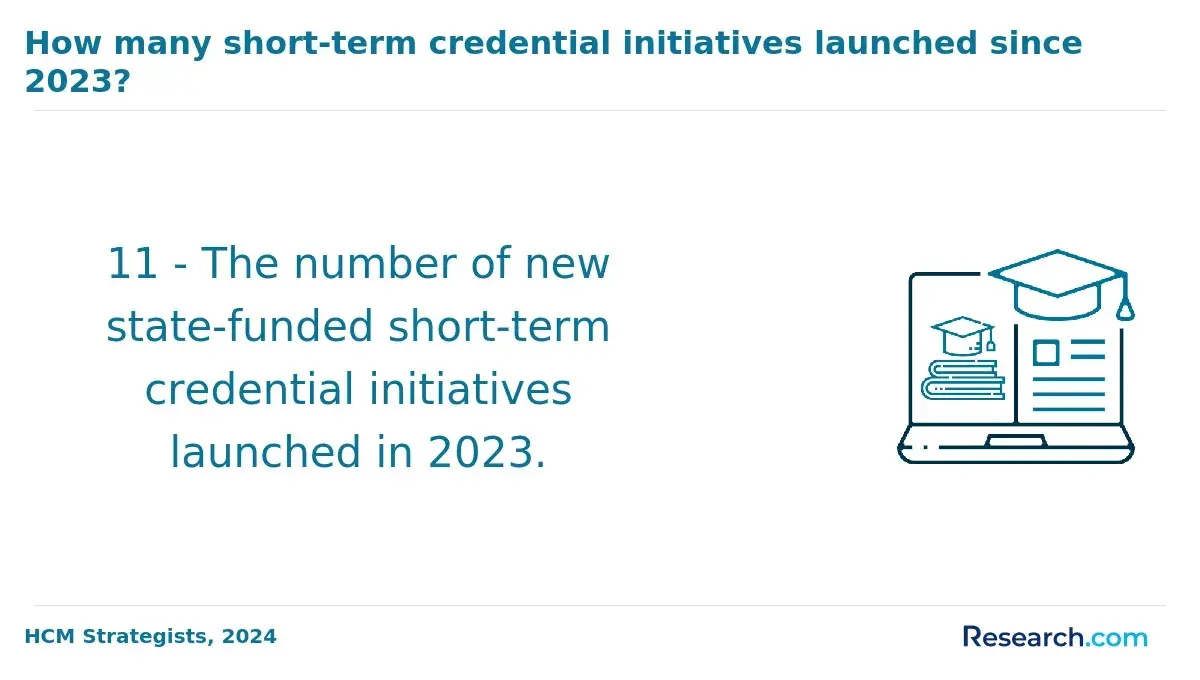
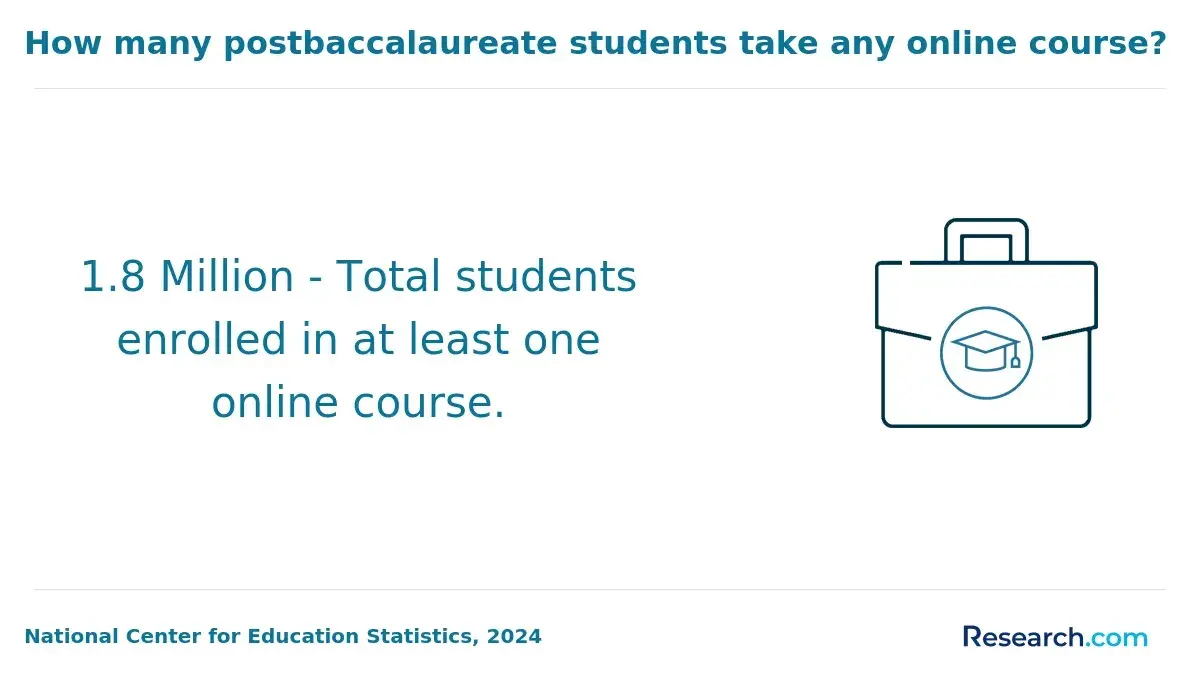
Simultaneously, over 30% of adult learners pursue flexible, hybrid, or fully online programs to accommodate work-life balance, signaling a shift in how career development intersects with ongoing education. This article examines the most viable career paths following a biology degree, emphasizing actionable options aligned with current workforce demands and educational accessibility challenges.
Key Things You Should Know
- Life sciences jobs grew 12% faster than overall U.S. employment from 2022 to 2025, yet advanced specialization narrows roles; bachelor's degrees primarily access entry-level lab or technician positions, limiting immediate salary growth per BLS data.
- Employers increasingly demand cross-disciplinary skills-bioinformatics and data analysis proficiency now essential in 68% of job postings-shifting hiring preferences away from classic wet-lab biology majors alone.
- The median debt load for biology graduates exceeds $30K, doubling typical biotechnology certification costs, making accelerated credentialing or integrated master's programs more cost-effective for competitive postgrad placement.
What are the best career paths you can pursue with a biology degree?
Choosing among the best career paths with a biology degree requires assessing how advanced credentials and practical experience impact job prospects and earning potential. Medical scientists, for example, command a median annual salary of $104,170 with projected growth due to research demand, but entering this field often involves years of graduate school and postdoctoral work. In contrast, environmental biology positions may be accessible with an undergraduate degree but tend to start with lower pay and incremental career progression, often involving frequent travel and technical expertise in areas like geographic information systems and environmental law.
The top job opportunities for biology graduates vary not only by specialization but also by the balance between research and applied focus. Biotechnology roles demand strong lab skills alongside regulatory knowledge, favoring candidates who complement academic credentials with internships or cooperative education. Healthcare options such as genetic counseling require certifications and ongoing education, emphasizing patient interaction in diagnostic contexts.
Realistically, professionals must weigh geographic mobility and willingness to pursue additional credentials against salary and job stability. Those evaluating this pathway should also consider how emerging trends affect workforce demand, including regulatory standards and technology advances. For additional insights into education outcomes tied to biology and related fields, the online animal science degree salary data offers useful comparative benchmarks.
Which biology-related jobs offer the highest salaries and earning potential?
High earnings in biology-related careers increasingly depend on integrating advanced quantitative skills with life science expertise. Biostatisticians and bioinformatics specialists lead this trend, earning an average of $116,037 in 2023. Their role demands proficiency in computational tools and statistical methods to interpret complex biological data, a capability crucial across pharmaceuticals, healthcare, and genetic research sectors. The 31% projected growth for statisticians and mathematicians through 2031 signals strong demand fueled by data-driven approaches in biology careers with the highest earning potential.
Medical scientists engaged in clinical trials and new treatment development also achieve top-tier salaries, often exceeding six figures at senior levels. These roles require advanced degrees and depend heavily on successful research funding acquisition, which introduces variability in career stability depending on economic and policy conditions.
Within industry, positions such as R&D managers or regulatory affairs specialists attract lucrative pay but necessitate deep familiarity with regulatory compliance and product lifecycle management. Professionals in these roles must skillfully navigate approval processes and market pressures.
Conversely, wildlife biologists and conservation scientists typically earn median incomes under $70,000, illustrating a notable gap compared to other biology-related jobs in the United States that prioritize salary.
Choosing a high-paying biology career involves balancing the enhanced earning potential against educational length and complexity, emphasizing skills like statistics or regulatory expertise. For those assessing pathways, exploring online data science programs can provide essential competencies aligned with today's market demand.
What is the job outlook and industry demand for biology majors in the U.S.?
Employment prospects for biology majors in the U.S. vary widely depending on specialization and practical skill acquisition. Environmental scientists and conservation biologists will see a 6% growth rate from 2022 to 2032, outpacing many other fields. However, competition remains intense, especially in biotechnology and clinical sectors where proficiency in molecular biology and data analysis is expected, frequently requiring internships or research experience.
The industry demand for biology graduates in America increasingly emphasizes technical capabilities like Geographic Information Systems (GIS) for environmental consulting roles. Candidates lacking these may face delays entering the workforce or need further certification. Graduate-level education often becomes necessary for careers in pharmaceuticals, whereas fieldwork or certifications suffice for certain conservation positions.
Graduates must navigate tradeoffs between immediate employment and additional education, as these affect wage potential and job stability. The median annual wage for environmental scientists stands at $78,980, guiding many to prioritize areas with robust market demand.
Given credential variation across subfields, strategic decision-making about internships, certificates, and graduate studies is vital. For those considering interdisciplinary options, evaluating whether is a library science degree worth it may inform alternative career pivots supporting analytical and data management skills complementary to biology.
What entry-level roles can biology graduates qualify for immediately after college?
Entry-level jobs for biology majors immediately after college present a nuanced interplay between skill requirements and career trajectory realism. Laboratory technicians support clinical and research labs with sample preparation and basic analysis but generally work under limited autonomy, motivating quicker moves toward certification or specialization. Meanwhile, research assistants, often found in academic or government settings, combine benchwork with data management, requiring proficiency in statistical software and regulatory frameworks that are increasingly prioritized by biotech firms experiencing rapid growth.
Quality control analysts hold key roles in pharmaceutical production, ensuring products meet strict safety protocols and GMP standards. This position tends toward repetitive testing yet offers a concrete pathway into supervisory roles. Sales representatives in biotech and pharma uniquely combine technical product knowledge with market awareness, addressing a growing demand-a reflection of the expected global biotechnology market expansion to nearly $3 trillion by 2030 driven by a 14% CAGR.
Geography directly influences entry-level biology careers in the US, with hubs like Boston and San Francisco commanding higher salaries but demanding fast adaptation to advanced technologies. For those seeking practical employability gains, roles that blend laboratory proficiency and data skills improve outcomes. A strategic educational move might include complementary credentials, such as an MLIS degree, to navigate complex data environments increasingly relevant in biotech workflows.
How does a biology degree prepare you for medical, dental, or health careers?
A biology degree provides indispensable foundational knowledge for careers in medicine, dentistry, and health sciences, but employers prioritize candidates who combine this theory with practical clinical experience. Laboratory skills and the ability to interpret complex biological data are fundamental for medical school applicants, while dentistry aspirants benefit from a focused grasp of oral biology and tissue regeneration, essential for understanding disease mechanisms and advanced treatments.
Beyond knowledge, analytical problem-solving and proficiency in research methods and statistics underpin diagnostic and patient care competencies expected in evidence-based healthcare roles. For example, epidemiologists with biology backgrounds earn a median annual wage of $78,520 and face a robust 27% job growth rate from 2022 to 2032 (U.S. Bureau of Labor Statistics), indicating strong demand in public health sectors.
Biology coursework covers critical prerequisites for medical licensing exams like molecular biology and pathophysiology; however, transitioning to clinical roles requires additional certification and sustained practical training. Without internships or volunteer work in clinical settings, biology graduates often encounter significant workforce readiness gaps despite academic preparation.
Employers value candidates able to apply scientific concepts to patient-centered environments. Prospective students must weigh the degree's scientific rigor against the necessity for supplementary professional schooling and clinical exposure to achieve viable healthcare careers.
What graduate programs are most common for students with a biology major?
The choice of graduate programs for students with a biology major significantly shapes career trajectories through varying commitments and labor market returns. Medical, pharmacy, and dental schools remain dominant pathways requiring extensive prerequisite coursework, competitive GPAs, and preparation for challenging exams and clinical rotations. While they demand longer time-to-degree and higher upfront costs, the broader clinical roles and higher salary ceilings justify these investments for many.
Conversely, specialized master's programs, such as genetic counseling, offer targeted credentials with quicker completion and exposure to a niche labor market. This field's projected 16% job growth through 2032 and median wage near $98,340 reflect tangible demand driven by personalized medicine. However, success in genetic counseling depends on mastering complex patient communication alongside genomics, which may not suit everyone.
For those focused on research, PhD programs in molecular biology, bioinformatics, or ecology require intense original research and carry early-career instability. This pathway aligns with those aiming for tenure-track positions or specialized industrial R&D roles but involves uncertain timelines and less immediate financial reward.
Students must weigh factors including duration, cost, and long-term employment feasibility. For example, a medical career demands a multi-year residency beyond schooling, while public health or other biomedical master's degrees can accelerate entry into the workforce but with narrower career options.
Which certifications or licenses can enhance career options for biology majors?
Certifications and licenses shape the employability and earning potential of biology majors far beyond their academic credentials. In fields like healthcare sales, certifications such as Certified National Pharmaceutical Representative (CNPR) directly influence total compensation, which can reach $120,000 to $150,000 annually with commission. This demonstrates a clear market premium for credentials that validate industry-specific knowledge employers explicitly require.
For clinical and laboratory tracks, credentials like the Certified Biological Safety Professional (CBSP) or Medical Laboratory Scientist (MLS) license are essential regulatory benchmarks. Possessing these certifications signals technical proficiency necessary for roles managing infectious agents or ensuring laboratory compliance, often non-negotiable in both research and pharmaceutical manufacturing environments.
Regulatory affairs and environmental biology professionals benefit from Regulatory Affairs Certification (RAC) or Certified Environmental Scientist (CES) credentials, which prepare candidates to interpret complex government standards and environmental laws. These certifications usually demand workplace experience and ongoing education, a tradeoff that candidates must weigh against advancement opportunities.
Employers favor candidates who bridge degrees with practical certifications as they reduce training time and mitigate risk. However, cost of certification and renewals can impose barriers if not carefully matched to career trajectory and job relevance over time.
How do biology careers differ in research, industry, government, and nonprofit sectors?
Biology careers diverge in expectations and outcomes depending on sector, with significant tradeoffs impacting education and skill development decisions. Research roles demand advanced degrees and deep specialization, focusing on experimental design and publication, often in academic or private labs where product outcomes take a backseat to new knowledge generation. Conversely, the industry sector requires applied biology skills with an emphasis on product innovation, regulatory compliance, and project management, demanding greater agility under market pressures. For example, pharmaceutical biologists must juggle scientific rigor with tight deadlines and quality control, demonstrating a clear tension between scientific depth and commercial pace.
Government biology positions emphasize regulatory oversight, environmental monitoring, and policy-informed data work. These roles typically offer stability and predictable hours but limited upward salary mobility. Nonprofit biology careers prioritize advocacy, education, and conservation, requiring strong communication and grant-writing abilities-skills that also correspond to notably higher wages for technical writers and science communicators, as reported by the U.S. Bureau of Labor Statistics with median salaries of $79,960 versus $65,830 for biology teachers.
Prospective biology graduates should weigh these factors with a focus on their willingness to pursue advanced education, preference for theoretical versus applied work, tolerance for job instability, and financial goals. Awareness of sector-specific demands clarifies how communication proficiency increasingly bridges biology expertise and public or policy engagement.
What skills and coursework in a biology program matter most to employers?
Employers in biology-related fields demand a blend of laboratory proficiency, data analytics, and communication skills, with a clear bias toward practical application over purely theoretical knowledge. Rigorous training in molecular biology, genetics, biochemistry, and microbiology underpin roles in healthcare, research, and forensic science. However, the ability to perform advanced techniques-such as DNA sequencing and microscopy-is what translates directly to readiness in experimental and clinical environments.
In forensic science, for example, technicians must leverage biostatistics and bioinformatics to analyze complex biological evidence accurately. This technical rigor aligns with labor market realities: forensic science technicians earn a median wage of $64,890, with job growth projected at 13% through 2032, reflecting increased reliance on precise biological data interpretation in crime labs.
Beyond technical skills, employers expect graduates to communicate complex findings clearly to non-specialists and navigate regulatory frameworks effectively. Adaptability with digital tools like laboratory information management systems and proficiency in coding languages such as Python or R are increasingly important for biological data handling.
Students focusing only on classroom theory risk limited employability; successful biology graduates integrate lab experience, analytical competence, and communication ability. This multi-dimensional skill set distinguishes candidates prepared for evolving workforce demands in applied biological sciences.
How can students choose the right biology program for their career goals?
Choosing a biology program requires aligning curriculum and specialization to specific workforce demands rather than following broad academic appeal. For example, students targeting clinical laboratory roles must select programs emphasizing medical microbiology and biochemistry with practical internships, as employers prioritize hands-on diagnostic skills. In contrast, those pursuing environmental biology careers should prioritize fieldwork-intensive programs partnered with conservation organizations to gain relevant experience.
Employment data indicates over half of biology graduates enter healthcare practitioner, technical, or management roles, with a median wage near $70,000. This emphasizes the importance of programs reflecting regulatory knowledge and recognized technical certifications to meet employer expectations.
When assessing programs, candidates should:
- Verify faculty expertise aligns with targeted career sectors since specialized mentorship improves job placement chances.
- Evaluate availability of laboratory resources and research for biotechnology or pharmaceutical tracks.
- Examine internship and cooperative education histories to ensure access to industry or clinical environments.
- Consider program flexibility allowing interdisciplinary certificates or minors, such as data analytics or business management, especially for leadership ambitions.
Geographic factors also heavily influence job prospects and salary, making location a critical variable in decision-making. A student enrolling in a program without regional industry connections risks a mismatch between education and local labor market opportunities, reducing return on investment and delaying career progress.
Other Things You Should Know About Biology
A biology degree offers foundational skills in research and analysis, making it versatile for various industries like healthcare, environmental science, and biotechnology. Graduates can pivot to roles such as project management, regulatory affairs, and more, adapting to diverse career paths in 2027.
Graduate studies in biology typically add two to six years of demanding research, lab work, and academic rigour, delaying full-time employment and salary gains. Immediate workforce entry can mean faster earnings but limits access to research-intensive roles or advanced positions requiring graduate credentials. Students should weigh whether their target career requires postgraduate qualifications or if workplace experience and certifications offer better return on investment given personal circumstances and career timelines.
Undergraduate research experience significantly improves employability in biology by demonstrating critical thinking, technical skills, and project management abilities. Many employers expect familiarity with lab protocols and data analysis gained through hands-on work. Prioritizing research during undergrad provides a competitive edge, especially for roles in applied science, environmental biology, or pharmaceuticals. Students aiming for industry jobs should seek research that aligns with relevant technologies rather than purely theoretical projects.
Online biology degrees can meet entry-level requirements but often face skepticism from employers who prefer traditional, in-person lab training due to its hands-on nature. Limited access to physical labs challenges skill development for certain biology careers, such as molecular techniques or ecology fieldwork. For advancement beyond basic roles, candidates with hybrid or on-campus lab components have clearer pathways. Prospective students should verify that online programs offer equivalent practical training and industry connections.
References
- 7 Careers You Didn’t Know You Could Pursue with a Biomedical Science Degree https://www.nuhs.edu/7-careers-you-didnt-know-you-could-pursue-with-a-biomedical-science-degree/
- What Is the Difference Between Public and Private Research Institutes? » WAITRO https://waitro.org/blog/what-is-the-difference-between-public-and-private-research-institutes/
- What Can You Do With a Biology Degree? https://willamette.edu/academics/college/biology/career-options
- 22 Biology Major Jobs: What to Do with a Biology Degree | USAHS https://www.usa.edu/blog/careers-for-biology-majors/
- What Are The 35 Best Master’s Degrees In Biology - GradSchoolHub.com Rankings https://www.gradschoolhub.com/best/masters-degrees-in-biology/
- 20 most popular jobs upon graduation for students majoring in biology - College Recruiter https://www.collegerecruiter.com/blog/2025/11/17/20-most-popular-jobs-upon-graduation-for-students-majoring-in-biology
- Careers in Biology https://www.aibs.org/careers/
- Alternative science careers in the nonprofit sector — Wild Animal Initiative https://www.wildanimalinitiative.org/blog/nonprofit-science-careers
- Graduate careers advice: you and your biology degree https://gradireland.com/careers-advice/science-and-research/graduate-careers-advice-you-and-your-biology-degree
- How To Become A Biologist | Biology Degrees And Careers https://www.learnhowtobecome.org/science-technology-careers/biology/