2027 Online Biology Degrees With Scholarships for Adult Learners

Co-Founder and Chief Data Scientist
Securing a flexible pathway to advance a biology career without sacrificing current employment or family obligations represents a persistent challenge for adult learners. Even as the U.S. National Center for Education Statistics reports a 42% surge in online college enrollment since 2020, many programs still lack tailored support that aligns with the uneven schedules and accelerated timelines often demanded by working professionals.
This mismatch limits access to critical workforce mobility at a moment when biotech and environmental sectors urgently seek skill upgrades. This article outlines online biology degree options that incorporate scholarships and flexible structures, enabling adult learners to strategically balance cost, time, and credential value for career progression.
Key Things You Should Know
- Degree completion times for online biology programs average 30% longer for adult learners, per the National Center for Education Statistics, increasing opportunity costs and delaying workforce reentry despite scholarship offsets.
- Employers prioritize hands-on lab competencies alongside degrees; 62% of hiring managers in life sciences report difficulty verifying practical skills from purely online biology credentials, affecting job readiness perceptions.
- Scholarship availability favors STEM-aligned biology concentrations linked to biotech growth sectors, but scholarship rigidity on program type limits affordable access for interdisciplinary career pivot candidates, creating strategic funding tradeoffs.
What are the best online biology degree options for adult learners seeking scholarships?
Adult learners seeking the best online biology degree programs with scholarships must weigh program flexibility against practical outcomes. Public universities offering asynchronous coursework and rolling admissions ease access for those balancing employment and family. However, fully online formats that incorporate virtual labs or local partnerships better address the crucial lab experience employers expect.
Scholarships often combine institutional awards, adult learner grants, and STEM-focused funding, but availability varies widely. Large public universities with federal research funds tend to support science majors more robustly, while some private colleges tailor aid to career changers. Relying solely on institutional scholarships can limit funding; combining multiple smaller awards and employer tuition assistance frequently yields superior financial footing.
Employer demand favors biology graduates who demonstrate verified skills in areas like data analysis, molecular techniques, and research ethics, beyond theoretical knowledge. Degrees must come from accredited programs with practical components to hold value in healthcare and environmental biology fields.
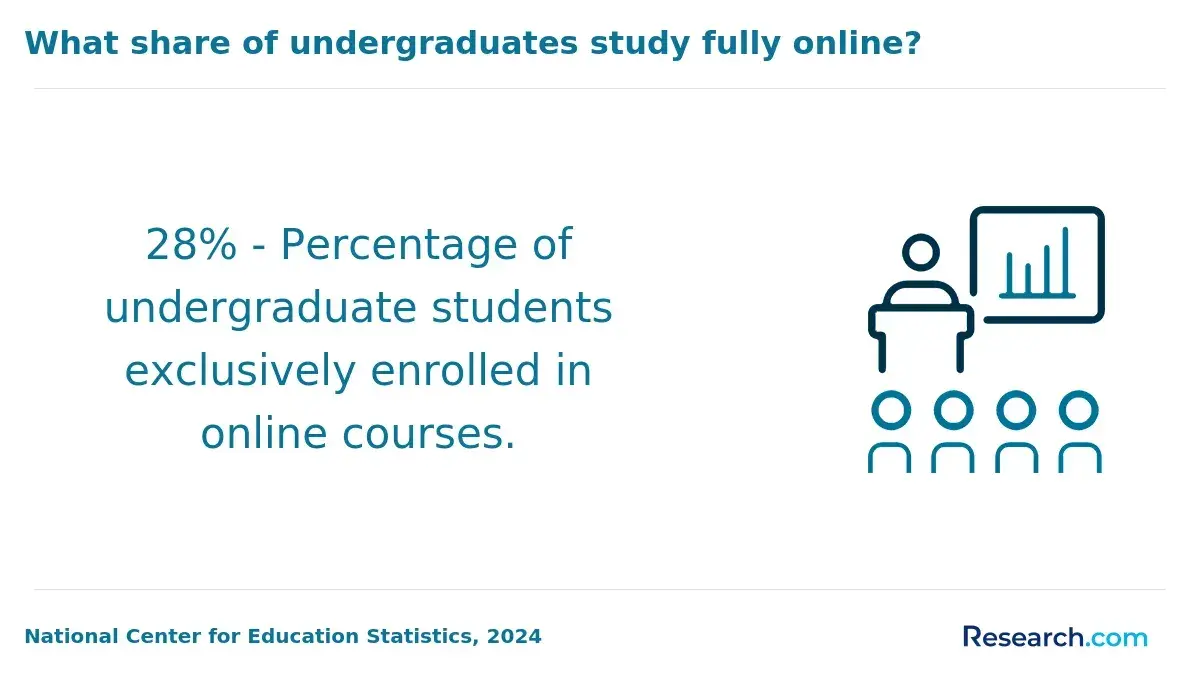
With 38% of undergraduates aged 25 or older and 31% enrolled in at least one distance course, affordable accredited biology degrees for adult students seeking financial aid should also align with workforce expectations. For those exploring specialized trajectories, insights on bioinformatics career paths illustrate how targeted skills shape employability.
How do online biology degrees compare with campus programs for flexibility and learning quality?
Online biology degree flexibility compared to campus programs creates distinct tradeoffs that adult learners must weigh carefully. While online formats enable balancing studies with employment and family responsibilities without geographic limits, they often fall short in delivering essential hands-on lab experiences. This limitation can be critical for candidates targeting biotech research or clinical roles, where employers prioritize in-person lab competencies that virtual simulations cannot fully replicate.
Regarding quality of learning in online versus traditional biology degrees, accredited online programs usually mirror core theoretical content and rigorous curricula found on campuses. Still, real-world laboratory skills often require hybrid solutions or partnerships with local institutions. This adds complexity around scheduling and may prolong time to degree completion, affecting career trajectories in specialty biology fields.
The University of Florida exemplifies the cost advantage of in-state online tuition for a biology bachelor's at $15,504 compared to $25,520 on campus, saving roughly $10,000 per degree. This cost efficiency appeals particularly to working adults. However, employers increasingly expect demonstrated scientific reasoning and communication alongside validated hands-on experience, especially in areas like environmental toxicology and clinical research.
Prospective students should investigate programs offering local lab access or cooperative arrangements. Those aiming for computational or theoretical biology roles may benefit most from online paths, while experimental or lab management specialists typically gain more from on-campus immersion.
For professionals contemplating a switch or upskilling, researching the cheapest online data science masters can also complement biology expertise, especially in bioinformatics or data-driven biological research sectors.
What types of scholarships and financial aid are available for online biology students?
Funding an online biology degree as an adult learner requires strategic navigation of varied aid sources and their often rigid conditions. Institutional grants remain the bedrock for many, with 87% of U.S. degree-granting schools offering undergraduate scholarship aid, but these deadlines often clash with enrollment cycles, risking delays in financial support. Adult-targeted private scholarships such as Return2College address nontraditional students' complex needs beyond GPA, rewarding career relevance and personal circumstances rather than purely academic merit.
Adult learners balancing full-time work should evaluate employer tuition reimbursement carefully, as these programs typically require sustained employment and performance benchmarks aligned with jobs like environmental specialist or lab technician. This integration of work and study is pivotal for minimizing debt, especially since online biology scholarships for adult learners rarely cover additional lab or resource fees inherent to many programs.
When assessing financial aid options for biology degree students, it is critical to recognize that federal assistance like Pell Grants and Supplemental Educational Opportunity Grants offer no-repayment funds based on financial need rather than merit, a crucial aspect for roles with slower salary growth in fields like conservation or research support.
Combining layered aid-from institutional grants, employer benefits, federal aid, and targeted scholarships-can reduce reliance on loans. Prospective students should also consider exploring related complementary fields through established resources like library science degrees online, which sometimes offer different financial aid landscapes and career pathways.
How can adult learners verify accreditation and program quality for online biology degrees?
For adult learners, verifying accreditation is a strategic necessity rather than a bureaucratic step when evaluating an online biology degree. Programs must be regionally accredited by recognized agencies like the Higher Learning Commission or WASC Senior College and University Commission-a requirement that can be independently confirmed via the U.S. Department of Education's Database of Accredited Postsecondary Institutions and Programs. This verification protects against degrees that lack employer recognition or professional license eligibility, pitfalls that directly impact career trajectories in biology-related fields.
Quality assurance standards for online biology programs demand scrutiny beyond accreditation. Evaluating graduation and job placement rates, faculty credentials, and transparency reports offers insight into actual educational outcomes. Programs offering synchronous sessions or hands-on labs provide a crucial advantage; fully asynchronous formats often fail to develop the practical skills employers prioritize.
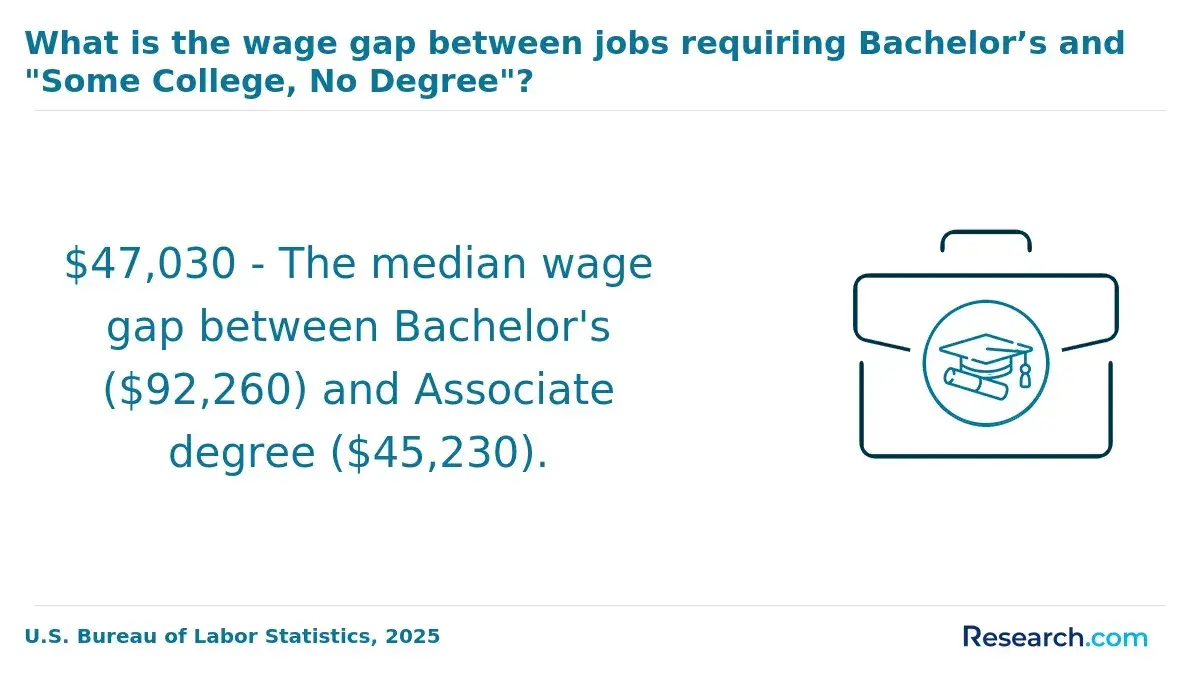
Aligning curriculum with workforce realities is essential. For example, medical and health services management roles-aligned with biology graduates-project a 20% growth rate through 2034, with median pay exceeding $130,000. Biology programs featuring certificates in health administration or biotechnology can facilitate entry into these expanding sectors.
Before committing, adult learners should consult alumni and investigate employer partnerships to verify real-world applicability. Cross-referencing state licensure or certification requirements ensures credentials meet professional standards. Additionally, those weighing an interdisciplinary shift might explore programs like an MLIS degree online for broader career options related to biology data management.
- Confirm regional accreditation via Department of Education databases
- Analyze program outcomes like graduation and employment rates
- Evaluate curriculum relevance to growing biology-related job markets
- Seek evidence of practical training opportunities within the program
- Verify alignment with professional licensing or certification standards
What admission requirements do online biology programs typically have for nontraditional students?
Nontraditional students pursuing online biology degrees must strategically address academic prerequisites and program demands to avoid costly setbacks. Admission typically requires a high school diploma or GED, often supplemented by prior college coursework or an associate degree to facilitate credit transfer. Standardized test scores like the ACT or SAT may be mandatory if professional experience does not meet program waivers.
Applicants should submit transcripts evidencing foundational coursework in biology and chemistry, as many programs enforce a minimum GPA-commonly 2.5 on a 4.0 scale-and may require additional placement exams. Importantly, professional experience in healthcare or biotech can sometimes offset requirements but rarely replaces core lab courses due to accreditation standards, necessitating in-person or closely supervised virtual labs, which can complicate scheduling.
The practical tradeoffs include reconciling remote lab work with personal and work commitments and understanding how program ROI varies enormously. For example, Washington State University offers a strong return of $201,533 lifetime ROI for its biology bachelor's, contrasting sharply with a negative $185,291 ROI reported for the same degree at the University of Florida. These disparities highlight how institutional selection influences long-term earnings and career mobility beyond admissions ease.
Financial aid navigation, particularly FAFSA documentation, and ongoing academic advising are crucial for nontraditional learners balancing career changes and family obligations. Successful navigation of these complex requirements is essential to leverage biology education as a meaningful workforce pivot.
What core courses and specializations are offered in online biology bachelor's and master's programs?
Choosing an online biology degree requires balancing specialization against logistical and financial constraints that directly affect workforce entry and progression. Programs focusing on environmental biology, biotechnology, or pharmacology align with distinct sector needs-regulatory roles or sustainability analysis in government contrast with genetic engineering positions in biotech firms. This specialization shapes employability more than a general biology degree alone.
Adult learners face unique challenges, particularly in completing lab-based credits. Options like remote lab simulations or partnerships with local institutions ease this burden, but students must verify availability as these solutions vary significantly. Additionally, transfer policies permitting up to 75% of credits to be accepted can reduce time-to-degree and overall costs, vital for professionals balancing work and study.
Credit cost-ranging from $200 to $350 per credit hour-makes course selection critical. Learners targeting rapid-growth fields such as genetic counseling or environmental impact analysis should prioritize programs offering focused curricula paired with flexible delivery and robust credit transfer options. Graduates equipped with molecular biology and bioinformatics competencies meet employer demand for proficiency in contemporary lab tech and data analysis.
- Core courses typically include genetics, cell biology, ecology, biochemistry, and molecular biology.
- Undergraduate studies emphasize organismal biology, microbiology, and evolution before advancing to specialized electives.
- Graduate specialization reflects industry trends and employer expectations.
How long do online biology degrees take to complete, and what do they cost overall?
Choosing an online biology degree requires balancing time-to-completion against cost and career timing. While four years is the standard for full-time study, accelerated routes often depend on prior credits from transfer or CLEP exams, potentially shortening the timeline to three years. Part-time enrollment, common among working adults, can extend study duration beyond six years, driving up cumulative tuition since fees accumulate per credit.
Tuition varies widely, typically ranging from about $16,000 in-state to nearly $70,000 out-of-state, reflecting significant financial tradeoffs. This spread demands careful budgeting and vigilant comparison, especially for those relying on employer tuition reimbursement or scholarships to mitigate expenses. Cost and duration intersect differently depending on students' professional goals and industry demands.
For example, aspiring researchers or clinical lab technicians may prioritize programs with practical lab simulations despite longer timelines or higher costs, while those targeting environmental positions might accept less hands-on focus with faster completion. Delays in degree completion risk skill atrophy or misalignment with shifting industry needs, underlining the importance of selecting programs with clear articulation agreements and transparent fee structures.
Adult learners juggling work and study must proactively plan for extended time-to-degree and escalating costs, often requiring employer support or federal aid. Ultimately, assessing these factors through a pragmatic lens is essential for maximizing return on investment without compromising current employment or future employability.
What biology-related careers can an online degree prepare adult learners for?
Choosing an online biology degree requires aligning program features with specific workforce demands, especially when targeting technician or analyst roles accessible immediately after a bachelor's. Biological technician and microbiologist jobs are forecast to expand 9% from 2021 to 2031, indicating steady demand but requiring practical lab proficiency and data handling skills employers prioritize. For instance, biological technicians in pharmaceutical or academic labs typically engage in experiment preparation and equipment maintenance, demanding hands-on experience often gained through internships.
Environmental scientist positions, while related, usually necessitate further credentials or graduate study and involve direct fieldwork amid regulatory constraints. This adds complexity for those seeking rapid entry into the labor market. Employers favor candidates familiar with specialized laboratory techniques and data analysis software, meaning a degree lacking applied components can limit employability.
Prospective adult learners must critically evaluate curricula for availability of immersive labs or virtual simulations since these translate directly to job readiness. Although roles like clinical practitioners need advanced licensing, bachelor's-level biology graduates can expect to enter stable support roles within research, healthcare, environmental management, or biotech sectors.
Key practical considerations include:
- Tradeoffs between program length, credential level, and job function
- Significance of cooperative education to bridge skill gaps
- Understanding that growth rates vary across specializations requiring distinct skill sets
These factors frame realistic career pivot decisions for those balancing education with workforce entry timelines.
What are salary expectations and job outlook for biology graduates in key U.S. sectors?
Salary expectations for biology graduates vary notably by industry and role, with median annual pay ranging from $55,000 in slower-growth public sectors to over $90,000 in biotech and pharmaceutical companies. For example, a graduate entering healthcare may start near $70,000 but must acquire molecular and data analysis skills to access premium roles that demand technical specialization and adaptability.
Job growth reflects sector-specific realities: biological scientists collectively see a 6% increase through 2032, but openings in academia remain scarce and heavily credentialed, favoring candidates with postdoctoral experience. In contrast, government and private sectors provide steadier entry points but with varying compensation and advancement ceilings.
Online biology programs are shifting demographic patterns, with a higher proportion of women (69%) and first-generation students (36%) than on-campus populations. These shifts may alter workplace diversity and hiring dynamics but require candidates to strategically connect their credentials with employer expectations.
Prospective professionals must consider key tradeoffs- ecological careers offer mission-driven fulfillment but lower pay, whereas biotech demands ongoing skill upgrades to sustain competitiveness. This practical lens guides realistic pathway decisions beyond generalized salary data and enrollment figures.
How should working adults choose a reputable online biology program aligned with their career goals?
Selecting an online biology degree demands more than accreditation verification; it requires aligning coursework and outcomes with specific career trajectories. A mid-career lab technician, for instance, gains little from generic biology curricula compared to programs offering advanced molecular biology and management skills that directly support laboratory leadership roles. Conversely, environmental consultants should prioritize programs emphasizing applied ecology and quantitative analysis.
Financial considerations extend beyond sticker price. Schools charging $600 per credit with substantial scholarships can be more cost-effective than lower-rate programs offering no aid. This disparity affects net cost and should influence decisions based on individual financial aid packages, not just listed tuition.
- Evaluate transfer credit acceptance to leverage prior learning and reduce program length.
- Confirm asynchronous scheduling to maintain employment alongside study.
- Investigate employer ties or internships that provide practical experience relevant to your industry.
- Analyze graduation and employment data by employer type and region to forecast market mobility.
- Seek programs with strong academic advising and career services tailored to adult learners.
Tradeoffs between cost, curriculum specificity, and flexibility must be appraised through the lens of immediate employability versus long-term career progression. Programs lacking specialization or real-world application risk delaying promotion or salary gains. Working professionals should scrutinize how a program's offerings translate into tangible workplace skills and opportunities rather than generic academic exposure.
Other Things You Should Know About Biology
Recognition varies by employer and job role, but many research and laboratory positions prioritize candidates with hands-on experience and accredited credentials. Online degrees that include in-person lab components or partnerships with local facilities have stronger employer acceptance. Adult learners should prioritize programs that explicitly offer or require practical lab internships or on-site experiences to improve employment prospects in technical biology roles.
In 2027, adult learners pursuing online biology degrees can access numerous scholarships, such as the ASU Online Transfer Scholarship, the Marion Veterans Online Program Scholarship, and school-specific scholarships. These financial aids help reduce tuition costs and support learners in their academic journey.
Programs designed for career changers usually demand significant upfront investment to build foundational science knowledge, increasing total time and cost to degree completion. Prioritizing accelerated or bridge courses that focus on core biology prerequisites can reduce this burden. Adult learners without science backgrounds should select programs with clear support resources, such as tutoring or preparatory modules, to handle coursework effectively and avoid attrition.
Accreditation is the baseline requirement to ensure degree credibility, transferability, and employer recognition. However, specialization alignment often directly affects career advancement in biology subfields like molecular biology or environmental science. Working adults should secure accreditation first, then prioritize programs offering specializations matching their career goals to maximize both legitimacy and job market relevance.
References
- The Complete Guide to Earning an Accredited Online Degree as an Adult Learner (2026) https://www.collegetransitions.com/blog/the-complete-guide-to-earning-an-accredited-online-degree-as-an-adult-learner/
- How Online College Degree Programs Can Transform Your Life https://www.tuw.edu/school-news/online-degree-programs-transform-your-life/
- Top 15 Highest‑Paying Pharmacy Jobs in the UK 2025 (Including Salaries) https://apexlearning.org.uk/highest-paying-biology-degree-jobs-2025-2026/
- Top 30 Biology Scholarships to Apply to in December 2025 https://bold.org/scholarships/by-major/biology-scholarships/
- 456 Mature students Undergraduate Biology Scholarships available https://www.hotcoursesabroad.com/study/international-scholarships/all/Undergraduate/biology/mature-students/all/cid/2/b13/1175/nty/scholarship34.html
- Associate of Science in Biology https://www.salemu.edu/degrees/associate-biology
- 78 Mature students Bachelor Degree Biology Scholarships available https://www.hotcourseslatinoamerica.com/study/international-scholarships/all/Postgraduate/biology/mature-students/all/cid/124/b13/1175/nty/scholarship8.html
- Fast Way to Get an Online Biology Degree | Straighterline https://www.straighterline.com/blog/how-to-earn-an-online-biology-degree
- The Life Sciences Job Market in 2025: Trends, Opportunities, and Career Paths | IntuitionLabs https://intuitionlabs.ai/articles/life-sciences-job-market-2025