2027 Cybersecurity Degree Completion Time Report: How Long Students Actually Take to Graduate

Co-Founder and Chief Data Scientist
Students pursuing a cybersecurity degree confront diverse challenges that extend graduation timelines beyond standard program lengths. Work obligations, particularly in this high-demand field, frequently require balancing part-time study with full-time jobs, delaying credit accumulation. Transfer students encounter credit evaluation complexities that disrupt academic progression. Recent data from the National Center for Education Statistics (NCES) show retention rates decreasing amid shifting enrollment patterns in technology-related programs, impacting typical completion times. Additionally, evolving employer expectations for practical experience prompt many to seek internships or certifications mid-degree, further extending their studies. This article examines how these factors shape actual cybersecurity degree completion times and what students should gauge when planning their education.
Key Things To Know About Cybersecurity Degree Completion Time
- Mapping out your exact graduation timeline ensures you can seamlessly transition into high-demand technical roles like cybersecurity analyst, penetration tester, or security architect. Knowing your completion date allows you to align your final semesters with recruitment windows, target specialized internships, and plan your certifications to enter the workforce fully prepared.
- Understanding how long it takes to graduate allows you to build an accurate financial plan against the field's strong median annual salary of $124,910. This explicit timeline helps you calculate your exact return on investment and project precisely when your post-graduation earnings in the thriving tech sector will offset your educational tuition.
- Factoring completion time into your educational search highlights the efficiency of online cybersecurity programs, which frequently offer accelerated structures or asynchronous coursework. This flexible format allows you to master complex security frameworks and digital forensics at a faster pace while maintaining a schedule that lets you gain hands-on technical experience in real time.
- What Is the Average Graduation Time for Cybersecurity Students? Average Graduation Timeline
- What Factors Have the Biggest Impact on Graduation Speed? Graduation Timeline Factors
- How Does Full-Time Versus Part-Time Enrollment Affect Graduation Timelines? Full-Time vs. Part-Time Graduation Timeline
- Do Online Cybersecurity Students Graduate Faster Than Campus-Based Students? Do Online Cybersecurity Students Graduate Faster Than Campus-Based Students?
- How Many Months or Years Can Transfer Credits Save? How Many Months or Years Can Transfer Credits Save?
- Do Accelerated Cybersecurity Programs Significantly Reduce Completion Time? Accelerated Program Timeline
- Which Cybersecurity Program Requirements Most Often Extend Graduation Timelines? Factors Extending Graduation Timeline
- Does Taking Longer to Graduate Increase the Cost of a Cybersecurity Degree? Impact on Program Cost
- Does Graduating Faster Improve Career Prospects? Impact on Career Prospects
- Which Scheduling Mistakes Commonly Delay Graduation? Mistakes to Avoid
What Is the Average Graduation Time for Cybersecurity Students?
Students pursuing a cybersecurity degree typically complete their studies within four to five years, closely mirroring timelines common among STEM bachelor's programs. Full-time enrollment at four-year institutions often leads to graduation in about four years, whereas part-time students, transfer learners, and those managing work or family demands frequently extend their studies to five or six years. According to the National Center for Education Statistics, approximately 60% to 70% of cybersecurity undergraduates complete their degree within six years, illustrating a substantial share encountering delays beyond the normative timeframe for this field.
The variability in the average time to complete a cybersecurity degree stems largely from several academic and practical factors. Credit transfer policies can complicate progression for students shifting from community colleges or other universities due to inconsistent course equivalencies, leading to longer enrollment periods. Program design also plays a role; cybersecurity degrees often incorporate hands-on labs and updated technical content requiring additional time, especially for students balancing internships or part-time work aimed at developing job-ready skills. Online and accelerated tracks may offer faster pathways but demand rigorous pacing, and these are less widely available, which further contributes to divergent graduation timelines.
These dynamics have tangible effects beyond just educational milestones: extended graduation timelines influence financial planning, delay entry into the cybersecurity workforce, and impact how students time practical experience acquisition relative to degree completion. Prospective students and advisors should carefully assess how program flexibility, credit transferability, and employment opportunities intersect to shape both academic progress and post-graduate readiness, particularly since many employers prioritize demonstrated applied competencies alongside formal credentials. For those evaluating degrees within the context of the best bachelors degrees, factoring in these tradeoffs helps align expectations with realistic completion patterns.
What Factors Have the Biggest Impact on Graduation Speed?
Graduation speed in cybersecurity degree programs is rarely influenced by a single factor. Instead, it emerges from the interplay between academic planning decisions, program designs, and individual circumstances. Recognizing how enrollment status, coursework structure, and external obligations interact allows students and education planners to better navigate realistic timelines. This understanding is crucial for managing course load, selecting between online versus on-campus cybersecurity master's program graduation rates, and controlling progress pace.
- Enrollment Status and Course Load: Students attending part-time typically face extended graduation timelines, often requiring twice as long as full-time peers due to limited semester credit hours. The National Center for Education Statistics (NCES) 2024 report emphasizes that 68% of part-time enrollees delay degree completion, illustrating how balancing work or family responsibilities directly slows progress within cybersecurity degree structures.
- Transfer Credits and Prior Preparation: Entering a program with relevant associate degrees or completed coursework can reduce required time by up to 30%. However, inconsistency in institutional credit transfer policies demands rigorous verification of articulation agreements, as misalignment can negate potential acceleration and introduce unexpected delays.
- Program Delivery Format and Scheduling: Online and hybrid programs offer flexibility that appeals to working adults but can result in longer degree completion times due to self-paced schedules and fewer fixed deadlines. Conversely, accelerated on-campus tracks with intensive coursework compress timelines but require sustained motivation and availability, making them less accessible to students with significant external obligations.
- Financial Constraints and Resource Allocation: Monetary challenges often compel students to reduce credits each semester or pause enrollment, interrupting academic momentum. Research from the Georgetown University Center on Education and the Workforce (2024) notes that 42% of working adult learners delay graduation due to financial issues, highlighting how economic factors intricately affect pace beyond pure academic considerations.
- Alignment of Curriculum with Career Goals and Employer Support: Programs closely connected to industry standards and supported by employers tend to encourage sustained enrollment and quicker completion by maintaining student motivation through relevant, practical coursework. Misalignment between student expectations and program demands, however, can lead to attrition or extended timelines as students navigate recalibration or withdrawal.
Prospective learners should factor these variables into their planning and weigh tradeoffs carefully to optimize progression speed. For students comparing options beyond traditional settings, referencing an engineering online degree offers insight into how modality differences impact graduation rates and timelines, informing choices about program delivery and pacing.
How Does Full-Time Versus Part-Time Enrollment Affect Graduation Timelines?
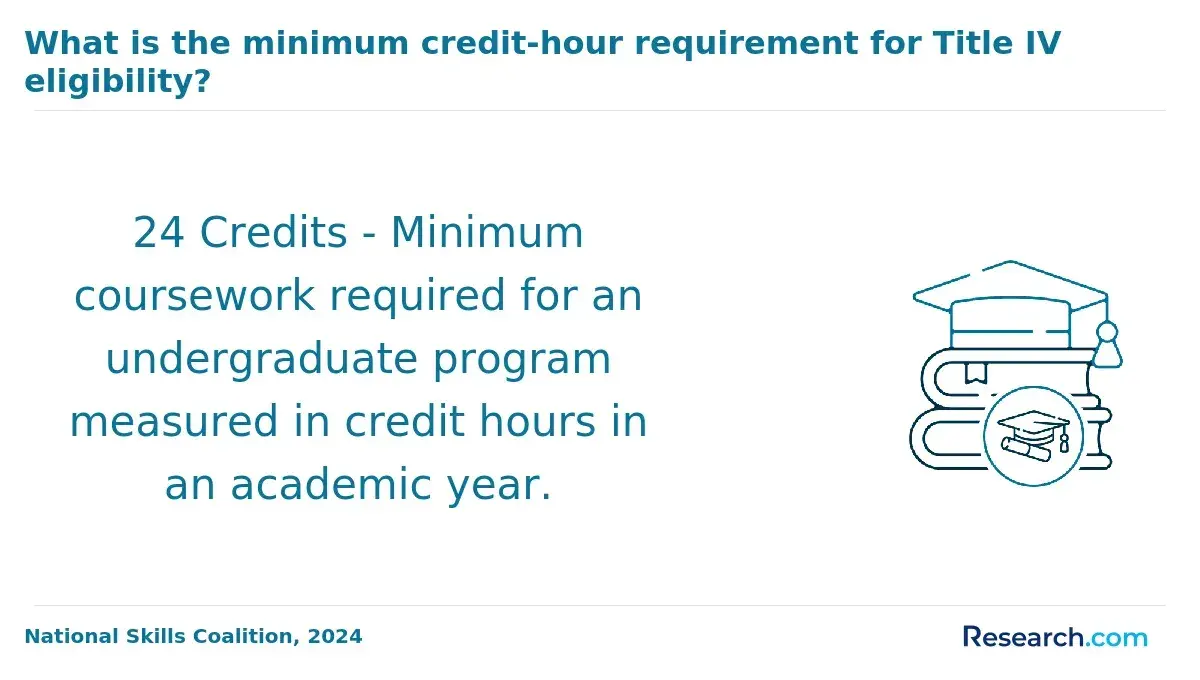
Students enrolled full-time in cybersecurity programs typically complete their degrees within the standard two to four years attributed to associate or bachelor's degrees, respectively, due to maintaining a heavier credit load each semester. Part-time students, juggling fewer credits per term often because of competing obligations, generally require a longer period-sometimes extending beyond six years for a bachelor's degree, as reported by the National Center for Education Statistics (2024). This disparity reflects how course intensity and semester credit commitments directly affect academic momentum, with full-time schedules fostering steadier, faster progression through essential coursework.
Several structural and personal factors influence these completion timelines. Credit hour limits per term and sequence complexity demand careful planning, while program delivery models-such as online flexibility-can either alleviate or augment pacing challenges for part-time learners. External responsibilities like employment and family commitments frequently slow part-time students, who must reconcile academic demands with personal constraints. Additionally, institutional policies on transfer credits and availability of academic advising play crucial roles in either smoothing or prolonging a student's path to graduation, underscoring that enrollment status interacts closely with program design and life circumstances.
Choosing between full-time and part-time enrollment extends beyond schedule preference; it impacts financial planning, academic workload intensity, and time to workforce entry. Full-time study accelerates degree completion but requires substantial time dedication that may not be viable for many working adults. Conversely, part-time paths offer necessary flexibility at the cost of longer timelines, potentially increasing overall educational expenses and delaying professional advancement. Understanding these tradeoffs assists students and advisors in aligning enrollment decisions with realistic goals about career timing and resource allocation within the cybersecurity field.
Do Online Cybersecurity Students Graduate Faster Than Campus-Based Students?
Online cybersecurity students are often perceived to finish their degrees more quickly than those attending traditional campus programs, largely due to the flexible pacing and scheduling online education affords. National Center for Education Statistics data from 2024 indicates that online students graduate on average in about 3.5 years, whereas campus-based students take roughly 4.2 years. Nevertheless, this difference is not uniform across all learners or institutions, as distinct program requirements and individual circumstances can widen or narrow these timelines. The assumption that online formats inherently accelerate completion overlooks the variability introduced by enrollment type, course sequencing, and student engagement strategies.
Several critical factors shape how quickly students progress regardless of modality. Online programs typically offer the chance for self-paced study and continuous enrollment, which can condense degree timelines if students manage their workload effectively. On-campus programs may require adherence to fixed semester schedules, more structured credit loads, or mandatory internships, which influence graduation timing. Additionally, the availability of part-time versus full-time enrollment options, transfer credit policies, and the quality of academic advising also interact with each student's personal responsibilities and motivation levels to affect how rapidly they complete their degree.
The choice between online and campus cybersecurity degree paths also entails trade-offs in academic discipline and time management demands, which ultimately impact when students can enter the workforce. Online learners need strong self-regulation skills to capitalize on the flexibility, while campus students benefit from direct access to faculty and peer support networks that may bolster persistence but limit scheduling agility. Understanding these dynamics helps prospective students set realistic completion expectations and align their education plans with career timing goals in a rapidly evolving cybersecurity labor market.
One cybersecurity graduate recalled a period of uncertainty during the rolling admissions process for an online program. They hesitated to submit their application early, waiting on financial aid information which delayed initial enrollment plans. This waiting period compressed their course options into fewer semesters once admitted, creating pressure to accelerate assignments and exams. While the flexible online format eventually enabled timely graduation, the uncertainty and timing of administrative decisions added an extra layer of challenge that shaped their overall completion experience.
How Many Months or Years Can Transfer Credits Save?
Transfer credits can noticeably shorten the time needed to complete a cybersecurity degree, with potential savings typically ranging from one semester to more than a year. Students transferring applicable credits from accredited institutions often reduce their required coursework by 25-50%, which equates to saving anywhere from several months up to two years in overall completion time for a standard four-year bachelor's program. However, the actual months saved through transfer credits in cybersecurity degree programs depend heavily on the alignment of prior coursework with program requirements and how effectively those credits meet both general education and core cybersecurity subjects.
Several key factors influence the average time reduction with transfer credits for cybersecurity students beyond raw credit volume. Accreditation compatibility between institutions ensures accepted credits maintain academic rigor and relevance, while course equivalency assessments determine whether specific transferred classes substantively replace required program courses. Institutional policies, such as maximum transferable credit limits-often capped at two-thirds of degree requirements-and residency rules requiring a minimum number of credits to be completed directly at the degree-granting institution, constrain how much the total timeline can be accelerated. These elements create wide variability in individual student outcomes and necessitate careful academic advising to optimize educational paths.
Transfer credits also have broader implications for academic planning and cost management, as earlier completion can reduce tuition expenses and opportunity costs. However, condensed degree timelines may challenge students in sequencing advanced courses that build on foundational knowledge skipped via transfer. Balancing accelerated progress with the depth of learning required to meet employer expectations is critical in cybersecurity's evolving field. Prospective students may find value in exploring related pathways, such as a masters in psychology, for multidisciplinary skills, but should first evaluate the transferability of credits and institutional policies to set realistic graduation timelines.
Do Accelerated Cybersecurity Programs Significantly Reduce Completion Time?
Accelerated cybersecurity programs aim to shorten the traditional graduate degree timeline by condensing curriculum delivery and increasing course load per term. These programs often compress what normally takes two to three years into roughly one to one and a half years by offering more continuous or overlapping coursework, reducing breaks, and prioritizing essential topics over extended electives. The design assumes students can manage an intensified schedule, enabling quicker progression through core requirements without compromising credential standards. However, the fundamental structure-such as required credit totals and key capstone experiences-usually remains consistent with standard formats, limiting the degree of achievable acceleration.
Whether accelerated programs truly reduce completion time depends heavily on factors like pacing intensity, prerequisite sequencing, and workload balance. Students able to consistently take full course loads without scheduling gaps or repeating courses will see the most benefit. Yet prerequisites or internship requirements can restrict how front-loaded credit accumulation is, locking students into minimum durations that resist compression. Additionally, programs that maintain conventional capstones or hands-on practicums often cannot shorten these integral phases, which are critical for applied learning and employer readiness. This structural reality means accelerated formats vary widely in actual time savings, especially when accounting for students' need to work, manage outside commitments, or absorb complex technical material.
The compressed timelines of accelerated cybersecurity degrees can present trade-offs in student experience and flexibility. The elevated course intensity reduces downtime and demands sustained focus, sometimes at the expense of deeper content engagement or reflection. Part-time or working students may find scheduling conflicts and stress levels increase, potentially leading to burnout or reduced comprehension. Consequently, while accelerated programs can speed access to degree credentials, they also require careful consideration of individual capacity and priorities, balancing speed against educational quality and long-term retention.
One accelerated cybersecurity graduate recalls feeling caught in a prolonged admissions waiting period during rolling enrollment. Despite completing preliminary applications early, she hesitated to finalize submission until test scores were fully ready, fearing a delayed decision. Weeks passed with back-and-forth communications and unclear timelines, intensifying her anxiety about starting promptly and whether the accelerated pace would be feasible. Ultimately, she submitted just before the deadline and was admitted, but the experience highlighted the delicate timing and preparation demands that can affect accelerated program entry and perceived time savings before even beginning coursework.
Which Cybersecurity Program Requirements Most Often Extend Graduation Timelines?
Graduation timelines in Cybersecurity programs are often extended not simply due to total credit hour requirements but because of specific, embedded curricular components that enforce rigorous skill development and meaningful real-world application. These mandatory elements aim to ensure graduates meet evolving employer expectations but frequently impose sequencing restrictions and workload challenges that slow academic progress. The interplay between academic rigor, institutional policies, and experiential demands creates variable bottlenecks impacting how quickly students can move through their studies.
- Capstone Projects and Thesis Requirements: These culminating assignments integrate research, critical thinking, and applied problem-solving over extended periods. Unlike standard coursework, capstones demand coordination with faculty or external partners, stretching timelines as students often juggle iterative feedback cycles and practical deliverables, sometimes delaying graduation beyond scheduled semesters.
- Hands-On Lab and Practical Courses: Cybersecurity programs incorporate extensive lab work simulating real-world scenarios, requiring significant time investment beyond traditional lectures. These competency-based modules often include troubleshooting and scenario-based exercises that cannot be compressed, necessitating additional semester time for mastery.
- Certification Preparation Integrated into Curriculum: Many programs embed training for industry-recognized credentials such as CISSP or CompTIA Security+, adding targeted study demands on top of coursework. Preparing for these rigorous exams requires focused effort, impacting course pacing and often extending enrollment to accommodate exam cycles and remediation.
- Credit Transfer Restrictions for Transfer Students: Transfer policies frequently limit acceptance of specialized or technical credits, compelling students to retake foundational or prerequisite classes. This institutional rigidity can add semesters, especially if prerequisite sequencing conflicts with availability or program delivery models.
- Mandatory Internship or Cooperative Education Placements: Experiential learning through internships enhances job readiness but introduces scheduling constraints tied to employer timelines and term-specific offerings. Competitive placement processes and limited availability further delay degree completion as students await or repeat required internships.
According to a 2024 report by Lightcast, roughly 37% of students pursuing a bachelor's in Cybersecurity in the U.S. experience postponed graduation of at least one semester due to these substantial practical or project-based requirements. Understanding these institutional and curricular dynamics allows students and planners to anticipate pacing challenges and strategize completion timelines accordingly.
Does Taking Longer to Graduate Increase the Cost of a Cybersecurity Degree?
The cost implications of extended cybersecurity degree completion arise primarily from how institutions structure tuition and fees over time. Students who take longer than the typical four years often face higher total tuition as many schools charge on a per-semester or per-credit basis, meaning each additional term adds to the cumulative expense. Financial aid eligibility can also change with prolonged enrollment, potentially reducing scholarships or grants designed for on-time graduates. Moreover, students may incur repeated fees for courses they need to retake or for administrative processes such as maintaining enrollment status. These factors combine with indirect costs like extended living expenses and the opportunity cost of delayed full-time employment, influencing the financial impact of delayed cybersecurity graduation.
However, the financial impact of delayed cybersecurity graduation is not uniform across all programs. Some institutions offer flat-rate tuition models or allow part-time enrollment at reduced rates, which can mitigate additional cost increases during extended timelines. Employer tuition assistance programs may supplement expenses if the student remains employed during their studies, which also influences cost accumulation. Enrollment behavior, including course load adjustments and timing, can indirectly affect total expenses by influencing how many credit hours a student pays for per term. Students must carefully assess their program's pricing structure, financial aid policies, and personal pacing to understand whether taking longer will lead to markedly higher costs. For analysis of affordable educational options comparable in cost-consciousness to cybersecurity fields, students may find insights from the best library schools rankings relevant, as different fields exhibit varied financial dynamics.
Does Graduating Faster Improve Career Prospects?
Graduating faster from a cybersecurity degree program can facilitate earlier entry into the workforce, potentially accelerating the accumulation of practical job experience and positioning graduates to compete sooner for entry-level roles. However, employer evaluations rarely hinge solely on coursework completion speed. Hiring managers focus more on demonstrated competencies, relevant certifications, and tangible problem-solving abilities, rather than the rapidity of degree completion. Consequently, while accelerated graduation affects the timing of job market entry, it is one of several factors that shape initial employment opportunities and long-term positioning within the field.
The relationship between cybersecurity degree completion time and career advancement depends heavily on the depth of experiential learning embedded in the educational path. Internships, co-op programs, and strong portfolios often carry more weight during hiring than accelerated timelines alone, since they signal practical readiness and professional networking. Candidates who graduate quickly but lack these crucial elements may face challenges competing with peers whose resumes reflect robust hands-on experience and industry-aligned skill development. Thus, accelerated cybersecurity graduation benefits in job market outcomes manifest most clearly when combined with comprehensive academic and experiential credentials valued by employers.
Trade-offs between speed and skill acquisition must be carefully managed by students aiming for durable career growth. Compressed programs can increase stress and limit opportunities for elective coursework or networking, which are integral to building competitive advantage. Those considering faster completion timelines should weigh potential savings and job market timing against the risk of diminished professional exposure. For prospective students exploring degree options, including online colleges starting this month, a strategic balance that aligns program pacing with career readiness benchmarks typically yields the most sustainable long-term benefits in cybersecurity employment.
Which Scheduling Mistakes Commonly Delay Graduation?
Graduation delays in Cybersecurity degree programs often stem less from course difficulty and more from avoidable scheduling and enrollment errors that disrupt steady academic progress. These issues affect students at multiple degree levels and formats, with inconsistent planning creating significant bottlenecks. Recognizing how enrollment choices interact with credit requirements, prerequisite sequencing, and institutional policies clarifies common pitfalls that unnecessarily extend time to degree.
- Lack of a Clear, Consistent Enrollment Plan: Part-time students without a semester-to-semester roadmap often spread courses too thinly, causing extended time to graduation. Nearly 40% of bachelor's students in technical fields taking part-time routes face delays averaging three extra years, per 2024 National Student Clearinghouse data.
- Improper Sequencing of Prerequisite Courses: Cybersecurity programs require strict progression through foundational subjects before advanced ones. Taking courses out of order can close registration windows and force breaks in study, interrupting the structured flow necessary for efficient completion.
- Unplanned Transfer Credit Application: Transfer students frequently struggle to align prior credits with cybersecurity curriculum demands. Without strategic credit mapping, students may retake equivalent courses or add classes, increasing both duration and cost.
- Overloading Early Semesters: Attempting too many courses initially often leads to withdrawals or repeats, which disrupts momentum and prolongs degree timelines while possibly reducing employability prospects tied to timely completion.
Other Things You Should Know About Cybersecurity
Up to 90 semester credits can usually transfer into a 120-credit cybersecurity bachelor’s degree, leaving about 30 credits to finish at the new school. Regionally accredited credits transfer most cleanly, while residency rules often require 25% to 30% of the final credits in-house.
Choosing lab-intensive courses in cybersecurity often extends program timelines compared to theory-heavy tracks because hands-on work demands more hours for setup, experimentation, and troubleshooting. While these courses are more time-consuming, they produce graduates better prepared to meet employer expectations for practical skills. Opting for more experiential coursework may delay graduation but can increase job readiness and employer competitiveness, which is crucial in this skills-driven field. Prospective students should weigh the tradeoff between faster completion and gaining depth through applied learning.
Internship or cooperative education credits can provide practical experience and sometimes count toward degree requirements, potentially accelerating graduation. However, securing and completing these positions often requires significant time and coordination, which may extend the overall timeline if the internship is part-time or unpaid, forcing students to juggle additional commitments. Moreover, some programs limit the number of internship credits toward degree completion, so students should clarify policies. Prioritizing internships that align well with program structure can enhance employability without unintended prolongation of the degree.
Curriculum rigidity-such as fixed course sequences and limited elective choices-can lengthen completion time by restricting when students can take required courses, leading to delays if a class fills up or conflicts with other obligations. Conversely, flexible curriculums that allow students to choose from a range of electives or take courses in different orders offer more opportunities to optimize schedules and maintain steady progress. Choosing programs with built-in flexibility is advisable for students with complex schedules or transfer credits, as this can reduce delays and support timely graduation while still maintaining educational quality.