2027 Can You Study Nursing Education Master's Programs Part-Time? Options & Duration

Co-Founder and Chief Data Scientist
Part-time nursing education master's programs present a complex matrix of scheduling, curricular, and credentialing factors that influence a student's trajectory. Variations in course sequencing, practicum arrangements, and cohort dynamics can extend program duration beyond nominal timelines, affecting professional licensing and employer expectations.
Balancing clinical internship obligations with ongoing work commitments demands deliberate workload management and institutional navigation. Enrollment data from 2024 indicates a rise in part-time graduate students prioritizing sustained employer engagement over accelerated completion.
This underscores the necessity to assess program flexibility alongside structural elements like research requirements and student support access. Evaluating these realities shapes informed decisions about part-time nursing education master's pathways and their long-term impact on career progression.
Key Benefits of Studying Nursing Education Master's Programs Part-Time
- Part-time study often extends program duration 50% beyond full-time, which may delay career advancement but allows paced knowledge integration alongside ongoing clinical responsibilities.
- Employers increasingly value demonstrated practical teaching experience over accelerated completion, making part-time candidates competitive when balancing work-study skill application.
- Online part-time options reduce geographic and scheduling barriers, yet limited financial aid availability for extended timelines requires careful financial planning by prospective students.
Can You Study a Nursing Education Master's Program Part-Time?
Part-time study in nursing education master's programs is most viable for students whose professional and personal obligations demand flexible scheduling, such as working nurses or those with family responsibilities.
The feasibility depends heavily on how programs sequence their coursework and incorporate clinical or project-based requirements, which can vary significantly across institutions. Some programs balance asynchronous online courses with periodic in-person sessions, but students must assess whether these structures align with their capacity to manage workload alongside ongoing job duties.
Given that part-time nursing education master's programs in the US often extend completion time up to twice as long as full-time paths, planning for sustained engagement across years is essential for success.
The tradeoffs of part-time enrollment center on the extended timeline, which can slow the pace of skill development and delay career advancement relative to peers in full-time cohorts.
While flexibility is often cited as an advantage, stretching a graduate program over multiple years may reduce networking momentum and diminish exposure to evolving pedagogical methods or healthcare standards.
Employers, especially in fast-changing healthcare environments, increasingly value timely completion and current competencies, which may challenge those on prolonged tracks.
Data from the National Center for Education Statistics highlights that part-time enrollment accounts for nearly 40% of graduate students in health-related fields, reflecting demand but also signaling potential challenges in maintaining academic and professional alignment over time.
Working professionals with established careers and those balancing significant life commitments tend to benefit most from part-time nursing education master's degree options for working professionals, as they can integrate academic progress with hands-on experience without risking employment interruptions.
Conversely, career changers or individuals seeking rapid credential acquisition may find full-time enrollment more strategically advantageous despite its intensity. Evaluating program format, support services, and licensure implications is critical before choosing a part-time pathway.
Students might also explore related fields with flexible study options, such as certain PharmD online programs, to better match their professional goals and scheduling needs.
How Long Does It Take to Complete a Part-Time Nursing Education Master's Degree?
The typical timeframe for completing a part-time nursing education master's degree ranges from three to five years, but this span is highly influenced by enrollment intensity and program structure rather than following a fixed schedule.
Programs offering flexible pacing allow students to adjust course loads semester by semester, enabling those balancing work and personal commitments to extend their studies, while others choose accelerated tracks with heavier coursework to finish closer to three years.
The diversity in program models—from hybrid formats to traditional classroom settings—also affects duration, as do institutional scheduling and credit sequencing. According to recent national workforce studies, approximately 60% of nursing graduate students opt for part-time enrollment, underscoring a widespread preference for balancing education with external responsibilities.
Several factors further impact completion time: course availability can delay progress when required classes are only offered seasonally or infrequently, while sequences of prerequisites or specific clinical practicum requirements introduce dependencies that limit how quickly students can advance.
Students juggling full-time employment often choose lighter course loads or take semesters off, lengthening their academic trajectory. Additionally, the decision between thesis-based research and project alternatives can add months depending on the depth and nature of faculty approval, research design, and institutional support.
The interplay of these structural and personal elements often determines whether a student finishes near the shorter or longer end of the typical timeline.
Extended timelines present important strategic considerations. While longer programs provide valuable flexibility, they can affect the timeliness of skill application and career progression in fields where clinical techniques and educational methodologies evolve rapidly.
Prolonged study periods may also complicate financial planning, as delayed credentialing postpones eligibility for certain teaching roles and potential salary increases.
Prospective students should weigh these tradeoffs thoughtfully against the demands and benefits of their individual circumstances, recognizing that a modestly extended timeline might secure work-life balance but could postpone advancement opportunities.
One nursing education master's student recounted navigating a rolling admissions cycle that introduced uncertainty about start dates and course availability. While initially aiming for a three-year path, delays in receiving a final admission decision led to rescheduling and a postponed enrollment.
This pause forced reconsideration of course load and personal commitments, ultimately prompting the student to take a slower, more manageable pace through the program. The experience highlighted how external timing factors beyond coursework—like institutional responsiveness and admission timing—can shape the overall duration of part-time study more than anticipated.

How Are Part-Time Nursing Education Master's Courses Structured?
Part-time nursing education master's programs are crafted to strike a careful balance between flexibility and academic rigor, but the structural approach varies notably between institutions. These design choices heavily influence how students manage their studies alongside work and personal obligations while shaping the depth of their professional development.
- Flexible Scheduling Options: Programs commonly offer evening, weekend, hybrid, or fully online classes to accommodate working professionals. This arrangement supports ongoing employment but requires disciplined self-management to avoid falling behind, as flexibility can sometimes reduce consistent peer interaction and immediate feedback.
- Extended Program Duration: Most part-time tracks extend from three to five years, compared to two years full-time. This slower pace allows learners to integrate theory with real-world practice but may challenge motivation and long-term retention as the time span dilutes the intensity of learning immersion.
- Modular Coursework and Load: Taking one to two courses per term reduces weekly study hours, often around 15-20 hours, easing workload spikes. However, the compartmentalized format demands sustained engagement across multiple semesters, emphasizing time management skills to balance ongoing professional tasks with academic expectations.
- Active Practical and Research Components: Despite a lighter course load, students are expected to complete clinical practicums, research projects, and critical assessments. These elements ensure mastery of applied competencies and promote critical thinking, but require integrating academic work with often unpredictable work or life schedules.
- Partial Online Delivery Prevalence: According to the National Center for Education Statistics, over 60% of graduate nursing students in part-time programs participate in at least some online coursework. While online formats increase accessibility and convenience, they may limit opportunities for in-person mentorship or collaborative learning, which are key for nuanced skill development.
Can Students Work Full-Time While Earning a Part-Time Nursing Education Master's Degree?
Balancing full-time employment with a part-time nursing education master's program can be manageable under specific conditions. Programs offering asynchronous learning options and well-structured, predictable course schedules significantly enhance a student's ability to integrate studies with work commitments.
Prior clinical experience often reduces the learning curve, enabling students to navigate coursework more efficiently. According to the National Center for Education Statistics, about 55% of graduate students enrolled part time also work full time, highlighting that many can successfully sustain this dual focus when programs and personal circumstances align.
However, the reality involves notable challenges. Cognitive overload and limited opportunities for meaningful peer interaction may hinder academic and professional networking essential to long-term growth. The increased workload can slow academic progression and elevate the risk of burnout, especially when clinical practicum requirements clash with demanding nursing shifts.
Effective time management and realistic expectation-setting are crucial, as the practical stress of combining work and part-time nursing education graduate studies often strains both job performance and academic outcomes. Those considering this path should also explore employer support mechanisms, such as flexible scheduling or tuition reimbursement, to mitigate these pressures.
For individuals researching related occupations or compensation trends, information on medical coding salary may also inform career decisions linked to nursing education advancement.
Which Universities Offer the Best Part-Time Nursing Education Master's Programs?
Choosing the best part-time nursing education master's program is a strategic decision shaping long-term employability, salary potential, and career flexibility. Since "best" depends heavily on individual circumstances like career stage, workload, and specialization goals, students must weigh program characteristics that directly impact skill development and job market readiness.
- Curriculum Alignment with Practice: Programs that embed evidence-based teaching methods and incorporate clinical or applied projects ensure graduates develop relevant pedagogical skills. This practical training enhances educator readiness, which employers consistently prioritize in hiring for academic and clinical education roles.
- Faculty Expertise and Industry Engagement: Access to instructors actively involved in nursing education research or practice enriches learning with contemporary insights and networking opportunities. Faculty who maintain clinical connections help students stay attuned to evolving healthcare education standards and employer expectations.
- Flexible Pacing and Scheduling: Given nearly 45% of graduate nursing students enroll part-time, program flexibility in asynchronous coursework and customizable timelines is vital. Such structures accommodate professional and personal obligations without compromising educational rigor or progression speed.
- Accreditation and Credentialing Standards: Regional accreditation along with CCNE or ACEN endorsement signals program quality, assuring employers of graduate competence and preserving eligibility for certifications. Graduates from accredited programs demonstrate a stronger ability to adapt to the shifting demands of healthcare learning environments.
- Access to Mentorship and Support Services: Robust academic advising and faculty mentorship improve retention and skill mastery, especially for students balancing complex responsibilities. Support tailored to online learners can influence completion rates and graduate confidence when entering the workforce.
One graduate recalled a cautious approach to application timing during a rolling admissions cycle. Initially hesitant due to ongoing work projects, they waited until completing a relevant certification before applying, delaying submission by several months.
This extra preparation proved valuable once accepted, as aligning prior professional development with the program's demands eased the transition into advanced pedagogical coursework without overwhelming their schedule.
How Much Does a Part-Time Nursing Education Master's Degree Cost?
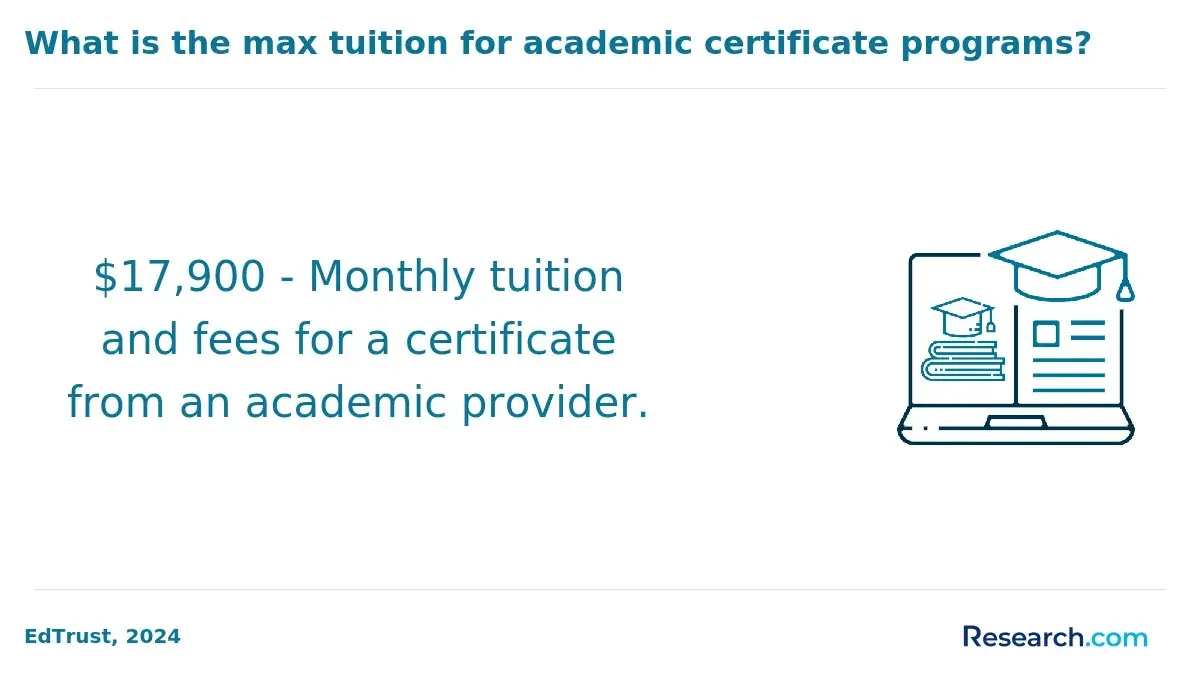
Part-time nursing education master's programs typically price tuition on a per-credit-hour basis, with costs ranging between $500 and $1,200 per credit depending on the institution.
Data from the U.S. National Center for Education Statistics and university financial disclosures show public universities often charge lower rates for in-state students, sometimes under $600 per credit, while private institutions frequently exceed $1,000 per credit regardless of residency.
This billing model means that total expenses are closely tied to the number of credits taken each term, rather than a fixed semester fee, reflecting the flexible pacing common in part-time formats. Understanding these average tuition fees for part-time nursing education degrees is crucial for students balancing budget constraints and academic workload.
Variations in cost reflect several structural and market factors, including residency status, program delivery mode, and brand prestige. Online or hybrid programs may have different fee structures than traditional on-campus courses, sometimes offering savings on commuting or housing but occasionally adding technology fees.
Because part-time students spread enrollment over multiple semesters, the extended timeframe can increase total tuition paid compared to full-time pathways that might offer bulk pricing or flat-rate semesters.
Students should also consider whether programs include additional expenses such as lab fees or clinical practice costs, which add to the financial burden. These pricing dynamics require a thorough evaluation aligned with one's career timeline and financial capacity.
Spreading costs over several years offers flexibility but may result in greater cumulative tuition outlay, which is an important tradeoff for working professionals. Employer-sponsored tuition reimbursement or tuition assistance programs sometimes mitigate these expenses, particularly in nursing education roles with institutional backing.
Prospective students should also weigh their anticipated earning potential, which can vary widely; for example, tracking regional PMHNP salary data reveals that credentials must align with job markets and compensation expectations.
Ultimately, the financial planning around part-time nursing education master's program cost should integrate these practical factors alongside academic objectives.
Do Programs Help Arrange Flexible Clinical Placements for Part-Time Students?
Part-time nursing education programs often rely on formal partnerships with healthcare institutions and distributed clinical placement networks to accommodate students balancing employment and family responsibilities.
These partnerships enable program coordinators to offer a range of clinical scheduling options, such as evening, weekend, or condensed rotations aligned with student availability.
The degree of flexibility, however, varies widely depending on institutional capacity, geographic location, and how the program structures practicum requirements. Programs with dedicated placement coordinators typically provide clearer communication and more adaptable scheduling, but not all institutions have the resources to fully customize clinical experiences for part-time learners.
Despite these support mechanisms, several constraints limit placement flexibility for part-time students. Availability of clinical sites is often finite, particularly in rural or underserved regions, forcing some students to seek placements independently or accept less-than-ideal hours.
Required minimum clinical hours and accreditation standards impose structured timing and supervision conditions that restrict the extent to which placements can be rearranged around outside obligations.
Moreover, coordination with employers regarding time off or schedule adjustments remains a practical hurdle, especially when clinical shifts overlap with work commitments, making truly flexible clinical scheduling challenging to achieve in practice.
Students aiming for smoother clinical placement experiences should proactively inquire about program networks and placement policies before enrollment and consider programs with established pipelines into healthcare facilities.
Leveraging employer-supported clinical opportunities or arranging practicum experiences at one's workplace can minimize scheduling conflicts and enhance the relevance of the clinical training.
Data from a 2024 American Association of Colleges of Nursing survey indicates that over two-thirds of nursing master's programs have increased efforts to offer flexible placement options in response to rising part-time enrollments, underscoring the evolving but still uneven landscape of clinical scheduling support.
What Challenges Do Students Face in Part-Time Nursing Education Master's Programs?
Part-time nursing education master's programs offer essential flexibility but impose demanding academic and logistical pressures that differ substantially from full-time study. These pressures derive primarily from the program's extended timelines, workload intensity, and the need to balance professional and personal responsibilities simultaneously.
- Time Management Conflicts: Balancing coursework alongside full-time employment, family obligations, and clinical practicum schedules creates significant time constraints. This juggling act often heightens stress and reduces effective study time, impairing both academic performance and timely program progression.
- Prolonged Program Duration: Part-time tracks typically extend from three to five years versus the two years typical of full-time programs. This stretch can erode motivation and momentum, increasing burnout risk while delaying students' transitions into advanced nursing education roles and the associated career benefits.
- Limited Peer Interaction and Networking: Evening or weekend classes limit opportunities for meaningful collaboration, mentorship, and professional networking-elements critical to skill development and job placement. Reduced integration with peers can isolate students from informal learning and support systems that facilitate success.
- Scheduling Clinical Practicums: Clinical requirements often conflict with work hours and personal commitments, complicating practical skill acquisition. Limited flexibility in clinical placement timing can impede hands-on learning vital for competence in nursing education.
- Financial and Cognitive Load: Extended enrollment leads to cumulative tuition and associated costs, intensifying financial pressure over time. Many employers expect consistent work performance during study, compounding cognitive and emotional demands on students striving to meet overlapping academic and professional expectations.
According to a 2024 report by the National Center for Education Statistics, approximately 62% of part-time graduate students in health-related fields identify conflicting work and study schedules as a major barrier to degree completion. This statistic underscores the necessity of carefully weighing these tradeoffs when considering part-time nursing education master's pathways.
Which Careers Benefit Most From Part-Time Graduate Education?
Part-time graduate education in nursing education serves as a strategic mechanism for career acceleration rather than just a flexible learning option. Its value is most pronounced in careers where professional experience, credentialing requirements, and continuous upskilling converge to shape advancement opportunities and salary growth.
This structure allows working professionals to integrate advanced education directly with their roles, maximizing practical outcomes and workplace relevance.
- Clinical Nurse Educators: These professionals benefit from part-time study by applying new instructional techniques and evidence-based practices in real time. According to the 2024 National League for Nursing report, over 60% of nurse educators pursue ongoing education while employed, which helps align learning with evolving clinical teaching demands and improves both faculty effectiveness and student outcomes.
- Nurse Managers and Administrators: With nursing management roles expected to grow by 15% through 2030 per the Bureau of Labor Statistics, part-time graduate programs enable nurse managers to build leadership competencies without stepping away from operational responsibilities. This alignment permits experiential learning alongside leadership development, facilitating promotions and skill refinement within dynamic healthcare settings.
- Specialized Clinical Nurses (e.g., Nurse Anesthetists, Nurse Midwives): The blend of academic learning and ongoing clinical practice made possible by part-time study strengthens clinical decision-making. A 2024 Journal of Nursing Administration study found that 48% of advanced practice nurses noted improved decision-making post-part-time graduate education, which directly impacts patient care quality and professional standing.
- Healthcare Policy Advisors and Community Health Educators: These roles require up-to-date evidence-based knowledge while managing multisector responsibilities. Part-time formats enable these professionals to remain current in policy frameworks and health outcomes without the need to pause active service, thus supporting influence across diverse populations.
For those considering alternative healthcare roles that require technical certification alongside practical experience, exploring career paths such as an autopsy technician may provide useful comparative insight on the balance of education and hands-on work.
Overall, flexible nursing education master's careers for working professionals center on integrating practice with advanced knowledge, which is critical for maintaining relevance and competitiveness across various nursing and healthcare domains.
What Factors Matter Most When Comparing Program Flexibility?
Program flexibility in nursing education master's is a multi-dimensional concept, where structural and academic design factors shape true adaptability for students balancing work and study in nursing education graduate programs. Perceived flexibility often hinges on how well specific program elements accommodate diverse schedules, responsibilities, and learning preferences.
- Course Scheduling Structure: Fixed, semester-based schedules may conflict with fluctuating work hours, whereas programs offering rolling admissions or modular courses can better support part-time enrollment and gradual progression.
- Asynchronous vs. Synchronous Delivery: A higher ratio of asynchronous coursework allows students to complete assignments at their own pace, essential for working professionals juggling variable shifts and family commitments.
- Credit Load Adaptability: Programs permitting reduced course loads per term help manage burnout risk and extend time-to-degree, which can be critical in sustaining career continuity without sacrificing academic success.
- Pacing Options: Flexible pacing, ranging from two to five years, enables students to align education timelines with personal and professional demands, but too much flexibility may lead to prolonged completion and loss of momentum.
- Practicum and Internship Requirements: Rigid, in-person clinical hours can limit flexibility; programs that integrate virtual simulations or localized placements offer better accessibility without compromising hands-on skill development.
- Administrative Responsiveness and Resource Access: Timely faculty support and 24/7 access to course materials are vital for maintaining progress amid competing priorities, directly impacting learning outcomes and degree completion rates.
According to a 2024 National Center for Education Statistics report, over 60% of online graduate nursing students prioritize flexible scheduling options, underscoring its importance in part-time nursing education master's programs designed for working professionals.
Core curriculum components such as adult learning theory and curriculum development need to align with these scheduling realities while enabling specialization tracks relevant to evolving healthcare needs.
Evaluating these dimensions helps ensure a chosen program realistically supports long-term career trajectories without forcing untenable tradeoffs between program rigor and life commitments.
Prospective students should also consider related disciplines; for those interested, comprehensive options exist, such as marriage and family therapy masters programs online, which may offer different flexibility models suited to various professional goals.
What Graduates Say About Studying Nursing Education Master's Programs Part-Time
- Lawrence: "After completing my part-time nursing education master's, I quickly realized that employers were putting more emphasis on hands-on experience and strong clinical portfolios rather than just the degree itself. I focused on internships and certifications to stand out, which helped me secure a teaching role despite stiff competition and a saturated job market."
- Yitzchok: "The flexibility of the part-time nursing education program allowed me to continue working full-time while advancing my career. However, I found that without an active nursing license, salary growth and leadership opportunities were a bit limited. It forced me to rethink my long-term goals and consider licensing as a parallel step."
- Cameron: "Graduating from the part-time nursing education master's program opened doors to remote teaching roles that weren't accessible before. Yet, I found the hiring landscape nuanced-some employers prioritized candidates with practical classroom experience over academic credentials alone, so I had to build that real-world teaching portfolio alongside my studies."
Other Things You Should Know About Nursing Education Degrees
In 2027, part-time students in nursing education master's programs can effectively network through online platforms, workshops, and conferences. Many programs offer virtual networking events and mentorship opportunities to ensure part-time students can build connections despite limited on-campus presence.
Employers in nursing education generally value the credential itself rather than the pace at which it was earned, but the extended timeline of part-time study can signal strong time-management and commitment skills. However, in some competitive academic or leadership roles, a full-time degree completion may be preferred due to the potential for more intensive immersion and recent theoretical exposure. Students expecting to pursue highly competitive academic careers should weigh whether the part-time route aligns with advancing their credentials within typical employer expectations.
Part-time nursing education students often juggle active clinical roles alongside coursework, which can enhance the practical relevance of their studies but also intensify workload stress. This integration may slow academic progress but enrich real-world teaching perspectives, ultimately benefiting those targeting clinical instructor or educator roles. Prospective students should evaluate if their current clinical environment offers supportive flexibility, as insufficient accommodation can hinder timely program completion and professional development.
Accreditation significantly influences licensure eligibility, employer acceptance, and degree transferability. For students weighing part-time programs, choosing accredited options should take precedence over selecting faster or more convenient formats, as unaccredited credentials can limit employment and further education opportunities. While longer duration and scheduling demands are practical considerations, ensuring program credibility safeguards long-term career stability and mobility in nursing education.
References
- Reasons to Pursue a Master’s in Nursing Degree https://nursinglicensemap.com/nursing-degrees/masters-in-nursing/benefits-msn-degree/
- Nursing Jobs Beyond the Bedside (Pt. 2): Advance Your Degree, Advance Your Career - Trusted Health https://www.trustedhealth.com/blog/nursing-jobs-beyond-the-bedside-advance-your-degree-advance-your-career
- School of Nursing https://www.ohsu.edu/school-of-nursing/nursing-education-online
- What Can You do With a Masters in Nursing in 2026? 11 Best Jobs https://www.neit.edu/blog/what-can-you-do-with-masters-in-nursing
- Master's Education https://www.aacnnursing.org/students/nursing-education-pathways/masters-education
- Do virtual placements work in nurse education? A cohort study into strengths and limitations https://archive.johs.org.uk/article/doi/10.54531/SWQM4476
- Master of Science in Nursing Education https://www.niagara.edu/programs/ms-ed-nursing-education/
- Best Online Nursing School Master's Programs for 2025 https://www.princetonreview.com/nursing-school-rankings
- Client Challenge https://www.springermedizin.de/challenges-of-distance-learning-encountering-nursing-students-af/50588286
- The 10 Best Online MSN Programs Ranked https://betternurse.org/msn-degree-programs/